
Fashion
Caring for a Leather Jacket at Home: Simple Effective Tips

By

Reviewed
By Sofia Carter
Introduction
The trend for leather goods has not gone away for several decades. A biker jacket is a rough-cut jacket with an asymmetrical cut and bright fittings in the form of rivets and locks. An aviator jacket is for those who love reliability, comfort and warmth. A bomber jacket has a wide elastic band along the bottom and cuffs. A classic jacket is fitted and comes in various lengths. Even a leather coat can be classified as a long leather jacket.
Leather is a durable material, but it needs to be looked after. Caring for a leather jacket should be more about preventing damage than about eliminating it. Then the product will retain its original appearance for a long time. It is better to buy leather jacket care products together with the jacket itself. Use them from the first day.
How to care for a leather jacket
We will tell you what preventive measures will help keep smooth leather, suede or velour items in perfect condition.
Make waterproof
This can be done with a water-repellent impregnation. There are special ones for leather shoes, backpacks or jackets. There are also universal ones for any leather and suede product. Usually they are produced in the form of aerosols or liquids with a sponge. The former are more convenient. They need to be sprayed at a distance of 25-50 cm from the surface, then the layer lies evenly. The latter are not suitable for suede, as they can leave unsightly stains on the texture.
Water-repellent impregnations do not protect the jacket 100%. They only attract less water molecules, and air permeability does not suffer. But since the leather itself has water-repellent properties, the overall effect will be maximum.

To care for your leather jacket at home, start with impregnation. Repeat the procedure periodically every 2-3 weeks. This will extend the life of your items.
How to Dry a Wet Leather Jacket
If the item does get wet, follow the 3 “don’ts” rule:
- Do not dry your leather jacket on a radiator or heating device.
- Do not leave items (keys, key rings) in your pockets. Wet material stretches and deforms when drying.
- Do not leave zippers open. It is necessary to fully zip up the clothes and dry them in this form. This will allow the jacket to take its original correct shape without stretching or deformation.
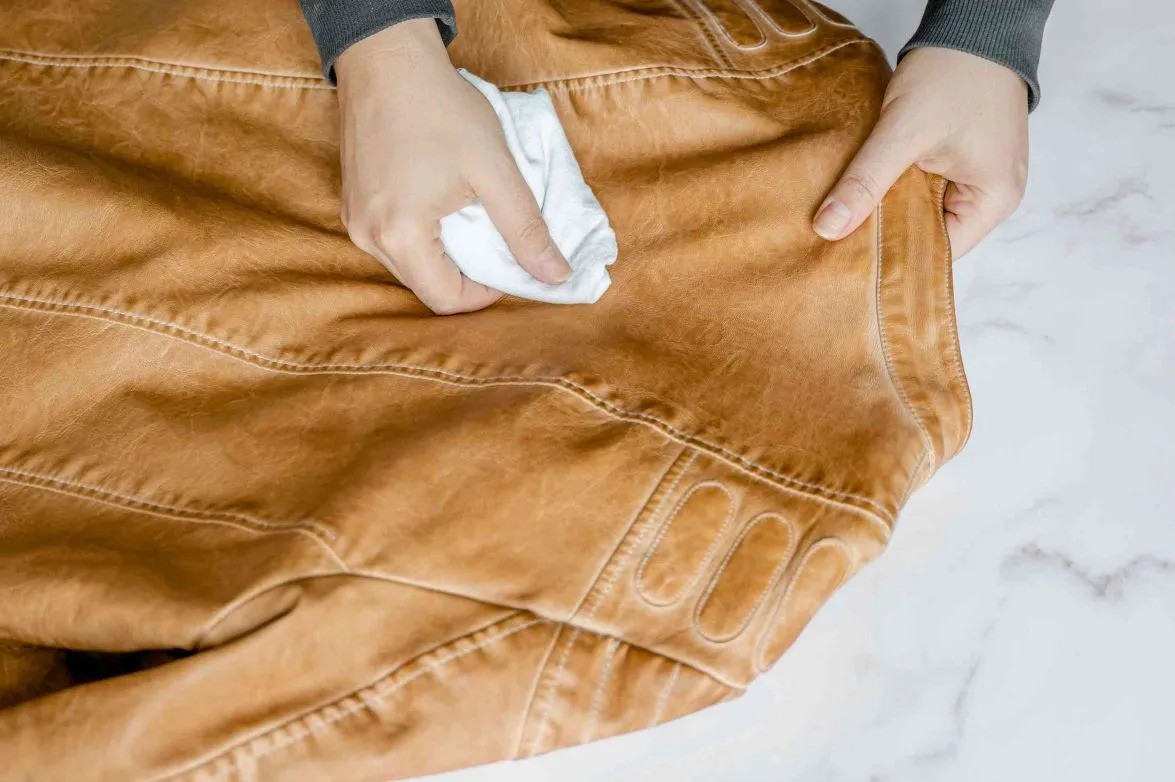
Wipe the wet surface with a dry cloth. Microfiber is best it does not leave streaks. Then hang the jacket on a wide hanger of the right size. Let it dry at room temperature away from all heat sources. Do not hang a still damp suede or leather jacket in the closet, as it may cause diaper rash, stains and an unpleasant odor.
1. Soften
Treat the dry product with a special moisturizing agent conditioner. It nourishes the skin with moisture, restores the fat balance and maintains the color.
There are water-based and water-emulsion conditioners. The former include water for moisturizing, oils and waterproof ingredients. After treatment with such a composition, the water evaporates completely, the oil is evenly absorbed into the leather, leaving no traces. The latter are suitable for the care of delicate materials. Use conditioners as needed, for example, if the jacket has dried out and become rough, before preserving the item for the winter or before wearing it after long-term storage. A large amount of fat will clog the pores and the leather will become dull.
Leather jacket care products are available in the form of creams, foams, and sprays. Cream and spray are suitable for smooth leather, and liquid foam is suitable for delicate patent leather. For suede and velour, it is better to choose a spray for treating suede (this should be indicated on the packaging).
2. Bring back the shine
Polishes care and gloss coating products will help restore the shine. Read the instructions carefully. After using some of them, a little work will be required finishing polishing with flannel to add gloss and a shining effect. Do not polish too often and even for preventive purposes, otherwise the jacket may lose color and dry out. Only when the surface has already become dull.
Polishing is also strictly prohibited for suede and velour. It will damage the delicate structure of the material and ruin the product.
Polishes may contain paraffins. They provide easy polishing, make the surface elastic and create an additional protective layer. They are able to keep the surface of delicate leather in good condition, preventing it from stretching, cracking and fading.
3. Soften dry, cracked skin
You need to deeply saturate your skin with moisturizers. Look for names on the packaging: “impregnation product,” “moisturizing foam,” “leather conditioner.” Brands call moisturizers differently, but the essence is the same. Apply several times until the skin becomes moist to the touch and the feeling of dryness disappears.
If the material is very dry, the composition will be quickly absorbed upon first application, and there will be no visible effect. The procedure must be repeated over and over again to saturate to the full depth. This technology is called impregnation. After its application, the leather acquires waterproof properties. But this does not cancel its treatment with water-repellent agents for preventive purposes.
For moisturizing, use folk remedies with caution, such as glycerin or castor oil. Especially for velour and suede. The leather villi will stick together, wipe off, and leave greasy stains. Professional products are more reliable.
How to clean a leather jacket
No matter how carefully you wear a leather item, over time it may become stained, scuffed, and greasy. The collar, sleeves, and pockets are the areas most susceptible to dirt. Sometimes the collar is “protected” by a scarf, but sleeves and pockets are harder to protect.
1. How to remove dirt
Leather, suede and velour can be cleaned and washed at a dry cleaner or at home. Deep or complex stains, such as fuel oil, gasoline or paint, can only be removed at a dry cleaner. It is not recommended to care for a leather jacket at home with such stains. You can deal with superficial stains yourself.
Do not use aggressive substances for cleaning: acetone, gasoline and alcohol. If you decide to use an aggressive or not intended for leather product, first conduct a small test on an inconspicuous area. For example, where the zipper is sewn. If the leather or suede does not change color dramatically, then the product can be used on the front side.
2. Handle Suede and Velour with Extra Care
Cleaning can be wet or dry. To understand which is suitable for your product, drop some water on the area. If it is absorbed, then only the dry method can be used with a dry cloth or brush. If drops remain and are not absorbed, then wet cleaning with a damp cloth is acceptable.
Do not wash leather items in a washing machine you can ruin them irreversibly. If necessary, a suede jacket can be carefully hand washed in warm water with a mild detergent without bleaches and bioadditives. Spinning is also as delicate as possible without twisting.
There are different types of contaminants. We will tell you how to remove the most common ones:
- To remove traces of ballpoint pens, ink, felt-tip pens, markers and watercolors, use a stain remover with a paint particle solvent. It gently removes the coloring pigment from fabrics.
- Dried dirt and dust can be easily removed with a soft cloth soaked in soapy water or shampoo for suede and leather.
- A stain of unknown origin can be removed with a leather stain remover. If it does not work, you should contact a dry cleaner. Alcohol and acetone are not reliable.
Conclusion
Caring for a leather jacket at home is simple when you follow a few key steps. Start with knowing your leather type, then wipe down your jacket after each wear. Deep clean only when needed, and always test products on hidden spots. Condition every few months to keep leather soft and prevent cracks. Handle spills quickly with baking soda or vinegar, and store your jacket on a padded hanger in a cool, dry place. Rotate wear and use waterproof sprays to guard against damage. With these easy, effective tips, your leather jacket will stay stylish and durable for years.
Author




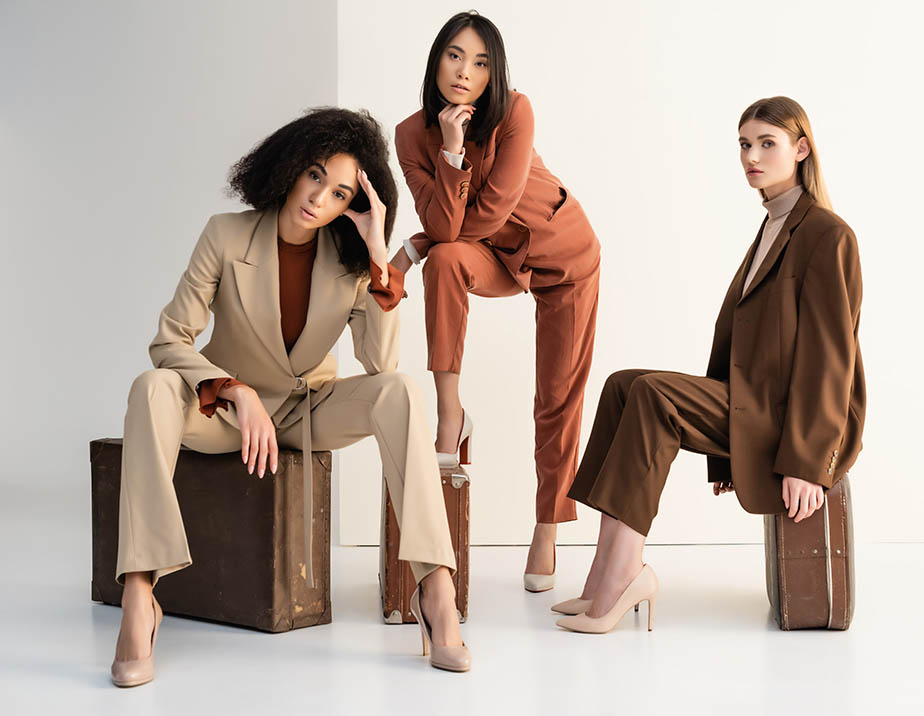
Fashion plays an important role in the way people present themselves. What someone wears can communicate personality, mood, confidence, creativity, and lifestyle. People often make quick impressions based on clothing, even before they start a conversation. However, modern style has moved beyond simply following popular trends. Today, many people want outfits that reflect who they are and how they want to feel.
Clothing Fashion gives people the freedom to explore different looks while building a style that feels personal. Instead of copying every new trend, individuals can choose pieces that match their preferences and daily routines. This approach makes dressing more enjoyable. It also allows people to create an appearance that feels natural and authentic.
Clothing as a Form of Self-Expression
Everyone develops personal preferences when choosing clothes. Some people enjoy relaxed and oversized outfits, while others prefer clean and fitted designs. Likewise, some individuals love bold colors and noticeable accessories. Others feel more comfortable with neutral shades and simple combinations.
Clothing allows people to communicate these preferences without saying a word. A carefully selected outfit can show confidence, creativity, or a relaxed attitude. Moreover, the same piece of clothing can create completely different impressions when someone styles it in a new way.
We Are Righteous clothing can support this creative approach by giving wearers a foundation for personal styling. A hoodie, sweatshirt, or casual top can work with different pieces depending on the occasion. Therefore, one garment does not have to follow only one style direction.
Finding Your Personal Style
Personal style rarely develops in a single day. Most people discover their preferences through trial and experience. They experiment with colors, fits, patterns, layers, and accessories. Over time, they learn which combinations make them feel comfortable and confident.
This process also helps people understand their lifestyle. Someone who spends most of the day on the move may prefer relaxed and practical clothing. Meanwhile, someone who enjoys social events may experiment with more expressive combinations.
Clothing Fashion becomes more meaningful when people use it to develop their own identity. Instead of purchasing every popular item, they can focus on pieces that work with their existing wardrobe. They can also take inspiration from different styles without copying another person’s entire appearance.
Confidence Makes a Difference
Confidence can completely change the way an outfit looks. When people feel comfortable in what they wear, they often carry themselves differently. Their posture may improve, and they may feel more willing to interact with others.
For this reason, people should not choose clothing only because someone else considers it fashionable. Personal comfort and confidence matter just as much. A simple outfit can look impressive when it suits the person wearing it.
We Are Righteous clothing can fit naturally into a casual wardrobe. Wearers can combine familiar pieces with their own favorite jeans, trousers, sneakers, or jackets. As a result, they can create an outfit that feels personal instead of forced.
Comfort and Style Can Work Together
Modern wardrobes increasingly combine comfort with visual appeal. People want clothing that looks good but also allows them to move freely throughout the day. This demand has helped casual styles become a major part of everyday dressing.
Hoodies, sweatshirts, relaxed trousers, sneakers, and comfortable tops can work for many situations. People can wear them while traveling, meeting friends, running errands, or relaxing during the weekend. With the right combination, comfortable clothing can still create a polished appearance.
Furthermore, comfortable clothes give people more freedom to focus on styling. When an outfit feels physically easy to wear, the person can pay more attention to colors, layers, footwear, and accessories.
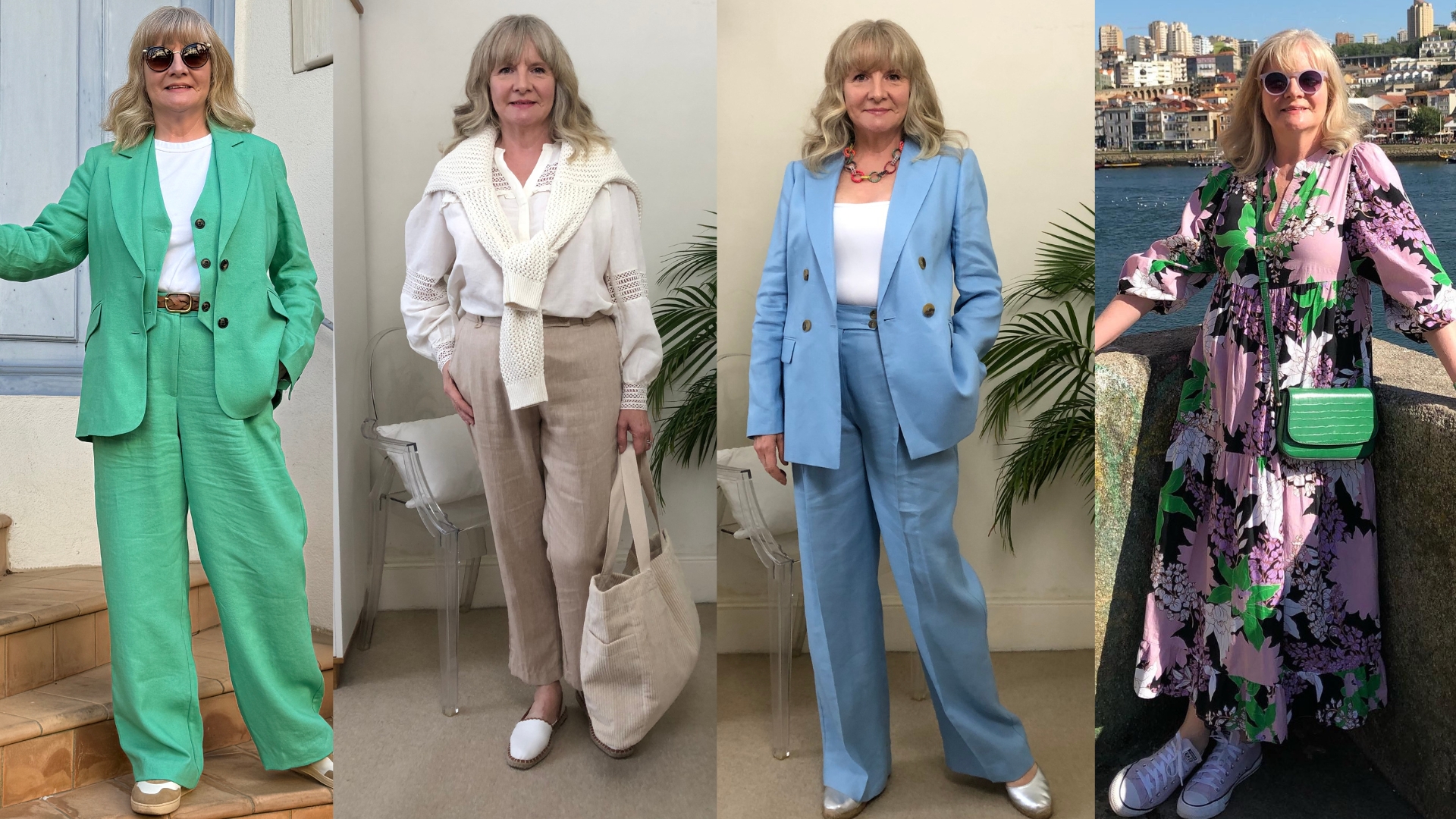
Building Unique Outfit Combinations
Personal style often comes from the way people combine individual pieces. A single hoodie may look casual with jeans but appear more contemporary when paired with relaxed trousers and stylish sneakers. Adding a jacket can create another completely different impression.
This flexibility gives people plenty of room to experiment. They do not need a huge wardrobe to create different looks. Instead, they can learn how to style the same pieces in several ways.
Clothing Fashion encourages this kind of creativity because it focuses on personal interpretation. People can take a basic item and turn it into something that matches their personality. Small changes can make a familiar outfit feel fresh and different.
The Growing Influence of Streetwear
Streetwear has strongly influenced modern casual dressing. Its relaxed shapes and expressive designs have changed the way people view everyday clothing. Items such as hoodies, sweatshirts, graphic tops, sneakers, and loose-fitting trousers now appear in many modern wardrobes.
Streetwear also gives people more freedom. It does not always require strict styling rules. Instead, individuals can mix casual pieces with different textures, colors, and accessories.
We Are Righteous clothing can complement this environment by giving wearers flexible pieces for casual styling. People can keep their outfits simple or build a more expressive streetwear-inspired look. The choice depends entirely on their preferences.
Using Color to Reflect Your Mood
Color can influence the overall feeling of an outfit. Neutral shades often create a calm and understated appearance. On the other hand, brighter colors can add energy and visual interest.
People naturally develop favorite colors based on their personalities and lifestyles. Some prefer black, white, gray, and earthy tones. Others enjoy brighter shades that make their outfits stand out.
Choosing colors based on personal preference can make clothing feel more authentic. Seasonal trends can provide inspiration, but individuals do not need to follow them closely. A color combination that feels right can remain useful long after a particular trend disappears.
Adding Personality Through Layers and Accessories
Layering provides another simple way to change an outfit. A hoodie under a jacket can create a different appearance from wearing the hoodie alone. Similarly, adding a shirt, overshirt, or coat can introduce more depth to a basic combination.
Accessories can also transform an outfit. Sneakers, caps, watches, bags, jewelry, and sunglasses can add subtle or noticeable details. Even a simple outfit can become distinctive when someone chooses accessories that reflect their personality.
Ultimately, personal style does not depend on expensive or unusual clothing. It depends on how confidently someone chooses and combines their pieces. Clothing gives individuals an opportunity to experiment, express themselves, and develop a style that feels genuinely their own. When comfort, creativity, and confidence come together, everyday clothing becomes much more than something people simply wear. It becomes a reflection of identity.
Final Thoughts
Clothing offers more than protection or comfort. It gives people a simple way to express their personality, mood, and lifestyle. Personal style grows through experimentation, confidence, and a willingness to try new combinations. Therefore, people do not need to follow every trend to look stylish. They can choose pieces that feel comfortable and meaningful to them. With the right colors, layers, accessories, and combinations, everyday outfits can become a true reflection of individuality. Ultimately, Clothing Fashion is about feeling confident in what you wear and making your personal style your own.
Author


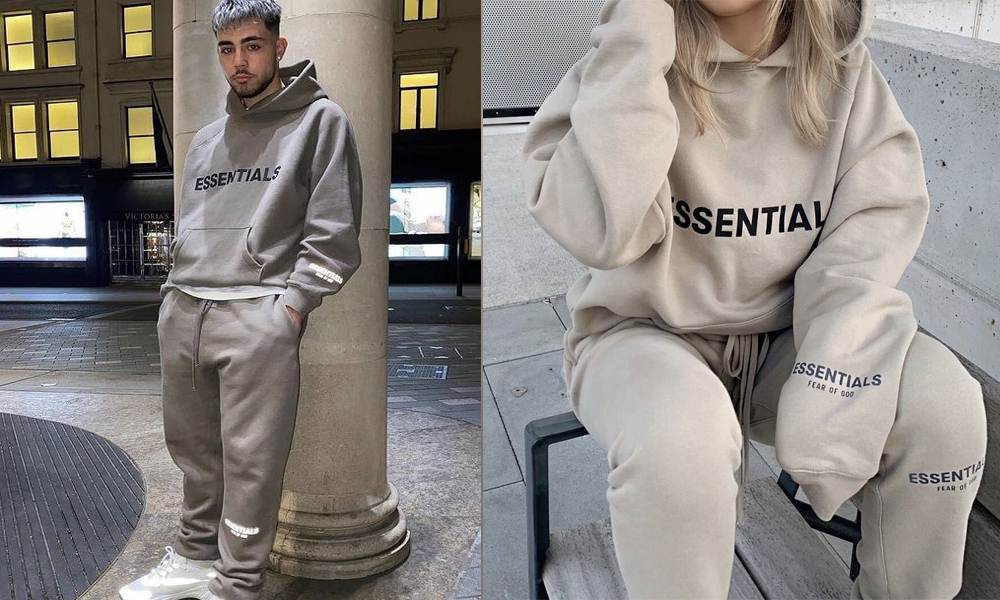
Essentials Tracksuits have moved far beyond the world of sports. Today, they form an important part of casual streetwear. People wear them for travel, relaxed weekends, coffee runs, casual meetups, and everyday city life. Their popularity comes from a simple combination of comfort, practicality, and easy styling.
A coordinated set also saves time. You do not need to spend long choosing matching tops and bottoms. Instead, you can put on the set, select suitable footwear, and finish the outfit with a few simple accessories.
However, creating a good tracksuit outfit involves more than picking a colour. Fit, fabric, layering, footwear, and personal style all influence the final appearance. With a few useful guidelines, you can create outfits that feel comfortable while still looking considered.
Why Tracksuits Work So Well for Streetwear
Streetwear continues to evolve. Sportswear now appears regularly in everyday outfits, and tracksuits have become one of its most practical choices.
A matching set creates an instant foundation. The jacket and trousers already share a similar colour and design, so you can keep the rest of the outfit simple.
Tracksuits also work particularly well in the UK. The weather can change quickly, so flexible clothing makes sense. You can wear a lightweight set during mild weather or add warmer layers when temperatures fall. Several benefits make tracksuits useful for everyday wardrobes:
- They provide freedom of movement.
- They create an effortless casual look.
- You can style the pieces together or separately.
- They work well for travel.
- They suit different seasons with proper layering.
- They pair easily with many types of trainers.
Most importantly, choose clothing that fits your routine. A popular style may look great, but it should also work with the way you actually dress.
Finding the Right Fit
Fit can make or break a streetwear outfit. A well-fitting tracksuit should give you enough room to move without making the clothing look unnecessarily large. Modern streetwear often uses relaxed proportions. However, relaxed does not mean shapeless. The shoulders should sit comfortably, while the trousers should allow movement without dragging across the floor.
You can generally choose between three approaches. A regular fit creates a cleaner silhouette. It suits people who prefer a simple and understated appearance. A relaxed fit gives you more room while maintaining structure. This option works well for everyday wear because it balances comfort and shape.
An oversized fit creates a stronger streetwear appearance. It works particularly well with chunky trainers and layered tops. When you shop online, always check garment measurements. Your usual size may fit differently across different brands and cuts.
Styling an Essentials Tracksuit
Think of the tracksuit as the foundation of your outfit rather than the complete look. This approach gives you more freedom. Start with a simple T-shirt underneath the jacket. Choose a neutral cooler if the tracksuit already has a strong shade. Then add clean trainers and one or two practical accessories.
A crossbody bag can add function without creating too much visual clutter. Likewise, a cap or simple watch can provide a small finishing touch.
You can also separate the pieces. Wear the trousers with a sweatshirt and trainers. Alternatively, combine the jacket with relaxed jeans or casual trousers. This strategy increases the number of outfits you can create from the same clothing.

Layering for Unpredictable Weather
British weather often makes layering essential. Temperatures can change during the day, so flexible clothing can help you stay comfortable. During colder conditions, place a hoodie or sweatshirt underneath the tracksuit jacket. Choose a jacket or coat with enough room to accommodate the extra layer. For mild weather, keep the outfit lighter. A basic T-shirt can provide enough comfort without adding unnecessary bulk.
A practical layering system might include a lightweight T-shirt as the base, a sweatshirt or hoodie as the middle layer, and a jacket or coat as the outer layer. You do not need every layer at once. Adjust your clothing according to the weather and your plans.
Choosing the Right Footwear
Footwear strongly influences the overall character of a tracksuit outfit. Low-profile trainers can create a clean and understated appearance. Retro running shoes can give the outfit a more relaxed feel. Meanwhile, chunky trainers can create a bolder streetwear silhouette.
White trainers work especially well with darker outfits. They create contrast and keep the look fresh. Black trainers offer a more streamlined appearance and can work well with darker clothing.
Pay attention to trouser length too. Excess fabric around the ankles can make the outfit look untidy. If your trousers have a wider or longer cut, chunkier footwear can help balance the proportions.
Choosing Colours That You Can Rewear
Color plays an important role when building a useful wardrobe. Neutral shades usually offer the most flexibility. Black, grey, cream, beige, charcoal, and muted green can work with many other coolers. They also transition easily between seasons.
Lighter shades can create a fresh spring or summer outfit. Earthy colours work naturally during autumn. Darker tones often suit winter styling and can make everyday maintenance easier.
Still, you do not need to avoid bold colours. If you choose a bright tracksuit, keep your other clothing relatively simple. This approach allows the main piece to stand out without making the outfit feel excessive.
Avoiding an Overstyled Look
Streetwear does not always require multiple statement pieces. In fact, simple outfits often look more polished. If your trainers have a bold design, keep your clothing relatively understated. If your tracksuit features prominent branding, choose simple accessories.
The same rule applies to colours. Too many competing shades can make an outfit look disconnected. Instead, select two or three complementary colours and build around them.
Proportion also matters. A loose top can work with relaxed trousers, but adding several oversized layers may create too much volume. Focus on balance. Good proportions can make a simple outfit look intentional.
Caring for Your Tracksuit
Proper care helps clothing maintain its appearance. Before washing anything, read the care label carefully. Follow the recommended temperature and drying instructions. Avoid unnecessarily hot washes. Excessive heat can affect some fabrics and may cause unwanted shrinkage. Also, avoid overloading the washing machine because clothing needs enough space to move during the wash.
Turn garments inside out when appropriate. This step can help protect certain prints, colours, and surface details. After washing, dry the clothing according to the manufacturer’s instructions. Avoid excessive heat when the care label recommends air drying.
Storage also matters. Keep your clothes in a clean, dry space. Fold suitable garments neatly, or use appropriate hangers for pieces that benefit from hanging.
Building a Flexible Wardrobe
A good tracksuit should complement the rest of your wardrobe. Avoid buying several sets that all serve exactly the same purpose. Instead, build around versatile basics. A couple of plain T-shirts, a quality hoodie, relaxed jeans, everyday trainers, a lightweight jacket, and a winter coat can create many combinations.
For example, you can wear the tracksuit trousers with a plain T-shirt and casual jacket. You can also pair the jacket with jeans and trainers. A hoodie can work underneath a coat during colder days. This approach helps you create more outfits without constantly buying new clothing.
Everyday Styling Made Simple
The biggest advantage of an Essentials Tracksuit comes from its versatility. You can dress it up slightly with clean trainers and minimal accessories. Alternatively, you can create a relaxed outfit with a hoodie, casual footwear, and a practical bag.
The key involves understanding your proportions and choosing pieces that work together. You do not need complicated combinations to create a strong streetwear look.
Comfort should also remain a priority. Clothing that looks good but feels uncomfortable will rarely become a regular part of your wardrobe.
Final Thoughts
An Essentials Tracksuit can provide a reliable starting point for modern casual dressing. Its coordinated design makes outfit planning easier, while separate pieces give you plenty of styling options.
Choose your fit carefully. Think about color, footwear, and layering before you buy. Also, consider how the set will work with clothes you already own. Good maintenance can extend the useful life of your clothing. Simple washing and storage habits can help preserve its appearance.
Ultimately, successful streetwear does not require a complicated wardrobe. A comfortable tracksuit, suitable trainers, practical layers, and a few well-chosen accessories can create numerous everyday outfits. Focus on versatility, balance, and personal comfort. Those qualities will help you build a style that feels natural rather than forced.
Author


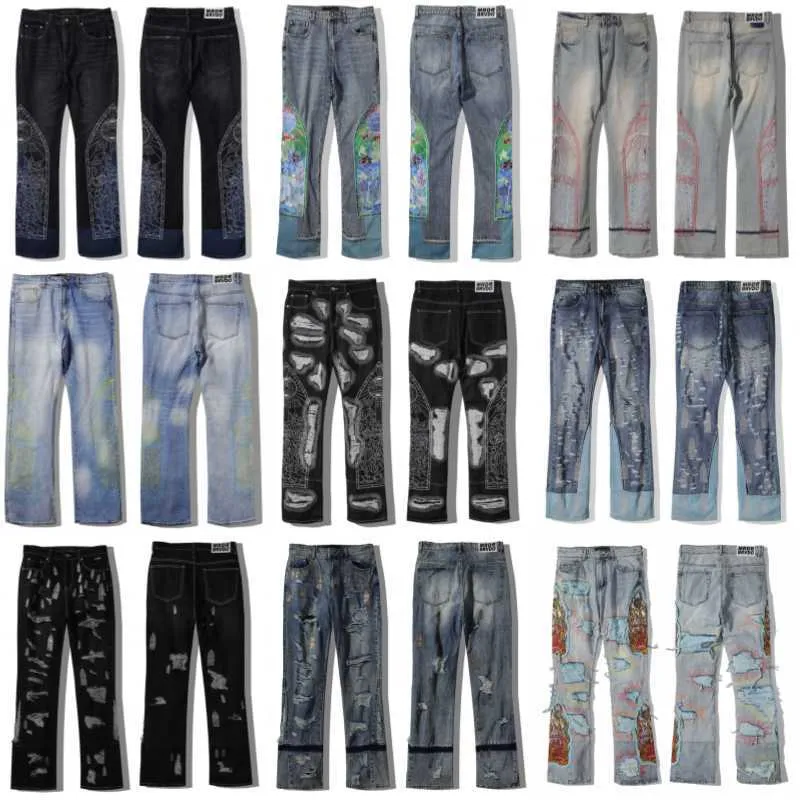
Fashion brands often use names that capture attention. However, few names create as much curiosity as Who Decides War. The name sounds direct, emotional, and even confrontational. It asks a question instead of simply presenting a label.
That approach reflects the brand’s wider identity. Who Decides War jeans combines streetwear influences with detailed craftsmanship, distressed textures, bold graphics, and carefully developed silhouettes. The label has also built a strong connection with contemporary fashion culture. Yet, before people recognized its distinctive denim and statement pieces, they first noticed the unusual name. So, where did the name come from? More importantly, what does it represent?
The Early Story of Ev Bravado
The brand’s history begins with Everard Best, who works under the name Ev Bravado. Best developed his interest in fashion independently. He also used social media to introduce his ideas to a growing audience.
During the early days of Instagram and Tumblr-driven streetwear culture, emerging designers could connect directly with consumers. Best took advantage of that opportunity. He shared his work online and gradually developed a community around his designs.
In 2015, he launched a label under the Ev Bravado name. The project eventually moved in a different direction. Best later transformed the label into Who Decides War.
The change represented more than a new name. It helped establish a broader creative identity. Instead of centering the brand entirely around the designer, the new name created space for a larger concept.
A Creative Partnership
Who Decides War also grew through collaboration. Best met Téla D’Amore in New York’s Lower East Side. Their shared interest in fashion and creative culture eventually developed into both a personal and professional partnership.
D’Amore brought her own perspective to the creative process. Her influence helped expand the brand’s approach to clothing and design. Together, Best and D’Amore developed a visual language that combines streetwear with detailed construction and strong storytelling.
Their partnership helped the label gain recognition within the wider fashion industry. The brand later received attention from major fashion institutions and competitions. Those achievements helped demonstrate that the label could move beyond underground streetwear and enter a broader contemporary fashion conversation.
Why the Name Stands Out
Many fashion brands choose short names, invented words, or simple initials. Who Decides War takes a different approach. It presents a complete question.
The phrase naturally makes people think about power and responsibility. Who makes important decisions? Who controls conflict? How faces the consequences of those decisions? The brand does not need to provide one simple answer. Instead, the question creates room for interpretation.
That ambiguity also fits the label’s visual identity. Its garments often combine contrasting elements. Rough textures meet detailed artwork. Traditional silhouettes meet unexpected treatments. Familiar clothing becomes something more expressive. As a result, the name feels connected to the clothing rather than functioning as a simple trademark.
How Denim Became Part of the Identity
Denim plays an important role in the brand’s visual language. The label approaches jeans as more than basic wardrobe essentials. Designers can manipulate denim through distressing, reconstruction, appliqué work, and other techniques.
This approach creates garments with a worn and carefully developed appearance. Instead of making every pair look perfectly uniform, the design process can emphasize texture and individuality.
That philosophy becomes especially clear through War Jeans. The denim can feature dramatic treatments that immediately attract attention. Distressed areas, layered details, and unusual finishes create a visual story across the garment.
The result feels connected to the brand’s broader interest in transformation. Designers take a familiar clothing category and push it into a more expressive direction.
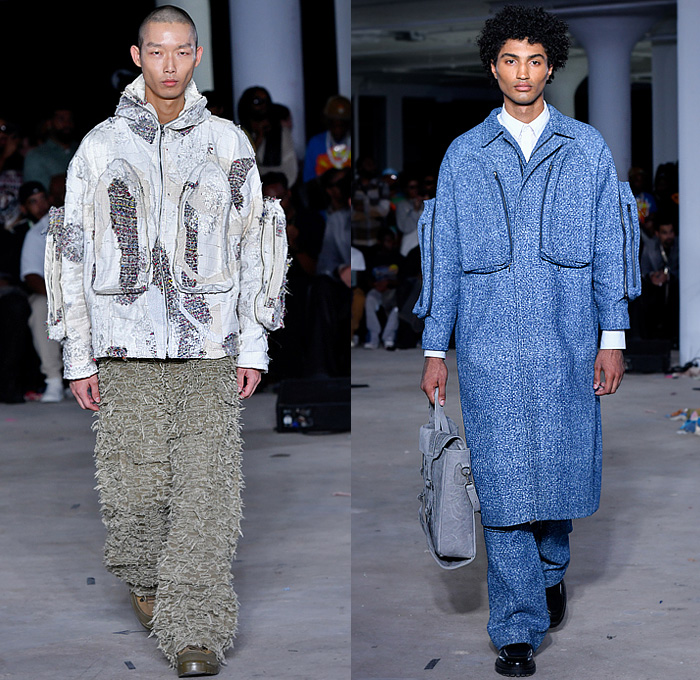
The Role of Hoodies
Hoodies remain an important part of modern streetwear. They combine comfort with plenty of space for graphics, artwork, and other design elements. Who Decides War uses that space creatively. Some designs feature faded imagery or layered graphics. Others emphasize construction details, hardware, or distinctive textures.
The hoodie therefore becomes more than a casual layer. It can communicate the brand’s attitude while remaining practical enough for everyday outfits. This balance helps explain why the label attracts people who enjoy streetwear but also want stronger design elements.
Extending the Idea to Shorts
The same design philosophy appears in the brand’s shorts. The smaller silhouette does not mean the label reduces its visual impact. Designers can apply distressing, graphics, appliqué, and other treatments to create recognizable pieces. These details help maintain consistency across different categories.
War Jeans may receive the most attention because denim has become closely associated with the brand. However, the label’s creative direction extends well beyond jeans. Shorts, hoodies, jackets, and other garments can all carry elements of the same design language.
Craftsmanship and Individuality
One of the strongest themes within the brand involves craftsmanship. Many of its garments feature details that require careful attention. Distressing can create texture. Appliqué can introduce depth. Reworked materials can give familiar garments a completely different character.
These techniques also support the idea of individuality. Two heavily treated garments may share the same overall concept while still showing subtle differences.
That quality appeals to consumers who want clothing that feels distinctive. Instead of choosing something that disappears into a crowd, they can choose a piece with a stronger visual identity.
The Meaning Behind the Question
The phrase Who Decides War can also encourage people to think beyond fashion. It raises questions about authority, responsibility, and the people affected by major decisions. That makes the brand name more than a decorative phrase. It can encourage conversation.
Fashion often communicates ideas without using traditional written statements. A name, graphic, silhouette, or material choice can influence how people interpret a garment. Who Decides War uses that principle effectively. Its identity invites viewers to look beyond the surface.
Why the Brand Continues to Attract Attention
Contemporary fashion increasingly values originality. Consumers can find countless brands offering similar hoodies, jeans, sneakers, and casual basics. Standing apart requires a recognizable point of view. Who Decides War has developed that point of view through its name, design process, and cultural references.
Its clothing combines familiar streetwear categories with more experimental treatments. At the same time, the brand maintains a recognizable identity across its collections. Jeans remain a strong example of that approach. Their distressed construction and detailed finish demonstrate how the brand can transform an everyday garment into a statement piece.
Final Thoughts
The story behind Who Decides War goes far beyond an unusual fashion name. The label grew from Ev Bravado’s early independent work and developed through his creative partnership with Téla D’Amore.
The name itself creates an open-ended question about power and responsibility. Meanwhile, the clothing reinforces that sense of curiosity through distressed materials, bold graphics, reconstruction, and detailed craftsmanship.
War Jeans capture this philosophy particularly well. They take a familiar piece of clothing and give it a more distinctive identity.
Ultimately, Who Decides War succeeds because it connects its name with its design language. The brand does not simply ask people to look at clothing. It encourages them to think about the ideas behind it.
Author



Cylinder Volume: The Complete Guide to Calculating Volume Accurately

Best Bourbon Tours in Kentucky: Choosing the Right Tour for You

Cabinet Shop Drawings for Precise Fabrication and Installation

Auto Repair Digital Marketing: Grow Your Automotive Business Online

Residential Drafting Services for Remodeling and Renovation Plans

Raised Bed Soil Calculator: How Much Soil Do You Really Need?

3 Best Rhude Hoodies for UK Style 2026

Revit Drafting Solutions for Accurate BIM Projects

How to Find Mobile App Developers in Dubai for Android & iOS Apps

How Do IDA Jacket Designs Balance Function, Comfort, and Style?

Cybersecurity Consulting Company SequelNet Provides Critical IT Support Services to Medical Billing Firm, Medical Optimum

Meet the Megalodon: The Shark Star of ‘Meg 2’

Reduce Video Game Lag: Level Up Your Gaming Performance

Balancing India’s Entertainment: Cricket vs. Bollywood

Jetsetter’s Secrets: Unveiling Our Favorite Travel Hacks for a Seamless Adventure

The 5 Best Live Sports Streaming Sites: Legal and Exciting!

Hollywood Labor Unrest: The Impact of ‘What About Us?’ Strikes

Unveiling the Magic of Dream Fulfillment at the Late NBA Draft

Illuminate Your Skin: Dr. Axe Unveils Natural Remedies for Lightening Knees and Elbows

Bright Choices: Navigating the Pros and Cons of Skin Whitening Creams with Dr. Axe
-

 Business3 years ago
Cybersecurity Consulting Company SequelNet Provides Critical IT Support Services to Medical Billing Firm, Medical Optimum
-
Entertainment3 years ago
Meet the Megalodon: The Shark Star of ‘Meg 2’
-
Entertainment3 years ago
Reduce Video Game Lag: Level Up Your Gaming Performance
-
 Sports3 years ago
Balancing India’s Entertainment: Cricket vs. Bollywood
-
Entertainment3 years ago
Jetsetter’s Secrets: Unveiling Our Favorite Travel Hacks for a Seamless Adventure
-
Productivity3 years ago
The 5 Best Live Sports Streaming Sites: Legal and Exciting!
-
Art /Entertainment3 years ago
Hollywood Labor Unrest: The Impact of ‘What About Us?’ Strikes
-
Sports3 years ago
Unveiling the Magic of Dream Fulfillment at the Late NBA Draft






