
Business
How do I program or update my NFC business card?

By

Reviewed
By Yusra Parker
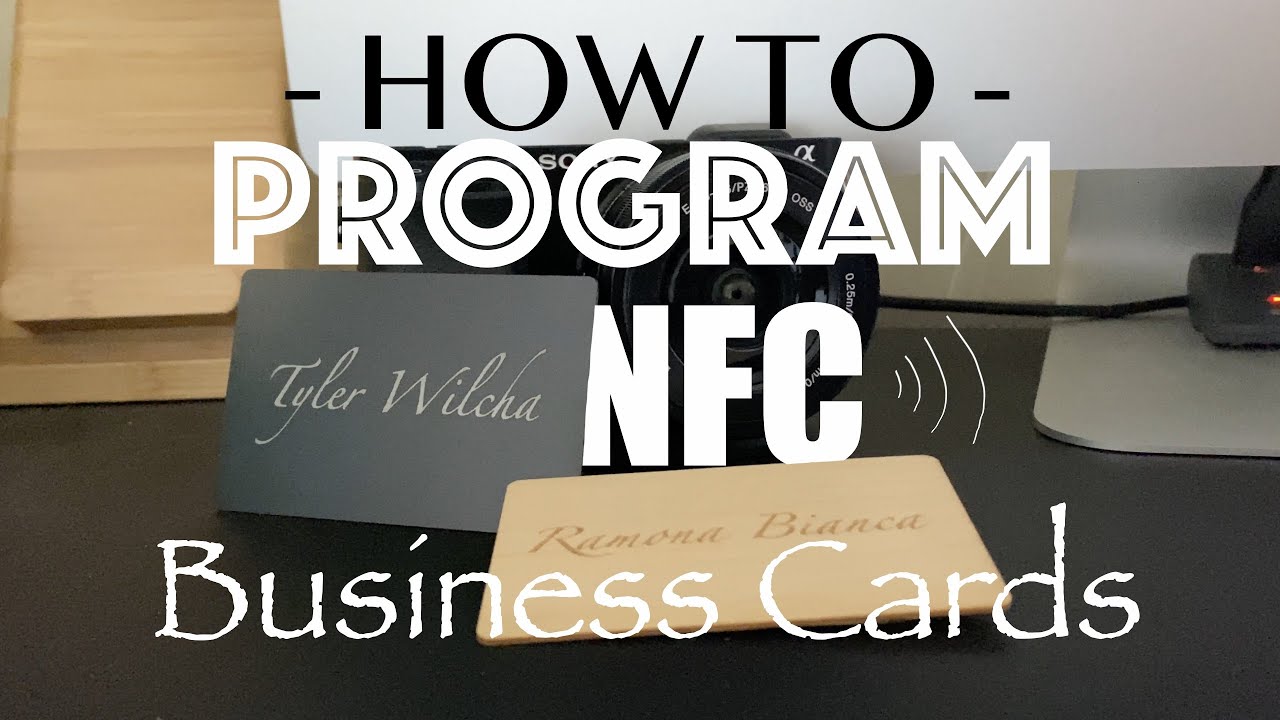
Introduction
In the age of digital transformation, the way we connect and network is evolving rapidly. Business cards, once made only of paper and ink, are now infused with powerful technology. NFC, or Near Field Communication, allows instant, contactless sharing of information. If you’ve recently gotten your hands on an NFC business card or are planning to, one essential skill you’ll want to learn is how to program or update the card with your information. Whether you’re a techie or a complete beginner, this guide will walk you through every step—simply, clearly, and confidently.
Understanding NFC Business Cards
NFC business cards may look like traditional cards, but they carry a tiny chip inside. This chip can be programmed to share any information you want with just a tap against a smartphone. It could be your contact details, your website, your LinkedIn profile, or even a downloadable file.
These cards are compatible with most modern smartphones, both Android and iOS. Once tapped, the card triggers an automatic action—usually opening a browser or a contact-saving screen. You don’t need internet for the tap to work, but if your link points to an online destination, the receiving phone will need a connection.
Why Programming Your NFC Card Matters
Programming your NFC business card turns it from a blank slate into a powerful tool. It makes networking faster, more memorable, and far more efficient. Instead of handing out dozens of traditional cards and hoping someone keeps them, one single NFC card can be used again and again, updated as your information changes.
If you’ve rebranded, changed roles, updated your website, or simply want to refine how people experience your card, learning how to program or update it puts that power directly in your hands. It also ensures your card is always current and aligned with your brand identity.

What You Need Before You Start
Before diving into the process, you’ll need a few things:
- First, make sure you have a writable NFC business card. Some cards come pre-programmed by manufacturers but allow updates. Others may be locked once written. Always confirm if your card supports rewrites.
- Second, you’ll need an NFC-enabled device, such as a smartphone or tablet. Most Android phones have built-in NFC support. For iPhone users, models from iPhone 7 onward generally include NFC, though you may need a specific app to write data.
- Third, download an NFC writing app. There are many available on app stores—NFC Tools, Smart NFC, or others recommended by your card provider.
- Lastly, decide what content you want to program into your card. This could be a URL, vCard (digital contact), social media profile, or custom message.
How the Programming Process Works
NFC chips work by wirelessly transmitting data to a compatible device within a short range—usually just a few centimeters. When you program your card, you’re essentially telling the chip what data to hold and how to respond when someone taps it with their phone.
The app you use will guide you through selecting the type of data, entering the content, and writing it to the chip. It’s not complicated—more like filling out a simple form. Once done, the data is stored on the chip and will remain there until overwritten.
Steps to Program a New NFC Business Card
Let’s walk through the actual programming process. After launching your NFC writing app, you’ll typically see a dashboard offering several data types to write URL, text, contact, app link, and more.
Choose the content type you want. For example, to direct people to your website, select “URL” and type in your site address. If you’re sharing contact info, pick the “Contact” or “vCard” option and input your details name, phone, email, company, and address.
Once your data is ready, tap “Write” or “Program” in the app. Then place your NFC card against the back of your phone as instructed. You’ll usually feel a vibration or see a confirmation message when the process is successful.
Don’t remove the card too quickly. Let the process finish completely. It takes only a few seconds, but a rushed attempt may corrupt the data or result in an incomplete write.
Updating an Existing NFC Business Card
The process for updating is very similar to the initial programming. However, one key step is to clear the existing data first. Most apps have an “Erase” or “Format” option. Use that to remove the old information before writing the new one.
Some apps also allow you to overwrite the data without formatting, especially if the card supports multiple rewrites. But formatting first can help avoid conflicts, especially if you’re switching data types—for example, from a website to a vCard.
After erasing, simply follow the same programming steps: select your new data, tap to write, and confirm it works by testing it on a smartphone.
Using Mobile Apps for Quick Setup
Mobile apps make programming NFC cards remarkably easy. Many of them have templates and automation features that allow you to save your preferences and apply them across multiple cards.
For instance, if you’re creating cards for your team, you can predefine a layout or contact structure and then fill in individual details per person. Some apps even sync with online databases or CRMs to pull info directly.
Apps like NFC Tools also offer advanced features like writing multiple records (e.g., website + social media), setting tags to open specific apps, or encoding Wi-Fi credentials. Explore these features as you become more comfortable.
What Kind of Data Can You Store
An NFC business card can carry many types of information. Most commonly, people store:
- Website URLs
- Digital business cards (vCards)
- Social media links (LinkedIn, Twitter, Instagram)
- Email addresses or prewritten messages
- Phone numbers for direct calling
- Calendar invites
- Download links for apps or portfolios
Some even store access codes, hotel check-in links, or Wi-Fi passwords for clients. However, NFC chips do have memory limits. Most business card chips hold between 144 to 888 bytes. So, keep your content short and focused.
Troubleshooting Common Issues
Sometimes, you may run into problems don’t worry, they’re usually easy to fix. If your phone doesn’t recognize the card, ensure NFC is turned on. On Android, it’s usually under “Connections” or “Settings > Wireless.” On iPhones, it’s on by default in most newer models.
If the write process fails, check if your card is locked or read-only. Some cheaper tags can only be written once. Try a different card or check if your app supports formatting.
Also, avoid placing metal objects or magnets near your NFC card when programming. These can interfere with the signal. If the link you programmed doesn’t open, double-check the URL format. Make sure it starts with “https://” for best compatibility.
Privacy and Security Considerations
When programming your NFC card, think carefully about privacy. Any NFC-enabled phone can read your card if it’s left unattended. That means you should avoid storing highly sensitive or personal data unless your card supports encryption (rare in standard business cards).
Also, keep URLs clean and professional. Avoid linking to platforms that require a login unless absolutely necessary. You want the user experience to be smooth, immediate, and trustworthy.
If you’re using a digital card service, ensure the provider uses HTTPS and allows you to control or disable the card remotely in case of loss or compromise.
Real-Life Scenarios and Use Cases
Imagine you’re attending a tech conference. Instead of handing out stacks of business cards, you offer your NFC card to each person you meet. With one tap, they have your contact info saved to their phone—no typos, no paper waste.
Or say you’re a real estate agent. You can use your NFC card to link directly to a virtual property tour, showing potential buyers your listings instantly.
If you’re in a creative field—like photography, design, or writing—you can link to your portfolio, making your first impression not just a handshake but a whole experience.
NFC Business Cards in a Professional World
Professionals across industries are adopting NFC cards not just for their novelty but for their functionality. They allow seamless integration between real-world encounters and digital identities.
Whether you’re a freelancer looking to stand out, a startup founder attending networking events, or a recruiter meeting potential hires, NFC business cards project a tech-savvy image while making interactions smoother.
Plus, they’re environmentally friendly, reducing the need for disposable paper cards. They also align with the values of modern branding—efficiency, innovation, and personalization.
Final Thoughts
Learning how to program or update your Digital Business Cards is a small investment of time that pays off in a big way. It empowers you to take full control of how you’re presented to the world. It allows your contact details to evolve as you grow professionally. And most importantly, it keeps you one step ahead in a world that’s rapidly embracing digital-first connections.
So go ahead pick up your NFC card, open the app, and start programming your future. The tap of a card may seem small, but it can open doors, forge connections, and leave lasting impressions in the digital age.
Author


A well-designed kitchen is more than a place to prepare meals. It is an essential part of a home where functionality, convenience, and style come together. Choosing the right fittings can help create a kitchen that looks elegant while supporting everyday needs. For homeowners seeking a Haffele kitchen dealer in Thrissur, City Ceramics offers access to Haffele fittings and premium kitchen and bathroom solutions designed to combine performance with elegance.
Whether you are planning a new kitchen or considering improvements to your existing space, selecting suitable fittings is an important step. With a focus on quality solutions and refined design, City Ceramics provides an option for exploring Haffele products for modern kitchen and bathroom spaces.
Why Choose a Haffele Kitchen Dealer in Thrissur?
Kitchen fittings play an important role in the overall appearance and functionality of a kitchen. From supporting daily activities to contributing to the design of the space, the right choices can make a noticeable difference in how a kitchen looks and feels.
When searching for a Haffele kitchen dealer in Thrissur, homeowners can explore the solutions available at City Ceramics. The company features Haffele fittings alongside premium kitchen and bathroom solutions that focus on performance and elegance.
Choosing fittings should involve more than considering their appearance. It is also important to think about how they will support everyday use, complement the kitchen layout, and fit into the overall design of your home.
By exploring the available Haffele options, customers can identify products that suit their design preferences and functional requirements. This approach helps make the selection process more focused and aligned with individual needs.
Discover Haffele Kitchen Fittings at City Ceramics
Kitchen fittings contribute to the usability and visual appeal of a kitchen. Well-considered selections can help create a cohesive interior where individual components complement the overall design.
City Ceramics offers Haffele fittings for customers interested in premium kitchen solutions. These products provide an opportunity to explore options that align with a preference for elegant design and practical performance.
When selecting kitchen fittings, consider the layout of your space, the way you use your kitchen, and the appearance you want to achieve. A coordinated approach can help bring together the different elements of your kitchen while maintaining a consistent design.
For homeowners comparing available solutions, City Ceramics provides a starting point for exploring Haffele fittings in Thrissur. Reviewing the available options and discussing your requirements can help you make a more informed selection for your home.
Combine Performance with Elegant Kitchen Design
An attractive kitchen should also support the practical demands of everyday life. Design and functionality work together to create a space that feels comfortable, organised, and suitable for regular use.
Haffele fittings available through City Ceramics are presented as part of premium kitchen solutions designed around performance and elegance. This combination makes them worth exploring for homeowners who want their kitchen fittings to contribute to both the usability and appearance of their space.
Before choosing fittings, consider how they will complement your cabinets, overall layout, and preferred interior style. Coordinating these elements can help create a kitchen that feels balanced rather than visually cluttered.
It is equally important to consider your everyday requirements. Think about the functions you need, the available space, and the features that would make your kitchen more convenient to use. These considerations can guide your selection and help you focus on solutions that match your priorities.
Explore Premium Bathroom Solutions at City Ceramics
A home’s design extends beyond the kitchen. Bathrooms also benefit from thoughtful product selection, particularly when the goal is to combine visual appeal with everyday functionality.
City Ceramics offers premium kitchen and bathroom solutions, providing customers with an opportunity to explore products for different areas of their homes. The emphasis on performance and elegance supports a design approach that considers both practical requirements and overall appearance.
When planning a bathroom, consider the available space, the intended design, and the functionality you expect from the selected products. Keeping these priorities in mind can help you create a coordinated space that complements the rest of your home.
Exploring the available solutions at City Ceramics can help homeowners understand the options relevant to their projects. For specific product features, dimensions, finishes, or availability, it is advisable to confirm the details directly with the company before making a purchase.
How to Select the Right Kitchen Fittings for Your Home
Choosing kitchen fittings becomes easier when you begin with a clear understanding of your requirements. Instead of making decisions based only on appearance, consider how each selection will contribute to the complete kitchen design.
Here are a few practical considerations:
1. Evaluate your kitchen layout: Understand the available space and identify the fittings that suit your kitchen’s arrangement.
2. Define your design preferences: Consider whether you prefer a contemporary, understated, or more refined interior style.
3. Prioritise functionality: Think about the features that will support your everyday cooking and kitchen activities.
4. Focus on coordination: Choose fittings that complement your cabinets and other design elements for a consistent appearance.
5. Confirm product details: Discuss available Haffele options with City Ceramics and verify specifications before finalising your selection.
Following these steps can help you compare options more effectively and choose fittings that align with your practical needs and aesthetic preferences.
Visit City Ceramics for Haffele Kitchen Solutions in Thrissur
Finding suitable kitchen fittings is an important part of creating a functional and visually appealing home. From considering the overall layout to selecting products that complement your preferred style, every decision contributes to the final result.
For those looking for a Haffele kitchen dealer in Thrissur, City Ceramics offers access to Haffele fittings and premium kitchen and bathroom solutions designed for performance and elegance.
Explore the available options, clarify your requirements, and confirm product specifications before making your decision. Whether you are planning a new kitchen or improving an existing space, City Ceramics can be a starting point for discovering Haffele fittings that complement your home’s design goals.
Choose kitchen and bathroom solutions with careful attention to functionality, appearance, and suitability for your space to create interiors that reflect your preferences and everyday needs.
Author


The Importance of Continuous Learning in Leadership
Business leadership is not just about managing people, making decisions, or achieving financial targets. It is also about learning, adapting, and growing with changing business needs. In today’s competitive environment, new technologies, customer expectations, and market trends are constantly changing how companies operate. Business leaders who continue learning are better prepared to handle these changes and guide their organizations toward long-term success. Continuous learning helps leaders improve their knowledge, develop new skills, and make informed decisions that benefit both employees and businesses.
Staying Ahead in a Changing Business Environment
The business world rarely stays the same for long. New competitors enter the market, customer preferences evolve, and innovative business models create fresh opportunities. Leaders who depend only on their previous experience may struggle to respond effectively to these developments. Continuous learning allows business leaders to stay informed about industry trends, emerging challenges, and new opportunities. By regularly exploring new ideas and gaining knowledge, leaders can adjust their strategies, identify potential risks, and keep their organizations competitive in a rapidly changing marketplace.
Improving Decision-Making Skills
Every business leader makes decisions that influence employees, customers, finances, and future growth. Some decisions involve everyday operations, while others determine the long-term direction of an organization. Continuous learning helps leaders understand different perspectives, evaluate available information, and consider the possible consequences of their choices. Whether they are studying business strategy, financial management, or customer behavior, leaders who keep learning can make more thoughtful and informed decisions. This approach reduces dependence on assumptions and encourages a more practical, evidence-based way of solving business problems.
Developing Stronger Leadership Abilities
Effective leadership requires more than professional experience or technical knowledge. It also involves communication, emotional intelligence, conflict resolution, and the ability to motivate others. These skills develop through practice, feedback, and continuous improvement. Business leaders who invest time in learning can better understand their teams, manage difficult conversations, and build stronger professional relationships. Continuous leadership development helps managers become more confident, adaptable, and approachable. As a result, employees are more likely to trust their leaders, share ideas, and work together toward common business goals.
Encouraging Innovation and Creative Thinking
Innovation is essential for businesses that want to remain relevant and discover new ways to serve customers. However, innovation often begins when leaders are willing to question existing practices and explore unfamiliar ideas. Continuous learning introduces business leaders to different perspectives, technologies, and problem-solving methods. Reading industry publications, attending professional events, and discussing ideas with experienced professionals can inspire fresh approaches to everyday challenges. Leaders who remain curious create an environment where experimentation and creative thinking are encouraged, helping their organizations discover better products, services, and business processes.
Helping Businesses Adapt to New Technologies
Technology continues to transform business operations, from customer service and marketing to data analysis and project management. Artificial intelligence, automation, and digital collaboration tools are changing how organizations work. Business leaders do not need to become experts in every new technology, but they should understand how these tools can support their business objectives. Learning about emerging technologies enables leaders to identify useful investments, improve productivity, and prepare employees for digital change. A leader who understands technological developments is also better positioned to balance innovation with practical considerations such as cost, security, and employee training.
Building a Culture of Continuous Learning
A company’s learning culture often reflects the behavior of its leadership team. When leaders actively seek knowledge, welcome feedback, and acknowledge their mistakes, employees receive a clear message that professional growth matters. Businesses can encourage this culture through training programs, mentoring sessions, workshops, and opportunities to learn new skills. Leaders should also make learning accessible during regular working hours rather than treating it as an unnecessary extra responsibility. When learning becomes part of the workplace culture, employees are more likely to improve their performance, share knowledge, and contribute to organizational growth.
Strengthening Employee Engagement and Retention
Employees want opportunities to develop their abilities and build meaningful careers. When businesses invest in professional development, they demonstrate that they value their workforce beyond immediate job responsibilities. Leaders who understand this connection can create better development plans, support career progression, and identify employees’ individual strengths. Continuous learning also helps managers recognize when team members need additional guidance or new challenges. A workplace that supports learning can improve employee motivation, strengthen engagement, and encourage talented professionals to remain with the organization. This can also reduce the costs associated with frequent recruitment and employee turnover.
Improving Communication and Emotional Intelligence
Strong communication is one of the most valuable skills a business leader can develop. Leaders must explain expectations, provide constructive feedback, resolve disagreements, and communicate organizational changes clearly. Continuous learning helps them improve these abilities while developing greater awareness of how their words and actions affect others. Learning about emotional intelligence, active listening, and workplace psychology can make professional interactions more productive. Leaders who communicate with clarity and empathy are better equipped to build trust, manage conflict, and maintain positive working relationships, especially during periods of uncertainty or organizational change.
Managing Challenges and Uncertainty More Effectively
Every business experiences challenges, including economic pressure, changing regulations, customer complaints, and unexpected operational problems. Experienced leaders may have encountered similar situations before, but every challenge can introduce new circumstances that require a different response. Continuous learning encourages leaders to examine past experiences, explore alternative solutions, and prepare for future risks. Instead of reacting emotionally or relying on outdated methods, they can approach problems with greater flexibility. A commitment to learning helps business leaders become more resilient and better prepared to guide their teams through uncertainty.
Creating Better Long-Term Business Strategies
Successful business strategies require an understanding of market conditions, customer needs, financial performance, and competitive developments. These factors can change significantly over time, making regular learning essential for strategic planning. Business leaders who expand their knowledge can identify weaknesses in existing plans and recognize opportunities that others may overlook. Learning about market research, financial forecasting, and business development can also improve resource allocation. Continuous learning supports better strategic thinking by helping leaders connect current business decisions with long-term organizational objectives. This creates a stronger foundation for sustainable growth rather than focusing only on short-term results.
Practical Ways Business Leaders Can Continue Learning
Continuous learning does not always require expensive courses or long periods away from work. Leaders can begin by reading industry reports, listening to educational podcasts, attending webinars, or completing short online courses. They can also learn through mentoring relationships, professional networking, team discussions, and feedback from colleagues. Setting aside just 20 to 30 minutes each day for professional development can gradually produce meaningful improvements. The most important step is to make learning a regular habit. By choosing learning activities that match their business goals, leaders can strengthen their skills without disrupting their daily responsibilities.
Measuring the Impact of Continuous Learning
To make learning valuable, business leaders should consider how new knowledge improves their work and organizational performance. For example, a communication course might help a manager conduct more effective meetings, while a technology workshop could lead to a more efficient workflow. Leaders can measure progress through employee feedback, improved productivity, customer satisfaction, project outcomes, and the successful implementation of new ideas. Not every learning activity produces immediate financial results, so it is important to evaluate progress over time. Connecting learning with practical business outcomes helps organizations understand its value and identify areas for further development.
Conclusion: Continuous Learning Is Essential for Successful Leadership
Continuous learning is one of the most valuable habits a business leader can develop. It supports better decision-making, stronger communication, improved employee engagement, innovation, and long-term strategic planning. As industries and technologies continue to evolve, leaders must remain open to new ideas and willing to improve their abilities. By investing in their own development and encouraging employees to do the same, business leaders can build adaptable teams and more resilient organizations. Ultimately, continuous learning is not simply a professional development activity; it is a long-term commitment to becoming a better leader, creating new opportunities, and achieving sustainable business growth.
Author


Cash Only A Modern Approach to Everyday Streetwear
Streetwear has become more than a clothing trend; it is a way for people to express their personality, confidence, and individual style. From relaxed silhouettes to carefully chosen graphics, modern fashion allows everyone to create an appearance that feels authentic. The growing interest in the cash only hoodie reflects the appeal of casual clothing that combines comfort with a distinctive street-inspired identity. For those exploring contemporary fashion, Cash Only offers a starting point for discovering styles that fit naturally into a modern wardrobe.
The Meaning Behind Modern Streetwear
Streetwear draws inspiration from music, skate culture, city life, art, and the everyday experiences of people who prefer clothing that feels personal rather than overly formal. Its appeal comes from the freedom to experiment with different combinations and develop a recognizable look. Some people prefer neutral colors and minimal graphics, while others enjoy oversized fits, bold prints, and statement pieces. The best streetwear outfits leave room for individuality, allowing clothing to reflect the wearer’s interests and attitude without sacrificing practicality.
Cash Only and the Appeal of Casual Fashion
The name Cash Only fits naturally into conversations about contemporary streetwear, where identity, presentation, and cultural influence often shape how a brand is perceived. People looking for a fresh addition to their casual wardrobe may explore the Cash Only to learn more about the available clothing and its overall aesthetic. Rather than treating fashion as a collection of temporary trends, a thoughtful wardrobe focuses on pieces that can be worn in different situations and styled in several ways. This flexible approach helps people develop a personal look without constantly replacing their clothes.
Why Hoodies Remain a Wardrobe Essential
Few garments are as adaptable as a hoodie. It offers warmth on cooler days, a relaxed fit for everyday activities, and enough styling flexibility to work with numerous clothing combinations. Hoodies can be worn during casual outings, weekend trips, study sessions, or relaxed evenings with friends. Their practical design makes them useful throughout changing seasons, especially when layered beneath jackets or over simple T-shirts. A well-chosen hoodie can become one of the most frequently worn items in a wardrobe because it balances comfort, functionality, and personal expression.
Finding the Right Cash Only Hoodie
Choosing a cash only hoodie involves more than looking at its appearance. Fit, fabric, construction, color, and versatility all influence whether a garment becomes a long-term favorite. Some people prefer an oversized silhouette that creates a relaxed urban look, while others choose a regular fit that works easily with straight-leg jeans or tailored casual trousers. Fabric weight also matters, particularly for people who want a hoodie suitable for different temperatures. Checking the product description and sizing information before ordering can help shoppers make a more informed decision and choose an item that suits their preferences.
Comfort and Quality Go Hand in Hand
Comfort is one of the most important factors in everyday clothing. A garment may look appealing in a photograph, but its real value depends on how it feels during regular wear. Soft materials, comfortable seams, suitable proportions, and a practical hood can make a difference to the overall experience. Quality also involves the way a garment holds its shape, the reliability of its stitching, and how well it responds to repeated washing. Shoppers should review available fabric details and care instructions rather than judging construction solely by a product image.
Building Outfits Around Simple Pieces
A strong streetwear outfit does not need to contain numerous expensive items. Often, a few well-selected basics provide enough variety for several different looks. A hoodie can serve as the central piece, with jeans, relaxed trousers, or cargo pants completing the outfit. Clean sneakers keep the combination casual, while a lightweight jacket adds another layer when the weather changes. By choosing compatible colors and balanced proportions, anyone can create outfits that look intentional without appearing overly complicated.
The Importance of Fit and Proportion
Fit influences the overall appearance of streetwear more than many people realize. Oversized clothing can create a relaxed silhouette, but the best results usually come from balancing the proportions of the entire outfit. For example, a loose hoodie can pair well with straight-leg trousers, while a more fitted top may complement wider pants. Neither approach is automatically better; the right choice depends on personal comfort and the desired appearance. Reviewing garment measurements is particularly helpful when shopping online because sizing labels can vary between brands and individual products.
Choosing Colors That Work Together
Color selection can make everyday styling easier. Black, white, grey, navy, and earthy shades tend to coordinate well with a wide range of garments. These colors provide a reliable foundation for people who want to create multiple outfits from a limited collection of clothing. More expressive shades and graphic designs can then add contrast and personality. Someone who prefers understated fashion might combine a neutral hoodie with matching trousers, while someone who enjoys a bolder look may introduce contrasting sneakers or a statement accessory.
Streetwear for Different Everyday Settings
One reason streetwear continues to attract attention is its adaptability. A relaxed outfit can work for meeting friends, visiting local shops, traveling, or spending time around the city. Small adjustments can also change the character of an outfit without requiring an entirely new wardrobe. Sneakers and a simple cap create a casual combination, while a structured outer layer can make the same clothing feel more considered. The goal is to choose pieces that match the setting while preserving the comfort and personality that make streetwear appealing.
Layering for Changing Weather
Layering is a practical way to extend the usefulness of casual clothing throughout the year. During cooler weather, a hoodie can be worn beneath a coat or jacket, providing warmth without requiring an overly formal outfit. In milder conditions, it can be worn over a lightweight T-shirt and removed when temperatures rise. The thickness of each layer should be considered to prevent unnecessary bulk and maintain comfortable movement. Choosing compatible colors and fabrics also helps create a cohesive appearance, even when several garments are worn together.
Making Smarter Online Fashion Purchases
Online shopping provides access to a broad selection of clothing, but it requires careful attention to product information. Before purchasing, shoppers should examine the available photographs, read the descriptions, compare measurements, and check the stated material composition. Shipping costs, delivery estimates, return policies, and payment options are also worth reviewing. These details help set realistic expectations and reduce the likelihood of choosing something unsuitable. A clear understanding of the seller’s policies is especially useful when buying clothing that cannot be tried on before delivery.
Creating a More Versatile Wardrobe
A versatile wardrobe is built around clothing that works together. Instead of buying every new trend, shoppers can focus on items that complement garments they already own. A dependable hoodie, a few well-fitting pairs of trousers, comfortable footwear, and simple outerwear can provide a useful foundation for numerous combinations. This approach encourages more deliberate purchasing and helps reduce the frustration of owning clothes that rarely get worn. Personal style becomes easier to maintain when each new item has a clear purpose within the overall wardrobe.
Caring for Hoodies and Everyday Clothing
Proper care can help clothing remain comfortable and presentable for longer. Reading the care label is the best starting point because washing requirements can differ according to fabric composition and printed details. Turning a garment inside out before washing may help protect its outer surface, while using the recommended water temperature can reduce unnecessary wear. Strong heat may affect certain fabrics or graphics, so the label should guide drying choices. Storing hoodies in a clean, dry place also helps maintain their condition between wears.
Personal Expression Through Fashion
Fashion becomes more meaningful when people use it to express their own preferences rather than simply copying what is popular. One person might prefer minimal clothing with subtle branding, while another enjoys oversized silhouettes and prominent graphics. Both approaches can work when the wearer feels comfortable and confident. Accessories, footwear, layering, and color choices offer additional opportunities to create a distinctive look. The most successful personal style is not necessarily the most expensive or complicated; it is the one that feels natural and remains practical for everyday life.
Understanding Value Beyond the Price Tag
The value of a clothing item depends on several factors, including its construction, comfort, versatility, and expected frequency of use. A lower-priced garment may be useful for occasional wear, while a more durable option might make sense for someone who plans to wear it regularly. Comparing product details and considering how an item fits into an existing wardrobe can help shoppers make balanced decisions. It is also important to avoid assuming that a higher price automatically guarantees superior quality. Clear product information and realistic expectations provide a stronger basis for evaluating a purchase.
Developing a Personal Streetwear Identity
Building a recognizable streetwear identity takes time. It often begins with discovering preferred fits, colors, and garment types, then refining those choices through everyday experience. Inspiration can come from music, creative communities, urban environments, or the style of people whose outfits feel authentic. However, inspiration does not require copying another person’s appearance exactly. Experimenting with familiar basics and occasional statement pieces allows individuals to find combinations that reflect their own tastes. A consistent approach to fit, color, and comfort can make even a simple wardrobe feel distinctive.
What to Consider Before Choosing Your Next Hoodie
Before selecting a hoodie, think about when and where it will be worn. Someone looking for an everyday essential may prioritize softness, easy styling, and straightforward care, while someone interested in statement streetwear may focus more on graphics, silhouette, and visual details. Consider the local climate, preferred layering options, and the clothing already available in your wardrobe. It is also sensible to check the sizing guide and return conditions before placing an order. These simple steps help align the purchase with practical needs rather than relying on appearance alone.
The Lasting Appeal of Cash Only
Contemporary streetwear continues to appeal to people who want clothing that combines relaxed comfort with personal expression. Cash Only sits within this wider fashion conversation, where individual identity and everyday versatility remain important considerations. Exploring a brand’s available styles, understanding garment details, and thinking carefully about fit can help shoppers decide whether particular pieces suit their wardrobe. Rather than chasing every short-lived trend, people can create a more useful collection by selecting clothing that matches their preferences and daily routines.
Conclusion
Streetwear offers a flexible way to bring comfort, creativity, and individuality into everyday dressing. Hoodies remain an important part of this style because they can be layered, paired with different trousers, and adapted to a variety of casual settings. Choosing the right garment requires attention to fit, materials, care instructions, and overall versatility. By making thoughtful decisions and developing a personal approach to styling, shoppers can build outfits that feel both practical and expressive. Exploring Cash Only and its available clothing can be one step toward discovering pieces that complement an individual wardrobe and support a confident, comfortable everyday look.
Author



Traditional Ayurvedic Herbs and Their Place in Modern Wellness

Why a Good Bassinet Makes Life Easier for NZ Parents

Work Visas, Job Changes, and the Details That Decide NZ Visa

Why take Private tour of Gibbston Valley

Haffele Kitchen Dealer in Thrissur: Upgrade Your Home in Style

Project Capri Clothing: Hoodies, Jorts & Modern Streetwear 2026

Why Continuous Learning Matters for Business Leaders

Accurate As-Built Drawings Are the Foundation of Successful Commercial

The Best Asset Management System in UAE

Kentucky Bourbon Trail Tours What Is Included and How to Plan a Trip

Cybersecurity Consulting Company SequelNet Provides Critical IT Support Services to Medical Billing Firm, Medical Optimum

Meet the Megalodon: The Shark Star of ‘Meg 2’

Reduce Video Game Lag: Level Up Your Gaming Performance

Balancing India’s Entertainment: Cricket vs. Bollywood

Jetsetter’s Secrets: Unveiling Our Favorite Travel Hacks for a Seamless Adventure

The 5 Best Live Sports Streaming Sites: Legal and Exciting!

Hollywood Labor Unrest: The Impact of ‘What About Us?’ Strikes

Unveiling the Magic of Dream Fulfillment at the Late NBA Draft

Illuminate Your Skin: Dr. Axe Unveils Natural Remedies for Lightening Knees and Elbows

Bright Choices: Navigating the Pros and Cons of Skin Whitening Creams with Dr. Axe
-

 Business3 years ago
Cybersecurity Consulting Company SequelNet Provides Critical IT Support Services to Medical Billing Firm, Medical Optimum
-
Entertainment3 years ago
Meet the Megalodon: The Shark Star of ‘Meg 2’
-
Entertainment3 years ago
Reduce Video Game Lag: Level Up Your Gaming Performance
-
 Sports3 years ago
Balancing India’s Entertainment: Cricket vs. Bollywood
-
Entertainment3 years ago
Jetsetter’s Secrets: Unveiling Our Favorite Travel Hacks for a Seamless Adventure
-
Productivity3 years ago
The 5 Best Live Sports Streaming Sites: Legal and Exciting!
-
Art /Entertainment3 years ago
Hollywood Labor Unrest: The Impact of ‘What About Us?’ Strikes
-
Sports3 years ago
Unveiling the Magic of Dream Fulfillment at the Late NBA Draft






