
Food Drink
How to Create a Low-Cholesterol Diet That Works for You

By

Reviewed
By Ella Pearl
Introduction
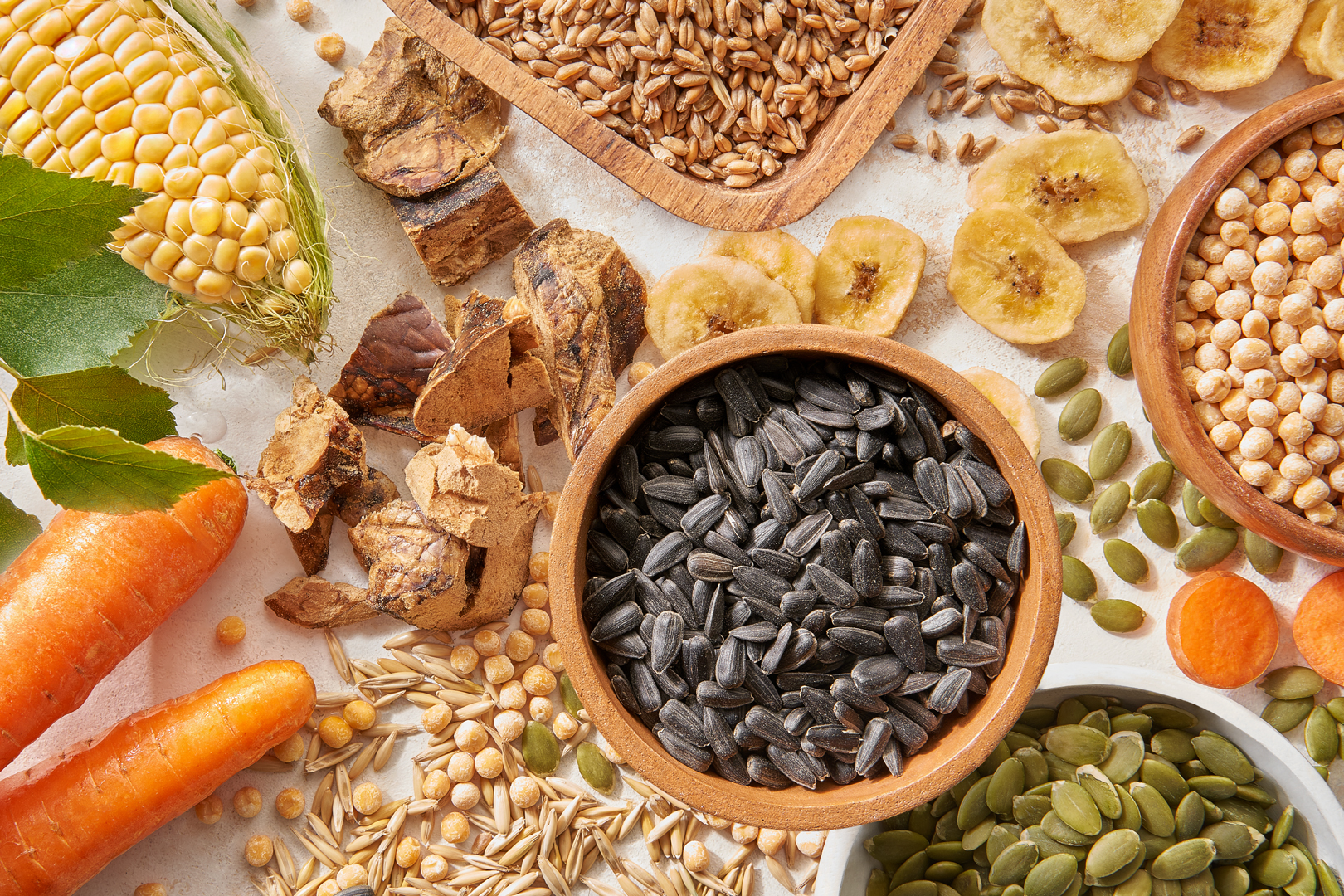
Eating healthy is a way to keep our bodies strong and happy. A Low-Cholesterol Diet helps reduce the amount of bad cholesterol in your body. It is a plan that focuses on eating foods that are good for your heart. In this article, we will show you how to create a low-cholesterol diet that works for you. We will explain what it is, why it is important, and share simple tips and ideas. This guide is written in a fun and easy way so that even kids can understand it. By following these steps, you can build a diet that makes you feel great and supports a healthy lifestyle.
What is a Low-Cholesterol Diet?
Image by: Yandex.com
A low-cholesterol diet means eating foods that help keep your cholesterol levels low. Cholesterol is a type of fat found in your body. Some cholesterol is needed, but too much can be harmful. Eating too many foods high in saturated fats can raise your cholesterol. A low-cholesterol diet avoids these foods and focuses on fruits, vegetables, whole grains, and lean proteins. This diet also includes healthy fats like those found in nuts, seeds, and fish. A balanced diet like this helps keep your heart healthy and your body active. It is a simple way to take care of yourself every day.
When you follow a low-cholesterol diet, you choose foods that lower the risk of heart disease. It is not about eating bland food; it is about making smart choices that taste great. This diet helps you feel lighter and more energetic. It also teaches you how to read food labels and choose better options. With a little practice, making these choices becomes a natural part of your daily routine.
How to Create Your Low-Cholesterol Diet
Image by: Yandex.com
Creating a low-cholesterol diet that works for you starts with planning. First, think about the foods you already enjoy. Look for ways to include more fruits, vegetables, and whole grains in your meals. Replace high-fat foods with healthier alternatives. For example, you might choose lean chicken instead of fatty cuts of meat or use olive oil instead of butter. These small changes add up and make a big difference over time.
Next, make a list of your favorite healthy foods. Include options like apples, carrots, broccoli, brown rice, and beans. Try to include a variety of colors in your meals. This makes your plate look fun and ensures you get many different vitamins and minerals. A low-cholesterol diet is not only good for your heart but also helps your body get the nutrients it needs. When you plan your meals ahead of time, you are more likely to stick with your healthy eating habits.
Below is a table that shows some food groups to include in your low-cholesterol diet along with examples and their benefits:
| Food Group | Examples | Benefits |
|---|---|---|
| Fruits & Vegetables | Apples, berries, spinach, broccoli | High in vitamins, fiber, and antioxidants |
| Whole Grains | Brown rice, quinoa, oats | Provide energy and support digestion |
| Lean Proteins | Chicken, fish, beans, tofu | Build strong muscles and repair tissues |
| Healthy Fats | Nuts, seeds, olive oil, avocado | Support heart health and provide essential fats |
| Low-Fat Dairy | Skim milk, low-fat yogurt | Give calcium for strong bones and teeth |
Simple Tips for a Healthy Low-Cholesterol Diet

Image by: Yandex.com
Sticking to a low-cholesterol diet can be easy with a few simple tips. First, try to cook at home. Cooking at home lets you control the ingredients and avoid extra fats and sugars. Use methods like baking, steaming, or grilling instead of frying. These cooking techniques help keep your meals light and healthy.
Another tip is to drink plenty of water. Water helps your body function well and keeps you feeling full. It is a great alternative to sugary drinks. Also, try to avoid snacks that are high in saturated fats, such as chips and cookies. Instead, choose fruits, nuts, or yogurt when you need a snack. Making these simple swaps in your daily routine can help you stick to your low-cholesterol diet and feel better overall.

Remember to plan your meals ahead of time. When you know what you are going to eat, you are less likely to grab unhealthy options. Keep healthy snacks available at home and at school. Ask your family to join you in trying new recipes that are both tasty and good for your heart. By working together, everyone can learn how to enjoy a low-cholesterol diet.
How Does a Low-Cholesterol Diet Help Your Health?
A low-cholesterol diet is not just about the food you eat; it is about taking care of your body. Eating the right foods helps to lower the risk of heart disease. It also keeps your arteries clean and flexible. When you have a Healthy Diet, your body can do its best work. You feel more energetic, your mood improves, and you have more focus at school. Good nutrition supports growth and helps your body repair itself.
This kind of diet teaches you the importance of making healthy choices. It shows that small changes in what you eat can lead to big improvements in how you feel. When you eat a variety of healthy foods, you get the vitamins and minerals that help your body stay strong. A low-cholesterol diet is a smart way to invest in your future, as it helps prevent problems before they start.
Overcoming Challenges in Following a Low-Cholesterol Diet
Image by: Yandex.com
Sometimes, it can be hard to stick to a low-cholesterol diet. You might miss some of the foods you love. It is okay to have treats now and then. The key is balance. Try not to let one meal decide your whole day. If you have a special treat, plan to eat healthier at the next meal. It is important to listen to your body and enjoy food without guilt.
Another challenge can be eating out. Many restaurants serve foods that are high in cholesterol. Look for healthier options on the menu. You can ask for grilled instead of fried foods or choose a salad with lean protein. Small changes can make a big difference. Learning these tips now will help you make better choices as you grow older.
It also helps to talk with your family about why you are following a low-cholesterol diet. When everyone understands the reasons, they can support you. Working together makes the journey easier and more fun.
Conclusion
Creating a low-cholesterol diet that works for you is a journey toward better health. By choosing the right foods and making smart changes, you can protect your heart and feel more energetic. This guide has shared simple steps to help you build a diet that is both tasty and good for you. Remember to plan your meals, choose fresh fruits and vegetables, and enjoy healthy snacks. With small changes each day, you can create a diet that supports a strong body and a happy mind.
A low-cholesterol diet is a great way to learn about healthy eating. It teaches you how to make choices that benefit your body and helps you understand the importance of balance. Even though it might seem challenging at first, every small step you take is a big win for your health. Embrace the journey, try new foods, and share your healthy habits with friends and family. With a little planning and a positive attitude, you can enjoy a delicious, heart-friendly diet every day.
Author

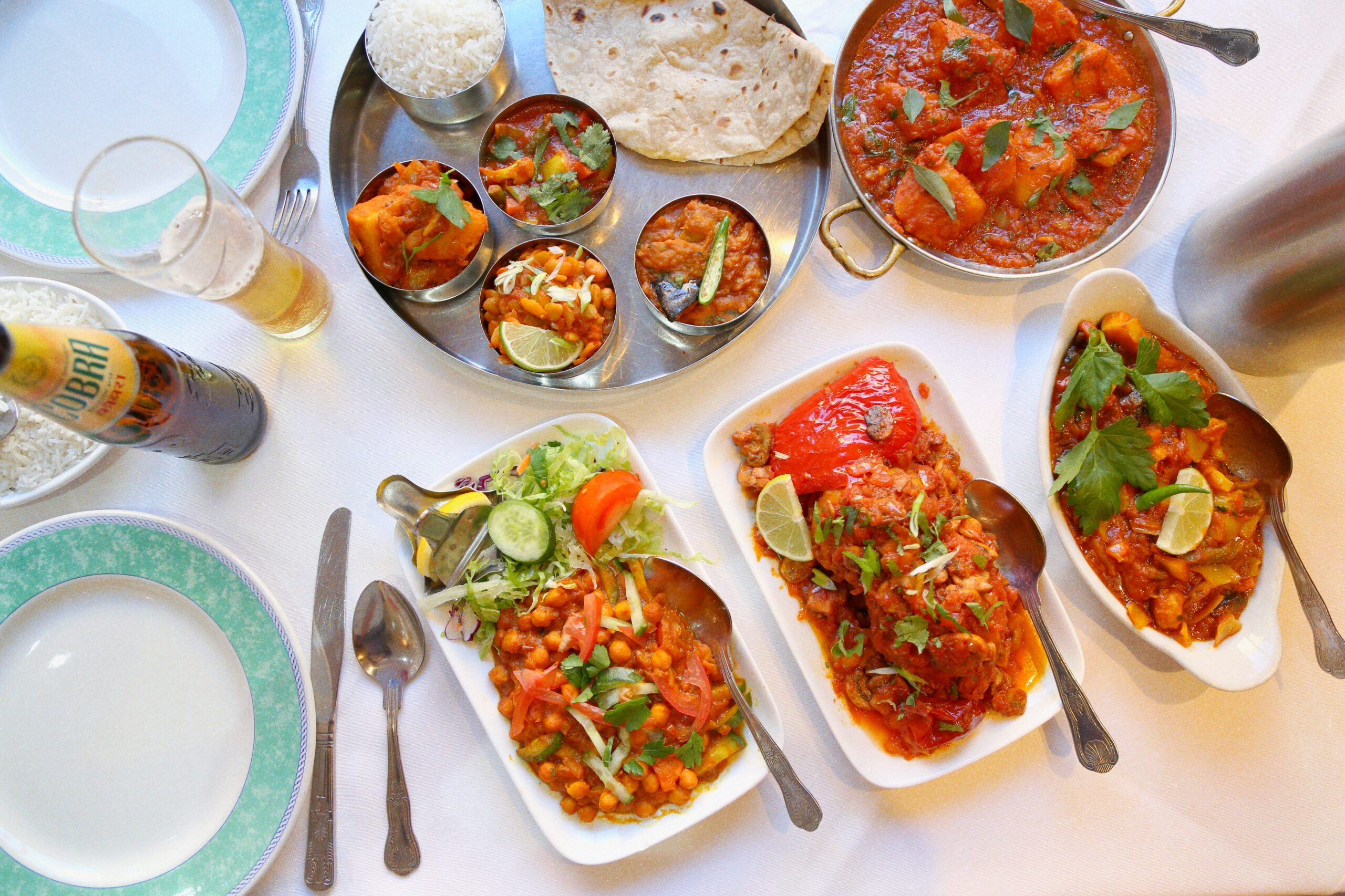
Looking for an indian restaurant brick lane that serves authentic flavours and satisfying Indian dishes? Brick Lane stands among London’s most popular food destinations. It also has a strong connection to South Asian culture and cuisine. As you walk through the area, you will find restaurants offering fragrant curries, sizzling tandoori dishes, fluffy naan, and aromatic rice dishes.
Dining on Brick Lane offers more than a simple meal. It gives you the chance to explore the rich flavors of India while enjoying the lively character of one of East London’s best-known streets. Whether you prefer mild and creamy dishes or enjoy bold, spicy flavors, you can find something to suit your taste.
Why Brick Lane Is Famous for Indian Food
Brick Lane has a long-standing reputation for South Asian food. Over the years, restaurants in the area have introduced diners to recipes inspired by different regions of India and the wider subcontinent. This culinary heritage continues to attract both London residents and visitors.
Each indian restaurant brick lane has its own approach to cooking. Some focus on traditional recipes, while others add modern touches to familiar favourites. However, the best restaurants maintain the character of Indian cuisine through quality ingredients, balanced spices, and careful preparation.
The atmosphere also makes Brick Lane special. Its colourful streets, independent shops, cafés, and diverse community create an exciting setting for a meal. Therefore, a visit here can easily become part of a memorable day in London.
Enjoy Authentic Indian Flavours
Indian cuisine stands out because of its incredible variety. Different regions use different spices, ingredients, and cooking methods. As a result, Indian food offers far more than a single style of curry.
A good indian restaurant brick lane may offer popular dishes such as butter chicken, chicken tikka masala, lamb rogan josh, chicken jalfrezi, vegetable biryani, paneer tikka, and dal makhani. You can also pair your main course with garlic naan, pilau rice, or a selection of chutneys.
For dessert, classics such as gulab jamun and mango kulfi provide a sweet finish. Each dish brings its own combination of aromas, textures, and flavours. This variety makes Indian cuisine appealing to both newcomers and experienced food lovers.
Fresh Ingredients Make a Difference
Fresh ingredients play an important role in creating delicious Indian food. Restaurants that care about quality choose fresh vegetables, herbs, meats, and spices for their dishes. They also prepare ingredients carefully to preserve their natural flavours.
Traditional spices such as cumin, coriander, turmeric, cardamom, cinnamon, cloves, and garam masala add depth to many recipes. However, using spices does not simply mean making food hot. Skilled chefs balance each ingredient to create layers of flavour.
Fresh herbs can add brightness to rich curries. Meanwhile, carefully prepared marinades can give meat and vegetables a deeper taste. When chefs combine these elements properly, even a familiar dish can feel fresh and exciting.
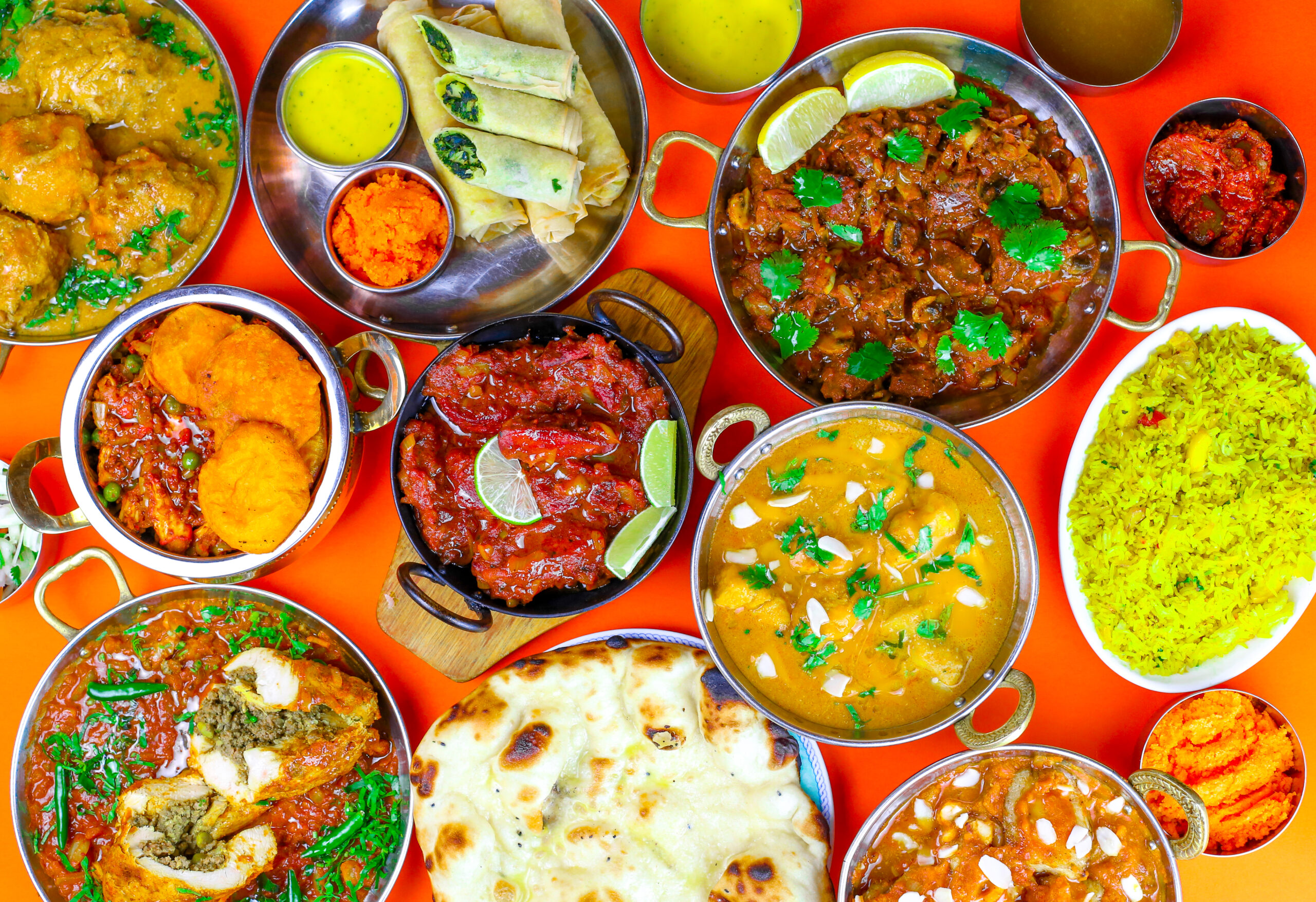
Traditional Cooking Methods
Cooking methods can have just as much influence on flavour as ingredients. Many Indian recipes require patience. Chefs often cook curries slowly so that the spices, sauces, meat, or vegetables have enough time to develop a rich taste.
The tandoor also plays an important role in Indian cooking. This traditional clay oven reaches high temperatures and gives food a distinctive smoky character. Chefs use it to prepare dishes such as tandoori chicken, paneer tikka, and mixed grills.
Fresh naan also tastes best when baked inside a hot tandoor. The intense heat creates a soft centre and lightly charred edges. Likewise, biryani requires careful preparation. Chefs layer fragrant basmati rice with spices, herbs, and marinated ingredients before cooking it slowly.
Something for Every Taste
One major advantage of an indian restaurant brick lane is the variety available on the menu. Vegetarian diners can enjoy dishes such as palak paneer, chana masala, aloo gobi, vegetable korma, and dal tadka.
Meat lovers have plenty of choices too. Popular options include lamb bhuna, tandoori chicken, chicken madras, and various regional curries. Seafood enthusiasts can choose dishes such as king prawn curry, fish masala, or prawn biryani.
Many restaurants also offer vegan-friendly choices. Some can accommodate specific dietary requirements when customers speak with the restaurant team in advance. Therefore, groups with different preferences can often enjoy a meal together without difficulty.
A Great Choice for Any Occasion
Indian food works well for almost every occasion. You might visit for a relaxed family meal, a birthday celebration, an anniversary, or a dinner with friends. It can also provide an enjoyable setting for a business meal or casual evening out.
Many restaurants provide takeaway and online ordering services as well. This gives customers the flexibility to enjoy their favourite dishes at home. Some venues may also provide private dining spaces for larger gatherings.
Friendly Service and Indian Hospitality
Good food creates only part of a memorable dining experience. Service also matters. Indian hospitality has a strong tradition of making guests feel comfortable and welcome.
At a reputable indian restaurant brick lane, staff can often help diners choose dishes based on their preferences. They may also explain unfamiliar ingredients or recommend suitable spice levels. This guidance can make the experience easier for first-time visitors.
A welcoming team can also make a major difference during group meals. Attentive service helps guests relax and enjoy their food without feeling rushed.
How to Choose the Right Restaurant
With so many dining options available, choosing the right restaurant can take some thought. Start by checking the menu and looking for the dishes you want to try. Customer reviews can also provide useful insight into food quality, service, atmosphere, and overall value.
Pay attention to ingredient quality and menu variety as well. If you have dietary requirements, check whether the restaurant clearly identifies suitable dishes or offers alternatives.
Most importantly, look for a restaurant that values flavour and consistency. A strong indian restaurant brick lane should combine quality ingredients, thoughtful preparation, friendly service, and a welcoming atmosphere.
Discover the Flavours of India on Brick Lane
Brick Lane continues to attract food lovers with its vibrant atmosphere and impressive selection of Indian cuisine. From creamy curries and smoky tandoori dishes to fragrant biryanis and freshly baked naan, there is plenty to explore.
Whether you live in London or are visiting the city, make time to experience the area’s famous food culture. Choose an indian restaurant brick lane, try something new, and enjoy the traditional flavours that have helped Indian cuisine earn a special place in London’s dining scene.
Final Thoughts
Brick Lane remains a fantastic destination for anyone who wants to experience authentic Indian cuisine in London. Its vibrant atmosphere, rich South Asian heritage, and wide range of dishes make every visit enjoyable. From creamy curries and smoky tandoori dishes to fragrant biryanis and freshly baked naan, there is always something new to discover.
Choosing the right restaurant can make the experience even better. Look for fresh ingredients, traditional cooking methods, varied menu options, and friendly service. Whether you are planning a family meal, a casual dinner, or a special celebration, Brick Lane offers plenty of opportunities to enjoy delicious Indian food in a welcoming setting.
So, if you are ready to explore bold spices, traditional recipes, and comforting flavours, Brick Lane is well worth a visit. A memorable meal is waiting to be discovered around every corner.
Author


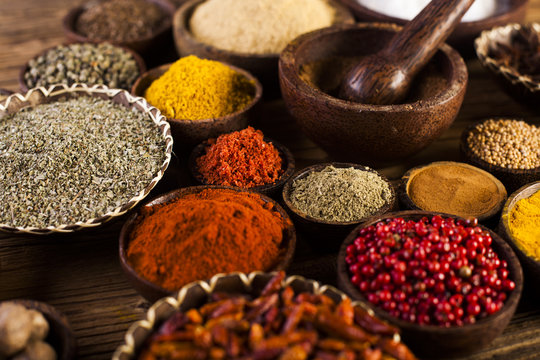
A jar of ground cumin may sit quietly in your pantry for months. Whole cumin seeds, however, give you another option. You can grind only what you need, exactly when you need it.
That simple change can make a noticeable difference in your kitchen. A spice mill helps you control the freshness, texture, and quantity of your spices. You can grind cumin, coriander, cardamom, black pepper, and other whole spices in small amounts. As a result, you get more flexibility without filling your pantry with countless seasoning jars.
For home cooks who enjoy Indian dishes, global flavors, or simple everyday meals, fresh grinding offers an easy way to explore Flavorful Cooking.
What Does a Spice Mill Do?
A spice mill breaks whole, dried spices into smaller pieces. Depending on the design, it can create anything from a coarse crush to a fine powder. The main benefit comes from timing. When you grind spices at home, you decide when to release their aroma. Grinding increases the spice’s surface area and exposes more of its aromatic compounds to the air. Those compounds can gradually lose their intensity over time.
Whole spices generally hold their character longer when you store them correctly. Ground spices, on the other hand, face greater exposure to air, heat, light, and moisture. Therefore, a grinder lets you make smaller amounts whenever you cook. You can grind enough for one recipe instead of keeping a large quantity of powdered spice in your pantry.
Why Try Freshly Ground Spices?
Fresh grinding will not magically improve every dish. However, it can make a clear difference with highly aromatic spices.
Take black pepper as an example. Freshly ground pepper often delivers a stronger aroma and a more noticeable bite than an older ground version. Cumin, coriander, and cardamom can also benefit from grinding shortly before use. Texture matters too.
You may want coarse pepper for roasted vegetables or steak. A fine powder may work better in a curry, sauce, or seasoning mixture. One good spice mill can give you that flexibility without requiring several different products.
Which Spices Can You Grind?
Start with dry whole spices that your grinder can safely handle. Popular options include black peppercorns, cumin seeds, coriander seeds, cardamom, fennel seeds, mustard seeds, cloves, and dried chilies. Always check the manufacturer’s instructions first. Some grinders cannot handle very hard ingredients, large pieces of cinnamon bark, nuts, or dense seeds. Take extra care with dried chilies. Fine chili particles can irritate your eyes and respiratory system. Work carefully and keep the area well ventilated.
Whole Spices or Ground Spices?
Both options have a place in a practical kitchen. Whole spices offer greater control over freshness and texture. Pre-ground spices offer speed and convenience. You do not need to choose only one. Instead, use whole spices when aroma and texture matter. Keep common ground spices available for recipes that need to come together quickly. This balanced approach makes Flavorful Cooking easier without turning every meal into a project.
How to Choose the Right Spice Mill
Your cooking habits should guide your choice. If you regularly grind whole spices, choose a durable mill with adjustable settings. For occasional use, a compact and easy-to-clean model may work better. Also, consider the mill’s capacity, grinding mechanism, and ease of use. A sturdy design can handle frequent cooking, while a smaller model saves counter space. Finally, choose a mill that suits the spices you use most often.
Manual or Electric?
A manual mill works well for small quantities. It also gives you more hands-on control. An electric model makes more sense when you regularly grind larger amounts or prepare homemade seasoning blends. Neither option works best for everyone. If you only need a teaspoon of cumin or pepper, a manual grinder may meet your needs. If you prepare larger batches, an electric model can save time.
Consider Grind Size
Different recipes need different textures. A coarse grind works well as a finishing seasoning. A medium grind suits many rubs and savory dishes. Fine grinding helps spices blend smoothly into sauces, batters, and seasoning mixes. If texture plays an important role in your recipes, look for a mill that gives you enough control.
Think About Cleaning
Cleaning matters more than many beginners expect. Chilies, cloves, cardamom, and other strong spices can leave lingering aromas. Follow the manufacturer’s cleaning instructions and avoid exposing electrical parts to water unless the manufacturer specifically allows it.

Can You Make Your Own Spice Blends?
Absolutely. In fact, this may become one of your favorite uses for a spice mill. Homemade blends let you adjust every ingredient. You can make them milder, hotter, earthier, sweeter, or more aromatic according to your preference. Try combining cumin, coriander, black pepper, cardamom, cinnamon, cloves, and dried chili. Start with two or three spices and experiment. Cumin and coriander create a warm, earthy base for roasted vegetables. Black pepper adds bite, while chili brings heat. Cardamom, cinnamon, and cloves create a warmer profile for rice dishes and other aromatic recipes. Make small batches at first. That way, you can change the proportions next time instead of ending up with a large container of a blend you dislike.
Should You Toast Spices Before Grinding?
Sometimes, yes. Dry-toasting whole spices can intensify their aroma and add another layer of flavor. Many South Asian cooking traditions use this technique, and it can also work well for homemade seasoning blends.
Use moderate heat and keep the spices moving. Remove them from the pan as soon as they become fragrant. Then let them cool before grinding.
Avoid burning them because burnt spices can taste bitter. If you are new to toasting, start with a small amount. You will quickly learn how each spice changes as it heats.
How Should You Store Spices?
Proper storage protects the flavor you worked to create. Keep whole and ground spices in airtight containers. Store them in a cool, dry, dark cabinet away from your stove. Also, keep them away from steam from kettles, dishwashers, and cooking pots.
When you make a homemade blend, label the container with its ingredients and date. This simple habit helps you recreate successful blends later. You also do not need to grind a large quantity. Small batches often make more sense for everyday home kitchens.
Easy Ways to Use Freshly Ground Spices
You can bring fresh spice flavors into simple meals without complicated recipes. Add freshly ground black pepper or cumin to scrambled eggs and breakfast potatoes. For roasted vegetables, combine cumin, coriander, black pepper, salt, and olive oil before roasting carrots, cauliflower, potatoes, or squash.
You can also add freshly ground cumin or coriander to lentil, bean, tomato, and vegetable soups. Cardamom and black pepper can add depth to rice and grain bowls.
For a quick snack, combine finely ground cumin, chili, black pepper, and salt for popcorn seasoning. Fresh cumin can also turn plain Greek yogurt into a flavorful sauce for roasted vegetables, grilled meats, and grain bowls. These small changes make Flavorful Cooking feel approachable and practical.
How Can You Prevent Flavors From Mixing?
Strong spices can remain inside a grinder after use. If you grind dried chili and immediately follow it with cardamom, you may create an unexpected flavor combination.
Empty the grinder completely after each use. Clean it according to the manufacturer’s instructions. If you frequently grind very strong ingredients, consider keeping a separate grinder for them.
When preparing several spices, grind mild ingredients first and stronger ones later. Finally, store each freshly ground spice in a clean, dry container.
Spice Mill or Mortar and Pestle?
Both tools offer useful advantages. A mortar and pestle provides excellent control over texture. It also works well when you crush spices together with herbs or other ingredients. A spice mill offers greater speed and convenience when you want to process dry spices. Serious home cooks can easily use both tools for different tasks.
What Should Beginners Grind First?
Do not try to change your entire pantry at once. Start with three spices you already use. Black pepper, cumin, and coriander make a versatile combination. You can use them with vegetables, meats, soups, beans, rice, and homemade seasoning mixes.
Once you become comfortable, try cardamom, fennel, cloves, or dried chilies. You may also notice that spices offer much more than heat. They can bring floral aromas, citrusy notes, sweetness, earthiness, warmth, and savory depth. Fresh grinding gives you another way to control those qualities.
Building a Fresh-Spice Kitchen
For home cooks who want better ingredients without unnecessary complexity, Zaica Life offers spices and blends that fit naturally into everyday meals. Pair quality whole spices with a dependable spice mill, and you can choose between convenience and hands-on preparation. Use ready-made blends when time is short. Grind whole spices when you want to experiment. That flexibility works especially well for busy households. Some days call for careful cooking. Other days require a quick meal.
Final Thoughts
A spice mill does not need to become another complicated kitchen gadget. Its real value comes from the control it gives you. You choose when to grind. You control the texture. You decide how much to make. You can also experiment with homemade blends and discover new ways to enjoy Flavorful Cooking.
Start with a few whole spices that you already enjoy. Store them properly and grind small quantities as needed. Pay attention to the aroma, texture, and flavor they bring to familiar meals. If you want to explore fresh spices and convenient grinding options, check out Zaica Life’s spice mill collection. A more exciting spice routine does not require a complicated kitchen. Sometimes, all you need is one whole spice, a reliable mill, and the curiosity to try something new.
Author


Starting a food business in India involves more than preparing good food and finding customers. Food businesses must also follow the food safety rules that apply to their activities. These rules help protect consumers and promote better food handling practices. Whether you run a home-based kitchen, small bakery, food stall, retail shop, food manufacturing unit, or another eligible food business, understanding the required approval is important.
For eligible small and petty food businesses, FSSAI Registration can serve as the basic food safety approval under India’s regulatory framework. The process can become much easier when you understand the eligibility criteria, required documents, and application steps in advance. This guide explains the key points you should know before starting your application.
What Is FSSAI Registration?
Registration is a basic food safety registration available to eligible small food business operators. It falls under India’s food safety regulatory system and identifies the food business operator through a registration number and certificate. However, not every food business falls under the same category. The appropriate approval depends on factors such as the nature of the business, its scale of operations, and the food-related activities it performs. Small businesses may qualify for basic registration, while larger businesses may need a State or Central FSSAI license. Therefore, checking the correct category before applying can help you avoid unnecessary delays or mistakes.
Who Can Apply for FSSAI Registration?
Basic registration generally targets small food business operators and petty food businesses that meet the applicable requirements. Depending on the type of operation, eligible applicants may include:
- Small food retailers
- Home-based food businesses
- Petty food manufacturers
- Small wholesalers and distributors
- Food stalls and temporary food vendors
- Small storage operators
- Small-scale food processing businesses
- Certain small food transporters
However, eligibility can differ based on the nature of the business and its operations. Before submitting an application, review the applicable criteria carefully. If your business does not qualify for basic registration, you may need to apply for a State or Central license instead.
Documents Required for FSSAI
Preparing your documents before starting the application can make the process smoother. It can also reduce the chances of entering inconsistent information. Commonly required documents and details may include:
- Applicant’s identity proof
- Passport-size photograph
- Proof of business premises
- Business address details
- Details about the food business
- Information about food products or activities
- Other applicable business-related documents
The exact requirements may vary depending on the type of food business and the approval category. Therefore, applicants should check the latest requirements before submitting their forms.
Step-by-Step FSSAI Registration Process
Check Your Eligibility
The first step is to identify the correct approval category for your business. Consider the type of food activity you perform, the scale of your operations, the location of the business, and the products you handle.
This step matters because selecting the wrong category can create complications later. If your business requires a State or Central license, basic registration may not be sufficient.
Prepare the Required Documents
Next, collect the documents and information required for your application. Check every detail carefully. Your name, address, business information, and other details should remain consistent across the documents.
Keep clear digital copies ready if you plan to apply online. This preparation can save time and make the application process more convenient.
Complete the Application Form
Now, provide the required information in the relevant FSSAI application form. The form may ask for details about the applicant, business premises, food activities, and products handled by the business.
Take your time while completing each section. Before submitting the form, review the information carefully. Even a small error can lead to a clarification request or delay.

Pay the Applicable Fee
After completing the application, pay the applicable government fee for the selected category. The amount can vary depending on whether you apply for registration or a particular type of license.
Always verify the current fee before making the payment. This helps you avoid relying on outdated information.
Application Review and Verification
After submission, the relevant authority reviews the application and supporting documents. In some cases, officials may ask for additional information, clarification, or documents.
Respond to such requests accurately and within the required timeframe. Providing complete information can help keep the process moving.
Receive the Registration Certificate
Once the application receives approval, the applicant gets the relevant certificate containing the registration details and registration number. Keep the certificate safely with your business records.
You should also follow the applicable rules regarding displaying the registration or license number and maintaining food safety standards.
Benefits of Registration
Obtaining the appropriate FSSAI Registration can help a small food business meet its applicable regulatory obligations. It also gives the business an official identity within the food safety framework.
Moreover, proper registration can help build confidence among customers, suppliers, and business partners. Customers often feel more comfortable when a food business follows recognized safety requirements.
For new entrepreneurs, completing the required registration early can also encourage better compliance habits. As the business expands, these practices can make it easier to understand and manage additional regulatory requirements.
Apply for FSSAI Registration Online
Applying for Registration online can make the process more convenient because applicants can submit information and documents digitally. Nevertheless, convenience does not eliminate the necessity for precision.
Before applying, check the latest eligibility criteria, documentation requirements, fees, and other applicable conditions. Make sure you select the category that matches your business activities.
If your business does not qualify for basic registration, explore the appropriate State or Central FSSAI license instead. Choosing the correct approval from the beginning can prevent avoidable issues later.
In conclusion Registration is an important compliance step for eligible small food businesses in India. Understanding the requirements, preparing accurate documents, and selecting the right category can make the application process much simpler. Most importantly, food businesses should regularly verify the latest regulatory requirements because eligibility, procedures, and documentation may change over time.
Final Thoughts
Starting a food business comes with several responsibilities, and food safety should remain a top priority. FSSAI Registration can help eligible small food businesses establish their legal identity within India’s food safety framework and follow the requirements that apply to their operations. Before applying, take time to understand your business category and prepare the necessary documents. Also, review every detail in the application carefully. Accurate information can reduce the chances of unnecessary queries or delays.
As your business grows, your regulatory requirements may also change. Therefore, keep track of the latest FSSAI rules and check whether your existing approval still matches your business activities. Overall, completing the right registration or license at the right stage can help you build a more organized and trustworthy food business. It also shows customers and business partners that you take food safety and compliance seriously.
Author



Memorable Experiences: Commercial Scenting Services for Brands

Counsellor: Choosing the Right Professional for Your Needs

Business Plan Writing in Dubai: Complete Guide for Entrepreneurs

Nutrigenomics Market Growth, Trends and Future Outlook 2035

Umrah Travel: Complete Guide to Planning a Peaceful Pilgrimage

Streetwear Collection: Discover the Style of the Skylrk Hoodie

Business Plan Writing in Dubai: Why Professional Plans Matter

Indian Restaurant Brick Lane: Authentic Indian Cuisine in London

Cricket Around: International Cricket Guide for August 4–6, 2026

Stroller Organizer: Make Every Parenting Outing Easier

Cybersecurity Consulting Company SequelNet Provides Critical IT Support Services to Medical Billing Firm, Medical Optimum

Meet the Megalodon: The Shark Star of ‘Meg 2’

Reduce Video Game Lag: Level Up Your Gaming Performance

Balancing India’s Entertainment: Cricket vs. Bollywood

Jetsetter’s Secrets: Unveiling Our Favorite Travel Hacks for a Seamless Adventure

The 5 Best Live Sports Streaming Sites: Legal and Exciting!

Hollywood Labor Unrest: The Impact of ‘What About Us?’ Strikes

Unveiling the Magic of Dream Fulfillment at the Late NBA Draft

Illuminate Your Skin: Dr. Axe Unveils Natural Remedies for Lightening Knees and Elbows

Bright Choices: Navigating the Pros and Cons of Skin Whitening Creams with Dr. Axe
-

 Business3 years ago
Cybersecurity Consulting Company SequelNet Provides Critical IT Support Services to Medical Billing Firm, Medical Optimum
-
Entertainment3 years ago
Meet the Megalodon: The Shark Star of ‘Meg 2’
-
Entertainment3 years ago
Reduce Video Game Lag: Level Up Your Gaming Performance
-
 Sports3 years ago
Balancing India’s Entertainment: Cricket vs. Bollywood
-
Entertainment3 years ago
Jetsetter’s Secrets: Unveiling Our Favorite Travel Hacks for a Seamless Adventure
-
Productivity3 years ago
The 5 Best Live Sports Streaming Sites: Legal and Exciting!
-
Art /Entertainment3 years ago
Hollywood Labor Unrest: The Impact of ‘What About Us?’ Strikes
-
Sports3 years ago
Unveiling the Magic of Dream Fulfillment at the Late NBA Draft






