
Art /Entertainment
Rise of Esports: How Esports Shaping Future of Entertainment

By

Reviewed
By Mya Phoenix
Introduction
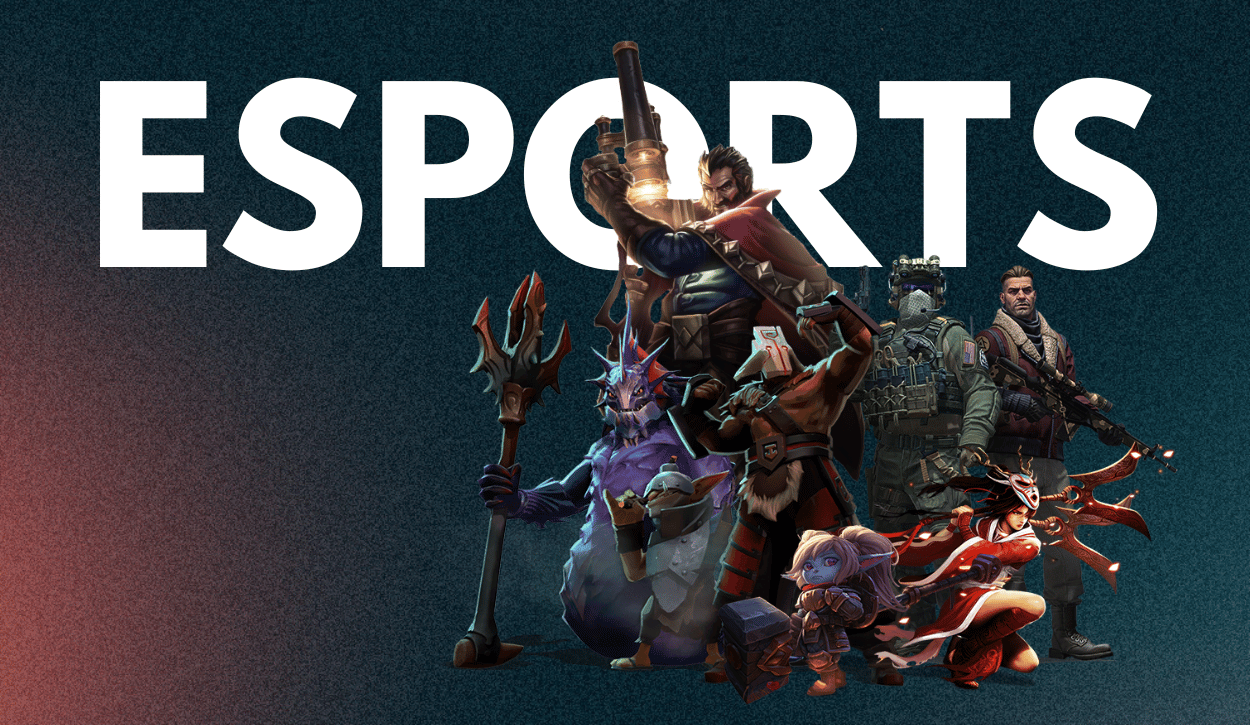
Esports has grown from a small hobby into a massive global industry. What started as casual video game competitions is now a billion-dollar business. Esports is reshaping how we think about entertainment, offering new ways for people to watch, play, and enjoy games. In this article, we’ll look at how esports is changing the future of entertainment and what this means for players, fans, and industries.
What is Esports?

Image by: Yandex.com
Esports, or electronic sports, is the competitive world of video games. Players compete in games like League of Legends, Dota 2, Fortnite, and Call of Duty, with some events drawing in millions of viewers. Over the years, esports has evolved from being a hobby for a few gamers to a global entertainment phenomenon. Today, major esports tournaments take place in large arenas, with prize pools reaching tens of millions of dollars.
Esports isn’t just about playing games it’s a whole new form of entertainment, blending the excitement of live sports with the thrill of video games. Fans watch online streams, attend live events, and follow their favorite players and teams just like they would with traditional sports stars.
The Role of Esports in Entertainment
Esports plays a major role in the entertainment world today. It combines the thrill of sports with the excitement of video games, giving fans a new way to experience competition. Esports is also changing how we consume entertainment, with many fans watching tournaments on streaming platforms like Twitch and YouTube. Major brands are investing in esports, and traditional sports leagues are even creating their own esports tournaments, showing how much it’s influencing the entertainment industry.
Esports in the Mainstream

Image by: Yandex.com
Esports has become more mainstream in recent years. Big media companies, like ESPN, are now broadcasting esports events. Companies such as Coca-Cola, Intel, and Nike are investing in esports, realizing its potential to reach a younger, tech-savvy audience.
Esports is influencing popular culture in new ways. Fans of games follow top players as celebrities, and esports content is featured in pop culture events. For example, the League of Legends World Championship brings in millions of viewers, rivaling the most-watched sports events.
Esports and Traditional Sports

Image by: Yandex.com
Esports and traditional sports are beginning to blend. Many sports leagues, like the NBA, have started their own esports leagues. For example, the NBA 2K League lets gamers compete in the NBA 2K video game, while the FIFA eWorld Cup brings the excitement of soccer into gaming. Traditional sports teams are even investing in esports, seeing it as a way to connect with younger fans.
The rise of esports is creating new opportunities in traditional sports. Many esports events feature elements similar to traditional sports, such as commentary, team logos, and sponsorships. This blending of worlds makes esports more accepted and allows both forms of entertainment to grow together.

The Economic Power of Esports

Image by: Yandex.com
Esports is becoming an economic powerhouse. In 2023, the global esports market was valued at over $1.1 billion and is expected to keep growing. This growth comes from sponsorships, ticket sales, merchandise, and media rights. Cities that host major esports tournaments also benefit from increased tourism and local spending.
Moreover, esports has created many new job opportunities. People can work as professional gamers, coaches, broadcasters, event managers, or content creators. Many colleges and universities are now offering esports scholarships and degrees, helping young people build careers in the growing esports industry.
The Role of Streaming Platforms
One of the key reasons esports has grown so quickly is because of live streaming. Platforms like Twitch, YouTube, and Facebook Gaming allow gamers to stream their gameplay to millions of viewers in real-time. These platforms have made esports more accessible and engaging, giving fans the chance to interact with players and teams directly.
Live streaming also allows esports fans to watch major tournaments from anywhere in the world. Esports competitions like The International and Fortnite World Cup attract huge online audiences, helping esports reach new heights in popularity.
Esports in Education and Career Development

Image by: Yandex.com
Esports is becoming a big part of education too. Many universities offer scholarships for esports players and have their own esports teams. Schools are also offering degrees in esports management, helping students learn the skills needed to work in this fast-growing industry.
Esports is not just about playing games; it also offers career paths in fields like marketing, broadcasting, event planning, and game development. By offering these career options, esports is opening doors for young people to turn their passion into a job.
The Growth of Esports Around the World
Esports is no longer just a niche interest; it has become a worldwide entertainment giant. Countries like the United States, South Korea, and China have seen a huge rise in the number of esports players, tournaments, and fans. In fact, some countries even treat esports like traditional sports, with official teams and leagues. This global growth is largely due to the increasing availability of high-speed internet, which allows fans from all corners of the world to watch and compete in esports events online. As a result, esports has turned into a truly international phenomenon.
Esports as a Career Path

Image by: Yandex.com
For many gamers, esports offers a legitimate career path. Just like athletes in traditional sports, top esports players can earn money through sponsorships, tournament prizes, and streaming. Some even make enough to support themselves full-time, living off their gaming success. In addition to players, there are other career opportunities in esports. Coaches, analysts, broadcasters, event organizers, and content creators all play important roles in the esports ecosystem. As the industry grows, so do the number of career opportunities it offers to people passionate about gaming.
The Community and Fan Engagement
One of the best parts of esports is its strong community. Fans connect with one another through online forums, social media, and live streams. They follow their favorite players, teams, and tournaments, often forming deep bonds with other fans. Esports fans also interact directly with players during live streams, offering comments, support, and even donations. This level of engagement is different from what we see in traditional sports and makes the experience more personal for both the players and the audience.
The Role of Sponsorships in Esports

Image by: Yandex.com
Sponsorships have become a key part of the esports industry. Just like traditional sports, esports teams and events often rely on sponsors to help cover costs and provide support. Major brands, from tech companies to soft drinks, sponsor players, teams, and tournaments. These sponsorships not only help fund the esports scene but also bring more attention to the industry. For brands, it’s a way to connect with younger audiences who are more likely to watch esports than traditional sports. As esports continues to grow, sponsorships will keep playing an important role in its success.
Esports and its Impact on Youth Culture
Esports has become a big part of youth culture today. Many young people look up to professional esports players as role models, just like athletes in traditional sports. These players inspire their fans to practice and improve their gaming skills. Esports also offers young people an opportunity to join teams, compete in tournaments, and build careers out of their passion for gaming. It has created a new way for youth to connect, form friendships, and be part of something bigger than themselves.
Challenges Faced by Esports

Image by: Yandex.com
While esports is growing, it also faces challenges. One big issue is the lack of standard rules and regulations. Traditional sports have well-established governing bodies, but esports doesn’t have the same structure yet. This can cause problems with player contracts, tournament rules, and fairness.
There’s also still some resistance to seeing esports as a “real” sport. Some people still view it as just playing video games. Changing this perception is important for esports to grow and be taken seriously as a form of entertainment.
Lastly, esports relies heavily on technology, which can be a double-edged sword. Problems like poor internet connections, hacking, or cheating can harm the fairness and excitement of esports events. The industry must find ways to address these issues to maintain trust with fans and players.
The Future of Esports Entertainment

Image by: Yandex.com
The future of esports looks bright. As technology improves, we can expect even more exciting developments, such as virtual reality (VR) and augmented reality (AR) esports. These technologies could offer fans a more immersive experience, allowing them to feel like they’re part of the action.
Artificial intelligence (AI) is also becoming a key part of esports. AI can be used for real-time analysis during tournaments, helping commentators offer deeper insights into games. This will make esports even more engaging for viewers.
With more investment, better technology, and growing acceptance from traditional media, esports is set to become an even bigger part of the entertainment world. It will continue to offer new ways for people to watch, play, and enjoy competitive gaming.
Analysis Table: Growth of Esports
| Area | Current Impact | Future Potential |
|---|---|---|
| Audience | Over 500 million fans worldwide (2023) | Expected to reach 600 million by 2026 |
| Revenue | $1.1 billion in 2023 | Projected to reach $2 billion by 2026 |
| Sponsorships | Major brands like Nike, Coca-Cola involved | More corporate sponsorships across industries |
| Streaming | Platforms like Twitch and YouTube dominate | Growth in interactive streaming and VR/AR esports |
| Job Opportunities | New careers in gaming, broadcasting, and events | Expansion of jobs in esports management and content creation |
| Education | Over 100 colleges offer esports programs | More universities adding esports degrees and scholarships |
Comparison Table: Esports vs Traditional Sports
| Feature | Esports | Traditional Sports |
|---|---|---|
| Global Reach | Worldwide, mostly online | Global, in-person and on TV |
| Audience | Millions watching online | Large stadiums and TV viewership |
| Competition Format | Online tournaments, LAN events | Physical events, matches |
| Prize Money | Multi-million-dollar prize pools | High sponsorship and ticket sales |
| Career Paths | Professional gamers, streamers, coaches | Athletes, coaches, broadcasters |
| Technology | Gaming tech, AI, VR/AR | Technology for training, performance |
Conclusion
Esports is changing the way we think about entertainment. With its rapid growth, huge online presence, and increasing investment, esports is shaping the future of both gaming and entertainment. As new technologies, partnerships, and fan engagement opportunities continue to emerge, esports will likely become a dominant force in the entertainment industry. The future is bright for esports, and it’s exciting to see where it will go next.
Author


You turn a technical subject into an easy-to-follow explainer animation by choosing one main idea, writing for a viewer who knows nothing about the topic, replacing jargon with plain words, and showing one step at a time on screen. You then plan the script and storyboard before any animation starts, so the final video stays simple.
The hard part is rarely the animation. It is the knowledge gap. The people who build a product or understand a process know too much to see where a beginner gets lost. The result is a video that lists features, uses terms nobody defined, and loses the viewer early.
If you are briefing an explainer video company for the first time, this guide shows you what to prepare and what to expect. It covers a step-by-step method, script structure, visual techniques, a worked example, and the mistakes that make technical videos confusing.
What makes a technical subject hard to explain on video?
A technical subject is hard to explain because the viewer is missing background that the expert takes for granted. Psychologists call this the curse of knowledge: once you know something, it is hard to remember what it was like not to know it.
Four problems show up again and again:
- Terms like API, latency, or throughput mean nothing to a first-time viewer.
- Invisible processes. Data moving between servers or a chemical reaction cannot be seen, so the viewer has nothing to hold on to.
- Too many parts. Systems have many components, and showing all of them at once is overwhelming.
- A missing starting point. The video begins at step three because the team forgot steps one and two.
Animation helps with all four. It can make the invisible visible, and it controls the order in which the viewer sees things. Wyzowl’s 2026 State of Video Marketing report found that 93% of video marketers say video has increased people’s understanding of their product or service.
How do you turn a technical subject into an explainer animation?
Use this seven-step method. It works for software, science, engineering, finance, and healthcare topics.
- Choose one audience and one main idea.
- Find out what the viewer already knows.
- Break the subject into three to six steps.
- Replace jargon with plain words.
- Pick a visual comparison for each hard idea.
- Write the script and storyboard together.
- Test the draft with someone outside your team.
The sections below explain each step.
Choose one audience and one main idea
A video for engineers and a video for buyers should not be the same video. Decide who will watch, then finish this sentence: after watching, the viewer will understand that…
If you need two sentences, you probably need two videos. One main idea keeps the script short and gives the animator a clear target.
Find out what the viewer already knows
Talk to a customer, a new hire, or a sales rep who explains the product to beginners. Ask what confuses people most. Their answers show you where the video should start.
Start at the viewer’s level, not yours. If they do not know what a server is, your first scene should show one in simple terms.
Break the subject into three to six steps
Most technical processes can be told in a handful of steps. Write them in order, in plain words. If you reach ten steps, group some together or cut the ones that do not support the main idea.
Leave out details that experts care about but beginners do not need. You can point to a longer guide or technical document for people who want more.
Replace jargon with plain words
Go through the draft and underline every term a beginner might not know. For each one, either swap in a simple word or define it in one short sentence the first time it appears.
Read the script aloud to someone outside your field. Every time they pause or frown, rewrite that line.
Pick a visual comparison for each hard idea
A comparison links something new to something familiar. A firewall can be a security gate. A data pipeline can be a set of pipes. A cell receptor can be a lock that only one key opens.
Choose comparisons that are accurate enough for the purpose. A good analogy simplifies without telling the viewer something false. If the comparison breaks down at an important point, say so or pick another.
Write the script and storyboard together
Do not write the whole script first and then hand it to an animator. Write each line with the matching picture in mind. A storyboard is a set of sketches, one per scene, that shows what the viewer sees while each line is spoken.
This catches problems early. If you cannot picture a line, the viewer will not understand it either. Changes are cheap at this stage and costly once animation starts.
Test the draft with someone outside your team
Show the storyboard, or an animatic, to a person who does not know the topic. An animatic is a rough timed version with sketches and a temporary voiceover. Ask them to explain the idea back in their own words. Where their explanation goes wrong, the video needs work.
What should the script of a technical explainer video include?
A clear structure helps the viewer stay oriented. Most technical explainers follow this order:
- The problem: a situation the viewer recognizes.
- The idea: one sentence that says what the solution or concept is.
- How it works: the three to six steps, one scene each.
- The result: what changes for the viewer.
- The next step: one clear action, such as booking a demo or reading a guide.
Length matters. A 60-second script usually runs about 130 to 160 words at a natural speaking pace. That is a small space, which is why cutting is part of the job.
Write short sentences in active voice, and say one thing per sentence. If a sentence needs a comma and a second clause to make sense, split it.
Which visual techniques make complex ideas easier to follow?
Show one piece at a time
Reveal elements in the order they matter. When everything appears at once, the viewer does not know where to look. Build the diagram step by step, and remove old pieces when they are no longer needed.
Use motion to show cause and effect
Movement can show direction, such as data traveling from a phone to a server. Keep it purposeful. Decoration that moves without meaning pulls attention away from the idea.
Use color and shape consistently
Give each main object the same color and shape every time it appears. If the customer is blue in scene one, keep them blue in scene five. Viewers can then track things without reading labels.
Keep on-screen text short
Use a few words as labels, not full sentences. The voiceover carries the explanation. Text that repeats the narration forces the viewer to read and listen at the same time.
Zoom in and out
Changes of scale help with systems that have layers. Start with the whole system, zoom into one part, then zoom back out so viewers can see where that part fits.
Example: turning a technical sentence into a scene
This is an illustration, not a client project. Say a software company wants to explain how it protects customer data.
The original line from the product team: Our platform encrypts data in transit with TLS and at rest with AES-256.
The plain version for the voiceover: Your files are locked while they travel and while they are stored.
The scene: a file icon leaves a laptop and moves along a line to a server. A padlock appears on the file as it leaves, and it stays on when the file lands on a shelf inside the server. The technical names move to a short on-screen label or to the company’s security page.
The viewer gets the idea in seconds. Accuracy is intact because the padlock shows what the technical terms mean, and the specifics stay available for people who want them.
How should you brief an explainer video company?
A good brief saves weeks. Before you contact an explainer video company, gather these items:
- The audience and the one sentence they should understand after watching.
- The goal of the video, such as more demo requests or fewer support tickets.
- Existing material: documents, diagrams, product demos, and sales decks.
- A subject-matter expert who can answer questions and review the script.
- Where the video will be used, such as a homepage, sales emails, or training.
- Your preferred length, deadline, and brand guide.
- Two or three videos you like, and what you like about them.
What should you look for in a 2D animation company?
2D animation suits technical subjects because it is flexible, quick to revise, and focused on clarity. It can show diagrams, interfaces, characters, and processes in one consistent style. 3D animation is a better fit when you need realistic views of a physical object, such as a machine part or a medical device.
A 2D animation company that handles technical topics well should do the following:
- Ask questions about the subject and the audience before drafting anything.
- Write or edit the script instead of only animating what you send.
- Give you a storyboard to approve before animation begins.
- Show samples that explain complex topics clearly, whatever their style.
- Ask for subject-matter review at the script and storyboard stages.
- Explain how many revision rounds are included and what happens after that.
Many teams also ask for shorter versions of the video for social media and sales emails. Plan for those cutdowns at the start, so they come from the same project.
Common mistakes when explaining technical topics on video
- Trying to explain everything. One video should carry one idea.
- Starting with the company instead of the viewer’s problem.
- Leaving jargon undefined.
- Showing text on screen that repeats the narration word for word.
- Skipping expert review, which leads to errors found after animation is finished.
- Choosing style over clarity. A beautiful video that confuses viewers has failed.
- Making the video too long. Technical topics tempt teams to add one more step.
- Forgetting captions. Many viewers watch with the sound off.
Best practices for technical explainer animations
- Write a one-sentence summary and check every scene against it.
- Introduce a technical term only after the viewer has seen a simple picture of the idea.
- Leave short pauses between steps so viewers can absorb each one.
- Have an expert check the facts at the script and storyboard stages.
- Keep the same style, colors, and characters across scenes, and across videos in a series.
- Check the video on a phone before approving it.
- Split a large subject into a series of short videos, each covering one idea.
- Add captions and plan a short cutdown for social media.
Frequently asked questions
How long should a technical explainer video be?
Between 60 and 120 seconds works for most first videos. If the subject needs more time, split it into a series of shorter videos.
How much technical detail should an explainer include?
Include only what the viewer needs to understand the main idea. Put deeper detail in a linked document, webinar, or product page.
Can animation explain abstract topics like finance or science?
Yes. Animation can turn numbers, flows, and processes into shapes and movement. Use comparisons and keep each scene to one idea.
How long does it take to produce a technical explainer?
Several weeks is common. Technical topics often take longer at the script stage because experts need to review the content. Quick feedback is the biggest time saver.
Should I choose 2D or 3D animation for a technical topic?
2D works well for ideas, processes, and software. 3D fits objects with a physical form where realistic detail matters. Some projects use both.
What do I need to send a studio to get started?
Send your audience, your goal, the main idea, any existing documents or diagrams, a contact for technical questions, and a deadline.
Making technical ideas simple
To make a technical subject easy to follow, pick one main idea, use plain words, give every hard concept a simple comparison, and plan the script and storyboard before animation. Test the draft with someone who does not know the topic, and fix whatever confuses them.
Author


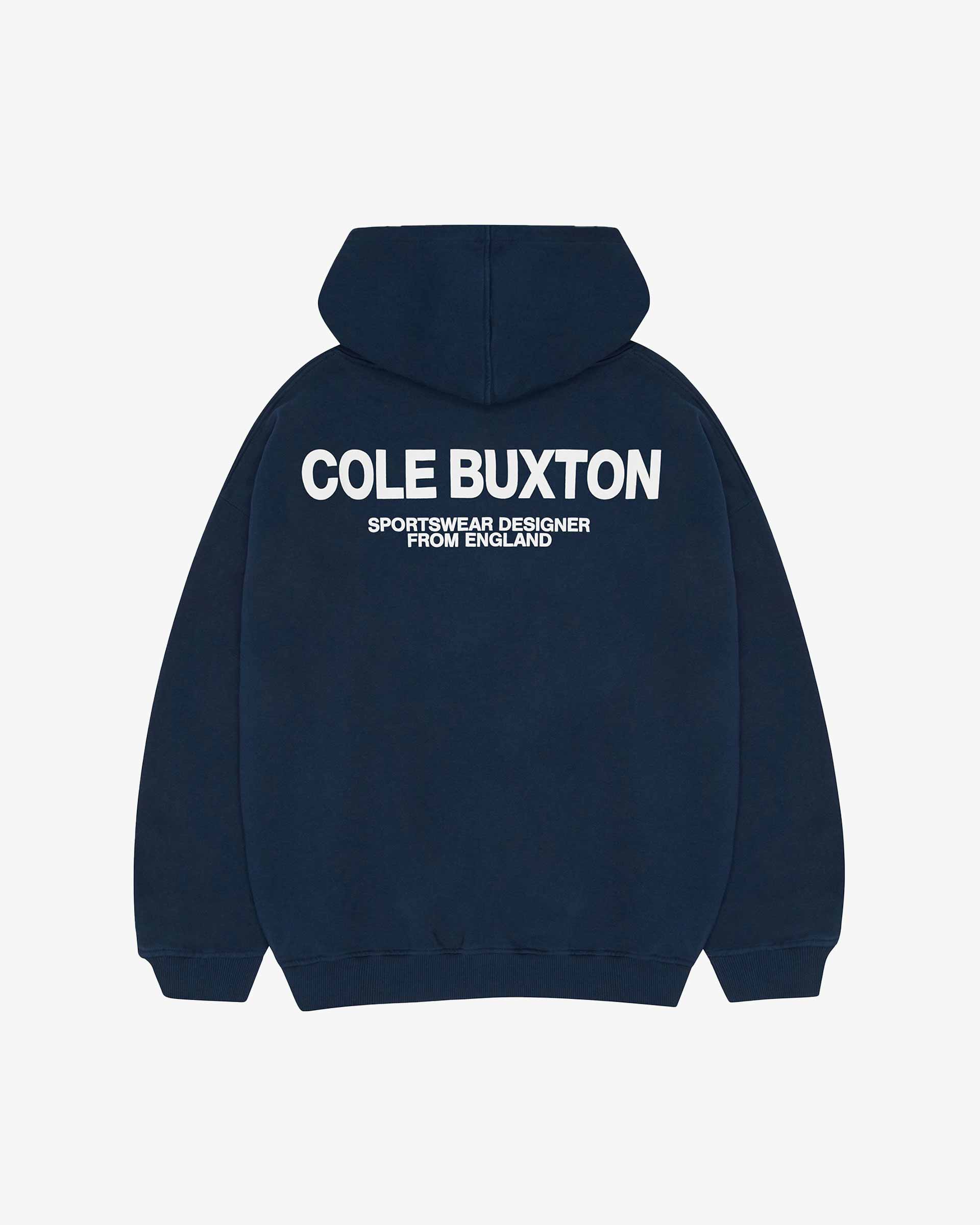
Clothing can become a powerful expression of individuality, especially when personal style is built around pieces that feel authentic rather than temporary. In contemporary fashion, people increasingly look for garments that combine everyday practicality with a recognizable visual character. Cole Buxton Clothing approaches this space through a refined sportswear aesthetic that draws inspiration from vintage athletic clothing while maintaining a modern and understated appearance. The brand describes its foundations around simplicity, quality, authenticity, and durable sportswear, creating a design philosophy where clothing can remain relevant beyond short-lived trends.
The Character Behind Cole Buxton Clothing
A distinctive fashion identity often comes from consistency rather than excessive decoration. Cole Buxton has developed its identity around minimalist sportswear, using athletic references and refined details to create a recognizable direction. Its official brand story explains that the collections were shaped by a desire for clothing that was not loud or aggressively branded, but instead grounded in simplicity and authenticity. This approach gives the garments a considered quality while allowing the wearer to become an important part of the overall visual identity.
Vintage Athletic Inspiration With a Modern Perspective
Sportswear has influenced fashion for decades, but its role continues to evolve. Vintage athletic clothing offers inspiration through practical construction, relaxed silhouettes, and a strong connection to movement and everyday life. Cole Buxton combines these influences with a contemporary perspective, creating clothing that can work within modern wardrobes without feeling overly dependent on nostalgia. The brand specifically references vintage athletic aesthetics and Ivy League sporting cues as influences behind its collections.
The Strength of Minimalist Design
Minimalism can make clothing remarkably versatile. Instead of relying on excessive graphics or complicated visual elements, a minimalist garment allows its shape, fabric, proportions, and subtle branding to establish its character. Cole Buxton’s approach reflects this philosophy through understated sportswear designed to maintain a clear visual identity. The result is clothing that can become a foundation for many different outfits. A simple hoodie, T-shirt, or pair of trousers can be styled in several ways while retaining the distinctive character of the original design.
The Role of the Cole Buxton Hoodie
The hoodie has become one of the defining pieces of contemporary casual fashion because it combines comfort, practicality, and styling flexibility. Cole Buxton’s current collections include several hoodie styles, including sport zipped hoodies and other sweatshirt-focused pieces. A hoodie can become the central element of an outfit or work as part of a layered combination with jackets, trousers, or casual accessories. Its relaxed nature also makes it suitable for everyday wardrobes where comfort and visual consistency need to work together.
Comfort and Everyday Function
Comfort is an important part of modern clothing because garments need to fit naturally into everyday routines. Sportswear has always maintained a connection with movement and practicality, and contemporary interpretations can bring those qualities into casual fashion. Cole Buxton describes its garments as versatile and designed to last, with its core lines including heavyweight cotton hoodies and essential jersey pieces. This combination of practicality and design creates opportunities for people to build outfits that feel comfortable without losing their sense of style.
Building a Wardrobe Around Versatility
A distinctive wardrobe does not necessarily require a large number of different pieces. Versatility can be more useful because individual garments can become part of multiple outfits. Cole Buxton’s current collections include T-shirts, hoodies, trousers, shorts, outerwear, accessories, and footwear, giving wearers different ways to develop a coordinated wardrobe. A neutral T-shirt can become a foundation for layered styling, while a hoodie can add structure and comfort. Trousers or denim can then change the overall character of the outfit without requiring a completely different aesthetic.
Color, Proportion, and Visual Balance
Personal style is influenced heavily by color and proportion. Neutral tones can create an understated appearance, while carefully selected brighter shades can introduce contrast. The shape of clothing also changes how an outfit feels, with relaxed proportions creating a different impression from more tailored silhouettes. Cole Buxton’s collections demonstrate this range through products including tailored trousers, cargo trousers, denim, hoodies, T-shirts, and outerwear in different colors and materials. This variety gives individuals room to interpret the brand according to their own preferences.
Clothing as Personal Expression
Fashion becomes distinctive when people make their own decisions about how garments should be worn. The same piece can communicate something different depending on the surrounding clothing, footwear, and accessories. Cole Buxton’s understated approach gives wearers room to create these combinations without overwhelming the rest of an outfit. A simple garment can provide a clean foundation, allowing personal styling choices to become more visible. In this way, clothing becomes less about following one prescribed look and more about developing an appearance that feels natural to the individual.
Moving Beyond Short-Lived Trends
One of the benefits of a restrained design philosophy is its ability to remain relevant as trends change. Cole Buxton’s brand story specifically Cole Buxton Hoodie emphasizes creating pieces intended to endure beyond trends, with simplicity and minimalism remaining important parts of its identity. This does not mean that contemporary fashion has to remain static. Instead, versatile pieces can evolve as they are combined with different garments and styling ideas. A strong wardrobe can therefore change gradually without losing its underlying character.
The Evolution of Contemporary Sportswear
Sportswear has become an important part of modern fashion because its practical foundations translate naturally into everyday clothing. Cole Buxton occupies an interesting position within this evolution by combining sporting references with a more refined aesthetic. The brand describes its current direction as contemporary luxury while maintaining the simplicity and sporting accents established within its core lines. This balance allows sportswear-inspired garments to move beyond purely athletic settings and become part of broader lifestyle wardrobes.
Developing a Recognizable Personal Style
Personal style develops over time through experimentation and repeated choices. People discover which colors, proportions, materials, and garment categories feel most natural to them. Cole Buxton Clothing can provide a foundation for this process because its minimalist sportswear direction leaves room for individual interpretation. Someone may prefer a monochromatic outfit built around a heavyweight hoodie and relaxed trousers, while another person may introduce contrast through graphic T-shirts, denim, footwear, or accessories. The clothing provides structure, but the wearer ultimately determines the identity of the finished outfit.
A Distinctive Identity Through Cole Buxton Clothing
A distinctive fashion identity is created through the relationship between clothing and the person wearing it. Cole Buxton Clothing provides a foundation built around minimalist sportswear, vintage athletic influences, versatility, and understated design. Its collections extend across everyday categories including hoodies, T-shirts, trousers, denim, outerwear, accessories, and footwear, giving wearers different ways to develop their own interpretation of the aesthetic. By focusing on pieces that can work across changing outfits and personal preferences, Cole Buxton fits into a modern fashion environment where individuality can come through subtle details, thoughtful combinations, and consistent personal choices.
Author



Styling a black essentials hoodie for winter across the United States requires combining heavy organic fleece insulation, structured outer coats, thermal base layers, and weather-ready footwear. Winter conditions across the United States demand functional cold-weather apparel that retains core body heat without sacrificing modern street style aesthetics. Because an authentic black essentials hoodie features a dense 380+ GSM cotton construction, a spacious hood, and a broad boxy drape, it serves as an exceptional middle layer under heavy winter jackets. Exploring insulated coat combinations, winter footwear pairings across the United States, complementary bottom choices, and proper laundering care helps you build sophisticated cold-weather outfits with total ease.
Winter Thermal Dynamics, Heavy Coat Layering, and US Cold-Weather Aesthetics
Mastering cold-weather fashion across snow-prone regions in the United States relies on building a smart three-tier layering system using dense fleece base tops and heavyweight outerwear. Sourcing high-grade winter fleece garments directly from black essentials hoodie arms fashion buyers in the United States with durable, high-density cotton pieces built for severe thermal insulation.
When navigating freezing temperatures in the United States, wearing a solid dark pullover from black essentials hoodie underneath an oversized down puffer jacket, a heavy shearling coat, or a long wool trench provides maximum protection against cold winds. The broad boxy drape of a top from black essentials hoodie allows thermal long-sleeve shirts to sit comfortably underneath while leaving enough room for heavy outer sleeves. For evening events or indoor gatherings, you can transition your outfit smoothly by exploring our nightlife styling guide to maintain a sharp appearance.
Winter Outfit Guidelines, Weatherproof Footwear, and Coordinated Sets for US Buyers
Building a complete winter outfit in the United States involves combining dark, broad-cut fleece uppers with insulated cargo pants, heavyweight denim, waterproof boots, and winter accessories.
Key winter styling recommendations for cold-weather fashion across the United States include:
-
Waterproof Insulated Leather Boots: Pair dark upper fleece layers with rugged leather boots or weather-ready lug-sole boots to navigate snowy city streets in the United States.
-
Heavy Down Puffer Jackets: Layer your pullover under a high-loft down puffer coat to lock in body heat during freezing outdoor excursions.
-
Thick Fleece-Lined Cargo Trousers: Match broad fleece tops with heavy wool-blend or fleece-lined cargo pants to keep your legs warm against bitter winds.
-
Ribbed Wool Beanies and Gloves: Accentuate your winter outfit with thick knit beanies, wool scarves, and insulated leather gloves for maximum coverage.
During indoor winter lounging, heated home office sessions, or casual gym warmups across winter states in the United States, pairing your upper fleece layer with matching black essential shorts creates a balanced indoor lounge set. Wearing high-grade black essential shorts alongside your top layer keeps your legs relaxed inside heated rooms while keeping your upper torso insulated. Coordinating your preferred black essential shorts guarantees exact color matching, uniform fabric weight, and consistent spatial proportions across every indoor setting.
United States Winter Guideline: Layer your dark organic cotton fleece top under heavy puffer coats or wool overcoats, pairing with insulated bottoms and waterproof boots for total cold-weather comfort in the United States.
Garment Preservation Protocols for Heavy Winter Apparel Care
To ensure your luxury organic cotton fleece retains its deep carbon shade, soft interior plushness, and broad spatial shape through heavy winter rotation in the United States, proper laundering care is essential:
-
Inverted Cold Machine Washing: Always turn your black essentials hoodie inside out before washing to protect outer badging, subtle branding, and dark dyes from drum friction.
-
Cold Water Temperature Controls: Wash high-rotation winter fleece using cold water settings (30°C or below) on gentle cycles to preserve fabric fibers and prevent heat shrinkage.
-
Mild Dark Liquid Detergents: Clean heavy cold-weather garments like a black essentials hoodie using gentle liquid detergents formulated specifically for dark clothes to preserve deep carbon depth.
-
Horizontal Mesh Rack Drying: Air-dry heavy cotton fleece flat on an open mesh drying rack in a shaded indoor area across the United States to avoid hanger stretch caused by heavy wet fabric.
By understanding winter insulation needs, choosing a dark black essentials hoodie for severe cold weather, pairing tops with flexible black essential shorts, and using careful cold-water wash methods, you master winter street style. Following these practical styling and care guidelines guarantees your collection retains its broad spatial drape, rich visual appeal, and outstanding comfort across the United States.Shop the Black Essentials Hoodie collection, premium quality streetwear for Unisex Order your perfect essentials hoodie black today!Shop the Black Essentials Hoodie collection, premium quality streetwear for Unisex Order your perfect essentials hoodie black today!Shop the Black Essentials Hoodie collection, premium quality streetwear for Unisex Order your perfect essentials hoodie black today!Shop the Black Essentials Hoodie collection, premium quality streetwear for Unisex Order your perfect essentials hoodie black today!Shop the Black Essentials Hoodie collection, premium quality streetwear for Unisex Order your perfect essentials hoodie black today!
Author



QuickBooks Error H505: 9 Ways to Fix It

QuickBooks Migration Failed Unexpectedly: 9 Fixes That Work

Marriage Green Card Denied? What Happens Next and Can You Reapply?

Phantom Stock in India: Meaning, Benefits, Taxation, and How It Works

How to Choose Sweatpants: A Practical Guide

Are Chrome Hearts Tshirt Still Worth Buying in 2026?

Comme Des Garcons Converse Outfits That Make a Statement

Are Chrome Hearts Hoodies Still Worth Buying in 2026?

The New Parke Hoodie Looks Changing Everyday Streetwear

The Texas Guide to Booking Wellness and Longevity Care Online

Cybersecurity Consulting Company SequelNet Provides Critical IT Support Services to Medical Billing Firm, Medical Optimum

Meet the Megalodon: The Shark Star of ‘Meg 2’

Reduce Video Game Lag: Level Up Your Gaming Performance

Balancing India’s Entertainment: Cricket vs. Bollywood

Jetsetter’s Secrets: Unveiling Our Favorite Travel Hacks for a Seamless Adventure

The 5 Best Live Sports Streaming Sites: Legal and Exciting!

Hollywood Labor Unrest: The Impact of ‘What About Us?’ Strikes

Unveiling the Magic of Dream Fulfillment at the Late NBA Draft

Illuminate Your Skin: Dr. Axe Unveils Natural Remedies for Lightening Knees and Elbows

Bright Choices: Navigating the Pros and Cons of Skin Whitening Creams with Dr. Axe
-

 Business3 years ago
Cybersecurity Consulting Company SequelNet Provides Critical IT Support Services to Medical Billing Firm, Medical Optimum
-
Entertainment3 years ago
Meet the Megalodon: The Shark Star of ‘Meg 2’
-
Entertainment3 years ago
Reduce Video Game Lag: Level Up Your Gaming Performance
-
 Sports3 years ago
Balancing India’s Entertainment: Cricket vs. Bollywood
-
Entertainment3 years ago
Jetsetter’s Secrets: Unveiling Our Favorite Travel Hacks for a Seamless Adventure
-
Productivity3 years ago
The 5 Best Live Sports Streaming Sites: Legal and Exciting!
-
Art /Entertainment3 years ago
Hollywood Labor Unrest: The Impact of ‘What About Us?’ Strikes
-
Sports3 years ago
Unveiling the Magic of Dream Fulfillment at the Late NBA Draft






