
Autos & Vehicles
Lamborghini Miura: Unlocking the Power with Detailed Specifications

By

Reviewed
By Austin Walton
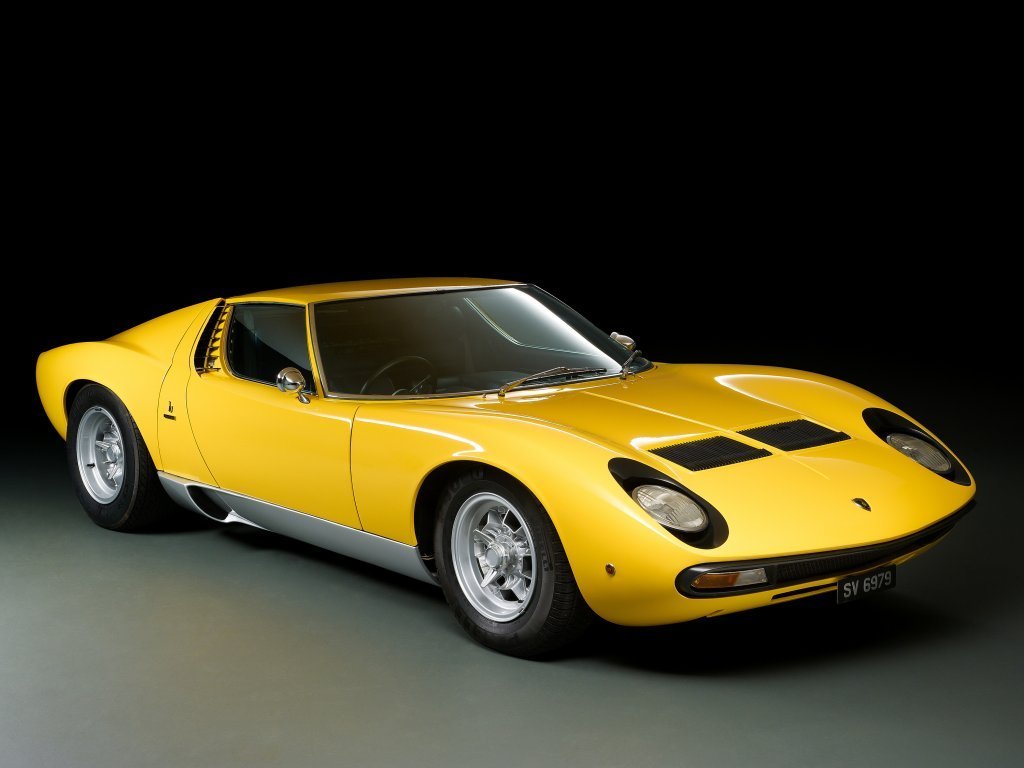
Embark on a journey into the heart of automotive history with the legendary Lamborghini Miura. Unveiled in 1966, the Miura captured the imagination of car enthusiasts worldwide with its groundbreaking design and unparalleled performance. In this in-depth exploration, we delve into every aspect of this automotive icon, from its origins to its enduring legacy.
The Legacy Begins: Origins of the Lamborghini Miura
The Lamborghini Miura emerged during an era of automotive innovation and creativity. Conceived by Lamborghini’s engineering team as a pet project, the Miura was intended to showcase the company’s prowess in crafting high-performance sports cars. Named after the ferocious Spanish fighting bull, the Miura embodied the spirit of power, agility, and elegance.

Image by: yandex.com
Lamborghini Miura: Design and Development
Innovations in Automotive Engineering
The Miura introduced several groundbreaking innovations that revolutionized the automotive industry. One of its most notable features was its mid-engine layout, which positioned the engine behind the driver to optimize weight distribution and improve handling.
Streamlined Exterior Features of Lamborghini Miura
The exterior design of the Miura was a masterpiece of aerodynamic engineering. Its sleek, low-slung profile and iconic “flying buttress” rear pillars not only enhanced its visual appeal but also improved stability at high speeds.
Luxurious Interior Craftsmanship
Step inside the Lamborghini Miura, and you’re greeted by a cockpit designed for the discerning driver. Luxurious leather upholstery, ergonomic controls, and attention to detail create an ambiance of refinement and sophistication.
Power Unleashed: Engine Specifications
V12 Engine: The Heart of the Beast
At the heart of the Miura beats a mighty V12 engine, delivering blistering performance and spine-tingling exhaust notes. With a displacement of 3.9 liters and output ranging from 345 to 385 horsepower, depending on the model, the Miura offered exhilarating acceleration and a top speed exceeding 170 mph.

Lamborghini Miura: Speed, Acceleration, and Handling
The Lamborghini Miura was more than just a straight-line speed demon; it was also renowned for its agile handling and precise steering. Its lightweight construction, coupled with advanced suspension technology, allowed drivers to carve through corners with confidence and grace.
Fuel Efficiency: Balancing Power and Economy
While the Miura prioritized performance above all else, it also managed to deliver respectable fuel efficiency for its time. Thanks to its advanced engine design and aerodynamic profile, the Miura achieved a balance between power and economy that was unheard of in other supercars of its era.
Driving Experience: Handling and Performance
Nimble Handling: Precision on the Road
Behind the wheel of the Lamborghini Miura, drivers experienced a level of precision and responsiveness that set it apart from its competitors. Whether navigating tight city streets or tearing up the open highway, the Miura offered a driving experience like no other.
Adrenaline-Fueled Acceleration
With its lightning-fast acceleration and thunderous engine roar, the Miura was the epitome of automotive exhilaration. From 0 to 60 mph in just over 6 seconds, the Miura catapulted drivers into a realm of pure adrenaline-fueled excitement.
Driving Dynamics: Lamborghini Miura
Despite its raw power and performance, the Miura was surprisingly easy to control, even at high speeds. Its advanced chassis design and aerodynamic profile provided unmatched stability and confidence, allowing drivers to push the limits with precision and poise.
Legendary Status: Impact and Influence
Cultural Icon: Shaping Automotive Trends
The Lamborghini Miura transcended its status as a mere automobile; it became a cultural icon that defined an era. From its appearances in films and music to its presence on the racetrack, the Miura left an indelible mark on popular culture and automotive history.
Influence on Future Supercars
The legacy of the Miura lives on in the DNA of modern supercars. Its innovative design, groundbreaking engineering, and uncompromising performance continue to inspire automotive enthusiasts and engineers alike, shaping the future of high-performance motoring.
Lamborghini Miura: Continuing Influence in Modern Automotive Design
Even decades after its introduction, the Miura remains a symbol of automotive excellence and innovation. Its timeless design and unmatched performance continue to captivate collectors and enthusiasts, ensuring its place in the pantheon of automotive legends for generations to come.
Maintenance and Care: Preserving the Legacy
Routine Maintenance: Ensuring Optimal Performance
To keep the Miura running at peak performance, regular maintenance is essential. This includes routine tasks such as oil changes, fluid checks, and brake inspections, as well as more comprehensive services like engine tune-ups and suspension adjustments.
Preservation Tips: Upholding Aesthetic and Mechanical Integrity
Preserving the aesthetic and mechanical integrity of the Lamborghini Miura requires meticulous care and attention to detail. Owners should store the vehicle in a climate-controlled environment, protect it from environmental hazards, and adhere to manufacturer-recommended maintenance schedules to ensure its longevity.
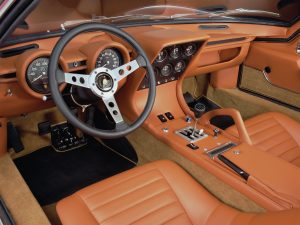
Image by: yandex.com
Restoration Considerations: Lamborghini Miura
For owners looking to restore a Miura to its original glory, careful planning and expert craftsmanship are essential. Whether tackling a full restoration or addressing specific cosmetic or mechanical issues, working with experienced professionals is crucial to achieving impeccable results.
Frequently Asked Questions (FAQs)
- What makes the Lamborghini Miura a cultural icon?
- The Miura’s groundbreaking design, unmatched performance, and cultural impact have solidified its status as an automotive icon. From its appearances in popular media to its influence on automotive design, the Miura continues to captivate enthusiasts worldwide.
- How does the Lamborghini Miura compare to modern supercars in terms of performance?
- While modern supercars may surpass the Miura in terms of raw performance metrics such as top speed and acceleration, the Miura’s timeless design and driving experience remain unparalleled. Its significance lies not only in its speed but also in its cultural impact and historical significance.
- Is the Lamborghini Miura a suitable investment for collectors?
- As one of the most sought-after and iconic classic cars in automotive history, the Miura represents a significant investment opportunity for collectors. Its rarity, historical significance, and enduring popularity ensure that its value will continue to appreciate over time.
- What are some common maintenance issues associated with the Lamborghini Miura?
- Like any high-performance vehicle, the Lamborghini Miura requires regular maintenance to ensure optimal performance and longevity. Common maintenance issues may include engine tune-ups, suspension adjustments, and cosmetic repairs. However, with proper care and attention, these issues can be addressed to preserve the vehicle’s integrity.
- How many Lamborghini Miuras were produced?
- Production numbers for the Miura vary depending on the source, but estimates suggest that approximately 764 Lamborghini Miuras were produced during its production run from 1966 to 1973. Of these, various models and editions were created, each contributing to the Miura’s allure and exclusivity.
Conclusion
In conclusion, the Lamborghini Miura stands as a timeless testament to automotive innovation, performance, and design. From its origins as a daring concept to its status as a cultural icon, the Miura continues to captivate enthusiasts and collectors alike with its unparalleled blend of power, elegance, and engineering excellence. As we celebrate its legacy, we honor not just a car but an enduring symbol of automotive passion and ingenuity.
- Production numbers for the Miura vary depending on the source, but estimates suggest that approximately 764 Lamborghini Miuras were produced during its production run from 1966 to 1973. Of these, various models and editions were created, each contributing to the Miura’s allure and exclusivity.
Author



Knowing what your car is worth can make the selling process much easier. It can help you choose a sensible asking price, negotiate with confidence, and decide whether a part-exchange offer is fair.
However, no single figure applies to every vehicle. Several factors can affect its market value. These include age, mileage, condition, service history, specification, and current demand. Even two cars of the same make and model can have noticeably different values.
If you plan to sell or part-exchange your vehicle, a Car Valuation can give you a useful starting point. It can help you understand where your car sits in the current market before you speak to buyers or dealers.
What Does a Car Valuation Mean?
A Valuation provides an estimated figure for what your vehicle may be worth in the current market. The amount can change depending on how you plan to sell the car.
For instance, a dealer may offer less than the advertised price of a similar vehicle. Dealers need to cover several costs before reselling a car. These can include preparation, repairs, warranty coverage, staff costs, and their expected profit margin.
A private seller may achieve a different price because they sell directly to another consumer. However, private sales can take more time and require more effort from the seller.
It is also important to understand the difference between an advertised price and the final selling price. A vehicle might appear online at a certain price, but that does not mean it will actually sell for that amount. Therefore, treat a valuation as an informed estimate rather than a guaranteed final figure.
What Can Affect Your Car’s Value?
A Car Valuation considers several factors when determining a vehicle’s worth. Age, mileage, condition, service history, specification, and current market demand can all influence the final price.
Age and Mileage
Age and mileage often provide the first indication of a vehicle’s value. In general, newer cars tend to command higher prices. As a vehicle gets older, depreciation usually reduces its market value.
Mileage also matters because it shows how much use the car has had. However, you should not look at mileage on its own. A higher-mileage vehicle with excellent maintenance records may attract more interest than a low-mileage car that has received little care.
Overall Condition
Your car’s physical and mechanical condition can make a significant difference. Scratches, dents, worn tyres, damaged wheels, interior marks, and dashboard warning lights can all affect what buyers are willing to pay.
Be honest when describing your vehicle. Overstating its condition may produce an unrealistic estimate. It could also lead to a lower offer after a dealer or buyer inspects the car.
Service and MOT History
A complete service history can give potential buyers greater confidence. It shows that you have maintained the vehicle and kept up with important servicing requirements.
Keep service invoices, digital records, and maintenance receipts wherever possible. These documents can support your car’s condition and maintenance history.
Your MOT record can also provide useful information. Frequent failures or serious advisories may make buyers more cautious. On the other hand, a clean and well-maintained history can make your vehicle more attractive.
Specification and Market Demand
Your car’s specification can also influence its value. The trim level, engine, gearbox, colour, and optional equipment can affect demand.
Certain features may appeal strongly to buyers. These can include automatic transmission, parking sensors, reversing cameras, upgraded infotainment systems, and other desirable technology.
Market demand matters as well. A popular model with plenty of interested buyers may hold its value better than a less desirable vehicle.

Why Can Online Valuations Differ?
You may receive different estimates from different websites. That does not necessarily mean one service has made a mistake. Each valuation provider can use different data sources and calculation methods. Some may also make different assumptions about mileage, condition, specification, and local market demand.
Online tools usually rely on information such as your registration number, mileage, model, and specification. However, they cannot always identify smaller details. They may not know about a damaged alloy wheel, worn interior, new tyres, or a complete set of service records.
For that reason, an online Car Valuation should serve as a guide. It gives you an approximate idea of your vehicle’s market position, but it cannot guarantee the exact amount you will receive.
How to Prepare for a Valuation
Accurate information can help you get a more realistic estimate. Before requesting a valuation, take a few minutes to check your vehicle’s details.
Confirm the current mileage and check the MOT history. Gather your service records, maintenance receipts, and important vehicle documents. Also, make a note of the exact trim level, engine, gearbox, and optional features.
Next, inspect the vehicle carefully. Check the tyres, wheels, bodywork, lights, and interior. Make a note of any cosmetic or mechanical issues that could affect the final offer.
It can also help to clean your car before an inspection. Cleaning will not change the underlying market value, but it can make the vehicle look better and create a stronger first impression.
Is an Online Valuation Worth Using?
An online valuation offers a quick and convenient way to estimate your car’s worth. It can give you a starting point before you decide how to sell the vehicle.
However, accuracy depends on the information you provide. Entering the wrong mileage or leaving out important details can affect the result. Likewise, describing the vehicle as being in better condition than it really can create unrealistic expectations.
For a better understanding of your car’s potential selling price, compare the estimate with similar vehicles currently advertised. Look at differences in age, mileage, specification, condition, and location.
Final Thoughts
A Car Valuation involves more than entering a registration number and accepting the first estimate you receive. Your vehicle’s age, mileage, condition, history, specification, and current demand all play a role.
Therefore, use an online estimate as a starting point. Provide accurate information and compare the result with similar cars on the market. Most importantly, understand why your vehicle has a particular value. That knowledge can help you negotiate more effectively and make a confident decision when selling or part-exchanging your car.
Author


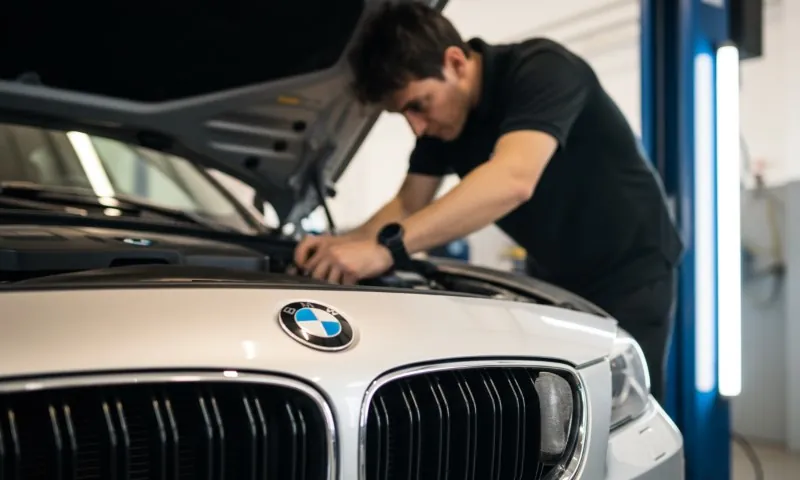
A BMW Headlight system does much more than brighten the road ahead. It helps you spot hazards, follow the road clearly, and stay visible to other drivers. Modern BMW models also use advanced lighting technology, including LED, xenon, and adaptive systems. These features improve visibility, but they also contain delicate electronic components that can develop faults over time.
That is why professional headlight repair London services can make a real difference. A small lighting problem may seem harmless at first. However, ignoring it can allow moisture, electrical faults, or damaged components to cause more serious problems. Getting an issue checked early can protect your vehicle and help you avoid unnecessary costs.
Why Healthy Headlights Matter
Good headlights play an important role in safe driving, especially after sunset. They help you see bends, pedestrians, road signs, parked vehicles, and unexpected obstacles. They also help other road users notice your BMW from a safe distance.
Furthermore, clear lighting becomes even more important during rain, fog, and poor weather. Dirty, dim, or poorly aligned lights can reduce visibility when you need it most. As a result, a properly working lighting system gives you better awareness and more confidence behind the wheel.
Your Headlight also needs to produce a consistent beam. If one side looks noticeably brighter than the other, you may have an underlying fault. A professional inspection can identify the cause before the issue affects your daily driving.
What Causes BMW Headlight Problems?
BMW lighting systems contain several electronic and mechanical components. These parts work together every time you switch on your lights. Over the years, regular use, weather conditions, and road debris can affect their performance. Several common problems can lead to lighting faults, including:
- Water entering the headlight housing
- Damaged or worn seals
- Cracked or scratched lenses
- Faulty wiring or electrical connections
- Failing LED components
- Problems with xenon lighting systems
- Damaged daytime running lights
- Impact from stones or other road debris
- Electrical faults that trigger dashboard warnings
In many cases, the problem starts with one small component. For example, a damaged seal can allow moisture to enter the housing. That moisture can then affect electrical connections and create further problems.
Common Warning Signs You Should Not Ignore
Headlight faults often show warning signs before the system stops working completely. Paying attention to these signs can help you deal with the problem while the repair remains manageable.
Watch for condensation or visible water inside the housing. You should also take note if your lights flicker, appear unusually dim, or produce an uneven beam. A dashboard warning can also indicate an electrical or lighting fault.
Other signs include cracked lenses, broken daytime running lights, and headlights that switch off unexpectedly. If you notice any of these problems, arrange an inspection instead of waiting for the system to fail completely.
Why Moisture Can Cause Serious Damage
Condensation inside a headlight may look like a simple cosmetic issue. In reality, repeated moisture exposure can create much bigger problems. Water can reach wiring, connectors, control modules, and other sensitive components. Over time, it can encourage corrosion and affect electrical performance. The lighting system may then become dim, flicker, or stop working correctly.
A small amount of condensation may sometimes disappear after normal use. However, persistent moisture deserves attention. If water keeps returning, a technician should inspect the housing, seals, and surrounding components to find the source.
When Should You Repair Your BMW Headlights?
Many drivers wait until a light stops working before they seek help. Unfortunately, this approach can turn a relatively simple fault into a more expensive repair.
You should consider professional assistance if you notice repeated condensation, dim lighting, flickering beams, cracked lenses, or dashboard warning messages. You should also arrange an inspection if one light behaves differently from the other.
Early action can prevent secondary damage. It may also allow a technician to repair the affected component instead of replacing the complete unit.

Repair or Replacement: Which Option Makes Sense?
Not every lighting fault requires a complete replacement. A skilled technician can inspect the unit and determine whether repair makes sense.
Damaged seals, certain wiring faults, moisture problems, and some electronic issues may respond well to professional repair. Minor lens damage may also have repair options, depending on its condition and location.
Replacement may become necessary when the housing has severe damage or when important internal components have suffered extensive failure. Therefore, a proper diagnosis should come before you decide to buy a new unit.
Repairing the original BMW Headlight can often provide better value when the main components remain in good condition. It can also help you retain the original fit and appearance of your vehicle.
Why Professional Repairs Matter
Modern BMW lighting systems can contain complex electronics and precisely designed components. For that reason, repairs require suitable equipment, technical knowledge, and careful handling.
An experienced technician can diagnose the fault before starting the repair. This approach reduces the risk of replacing parts that still work. It also helps protect the surrounding electrical system from unnecessary damage.
Professional servicing can address the actual cause of the problem rather than simply treating the visible symptom. That difference can improve reliability and help prevent the same issue from returning.
Benefits of Early Headlight Repairs
Dealing with lighting problems early offers several practical advantages. First, it restores clear visibility and helps you see the road more effectively. Second, it can reduce the risk of further damage inside the lighting unit.
Early repairs can also help maintain correct beam alignment. Proper alignment matters because an incorrectly positioned beam can reduce your visibility or disturb other drivers.
In addition, timely maintenance may extend the useful life of your lighting components. It can also reduce the chance of facing a larger and more expensive repair later.
Keep Your BMW Lighting in Good Condition
Regular inspections can help identify developing faults before they become major problems. During routine checks, look for cracks, condensation, unusual brightness, flickering, or warning messages.
If you notice a change in lighting performance, do not ignore it. A quick professional inspection can often identify the cause and give you clear repair options.
A reliable BMW Headlight repair service can restore visibility, protect valuable components, and help your vehicle perform as it should. Home of Headlights provides headlight restoration, maintenance, and bespoke lighting enhancements for different makes and models across London. Its technicians focus on practical repairs that improve visibility and help drivers avoid unnecessary replacement costs.
Whether you have condensation, dim bulbs, faulty LED or xenon lighting, broken daytime running lights, flickering, or dashboard warnings, early attention can make a significant difference. Taking action at the first sign of trouble can protect your lighting system and make every journey safer and more comfortable.
Final Thoughts
A BMW Headlight plays an important role in both visibility and road safety. Small issues such as condensation, flickering, dim lighting, cracked lenses, or dashboard warnings can quickly become bigger problems if you ignore them.
Therefore, it makes sense to address headlight faults as soon as you notice them. Early repairs can protect electrical components, improve visibility, and help you avoid unnecessary replacement costs. Professional inspection also ensures that technicians identify the actual cause instead of simply treating the visible symptom.
If your BMW headlights are showing signs of trouble, do not wait for complete failure. Choosing a reliable BMW repair London service can help restore proper lighting performance and keep your vehicle ready for every journey. Regular checks and timely repairs will also help your lighting system remain dependable for longer.
Author



Author



Car Maintenance: 7 Essential Summer Checks for Safer Driving

Digital Marketing Launceston: Grow Your Business Online

Drafting Services: Accurate CAD Solutions for Construction

Ghostwriter Cost 2026: Pricing, Services and Hiring

Carsicko Hoodie’s: Modern Streetwear Styling and Outfit Ideas

Business Opportunities in Brazil 2026: Ideas & Investment Tips

Best Cashback Mortgages UK: Compare Deals & Savings

Loan Settlement: Process, Credit Score Impact & Repayment Tips

Everyday Style: Common Projects Sneakers UK Styling Tips

Commercial Truck Financing Options for Business Owners

Cybersecurity Consulting Company SequelNet Provides Critical IT Support Services to Medical Billing Firm, Medical Optimum

Meet the Megalodon: The Shark Star of ‘Meg 2’

Reduce Video Game Lag: Level Up Your Gaming Performance

Balancing India’s Entertainment: Cricket vs. Bollywood

Jetsetter’s Secrets: Unveiling Our Favorite Travel Hacks for a Seamless Adventure

The 5 Best Live Sports Streaming Sites: Legal and Exciting!

Hollywood Labor Unrest: The Impact of ‘What About Us?’ Strikes

Unveiling the Magic of Dream Fulfillment at the Late NBA Draft

Illuminate Your Skin: Dr. Axe Unveils Natural Remedies for Lightening Knees and Elbows

Bright Choices: Navigating the Pros and Cons of Skin Whitening Creams with Dr. Axe
-

 Business3 years ago
Cybersecurity Consulting Company SequelNet Provides Critical IT Support Services to Medical Billing Firm, Medical Optimum
-
Entertainment3 years ago
Meet the Megalodon: The Shark Star of ‘Meg 2’
-
Entertainment3 years ago
Reduce Video Game Lag: Level Up Your Gaming Performance
-
 Sports3 years ago
Balancing India’s Entertainment: Cricket vs. Bollywood
-
Entertainment3 years ago
Jetsetter’s Secrets: Unveiling Our Favorite Travel Hacks for a Seamless Adventure
-
Productivity3 years ago
The 5 Best Live Sports Streaming Sites: Legal and Exciting!
-
Art /Entertainment3 years ago
Hollywood Labor Unrest: The Impact of ‘What About Us?’ Strikes
-
Sports3 years ago
Unveiling the Magic of Dream Fulfillment at the Late NBA Draft






