
health
Red Light Magic: How Light Therapy Can Make You Feel Better


Understanding the Dynamics of Red Light Therapy (RLT)
Red Light Therapy (RLT) is an emerging therapeutic technique that utilizes low-level wavelengths of red light to address various skin conditions, including wrinkles, psoriasis, and scars. Often referred to as photobiomodulation, RLT gained attention when it was accidentally discovered by Endre Mester in 1967 at Semmelweis Medical University in Budapest, Hungary. Mester observed that laser light had a profound impact on hair growth and wound healing in rats.
The scientific community recognizes RLT by various names, with nearly 60 terms in use, such as low-level light therapy (LLLT), soft laser therapy, cold laser therapy, biostimulation, and photonic stimulation. In the 1990s, the potential of light-emitting diode (LED) technology was explored for its applications in space. It was found that intense red LEDs not only promoted photosynthesis for growing potatoes but also accelerated wound healing on the hands of scientists.
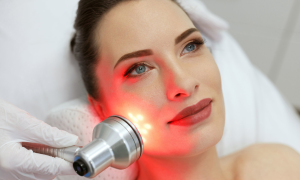
Image by: yendex.com
The Intricacies of Red Light Therapy Mechanism
RLT operates by exposing the skin to low levels of red and near-infrared light over a specific duration. Unlike high-wavelength light, red light at these levels does not generate heat and penetrates the skin between 1 and 2 millimeters. This exposure triggers biochemical processes within cells, particularly in the mitochondria—the cellular powerhouse responsible for energy production.
Research from 2013 suggests that red light exposure positively influences mitochondria by increasing the transportation of electrons, oxygen consumption, and levels of ATP (adenosine triphosphate). By enhancing mitochondrial energy, cells may function more efficiently, undergo rejuvenation, and facilitate repair processes.
The Shift from Lasers to LEDs in RLT
In the evolution of RLT, researchers have moved towards LED technology over lasers. LEDs are nonablative and nonthermal, making them a safer choice for therapeutic applications. According to the same 2013 research, LEDs not only increase blood flow and reduce inflammation but also contribute to higher collagen levels and the production of fibroblasts.
To illustrate the comparative advantages, consider the following table:

| Aspect | LED RLT | Laser RLT |
|---|---|---|
| Ablative/Thermal | Nonablative and nonthermal | Thermal |
| Effects | Increase blood flow | May increase blood flow |
| Safety | Safer on eyes | Proper eye protection recommended |
While promising, these claims require further substantiation through additional research.

Image by: yendex.com
Unpacking the Benefits of Red Light Therapy
Numerous studies conducted over the past two decades suggest a range of potential benefits associated with RLT. A 2018 review indicates promising results, though the controversial nature of the therapy necessitates further clinical research for validation.
Potential Applications and Benefits:
- Wound Healing and Tissue Repair:
- RLT may promote faster wound healing and enhance tissue repair mechanisms.
- Cancer Treatment Side Effects:
- Studies suggest that RLT may help manage side effects of cancer treatments, including oral mucositis, radiation dermatitis, and lymphedema.
- Hair Growth and Myopia Progression:
- Positive effects on hair growth, reduction in myopia progression, and potential treatment for androgenic alopecia have been observed.
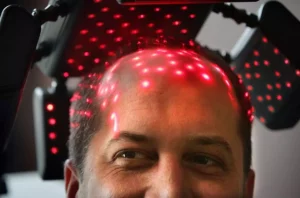
Image by: yendex.com
- Psoriasis and Skin Conditions:
- Reduction in psoriasis lesions, burn scars, and improvement in skin complexion have been reported.
- Neuropathic Pain and Inflammation:
- Relief from neuropathic pain and reduction in inflammation are potential applications.
- Cognitive Function and Alzheimer’s:
- Preliminary research suggests a positive impact on neural function and protection, potentially benefiting individuals with Alzheimer’s disease.
- Collagen Production and Wrinkle Reduction:
- Improved skin complexion, increased collagen production, and diminished wrinkles are among the cosmetic benefits.
- Pain Relief in Achilles Tendons:
- Some studies indicate potential relief from pain and inflammation in the Achilles tendons.
Photodynamic Therapy
RLT can be combined with photosensitizing medications in a technique known as photodynamic therapy. Here, light serves as an activating agent for the medication, potentially enhancing its efficacy in treating certain types of cancers.

Image by: yendex.com
Navigating Insurance and Affordability
Despite its potential benefits, many insurance companies do not cover RLT. Individuals with health insurance should inquire about coverage for their specific conditions. Those without coverage or with plans excluding RLT can explore payment plans or reduced rates offered by healthcare providers.
Unveiling Risks and Safety Considerations
While RLT is generally safe and painless, it is not without risks. A 2018 study suggests potential benefits in managing negative side effects of cancer treatments. However, there have been reported cases of burns, lesions, and blistering, especially when using RLT units for extended periods or due to device malfunction. Proper eye protection is essential during treatment to minimize the risk of eye damage. Though LEDs are considered safer than traditional lasers, caution is advised to prevent misuse and potential adverse effects.
Where to Experience Red Light Therapy
RLT is increasingly accessible, with options available in tanning salons, gyms, and local day spas. FDA-approved devices for home use are also available online, providing convenience for those seeking ongoing treatments.
Before embarking on an RLT regimen, it is crucial to consult with a healthcare professional. They can provide personalized guidance, assess the suitability of RLT for specific conditions, and develop a treatment plan tailored to individual needs. Patience is key, as several sessions may be required before noticeable improvements occur. Other health Problems

Image by: yendex.com
Conclusion
Red Light Therapy holds immense promise in the realm of dermatological and overall health treatments. As the scientific community delves deeper into its mechanisms and potential applications, individuals are advised to approach RLT with informed curiosity. While its benefits are becoming increasingly evident, ongoing clinical research is essential to solidify its position as a trusted therapeutic technique. Make informed choices, consult with healthcare professionals, and embrace the potential of Red Light Therapy on your journey to well-being.
Author

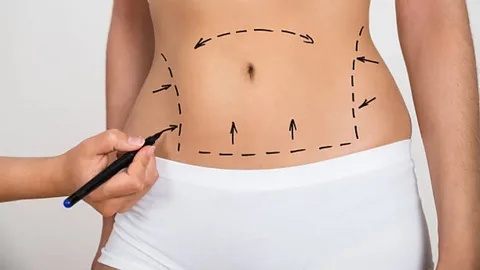
Choosing a post-pregnancy body restoration procedure is a personal decision that can help many women feel more confident after childbirth. A mommy makeover usually combines procedures such as a tummy tuck, breast lift, breast augmentation, and targeted liposuction to restore body contours affected by pregnancy changes. These procedures can help improve loose skin, separated abdominal muscles, and stubborn fat deposits. However, because cosmetic surgeries involve incisions, scars are a normal part of the healing process. Understanding how scars develop and learning proper care techniques can help you achieve smoother, lighter, and less noticeable marks over time.
If you are planning a mommy makeover Dubai, knowing how to support your skin during recovery can make a significant difference in your final results. Proper aftercare, patience and guidance from your medical team are essential for healthy healing.
How Surgical Scars Develop
Scarring is the body’s natural way of repairing damaged skin after surgery. When an incision occurs, the body produces collagen fibers to reconnect and strengthen the affected area. Over time, these fibers reorganize, allowing the scar to become flatter and softer. The healing process usually happens in three main stages:
Inflammatory Stage: First Few Days After Surgery
During the early healing period, the body works to protect the incision area. Blood clotting begins, immune cells prevent infection, and new tissue formation starts. At this stage, scars may appear red, swollen, or slightly raised. This reaction is completely normal.
Growth and Repair Stage: First Several Weeks
After the initial stage, the body begins producing more collagen to rebuild the skin structure. During this period, the scar may feel firm or tight. Following your surgeon’s instructions during this stage helps support proper healing.
Remodeling Stage: Several Months to Over a Year
The final stage involves collagen adjustment and scar softening. Blood vessels gradually reduce, causing redness to fade. Eventually, the scar often becomes a thin, lighter line that blends more naturally with the surrounding skin.
Common Incision Areas After Surgery
Surgeons carefully plan incision locations to reduce visibility and place marks in areas that clothing or natural body folds can cover. For a tummy tuck, the incision usually sits low across the lower abdomen near the bikini line. This placement allows underwear and swimwear to hide the scar easily. Breast procedures may involve incisions around the nipple area, vertically below the nipple, or along the natural breast crease. These locations help reduce the appearance of surgical marks. Liposuction requires only small entry points. These tiny marks often fade significantly and become difficult to notice with proper care.

Effective Scar Care After a Mommy Makeover
Scar management begins after your incisions fully close and your surgeon confirm that your skin has healed properly. Following a consistent routine can improve scar appearance and support smoother recovery.
Use Medical-Grade Silicone Products
Silicone sheets and silicone gels are among the most recommended options for improving surgical scars. They create a protective layer that helps maintain moisture and supports balanced collagen production. Once the incision is completely closed and dry, many patients begin using silicone products according to their surgeon’s recommendations. Regular application can help scars remain softer, flatter and less visible.
Practice Gentle Scar Massage
Scar massage can improve flexibility and reduce tightness around healed incision areas. It helps soften firm tissue by encouraging better collagen organization beneath the skin. Massage should only begin after receiving approval from your surgeon. Once cleared, gentle circular and side-to-side movements for a few minutes each day may support better scar texture.
Protect Scars from Sun Exposure
New scars are more sensitive to sunlight and can develop darker pigmentation when exposed to UV rays. Protecting healing skin is one of the most important steps in preventing long-term discoloration. Use sunscreen with SPF 50 or higher and cover incision areas whenever possible. Continued sun protection for many months after surgery can help scars maintain a lighter appearance.
Keep Skin Hydrated and Nourished
Healthy skin requires proper hydration and nutrition during recovery. Moisturizing products containing ingredients such as hyaluronic acid, vitamin E, onion extract, or Centella asiatica may support skin comfort and elasticity. In addition, maintaining a balanced diet with enough protein, vitamin C, and zinc helps the body produce collagen and repair tissues effectively.
Advanced Treatments for Difficult Scars
Some scars may remain raised, thick, or noticeable despite proper home care. In these situations, professional treatments can help improve their appearance. Microneedling encourages new collagen production and helps smooth uneven scar texture. Fractional laser treatments can improve surface irregularities and redness. Pulsed-dye laser therapy may reduce the appearance of red scars by targeting visible blood vessels. For certain raised or stubborn scars, doctors may recommend steroid injections to reduce thickness and improve texture.
Lifestyle Habits That Improve Healing
Your daily habits can strongly influence scar recovery after a mommy makeover. Avoid smoking and vaping because nicotine reduces blood flow and limits oxygen delivery to healing tissues. This can increase the risk of wider or darker scars. Avoid heavy lifting and intense physical activities during the early recovery period. Too much pressure on healing incisions can cause stretching and affect final scar appearance.
Getting enough rest and following your surgeon’s instructions also plays an important role in achieving successful results.
Achieving Better Results with Proper Care
A mommy makeover involves a combination of surgical skill, proper recovery, and long-term care. While scars cannot be completely removed, consistent attention can make them significantly less noticeable. At Mommy Makeover Lounge, patients receive professional guidance throughout their recovery journey. The right support system, advanced treatments, and personalized aftercare plans can help women enjoy their renewed confidence with smoother and more refined results.
Final Thoughts
Scar healing requires patience, commitment, and realistic expectations. Every person heals differently, and the final appearance of scars develops gradually over time.
A successful mommy makeover recovery depends on following medical advice, protecting healing skin, maintaining healthy habits, and using effective scar care techniques. With proper attention, surgical scars can become softer, flatter, and much less visible, allowing you to enjoy your results with greater confidence.
Author



Every year, thousands of seekers visit Rishikesh from different parts of the world to experience authentic yoga in the place where this ancient practice developed. This spiritual town has been a center of learning for sages and monks for thousands of years. They trained, saved, and transmitted their wisdom to later generations. Today, people travel to Rishikesh with different goals. Some want to become certified teachers, while others want to improve their personal practice and discover a deeper connection with themselves.
However, choosing the right yoga school in Rishikesh can feel challenging because every school offers different teaching methods, facilities, and experiences. Therefore, it is important to understand your needs before making a decision. Taking time to research will help you find a program that matches your expectations and creates a meaningful learning experience.
Identify Your Learning Goals
The first step is to identify your personal goal. Ask yourself why you want to join a teacher training course. Are you planning to build a career as an instructor, or do you simply want to understand the traditional roots of this ancient discipline? Some students focus on improving their physical abilities, while others feel more connected to meditation, breathing practices, philosophy, or ancient texts such as the Patanjali Yoga Sutras. Once you understand your purpose, comparing different programs becomes easier. A clear goal helps you choose a course that supports your personal growth and provides the knowledge you truly want to gain.
Check the Experience of Teachers
One of the most important things to consider is the teaching faculty. Skilled and experienced teachers bring much more than knowledge of physical postures. They explain the meaning behind each practice, help students improve their alignment, and provide suitable modifications according to individual abilities.
Furthermore, good teachers create a comfortable environment where students feel confident asking questions and exploring their practice. Before joining any school, learn about the teachers’ backgrounds, qualifications, and experience. Their approach to teaching can strongly influence your overall learning journey.
Review the Course Curriculum Carefully
Another important factor is the course curriculum. A well-structured program should include more than daily physical sessions. Students should look for courses that cover meditation, breathing techniques, philosophy, teaching methods, and practical teaching sessions. When a program includes these subjects, students develop a complete understanding instead of focusing only on physical exercises. A balanced curriculum allows learners to explore the mental, emotional, and spiritual sides of yoga. It also helps them understand how this ancient practice connects with daily life and personal development.
Consider the Class Size and Learning Environment
Class size also plays an important role in the learning process. Smaller groups often provide better opportunities for individual attention. Students can receive detailed feedback, ask questions freely, and improve their techniques with proper guidance. On the other hand, larger classes allow students to meet people from different cultures and backgrounds. These connections can create valuable friendships and provide opportunities to learn from different perspectives.
Look Beyond Appearance and Marketing
When selecting a school, do not focus only on attractive websites or impressive photographs. A beautiful location and professional appearance can be appealing, but teaching quality should remain the main priority.
Consider other important factors such as clean accommodation, comfortable living spaces, healthy meals, and a peaceful environment. The surroundings of the school also matter because a calm location away from daily distractions allows students to concentrate better on their learning journey.

Experience the Spiritual Atmosphere of Rishikesh
Many people choose Rishikesh because of its unique spiritual energy. The sound of temple chants, the peaceful flow of the Ganges River, and the presence of ancient ashrams create a special atmosphere. Walking near the ghats, visitors often see monks and spiritual seekers following their daily routines. Choosing a school that allows you to experience this local culture can make your journey even more meaningful. The environment around you can influence your mindset and help you connect more deeply with your personal practice.
Balance Between Tradition and Modern Learning
It is important to find a balance between traditional teachings and modern learning methods. Authentic yoga is not only about performing advanced physical movements. It focuses on self-awareness, discipline, mindfulness, and understanding ancient principles passed down through generations.
An effective school honors these traditions while also offering a relevant educational method for today’s learners. This balance helps learners develop knowledge that they can apply both on and off the mat.
Compare Course Fees and Facilities
Cost is another factor that students should carefully consider. A low-priced course may appear attractive, but it is important to check what services the fee includes. Compare accommodation quality, food options, teacher support, course materials, and additional facilities before making your choice. Sometimes, investing in a well-designed program provides greater value and a more rewarding experience in the long run.
Communicate With the School Before Enrollment
Before enrolling, communicate directly with the school. Ask about the daily schedule, accommodation details, meal options, and support services for international students. You can also ask whether the school provides assistance such as airport transportation. Clear communication before arrival often shows that the school maintains good organization and cares about student experiences.
School That Supports Your Journey
Remember that a teacher training course offers much more than a certificate. It provides an opportunity to improve your lifestyle, develop discipline, understand yourself better, and build a stronger connection with your practice. Choosing the right school is a personal decision. Take time to compare teaching quality, course structure, class size, accommodation, and your own goals. Instead of making a quick choice, research carefully and select a program that supports your aspirations. The right decision can help you create unforgettable memories and make your time in Rishikesh a truly transformative experience.
Final Thoughts
Choosing the right yoga school in Rishikesh requires careful research and a clear understanding of your goals. Focus on experienced teachers, quality training, and a supportive environment. The right school can help you deepen your practice, gain valuable knowledge, and create a meaningful experience that stays with you for a lifetime.
Author



Diabetes has emerged as a significant health issue in India. Every year, the number of people affected by high blood sugar continues to rise. Many individuals live with diabetes for years without proper awareness or treatment. As a result, they may face serious health problems involving the heart, kidneys, eyes, nerves, and blood vessels. Managing diabetes requires much more than simply taking medicines. It involves regular monitoring, healthy lifestyle choices, proper nutrition and expert medical support. Choosing the right specialist plays an important role in maintaining stable blood sugar levels and preventing future complications.
Among experienced diabetes specialists, Dr. Sanchayan Roy has gained recognition for his patient-focused approach and advanced treatment methods. As a trusted sugar surgeon, he focuses on providing personalized diabetes care that helps patients achieve better health outcomes. His treatment philosophy combines modern medical knowledge with practical lifestyle guidance.
Whether someone has recently received a diabetes diagnosis, struggles with uncontrolled sugar levels or wants to prevent diabetes-related complications, consulting an experienced sugar surgeon like Dr. Sanchayan Roy can provide valuable support for long-term health management.
Understanding Diabetes Care
Diabetes happens when the body is unable to regulate blood sugar levels effectively. The condition may develop due to problems with insulin production, insulin function, or both. When sugar levels remain high for a long time, they can gradually damage important organs. Common symptoms of diabetes include increased thirst, frequent urination, constant tiredness, unexpected weight changes, and slow wound healing. However, many people ignore these warning signs because they appear mild during the early stages.
India has witnessed a significant increase in diabetes cases due to several factors. Unhealthy eating habits, lack of physical activity, stress, obesity, and genetic factors contribute to this growing concern. Early diagnosis and proper treatment can help reduce health risks. A skilled sugar surgeon does not only focus on lowering blood sugar levels. Instead, the goal is to understand the complete health condition of the patient. This includes evaluating diet, lifestyle, medical history and possible risk factors. Such a complete approach helps create effective diabetes management plans.
Meet Dr. Sanchayan Roy
Dr. Sanchayan Roy is a respected physician known for his expertise in diabetes management and metabolic disorders. He believes that every patient requires a different treatment approach because diabetes affects individuals differently. His consultations focus on understanding each patient’s health concerns, daily routine, and medical background. Instead of offering general advice, he develops treatment strategies that patients can realistically follow.
As an experienced sugar surgeon, Dr. Sanchayan Roy follows evidence-based medical practices and stays updated with modern developments in diabetes care. His focus remains on improving blood sugar control while helping patients maintain a better quality of life. Patients often appreciate his ability to explain complex medical conditions in simple terms. This helps them understand their condition and actively participate in their own healthcare journey.
Why Dr. Sanchayan Roy is Considered a Reliable Sugar Surgeon in Delhi
Personalized Diabetes Treatment
Every person with diabetes has different health requirements. Age, weight, lifestyle habits, family history, and existing medical conditions influence treatment decisions. Dr. Sanchayan Roy carefully studies these factors before suggesting medicines, dietary changes, or lifestyle improvements. Personalized treatment plans improve patient confidence and make diabetes management easier to follow.
Complete Diabetes Care Approach
Successful diabetes management involves more than controlling glucose levels. Patients also need regular evaluation of blood pressure, cholesterol, kidney health, eye health and heart-related risks. A professional sugar surgeon follows a complete healthcare approach that focuses on preventing complications before they become serious. Regular checkups and timely treatment adjustments help patients maintain better health.
Advanced Diagnosis and Monitoring
Accurate diagnosis forms the foundation of effective diabetes treatment. Dr. Sanchayan Roy uses detailed medical assessments and necessary investigations to understand each patient’s condition. Continuous monitoring helps identify changes in health conditions. It also allows treatment plans to be adjusted according to the patient’s progress.

Diabetes Conditions Managed by Dr. Sanchayan Roy
Type 1 Diabetes
Type 1 diabetes usually develops at a younger age and requires lifelong insulin support. Proper monitoring, medication management, and patient education help individuals maintain healthy glucose levels.
Type 2 Diabetes
Type 2 diabetes is the most common type of diabetes. It often develops because of lifestyle factors, obesity, and genetic risks. Early treatment and regular supervision can prevent serious complications.
Gestational Diabetes
Gestational diabetes occurs during pregnancy and requires careful medical attention. Effective monitoring aids in safeguarding the health of both the mother and baby while promoting a healthy pregnancy.
Prediabetes
Prediabetes indicates that blood sugar levels are higher than normal but have not reached the diabetes stage. With proper lifestyle changes and medical guidance, many people can reduce their risk of developing diabetes.
Lifestyle Changes for Better Diabetes Control
Balanced Nutrition
Food choices directly affect blood sugar levels. A healthy diabetes-friendly diet should include vegetables, whole grains, fiber-rich foods, lean proteins, and healthy fats. Reducing processed foods, sugary items, and refined carbohydrates can support better glucose control. Small but consistent dietary improvements can create significant health benefits.
Regular Physical Activity
Exercise improves insulin sensitivity and supports healthy weight management. Activities such as walking, cycling, yoga, swimming, and strength exercises can help regulate blood sugar. Patients should choose activities according to their health condition and physical ability. A consistent routine often provides better results than occasional intense workouts.
Managing Stress Effectively
Stress can influence blood sugar levels by affecting hormone balance. Relaxation practices, proper sleep, meditation, and mindfulness can support overall diabetes management. A balanced lifestyle combined with medical care creates a stronger foundation for long-term wellness.
Benefits of Early Diabetes Management
Early treatment provides several advantages. It helps maintain better sugar control, reduces the risk of complications, and improves overall health quality. Regular consultations with a sugar surgeon allow patients to track their progress and make necessary changes at the right time. Preventive care also helps identify potential problems before they become difficult to manage.
Why Patients Choose Dr. Sanchayan Roy
Many patients trust Dr. Sanchayan Roy because of his compassionate approach and dedication to improving patient health. He focuses on education, prevention, and practical solutions rather than only treating symptoms. His approach includes:
- Customized diabetes treatment plans
- Clear patient communication
- Preventive healthcare guidance
- Regular monitoring support
- Modern treatment methods
- Lifestyle improvement strategies
His commitment to quality care has helped him become a preferred sugar surgeon in Delhi for people seeking reliable diabetes management.
Preventing Diabetes Complications
Effective diabetes control requires daily attention and consistency. Patients should monitor their blood sugar regularly, follow prescribed treatments, maintain a healthy diet, and stay physically active. Regular eye checkups, kidney assessments, and foot care are also important. Avoiding smoking and limiting alcohol consumption can further reduce health risks. A dedicated sugar surgeon helps patients understand these preventive steps and supports them throughout their diabetes journey.
Conclusion
Diabetes management requires expert guidance, continuous care, and healthy lifestyle decisions. The right specialist can help patients control blood sugar levels and reduce the chances of future complications. Dr. Sanchayan Roy provides personalized diabetes care with a focus on patient needs, modern treatment methods, and long-term wellness. His experience as a sugar surgeon allows patients to receive comprehensive support for managing diabetes effectively. For individuals searching for a reliable sugar surgeon in Delhi, consulting Dr. Sanchayan Roy can be an important step toward achieving better health, improved confidence, and a healthier future.
Author



Temp Clothing Outfits: Work From Day to Night in Modern Style

Teeth Whitening: How Long Do Professional Results Really Last

Mommy Makeover Scar Care: Smooth Healing After Surgery

Yoga School in Rishikesh: Choosing the Right Training

Self Confidence: Best Ways to Build Inner Strength and Self Love

Property in Pune: Best Locations, Buying Tips & Investment

Baddie Hub Fashion: Trendy Style Ideas for Modern Fashion Lovers

LED Grow Light China Manufacturer for Commercial Farming

Laser Cleaner Machine for Fast Industrial Metal Surface Cleaning

Side by Side Door Refrigerator Better Than a French Door

Cybersecurity Consulting Company SequelNet Provides Critical IT Support Services to Medical Billing Firm, Medical Optimum

Meet the Megalodon: The Shark Star of ‘Meg 2’

Reduce Video Game Lag: Level Up Your Gaming Performance

Balancing India’s Entertainment: Cricket vs. Bollywood

Jetsetter’s Secrets: Unveiling Our Favorite Travel Hacks for a Seamless Adventure

The 5 Best Live Sports Streaming Sites: Legal and Exciting!

Hollywood Labor Unrest: The Impact of ‘What About Us?’ Strikes

Unveiling the Magic of Dream Fulfillment at the Late NBA Draft

Illuminate Your Skin: Dr. Axe Unveils Natural Remedies for Lightening Knees and Elbows

Bright Choices: Navigating the Pros and Cons of Skin Whitening Creams with Dr. Axe
-

 Business3 years ago
Cybersecurity Consulting Company SequelNet Provides Critical IT Support Services to Medical Billing Firm, Medical Optimum
-
Entertainment3 years ago
Meet the Megalodon: The Shark Star of ‘Meg 2’
-
Entertainment3 years ago
Reduce Video Game Lag: Level Up Your Gaming Performance
-
 Sports3 years ago
Balancing India’s Entertainment: Cricket vs. Bollywood
-
Entertainment3 years ago
Jetsetter’s Secrets: Unveiling Our Favorite Travel Hacks for a Seamless Adventure
-
Productivity3 years ago
The 5 Best Live Sports Streaming Sites: Legal and Exciting!
-
Art /Entertainment3 years ago
Hollywood Labor Unrest: The Impact of ‘What About Us?’ Strikes
-
Sports3 years ago
Unveiling the Magic of Dream Fulfillment at the Late NBA Draft






