
health
10 Effective Strategies for Building Your Own Anxiety Toolkit


Are you tired of feeling anxious and overwhelmed? Are you ready to take control of your mental health and build an anxiety toolkit that works for you? Look no further! In this blog post, we’ve compiled 10 effective strategies to help you create your own personalized anxiety toolkit. From mindfulness techniques to self-care practices, these tips will equip you with the tools necessary to manage your anxiety and live a happier, healthier life. So let’s dive in and start building!
Understand Your Anxiety
Anxiety is a common mental health condition that can be difficult to manage. There are many effective strategies for building your own anxiety toolkit, and below are some tips to get started.
1. Understand your anxiety. learn about the different types of anxiety, how it works, and what causes it. This will help you to better understand how your anxiety affects you and how you can treat it.
2. Create a self-care plan. Make sure you have a set schedule of self-care rituals that help relieve symptoms of anxiety. These could include things like exercise, relaxation techniques, or peaceful activities that make you feel good on a regular basis.
3. Talk about your anxiety with someone. It can be helpful to talk about your anxiety with someone who will listen attentively and offer guidance as needed. This might be a family member, therapist, or friend who you trust implicitly.

4. Seek professional help if necessary. If managing your anxiety using self-help strategies isn’t working well enough or if symptoms are becoming too severe, consider seeking professional help from a therapist or counselor who specializes in treating mental health conditions like anxiety
Develop a Positive Mental Attitude
Anxiety can be a real pain, but it doesn’t have to be. There are lots of things you can do to help yourself feel better, both mentally and physically. Here are some tips for developing a positive mental attitude and working through your anxiety:
1. Learn to identify your triggers. Anxiety is often caused by things that we don’t control, like unexpected stressors or events. Knowing what triggers your anxiety can help you manage it more effectively.
2. Accept that anxiety is a part of who you are. You’re not alone in feeling anxious sometimes – everyone experiences anxiety in different ways. Learn to live with the anxiety and enjoy the benefits it brings, such as increased focus and productivity.
3. Be mindful of your thoughts and feelings. Pay attention to the way you’re thinking and feeling right now – these are indicators of how your anxiety will likely behave in the future. Be aware of when your thoughts become negative or obsessive, and try to refocus on positive thoughts instead.
4. Practice self-care habits throughout the day. Eating nutritious foods, getting enough sleep, exercising regularly, and managing stress responsibly all play an important role in reducing anxiety symptoms. Make sure to add at least one self-care practice from this list to your routine each day for best results!
Get Moving!
There is no one-size-fits-all approach to managing anxiety, as the severity and nature of your symptoms will vary. However, by arming yourself with strategies that work for you, you can take control of your anxiety and lead a more productive life. Here are five effective strategies for building your own anxiety toolkit:
1. Identify Your Anxiety Trigger
Anxiety can be triggered by different things, so it’s important to identify the things that make your anxiety flare up. This might involve taking a careful look at your daily routine and figuring out which areas cause you stress. Once you know what’s triggering your anxiety, you can start avoiding these situations or working on coping mechanisms in advance.
2. Practicing Relaxation Techniques
When anxiety is escalating, it’s important to find ways to calm down and restore equilibrium. One way to do this is by practicing relaxation techniques such as deep breathing or yoga. As long as the technique is calming and doesn’t induce panic attacks, practice it whenever you feel anxious or stressed out.
3. Manage Stress Levels Effectively
Stress management is key if you want to improve your overall mental health status and reduce symptoms of anxiety. Make sure to set realistic goals, establish boundaries when necessary, and take breaks often. Additionally, try using relaxation methods before stressful situations in order to boost your mental preparedness.
4) Create A Support System For Anxiety Management
A strong support system can
Create Positive Goals
There are a few things you can do to start building your own anxiety toolkit. The first is to make a list of the things that make you anxious, and the second is to come up with specific goals for using your anxiety toolkit.
One way to make a list of the things that make you anxious is to think about all the different situations that cause you anxiety. For example, if you’re extremely shy and get anxious in public speaking situations, think about all the different types of speeches you’ve had to give—to small groups, at work, in front of a large crowd—and write them down. This will help you identify which situations cause you anxiety and which strategies work best for you.
Another way to make a list of the things that make you anxious is to reflect on your life situation right now. Are there any new or difficult tasks that are looming in your future? If so, write down everything that comes into your head when thinking about those tasks (e.g., what could go wrong, how terrible it would feel, etc.). Doing this will help you develop an understanding of why these tasks make you anxious, and will give you some ideas for dealing with them effectively.
Once you have a list of the things that make you anxious and specific goals for using your anxiety toolkit, it’s time to start building those tools! Start by creating a panic plan—a set of guidelines outlining what steps
Identify and Treat any Obstacles to Progress
1. Identify any obstacles to progress and then treat them.
There are a few things that can impede your progress when trying to build an anxiety toolkit. The first is if you don’t have any clear goals or objectives for working on your anxiety. Having specific action steps will help keep you on track and ensure that your work is effective. Another obstacle could be if you’re struggling to stick to a daily routine or find the time to devote to your anxiety project. If this is the case, try setting smaller goals rather than attempting to achieve a larger goal all at once. Finally, some people find it difficult to accept helpfully from others and may feel embarrassed or ashamed of their condition. This can make it difficult to reach out for assistance, so consider finding supportive friends or family members who will be willing to help with your project as well.
Make Time for Rest and Relaxation
Rest and relaxation are essential for combating anxiety. Make time for both in your daily routine, even if it’s just 10 minutes. Here are some tips to help you get started:
1. Set a timer for 10 minutes and sit down with a book or magazine. Resting your eyes and mind will help to relax you.
2. Take a bath or shower. Relaxing steamy water on your skin can help improve your mood and mental well-being.
3. Have a cup of tea or coffee. The caffeine in these drinks can help to stimulate the brain and promote focus and relaxation.
4. Go outside for a walk or bike ride. Exercise has been shown to be helpful in reducing anxiety levels, both physically and mentally. Taking in fresh air will also help clear your head!
Practice Mindfulness and Meditation
How can you practice mindfulness and meditation to reduce anxiety? Mindfulness is a practice of focused attention on the present moment. When you are mindful, you are aware of your thoughts and feelings but you don’t react to them. This allows your anxiety to dissipate because it’s no longer in control. There are many types of meditation that can help with anxiety. One example is “ Loving-Kindness Meditation .” This type of meditation involves focusing on thoughts or images of people who have been kind to you in the past. This helps to increase your happiness and well-being which will reduce your anxiety. Other effective strategies for reducing anxiety include:
• Exercise: Regular exercise has been shown to be an effective tool for reducing anxiety. It releases endorphins, which block pain signals from the brain and decrease feelings of stress and anxiety.
• Sleep: Getting enough sleep is essential for both mental and physical health. People who get less than seven hours of sleep a night tend to experience more symptoms of anxiety.
• Stress Reduction: Many people find that reducing their overall level of stress reduces their susceptibility to experiencing symptoms of anxiety
Connect with People Who Care about You
If you’re like most people, your anxiety is a constant companion. You may feel constantly on edge and as though you can’t escape the fear that’s always with you. There are things that you can do to build a toolkit to help manage your anxiety and improve your overall wellbeing.
The first step is to connect with people who care about you. Friends, family, and loved ones can provide crucial support when it comes to managing anxiety. Talking openly about your struggles will help build relationships of trust, which in turn can make managing anxiety easier.
Next, create an effective strategy for dealing with stressors. Dealing with stress in a healthy way can help minimize the impact of anxiety on your overall well-being. Make sure to schedule regular checkups with your doctor to ensure that there are no underlying health issues causing your anxiety.
Finally, be mindful of how your thoughts and emotions affect your physical state. Be intentional about how you spend your time and try to cultivate positive habits such as exercise or relaxation techniques. By taking these steps, you’ll be on the path to achieving lasting peace and resilience against anxiety attacks.”
Live in the Moment
Building your own anxiety toolkit can be a daunting task, but it’s important to start somewhere. There are many effective strategies for building an anxiety toolkit, and the following is a list of some of the most important items to include.
1. Live in the Moment
One of the best ways to build an anxiety toolkit is by focusing on living in the moment. This means learning to focus on what’s happening right now and not worrying about future events or how things might turn out. By doing this, you’ll become more aware of your current feelings and surroundings, which will help you better cope with anxiety symptoms.
2. Identify Your Anxiety Trigger
One of the key components of managing anxiety is understanding your specific anxiety trigger. This means being able to identify situations or objects that make you anxious and avoiding them as much as possible. Once you know what triggers your anxiety, you can develop coping mechanisms and strategies to deal with those situations in a safe and productive way.
3. Practice Relaxation Techniques
Anxiety can often be linked to stress levels, which can lead to increased levels of cortisol – one of the body’s stress hormones. One way to combat this is by practicing relaxation techniques regularly. These techniques can help reduce stress levels and help you manage your anxiety symptoms more effectively overall.
4. Exercise Regularly
Exercise has been shown time and time again to have positive effects on mental health, including reducing anxiety symptoms. According to study
Conclusion
Now that you have read our 10 effective strategies for building your own anxiety toolkit, you are equipped with everything you need to start managing your anxiety on a daily basis. Whether you are new to anxiety or just starting to experience symptoms more frequently, these strategies will help take the guesswork out of managing your anxiety and help reduce its impact on your life. Give them a try and see how they can improve your quality of life!
Author



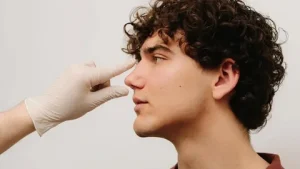
Cosmetic surgery is no longer limited to women, as more men are now seeking aesthetic treatments to improve facial appearance and confidence. One of the fastest-growing procedures among male patients is nose reshaping surgery because the nose has a major influence on overall facial balance. Rhinoplasty for Men in Islamabad has become increasingly popular among men who want natural-looking improvements while maintaining strong masculine features. Modern rhinoplasty for men focus on subtle enhancement, facial harmony, and functional improvement rather than dramatic cosmetic changes.
Growing Popularity of Rhinoplasty for Men
In recent years, social attitudes toward cosmetic procedures for men have changed significantly. More men now openly discuss appearance concerns and prioritize self-care, grooming, and facial aesthetics.
Rhinoplasty for Men has become a preferred option for men who want to improve the shape or structure of their nose without losing masculine characteristics. Many male patients seek correction for a crooked nose, prominent hump, wide bridge, or drooping tip while maintaining a natural appearance.
The increasing popularity of social media, professional networking, and digital communication has also influenced how men view their appearance. Many individuals want to feel more confident in photographs, videos, and face-to-face interactions.
Focus on Natural Masculine Features
One of the biggest trends in male rhinoplasty is the preference for natural and masculine results. Men generally do not want overly narrow or delicate noses because such features may appear unnatural on a masculine face.
Modern rhinoplasty techniques focus on preserving stronger nasal lines, defined bridges, and balanced proportions. The goal is to improve the appearance of the nose while ensuring it fits naturally with masculine facial features such as the jawline, forehead, and cheekbones.
This approach creates subtle enhancement rather than dramatic transformation, allowing patients to maintain their identity and facial character.
Reasons Men Choose Rhinoplasty
Men choose rhinoplasty for both cosmetic and functional reasons. Some individuals are unhappy with the appearance of their nose due to genetics, while others seek correction after injuries or breathing problems.
A prominent nasal hump is one of the most common concerns among male patients. Rhinoplasty can smooth the bridge while maintaining a masculine profile.
Many men also seek treatment for crooked noses caused by sports injuries, accidents, or trauma. Straightening the nose often improves both facial symmetry and nasal function.
Another common reason is refining the nasal tip. Men may want to correct a drooping or bulbous tip while preserving a natural and masculine appearance.
Functional Benefits for Male Patients
Functional improvement is a major reason many men consider rhinoplasty. Structural problems inside the nose can lead to breathing difficulties, snoring, or discomfort during exercise and physical activities.
Functional rhinoplasty helps improve airflow by correcting issues such as a deviated septum or nasal obstruction. Male patients often appreciate the ability to improve breathing while also enhancing the appearance of the nose.
Athletes and physically active individuals particularly value these functional improvements because better airflow can improve overall comfort and performance.
Influence of Modern Beauty
Beauty standards for men have evolved considerably over time. In the past, cosmetic surgery was often associated only with dramatic aesthetic changes, but today’s trends emphasize natural refinement and facial balance.
Men now seek treatments that help them look refreshed, confident, and well-groomed rather than surgically altered. Rhinoplasty fits this trend because subtle changes to the nose can greatly improve overall facial harmony.
Modern male beauty standards focus on confidence, symmetry, and proportion, which has increased interest in rhinoplasty procedures among younger and older men alike.
Techniques in Male Rhinoplasty
Modern rhinoplasty techniques have improved significantly, making procedures safer, more precise, and more customized for male patients.
Preservation rhinoplasty is one of the latest approaches used to maintain the natural structure of the nose while making subtle refinements. This technique helps create smooth and natural-looking results.
Structural rhinoplasty is also commonly used for male patients because it strengthens and supports the nasal framework while preserving masculine contours.
These advanced techniques allow surgeons to achieve balanced and natural results tailored specifically to male facial anatomy.
Personalized Treatment Planning
Every male patient has unique facial features and cosmetic goals. Personalized treatment planning is essential for creating successful rhinoplasty outcomes.
Surgeons carefully evaluate the patient’s facial proportions, nasal structure, skin thickness, and desired results before designing a treatment plan.
Men often prefer stronger nasal bridges and more defined profiles compared to female patients. The surgeon must understand these preferences to ensure the final result looks masculine and balanced.
Customized planning also helps preserve individuality and avoid results that appear unnatural or overcorrected.
Importance of Facial Harmony
The nose plays a central role in overall facial appearance. Even small irregularities can affect facial balance and draw attention away from other features.
Rhinoplasty improves facial harmony by refining the nose according to the patient’s natural proportions. Correcting asymmetry, reducing a hump, or refining the nasal tip can make the face appear more balanced and attractive.
For male patients, maintaining harmony between the nose and strong facial features is especially important. A successful rhinoplasty result enhances the face without making the surgery obvious.
Recovery and Healing Process
Modern rhinoplasty recovery is generally smoother than in the past because of advanced surgical methods and improved aftercare practices.
Male patients may experience temporary swelling and bruising after surgery, but these effects gradually improve over time. Most individuals return to routine activities within a few weeks.
The final shape of the nose continues to refine as healing progresses. Following post-operative instructions carefully is important for achieving the best possible results.
As recovery becomes more manageable, more men feel comfortable considering rhinoplasty for cosmetic or functional enhancement.
Psychological and Social Benefits
Many men who undergo rhinoplasty report increased confidence after improving the appearance of their nose. Since the nose is one of the most noticeable facial features, correcting long-term concerns can positively affect self-esteem.
Some individuals feel more confident during social interactions, business meetings, and photographs after surgery. Improved breathing function can also contribute to overall comfort and quality of life.
The psychological benefits of rhinoplasty often extend beyond physical appearance because patients feel more satisfied with their facial balance and presentation.
Choosing the Right Rhinoplasty Surgeon
Selecting an experienced rhinoplasty surgeon is one of the most important factors for achieving successful results. Male rhinoplasty requires an understanding of masculine facial anatomy and aesthetic preferences.
An experienced surgeon focuses on creating natural-looking improvements that maintain strong facial characteristics rather than producing overly refined or delicate features.
Proper consultation, realistic expectations, and personalized planning all contribute to successful rhinoplasty outcomes for male patients.
Final Thoughts
Male rhinoplasty has become increasingly popular because modern cosmetic trends focus on natural enhancement, facial harmony, and subtle refinement. Men today seek procedures that improve confidence while preserving masculine features and individuality. With advanced surgical techniques, customized treatment planning, and smoother recovery experiences, rhinoplasty offers effective cosmetic and functional benefits for male patients.
Author


If you have recently experienced a sudden, sharp pain in your upper abdomen or have been diagnosed with gallstones, you are likely looking for answers. Gallbladder stone, or cholelithiasis, are a common medical condition affecting millions worldwide. While they can remain “silent” for years, they can also lead to severe complications if left untreated.
In this guide, we will explore everything you need to know about gallbladder health and why consulting the best gallbladder surgeon is essential for effective, long-term relief.
Gallbladder Stone and How Stones Form
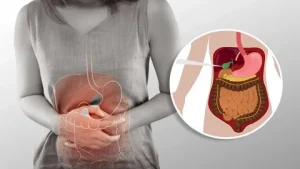
The gallbladder is a small, pear-shaped organ located on the right side of your abdomen, just beneath the liver. Its primary role is to act as a reservoir for bile—a digestive fluid produced by the liver that helps break down fats in the small intestine.
Gallstones form when there is an imbalance in the chemical composition of this bile. Most gallstones are made of cholesterol that has crystallized into hard deposits. Other stones, known as pigment stones, are made of bilirubin (a byproduct of red blood cell breakdown).
. A person can have one large stone, hundreds of tiny stones, or a combination of both.
Recognizing the Symptoms of Gallbladder Stone
Many individuals have gallstones and never know it. These are referred to as “silent stones” and generally do not require treatment. However, when a gallstone moves and blocks a bile duct, it triggers what is commonly known as a gallbladder attack (biliary colic).
Key symptoms include:
- Sudden, Intense Pain: Typically felt in the upper right quadrant of the abdomen or the center, just below the breastbone.
- Referred Pain: Pain that radiates to the right shoulder or between the shoulder blades.
- Digestive Issues: Frequent bloating, gas, and indigestion, especially after consuming high-fat meals.
- Nausea and Vomiting: Often accompanying the abdominal pain during an attack.
If you experience high fever, chills, or jaundice (yellowing of the skin and eyes), it could indicate a serious infection or a complete blockage of the common bile duct. In these cases, immediate medical attention is necessary.
Who is at Risk?
While anyone can develop gallstones, certain factors significantly increase your risk:
-
Dietary Habits: Diets high in fat and cholesterol and low in fiber are primary contributors.
-
Sedentary Lifestyle: A lack of physical activity can slow down the emptying of the gallbladder.
-
Gender and Age: Women are twice as likely as men to develop gallstones, often due to hormonal factors. The risk also increases for both genders after the age of 40.
-
Weight Fluctuations: Obesity is a major risk factor, but rapid weight loss can also cause the liver to secrete extra cholesterol, leading to stone formation.
Modern Surgical Solutions
Once gallstones become symptomatic, the standard medical recommendation is a Cholecystectomy—the surgical removal of the gallbladder. Because the gallbladder is an “extra” organ, your body can function perfectly without it; the liver will simply send bile directly to the small intestine.
Today, surgery is far more advanced than the traditional open procedures of the past. Modern techniques offered at specialized centers like Habilite Clinics prioritize quick recovery and minimal scarring.
1. Laparoscopic Cholecystectomy (Keyhole Surgery)
This is the gold standard for Gallbladder Stone removal. The surgeon makes 3 to 4 tiny incisions (each less than 1 cm) in the abdomen. A laparoscope (a thin tube with a camera) is inserted, allowing the surgeon to see the internal organs on a high-definition monitor.
- The Benefit: Most patients return home within 24 hours and can resume light activities within a week.
2. Robotic-Assisted Surgery
For complex cases or patients with previous abdominal surgeries, robotic assistance provides a higher degree of precision. The surgeon controls robotic arms that offer a 360-degree range of motion, which is even more flexible than a human wrist. This ensures that delicate structures like the bile duct are protected with the utmost care.
3. SILS (Single-Port Laparoscopic Surgery)
For patients concerned about the cosmetic outcome, SILS allows the surgeon to perform the entire procedure through a single tiny incision made inside the belly button. Once healed, the scar is virtually invisible.
Recovery and Life After Surgery
One of the most common questions patients ask is, “How will I eat after my gallbladder is gone?”
In the first few weeks following surgery, it is recommended to stick to low-fat meals to allow your digestive system to adjust. Over time, the body adapts, and most patients can return to a normal, healthy diet without any restrictions. Because the source of the pain (the stones) is removed, many find that their overall quality of life and digestion improve significantly.
Choosing the Right Specialist
At Habilite Clinics, we combine advanced technology with compassionate care to ensure our patients are back on their feet as quickly as possible. We specialize in minimally invasive techniques that reduce pain and help you return to your daily routine without the fear of another gallbladder attack.
Don’t ignore the warning signs. If you are struggling with abdominal pain or have been told you have stones, consult with the best gallbladder surgeon today to discuss a permanent solution.
Author


The medical landscape for weight management has reached a historic turning point in 2026. As clinical understanding of metabolic health deepens, the focus has shifted from calorie counting to hormonal recalibration. The Wegovy injection in Dubai is at the forefront of this evolution, offering a high-precision medical intervention designed to overcome biological resistance. By targeting the brain’s internal satiety mechanisms, this therapy provides a pathway to significant, long-term weight reduction that was previously only achievable through invasive surgery.
Clinical Evolution of Semaglutide
Wegovy is an FDA-approved, once-weekly injectable medication that utilizes semaglutide, a GLP-1 receptor agonist. In April 2026, the clinical range for this treatment expanded with the introduction of the 7.2 mg single-dose pen. This “high-dose” protocol is specifically engineered for patients who have reached a weight-loss plateau on standard doses. By providing a stronger signal to the metabolic system, it helps individuals break through “metabolic adaptation”—the body’s natural tendency to resist weight loss as it drops.
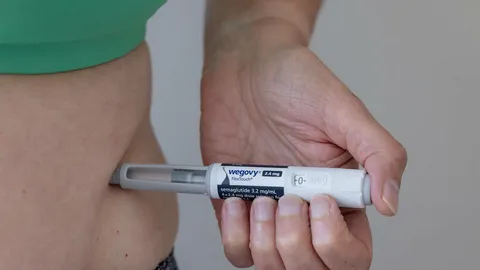
The Wegovy injection in Dubai is administered subcutaneously, typically in the abdomen, thigh, or upper arm. Unlike temporary fixes, this is a pharmaceutical-grade tool for chronic weight management, intended for adults with a BMI of 30 or higher, or 27 and above if weight-related conditions like hypertension are present.
Wegovy Injection Rewires Appetite Control
The medication functions by mimicking the glucagon-like peptide-1 (GLP-1) hormone. In a healthy metabolic state, this hormone signals the brain that you are full. However, many people struggling with obesity experience “hormonal silence,” where these signals are too weak to stop overeating.
In our clinical experience, the injection restores this communication. It acts on the hypothalamus to silence “food noise”—the constant, intrusive thoughts about eating. Simultaneously, it slows gastric emptying, meaning food stays in your stomach longer. What patients typically report during recovery—the initial weeks of titration—is a newfound ability to eat small, nutritious portions and feel completely satisfied for hours. Recent 2026 sub-analyses of the STEP UP trials reveal that “early responders” can lose an average of 27.7% of their total body weight over 72 weeks using the high-dose protocol.

The Goal of Metabolic Restoration
The intent of this therapy is not merely aesthetic; it is a clinical intervention to reduce systemic health risks. Obesity is a primary driver of chronic inflammation and metabolic dysfunction. By facilitating a weight loss of 15% to 25%, the Wegovy injection in Dubai acts as a powerful preventative tool against:
-
Cardiovascular Events: Specifically approved to lower the risk of heart attack and stroke.
-
Insulin Resistance: Improving the body’s ability to regulate blood sugar.
-
MASH (Liver Health): Reducing fat accumulation in the liver.
-
Joint Longevity: Relieving the physical stress on weight-bearing joints.
The treatment aims to lower the body’s “weight set point.” This ensures that the weight loss is sustainable by preventing the hormonal “rebound” that often follows traditional dieting.
Documented Health and Wellness Benefits
The 2026 clinical data highlights that semaglutide therapy provides a holistic improvement to the patient’s internal environment.
-
Fat Mass Reduction: 84% of weight lost is from body fat, while muscle function is preserved.
-
Enhanced Satiety: Continuous, 24-hour regulation of hunger, providing mental freedom from dieting.
-
Reduced Inflammation: Significant drops in C-reactive protein (CRP) levels.
-
Improved Mobility: Increased energy and stamina as the physical burden of excess weight is removed.
Ideal Candidate for Treatment?
This program is designed for adults who are ready to partner medical science with a commitment to long-term health. It is particularly effective for those who have reached a therapeutic ceiling with other methods or who suffer from obesity-related comorbidities.
In our clinical experience, the most successful patients are those who work with their medical team to manage the transition phases. What patients typically report during recovery is that the medication provides the biological “breathing room” needed to build sustainable habits. A comprehensive health screening is required to ensure safety, with a focus on pancreatic and thyroid history.
Dose Titration and Monitoring
The journey follows a structured titration schedule. This “slow and steady” approach allows the digestive system to adapt to the hormonal changes while minimizing discomfort.
| Phase | Duration | Dosage | Clinical Focus |
| Introductory | Weeks 1-4 | 0.25 mg | Gut acclimation |
| Escalation | Weeks 5-12 | 0.5 – 1.0 mg | Consistent appetite reduction |
| Therapeutic | Weeks 13-16 | 1.7 mg | Significant fat oxidation |
| High-Dose | Week 17+ | 2.4 – 7.2 mg | Maximum weight management |
The injection is performed once a week. Patients are trained to use the pen in seconds, making it easily compatible with a busy lifestyle.
Systemic Fat Reduction and Visible Results
Because the Wegovy injection in Dubai works through the systemic circulation, it targets fat stores across the entire body. Patients experience a proportionate slimming of the face, waistline, and limbs. This approach is especially effective for reducing visceral fat—the dangerous fat stored around internal organs. Because the loss is medically managed and gradual, the resulting physique remains healthy and toned, reflecting an internal metabolic transformation.
Wegovy Injection Cost and Clinical Value
When considering the cost, it is essential to evaluate the level of expertise and monitoring provided. In the Dubai medical market, the focus is on a high-end care model that ensures long-term success.
-
Medication Pricing: Ranges from 2,000 AED to 2,900 AED per month, depending on the dosage required.
-
Specialist Consultations: Regular check-ins to monitor heart rate, blood pressure, and weight loss velocity.
-
Metabolic Lab Work: Periodic blood tests to ensure kidney, liver, and pancreatic safety.
-
Support Services: Access to professional guidance for managing nutrition and side effects.
Safety and Managing
Safety is the cornerstone of our clinical practice. Some patients may experience mild gastrointestinal effects, such as nausea or indigestion, particularly during the first 48 hours after a dose increase. These symptoms are generally temporary and indicate that the medication is effectively slowing gastric emptying.
Current 2026 protocols emphasize that staying well-hydrated and eating small, protein-focused meals can significantly ease this transition. Our clinical team provides 24/7 support to help you navigate these adjustments, ensuring your path to health is as comfortable as possible. We monitor all patients closely to prevent rare but serious issues like pancreatitis or gallbladder problems.
Maintaining Your Results
The ultimate success of the treatment is defined by the quality of life you maintain after reaching your goal.
-
Muscle Preservation: Focused protein intake and light resistance training to maintain a high metabolic rate.
-
Hydration Awareness: Consistent water intake to support kidney function and energy levels.
-
Nutritional Solidification: Using the time on medication to finalize a permanent, healthy relationship with food.
-
Tajmeels Clinic Integration: Regular reviews with our team to keep your metabolic markers in the optimal range.
Conclusion
Deciding to pursue a medically led weight loss journey is a powerful investment in your longevity. By addressing the biological roots of obesity with the Wegovy injection in Dubai, you can finally move beyond the cycle of frustration and toward a life defined by energy and health. At Tajmeels Clinic, we are dedicated to providing the authoritative medical guidance and empathetic care required to make your transformation a success. Your journey toward a leaner, healthier, and more confident version of yourself begins with a single, expert-led step. We are here to support you in achieving the metabolic excellence you deserve.
Author



Turkish Airlines Check-In: Mobile, Airport & Self-Service Options

Raspberry Hills Clothing: Streetwear Hoodies, Shirts & Shorts

AI Products for Business: Trends, Tools & Future Innovations

Korean Co Ord Sets for Clean Girl Aesthetic: Outfit Ideas

Tool Coatings for Endmills: Types, Benefits & Improve Tool Life

Endmills Break in CNC Machining & How to Prevent Tool Failure

ER 25 Collet: Sizes, Uses, Benefits & Buying Tips

New Apartments in CITY, ACT 2601: Urban Living in Canberra

Feeler Gauge for Valve Adjustment: Guide for Engine Precision

Rhinoplasty for Men: Trends, Techniques, and Masculine Results

Cybersecurity Consulting Company SequelNet Provides Critical IT Support Services to Medical Billing Firm, Medical Optimum

Team Communication Software Transforms Operations at Finance Innovate

Project Management Tool Transforms Long Island Business

How Alleviate Poverty Utilized IPPBX’s All-in-One Solution to Transform Lives in New York City

Breast Cancer: The Imperative Role of Mammograms in Screening and Early Detection

Unstoppable Collaboration: D.C.’s Citi Open and Silicon Valley Classic Unite to Propel Women’s Tennis to New Heights

Embracing Renewal: Sizdabedar Celebrations Unite Iranians in New York’s Eisenhower Park

The Benefits of Starting a Side Hustle for Financial Freedom

New Blood Donation Screening Questions What You Need to Know

Stylishly Timeless: The 5 Types of Sandals You Need in Your Closet
-

 Business3 years ago
Cybersecurity Consulting Company SequelNet Provides Critical IT Support Services to Medical Billing Firm, Medical Optimum
-
Business3 years ago
Team Communication Software Transforms Operations at Finance Innovate
-
Business3 years ago
Project Management Tool Transforms Long Island Business
-
Business3 years ago
How Alleviate Poverty Utilized IPPBX’s All-in-One Solution to Transform Lives in New York City
-
health3 years ago
Breast Cancer: The Imperative Role of Mammograms in Screening and Early Detection
-
Sports3 years ago
Unstoppable Collaboration: D.C.’s Citi Open and Silicon Valley Classic Unite to Propel Women’s Tennis to New Heights
-
Art /Entertainment3 years ago
Embracing Renewal: Sizdabedar Celebrations Unite Iranians in New York’s Eisenhower Park
-
Finance3 years ago
The Benefits of Starting a Side Hustle for Financial Freedom







