
Food Drink
Bananas: A Heart-Healthy Delight for Cardiovascular Wellness


Bananas, the everyday fruit adored for their sweet taste and convenient snackability, offer more than just a satisfying treat. They are a natural prescription for maintaining heart health, regulating blood pressure, and promoting overall cardiovascular well-being. With their rich nutrient profile, particularly high levels of potassium and magnesium, bananas are the heart’s best friend. In this article, we’ll delve into the crucial role of bananas in heart health, their capacity to reduce the risk of hypertension, and the broader impact they have on your cardiovascular system.
The Nutrient Powerhouse
Bananas pack a powerful nutritional punch that makes them an exceptional choice for maintaining heart health:
1. Potassium: Bananas are renowned for their potassium content. This essential mineral plays a pivotal role in regulating heart function. It’s responsible for maintaining a regular heartbeat and supporting healthy blood pressure levels. Diets rich in potassium, like those including bananas, can significantly reduce the risk of hypertension and related heart issues.
2. Magnesium: Another essential mineral found in bananas is magnesium. Magnesium contributes to heart health by relaxing blood vessels. This relaxation promotes healthy blood pressure levels and overall cardiovascular function.
3. Dietary Fiber: Bananas are also rich in dietary fiber, which contributes to managing cholesterol levels. Fiber plays a crucial role in lowering “bad” LDL cholesterol, thus reducing the risk of atherosclerosis and maintaining clear, healthy arteries.
4. Antioxidants: Bananas provide antioxidants, including vitamin C, which protect the heart from oxidative stress and inflammation. These antioxidants support cardiovascular well-being by preventing damage to blood vessels.

https://www.epainassist.com/assets/cardiovascular-system/2018/do-bananas-lower-your-blood-pressure.jpg
Blood Pressure Regulation
Hypertension, or high blood pressure, stands as a significant risk factor for cardiovascular disease. Bananas take on the role of a natural ally in the regulation of blood pressure thanks to their high potassium content and minimal sodium levels. The balance between potassium and sodium is critical for maintaining healthy blood pressure levels.
Potassium acts as a vasodilator, relaxing blood vessel walls, facilitating smoother blood flow, and ultimately reducing the pressure on the vessel walls. Incorporating bananas into your daily diet helps support your heart in effectively regulating blood pressure, mitigating the development of hypertension, and diminishing the risk of heart disease.
Reducing the Risk of Cardiovascular Disease
A diet enriched with potassium, magnesium, and dietary fiber correlates with a decreased risk of cardiovascular disease. This connection is attributed to the combined efforts of these nutrients in maintaining heart health:
1. Potassium and Heart Rhythm: Potassium helps in regulating the rhythm of the heart. Irregular heartbeats, known as arrhythmias, can be dangerous and even life-threatening. Adequate potassium intake, which can be achieved through banana consumption, significantly reduces the risk of arrhythmias.
2. Magnesium and Blood Vessel Relaxation: Magnesium, present in bananas, acts as a natural calcium channel blocker. This means it helps relax and dilate blood vessels, reducing resistance and pressure. This natural process is essential for cardiovascular health, as it decreases the load on the heart.
3. Dietary Fiber and Cholesterol Control: Dietary fiber plays a central role in maintaining healthy cholesterol levels. By reducing LDL (low-density lipoprotein) cholesterol, fiber prevents the formation of atherosclerotic plaques, which can obstruct arteries and lead to cardiovascular events like heart attacks and strokes.
Practical Ways to Incorporate Bananas
Ensuring a heart-healthy diet doesn’t have to be complex. Here are some practical ways to incorporate bananas into your meals and reap the cardiovascular benefits:
1. Banana Breakfast: Start your day with a banana as part of your morning routine. You can enjoy it as a standalone snack or slice it into your cereal or oatmeal for an energy-packed and heart-healthy breakfast.
2. Banana Smoothies: Blend bananas into your morning smoothie. Their sweet and creamy texture adds a delightful dimension to your drink while contributing to your daily potassium intake.
3. Banana Baking: Mashed bananas can replace added sugars and fats in baking recipes. They provide natural sweetness and moisture, making them a valuable ingredient in muffins, bread, and pancakes.
4. Banana Yogurt: Combine banana slices with yogurt for a delectable, heart-healthy snack. The probiotics in yogurt, coupled with the dietary fiber in bananas, contribute to a balanced gut and a healthy heart.
5. Banana Desserts: Explore banana-based desserts like banana ice cream or banana bread for a heart-friendly treat that satisfies your sweet tooth while promoting cardiovascular wellness.

Photo by Aleksandar Pasaric: https://www.pexels.com/photo/yellow-bananas-2875814/
In Conclusion
Bananas, with their delicious flavor and convenient packaging, are not just an easy snack but also a natural remedy for heart health. Their rich nutrient content, featuring high levels of potassium, magnesium, dietary fiber, and antioxidants, positions them as a heart’s best friend. By making bananas a regular part of your diet, you can actively support heart health, regulate blood pressure, and diminish the risk of cardiovascular disease. These everyday fruits hold the power to maintain the rhythm of your heart and ensure that it beats for years to come. Embrace the heart-healthy wonders of bananas and savor the taste of a healthy cardiovascular life.
Author



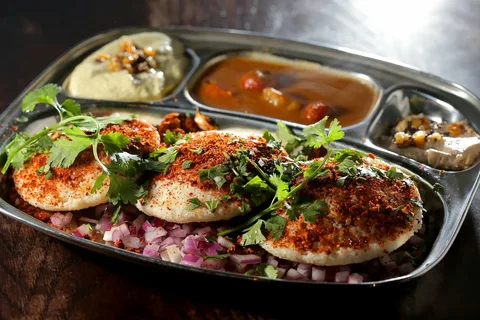
South Indian food is much more than just a cuisine; it is a sensory experience defined by rich flavors, aromatic spices, and time-honored traditions. Known for its impeccable balance of taste and nutrition, South Indian cooking has gained immense popularity across Australia. If you enjoy wholesome meals with bold, complex flavors, exploring a South Indian restaurant in Cairns can be a truly delightful journey.
In this guide, we will walk you through the essential South Indian dishes you simply cannot miss. We will also provide insights into why this ancient cuisine is celebrated worldwide.
What Makes South Indian Food So Special?
South Indian cuisine stands out due to its unique cooking techniques and locally sourced ingredients. Unlike North Indian food, which often relies on rich creams and heavy butter, South Indian dishes are typically lighter and easier to digest.
Key Characteristics:
-
Rice as a Staple: Most meals center around rice or rice-based flours.
-
The Power of Fermentation: Dishes like dosa and idli use fermented batters, which improve gut health.
-
Coconut Foundations: Many gravies and chutneys use fresh coconut for a creamy, tropical finish.
-
Signature Tempering: A generous use of mustard seeds, curry leaves, and tangy tamarind defines the flavor profile.
These elements create a perfect harmony of nutrition, comfort, and vibrant taste.
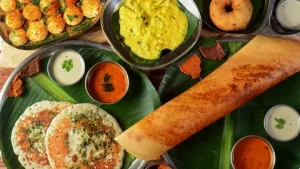
Must-Try South Indian Dishes
1. Dosa – The Crispy Classic
The dosa is perhaps the most iconic South Indian export. Crafted from a fermented rice and lentil batter, this thin, savory crepe is crispy on the outside and satisfyingly soft on the inside.
-
Masala Dosa: Stuffed with a fragrant, spiced potato filling.
-
Paper Dosa: An extra-thin, large version for those who love a crunch.
-
Cheese Dosa: A modern fusion twist that appeals to all ages.
2. Idli – The Healthy Delight
Idlis are soft, pillowy steamed rice cakes. Because they are steamed rather than fried, they are incredibly low in calories and rich in natural probiotics. They serve as the perfect light breakfast or a gentle meal for those with sensitive stomachs.
3. Vada – Savory and Crunchy
Vada is a deep-fried savory donut made from lentil flour. It offers a delightful contrast of a crispy exterior and a fluffy interior. It is best enjoyed when dunked in hot sambar or paired with cool coconut chutney.
4. Uttapam – The South Indian “Pizza”
Thicker than a dosa, Uttapam is a savory pancake topped with a variety of fresh vegetables like onions, tomatoes, and green chilies. It is a fantastic option for those who prefer a softer, doughier texture over a crispy one.
The Essential Accompaniments
No South Indian meal is complete without its traditional side dishes. These provide the tangy and spicy notes that tie the entire experience together.
-
Sambar: A hearty, lentil-based vegetable stew cooked with tamarind and a special spice blend. It is the “soul” of the cuisine.
-
Rasam: A thin, spicy soup known for its medicinal and digestive benefits. It is particularly comforting during cold weather.
-
The Thali Experience: For the ultimate journey, try a South Indian Thali. This is a complete meal featuring rice, sambar, rasam, various vegetable curries, pickles, and desserts served on a single platter.
Why the World Has Fallen in Love with South India’s Flavors
The global rise of South Indian food is no accident. Its popularity stems from several key health and lifestyle benefits:
-
Vegetarian-Friendly: It offers one of the widest ranges of plant-based meals in the world.
-
Gut-Health Focused: The fermentation process makes the food naturally rich in probiotics.
-
Balanced Nutrition: Most meals provide a healthy mix of proteins, carbohydrates, and essential minerals.
-
Distinctive Spicing: The flavors are bold and complex without always being overwhelmingly “hot.”
Where to Find an Authentic South Indian Restaurant in Cairns
When searching for an authentic dining experience in Cairns, look for a place that prioritizes traditional recipes and fresh, high-quality ingredients. A true South Indian kitchen uses time-tested techniques to ensure the dosa is perfectly crisp and the sambar is properly balanced.
One popular destination for enthusiasts is Spicy Bite. Known for its welcoming atmosphere and commitment to genuine flavors, Spicy Bite offers everything from soft idlis to hearty thali meals. Their dedication to traditional tastes makes them a go-to spot for anyone seeking the real flavors of the South. You can explore their full menu and offerings at Spicy Bite.
Tips for First-Time Explorers
If you are new to this cuisine, here is how to enjoy it like a local:
-
Start Simple: Begin with a classic masala dosa or a plate of idli.
-
Use the Chutneys: Don’t ignore the side dips; they are designed to balance the spices of the main dish.
-
Try the Thali: If you can’t decide, the thali gives you a little bit of everything.
-
Eat with Your Hands: For a truly authentic experience, many locals believe eating with your hands enhances the connection to the food.
Final Thoughts
South Indian food represents a perfect marriage of taste, tradition, and health. Whether you are craving a comforting bowl of sambar or a crispy, golden dosa, every bite tells a story of a vibrant culture. If you haven’t yet explored these flavors, now is the perfect time to start. Visiting a quality South Indian restaurant in Cairns will provide an unforgettable taste experience that will leave you coming back for more.
Author



Shilajit has officially become one of the most discussed natural supplements in India. Many people are adding it to their daily routines to improve energy levels and support overall wellness. However, finding pure shilajit that actually works is not easy. There are countless products available online today.
One of the most important factors for quality is the fulvic acid content. This natural compound determines how effective the product truly is. Many brands claim high purity. Not all of them deliver the same results. This guide will help you understand what to look for. We have listed the top 6 pure shilajit brands with high fulvic acid in India for 2026.
What is Fulvic Acid in Shilajit?
Fulvic acid is a natural compound found within shilajit. It forms over hundreds of years as plant matter breaks down in the mountains. This slow process makes real shilajit rare and valuable.
In simple terms, fulvic acid is the “active part” of the supplement. It helps the body absorb nutrients better. It also supports energy production at a cellular level. Furthermore, it plays a role in removing toxins and boosting stamina. High-quality fulvic acid leads to better results for the user.
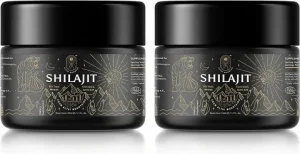
Why the Percentage Matters
The fulvic acid percentage is the first thing you should check. It gives you a clear idea of the product’s strength and purity. A higher percentage generally means better potency. Conversely, a low percentage suggests a weak or diluted product.
Be careful of brands that make extreme claims. Some may claim 90% purity without providing proof. Realistic numbers combined with lab testing are a better sign of a trustworthy brand.
How We Selected the Best Brands
To make this list reliable, we followed a practical approach. We evaluated each brand based on several factors:
-
Purity and Sourcing: We looked for shilajit from trusted regions like the Himalayas.
-
Fulvic Acid Levels: We prioritized brands with higher, realistic percentages.
-
Form of Shilajit: Resin was preferred over capsules or powders for its purity.
-
Lab Testing: Transparency is key for safety.
-
Customer Feedback: We analyzed real reviews from consistent users.
Top 6 Pure Shilajit Brands in India (2026)
1. Wellness County Shilajit
Wellness County offers a premium product that stands out in the market. They combine pure Himalayan shilajit resin with cordyceps. This unique formulation is designed for high performance.
-
Key Highlights: It features a high fulvic acid content and minimal processing.
-
Pros: It has strong potency. It is ideal for people with active lifestyles.
-
Cons: The price is slightly higher than basic options.
2. Rasayanam Shilajit Resin
Rasayanam focuses on traditional preparation methods. It is often preferred by users who want a clean and simple product without additives.
-
Key Highlights: This brand is lab-tested and focuses on authentic mountain sourcing.
-
Pros: It maintains excellent purity standards.
-
Cons: Availability can sometimes be limited compared to larger mass-market brands.
3. Upakarma Ayurveda Shilajit Resin
Upakarma is a well-known name for affordable Ayurvedic products. Their resin is a solid choice for those just starting their supplement journey.
-
Key Highlights: It is budget-friendly and offers decent fulvic acid levels.
-
Pros: It is easy to find online. It is great for first-time users.
-
Cons: The potency is lower than premium-tier brands.
4. Kapiva Shilajit Resin
Kapiva is a household name in modern Ayurveda. They source their shilajit from high altitudes in the Himalayas for daily wellness use.
-
Key Highlights: It is a trusted brand with consistent quality control.
-
Pros: It has a strong reputation. It is suitable for everyday use.
-
Cons: It may not be as potent as specialized high-end resins.
5. Satthwa Shilajit Resin
Satthwa focuses on natural products with very little processing. Their resin is known for having a very clean and simple formulation.
-
Key Highlights: The focus is entirely on natural sourcing.
-
Pros: It is a safe and clean option. It is suitable for long-term use.
-
Cons: Some users find the effectiveness to be moderate.
6. Vedikroots Shilajit Resin
Vedikroots is an emerging brand in India. They offer budget-friendly options that are gaining a following among new users.
-
Key Highlights: They provide affordable pricing for the mass market.
-
Pros: This is a good entry-level option.
-
Cons: It lacks the long-term brand trust held by established names.
How to Check the Quality Yourself
Checking the content is not difficult if you know what to look for. Always check the product label for the fulvic acid percentage. Look for third-party lab reports on the brand’s website. If a brand is transparent about its testing, it is usually a good sign.
A high-quality product typically contains between 60% and 80% fulvic acid. Anything below 50% may not be very effective. Anything claiming over 80% without a certificate is likely misleading.
Tips for Choosing Pure Shilajit
-
Choose Resin: Always prioritize the resin form over pills.
-
Avoid “Too Cheap”: Real shilajit is expensive to source. If the price is very low, it might be fake.
-
The Water Test: Pure shilajit should dissolve completely in warm water. It should not leave any sandy residue behind.
-
Read Reviews: Look for feedback regarding energy levels and overall feeling.
The Benefits of High-Quality Shilajit
Choosing a product with high fulvic acid leads to better results. Users often report improved energy and better stamina. It also supports faster recovery after intense workouts. Results will vary from person to person. However, consistency is the most important factor for success.
Final Verdict
Your choice depends on your specific needs. If you want a high-performance option, Wellness County is the top pick. For those focused strictly on purity, Rasayanam is a reliable choice. If you are on a budget, Upakarma or Vedikroots are great starting points. For balanced daily use, Kapiva and Satthwa are excellent options. Always ensure your choice is properly sourced and in its natural resin form.
Author



Vietnam has firmly established itself as a powerhouse in the global coffee trade, consistently ranking as the world’s second-largest exporter. Over the past decade, the country has transformed its agricultural landscape, investing heavily in coffee cultivation, processing, and global trade networks. As a result, Vietnam coffee exports have reached unprecedented levels, reflecting both rising global demand and strong pricing trends.
In 2024, Vietnam recorded coffee export revenues of $5.62 billion, marking a significant milestone for the industry. Despite fluctuations in volume due to weather conditions and production challenges, export value surged due to higher global coffee prices. Moving into 2025, the sector continues to expand rapidly, reinforcing Vietnam’s critical role in the international coffee market.
Vietnam Coffee Exports: A Record-Breaking Journey
The growth of Vietnam coffee exports has been nothing short of remarkable. Between January and December 2024, the country exported approximately 1.26 million tons of coffee. While this represented a decline in volume compared to the previous year, the export value increased sharply by over 32%, driven by rising global prices.
In early 2025, the momentum continued. During the first quarter alone, export value exceeded $2.8 billion, reflecting a nearly 74% increase year-over-year. This surge highlights how vietnam coffee exports are increasingly driven by value rather than volume.
By mid-2025, exports had already reached $4.7 billion, and projections indicate that total export revenue could surpass $7 billion by the end of the year. These figures demonstrate the resilience and adaptability of vietnam coffee exporters in a rapidly changing global market.
Key Drivers Behind Export Growth
Several factors are contributing to the impressive performance of vietnam coffee exports:
1. Rising Global Coffee Prices
One of the most significant drivers has been the sharp increase in coffee prices. Average export prices rose above $5,600 per metric ton in 2025, compared to around $3,700 in previous years. This price surge has allowed exporters to generate higher revenues even with reduced volumes.
2. Strong Demand from International Markets
Demand from major markets such as the European Union and the United States has remained robust. Consumers are increasingly appreciating Vietnamese coffee for its strong flavor, affordability, and versatility.
3. Strategic Market Diversification
To mitigate risks such as tariffs and geopolitical uncertainties, vietnam coffee exporters are diversifying into emerging markets in Asia, including China, the Philippines, and South Korea.
Vietnam Coffee Production Landscape
The success of vietnam coffee exports is closely tied to the country’s strong agricultural foundation. Vietnam coffee production is concentrated in regions like Dak Lak, Lam Dong, and Gia Lai, where favorable climate and soil conditions support high yields.
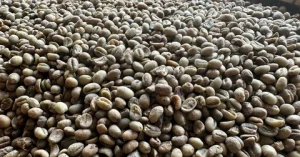
Vietnam produces approximately 1.74 million tons of coffee annually, with Robusta beans accounting for around 95% of total output. This makes Vietnam the world’s leading producer of Robusta coffee.
However, the 2023–2024 season saw a decline in production due to drought conditions, reducing output by nearly 20%. Fortunately, improved weather patterns in early 2025 have supported crop recovery, and production is expected to increase significantly in the 2025–2026 season.
Top Export Markets for Vietnamese Coffee
The global reach of vietnam coffee exports continues to expand, with key markets driving demand:
- Germany remains the largest importer, accounting for nearly 15% of exports.
- United States follows closely, showing strong growth in both volume and value.
- Italy, Spain, and Belgium are major European buyers.
- Japan and South Korea represent important Asian markets.
The European Union collectively accounts for a significant share of total exports, importing hundreds of thousands of tons annually. At the same time, Asian markets are emerging as high-value destinations, offering premium pricing opportunities.
Leading Vietnam Coffee Exporters
The success of vietnam coffee exporters is driven by a strong network of companies that have built global reputations for quality and reliability. Some of the leading players include:
- Intimex Group
- Vinh Hiep Co., Ltd
- Louis Dreyfus Vietnam
- Nestlé Vietnam
- Olam Vietnam
- Simexco Daklak
These companies play a crucial role in expanding vietnam coffee exports, ensuring consistent supply to international markets while maintaining quality standards.
Historical Growth of Vietnam Coffee Exports
Over the past decade, vietnam exports of coffee have shown steady growth, with occasional fluctuations due to market and environmental factors:
- 2014: $3.31 billion
- 2018: $2.89 billion
- 2020: $1.97 billion
- 2023: $3.18 billion
- 2024: $5.62 billion
This upward trajectory highlights the resilience of the industry and the increasing importance of coffee in vietnam exports.
Pricing Trends and Market Dynamics
The pricing environment has significantly influenced vietnam coffee exports in recent years. Export prices have surged due to global supply shortages and increased demand.
At the domestic level, farmgate prices have reached record highs, with Robusta beans selling for over $5 per kilogram. This has led farmers to hold back stock in anticipation of further price increases, creating supply constraints in the short term.
Additionally, there is a growing shift toward value-added products such as roasted and soluble coffee. These products now account for an increasing share of total exports, enhancing profitability for vietnam coffee exporters.
Challenges Facing the Industry
Despite strong growth, the industry faces several challenges:
1. Tariffs and Trade Barriers
Recent tariffs imposed by the United States on Vietnamese coffee have created uncertainty for exporters. This has prompted a shift toward alternative markets in Asia and Europe.
2. Climate Change
Weather variability continues to impact vietnam coffee production, affecting both yield and quality.
3. Supply Chain Constraints
Delays in shipments and logistical challenges can disrupt export flows, particularly during peak seasons.
Role of Vietnam Customs Data in Trade Insights
Access to accurate vietnam customs data is essential for understanding trade trends and making informed business decisions. This data provides valuable insights into export volumes, pricing, and market demand.
Businesses can leverage vietnam customs data to identify emerging opportunities, track competitors, and optimize their supply chains. It also helps stakeholders analyze the performance of vietnam coffee exports across different markets.
Future Outlook for Vietnam Coffee Industry
The future of vietnam coffee exports looks highly promising. With projected export values reaching $7 billion in 2025, the industry is poised for continued growth.
Key trends shaping the future include:
- Expansion into high-value markets
- Increased focus on sustainable farming practices
- Growth in processed coffee exports
- Adoption of advanced technologies in production and logistics
As global demand for coffee continues to rise, vietnam coffee exporters are well-positioned to capitalize on new opportunities.
Key Takeaways
- Vietnam coffee exports are experiencing strong growth driven by high prices and global demand.
- The country remains the world’s leading producer of Robusta coffee.
- Major markets include the EU, the US, and emerging Asian economies.
- Vietnam coffee exporters are focusing on diversification and value-added products.
- Insights from vietnam customs data play a crucial role in strategic decision-making.
Conclusion
Vietnam’s coffee industry has evolved into a global leader, supported by strong production capabilities and expanding export networks. Despite challenges such as climate change and trade barriers, the country continues to demonstrate resilience and adaptability.
With rising demand, premium pricing, and strategic market expansion, vietnam coffee exports are set to achieve new milestones in the coming years. Backed by reliable vietnam coffee production and data-driven insights from vietnam customs data, the industry is well-equipped to maintain its upward trajectory.
As the global coffee market continues to evolve, Vietnam remains at the forefront—delivering quality, consistency, and value to coffee lovers worldwide.
Author



CNC Tools in Modern Manufacturing: Benefits & Future Trends

Avoid Costly Document Mistakes with Professional Notary Services

Mini vs Full Tummy Tuck: Complete Guide Islamabad

Formulation Development in 2026: Drug Delivery Innovations

Luxury RV Resorts Texas vs Standard RV Parks: The Difference?

Best Hair Transplant Clinic in Pakistan – JJ Aesthetics

Essentials Tracksuit UK Guide: Styles, Fits, Colors & Buying Tips

Working Capital Finance: Guide for MSMEs, Types & Benefits

Beard Hair Transplant: Procedure, Benefits And Recovery

Corteiz Cargos Official Store: Streetwear Style & Sustainability

Cybersecurity Consulting Company SequelNet Provides Critical IT Support Services to Medical Billing Firm, Medical Optimum

Team Communication Software Transforms Operations at Finance Innovate

Project Management Tool Transforms Long Island Business

How Alleviate Poverty Utilized IPPBX’s All-in-One Solution to Transform Lives in New York City

Breast Cancer: The Imperative Role of Mammograms in Screening and Early Detection

Unstoppable Collaboration: D.C.’s Citi Open and Silicon Valley Classic Unite to Propel Women’s Tennis to New Heights

Embracing Renewal: Sizdabedar Celebrations Unite Iranians in New York’s Eisenhower Park

The Benefits of Starting a Side Hustle for Financial Freedom

New Blood Donation Screening Questions What You Need to Know

Stylishly Timeless: The 5 Types of Sandals You Need in Your Closet
-

 Business3 years ago
Cybersecurity Consulting Company SequelNet Provides Critical IT Support Services to Medical Billing Firm, Medical Optimum
-
Business3 years ago
Team Communication Software Transforms Operations at Finance Innovate
-
Business3 years ago
Project Management Tool Transforms Long Island Business
-
Business3 years ago
How Alleviate Poverty Utilized IPPBX’s All-in-One Solution to Transform Lives in New York City
-
health3 years ago
Breast Cancer: The Imperative Role of Mammograms in Screening and Early Detection
-
Sports3 years ago
Unstoppable Collaboration: D.C.’s Citi Open and Silicon Valley Classic Unite to Propel Women’s Tennis to New Heights
-
Art /Entertainment3 years ago
Embracing Renewal: Sizdabedar Celebrations Unite Iranians in New York’s Eisenhower Park
-
Finance3 years ago
The Benefits of Starting a Side Hustle for Financial Freedom







