
Real Estate
Building Wealth: The Benefits of Homeownership


Building Wealth: The Benefits of Homeownership
Owning a home is not just about having a place to live; it’s a powerful wealth-building tool. In this comprehensive guide, we’ll delve into the financial benefits of homeownership, explaining how it can help you secure your future and build substantial wealth.
Beyond Shelter: A Path to Wealth
Homeownership offers more than just a roof over your head. It’s a financial investment that can lead to long-term wealth. Let’s explore how this journey begins:
- Home Equity: The moment you purchase a home, you start building equity. Equity is the difference between your home’s market value and the remaining balance on your mortgage. As you make mortgage payments, your equity increases, giving you a valuable asset that grows over time. This growth in equity can serve as a financial cushion in the future.
- Property Appreciation: Real estate tends to appreciate over the long term. While there can be fluctuations in the market, the overall trend is upward. This means that, on average, your property will increase in value over time, further contributing to your wealth. If you decide to sell your home, you can potentially reap the benefits of this appreciation.
- Tax Benefits: Homeownership comes with tax advantages. Mortgage interest, property taxes, and some home-related expenses may be tax-deductible. These deductions can result in significant savings over time, effectively reducing the cost of homeownership. It’s important to consult a tax professional to fully understand and maximize these tax benefits.
- Forced Savings: Paying a mortgage forces you to save. Unlike renting, where your monthly payment simply covers the cost of living, a portion of your mortgage payment goes toward building equity and increasing your net worth. It’s a disciplined way of saving, and over time, this adds up significantly. Your home serves as a form of savings account that grows with each payment.
- Stability and Predictability: Owning a home provides financial stability and predictability. Unlike renting, where landlords can raise rents or change lease terms, homeowners typically have fixed-rate mortgages, offering peace of mind in terms of future housing costs. You know what to expect, allowing for better financial planning and stability.
Table 1: The Wealth-Building Benefits of Homeownership
| Benefit | Description |
|---|---|
| Home Equity | Building wealth through the growth of property value and the reduction of mortgage balance. |
| Property Appreciation | Real estate tends to increase in value over time, contributing to long-term wealth. |
| Tax Benefits | Tax deductions for mortgage interest, property taxes, and some home-related expenses. |
| Forced Savings | Paying a mortgage acts as a form of savings, increasing your net worth. |
| Stability and Predictability | Fixed-rate mortgages provide financial stability and predictability in housing costs. |

Image by: https://www.forbes.com/
Preparing for Homeownership
Owning a home is a significant financial commitment, but it can be a key to building wealth. Here are some steps to prepare for homeownership and maximize its wealth-building potential:
- Budgeting: Create a comprehensive budget that accounts for all homeownership costs, including mortgage payments, property taxes, insurance, and maintenance. Make sure your budget aligns with your financial goals. Being financially prepared will help you manage your homeownership expenses more efficiently.
- Emergency Fund: Build an emergency fund to cover unexpected expenses, including home repairs or job loss. Having a financial safety net ensures that homeownership remains a stable and positive financial experience. An emergency fund is an essential component of responsible homeownership.
- Mortgage Pre-Approval: Obtain a mortgage pre-approval to understand how much you can afford and what your monthly mortgage payments will be. This will help you make a realistic budget and ensure you don’t overextend yourself financially.
- Home Selection: Choose a home that aligns with your budget and financial goals. Remember that a more expensive home can lead to higher mortgage payments and increased expenses. Selecting a home that you can comfortably afford is a key aspect of successful homeownership.
- Real Estate Market Research: Keep an eye on local real estate market trends. Understanding how properties appreciate in your area can help you make informed decisions. Market research allows you to make strategic choices when buying or selling a home, maximizing your potential for building wealth.
- Long-Term Perspective: Approach homeownership with a long-term perspective. The benefits of building wealth through homeownership typically manifest over several years. It’s a journey that requires patience and commitment, but the long-term rewards are well worth the effort.
Conclusion
Owning a home isn’t just about having a place to live; it’s a pathway to financial stability and wealth. Homeownership offers you the opportunity to build equity, benefit from property appreciation, enjoy tax advantages, and establish forced savings. These financial benefits can significantly contribute to your long-term wealth and security. As you embark on the journey of homeownership, remember that it’s not just a house; it’s a solid investment in your future. By making informed decisions and planning for the long term, you can enjoy the wealth-building power of homeownership while securing your financial future.
Author




Author


Author


In the fast-moving landscape of 2026, Melbourne has reasserted its status as a global powerhouse for modern living. While the city has long been celebrated for its eclectic culture and diverse neighborhoods, the current property market has reached a significant inflection point. Specifically, brand-new apartments have surged in popularity as buyers and investors pivot toward high-efficiency, low-maintenance spaces that align with today’s fast-paced lifestyles.
Why Brand-New Apartments are Dominating the 2026 Market
Choosing a new build in today’s environment offers advantages that older properties simply cannot match. Modern developments now prioritize human-centric design and high construction standards. Consequently, residents enjoy open-plan layouts that maximize natural light and incorporate the latest in sustainable technology.
-
Low Maintenance: Unlike older units that may require constant repairs or expensive heritage upkeep, new builds offer the peace of mind of builder warranties.
-
Energy Efficiency: With utility costs rising, the “net-zero” features of 2026 developments—such as heat pumps and advanced insulation—have become a major draw for budget-conscious professionals.
-
Contemporary Comfort: High-speed digital infrastructure and smart-home integration are now standard, ensuring your living space is as connected as your workplace.

Prime Investment Hubs and Growing Suburbs
Melbourne’s geography offers a rich variety of environments, from the high-energy CBD to tranquil, leafy outskirts. In 2026, several key areas have emerged as hotspots for new apartment growth:
-
The Urban Core (CBD, Southbank, Docklands): These remain the top choices for those who crave “walkability.” Living here means having elite dining, the Arts Precinct, and major corporate hubs right at your doorstep.
-
Inner-City Revitalization (Richmond, Fitzroy, Carlton): These suburbs blend Melbourne’s famous café culture with modern, mid-rise developments. They are particularly popular with creatives and young professionals.
-
Growth Corridors (Box Hill, Preston, Coburg): These areas are currently outperforming expectations. Box Hill, in particular, has seen a surge in high-rise development, offering some of the strongest rental yields in the city due to its robust transport links and Asian-influenced culinary scene.
-
Emerging Value (Werribee, Footscray): For those looking for long-term capital growth, these western hubs benefit from massive infrastructure projects like the West Gate Tunnel, making them more accessible than ever.
The Shift Toward “Wellness Architecture
By 2026, the definition of a “luxury” apartment has shifted. It is no longer just about stone benchtops; it is about how the building supports your well-being. Modern Melbourne developments now frequently include:
-
Biophilic Design: Internal courtyards and vertical gardens that bring nature indoors to improve air quality and mental health.
-
Wellness Hubs: Beyond a simple gym, many new buildings offer infrared saunas, yoga studios, and rooftop “contemplation spaces.”
-
Smart Infrastructure: AI-powered climate control and automated shading systems are now common, helping residents reduce their carbon footprint by up to 40%.
The 2026 Investment Outlook: A “Value Play”
From an investment perspective, Melbourne is currently viewed as a “recovery play.” While other Australian capitals saw explosive growth in previous years, Melbourne is now catching up. With vacancy rates hovering around 1.4%, the rental market is incredibly tight. This shortage has pushed unit rents up significantly, outstripping the growth seen in detached houses.
Furthermore, the city is growing faster than Sydney, adding over 100,000 people in the last year alone. This massive population influx—driven by international students and skilled migrants—ensures a steady stream of tenants who prioritize modern, well-located apartments over older, outer-suburban houses.
Critical Steps Before You Commit
While the market is strong, smart buyers should still move with caution. To ensure a successful purchase in 2026, keep these four factors in mind:
-
Verify Developer Reputation: Given the complexity of modern smart buildings, only work with developers who have a proven track record of delivering high-quality, defect-free projects.
-
Assess Commute Times: Melbourne’s transport network is evolving. Ensure your chosen location is near “Level Crossing Removal” projects or new Metro Tunnel stations to maximize future value.
-
Analyze Strata Fees: Modern amenities like rooftop pools and gyms are fantastic, but they come with ongoing costs. Ensure these fees fit within your long-term budget.
-
Focus on Sustainability: Buildings with higher energy ratings are easier to sell and rent. They also offer significant savings on annual energy bills, often ranging from $800 to $1,500.
Conclusion: The Future of Melbourne Living
Ultimately, brand-new apartments in Melbourne provide a seamless blend of style, sustainability, and strategic value. As the city continues its trajectory toward becoming Australia’s largest metropolis, these modern living spaces will remain the gold standard for urban dwellers. Whether you are looking for a sleek city pad or a high-yielding investment, Melbourne’s 2026 apartment market offers a rare window of opportunity to secure a piece of one of the world’s most resilient property markets. Taking this into account, investing in a Melbourne apartment is a definitive step toward a more sustainable and sophisticated future. By choosing a modern build, you are not just buying a home; you are securing a high-performance asset that will appreciate as the city continues its impressive global expansion.
Author



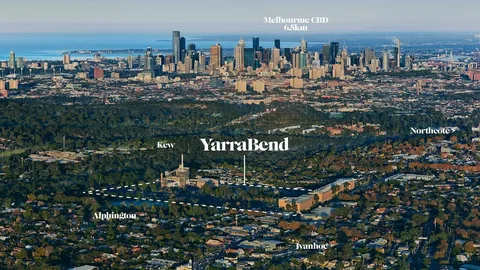
Alphington YarraBend Redevelopment: Melbourne Riverfront Living

Altona North Transformation: Melbourne’s Sustainable Growth

Immune Boost IV Drip in Dubai: Benefits, Process & Wellness

Nike x Stüssy: Streetwear Trend, Hoodies & Sneakers Guide

Rigid Candle Boxes Guide: Benefits, Trends & Buying Tips 2026

Budget Study Room Makeover Ideas for a Stylish Space

Stüssy Then vs Now: Streetwear Evolution & Global Influence

Best Payment Reconciliation Software for Enterprises 2026

Best Parke Hoodie for Daily Wear: Soft, Stylish & Durable

Holistic Fitness & Smart Recovery Technology Guide 2026

Cybersecurity Consulting Company SequelNet Provides Critical IT Support Services to Medical Billing Firm, Medical Optimum

Team Communication Software Transforms Operations at Finance Innovate

Project Management Tool Transforms Long Island Business

How Alleviate Poverty Utilized IPPBX’s All-in-One Solution to Transform Lives in New York City

Breast Cancer: The Imperative Role of Mammograms in Screening and Early Detection

Unstoppable Collaboration: D.C.’s Citi Open and Silicon Valley Classic Unite to Propel Women’s Tennis to New Heights

Embracing Renewal: Sizdabedar Celebrations Unite Iranians in New York’s Eisenhower Park

The Benefits of Starting a Side Hustle for Financial Freedom

New Blood Donation Screening Questions What You Need to Know

Stylishly Timeless: The 5 Types of Sandals You Need in Your Closet
-

 Business3 years ago
Cybersecurity Consulting Company SequelNet Provides Critical IT Support Services to Medical Billing Firm, Medical Optimum
-
Business3 years ago
Team Communication Software Transforms Operations at Finance Innovate
-
Business3 years ago
Project Management Tool Transforms Long Island Business
-
Business3 years ago
How Alleviate Poverty Utilized IPPBX’s All-in-One Solution to Transform Lives in New York City
-
health3 years ago
Breast Cancer: The Imperative Role of Mammograms in Screening and Early Detection
-
Sports3 years ago
Unstoppable Collaboration: D.C.’s Citi Open and Silicon Valley Classic Unite to Propel Women’s Tennis to New Heights
-
Art /Entertainment3 years ago
Embracing Renewal: Sizdabedar Celebrations Unite Iranians in New York’s Eisenhower Park
-
Finance3 years ago
The Benefits of Starting a Side Hustle for Financial Freedom







