
Beauty Fitness
Say Goodbye to an Oily Nose: Tried-and-Tested Remedies Revealed


Understanding the reasons behind an oily nose
Prior to exploring potential solutions, it is essential to have a clear grasp of the root causes behind Oily Nose. Excessive oil production is influenced greatly by overactive sebaceous glands, hormonal imbalances, and genetic factors. Oily skin can be affected by environmental factors like humidity and temperature as well. By understanding the underlying factors, you can create a specific strategy to control your greasy nasal area.
Skincare Routine to Control Excess Oil on the Nose:
1. Cleanse:

Use a gentle cleanser specifically formulated for oily skin to remove dirt, excess oil, and impurities from your nose. Look for ingredients like salicylic acid or tea tree oil that help control sebum production.
2. Exfoliate:
Use a gentle exfoliator once or twice a week to remove dead skin cells and unclog pores on your nose. Avoid harsh scrubs as they can irritate the skin and stimulate more oil production.
3. Tone:
Apply an alcohol-free toner after cleansing to balance the pH of your skin and tighten pores. Look for toners containing witch hazel or rose water that help control excessive oiliness.
4. Moisturize:
Even though you have oily skin, it’s important to moisturize to keep your skin hydrated and prevent it from producing more oil. Opt for lightweight, oil-free moisturizers with ingredients like hyaluronic acid or glycerin.
5. Treatments:
Consider using targeted treatments like clay masks or spot treatments specifically designed for oily skin on your nose area once a week or as needed. These products can absorb excess oils and reduce shine.
6. Sun Protection:
Always apply sunscreen with at least SPF 30 on your entire face, including the nose area, before going outside to protect against UV damage that can worsen oily skin conditions.
7. Blotting Papers:
Keep blotting papers handy throughout the day to gently absorb excess oil from your nose without disturbing makeup or excessively drying out the skin.
Having a comprehensive skincare regimen is crucial for addressing excess oiliness on the nose. Begin your skincare routine with a mild cleanser specially designed for oily skin types. Search for products containing salicylic acid or tea tree oil, as these ingredients are known to help control oil production. Finish off with a non-greasy moisturizer to maintain skin hydration without causing any excess shine. Add a weekly exfoliation routine to your skincare regimen to effectively eliminate dead skin cells and clear out blocked pores.

Photo by Angela Roma : https://www.pexels.com/photo/woman-with-freckles-on-face-in-sunlight-7479989/
Making lifestyle changes can help manage an oily nose. Here are some tips:
1. Cleanse regularly: Wash your face twice a day with a gentle cleanser specifically designed for oily skin. This helps remove excess oil and impurities.
2. Use oil-free products: Choose oil-free or non-comedogenic skincare and makeup products to avoid clogging your pores and exacerbating oiliness.
3. Avoid harsh cleansers: Harsh soaps or cleansers can strip away too much natural moisture, leading to increased oil production. Opt for mild, pH-balanced cleansers instead.
4. Exfoliate regularly: Exfoliation helps remove dead skin cells that can contribute to clogged pores and dull-looking skin. Use a gentle exfoliant once or twice a week.
5. Moisturize properly: Even if you have oily skin, it still needs hydration to maintain its balance. Look for lightweight, water-based moisturizers labeled as “non-comedogenic.”
6. Use mattifying products: Look for primers, powders, or blotting papers that help control shine throughout the day without clogging pores.
7. Limit touching your face: Touching your face transfers oils from your hands onto your nose, making it appear even more oily.
8.Wear sunscreen daily: Protecting your skin from sun damage is crucial but look for lightweight sunscreens in gel or lotion formulas instead of heavy creams that may worsen the appearance of an oily nose.
9.Manage stress levels : Stress hormones can increase sebum production in the skin leading to more oiliness on the nose.Try incorporating stress management techniques like exercise, deep breathing exercises ,or meditation into your routine .
10.Dietary considerations : While there isn’t strong scientific evidence linking diet to oily skin directly; consuming low glycemic index foods (like whole grains , fruits , vegetables), healthy fats (like omega-3 fatty acids found in fish) and avoiding excessive sugar or greasy/fried foods can potentially help manage oiliness and overall skin health.
Remember, everyone’s skin is unique, so what works for one person may not work for another. It may take some trial and error to find the right combination of lifestyle changes that work best for managing your oily nose.
Implementing certain lifestyle adjustments in addition to following a proper skincare routine can aid in managing oiliness on the nose. To prevent the transfer of bacteria and oil to your skin, refrain from touching your face throughout the day. Choose makeup products that are oil-free or non-comedogenic to prevent pore blockage. Ensure that your diet consists of a variety of fruits, vegetables, and lean sources of protein while minimizing your intake of greasy and fried foods. Maintain the health and balance of your skin by ensuring you drink enough water each day.
Instant Remedies for a Greasy Nose On-the-Go
When you’re busy and need a quick solution for your oily nose. There are several useful techniques you can attempt. Carry blotting papers or oil-absorbing sheets in your purse for quick oil control throughout the day. These sheets are great for absorbing oil without smudging your makeup. You can also try using a light dusting of translucent powder on your nose to control oil and minimize any shine. Keep a small bottle of facial mist with natural ingredients like witch hazel or rose water handy while traveling to revitalize and hydrate your skin. Control oiliness.
Conclusion:
To summarize, it is possible to eliminate excess oil on the nose by utilizing appropriate treatments and making changes to one’s lifestyle. You can successfully control excess oil by identifying the causes and following a regular skincare regimen. You can also attain a matte skin appearance. Don’t forget to incorporate lifestyle changes like refraining from touching your face, opting for oil-free makeup, and sticking to a healthy diet. Always have blotting papers and translucent powder available for quick oil control while on the move. Try out these proven remedies to say goodbye to oily skin on your nose and hello to a more balanced and confident appearance.
Author


In today’s fast-paced world, fitness is no longer just about lifting weights or running miles. The modern approach focuses on holistic fitness—a balance of physical activity, recovery, mental well-being, and cutting-edge technology. Whether you’re a beginner or an experienced athlete, integrating smart fitness equipment and recovery tools into your routine can significantly enhance results.
This guide will walk you through the essentials of holistic fitness and recovery technology, helping you build a smarter, more effective wellness routine.
1. What is Holistic Fitness?
Holistic fitness is a comprehensive approach to health that considers the body, mind, and recovery as interconnected elements. Instead of focusing solely on exercise, it emphasizes:
- Physical strength and endurance
- Mental clarity and stress management
- Proper recovery and injury prevention
- Nutrition and lifestyle balance
The goal is sustainability. Rather than short bursts of intense effort followed by burnout, holistic fitness promotes long-term consistency and overall well-being.

2. The Role of Technology in Modern Fitness
Technology has transformed the fitness industry, making workouts more engaging, measurable, and personalized. From wearable trackers to smart gym equipment, tech helps users monitor progress and stay motivated.
One of the most impactful innovations is connected cardio equipment like the echelon indoor bike. These bikes provide real-time performance tracking, live classes, and interactive training sessions—all from the comfort of your home.
Similarly, a connect stationary bike allows users to sync with apps, track metrics like heart rate and calories burned, and even compete with others virtually. This level of engagement makes workouts more enjoyable and effective.
The echelon indoor cycle bike stands out for its immersive experience, offering structured programs that simulate real-world cycling environments, helping users stay committed to their fitness goals.
3. Benefits of Smart Fitness Equipment
Smart fitness tools are more than just a trend—they offer tangible benefits that can elevate your routine.
Personalized Workouts
Advanced algorithms analyze your performance and recommend workouts tailored to your fitness level and goals.
Real-Time Feedback
Instant data on speed, resistance, and heart rate helps you optimize each session.
Convenience
No need to commute to the gym. Equipment like the echelon indoor bike brings professional-grade workouts into your home.
Motivation Through Connectivity
Virtual classes and leaderboards create a sense of community and accountability.
By integrating tools like a connect stationary bike, users can maintain consistency while enjoying a dynamic workout experience.
4. Understanding Recovery Technology
While exercise is important, recovery is where real progress happens. Recovery technology focuses on helping the body repair, rebuild, and grow stronger.
Popular Recovery Tools:
- Massage Guns: Reduce muscle soreness and improve circulation
- Compression Devices: Enhance blood flow and speed up recovery
- Infrared Therapy: Supports muscle relaxation and healing
- Cold Therapy (Cryotherapy): Reduces inflammation and fatigue
These tools are especially beneficial for individuals using high-intensity equipment like the echelon indoor cycle bike, where muscles undergo repeated stress.
5. The Mind-Body Connection
Holistic fitness goes beyond physical activity—it includes mental and emotional well-being. Stress, anxiety, and lack of focus can negatively impact performance and recovery.
Ways to Strengthen the Mind-Body Connection:
- Meditation and Breathing Exercises
- Yoga and Stretching
- Mindful Workouts (focus on form and breathing)
- Digital Detox and Sleep Optimization
Many modern fitness platforms integrated with connect stationary bike systems now include guided mindfulness sessions, helping users achieve balance.
6. Building a Holistic Fitness Routine
Creating a well-rounded routine doesn’t have to be complicated. The key is balance.
Step 1: Choose Smart Equipment
Invest in versatile tools like an echelon indoor bike that combines cardio, strength, and interactive features.
Step 2: Plan Weekly Workouts
Mix different types of training:
- Cardio (cycling, running)
- Strength training
- Flexibility (yoga or stretching)
Step 3: Prioritize Recovery
Schedule rest days and use recovery technology to prevent burnout and injuries.
Step 4: Track Progress
Use apps and connected devices to monitor improvements and adjust your routine.
Step 5: Focus on Nutrition & Sleep
Fuel your body with balanced meals and ensure 7–9 hours of quality sleep.
7. Why Holistic Fitness is the Future
The shift toward holistic fitness is driven by the understanding that health is multifaceted. People are no longer satisfied with quick fixes—they want sustainable solutions.
Technology plays a crucial role in this evolution. Equipment like the echelon indoor cycle bike and connect stationary bike bridges the gap between convenience and professional-level training.
Moreover, recovery tools ensure that users not only perform better but also feel better. This combination of performance and well-being is what makes holistic fitness the future of the industry.
Conclusion
Holistic fitness and recovery technology are reshaping how we approach health and wellness. By combining smart equipment, recovery tools, and mindful practices, you can create a balanced routine that supports long-term success.
Whether you’re using an echelon indoor bike for immersive workouts or relying on recovery tools to enhance muscle repair, the key is consistency and balance. Embrace the integration of technology and wellness, and you’ll not only improve your fitness—but also your overall quality of life.
Author


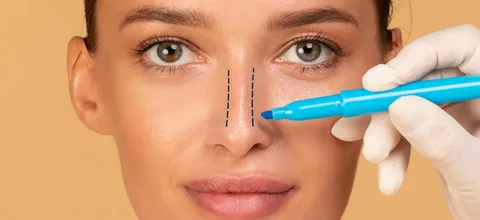
Breathing comfortably is something many people take for granted—until it becomes difficult. A deviated septum is a common condition that can significantly affect airflow and overall quality of life. Fortunately, modern surgical techniques offer effective solutions. Many patients seeking Rhinoplasty in Islamabad are not only looking to enhance their appearance but also to correct functional issues like a deviated septum. Rhinoplasty, particularly when combined with septoplasty, plays a crucial role in restoring both form and function.
What Is a Deviated Septum?
The nasal septum is the thin wall of cartilage and bone that separates the two nostrils. Ideally, it should be centered, allowing equal airflow through both sides of the nose. However, in many individuals, the septum is displaced or crooked—this condition is known as a deviated septum.
Common Causes
- Congenital (present at birth)
- Nasal injury or trauma
- Uneven growth during development
Symptoms of a Deviated Septum
- Difficulty breathing through one or both nostrils
- Frequent nasal congestion
- Snoring or sleep disturbances
- Nosebleeds
- Facial pain or pressure

How Rhinoplasty Helps Correct a Deviated Septum
Rhinoplasty is often associated with cosmetic improvements, but it also has significant functional benefits. When used to correct a deviated septum, the procedure is typically combined with septoplasty.
Septoplasty vs Rhinoplasty
- Septoplasty focuses on straightening the septum to improve airflow
- Rhinoplasty reshapes the external structure of the nose
When performed together, the procedure is known as septorhinoplasty, addressing both internal function and external appearance in one surgery.
Functional Benefits of Rhinoplasty for Deviated Septum
Correcting a deviated septum through rhinoplasty offers multiple health and lifestyle benefits:
- Improved breathing and airflow
- Better sleep quality
- Reduced snoring
- Fewer sinus infections
- Enhanced overall comfort
These improvements can have a profound impact on daily life, especially for individuals who have struggled with chronic nasal obstruction.
Cosmetic Benefits Alongside Functional Correction
While the primary goal may be to improve breathing, rhinoplasty also allows patients to enhance the appearance of their nose.
Possible Aesthetic Improvements
- Straightening a crooked nose
- Refining the nasal tip
- Smoothing bumps on the bridge
- Achieving better facial symmetry
This dual benefit makes rhinoplasty an attractive option for patients seeking comprehensive results.
Key Differences: Deviated Septum vs Normal Nasal Structure
| Feature | Normal Septum | Deviated Septum |
|---|---|---|
| Alignment | Centered | Off-center or crooked |
| Airflow | Balanced | Restricted on one side |
| Breathing | Easy | Difficult |
| Symptoms | None | Congestion, snoring, discomfort |
| Treatment | Not needed | Septoplasty or rhinoplasty |
The Surgical Process Explained
The procedure for correcting a deviated septum through rhinoplasty involves several steps:
- Consultation and Evaluation
The surgeon assesses nasal structure, breathing issues, and patient goals. - Anesthesia
The procedure is performed under local or general anesthesia. - Correction of Septum
The deviated septum is straightened by repositioning or removing excess cartilage. - Reshaping the Nose
If needed, the external nose is reshaped to improve appearance. - Closure and Recovery
Incisions are closed, and the healing process begins.
Recovery After Septorhinoplasty
Recovery varies from person to person, but most patients can expect:
- Mild swelling and bruising in the first week
- Noticeable improvement in breathing within a few weeks
- Gradual refinement of nasal shape over several months
Following post-operative care instructions is essential to ensure optimal healing and long-lasting results.
Who Is a Good Candidate?
You may be a suitable candidate for rhinoplasty to correct a deviated septum if you:
- Experience chronic breathing difficulties
- Have a visibly crooked nose
- Suffer from frequent sinus infections
- Are in good overall health
- Have realistic expectations
A thorough consultation with a qualified specialist will help determine the best treatment plan.
Modern Advancements in Treatment
Today’s rhinoplasty techniques are more advanced than ever. Surgeons now use:
- 3D imaging for precise planning
- Minimally invasive tools
- Advanced cartilage grafting methods
- Improved post-operative care protocols
These innovations have significantly increased the success rate and patient satisfaction.
Common Misconceptions
1. Rhinoplasty is only cosmetic
In reality, it plays a major role in improving nasal function and breathing.
2. Septoplasty and rhinoplasty are the same
They serve different purposes but are often combined for comprehensive results.
3. Recovery is extremely long
Modern techniques have reduced recovery time significantly.
FAQs About Rhinoplasty for Deviated Septum
1. Can rhinoplasty fix a deviated septum permanently?
Yes, when performed correctly, the results are typically long-lasting and significantly improve airflow.
2. Is the procedure painful?
Discomfort is usually mild and manageable with prescribed medication.
3. How soon will I notice improved breathing?
Many patients experience better airflow within a few weeks after surgery.
4. Will my nose look different?
If combined with cosmetic rhinoplasty, the appearance of the nose can be enhanced along with functional correction.
5. Is it necessary to combine rhinoplasty with septoplasty?
Not always, but combining them can address both functional and aesthetic concerns in one procedure.
Conclusion
Rhinoplasty plays a vital role in correcting a deviated septum, offering both functional relief and aesthetic enhancement. By improving airflow and reshaping the nose, this procedure can significantly enhance quality of life and confidence. If you are considering this treatment, choosing the right clinic is essential for achieving safe and effective results. The SKN Cosmetic Clinic is a trusted name, providing expert care and advanced rhinoplasty solutions tailored to individual patient needs.
Author


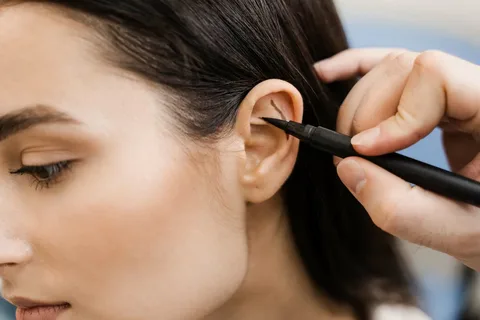
Prominent ears, which people often call “bat ears,” represent a common anatomical variation. In these cases, the ears sit at a wider angle from the head than average. While this condition does not affect hearing or physical health, the aesthetic impact can feel significant. Many cultures highly value facial symmetry, and protruding ears can disrupt that balance. Ear Reshaping Surgery in Dubai offers a definitive medical correction for this trait. Surgeons utilize advanced techniques to “pin” the ears back, creating a more recessed and natural-looking profile.
What is Ear Reshaping Surgery in Dubai for Protrusion?
Clinical protrusion occurs when the distance between the ear rim and the side of the head exceeds two centimeters. Usually, an underdeveloped antithetical fold (the inner rim) or an oversized concha bowl (the deep cup) causes this gap. Ear Reshaping Surgery in Dubai serves as the clinical process for reconstructing these specific landmarks.
The surgeon performs the procedure as an outpatient treatment. They focus on structurally repositioning the cartilage to reduce the “fan-like” appearance of the ears. In our clinical experience, correcting protrusion stands as one of the most straightforward yet transformative aesthetic surgeries available today. Patients typically report that the change feels subtle. Friends and family notice the patient looks “better,” but they rarely realize the patient underwent surgery.
How the Procedure Sets Back the Ears
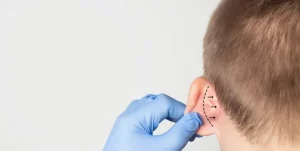
The procedure functions by modifying the spring and shape of the auricular cartilage. The surgeon begins by making a discreet incision hidden in the crease behind the ear. Through this opening, they access the cartilage framework.
The surgeon then uses internal, permanent sutures to “bend” the ear backward. If they encounter particularly stiff cartilage, they may employ “cartilage scoring.” This technique involves creating microscopic abrasions that allow the tissue to take on a new shape without tension. By anchoring these sutures to the dense tissue covering the mastoid bone, the surgeon “sets back” the entire ear structure. This ensures that the results remain structurally sound. It also prevents the natural tendency of cartilage to “spring” back to its original position.
Why Choose Surgery for Prominent Ears?
The surgeon performs this intervention to bring the ears into a standard aesthetic range. Ideally, ears should sit at an angle of roughly 25 to 30 degrees from the head. Ear Reshaping Surgery in Dubai eliminates the “projection” that causes ears to stick out through hair or under hats.
This surgery serves as an essential tool for restoring facial balance. Ears that protrude too far can make the head appear wider or the face look asymmetrical. Beyond simple pinning, the surgeon uses the procedure to define the inner folds. Often, a “bat ear” looks flat and lacks detail. By recreating the antihelices fold, the surgeon gives the ear a more detailed, anatomically correct shape.
The Long-Term Benefits of Correction
Choosing to undergo surgery for protrusion offers several significant advantages:
-
Symmetrical Profile: The surgeon ensures both ears recessed to the same degree for a balanced look.
-
Natural Contour: Modern techniques avoid the “plastered to the head” appearance. Instead, they maintain a soft, natural curve.
-
Permanent Results: A single procedure provides a lifetime of correction.
-
Psychological Confidence: The surgery removes a frequent source of self-consciousness in social and professional life.
-
Hidden Scarring: The surgeon tucks all surgical marks away in the shadow behind the ear.
Identifying Ideal Candidates
The ideal candidate for Ear Reshaping Surgery in Dubai includes anyone over the age of five who feels bothered by their ear projection. For adults, the surgery finally addresses a trait they may have hidden for decades. For children, it represents a proactive step toward a more confident school experience.
During the consultation, the medical team evaluates the “spring” of your cartilage. They also measure the depth of your conchal bowl. This assessment helps them determine if a simple fold or a cartilage reduction offers the best path forward for your specific anatomy.
A Step-by-Step Look at the Pinning Process
The surgical journey follows a precise medical protocol to ensure safety and aesthetic accuracy.
-
Measurement: The surgeon uses calipers to mark the current projection and the target recessed position.
-
Incision: They make a vertical cut behind the ear where the tissue meets the scalp.
-
Cartilage Folding: The surgeon places permanent sutures to create or deepen the antihelical fold.
-
Conchal Setback: If the middle of the ear is too deep, the surgeon sutures it closer to the bone.
-
Final Verification: The surgeon checks the ears from the front to ensure the rim remains visible but no longer protrudes.
-
Bandaging: The team applies a compression wrap to protect the ears during the initial healing phase.
Common Treatment Areas and Corrective Zones
Surgeons focus on specific zones that contribute to the “bat ear” appearance.
| Protrusion Zone | Anatomical Focus | Surgical Correction |
| Superior Crura | The upper part of the ear rim. | Folds the top of the ear closer to the head. |
| Concha Bowl | The deep “cup” of the ear. | Reduces depth to pull the mid-ear inward. |
| Earlobe | The bottom fleshy part. | Ensures the lobe does not flare out. |
Cost Factors and Clinical Expertise
The investment in Ear Reshaping Surgery in Dubai reflects the intricacy of the ear’s cartilage. Stiff ears or those with multiple structural issues require more time and precision. When you choose a clinic with high standards, you pay for an expert who understands balance. They will not over-correct the ears. The true value lies in a result that looks natural and lasts a lifetime without the need for future revisions.
The Recovery Timeline
Patients typically report that the first week involves the most adjustment.
-
Days 1–3: You wear a bulky headband. Your ears may feel tight or throb slightly during this time.
-
Week 1: The surgeon removes the dressing. You can immediately see the new, closer position.
-
Weeks 2–6: You must wear a soft headband at night. This protects the internal sutures while you sleep.
-
Month 3: The ears fully “settle.” They will feel firm, natural, and permanent.
Safety and Long-Term Maintenance
The medical team maintains safety through sterile techniques and expert execution. Common side effects like temporary bruising or numbness resolve on their own. To maintain your new profile, you should follow these steps:
-
Sleep Carefully: Avoid side-sleeping for the first few weeks to prevent pressure on the sutures.
-
Handle with Care: Be gentle when putting on or taking off glasses or sunglasses.
-
Avoid Sports: Stay away from contact sports for 8 to 12 weeks. This allows the cartilage to harden fully in its new spot.
Conclusion: A More Balanced Future
Correcting “bat ears” provides a safe and effective way to bring balance to your facial features. It often brings a new level of confidence to your personal and professional life. Through the precision of Ear Reshaping Surgery in Dubai, you can achieve a profile that feels proportionate. Our team provides the medical excellence and care needed for a successful transformation.
Author



Alphington YarraBend Redevelopment: Melbourne Riverfront Living

Altona North Transformation: Melbourne’s Sustainable Growth

Immune Boost IV Drip in Dubai: Benefits, Process & Wellness

Nike x Stüssy: Streetwear Trend, Hoodies & Sneakers Guide

Rigid Candle Boxes Guide: Benefits, Trends & Buying Tips 2026

Budget Study Room Makeover Ideas for a Stylish Space

Stüssy Then vs Now: Streetwear Evolution & Global Influence

Best Payment Reconciliation Software for Enterprises 2026

Best Parke Hoodie for Daily Wear: Soft, Stylish & Durable

Holistic Fitness & Smart Recovery Technology Guide 2026

Cybersecurity Consulting Company SequelNet Provides Critical IT Support Services to Medical Billing Firm, Medical Optimum

Team Communication Software Transforms Operations at Finance Innovate

Project Management Tool Transforms Long Island Business

How Alleviate Poverty Utilized IPPBX’s All-in-One Solution to Transform Lives in New York City

Breast Cancer: The Imperative Role of Mammograms in Screening and Early Detection

Unstoppable Collaboration: D.C.’s Citi Open and Silicon Valley Classic Unite to Propel Women’s Tennis to New Heights

Embracing Renewal: Sizdabedar Celebrations Unite Iranians in New York’s Eisenhower Park

The Benefits of Starting a Side Hustle for Financial Freedom

New Blood Donation Screening Questions What You Need to Know

Stylishly Timeless: The 5 Types of Sandals You Need in Your Closet
-

 Business3 years ago
Cybersecurity Consulting Company SequelNet Provides Critical IT Support Services to Medical Billing Firm, Medical Optimum
-
Business3 years ago
Team Communication Software Transforms Operations at Finance Innovate
-
Business3 years ago
Project Management Tool Transforms Long Island Business
-
Business3 years ago
How Alleviate Poverty Utilized IPPBX’s All-in-One Solution to Transform Lives in New York City
-
health3 years ago
Breast Cancer: The Imperative Role of Mammograms in Screening and Early Detection
-
Sports3 years ago
Unstoppable Collaboration: D.C.’s Citi Open and Silicon Valley Classic Unite to Propel Women’s Tennis to New Heights
-
Art /Entertainment3 years ago
Embracing Renewal: Sizdabedar Celebrations Unite Iranians in New York’s Eisenhower Park
-
Finance3 years ago
The Benefits of Starting a Side Hustle for Financial Freedom







