health
Breast Cancer: The Imperative Role of Mammograms in Screening and Early Detection

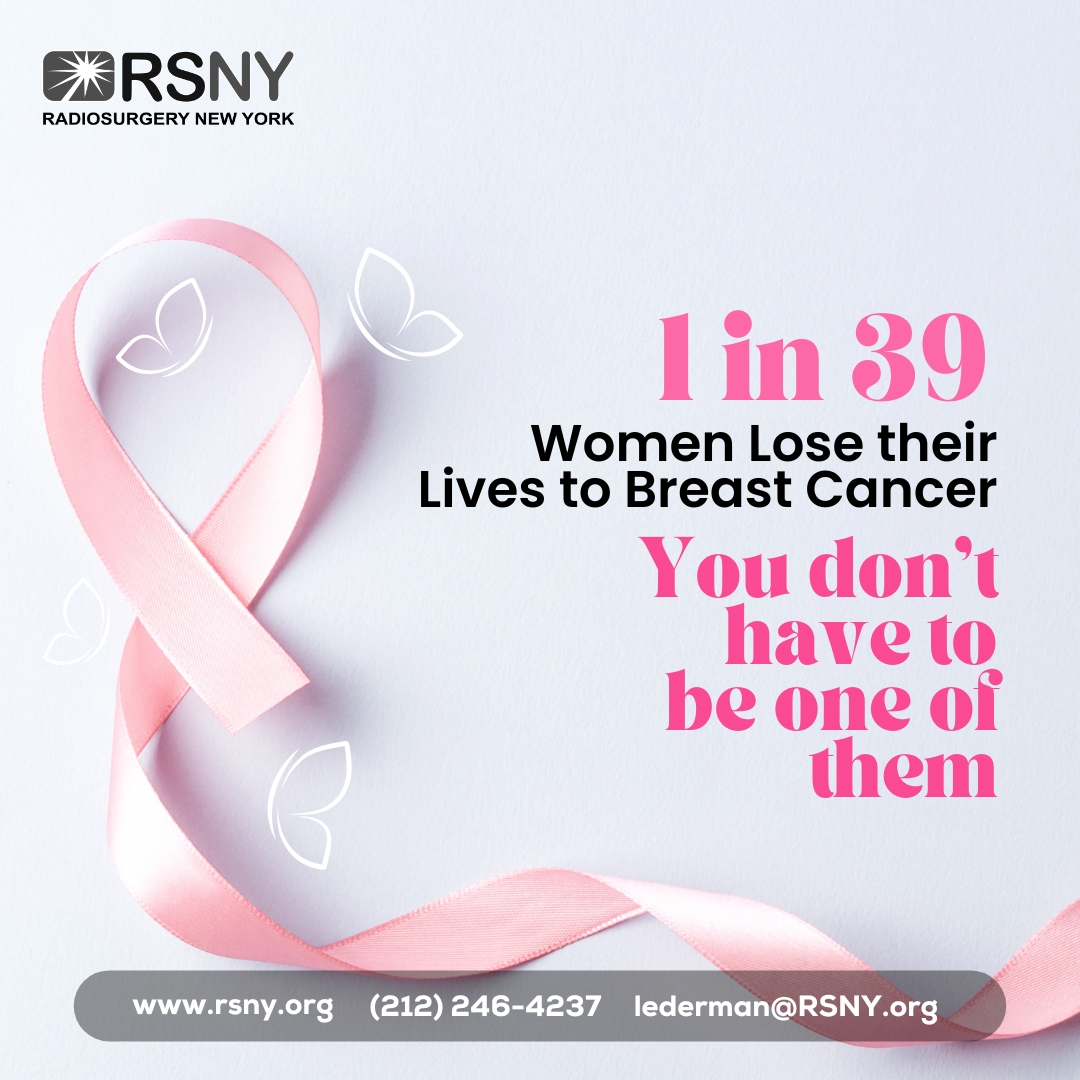
New York, NY – The battle against breast cancer—a disease that affects over 200,000 women in the United States each year—wages on. Yet, promising developments in screening methods are offering unprecedented hope. The power of mammograms, combined with the commitment and expertise of healthcare professionals, heralds a new era in early detection and non-invasive treatment.
The Radiology Services of New York (RSNY) has been at the forefront of this paradigm shift. Their innovative approach towards mammography screening has brought a ray of hope to those living in the shadow of this potentially devastating diagnosis. Mammograms, coupled with ultrasound and MRI screenings, have become crucial weapons in the arsenal against breast cancer.
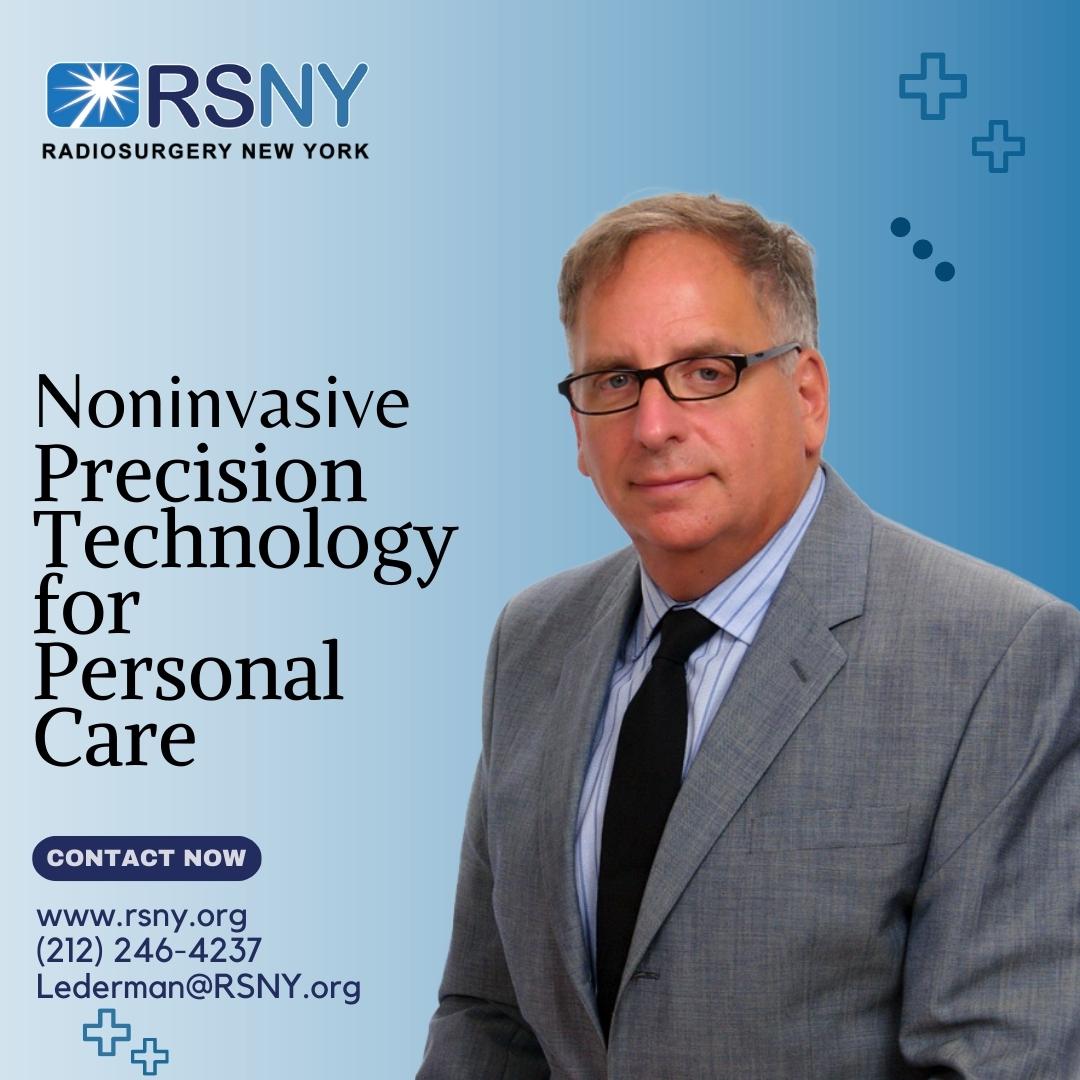
Dr. Lederman
Breast cancer often presents with subtle signs that may go unnoticed without regular screening. A lump in the breast or armpit, swelling of the breast, changes in the skin or nipple, and persistent pain can be early warning signs. Even small, imperceptible cancers can be detected by modern screening methods before they become palpable or symptomatic. Early detection through these screening techniques significantly enhances the odds of successful treatment and survival.
However, it is vital to understand that the risk of developing breast cancer can be influenced by a complex interplay of genetic and lifestyle factors. While the disease predominantly affects women, it is not exclusive to them. Factors such as advancing age, history of breast abnormalities or cancer in the opposite breast, family history, obesity, younger age of menstruation onset, older age at first childbirth, never having been pregnant, and more can all contribute to an increased risk.
Despite these known risk factors, breast cancer often strikes without warning, making regular screenings an essential part of preventative healthcare for all women, particularly those at higher risk. This is where the RSNY and pioneering physicians like Dr. Lederman have made a significant difference.
The Power of Radiosurgery
When Dr. Lederman first arrived in New York, the statistics were grim. Approximately 97% of women with breast cancer treated in large hospitals ended up losing their breast—a disheartening figure that revealed the urgent need for change. Dr. Lederman’s approach provided that change. His application of innovative treatment options has resulted in 90% of women being able to keep their breast post-treatment—a stark contrast to previous statistics.
These treatment options aren’t simply about survival. They also significantly contribute to the quality of life for those diagnosed with breast cancer. The techniques used are painless, non-invasive, and outpatient-based. These attributes eliminate the need for cutting or bleeding and are well-tolerated by patients. Procedures can be performed in a matter of minutes, radically reducing both the physical and emotional strain often associated with traditional cancer treatments.

However, there’s still work to be done. Many women are not aware of these non-invasive options until they meet with a specialist. While the work of professionals like Dr. Lederman is instrumental in shifting the narrative around breast cancer treatment, increased public awareness is vital. The more women know about their options, the better positioned they are to make informed decisions about their health.
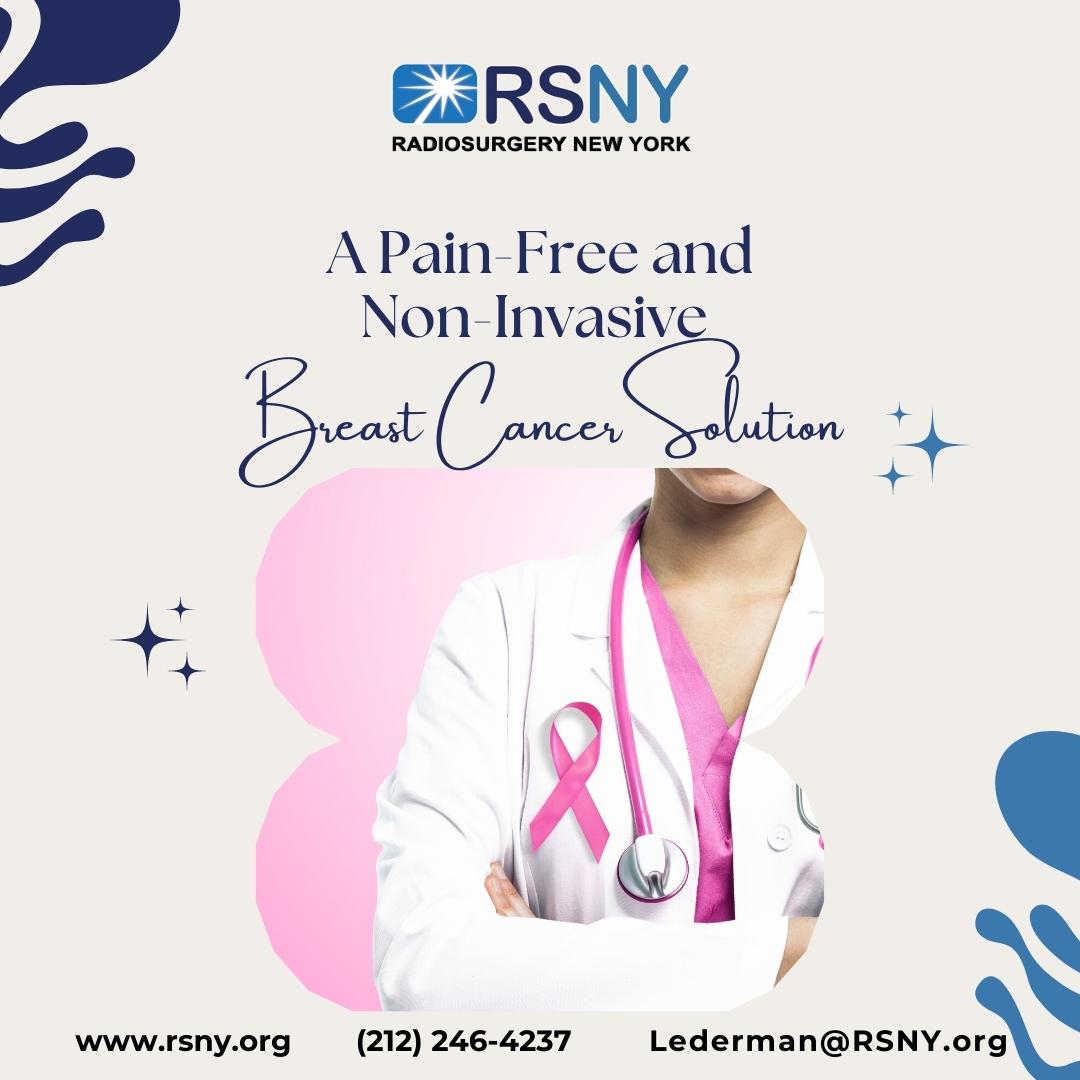
A pain free treatment
As part of this effort, the RSNY encourages individuals seeking more information to meet with a consultant. Their approach exemplifies a blend of personalized care, advanced technology, and a commitment to patient education. They aim to provide a comprehensive understanding of the disease, the importance of early detection, and the availability of innovative, non-invasive treatment options.
The key message, emphasized by the increasing success of institutions like RSNY, is one of hope. Breast cancer, once considered a death sentence, is now viewed in a new light. Mammography and other advanced screening techniques are drastically increasing the chances of early detection, leading to improved survival rates and a better quality of life for patients. The continued dedication of medical professionals, researchers, and patient advocates will undoubtedly lead to even more advances in the years to come.
The fight against breast cancer is a collective one, requiring the combined efforts of medical professionals, researchers, and the public. Every mammogram, every early detection, brings us one step closer to a future where breast cancer is not feared, but rather understood and effectively managed.
For those seeking more information, the RSNY and its team of dedicated professionals stand ready to provide guidance, support, and advanced treatment options. They believe in the power of education, innovation, and early detection in altering the narrative of breast cancer and shaping a future where survival isn’t the exception but the norm.
Breast cancer is a formidable adversary, but with early detection via mammograms and the continuing development of non-invasive treatments, it’s an adversary we’re better equipped to fight now more than ever before.
For more information, visit www.rsny.org or call (212) 246-4237 to schedule a consultation.
Author


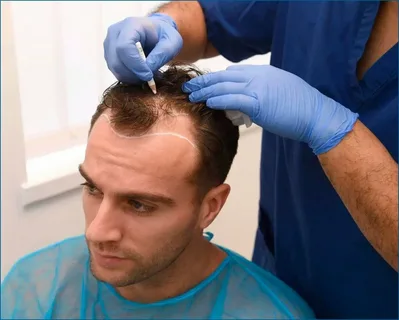
Embarking on a journey toward hair restoration is a transformative experience that combines medical science with a commitment to self-improvement. Understanding the nuances of a Hair Transplant Abu Dhabi is essential for any patient looking to transition from thinning hair to a fuller, more youthful appearance. The modern clinical process is designed to be streamlined, comfortable, and highly predictable, ensuring that patients are well-informed and at ease from the moment they enter the surgical suite until the final results emerge months later.
Patient Experience in Hair Transplant Abu Dhabi
The contemporary hair restoration experience is characterized by microsurgical precision and patient-centric care. A hair transplant is technically a redistribution of follicular units—tiny groups of hair follicles—from areas of high density to areas of depletion. This process is not merely a “procedure” but a carefully orchestrated medical event that prioritizes the biological integrity of every graft.
In our clinical experience, the most successful outcomes occur when patients have a clear roadmap of the treatment day. A Hair Transplant Abu Dhabi session typically lasts several hours, depending on the number of grafts required. During this time, the medical team works meticulously to harvest, sort, and implant follicles while the patient relaxes in a controlled, sterile clinical environment.
Mechanism of Follicular Transfer
The treatment works through the relocation of “DHT-resistant” hair follicles. These follicles, taken from the back of the scalp, are biologically designed to keep growing throughout an individual’s life. The mechanism of the treatment involves a three-phase biological cycle: extraction, preservation, and integration.
Once extracted, the follicles are placed in a specialized storage solution to maintain their metabolic health. During the integration phase, the surgeon creates recipient sites that determine the hair’s future growth direction. What patients typically report during recovery is that this precise angling is what makes the final result look entirely natural rather than “manufactured.“
Clear Treatment Protocols
The purpose of following a standardized clinical protocol is to ensure the safety of the patient and the “yield” of the grafts. Because follicles are delicate living tissues, every second they spend outside the body must be managed according to strict medical guidelines to prevent desiccation or cellular damage.
Clinically, structured treatment protocols serve to:
-
Minimize the time follicles spend outside the scalp.
-
Ensure the donor area is managed to prevent visible thinning.
-
Provide a pain-free environment through advanced local anesthesia.
-
Achieve a high density that matches the patient’s existing hair.
Benefits of a Medically Managed Treatment Day
Choosing a professional clinical setting for your restoration offers numerous advantages that impact both the safety and the aesthetic quality of the result. When the process is handled by a dedicated surgical team, the focus remains on the “art of the hairline” just as much as the “science of the graft.“
| Feature | Clinical Benefit |
| Local Anesthesia | Ensures the patient is awake but completely comfortable. |
| Micro-Punch Tools | Leaves the donor area looking natural and unscarred. |
| Sapphire Technology | Allows for smaller incisions and faster skin healing. |
| Technician Support | High-speed graft sorting ensures follicles stay viable. |
Ideal Candidates for a Single-Session Treatment
A Hair Transplant Abu Dhabi is often highly effective in a single session for those who meet specific clinical criteria. During your evaluation, a specialist will assess your hair caliber and scalp laxity to determine the best approach for your specific needs.
The best candidates for a successful treatment day usually have:
-
Healthy Donor Reserves: Thick hair at the back of the head.
-
Contrast Levels: A favorable ratio between hair color and skin tone.
-
Scalp Health: No active infections or severe inflammatory conditions.
We identify defined loss patterns, where thinning becomes predictable and can be addressed strategically.
The Procedure
We organize the treatment day into a clear sequence of medical steps to ensure efficiency and patient comfort.
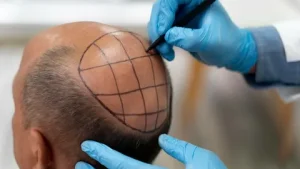
- Pre-Op Design: The surgeon draws the final hairline and ensures it complements your facial features.
- Donor Harvesting: The surgeon extracts follicles using FUE (Follicular Unit Extraction) to achieve a “no-stitch” result.
- Graft Micro-Dissection: The team carefully inspects every graft to confirm it contains healthy, viable hair bulbs.
- Site Creation: The surgeon uses micro-blades to create channels in the thinning areas.
- Implantation: The team places each graft one by one with artistic precision to achieve a natural-looking result.
Target Treatment Zones for Optimal Coverage
We approach restoration as a strategic process. To achieve the best visual outcome, the surgeon focuses on specific target zones based on how people naturally see hair in everyday social interactions.
-
The Frontal Third: This is the “high-impact” zone that defines your face.
-
The Mid-Scalp: Provides the necessary background density to prevent a “see-through” look.
-
The Crown: Often treated in a circular fashion to mimic the natural hair swirl (whorl).
Cost Factors and Clinical Resource Management
The investment in your treatment day is reflective of the resources required to achieve your goals. Factors that influence the scope of the procedure include the total graft count and the complexity of the extraction (e.g., if the patient has curly hair or very fine hair). While specific prices are not discussed, the value of the procedure lies in its one-time nature—providing a permanent solution that negates the need for ongoing hair-loss medications or temporary concealers.
Recovery Timeline
The healing process begins immediately after the last graft is placed. Understanding the timeline helps you manage your professional and social schedule effectively.
-
Day 1–3: Tiny scabs form at the graft sites; this is a normal part of skin closure.
-
Week 1: Most patients can return to work, as the initial redness typically fades.
-
Month 1: The transplanted hair shafts shed (shock loss); the roots remain healthy.
-
Months 4–6: Initial growth begins, appearing as soft, fine hair.
-
Month 12: The hair achieves its full thickness and becomes indistinguishable from native hair.
Safety Standards and Treatment Comfort
Safety is the cornerstone of a premium Hair Transplant Abu Dhabi experience. The procedure is minimally invasive, and side effects are typically limited to mild swelling around the forehead or a temporary “tight” sensation in the scalp. By operating in a sterile, modern facility, we ensure that every patient receives the highest level of care, minimizing risks and maximizing the comfort of the treatment.
Support Your Treatment Results
The longevity of your new hair is supported by your lifestyle and post-operative care. In the weeks following the treatment, it is vital to keep the scalp hydrated and protected from the sun. Long-term, maintaining a balanced diet and managing stress can help support the overall health of both the transplanted and native hair follicles. Protecting your investment ensures that your treatment results remain vibrant for a lifetime.
Conclusion
Choosing to undergo hair restoration is a decision that marks a new chapter in your personal aesthetic. It is natural to feel curious and slightly nervous about the process. However, modern clinical care supports and empowers you throughout the journey. At Tajmeels Clinic, we provide a medically responsible and professional environment where we listen to your goals and optimize your results.
We build successful transplants on trust, expertise, and a strong commitment to excellence. We are here to guide you through every stage of your journey, ensuring that your experience is as seamless and life-changing as the new growth you will soon enjoy.
Author


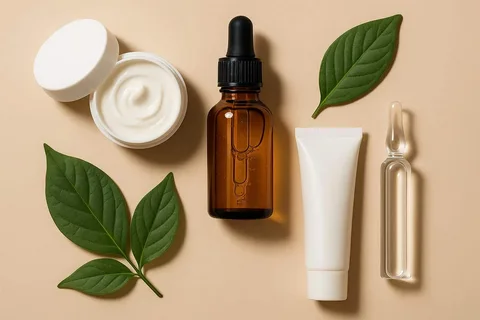
Cosmetic Peptides have become one of the most popular ingredients in modern skincare. You can now find them in serums, creams, masks, and anti-aging products. Their growing popularity comes from their ability to target different skin concerns while remaining gentle on the skin.
This is where cosmetic peptides play an important role. Different types of peptides support the skin in different ways. Some stimulate collagen production, while others help reduce wrinkles, improve hydration, or repair damaged skin. Understanding how these peptides work can help you choose the right skincare products for your needs.
What Are Cosmetic Peptides?
Cosmetic peptides are bioactive ingredients used in skincare products to improve skin health and appearance. Because peptides are small molecules, they can penetrate the outer layer of the skin more effectively than larger proteins.
Once absorbed, peptides send signals to skin cells and encourage specific biological activities. Depending on the peptide type, they may help repair the skin barrier, stimulate collagen production, reduce muscle contractions, or improve skin tone.
Peptides are popular because they provide visible benefits without being overly harsh. Unlike some active ingredients that may irritate sensitive skin, peptides are generally suitable for most skin types.
Signal Peptides
Signal peptides are among the most commonly used peptides in anti-aging skincare. These peptides send messages to skin cells, encouraging them to produce more collagen, elastin, and other important structural proteins.
As collagen levels increase, the skin appears firmer and smoother. Fine lines and wrinkles become less noticeable over time.
Main Benefits of Signal Peptides
- Stimulate collagen and elastin production
- Improve skin firmness and elasticity
- Support skin repair
- Reduce the appearance of fine lines
Common Examples
- Palmitoyl Pentapeptide
- Palmitoyl Tripeptide
Signal peptides work gradually, which makes them ideal for long-term skincare routines. Consistent use can improve skin texture and help maintain a youthful appearance.
Carrier Peptides
Carrier peptides help transport essential minerals and trace elements into the skin. These minerals, such as copper and magnesium, support important enzymatic functions involved in healing and collagen production.
One of the most well-known carrier peptides is Copper Tripeptide-1, often called GHK-Cu. This peptide is widely used in products designed for skin repair and rejuvenation.
Main Benefits of Carrier Peptides
- Deliver essential minerals to skin cells
- Promote skin regeneration
- Improve wound healing
- Support collagen production
Common Example
- Copper Tripeptide-1 (GHK-Cu)
Carrier peptides are especially useful for mature or damaged skin. They help strengthen the skin barrier while improving overall skin health.
Neurotransmitter Inhibitory Peptides
Neurotransmitter inhibitory peptides are often called “Botox-like peptides.” These peptides work by reducing muscle contractions in the face. As facial muscles relax, expression lines and dynamic wrinkles become less visible.
Unlike injectables, these peptides offer a non-invasive way to soften wrinkles gradually.
Main Benefits of Neurotransmitter Inhibitory Peptides
- Relax facial tension
- Reduce dynamic wrinkles
- Smooth fine lines
- Improve skin appearance without invasive procedures
Common Examples
- Argireline (Acetyl Hexapeptide-3)
- SNAP-8 (Acetyl Octapeptide-3)
These peptides work particularly well around the forehead, eyes, and mouth because these areas experience constant facial movement.
Enzyme Inhibitor Peptides
Enzyme inhibitor peptides protect the skin by blocking enzymes that contribute to aging and pigmentation. Some enzymes break down collagen and elastin, while others increase melanin production.
By slowing these processes, enzyme inhibitor peptides help maintain smoother, firmer, and more even-toned skin.
Main Benefits of Enzyme Inhibitor Peptides
- Reduce collagen breakdown
- Minimize pigmentation
- Support skin firmness
- Improve overall skin tone
Common Examples
- Tripeptide-1
- Pentapeptide Derivatives
These peptides are commonly included in anti-aging and brightening formulations because they help preserve the skin’s natural structure.
How to Choose the Right Peptide
Choosing the right peptide depends on your skincare goals. Different peptides target different concerns, so understanding your skin’s needs is important.
For example:
- If your goal is anti-aging, signal peptides are an excellent option.
- If you want skin repair and regeneration, carrier peptides work well.
- If you want to reduce expression lines, neurotransmitter inhibitory peptides are ideal.
- If uneven skin tone is your concern, enzyme inhibitor peptides can help.
Many skincare brands combine multiple peptides in one formula to provide broader benefits. This combination approach often delivers better overall results.
Factors That Affect Peptide Effectiveness
Even the best peptides may not work properly if the formulation is poor. Several factors influence how effective peptides are in skincare products.
Concentration
Peptides must be present in effective amounts. Very low concentrations may not provide visible results.
Stability
Some peptides are sensitive to heat, air, and pH changes. Proper formulation and packaging help maintain their stability.
Skin Penetration
Smaller peptides usually penetrate the skin more effectively. Some products also use delivery systems to improve absorption.
Combination with Other Ingredients
Peptides often work better when combined with ingredients like:
- Hyaluronic acid
- Antioxidants
- Niacinamide
- Vitamins C and E
These ingredients support hydration and improve the overall performance of peptide-based skincare products.
Why Peptides Are Popular in Modern Skincare
Peptides have become increasingly popular because they offer targeted skincare benefits without causing excessive irritation. Many people prefer peptides because they support the skin naturally rather than forcing rapid exfoliation or aggressive renewal.
Additionally, peptides work well in both preventive and corrective skincare routines. Younger individuals use them to maintain collagen levels, while mature users rely on them to improve firmness and reduce visible aging signs.
Another major advantage is versatility. Peptides can address multiple concerns at once, including wrinkles, dullness, dehydration, and skin damage.
Conclusion
Cosmetic peptides have transformed the skincare industry by offering scientifically supported solutions for healthier and younger-looking skin. Signal peptides, carrier peptides, neurotransmitter inhibitory peptides, and enzyme inhibitor peptides each play unique roles in improving skin function and appearance.
These peptides can boost collagen production, reduce wrinkles, improve skin texture, support healing, and protect the skin from damage. However, choosing the right peptide depends on your skincare goals and the quality of the formulation.
When combined with proper skincare habits and consistent use, peptide-based products can deliver noticeable and long-lasting improvements. As skincare technology continues to evolve, peptides will likely remain one of the most trusted and effective ingredients in modern cosmetic formulations.
Author


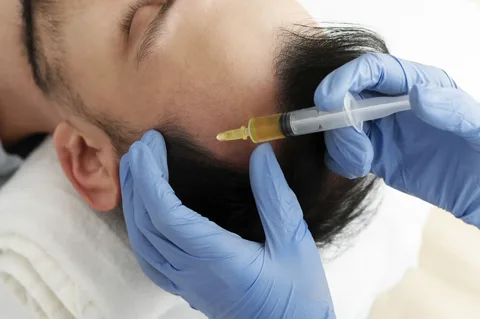
PRP (Platelet-Rich Plasma) therapy has quickly become one of the most sought-after treatments for skin rejuvenation and hair restoration. It is natural, minimally invasive, and delivers long-lasting results. However, one of the most common questions people ask is: How often should you get PRP therapy? If you are considering PRP in Islamabad, understanding the ideal treatment frequency is essential to achieve the best possible results.
This guide will explain how often PRP sessions are needed, factors that influence frequency, and how to maintain long-term benefits.
What is PRP Therapy?
PRP therapy involves extracting a small amount of your blood, processing it to isolate platelet-rich plasma, and applying it to the skin or scalp. The growth factors in PRP stimulate collagen production, tissue repair, and hair follicle regeneration.
Key Benefits:
- Improves skin texture and tone
- Reduces wrinkles and fine lines
- Promotes hair growth
- Enhances overall skin health
Because PRP works gradually, multiple sessions are required for optimal results.
Why Multiple PRP Sessions Are Necessary
Unlike instant cosmetic treatments, PRP relies on your body’s natural healing process. This means results develop over time.
Reasons for Multiple Sessions:
- Gradual collagen production
- Progressive tissue repair
- Long-term improvement
- Enhanced effectiveness with repetition
Each session builds upon the previous one, leading to better and longer-lasting results.
Recommended PRP Treatment Frequency
The frequency of PRP therapy depends on your goals and treatment area.
General Guidelines:
| Treatment Phase | Frequency |
|---|---|
| Initial Phase | 3–4 sessions |
| Interval Between Sessions | Every 4–6 weeks |
| Maintenance Phase | Every 6–12 months |
This schedule is widely recommended for both skin and hair treatments.
PRP Frequency for Skin Rejuvenation
If you are using PRP for facial treatments, the schedule may vary slightly.
Typical Plan:
- 3 sessions initially
- Sessions spaced 4–6 weeks apart
- Maintenance every 6–12 months
Expected Results:
- Improved skin texture
- Reduced fine lines
- Brighter complexion
Regular sessions help maintain youthful skin.
PRP Frequency for Hair Restoration
Hair growth requires consistent stimulation of hair follicles.
Recommended Plan:
- 3–4 sessions initially
- Sessions every 4 weeks
- Maintenance every 4–6 months
Results Include:
- Reduced hair shedding
- Stronger hair roots
- Gradual hair regrowth
Consistency is key for achieving noticeable hair improvement.
Factors That Affect PRP Frequency
Not everyone requires the same number of sessions.
Key Factors:
- Age and skin condition
- Severity of hair loss
- Treatment goals
- Lifestyle habits
- Overall health
A personalized treatment plan ensures the best results.
Signs You May Need More PRP Sessions
Some individuals may require additional sessions beyond the standard plan.
Indicators:
- Slow improvement
- Severe hair loss
- Deep wrinkles or scars
- Lack of maintenance
Your practitioner will adjust your schedule accordingly
Can You Get PRP Too Often?
While PRP is safe, excessive treatments are not necessary.
Why Over-Treatment Isn’t Recommended:
- The body needs time to heal and regenerate
- Too frequent sessions may not enhance results
- Proper intervals ensure maximum effectiveness
Following a professional schedule is essential.
How Long Do PRP Results Last?
PRP results are not permanent but can last for several months.
Duration:
- Skin results: 6–12 months
- Hair results: 4–6 months (with maintenance)
Regular sessions help sustain the benefits.
Tips to Maintain PRP Results
To extend the effects of PRP therapy, follow these tips:
Do’s:
- Maintain a healthy diet
- Stay hydrated
- Follow a good skincare routine
- Use recommended hair care products
Don’ts:
- Avoid smoking
- Limit alcohol consumption
- Avoid excessive sun exposure
These habits enhance and prolong PRP results.
Benefits of Regular PRP Therapy
Sticking to a consistent schedule offers multiple advantages.
Key Benefits:
- Long-lasting results
- Improved skin and hair health
- Prevents aging signs
- Boosts confidence
PRP works best when done regularly and correctly.
Cost of PRP in Islamabad
The cost depends on the number of sessions and treatment area.
Estimated Cost:
- Per session: 15,000 – 35,000 PKR
- Full package: 40,000 – 120,000 PKR
Investing in multiple sessions ensures better outcomes.
FAQs About PRP Frequency
1. How often should I get PRP therapy?
Typically every 4–6 weeks during the initial phase.
2. How many sessions are needed?
Usually 3–4 sessions for best results.
3. Can I stop PRP after one session?
One session may not provide noticeable results.
4. How often is maintenance required?
Every 6–12 months for skin and 4–6 months for hair.
5. Is PRP safe for frequent use?
Yes, but it should follow a proper schedule.
6. Can PRP be combined with other treatments?
Yes, it is often combined with micro needling or laser treatments.
Final Thoughts
PRP therapy is a powerful and natural treatment that delivers gradual yet long-lasting results for both skin and hair. However, consistency is the key to success. Following the recommended schedule ensures optimal outcomes and helps maintain your results over time. Whether you are targeting skin rejuvenation or hair restoration, understanding how often to get PRP therapy allows you to make informed decisions and achieve the best results.
If you are planning to start your PRP journey, choosing a trusted clinic is essential. For expert guidance and advanced treatments, visit SKN Cosmetic Clinic. Their experienced professionals create personalized PRP plans tailored to your needs, ensuring safe, effective, and long-lasting results.
Author



Custom Label Sheet Design: Printing, Layout & Cost Efficiency

New Apartments in Carnegie VIC 3163: Living in Melbourne

Mobile Online Casino Malaysia: Guide to Modern Gaming Platforms

Palmistry Course at IIVS: Hand Reading for Personal Growth

Mixed Emotions Shirt: Trendy Graphic Tee for Everyday Style

New Apartments in Carlingford: A Growing Sydney Suburb

DePIN Development Services for IoT and Edge Computing

Embedded Networks in Australia: Work and Consultation Support

Anthropology Optional for UPSC: Syllabus, Strategy, and Coaching

Bozeman Clamp: Design, Uses, and Clinical Applications

Cybersecurity Consulting Company SequelNet Provides Critical IT Support Services to Medical Billing Firm, Medical Optimum

Team Communication Software Transforms Operations at Finance Innovate

Project Management Tool Transforms Long Island Business

How Alleviate Poverty Utilized IPPBX’s All-in-One Solution to Transform Lives in New York City

Breast Cancer: The Imperative Role of Mammograms in Screening and Early Detection

Unstoppable Collaboration: D.C.’s Citi Open and Silicon Valley Classic Unite to Propel Women’s Tennis to New Heights

Embracing Renewal: Sizdabedar Celebrations Unite Iranians in New York’s Eisenhower Park

The Benefits of Starting a Side Hustle for Financial Freedom

New Blood Donation Screening Questions What You Need to Know

Stylishly Timeless: The 5 Types of Sandals You Need in Your Closet
-

 Business3 years ago
Cybersecurity Consulting Company SequelNet Provides Critical IT Support Services to Medical Billing Firm, Medical Optimum
-
Business3 years ago
Team Communication Software Transforms Operations at Finance Innovate
-
Business3 years ago
Project Management Tool Transforms Long Island Business
-
Business3 years ago
How Alleviate Poverty Utilized IPPBX’s All-in-One Solution to Transform Lives in New York City
-
Sports3 years ago
Unstoppable Collaboration: D.C.’s Citi Open and Silicon Valley Classic Unite to Propel Women’s Tennis to New Heights
-
Art /Entertainment3 years ago
Embracing Renewal: Sizdabedar Celebrations Unite Iranians in New York’s Eisenhower Park
-
Finance3 years ago
The Benefits of Starting a Side Hustle for Financial Freedom
-
health3 years ago
New Blood Donation Screening Questions What You Need to Know