
Autos & Vehicles
What Really Happens During Your MOT in Southampton


Why do so many roadworthy cars fail their annual inspection on simple items? Booking an MOT in Southampton allows drivers to verify that their car meets minimum environmental and road safety standards set by the DVSA. A standard inspection takes about an hour. It covers items from seatbelt retractors to brake pipe corrosion. Still, many drivers know little about what the tester checks in the bay.
Cars over three years old need this test every year. It sets a legal safety floor, but it does not replace regular servicing. Understanding how a tester assesses each component helps motorists prepare properly. This stops cars being taken off the road for simple mechanical faults.
The Inspection Bay and Initial Safety Checks
What checks does a certified tester carry out before lifting the vehicle off the workshop floor? The tester begins inside the cabin by inspecting safety and visibility components before raising the car:
The technician checks that seatbelts click into place, lock under sudden pull, and roll back without fraying.
The steering column and wheel are checked for looseness, binding, or excessive play.

Dashboard warning lamps, the horn, and hazard lights are tested for correct operation.
The windscreen is checked for glass damage exceeding 10mm within Zone A (the swept area directly in front of the driver) or 40mm across the remainder of the swept area.
Wiper blades and washers are operated to ensure the reservoir delivers sufficient fluid and the blades clear the screen effectively without heavy smearing.
Underbody Examination and Suspension Play
The technician finishes inside the car and lifts the ramp. This lets them inspect the structure and running gear beneath the car. The tester looks for rust on the chassis, sills, and subframes. They check closely within 30 centimetres of any safety mount. Excessive rust that weakens the structural metal results in a refusal to issue a pass certificate. A vehicle needs solid metal around steering racks, seatbelt mounts, and axle mountings to handle heavy road impacts safely.
Suspension systems endure immense stress on modern roads, making them a common area for test failures. The technician grips each road spring to identify hairline fractures, while also checking the hydraulic dampers for fluid leaks. Rubber bushes, which isolate suspension arms from the chassis to absorb road vibrations, are levered to detect excessive movement. Split ball joints or torn rubber dust covers allow dirt into precision joints, creating steering looseness that compromises safety.
Wheel Bearings and Tyre Roadworthiness
While the car remains raised, the tester spins each wheel by hand to listen for rumbling sounds that indicate worn wheel bearings. Any side-to-side or top-to-bottom rocking movement in the wheel hub shows bearing play, which risks hub failure if neglected. Next, the tester checks the tyre contact patch. They measure tread depth across the middle three-quarters of the tyre all the way round.
The legal minimum tread depth across this central band is 1.6mm. Any tyre worn below this limit or showing cords through the sidewall produces a refusal to pass. Technicians inspect tyre sidewalls and tread for cuts longer than 25mm (or 10% of the section width) that are deep enough to reach the cords, or any cut that exposes internal ply. They also look for bulges from damaged internal plies and uneven wear from poor wheel alignment. Motorists seeking a same day MOT Southampton often find that worn rubber ruins their plans, as replacement tyres must be fitted before a pass certificate can be granted.
Braking Efficiency and Hydraulic Lines
Brake testing has two parts. The technician inspects parts on the ramp, then tests the brakes on calibrated rollers. Underneath the vehicle, the tester traces rigid metal brake lines from the engine bay down to each wheel corner, looking for surface pitting or moisture seepage. Flexible rubber brake hoses get close checks. The technician bends them gently to find cracked or swollen rubber that could burst under pressure.
The vehicle then moves onto the roller brake tester to calculate braking effort and balance. The machine measures the retarding force at each wheel, comparing the total force against vehicle weight. An imbalance where one front brake grips substantially harder causes an immediate failure by pulling the car during hard stops. The handbrake undergoes the same test to ensure it holds on steep inclines.
Exhaust Systems and Engine Emissions
The tester checks the exhaust underneath, starting at the engine manifold and finishing at the tailpipe. Technicians shake the pipes to make sure every rubber bracket holds firm. This stops the exhaust from falling onto the road. Corroded silencer boxes with holes let toxic exhaust fumes leak under the floor. Any clear exhaust gas leak causes an MOT failure.
Once the engine warms up, the tester puts a gas probe into the exhaust pipe. For petrol cars, this probe measures carbon monoxide, hydrocarbons, and lambda, indicating whether the engine burns cleanly. Diesel cars face a smoke meter test. The tester revs the engine to measure the density of the soot. Cars must keep their original catalytic converters and diesel particulate filters. Taking these filters off means an automatic test fail.
Frequently Asked Questions
Can a driver take a car away if it fails the MOT?
A driver can only leave with the car if the old MOT is still valid and has no dangerous faults. If the tester finds a defect categorised as dangerous, the car cannot be driven legally on public roads until the fault is repaired.
How early can an annual MOT test be carried out?
Drivers can bring a car in up to a month before the current MOT expires. They will not lose the renewal date. Carrying out the test up to 30 days early allows the new 12-month certificate to run from the original expiry date, preserving the schedule.
Does an MOT test include checking engine oil levels?
Testers inspect engine oil levels before running the high-rev emissions test to protect the engine from internal damage during testing. The tester can refuse the emissions test if the oil sits below minimum, or if it smells of fuel.
What is the difference between a major and dangerous defect?
A major defect causes an MOT failure. It poses a road safety risk or harms the environment, so the driver must fix it soon. A dangerous defect poses an immediate, direct risk to road safety or the environment. Drivers cannot use the vehicle on public roads until the defect is resolved, often booking a same-day MOT retest in Southampton once repairs are completed.
Conclusion
The annual MOT test gives a fair check of roadworthiness. It spots worn parts that could put road users in danger. It covers safety-critical items from structural welding to brake lines. Although a pass proves baseline legal compliance on the day, it never replaces routine servicing. Motorists should check tyre tread, fluid levels, and lighting throughout the year.
Drivers can book an MOT test Southampton with a trusted, DVSA-approved test centre to ensure their car remains safe, legal, and roadworthy year-round.
Author


Owning a bike makes daily travel convenient, but regular maintenance is essential to keep it running smoothly. From engine oil changes and brake inspections to battery checks and general repairs, every bike needs timely servicing. Finding a reliable online bike service near me can make vehicle maintenance easier by helping riders connect with professional mechanics without visiting multiple workshops.
Online bike servicing saves time, simplifies the maintenance process, and provides access to different repair services. Whether your bike needs routine maintenance or an unexpected repair, choosing the right service provider can help improve its performance and reliability.
Why Is Online Bike Servicing Becoming Popular?
Technology has changed how people maintain their vehicles. Instead of searching for nearby garages manually, bike owners can now use online platforms to find service providers and request assistance.
Searching for online bike service near me allows riders to explore available services, compare options, and connect with mechanics according to their requirements.
Some major benefits include:
- Convenience: Find bike servicing options without travelling to multiple workshops.
- Time Savings: Arrange maintenance according to your daily schedule.
- Professional Assistance: Connect with experienced mechanics for different repair requirements.
- Service Options: Access routine maintenance, inspections, and repair solutions.
- Easy Communication: Discuss your bike’s problems and understand the required services before proceeding.
These advantages make online servicing a practical option for people with busy schedules.
What Services Can You Expect From a Professional Bike Mechanic?
A professional bike mechanic can handle several maintenance and repair requirements. Understanding these services helps you identify what your vehicle needs.
- Regular Bike Servicing
Regular servicing includes checking important components such as brakes, tyres, chains, filters, and engine oil. These inspections help identify minor problems before they become expensive repairs.
- Engine Oil Replacement
Engine oil reduces friction between moving components and supports smooth engine operation. Replacing old or contaminated oil at the recommended intervals helps maintain engine performance.
- Battery Inspection
Battery problems can cause starting difficulties and electrical issues. A mechanic can inspect the battery condition, charging system, and electrical connections.
- Brake and Clutch Repairs
Brakes and clutch systems are essential for safe riding. Regular inspections help identify worn brake pads, loose cables, and other mechanical problems.
- Tyre Inspection and Replacement
Tyre pressure, tread condition, and visible damage should be checked regularly. Proper tyre maintenance supports better road grip and riding stability.
How Does Doorstep Bike Servicing Make Maintenance Easier?
Taking your bike to a workshop can be difficult when you have a busy routine or your vehicle is not working properly. This is where doorstep bike service near me becomes useful.
Doorstep servicing connects bike owners with mechanics who may provide selected maintenance and repair services at their preferred location.
Some common advantages include:
- No need to travel to a workshop for eligible services.
- Convenient maintenance at home or another suitable location.
- Better flexibility when scheduling repairs.
- Easier communication with the assigned mechanic.
- Less inconvenience when handling minor mechanical problems.
When searching for doorstep bike service near me, always check the available service options, mechanic experience, estimated charges, and customer feedback before confirming the work.
How Can You Find a Reliable Mechanic for Your Bike?
Choosing an experienced mechanic is important for maintaining your bike’s performance. Not every repair requires the same technical knowledge, so selecting the right professional matters.
When searching for a mechanic near me for bike, consider the following factors:
Experience and Skills: Look for mechanics who understand different bike models and their maintenance requirements.
Service Transparency: Ask for clear information about repair charges, replacement parts, and labour costs.
Customer Reviews: Read customer experiences to understand service quality and reliability.
Genuine Spare Parts: Check whether the service provider uses suitable and quality replacement components.
Service Availability: Consider providers who offer convenient appointment options and timely assistance.
Comparing these factors can help you make a more informed decision.
When Should You Look for Bike Roadside Assistance?
Sometimes, bike problems occur unexpectedly while travelling. A flat tyre, battery failure, engine trouble, or sudden breakdown can interrupt your journey.
Searching for bike roadside assistance near me can help you find available support when your motorcycle becomes difficult to operate.
Depending on service availability, roadside assistance may include minor repairs, battery support, puncture assistance, and other basic mechanical solutions.
Keep important service contact details accessible and avoid continuing to ride when your bike has a serious mechanical or safety issue.
Why Choose Online Bike Service for Regular Maintenance?
Regular maintenance helps prevent unexpected breakdowns and supports a smoother riding experience. Choosing an accessible service provider makes it easier to follow recommended maintenance schedules.
With online bike service near me, riders can simplify the process of finding mechanics, understanding available services, and arranging vehicle maintenance.
Before selecting a provider, compare service quality, pricing, customer reviews, and available support.
Conclusion
Bike maintenance should never be ignored, whether you use your motorcycle for daily commuting or occasional travel. Regular inspections, timely repairs, and professional servicing help maintain vehicle performance and riding safety.
Finding a dependable online bike service near me makes it easier to manage maintenance requirements without unnecessary inconvenience. By selecting experienced mechanics and arranging timely servicing, you can keep your bike in good condition and enjoy a smoother riding experience.
Author


There is something familiar about seeing an auto rickshaw waiting outside a railway station, standing near a busy market, or squeezing through a narrow street. In many Indian towns and cities, these three-wheeled vehicles are part of the everyday scene. People rarely stop to think about them, yet thousands of small journeys would become more difficult without them.
An auto rickshaw is often the vehicle people look for when the bus stop is too far away, walking is inconvenient, or they simply want to reach their destination without changing transport. It may not offer the space of a car or the comfort of a large vehicle, but it serves a purpose that is hard to ignore.
The Short Journey That Matters Most
Think about a normal working day. Someone leaves home in a hurry and needs to reach the railway station. A shopkeeper wants to collect goods from another part of town. A parent needs to take a child to a nearby clinic. These trips may not cover a long distance, but they still need a reliable way to get there.
Why Local Knowledge Still Counts
A map can show the shortest route, but anyone who travels regularly knows that the shortest route is not always the easiest one.
A road may be blocked by a market, a school entrance may be crowded at certain times, or a particular lane may be difficult to use during peak traffic. Drivers who work in the same area every day often learn these details through experience.
An experienced auto rickshaw driver may know which road becomes busy in the evening or which route is more practical during market hours. This local knowledge can be especially helpful for people visiting a town for the first time.
Of course, not every driver knows every road, and traffic conditions can change quickly. Still, familiarity with local stre
The Person Behind the Steering Handle
Passengers usually think about the destination, the fare, and how long the ride will take. For the driver, however, every journey is also part of a working day.
An auto rickshaw driver may spend hours dealing with traffic, waiting for passengers, checking the vehicle, and paying for fuel or repairs. Earnings can vary depending on the location, season, time of day, and number of customers.
Vehicle maintenance is another regular responsibility. Tyres wear out, engines need servicing, and unexpected repairs can reduce the money a driver takes home. Rising operating costs can make it difficult to manage household expenses, particularly when passenger demand is low.
Are Auto Rickshaws Really Affordable?
For many people, an auto rickshaw is a practical way to travel short distances. However, calling every ride cheap would be misleading. Fares vary between cities and towns, and the cost depends on distance, local fare rules, traffic conditions, and the type of service.
For example, a passenger travelling a short distance to a railway station may find an auto rickshaw worth the cost because it saves time and avoids carrying luggage on foot. Another passenger travelling alone over a longer distance may prefer a bus to keep expenses low.
The best choice depends on the situation.
Passengers can make better decisions by checking the fare in advance, comparing available transport options, and choosing the service that suits their budget. In places where metered or app-based services are available, these can also help passengers understand the expected cost before travelling.
Affordability is not only about paying the lowest price. It is also about considering the time saved, the distance covered, and the convenience offered.
Technology Is Changing the Way People Book Rides
Not long ago, finding an auto rickshaw usually meant walking to a nearby road and asking an available driver for a ride. That method is still common, especially in smaller towns and neighbourhoods.
In many cities, however, mobile applications have added another option. Passengers can request a ride, view an estimated fare, and use digital payment methods where supported.
These services can be helpful when someone is unfamiliar with an area or wants to arrange transportation in advance. They may also make ride details easier to check.
However, technology has not replaced traditional auto rickshaw services everywhere. Some passengers prefer booking directly, while some drivers depend on roadside customers rather than mobile applications.
Both methods serve different needs. The important thing is that passengers can find suitable transportation and drivers have a fair opportunity to earn.
Electric Auto Rickshaws: A Change Worth Watching
The growing interest in electric vehicles is also affecting the auto rickshaw sector. Electric models offer another option for drivers who want to move away from conventional fuels.
One clear advantage is that electric auto rickshaws produce no exhaust emissions while driving. They may also operate more quietly than some fuel-powered alternatives. Depending on electricity prices, battery performance, maintenance, and daily distance travelled, running costs may be lower.
But switching vehicles is not a simple decision.
A driver must consider the purchase price, charging time, access to charging stations, and the cost of replacing a battery when necessary. Someone who has convenient charging facilities may find an electric model practical, while another driver may face difficulties if charging points are far away.
The environmental benefits also depend partly on how the electricity is generated and how batteries are produced and disposed of.
Electric auto rickshaws have potential, but their success will depend on whether the vehicles are affordable and suitable for the people who use them to earn a living.
A Few Things Passengers Should Remember
A comfortable ride starts with simple habits. Before getting into an auto rickshaw, passengers should agree on the fare when necessary or check the price displayed by a booking application.
It is sensible to choose a safe place to board, avoid overcrowded vehicles, and keep bags and personal belongings secure. When using an app, passengers should check the ride details before entering the vehicle.
Sometimes, the importance of a vehicle is best measured not by its size or appearance, but by how often people depend on it. Across India, the auto rickshaw continues to prove that even a small ride can make a meaningful difference in everyday life.
Author


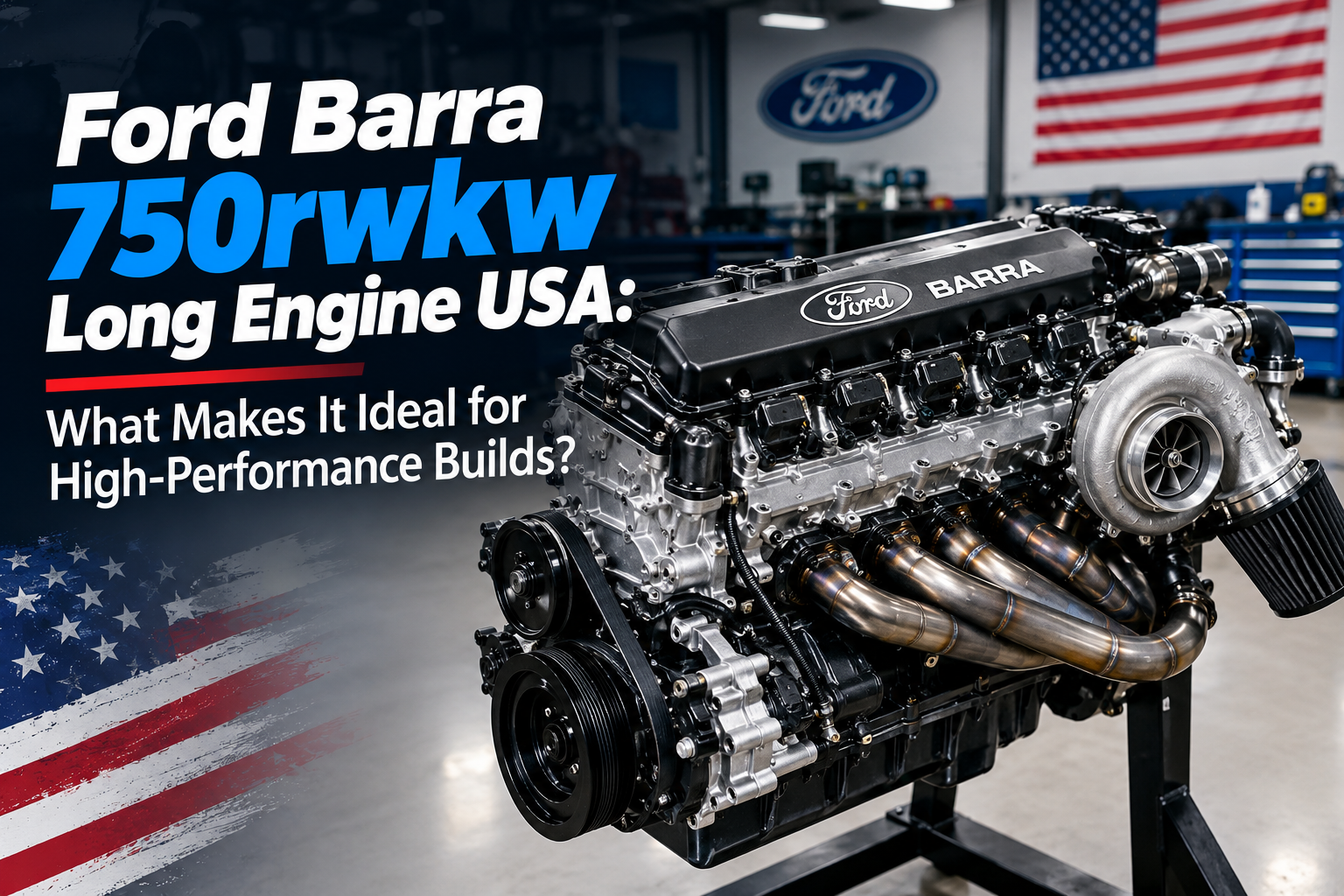
Ever wondered why Australian-built engines have captured the hearts of performance enthusiasts worldwide? Have you heard the thunderous roar of a turbocharged inline-six and felt your pulse quicken? What if there was an engine that could deliver supercar-crushing power without the supercar price tag?
The Ford Barra engine has become something of a legend in high-performance circles. Originally developed for the Australian market, this powerhouse has earned a reputation for handling serious boost while remaining remarkably affordable. When we talk about a 750rwkw (roughly 1000 horsepower at the rear wheels) long engine configuration, we’re discussing a setup that’s turned heads at drag strips and street meets across the globe.
In this article, we’ll explore what makes the Barra engine such a compelling choice for performance builds. From its factory-built strength to its turbo-friendly design, you’ll discover why this Australian icon has become a go-to option for anyone chasing big power numbers. Whether you’re planning a classic Falcon build or considering an ambitious engine swap, understanding the Barra’s capabilities will help you make an informed decision about your next project.
What Is a Barra 750rwkw Long Engine?
Understanding the “Long Engine” Configuration
A long engine refers to a specific engine assembly that includes more components than a bare block. Typically, this configuration features the block, cylinder head, camshaft, and timing components all assembled and ready for installation. Think of it as the complete rotating assembly minus the external accessories like the intake manifold, exhaust manifolds, and ancillaries.
This setup saves builders considerable time and effort. Rather than sourcing individual components and hoping everything fits together properly, you’re getting a pre-assembled unit that’s been built to work as a cohesive package. For performance applications targeting 750rwkw, this often means upgraded internals are already installed.
What Does 750rwkw Actually Mean?
The figure 750rwkw stands for 750 kilowatts at the rear wheels. That’s approximately 1006 horsepower measured where rubber meets tarmac—a genuine, real-world power figure. Unlike engine dyno numbers that don’t account for drivetrain losses, rear-wheel measurements tell you exactly what power is actually available for acceleration.
To put this into perspective, a stock Barra produces around 245kw (328hp) from the factory. Reaching 750rwkw means more than tripling the factory output—a testament to just how much potential sits within that iron block.
Key Specifications and Technical Overview
The Barra is a 4.0-litre inline-six featuring an iron block and aluminium head. Its bore and stroke measure 92mm x 99.3mm, giving it a slightly undersquare configuration that favours torque production. Factory turbo versions came with forged connecting rods and oil-squirters for piston cooling—features typically found in much more expensive performance engines.
Why Is the Ford Barra Engine So Popular for Performance Builds?
The Legendary Strength of the Factory Block
What sets the Barra apart from competitors is its remarkably strong factory foundation. The iron block can handle tremendous cylinder pressures without cracking or distorting. Many builders have pushed well beyond 600kw on completely standard blocks without issue.
This strength comes from Ford Australia’s engineering priorities. The engine was designed to handle the demands of high-speed cruising across vast Australian distances, where reliability was paramount. Those same qualities translate perfectly to performance applications.
Turbo-Friendly Design from the Factory
From 2002, Ford offered the Barra in turbocharged form in the BA Falcon XR6 Turbo. This means the architecture was designed with boost in mind. The lower compression ratio, forged components, and robust oiling system all came standard, making it an excellent starting point for serious builds.
Plus, the inline-six configuration is naturally well-suited to single turbo setups. The exhaust manifold design allows for efficient packaging and excellent pulse energy delivery to the turbine.
Affordability Compared to Other Performance Engines
Perhaps the Barra’s greatest advantage is value. Compared to building a 2JZ or LS combination to similar power levels, the Barra often costs significantly less. The engines remain relatively abundant in Australia, and the aftermarket support has grown substantially over recent years.
What Makes the Barra Better Than an LS for Some Builds?
Inline-Six vs V8: The Power Delivery Difference
The inline-six layout offers distinct characteristics that some builders prefer. The engine produces a smoother power curve with a linear torque delivery that’s easier to manage, particularly in high-horsepower applications. There’s less sudden spike and more progressive pull.
Torque Characteristics and Boost Response
Thanks to its long-stroke design, the Barra generates substantial low-end torque. When combined with proper turbo sizing, this translates to excellent boost response and usable power across a wide rev range. The engine doesn’t need to scream to make power—it simply pulls relentlessly from low RPM.
Simplicity of the Single Turbo Setup
Unlike V8 configurations that often require twin turbo systems for optimal performance, the Barra’s inline layout makes single turbo setups straightforward. This simplicity means fewer components, reduced complexity, and easier tuning—all contributing to better reliability and lower costs.
How Much Power Can a Stock Barra Block Handle?
Factory Block Limitations and Tolerances
The standard Barra block has demonstrated capability to around 700-800kw before builders typically consider billet alternatives. The factory main caps and block webbing handle tremendous loads, though cylinder wall thickness becomes a consideration at extreme power levels.
Common Upgrades to Push Beyond 750rwkw
Reaching and exceeding 750rwkw reliably typically requires:
- Upgraded head studs (commonly ARP)
- Forged pistons with appropriate ring packages
- High-performance gaskets
- Improved oil pump and pickup
- Upgraded valve springs and retainers
Real-World Examples from Australian Drag Racing
Australian drag racing provides countless examples of Barra engines performing at elite levels. Multiple six-second quarter-mile passes have been recorded with Barra power, demonstrating that the architecture can compete with purpose-built race engines costing substantially more.
Is the Ford Barra Reliable at High Power Levels?
Cooling and Oiling Considerations
At elevated power levels, adequate cooling becomes critical. Upgraded oil coolers, high-capacity radiators, and proper coolant management prevent heat-related failures. The factory oiling system benefits from upgraded pumps and baffled sumps for sustained high-G applications.
Common Failure Points and How to Prevent Them
The most common issues at high power include:
- Timing chain tensioner failures (upgraded units available)
- Oil starvation under hard acceleration (baffled sumps solve this)
- Head gasket sealing (quality gaskets and proper torque essential)
Addressing these known weaknesses during the build prevents most failures.
What Modifications Are Needed to Achieve 750rwkw?
Turbocharger Selection and Sizing
Reaching 750rwkw typically requires a large-frame turbocharger capable of flowing substantial air. Popular choices include Garrett G-series or Precision turbochargers sized around 76-82mm compressor wheels, depending on desired response and peak power targets.
Fuel System Upgrades
Supporting 750rwkw demands serious fuel delivery. E85 compatibility is common at this level, requiring high-flow fuel pumps, appropriately sized injectors (typically 2000cc or larger), and upgraded fuel rails and regulators.
Engine Management and Tuning Requirements
Quality aftermarket ECU systems from manufacturers like Haltech or Link are essential. Professional tuning on a chassis dyno ensures the engine runs safely while extracting maximum performance. Budget several thousand dollars for quality calibration.
Supporting Modifications
Beyond the engine itself, transmissions, clutches, driveshafts, and differentials all require attention. A 750rwkw engine will destroy standard components quickly, so comprehensive drivetrain upgrades are non-negotiable.
Popular Vehicle Platforms for Barra Swaps
Classic Ford Falcons and XR6 Turbo Upgrades
The most common application remains Ford’s own Falcon range. The BA through FG models provide ready-made platforms requiring minimal modification. Earlier XD through AU Falcons are popular choices for those wanting classic aesthetics with modern power.
Barra Swaps in Unexpected Chassis
The Barra has found homes in everything from Mazda RX-7s to Toyota Supras and even European chassis. The engine’s relatively compact dimensions and strong aftermarket adapter plate availability make swaps feasible for creative builders.
Is the Barra 750rwkw Long Engine Right for Your Build?
The ford barra 750rwkw long engine USA has earned its legendary status through proven performance and genuine value. Few engines offer comparable power potential at such accessible price points. The combination of factory strength, turbo-friendly architecture, and strong aftermarket support creates an incredibly compelling package for serious performance builds.
Whether you’re chasing drag strip glory or building the ultimate street machine, the Barra delivers. Its smooth power delivery, excellent response, and robust reliability at high power levels make it suitable for various applications. The engine rewards proper preparation with consistent, reliable performance that keeps you smiling every time you plant the throttle.
If you’re considering a high-performance build and haven’t explored the Barra option, now’s the time. With quality long engines available and comprehensive aftermarket support, achieving 750rwkw has never been more accessible. Your dream build might be closer than you think—and it might just speak with an Australian accent.
Author



7 Things to Check Before Hiring Sunroom Contractors

What Really Happens During Your MOT in Southampton

How Godrej Verano Turns Every Day Into a Resort Escape

Outsourcing Interior Design Services and Drafting Support

Medical Scrubs in South Africa

Why Architecture Firms Outsource CAD Drafting Services

How Custom Android Apps Help Restaurants Increase Online Orders

ParagooseStore – New Official Brand and Modern Fashion Collection

Custom Packaging Manufacturer: Best Materials for Every Need

3D Exterior Rendering for Commercial Buildings: Design & Materials

Cybersecurity Consulting Company SequelNet Provides Critical IT Support Services to Medical Billing Firm, Medical Optimum

Meet the Megalodon: The Shark Star of ‘Meg 2’

Reduce Video Game Lag: Level Up Your Gaming Performance

Balancing India’s Entertainment: Cricket vs. Bollywood

Jetsetter’s Secrets: Unveiling Our Favorite Travel Hacks for a Seamless Adventure

The 5 Best Live Sports Streaming Sites: Legal and Exciting!

Hollywood Labor Unrest: The Impact of ‘What About Us?’ Strikes

Unveiling the Magic of Dream Fulfillment at the Late NBA Draft

Illuminate Your Skin: Dr. Axe Unveils Natural Remedies for Lightening Knees and Elbows

Bright Choices: Navigating the Pros and Cons of Skin Whitening Creams with Dr. Axe
-

 Business3 years ago
Cybersecurity Consulting Company SequelNet Provides Critical IT Support Services to Medical Billing Firm, Medical Optimum
-
Entertainment3 years ago
Meet the Megalodon: The Shark Star of ‘Meg 2’
-
Entertainment3 years ago
Reduce Video Game Lag: Level Up Your Gaming Performance
-
 Sports3 years ago
Balancing India’s Entertainment: Cricket vs. Bollywood
-
Entertainment3 years ago
Jetsetter’s Secrets: Unveiling Our Favorite Travel Hacks for a Seamless Adventure
-
Productivity3 years ago
The 5 Best Live Sports Streaming Sites: Legal and Exciting!
-
Art /Entertainment3 years ago
Hollywood Labor Unrest: The Impact of ‘What About Us?’ Strikes
-
Sports3 years ago
Unveiling the Magic of Dream Fulfillment at the Late NBA Draft






