
health
Karela and Jamun: Traditional Ayurvedic Ingredients for Wellness

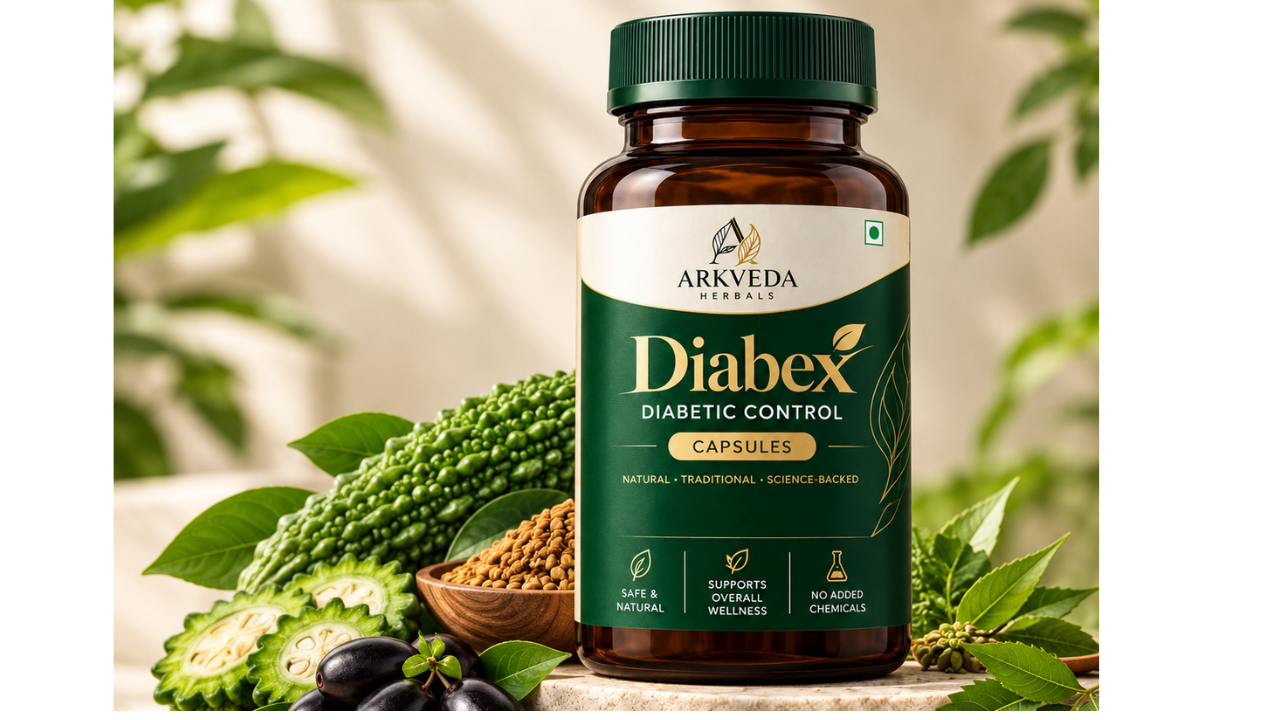
Navigating the constant demands of a busy modern lifestyle often leaves little room for prioritizing core metabolic health, steady digestion, and consistent daily energy. In our fast-paced society, many individuals struggle with mid-day fatigue, irregular eating patterns, and sudden sugar cravings that disrupt their overall sense of physical well-being. While contemporary health crazes and quick-fix dietary trends come and go with changing seasons, ancient Ayurvedic wisdom has relied on time-tested botanicals for thousands of years to maintain natural equilibrium. Among the most revered natural remedies in this holistic healthcare system is the potent combination of Karela (Bitter Gourd) and Jamun (Indian Black Plum). Known for their distinct, sharp taste profiles and rich therapeutic properties, these two traditional ingredients work synergistically to support your body’s overall vitality from the inside out.
The Ayurvedic Perspective: Restoring Internal Harmony
In traditional Ayurvedic philosophy, optimal physical health and mental clarity rely on keeping the body’s three fundamental biological energies—known as the doshas: Vata, Pitta, and Kapha—in complete equilibrium. Every individual possesses a unique constitutional blend of these energetic principles, and maintaining their stability is considered the key to preventing physical disharmony.
Unfortunately, contemporary diets are heavily tilted toward sweet, salty, and heavily processed foods. These modern eating habits can easily throw these natural bio-energies off balance, leading directly to sluggish digestive flow, internal heat accumulation, and metabolic fatigue. When Kapha becomes overly aggravated by heavy or refined foods, the body’s internal fire, or Agni, dims, causing slow food breakdown and an accumulation of unwanted metabolic byproduct known as Ama.
To counteract these pervasive imbalances, foundational Ayurvedic principles highlight the importance of incorporating all six fundamental tastes (Rasas) into daily nutrition:
- Sweet (Madhura)
- Sour (Amla)
- Salty (Lavana)
- Pungent (Katu)
- Bitter (Tikta)
- Astringent (Kashaya)
Most daily modern meals overemphasize the sweet and salty flavors while almost entirely excluding bitter and astringent tones. This is precisely where traditional botanicals step in to bridge the nutritional gap. Karela delivers an intensely bitter note (Tikta), while Jamun adds a cooling, astringent quality (Kashaya). Together, they act as an ideal functional counterweight to modern dietary habits. By reintroducing these crucial flavors into your daily regimen, this powerful herbal pair helps clear metabolic sluggishness, flush out accumulated toxins, soothe excess internal heat, and bring the physical body back into its natural biological rhythm.
Essential Health Benefits of Karela (Bitter Gourd)
While Karela’s sharp bitterness undoubtedly makes it an acquired taste at the dinner table, its functional benefits for overall metabolic wellness are extensively documented in both ancient classical texts and contemporary botanical studies.

- Cellular Glucose Regulation: Karela naturally contains a complex array of active plant compounds, most notably charantin, vicine, and polypeptide-p. The latter is a naturally occurring plant protein that functions similarly to human insulin. These active bio-compounds work together at a cellular level to encourage efficient glucose uptake into tissue cells. Consequently, regular intake helps maintain healthy blood sugar levels already within a normal range.
- Liver Support and Detoxification: Bitter botanicals are celebrated across traditional medicine systems for acting as natural tonics for the liver—the central filtration organ of the human body. Karela gently stimulates liver activity, encouraging smooth bile flow and supporting essential enzymatic activity. This process aids the body’s natural detoxification pathways, clearing metabolic waste and promoting healthy, radiant skin from within.
- Enhanced Digestive Secretions: The intense bitter taste of Karela actively stimulates taste receptors on the tongue, triggering a physiological cascade that increases saliva and gastric juice production. As a result, it helps prevent post-meal bloating, heaviness, and sluggish gastrointestinal movement.
The Unique Therapeutic Strengths of Jamun (Indian Black Plum)
Jamun complements Karela perfectly by providing targeted carbohydrate management and exceptional antioxidant support. Indigenous to the Indian subcontinent, every part of the Jamun tree—including its rich fruit pulp, bark, and nutrient-packed seeds—holds immense therapeutic value in classic Ayurvedic practice.
- Managing Carbohydrate Absorption: The seeds of the Jamun fruit are particularly prized for harboring beneficial plant glycosides, most notably jamboline. This unique bio-compound plays a vital role in slowing down the enzymatic conversion of complex starches into simple sugars within the digestive tract. By moderating this breakdown process, Jamun helps prevent rapid post-meal spikes in blood glucose and supports sustained, even-keeled energy levels throughout the afternoon.
- Potent Antioxidant Protection: The vibrant, deep purple color of the Jamun fruit stems from dense concentrations of anthocyanins and polyphenols. These natural antioxidants effectively neutralize harmful free radicals generated by environmental stress, poor diet, and natural biological processes. Consequently, they help protect tissue cells against oxidative damage and support long-term cellular integrity.
- Pancreatic Health and Endurance: Classical texts frequently reference Jamun for its gentle, restorative action on the pancreas. By supporting the organ responsible for insulin synthesis, Jamun fosters long-term pancreatic resilience and maintains healthy metabolic endurance across every stage of life.
How Their Synergy Enhances Daily Wellness
While each botanical offers remarkable health benefits when used independently, pairing Karela and Jamun creates a multi-targeted, synergistic formula. Their combined activity addresses metabolic and digestive health far more comprehensively than either ingredient can achieve alone.
| Health Focus | Karela (Bitter Gourd) | Jamun (Black Plum) | Combined Synergistic Action |
| Metabolic Care | Facilitates cellular glucose uptake via polypeptide-p | Regulates starch conversion via jamboline | Dual-action approach regulating both absorption and cellular utilization |
| Digestion & Gut | Stimulates digestive enzymes with bitter Tikta taste | Tones intestinal lining with astringent Kashaya taste | Tones gastrointestinal tract, eliminates heaviness, and curbs sugar cravings |
| Energy & Stamina | Prevents rapid glucose accumulation in the bloodstream | Moderates post-meal sugar release | Minimizes afternoon energy slumps and promotes sustained daily stamina |
Dual-Action Metabolic Support: While Karela actively assists your body’s cells with effective glucose utilization, Jamun works upstream in the digestive system to regulate carbohydrate breakdown and starch absorption. This dual mechanism creates a balanced environment for maintaining healthy blood sugar parameters throughout the day.- Improved Digestion and Craving Control: The combination of bitter and astringent properties works like a natural broom for the digestive tract. It tones the mucosal lining of the stomach and intestines, soothes minor digestive discomfort, and helps eliminate accumulated metabolic waste. Furthermore, regularly tasting bitter and astringent flavors naturally recalibrates the palate, making it significantly easier to curb sudden cravings for refined sugars and heavily processed snacks.
- Sustained Energy and Stamina: Fluctuations in blood sugar are often the primary culprit behind feeling exhausted or foggy a few hours after eating. By promoting steady, gradual glucose absorption and efficient cellular fuel delivery, this pairing prevents dramatic mid-afternoon energy slumps, helping you maintain sharp mental clarity and physical vigor all day long.
Simple Ways to Make Karela and Jamun Part of Your Daily Routine
Despite their proven health benefits, preparing fresh Karela and Jamun on a daily basis can be challenging for most people. Fresh Jamun is highly seasonal, available for only a short window during the summer months, while the raw preparation of Karela requires extensive washing, peeling, and juicing to manage its intense taste profile.
Fortunately, modern botanical extractions, organic standardized juices, and pure liquid formulations allow you to experience their full range of therapeutic benefits conveniently every single day without the hassle of manual preparation.
To discover authentic, meticulously crafted wellness solutions made from traditional herbs, explore Arkveda Herbals. Incorporating a single serving of high-quality Karela-Jamun liquid extract or pure juice into your morning routine roughly 20 to 30 minutes before breakfast is one of the simplest, most effective steps you can take toward encouraging lifelong metabolic health. Drinking this functional blend first thing in the morning allows the active bio-compounds to interact directly with your digestive tract, waking up your metabolism and preparing your system for the day ahead.
Embracing Long-Term Botanical Care
Sustainable, long-term health rarely demands complicated lifestyle overhauls, expensive equipment, or extreme diets. More often than not, the simplest habits rooted in nature offer the most meaningful and enduring rewards. By welcoming the functional goodness of Karela and Jamun into your daily routine, you actively nourish your digestive core, support your metabolic vitality, and establish a meaningful connection with centuries of natural herbal care.
Whether you are looking to manage post-meal sluggishness, support healthy blood sugar balance, or simply introduce traditional Ayurvedic principles into your modern lifestyle, this dynamic botanical duo offers a reliable, time-tested foundation. If you have specific questions about integrating these natural remedies into your personal daily schedule or want to discover which herbal formulations best align with your current health goals, visit the Arkveda Herbals Contact Page to reach out for guidance on your personal journey toward natural wellness. Start nurturing your body with the pure power of Ayurveda today!
Author


Overview
Walk into any gym, office, or family function in India today and you will hear someone talking about a weight loss injection. GLP-1 weight loss injections have moved from doctors’ clinics into everyday conversation. People are curious, hopeful, and sometimes confused. This article explains in simple words why these injections attract so many people and why losing weight the usual way feels so tough.
Why These Injections Attract So Many People
The biggest draw is simple. Many people have tried diets, gym memberships, and morning walks for years, only to see the scale creep back up. When a medical option promises steady, visible change, it feels like a fresh start. Medicines such as Ozempic and Mounjaro have made GLP-1 treatments widely talked about, though they should only be used when prescribed by a qualified doctor.
These injections work on the hormones that tell your brain you are full. Many users say they feel less hungry and think about food less often. For someone who has battled constant cravings, that can feel like a huge relief.
Think of Meena, a 38 year old teacher in Pune. She skips breakfast, eats late after school, and has tried four diet plans in six years. Each time she lost a few kilos and then gained them back. When her doctor mentioned an injection, it sounded like the first practical option she had heard in a long time.
The Weight Problem in India Is Real
The numbers show why this topic matters. The ICMR-INDIAB study, published in The Lancet Diabetes and Endocrinology in 2023, found that about 28 percent of Indians have general obesity and nearly 40 percent have extra fat around the belly. The same study estimated that over 100 million Indians are living with diabetes.
The National Family Health Survey 5, carried out between 2019 and 2021, found that around 24 percent of women and 23 percent of men were overweight or obese. That is almost one in four adults. Many of them simply want to feel healthier.
Why Losing Weight the Usual Way Feels So Hard
Weight loss is rarely just about willpower. Long work hours, stress, and late dinners push many people toward quick, heavy meals. Poor sleep makes hunger hormones go up, so cravings get louder. Family meals filled with rice, fried snacks, and sweets can also make it hard to say no without feeling left out.
Genes and hormones play a part too. Some bodies store fat more easily, and some feel hungrier than others even after eating well. When a person loses weight, the body often fights back by increasing hunger. This is why so many people lose weight and then regain it, and it has nothing to do with being lazy.
The ICMR National Institute of Nutrition, in its 2024 dietary guidelines for Indians, stresses balanced meals, less sugar and oil, and regular activity as the base of good health. These habits matter with or without any medicine. The difficulty is keeping them up in a busy life.
What These Injections Can and Cannot Do
GLP-1 weight loss injections can help reduce appetite and support steady weight loss when used under a doctor’s care. They are not a magic fix, and they do not replace healthy food or movement. Doctors usually combine them with diet advice, light exercise, and regular check ups.
Side effects are real. Some people feel nauseous, bloated, or constipated, especially in the early weeks. Others may notice tiredness or a loss of muscle if they do not eat enough protein. Also, many people regain weight after stopping the injections, which is why doctors plan the treatment carefully.
Who Should Be Careful
These injections are not right for everyone. People with certain stomach, pancreas, thyroid, or kidney problems may need to avoid them. Pregnant women and those planning a pregnancy should speak to a doctor first.
Caregivers have an important role here. If a parent or partner is considering an injection, help them ask the doctor about benefits, risks, and costs. Avoid buying injections from unverified sellers or following social media advice. Fake or wrongly stored products can be risky.
A Choice Without Judgment
Choosing an injection is not a sign of weakness, and choosing the traditional path is not old fashioned. Every body and every life is different. What matters is an informed, safe decision guided by a trusted doctor.
Key Takeaways
- Many people turn to GLP-1 weight loss injections because years of dieting have left them tired and discouraged.
- Stress, poor sleep, genes, and family eating habits make normal weight loss harder than it looks.
- Indian data from ICMR-INDIAB and NFHS-5 shows that weight problems are widespread.
- These injections can cause side effects and work best with healthy habits.
- Always take medical advice before starting, stopping, or changing any medicine.
Conclusion
GLP-1 weight loss injections have given many people new hope, but they are only one part of a bigger picture. Understanding why they attract so many of us, and why regular weight loss feels so hard, helps us be kinder to ourselves and others. Talk openly with a qualified doctor, ask questions, and choose what suits your health and your life.
Disclaimer
This content is meant for general awareness only and is not medical advice. It should not be used to diagnose, treat, or decide on any health condition. Please consult a qualified doctor before starting, stopping, or changing any medicine.
Author


Most people assume the real work with a dietitian happens during the first consultation. In reality, the follow-up appointments are where lasting change actually takes shape. A detailed initial assessment sets the direction, but it’s the ongoing check-ins that keep you accountable, help you troubleshoot challenges, and fine-tune your plan as your body and lifestyle evolve.
A good follow-up appointment with the best dietitian in Chandigarh involves reviewing your progress against initial goals, reassessing dietary habits, adjusting your plan for lifestyle changes, and monitoring lab results. Consistent, personalized follow-ups—not one-time consultations—are what drive lasting results in diet and nutrition management.
Skipping or rushing through follow-ups is one of the most common reasons diet plans fail. Without regular reassessment, even the best-designed nutrition plan can become outdated or ineffective. This is why choosing the best dietitian in Chandigarh isn’t just about the first meeting—it’s about the quality and consistency of every follow-up that comes after.
What Makes a Good Follow-Up Appointment?
A well-structured follow-up appointment should never feel like a repeat of your first session. Instead, it builds on what’s already been established and moves your health goals forward. Here’s what it typically includes:
- Tracking progress against initial health goals: Your dietitian should compare your current status with where you started, whether that’s weight, energy levels, or specific health markers.
- Reassessing dietary habits and identifying obstacles: Life gets busy, and sticking to a plan isn’t always easy. A good follow-up uncovers what’s working and what isn’t.
- Adjusting nutrition plans based on lifestyle changes: Job changes, travel, stress, or new routines all affect eating patterns. Your plan should adapt accordingly.
- Monitoring lab results and health markers: For many patients, especially those managing chronic conditions, tracking blood work over time reveals whether the plan is producing real physiological change.
The Role of the Best Dietitian in Chandigarh
The best dietitian in Chandigarh brings more than textbook nutrition knowledge to the table. Effective care depends on a few key qualities:
Personalized approach to each patient’s unique needs. No two people respond to the same diet plan in the same way. A good dietitian treats your body history, preferences, and goals as central to every decision, not an afterthought.
Regular communication and accessibility. Progress happens between appointments, not just during them. Being able to reach your dietitian with questions or concerns as they arise makes a measurable difference in outcomes.
Evidence-based recommendations tailored to local food culture. Generic diet advice rarely accounts for regional eating habits. The best dietitian in Chandigarh understands local food culture and builds recommendations around it, rather than asking patients to follow a plan built for a different context.
Key Elements of Effective Follow-Up
Beyond the basics, a few specific elements separate an effective follow-up from a forgettable one:
- Reviewing food journals and dietary compliance: If you’re tracking meals, your dietitian should actually go through them with you, not just ask how things are going.
- Addressing emerging health concerns proactively: New symptoms or changes in energy, digestion, or mood should be flagged and discussed, not dismissed.
- Celebrating progress and maintaining motivation: Acknowledging wins, even small ones, keeps patients engaged with their plan long-term.
- Setting realistic, measurable goals for the next phase: Vague encouragement doesn’t help. Clear, specific targets give you something concrete to work toward before the next check-in.
Follow-Up Care for Diabetes Patients
Diabetes management requires a more rigorous follow-up structure than general wellness plans. Blood sugar levels can shift quickly in response to diet, stress, activity, and medication, so patients need closer, more frequent monitoring than someone pursuing general weight management.
A diabetes-focused follow-up typically includes more frequent blood sugar checks, careful adjustments to carbohydrate intake and portion sizes, and direct discussions about how diet choices interact with prescribed medication. Coordinating diet and medication is especially important, since changes in one often require adjustments in the other. Patients managing diabetes should look for a dietitian who treats these follow-ups as a priority, not a routine formality.
How to Choose the Best Dietitian in Chandigarh
With so many options available, choosing the Best Dietitian in Chandigarh can feel overwhelming. A few factors make the decision easier:
- Qualifications and certifications to verify: Confirm your dietitian holds recognized credentials in nutrition or dietetics before committing to a long-term plan.
- Communication style and patient rapport: You should feel comfortable asking questions and sharing setbacks honestly.
- Accessibility for consistent follow-up appointments: A dietitian who’s hard to reach or frequently reschedules makes consistent follow-up difficult.
- Track record with similar health conditions: Experience managing conditions like diabetes, PCOS, or thyroid issues matters if you’re dealing with one of these yourself.
Red Flags to Avoid
Not every dietitian delivers the same standard of follow-up care. Watch for these warning signs:
- Sporadic or rushed follow-up sessions that feel more like a formality than genuine assessment.
- Generic meal plans without personalization, especially ones that ignore your stated preferences or restrictions.
- Lack of progress tracking mechanisms, meaning there’s no clear way to measure whether the plan is actually working.
If your appointments consistently feel rushed or generic, it may be worth reconsidering whether your current plan includes the depth of follow-up that drives real results.
The Value of a Committed Dietitian-Patient Partnership
Good nutrition outcomes rarely come from a single consultation. They come from a sustained partnership built on regular follow-up, honest communication, and a willingness to adjust the plan as life changes. Whether you’re managing diabetes, working toward a weight goal, or simply trying to eat better, the quality of your follow-up care often matters more than the plan itself.
If you’re currently evaluating your options for the Best Dietitian in Chandigarh, consider looking at resources like The Eat Well Plate as a reference point for what thoughtful, ongoing dietary support can look like.
Frequently Asked Questions
How often should I have follow-up appointments with my dietitian?
Most patients benefit from follow-ups every two to four weeks, though those managing conditions like diabetes may need more frequent check-ins to monitor blood sugar and adjust their plan.
What should I bring to a follow-up appointment?
Bring your food journal, any recent lab results, and a list of questions or concerns that have come up since your last visit.
Can follow-up appointments be done online?
Yes, many dietitians offer online follow-up consultations, which can make consistent tracking easier for people with busy schedules.
What happens if I don’t see progress during follow-up?
A good dietitian will reassess your plan, identify obstacles, and adjust your approach rather than simply repeating the same recommendations.
Is follow-up care included in most diet plans?
This varies by provider, so it’s worth confirming upfront whether ongoing follow-up consultations are included or billed separately.
Author



Both conventional and organic infant milk formulas contain similar ingredients and nutrients. However, organic milk formulas are more expensive and have varying certifications. It is expected that the Saudi Arabia Infant Formula market will reach 617 million USD in 2033. With so many options available, it is understandably difficult for parents to make the right choice.
Conventional Formula Milk
Also known as regular milk formula, it is a commercially manufactured milk substitute to breast milk. It is primarily made from cow’s milk, and modifications are made to make it resemble human milk. Regular milk formula is more economical and contains essential nutrients for the growth and development of infants under the age of one year.
Regular milk formula is available in three formats; powder, concentrate and ready to feed. Powder and concentrate formats require the addition of water for use. Ready to feed formula is prepared and packed for use. Ready to feed formula is often preferred because of time constraints in preparation.
Organic Formula Milk
Organic milk formulas are made from cow’s milk which is derived from organically farmed animals and contains no genetically modified organisms, synthetic pesticides or fertilizers. Organic milk formulas contain essential nutrients for a baby’s growth and development.
Like conventional milk formulas, organic milk formulas are available in powder, concentrate and ready to feed forms. Preparation and additional steps are required prior to use for the first two formats. Ready to feed organic milk formulas are convenient because they eliminates the need for preparation.
This product is geared more towards parents that already use organic products. The main appeal of the product is using organic ingredients as opposed to conventional ingredients. Overall, parents are looking for products that are as safe as possible. This can include concern for the environment and the parents’ personal well-being.
Regular vs. Organic Formula
There are five main characteristics of infant formulas: ingredients, nutrition, cost, regulations and taste/digestion.
Ingredients: The main difference of the two is that conventional formulas contain artificial and synthetic ingredients and additives. Organic formulas can not contain those.
Nutrition: Both conventional and organic formulas are regulated to ensure that they contain essential nutrients for infant’s development.
Cost: Organic formulas are more expensive than conventional formulas because of the regulations and organic farming.
Regulations: For formulas to be sold in the U.S., they must meet FDA’s nutrient standards.
Taste/Digestion: Each formula can vary and parents should read labels to ensure ingredients are acceptable.
Regulation and certification. Organic formulas are subject to regulations and standards that ensure practices and processes that are organically compliant. Other standards and regulations apply to all infant formula and ensure safety and nutritional adequacy.
Taste and digestion. Parents often observe improved digestibility of organic formula. This may be because organics, unlike other formulas, do not contain certain ingredients that may be added for nutritional value. Additionally, infants often exhibit preferences for particular formulas, resulting in many available brand options.
Choosing the Right Formula for Your Baby.
Many factors lead to the belief that choosing the right infant formula is difficult. This comparison demonstrates that formula production and distribution shares many similarities, and a series of steps can simplify formula selection.
- Consider your beliefs. Many parents prefer their child’s formula to contain only organically sourced ingredients. Other parents may not consider organics to be important. The choice of formula should be based on the family’s preferences and values.
- Think about your resources. Consider the economic costs of organically sourced ingredients. The price of organic formula is often greater than that of other formulas.
- Seek input from your child’s health care provider. A child’s health care provider may recommend a particular formula based on the child’s specific needs and sensitivities, which may not be considered during formula selection.
- Watch for signs your baby is comfortable and accepting the formula. Consider overall weight gain. Regular, well-formed bowel movements are also positive signs.
- Sometimes parents have to be creative when dealing with the needs of a growing family. If you find your baby is not tolerating your first selection, try the other type and see if there are any differences in your baby’s behavior and bowel movements.
The Main Idea
There are differences in the production and sourcing of the ingredients of both regular and organic infant formula, as well as cost and the level of certification. Ultimately, both kinds of formula are manufactured to provide the essential nutrients for a child at that particular stage of growth and development. Parents should consult their pediatrician and understand their budget in order to analyze each alternative carefully prior to making a purchase.
Cost and certification: There are regulations set by the USDA for the organic label. Formula that is not organic is not required to follow any guidelines. As such, organic formula typically costs more.
Nutrition and tolerance: Labels can provide information on nutrients, and ultimately, each formula is manufactured to provide essential nutrients for an infant.
Author



Outsourced Bookkeeping: What It Is and How It Helps Your Business

Bookkeeping for Small Business: A Simple Guide

Refreshing Summer Drinks: 15 Easy Homemade Beverages to Beat the Heat

How Flooring Drafting Supports Large-Scale Construction Projects

Hydro-Jetting: An Effective Solution for Stubborn Drain

Construction Documentation Process: Concept to Execution

FIBC Bag Exporter From India: Complete Buyer’s Guide

The Role of Millwork Drafting in Commercial Interior Construction

Choosing the Right Millwork Shop Drawing Partner

Amazon Prime Day Sale and the Next Flipkart Sale Dates to Expect

Cybersecurity Consulting Company SequelNet Provides Critical IT Support Services to Medical Billing Firm, Medical Optimum

Meet the Megalodon: The Shark Star of ‘Meg 2’

Reduce Video Game Lag: Level Up Your Gaming Performance

Balancing India’s Entertainment: Cricket vs. Bollywood

Jetsetter’s Secrets: Unveiling Our Favorite Travel Hacks for a Seamless Adventure

The 5 Best Live Sports Streaming Sites: Legal and Exciting!

Hollywood Labor Unrest: The Impact of ‘What About Us?’ Strikes

Unveiling the Magic of Dream Fulfillment at the Late NBA Draft

Illuminate Your Skin: Dr. Axe Unveils Natural Remedies for Lightening Knees and Elbows

Bright Choices: Navigating the Pros and Cons of Skin Whitening Creams with Dr. Axe
-

 Business3 years ago
Cybersecurity Consulting Company SequelNet Provides Critical IT Support Services to Medical Billing Firm, Medical Optimum
-
Entertainment3 years ago
Meet the Megalodon: The Shark Star of ‘Meg 2’
-
Entertainment3 years ago
Reduce Video Game Lag: Level Up Your Gaming Performance
-
 Sports3 years ago
Balancing India’s Entertainment: Cricket vs. Bollywood
-
Entertainment3 years ago
Jetsetter’s Secrets: Unveiling Our Favorite Travel Hacks for a Seamless Adventure
-
Productivity3 years ago
The 5 Best Live Sports Streaming Sites: Legal and Exciting!
-
Art /Entertainment3 years ago
Hollywood Labor Unrest: The Impact of ‘What About Us?’ Strikes
-
Sports3 years ago
Unveiling the Magic of Dream Fulfillment at the Late NBA Draft






