
Uncategorized
Trending LMS Platforms for Corporate Training

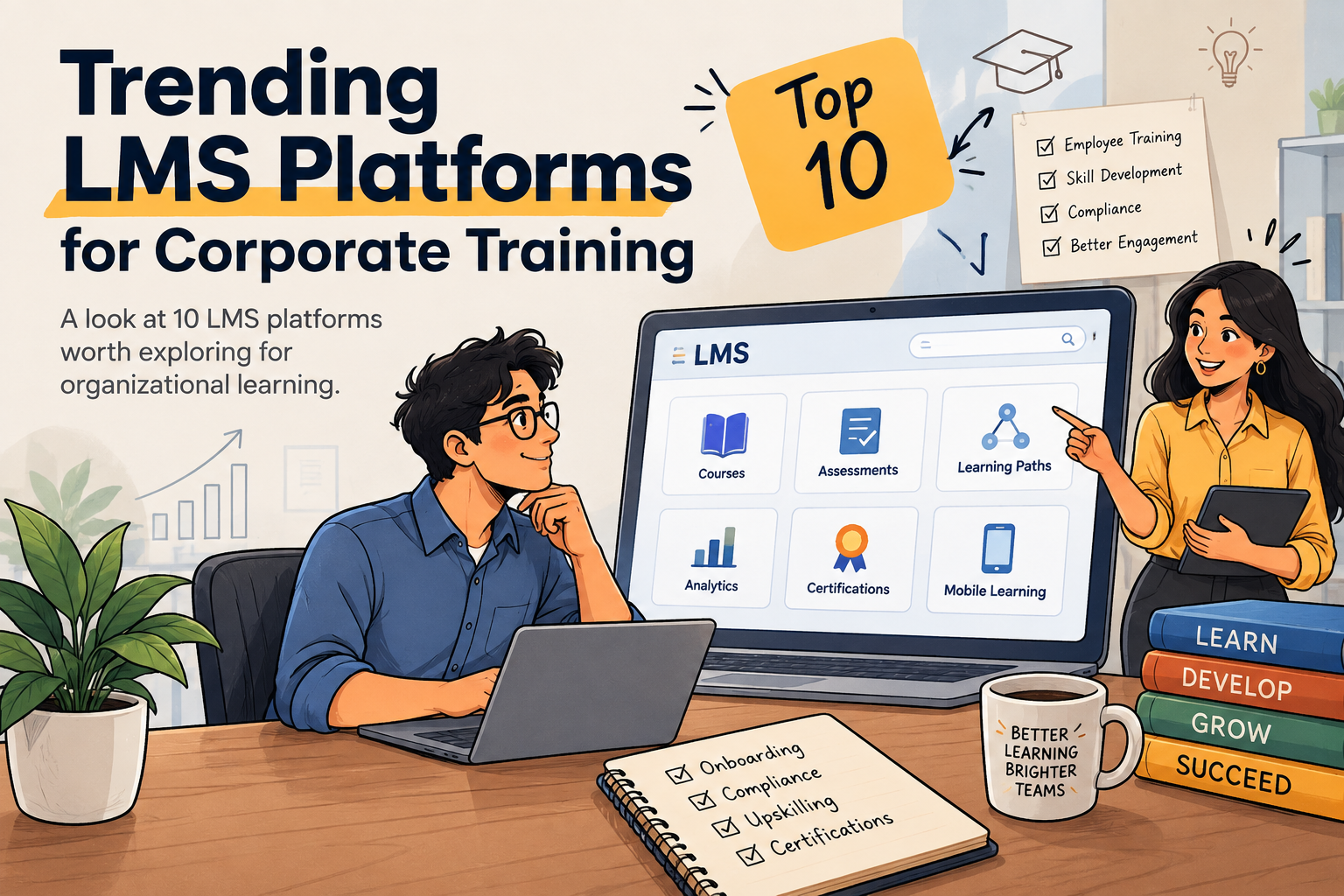
Corporate learning has moved beyond simply uploading courses and tracking completion. Organisations now look for LMS platforms that support employee development, compliance, skills, engagement, analytics and evolving business needs.
Today, businesses are looking for learning platforms that can support employee onboarding, compliance, skills development, assessments, certifications, analytics, personalised learning and, increasingly, AI-enabled learning experiences.
However, choosing an LMS is not a simple process. Different organisations have different workforce sizes, learning objectives, technology environments and operational requirements.
Here are 10 Corporate LMS platforms worth exploring for corporate and organisational training in 2026.
1. Stratbeans
Let’s start with one that we think deserves to be part of the conversation.

Stratbeans has fully dedicated its work heavily focused on Corporate organizations and learning, rather than treating an LMS simply as a place to upload courses.
The company works with enterprises on LMS, custom eLearning and corporate training solutions, with platforms such as Bytecasting LMS and ATUM LMS. Its current LMS offering covers areas including employee training, compliance, skills development, analytics, integrations and hybrid learning.
Worth exploring if: You’re looking for a corporate-focused LMS or a more customized elearning solution.
Putting Stratbeans at #1 here isn’t meant to say it’s universally better than the platforms below. I am putting it first because this community is particularly interested in corporate LMS solutions, and Stratbeans’ long-term focus on organizational learning only makes it an interesting starting point.
2. Docebo
Docebo is one of the names that regularly appears in enterprise LMS conversations.
It combines learning management with areas such as AI, skills, analytics, content and extended-enterprise learning.
Worth exploring if: You’re dealing with a large or complex learning environment and need more than basic course administration.
3. Cornerstone
Cornerstone has been a familiar name in enterprise learning for years.
Its platform extends beyond traditional LMS functionality into areas such as skills, talent and workforce development.
Worth exploring if: Your organization wants learning to sit closely alongside broader talent and workforce processes.
4. SAP Litmos
SAP Litmos is focused on corporate training and includes capabilities around learning delivery, assessments, compliance and employee development.
It can be particularly relevant for organizations that already operate within a broader SAP environment.
Worth exploring if: Compliance, structured employee training and enterprise integration are important considerations.
5. Absorb LMS
Absorb is another established corporate LMS, with capabilities spanning training administration, reporting, engagement and integrations.
It’s also used for different audiences, including employees, customers and partners.
Worth exploring if: Your organization needs to deliver learning beyond just its internal workforce.
6. LearnUpon
LearnUpon takes a relatively straightforward approach to LMS management while supporting multiple learning audiences.
And that’s useful because organizations often start with employee training and eventually realise:
“Oh… we need to train our customers and partners too.”
We’ve all been there. 😄
Worth exploring if: You need employee, customer or partner training through one learning environment.
7. 360Learning
360Learning takes a different angle by putting collaborative learning at the centre.
The idea is that subject-matter experts within an organization can contribute to creating and maintaining learning content.
Worth exploring if: Your organization has a lot of internal expertise that needs to be turned into shareable knowledge.
8. TalentLMS
TalentLMS is often considered by organizations looking for a more accessible LMS without jumping immediately into the complexity of a large enterprise learning suite.
It covers common requirements such as courses, assessments, reporting and employee training.
Worth exploring if: You’re a smaller or mid-sized organization looking for a relatively straightforward LMS.
9. D2L Brightspace
D2L Brightspace is another established learning platform that has expanded beyond traditional academic environments into corporate learning.
Its capabilities include learning delivery, analytics, assessments and personalized learning.
Worth exploring if: You want a mature learning platform with strong learning and analytics capabilities.
10. Moodle Workplace
Moodle is probably a name almost everyone in the eLearning world has encountered.
Moodle Workplace takes the familiar Moodle foundation and adapts it for organizational learning, with features designed around workplace training and administration.
The open-source roots also make it interesting for organizations that value control and flexibility.
Worth exploring if: Your organization values flexibility, customization and control over the learning environment.
What does your organisation actually need from an LMS?
Because “corporate LMS” can mean very different things.
Maybe you need:
- Employee onboarding
- Compliance training
- Upskilling & reskilling
- Certifications
- Skills management
- Customer or partner training
- Mobile learning
- AI-powered learning
- Advanced reporting
- HRMS/CRM integrations
- Custom workflows
- Multi-language learning
- Frontline workforce training
And that’s where LMS selection gets interesting.
The platform with the flashiest demo might not be the platform that works best for your actual workforce.
Choosing a Corporate LMS Platform
The right Corporate LMS partner depends on what an organisation is trying to achieve.
Before selecting a company, it is worth looking at factors such as instructional design expertise, content formats, industry experience, scalability, LMS compatibility, localisation, turnaround time and customisation capabilities.
Most importantly, good eLearning content should do more than convert a PowerPoint presentation into an online course. It should make complex information easier to understand, relevant to the learner and useful in the workplace.
The technology matters. But the learning experience matters even more.
Author



A commercial architectural rendering project brief is a set of written instructions that helps a visualization team understand a client’s requirements and produce an image that represents the project accurately. A well-prepared brief specifies the perspective, views, source files, and expected output, giving every member of the project team a clear definition of the scope of work.
The project team may include the client, architect, developer, and marketing team. Without a brief, projects often suffer from misdirected work, unreconciled changes, cost overruns, and, above all, missed deadlines. Preparing the brief early makes it easier to fold the design intent into the rendering scope.
At McLine Studios, we have worked on a wide variety of design and construction projects. Our experience shows that a 3D rendering project helps design and construction teams align their scopes and integrate the design into the build. This guide explains what a commercial 3D visualization brief should address and includes a checklist you can adapt for future projects.
What Goes Into a Commercial Architectural Rendering Brief?
An architectural rendering brief is the information a client provides to a visualization studio before production begins. It usually consists of the project scope and a description of the design intent. It may also include:
- Preferences for materials and finishes
- Site context
- Camera and lighting requirements
- The type and quantity of people, vehicles, and landscaping
- The type and size of the output
- The deadline and the client’s preferences for revisions
Why a Comprehensive Brief Is Essential for Commercial Projects
Commercial projects typically involve more stakeholders and more levels of approval than residential ones, so a comprehensive brief is especially important. A detailed commercial rendering brief generally:
- Aligns architects and designers on the project
- Limits the need for revisions
- Defines scope and cost
- Reduces the time needed to produce renders
- Produces a consistent image outcome
- Improves communication between the design and rendering teams
Because commercial visualization draws on input from many stakeholders, the quality and completeness of the brief directly affect the success of the project.
10 Key Elements of a Professional Commercial Rendering Brief
1. Project Overview and Building Type
Start with a short summary of the project: name, location, stage, building type, and approximate size. The planned use of the building influences how it is designed and built, and therefore how it should be rendered. A hotel and a retail establishment will be interpreted very differently, as will a small hotel and a large retail space. Providing this context up front saves time and shapes every decision that follows.
2. Project Goals and Intended Use of the Renderings
Explain how the images will be used. Common purposes include:
- Investor presentations
- Planning or approval meetings
- Client presentations
- Leasing or pre-sale packages
- Marketing collateral, websites, brochures, and social media
Intended use affects image composition, size, and level of detail. Marketing collateral may require higher resolution than a website, and an image for a zoning board will be more precise than one for a leasing brochure.
3. CAD, BIM, and Design Files
Supply AutoCAD, Revit, or SketchUp files, 3D models, floor plans, elevations, sections, site plans, and material boards. Because design files go through multiple revisions, confirm which ones represent the latest approved design. Where several disciplines provide conflicting information, indicate which inputs take priority. These files are the foundation for an accurate rendering.
4. Materials, Finishes, and Design Specifications
Provide information on façade, flooring, wall, and roof finishes, glazing, metal, wood, and stone, as well as furniture and fittings. Include material boards and, where available, product names and finish codes. Precise material definitions remove ambiguity and prevent texture inconsistencies during production.
5. Camera Angles and Required Views
Identify the views you need:
- Street and hero views
- Aerial or drone views
- Entrance and corner views
- Interior and common-area views
- Site and parking views
- Views of the surrounding area
Reference photos, sketches, or diagrams showing camera positions help the team understand exactly what you want, reduce revision requests, and keep production efficient.
6. Site Context and Exterior Environment
Describe the surrounding built and natural environment: buildings, roads and bridges, public and private transportation, land use, topography, vegetation, and streetscape elements. For commercial projects, include surrounding land uses, neighboring buildings, setbacks, and the width of the public right-of-way. Site-specific detail conveys a sense of place and keeps the design from appearing generic.
7. Interior Design and Space-Specific Requirements
Address furniture, fixtures, finishes, decor, lighting, ceiling details, floor and wall treatments, and branding, along with the expected level of occupancy. Describe each space and indicate which elements carry the most visual importance. A hotel lobby, for example, matters more than a staff corridor. Interior details should also be consistent with the exterior design.
8. Lighting, Time of Day, and Atmosphere
Indicate your preferred time of day (day, dusk, or night), lighting type (natural or artificial), season, and overall mood, whether vibrant, cozy, or stern. Lighting direction and timing can change how a scene is interpreted. A street rendered in daylight looks very different from the same view at dusk with interior lights glowing. Getting this balance right is what allows a photorealistic rendering to express your vision.
9. People, Vehicles, Landscaping, and Other Visual Elements
Specify whether to include people, vehicles, landscaping, signage, and other elements, and whether the scene should show a few representative details or many. A reasonable number of these elements helps communicate the intended use and commercial potential of the space.
10. Output Specifications, Deadlines, and Revision Requirements
Define:
- Final resolution and aspect ratio
- File format (JPG, PNG, TIFF, or PDF)
- Digital or print use, and presentation or web use
- Number of final views
- Deadline and key dates
- Number of revision rounds
- Delivery method
- Who makes the final decision on each revision
Indefinite sign-off is one of the main reasons schedules slip, so identifying the decision-maker early helps prevent last-minute surprises.
Rendering Brief Checklist: Files and Information to Include
Use this checklist before sending a brief for CAD files, architectural rendering, or project visualization.
| Item | Why It Matters |
| Project plans | Establish dimensions and layout |
| Elevations | Show the exterior features of the design |
| Sections | Show how design elements relate to one another |
| CAD/BIM files | Show the design and its elements as built |
| Site plan | Shows the setting and context |
| Sample board | Shows materials and finishes |
| Furniture schedule | Lists furnishings and fittings |
| Landscape plan | Shows outdoor surroundings and planting |
| Reference images | Communicate the design intent |
| Brand standards | Guide branded elements and visual consistency |
| Camera distances | Define the limits of each view |
| Output standards | Define technical delivery requirements |
Not every project will supply all twelve items at the briefing stage, and that is acceptable. The aim of the briefing is to determine what is missing. Providing as much as possible early prevents surprises in production, clarifies the terms of the rendering agreement, and speeds up file review.
Exterior vs. Interior Rendering Briefs: What Changes
Exterior Rendering Briefs
Exterior briefs should cover sight lines, site conditions, and views, along with surrounding site walls, planting, signage, paving, and other adjacent built and unbuilt conditions. Time of day and sun altitude greatly influence how a site is perceived and rendered. Producing street scenes early builds momentum and can help overcome initial hesitation about a design. Our 3D exterior rendering services are based on briefs like these.
Interior Rendering Briefs
Interior briefs should address function, design elements, finish materials, lighting, branding, occupancy, camera positions, and how spaces relate to one another. Understanding how a space will be used over time helps determine the best way to arrange and present it. Because interior elements differ so much from those used to define exteriors, our 3D interior rendering team gathers interior information separately.
When to Include CAD Rendering in Your Project Brief
CAD rendering turns digital representations of built environments into still images. To do this, the client provides technical plans, elevations, engineering drawings, or other 2D drawings. The request may come at any project stage, including early design, when a client needs images for potential sponsors or other stakeholders.
In such cases, the client should provide:
- The name of the software used to create the drawings
- The file format and drawing version
- Whether 2D drawings must be produced from 3D models
- The required level of detail
- The views requested
CAD rendering is quick and efficient. We use the information provided to create marketing images of the requested views.
Common Mistakes to Avoid in a Commercial Rendering Brief
- Submitting obsolete drawings
- Failing to state the purpose of the render
- Being vague about camera positions
- Providing inadequate or no material information
- Not addressing site conditions
- Omitting performance requirements
- Being unclear about expected changes
- Treating exterior and interior conditions as equivalent
Most of these problems come from unclear requirements or insufficient client information, and a standardized brief format resolves them.
How a Clear Brief Improves the Rendering Workflow
Brief → File Review → Scope Confirmation → 3D Modeling and Scene Setup → Draft Rendering → Feedback → Revisions → Final Rendering
Every step depends on the information in the initial brief. Complete CAD files reduce the need for extended file review, and defined views and goals make scope confirmation easier. The feedback stage can produce surprises if the client has not finalized details such as materials and lighting. Ultimately, the brief determines how smoothly the remaining steps run. Rendering providers of all sizes follow a similar process, which gives clients a realistic view of timing at the start and at each stage through delivery.
How to Choose a Commercial Architectural Rendering Partner
Look for a partner with:
- An established architecture and AEC background
- Deep knowledge of both CAD and BIM
- Excellent written and verbal communication
- Clear revision and delivery procedures
- The ability to produce high-quality exterior and interior images in one integrated workflow
The studio should also understand the commercial objectives of your project, particularly the difference between images made for leasing and those made for a planning submission. That understanding helps them ask the right questions during the briefing. McLine Studios works closely with architects and developers to help them achieve their commercial visualization objectives.
Conclusion
A strong commercial rendering brief rests on five crucial elements: a clear objective, accurate source documents, a thorough description of materials and design, camera direction where needed, and a defined end use and deadline. In our experience, delivering these early helps us meet client expectations and complete projects on time. McLine Studios can create commercial renderings directly from architects’ and developers’ drawings and documents. Contact us to explore our 3D architectural rendering services and get your next project started.
Author



Atlanta has long been recognized as a cultural powerhouse in the Southeast, and its jewelry scene reflects that same creative energy. Whether you’re celebrating a milestone, redesigning a family heirloom, or simply want a piece that reflects your personal style, custom jewelry Atlanta offers an experience that mass-produced pieces can never match. In this guide, we’ll walk you through everything you need to know about commissioning bespoke jewelry in Georgia’s capital.
Why Choose Custom Jewelry?
Off-the-shelf jewelry is convenient, but it comes with limitations. You’re choosing from what a manufacturer decided to produce, not what you actually envision. Custom jewelry flips that equation. Instead of settling, you design.
Here are the key advantages:
-
Personal expression – Every curve, stone, and engraving tells your story.
-
Better craftsmanship – Independent jewelers often devote far more hands-on time to each piece.
-
Meaningful gifting – An engagement ring or anniversary gift designed from scratch carries emotional weight that retail pieces simply can’t replicate.
-
Heirloom revival – Old family stones can be reset into modern designs, preserving sentiment while refreshing style.
The Custom Jewelry Process, Step by Step
Understanding the process helps you set realistic expectations for timeline and budget.
1. Consultation
Most Atlanta jewelers begin with a one-on-one consultation, either in person or virtually. You’ll discuss inspiration, budget, stone preferences, and metal choices. Bring photos, sketches, or even a Pinterest board—visual references speed up the design phase dramatically.
2. Design and Rendering
Next comes the creative phase. Many studios use CAD (computer-aided design) software to produce 3D renderings of your piece. You’ll review these images and request adjustments before anything is fabricated. This step prevents expensive mistakes later.
3. Stone Selection
If your design includes gemstones, your jeweler will help you source diamonds, sapphires, emeralds, or moissanite. You’ll learn about the four Cs—cut, color, clarity, and carat—and how they affect both appearance and price. Some Atlanta jewelers maintain relationships with ethical, conflict-free suppliers, so don’t hesitate to ask about sourcing.
4. Wax Model or Direct Casting
Once the design is approved, a wax model may be created for final approval. After that, the piece is cast in your chosen metal—platinum, white gold, yellow gold, or rose gold. https://contrank.com/effizent-seele-pvt-ltd-transparent-services/
5. Setting, Polishing, and Finishing
Stones are set by hand, the metal is polished, and any engraving or personalization is added. Finally, your piece undergoes quality inspection before delivery.
What Can You Customize?
The possibilities are broader than most people realize:
-
Engagement rings and wedding bands
-
Necklaces, pendants, and lockets
-
Bracelets and bangles
-
Earrings, from studs to statement drops
-
Brooches and lapel pins
-
Redesigns and restorations of inherited pieces
You can also customize details like clasp type, chain length, finish (matte, hammered, high-polish), and hidden engravings such as coordinates, dates, or handwriting.
Popular Metals and Stones
Atlanta jewelers typically work with a wide range of materials:
Metals: 14k and 18k gold, platinum, palladium, sterling silver, and occasionally titanium or tungsten for modern designs.
Stones: Diamonds (natural and lab-grown), sapphires, rubies, emeralds, aquamarines, morganite, opals, and birthstones of every variety.
Lab-grown diamonds have surged in popularity because they offer identical optical and physical properties to mined diamonds at a significantly lower price point. Many buyers appreciate the sustainability angle as well.
How Much Does Custom Jewelry Cost?
Costs vary widely based on metal, stone quality, and complexity. As a general framework:
-
Simple silver or gold pendants: entry-level pricing
-
Custom engagement rings: mid-range to premium, depending on the center stone
-
Complex statement pieces with multiple stones: higher investment tier
The best approach is to set a budget before your consultation and communicate it openly. Reputable jewelers will work within your range rather than pushing you beyond it. Remember that custom work often includes design fees, which may or may not be applied toward the final purchase.
Tips for a Smooth Experience
-
Start early. Custom pieces can take several weeks to a few months, especially during engagement season.
-
Ask about warranties. Understand what’s covered for resizing, stone tightening, and refinishing.
-
Request a written estimate. Protect yourself with clear documentation of materials and pricing.
-
Check reviews and portfolios. Look for photos of completed work that matches your style.
-
Trust your gut. A good jeweler listens, educates, and collaborates—rather than dictating.
Why Atlanta Is a Great Market for Bespoke Design
Atlanta’s jewelry community blends Southern tradition with contemporary artistry. From Buckhead boutiques to independent studios in Decatur and beyond, the city attracts skilled designers, gemologists, and goldsmiths. Local jewelers often source from regional artisans, and many participate in bridal shows and design expos throughout the year.
The city’s diverse clientele also means jewelers are experienced with a wide range of styles—vintage-inspired, minimalist, bold modern, and culturally specific designs alike.
Final Thoughts
Commissioning a bespoke piece is part art project, part investment, and part sentimental journey. When done well, the result is something you’ll wear for decades and possibly pass down for generations. Take your time, ask questions, and choose a jeweler whose portfolio and personality resonate with you. With the right partner and a clear vision, your dream piece is entirely within reach. https://regal.studio/
Author


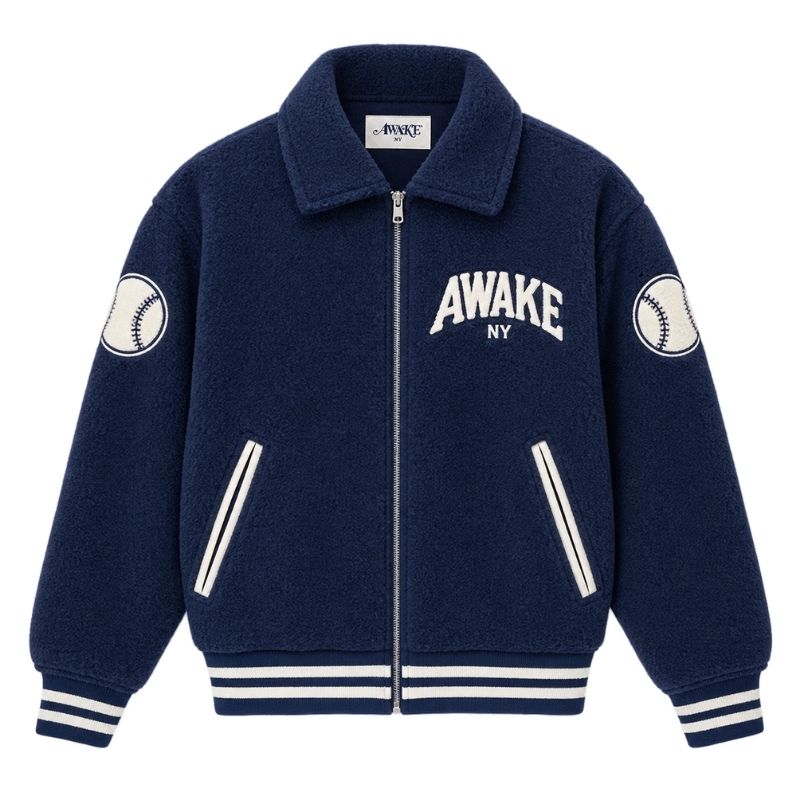
Awakeny represents a broader idea in modern streetwear: clothing can be comfortable, practical, expressive, and connected to everyday culture at the same time. For many people in the US, streetwear is no longer limited to a particular scene or age group. It has become part of everyday dressing, combining relaxed silhouettes, functional layers, graphic details, and versatile basics.
The appeal of streetwear comes partly from its flexibility. A hoodie can work with relaxed trousers, denim, or shorts. A jacket can become the centerpiece of a simple outfit or an extra layer when temperatures change. Rather than following every trend, today’s approach often focuses on creating outfits that feel personal and wearable.
Building that kind of wardrobe does not require dozens of pieces. It starts with understanding fit, fabric, color, layering, and proportion. The goal is to choose clothing that works together while leaving enough room for individual expression.
This guide explores practical ways to create a more versatile streetwear wardrobe and explains how pieces such as an Awakeny Hoodie or Awakeny Jacket can fit into different everyday looks.
Understanding the Modern Streetwear Wardrobe
Streetwear has developed from a collection of influences into a broad style category. Contemporary outfits can borrow from skate culture, sportswear, workwear, vintage fashion, music, and minimalist dressing.
One reason the style remains popular is its ability to combine visual identity with comfort. Instead of treating those qualities as separate, streetwear often brings them together.
A useful wardrobe usually contains a mixture of:
- Relaxed and regular-fit tops
- Hoodies and sweatshirts
- Lightweight and heavyweight jackets
- Straight-leg or relaxed trousers
- Denim
- Casual sneakers
- Simple accessories
- Layering pieces for changing weather
The important point is coordination. Individual pieces should have enough versatility to work in several combinations.
Choosing the Right Fit
Fit can completely change the appearance of an outfit. Two garments made from similar materials can create very different results depending on their proportions.
Relaxed Does Not Mean Oversized Everywhere
A relaxed hoodie can look balanced with straight-leg pants. An oversized top, however, may require a cleaner or more structured bottom to prevent the outfit from appearing shapeless.
Consider these combinations:
- Relaxed hoodie + straight-leg pants: balanced and easygoing.
- Boxy jacket + tapered trousers: creates contrast between upper and lower proportions.
- Regular-fit T-shirt + relaxed jeans: simple and versatile.
- Oversized outerwear + minimal base layer: keeps the overall look focused.
When choosing a size, pay attention to shoulder placement, sleeve length, body length, and how the garment sits when layered.
Making an Awakeny Hoodie Work Across Seasons
A hoodie is one of the most adaptable pieces in casual streetwear. Its versatility comes from its ability to function as both a primary top and a mid-layer.
During cooler months, it can be worn beneath a jacket or heavier coat. In milder weather, it may work on its own with denim, cargo trousers, or relaxed pants.
Everyday Styling Ideas
Try a simple formula such as:
- Hoodie
- Straight-leg denim
- Low-profile sneakers
- Minimal accessories
For a more layered appearance, add a lightweight jacket over the hoodie. Keeping the colors relatively controlled allows the silhouette and textures to become more noticeable.
A hoodie can also create contrast within an outfit. For example, a substantial fleece or cotton layer can be paired with smoother technical trousers. Similarly, a neutral hoodie can provide a quiet foundation for more distinctive footwear or accessories.
Why a Good Jacket Matters
Outerwear has a major influence on streetwear because it often becomes the most visible layer of an outfit. A jacket can add structure, texture, and protection from changing weather while also defining the overall silhouette.
An Awakeny Jacket can be approached as a versatile layering piece rather than something reserved for a particular outfit.
Consider the Jacket’s Role
Before styling a jacket, think about what you want it to do.
A lightweight jacket can work well during transitional seasons. A more substantial outer layer may be useful during colder conditions. A relaxed silhouette can complement casual clothing, while a cleaner cut may create a sharper appearance.
Look at:
- Fabric weight
- Length
- Shoulder width
- Pocket placement
- Closure type
- Layering space
- Color compatibility
These details affect both comfort and styling possibilities.
Building Outfits Around Neutral Colors
Color coordination does not need to be complicated. Neutral shades such as black, white, gray, navy, beige, olive, and brown can provide a reliable foundation.
A simple three-color approach can make outfit planning easier.
For example:
- Base: white T-shirt
- Middle layer: dark hoodie
- Bottom: relaxed beige trousers
- Shoes: neutral sneakers
Another approach is to keep most of the outfit subdued and introduce one stronger color through outerwear, footwear, or an accessory.
Use Contrast Thoughtfully
Contrast can come from more than color. Texture and proportion also create visual interest.
A smooth T-shirt beneath a textured sweatshirt, or a structured jacket over soft knitwear, can give an outfit depth without requiring loud graphics.
This is especially useful for people who want expressive streetwear without wearing several statement pieces at once.
Creating a Practical Layering System
Layering is one of the most useful techniques in streetwear because it combines styling with practical comfort.
A basic three-layer system can include:
- Base layer: T-shirt or lightweight long-sleeve top.
- Middle layer: hoodie, sweatshirt, or overshirt.
- Outer layer: jacket or coat.
Not every outfit needs all three. The idea is to have enough options to adapt to temperature and setting.
For example, a T-shirt and lightweight jacket may be sufficient during a mild afternoon. When the temperature drops, a hoodie can become the middle layer.
Layering also allows one wardrobe to produce many different outfits. Instead of buying a completely new look for every season, you can change the combinations.
Choosing Streetwear Pieces That Work Together
A common wardrobe mistake is purchasing individual items without considering how they fit into the existing collection.
Before buying something new, ask:
- Can I style it with at least three pieces I already own?
- Does the fit complement my current trousers?
- Can I layer it comfortably?
- Is the material suitable for how I plan to wear it?
- Does the color work with my usual palette?
- Will I still want to wear it beyond one trend cycle?
These questions encourage more intentional shopping.
A strong wardrobe is not necessarily a large wardrobe. A smaller collection of compatible pieces can provide considerably more outfit combinations.
Sneakers and Accessories in Streetwear
Footwear often determines the final direction of an outfit. Classic sneakers can keep an outfit understated, while more distinctive footwear can make the same clothing feel more fashion-focused.
Accessories should support the overall look rather than overwhelm it.
Useful options include:
- Caps
- Beanies
- Crossbody bags
- Simple watches
- Sunglasses
- Minimal jewelry
The right accessory can also improve practicality. A crossbody bag, for instance, can add visual interest while providing convenient storage.
The key is consistency. If an outfit already includes several noticeable elements, simpler accessories may create better balance.
Dressing for Different Everyday Settings
Streetwear can be adapted to many casual situations, but the level of refinement should match the environment.
Weekend Outfit
A relaxed hoodie, straight-leg jeans, and sneakers can create an uncomplicated weekend combination.
Casual Social Plans
Try a clean T-shirt beneath a jacket with relaxed trousers and understated footwear. The jacket adds structure without making the outfit feel formal.
Travel
Comfort becomes especially important when traveling. Flexible trousers, breathable layers, and a hoodie can make long journeys easier. An outer layer can also provide useful storage and protection from changing temperatures.
Cooler Weather
Combine a substantial hoodie with a jacket, heavier trousers, and suitable footwear. Keeping the base layers relatively simple prevents the outfit from becoming visually crowded.
Shopping More Intentionally
Fashion moves quickly, but personal style does not have to. Instead of buying something because it is currently popular, consider whether it supports the way you actually dress.
Quality, fit, versatility, and comfort are useful factors to evaluate.
A practical shopping checklist might look like this:
- Fit: Does it sit correctly on your body?
- Material: Is the fabric appropriate for the intended use?
- Construction: Do the seams, closures, and finishing appear dependable?
- Versatility: Can it be worn in multiple outfits?
- Care: Is it practical to wash and maintain?
- Longevity: Does the design have value beyond a single trend?
This approach can help reduce unnecessary purchases while creating a wardrobe that feels more coherent.
Personal Style Matters More Than Following Every Trend
Trends can provide inspiration, but they are only one part of personal style. The strongest wardrobes usually reflect the wearer’s lifestyle, preferences, and daily needs.
Streetwear provides plenty of room for experimentation. You can combine vintage-inspired pieces with contemporary basics, use contrasting proportions, or keep everything minimal.
For those exploring contemporary streetwear, Awakeny can be one reference point when considering how hoodies, jackets, and other casual pieces fit into a modern wardrobe.
The objective is not to recreate someone else’s outfit exactly. Instead, use different ideas as starting points and adapt them to your own proportions, comfort preferences, and routine.
Conclusion
A modern streetwear wardrobe does not need to be complicated. The most useful approach is to build around versatile clothing, understand proportion, and choose pieces that can move between different outfits and situations. Hoodies, jackets, relaxed trousers, denim, sneakers, and simple accessories can provide a strong foundation without requiring an oversized collection.
An Awakeny Hoodie can serve as a comfortable everyday layer, while an Awakeny Jacket can add structure and adaptability to an outfit. The important consideration is not simply owning individual pieces but understanding how they interact with everything else in the wardrobe.
Good styling also comes from paying attention to details such as color, fabric, fit, and layering. Small adjustments can significantly change how an outfit looks and feels.
Ultimately, streetwear works best when it supports real life. Choose clothing that fits your routine, feels comfortable, and gives you enough flexibility to express your personality. That balance between practicality and individuality is what makes everyday streetwear so adaptable.
FAQs
1. What makes a streetwear wardrobe versatile?
A versatile streetwear wardrobe contains pieces that can be combined in multiple ways. Neutral colors, adaptable fits, and practical layers make outfit planning easier.
2. How should I style an Awakeny Hoodie?
An Awakeny Hoodie can be paired with relaxed or straight-leg trousers, denim, and sneakers. For colder conditions, layer it beneath a jacket.
3. What should I look for in a streetwear jacket?
Consider fit, fabric weight, construction, length, pocket design, and layering space. Choose a jacket that suits both your climate and everyday activities.
4. Can streetwear be minimalist?
Yes. Minimalist streetwear can focus on simple silhouettes, neutral colors, subtle details, and carefully chosen layers rather than bold graphics.
5. How many colors should an outfit contain?
There is no fixed rule, but using two or three coordinated colors can make an outfit easier to balance, particularly when experimenting with different proportions.
6. Are oversized clothes necessary for streetwear?
No. Streetwear includes relaxed, regular, boxy, and oversized silhouettes. The best choice depends on personal preference and how different pieces work together.
7. What are useful streetwear accessories?
Caps, beanies, crossbody bags, watches, sunglasses, and understated jewelry can complement casual outfits without dominating the overall look.
8. How can I make my streetwear wardrobe more sustainable?
Buy fewer pieces with greater versatility, consider fabric and construction, follow care instructions, repair clothing when practical, and avoid unnecessary trend-driven purchases.
Author



Point Cloud to BIM Outsourcing Services for AEC Companies

Trending LMS Platforms for Corporate Training

LOD 350 Electrical BIM Modeling for Construction Reality

Boston Digital Marketing Agency for Growing Businesses

Karela and Jamun: Traditional Ayurvedic Ingredients for Wellness

A Practical Look at 7oh Disposable vape Products: Formulation

How To Plan A Trip: Essential Tips Every Traveler Should Know

How To Stay Safe While Travelling: A Complete Safety Guide

Comme Des Garcons Hoodie Sale Best Deals Right Now

Is Basement Development Worth It in Calgary? Key Factors to Consider

Cybersecurity Consulting Company SequelNet Provides Critical IT Support Services to Medical Billing Firm, Medical Optimum

Meet the Megalodon: The Shark Star of ‘Meg 2’

Reduce Video Game Lag: Level Up Your Gaming Performance

Balancing India’s Entertainment: Cricket vs. Bollywood

Jetsetter’s Secrets: Unveiling Our Favorite Travel Hacks for a Seamless Adventure

The 5 Best Live Sports Streaming Sites: Legal and Exciting!

Hollywood Labor Unrest: The Impact of ‘What About Us?’ Strikes

Unveiling the Magic of Dream Fulfillment at the Late NBA Draft

Illuminate Your Skin: Dr. Axe Unveils Natural Remedies for Lightening Knees and Elbows

Bright Choices: Navigating the Pros and Cons of Skin Whitening Creams with Dr. Axe
-

 Business3 years ago
Cybersecurity Consulting Company SequelNet Provides Critical IT Support Services to Medical Billing Firm, Medical Optimum
-
Entertainment3 years ago
Meet the Megalodon: The Shark Star of ‘Meg 2’
-
Entertainment3 years ago
Reduce Video Game Lag: Level Up Your Gaming Performance
-
 Sports3 years ago
Balancing India’s Entertainment: Cricket vs. Bollywood
-
Entertainment3 years ago
Jetsetter’s Secrets: Unveiling Our Favorite Travel Hacks for a Seamless Adventure
-
Productivity3 years ago
The 5 Best Live Sports Streaming Sites: Legal and Exciting!
-
Art /Entertainment3 years ago
Hollywood Labor Unrest: The Impact of ‘What About Us?’ Strikes
-
Sports3 years ago
Unveiling the Magic of Dream Fulfillment at the Late NBA Draft






