
Clothing
Who Decides War vs Essentials: Streetwear Pricing & Value

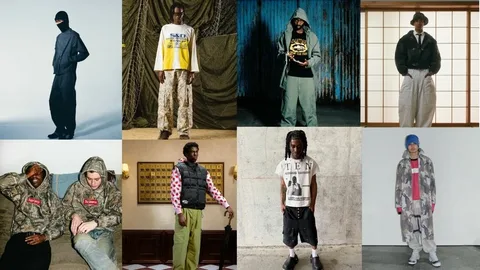
Streetwear enthusiasts throw the phrase “prime deal” around constantly. However, the true meaning of this phrase changes entirely depending on your favorite brand. Specifically, we must look at the massive divide between Who Decides War and Fear of God Essentials. Ev Bravado and Téla D’Amore lead the creative charge at Who Decides War. Conversely, Jerry Lorenzo built the iconic minimalist empire of Essentials. Both brands completely dominate modern youth culture. Yet, they operate on entirely different business models. One brand thrives on absolute luxury and scarcity. The other brand focuses on accessible daily uniforms. Consequently, a shopper cannot evaluate their pricing using the same standard. You must understand their underlying philosophies to recognize a genuine bargain. This guide breaks down the hidden mechanics behind their pricing structures.
Who Decides War and the Myth of the Discount
The creative masterminds at Who Decides War reject traditional retail rules completely. Their prime offerings focus heavily on avant-garde design and meticulous hand-distressing. For instance, a single hoodie might feature multi-layered embroidery, patchwork denim, and conceptual stained-glass motifs. This level of craftsmanship requires an intense manufacturing pipeline. Therefore, the brand produces very few garments for each capsule drop. This intentional scarcity fuels an incredible amount of consumer desire.
Furthermore, you will almost never find these high-concept pieces on a discount rack. The brand sustains immense market demand organically through limited supply. As a result, retailers never need to slash prices to clear out unsold inventory. A genuine prime deal within this ecosystem looks very different from a standard sale. It simply means securing a highly coveted piece at original retail price. Buyers celebrate if they beat the online checkout bots before an item sells out forever. In this luxury circle, availability itself functions as the primary value proposition.
Essentials and the Strategy of the Summer Sale
Fear of God Essentials approaches the fashion market from a completely different angle. Jerry Lorenzo designed this secondary line to provide premium, accessible staples to a global audience. The brand focuses heavily on boxy fits, clean lines, and earth-toned colorways. Because they produce these items in massive quantities, they can utilize traditional retail sales cycles.
Specifically, the highly anticipated summer sale events highlight this volume-driven strategy. E-commerce platforms implement structured markdown phases during these promotional windows. They introduce tiered percentage reductions to attract value-conscious consumers quickly. Additionally, digital countdown timers create a powerful sense of shopping urgency. However, smart buyers must look closely at the actual discount depth. The core, bestselling colorways like jet black or heather grey rarely see steep price drops. The parent company protects its profit margins on consistently demanded inventory. Therefore, the deepest discounts usually apply only to hyper-seasonal colors or experimental fits.

The Massive Divide in Consumer Psychology
The distinct pricing strategies of these brands shape two entirely different consumer mindsets. For example, the Who Decides War customer equates high, rigid pricing with cultural validation. They view full-priced retail acquisitions as badges of honor. To this shopper, waiting for a markdown seems like a dangerous gamble. They believe that iconic art pieces should command a premium price tag without corporate intervention. The reward centers on exclusivity and artistic expression.
Conversely, the Essentials consumer thrives on the thrill of optimization. They view uniform dressing as an exercise in financial and style efficiency. These shoppers actively track retail sale calendars across multiple authorized stockists. They treat promotional pricing as the ultimate indicator of a successful transaction. To them, a blank, high-quality fleece hoodie becomes a true victory when they buy it for thirty percent off. This psychological split proves that value remains entirely subjective within modern streetwear culture. One group chases the rare crown jewel, while the other builds a smart daily rotation.
Navigating the Rising Risks of Counterfeit Merchandise
High consumer demand unfortunately attracts sophisticated counterfeiting operations to both fashion labels. However, fraudulent sellers exploit these two supply chains in very different ways. You must understand these distinct risks to protect your hard-earned money.
Bad actors target Who Decides War because the pieces command massive prices on secondary markets. These counterfeiters try to replicate the brand’s complex embroidery and heavy distressing patterns. They prey on desperate buyers who missed the initial, fast-moving capsule drops. Meanwhile, Essentials faces a volume-based forgery problem. The clean silhouettes and simple block-letter branding are physically much easier to copy in a factory. Fraudulent websites spring up daily during major summer sale windows. They mimic official layouts and claim to sell overflow liquidation stock at impossible prices. Consequently, you must verify the authenticity of any prime deal through official flagship portals or verified luxury boutiques.
Assessing Long-Term Investment vs. Immediate Utility
The business models of these companies also dictate the long-term value of their garments. Who Decides War pieces often act like traditional fine art assets. Because the brand maintains strict scarcity, these hoodies regularly retain their value on secondary platforms like Grailed. Some archival items even appreciate over time as collectors hunt for specific historic designs.
On the other hand, Essentials garments prioritize immediate daily utility over future investment resale. The frequent promotional cycles and massive production runs naturally normalize lower pricing expectations over time. A used Essentials hoodie rarely fetches a premium in the secondhand marketplace because another drop is always around the corner. Therefore, consumers prioritizing sustained financial value should weigh these trajectories carefully. A massive discount percentage on a basic hoodie does not automatically guarantee superior long-term asset value.
Embracing the Reality of Streetwear Culture
Ultimately, comparing a prime deal at Who Decides War to a bargain at Essentials reveals a fundamental truth. Streetwear contains multitudes. Scarcity defines the luxury tier, while strategic discounting powers the accessible layer. Neither commercial philosophy is objectively superior to the other. They simply speak to different purchasing motivations and lifestyle needs.
If you crave rare artistic statements, you must accept full-price scarcity as your reality. If you want high-quality daily comfort, you can happily play the markdown game during seasonal clearance events. The only universal rule is caution. As authentication risks continue to climb across the internet, a true deal must always begin with a verified, legitimate seller. Understand the commercial philosophy of your favorite brand, budget wisely, and build your collection with confidence.
Author

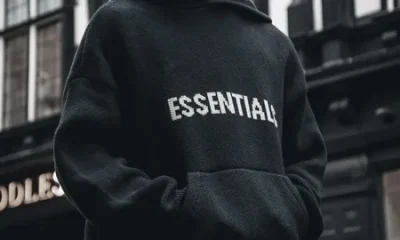

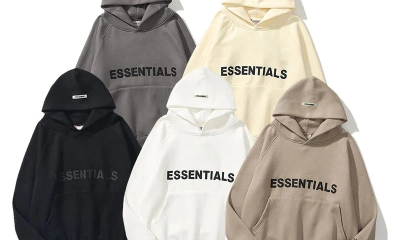

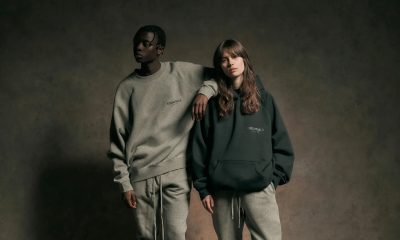







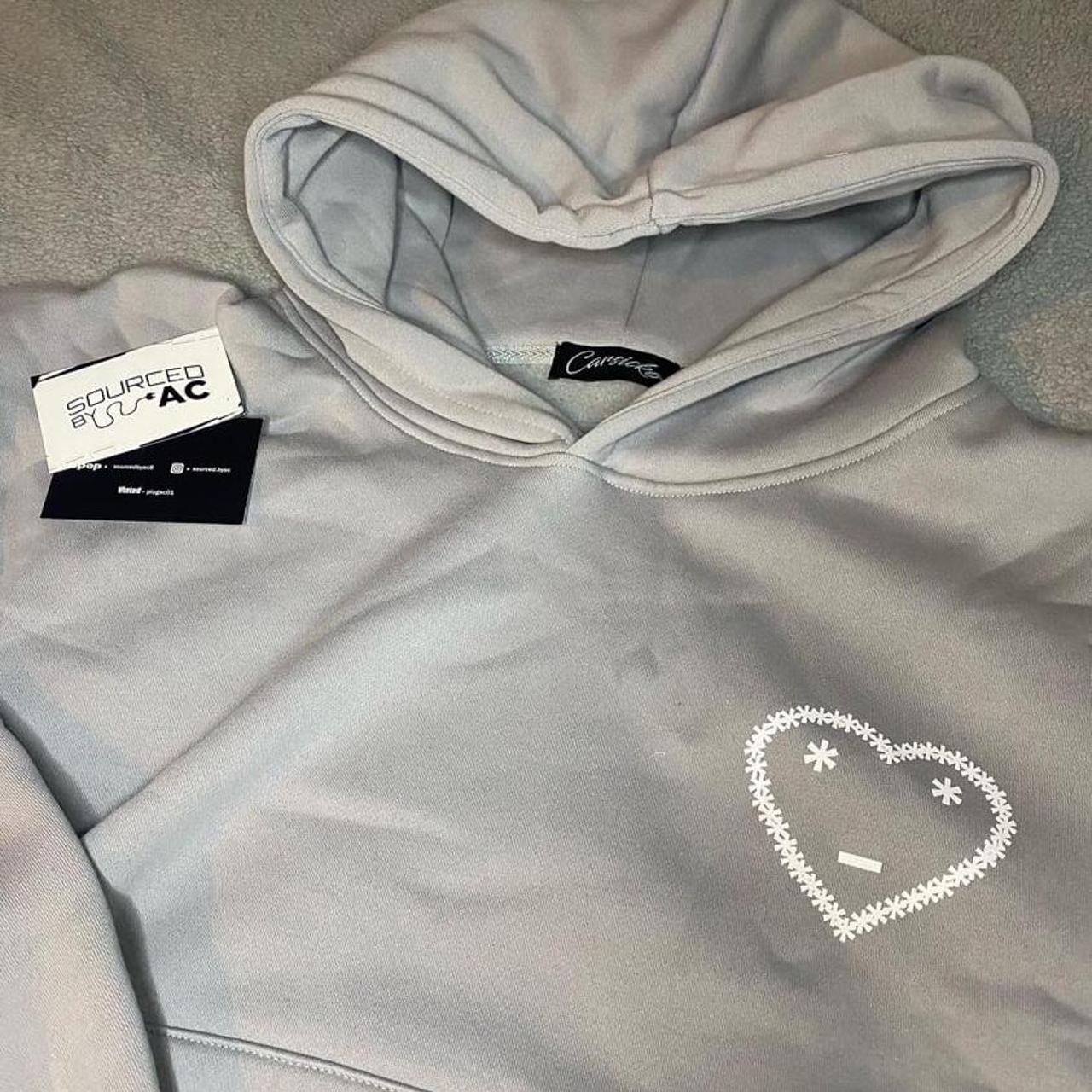
A good hoodie can do more than finish an outfit. It can become the piece you grab when you want comfort, style, and an effortless look. Today, hoodies have moved far beyond basic casualwear. They now play an important role in modern streetwear and everyday wardrobes.
The appeal comes from their flexibility. You can wear one with joggers for a relaxed look. You can also combine it with denim, tailored trousers, or a jacket for a more refined appearance. This versatility makes the Carsicko Hoodie’s a practical choice for people who want clothing that works across different settings.
Why Hoodies Remain Popular
The hoodie has earned a permanent place in casual fashion. It’s simple structure makes it easy to style, while the relaxed shape offers plenty of freedom of movement. You can wear it as your main layer or place it underneath a heavier jacket when temperatures fall.
Modern streetwear has also changed the way people approach proportions. Oversized and relaxed clothing now feels natural in everyday outfits. You do not always need fitted garments to create a balanced appearance.
A relaxed hoodie can become the main focus of an outfit. You can then keep the other pieces simple. This approach creates a cleaner look without making the outfit feel overly planned.
Creating a Relaxed Everyday Look
One of the easiest ways to style a hoodie involves pairing it with casual trousers or joggers. This combination works well for errands, travel, casual meetups, and relaxed days at home.
The Carsicko Hoodie’s can work particularly well with matching or complementary casual pieces. Joggers can create a coordinated appearance, while jeans can introduce some contrast. Sneakers can complete the outfit without adding unnecessary complexity.
However, you do not need to match every item. Mixing colours, textures, and proportions can make the outfit feel more personal. For example, a relaxed hoodie with straight-leg denim can create a simple streetwear look without relying on too many accessories.
Adding Structure With Outerwear
A hoodie does not have to remain part of a completely casual outfit. Adding structured outerwear can change its overall appearance. Try wearing a hoodie underneath a leather jacket, bomber, overshirt, or heavier coat. The contrast between the soft hoodie and structured outer layer creates more visual depth.
This combination also works well during colder months. The hoodie provides an additional layer while the jacket gives the outfit a stronger shape.
Keep the rest of the outfit relatively simple. If the jacket already has a bold design, neutral trousers and understated footwear can help maintain balance.
Dressing for Different Parts of the Day
Modern lifestyles often require clothing that can adapt throughout the day. You might start with a relaxed morning, spend the afternoon outside, and meet friends later in the evening.
A versatile hoodie can handle those changes without requiring a complete outfit swap. The Carsicko Hoodie’s can work for casual daytime plans and still fit into a more considered evening outfit. You can change the trousers, footwear, or outer layer to create a different feel.
For example, joggers and trainers can create a relaxed daytime combination. Later, switching to darker denim and adding a structured jacket can give the same hoodie a sharper appearance. This flexibility makes hoodies particularly useful for people who prefer practical wardrobes.
Working With Different Proportions
Proportion plays an important role in streetwear. A loose hoodie can create plenty of volume around the upper body. Therefore, the lower half of the outfit can either match that relaxed shape or provide some contrast.
If you prefer a loose overall look, pair the hoodie with wide-leg trousers or relaxed joggers. This creates a comfortable silhouette from top to bottom.
Alternatively, choose straight or slightly slimmer trousers. This approach makes the hoodie the main relaxed element while keeping the lower half more defined. There is no single correct formula. Your height, preferred fit, and personal style should guide the decision.

Styling Across Different Seasons
Hoodies can work throughout much of the year. Their usefulness does not end when winter finishes. During spring and early autumn, a hoodie can act as a lightweight outer layer. You can wear it over a basic T-shirt and remove it when the temperature rises.
During winter, it can sit comfortably underneath a heavier coat or jacket. This creates additional warmth without requiring several bulky layers.
Summer can also offer opportunities for hoodie styling. Keep one nearby for cooler evenings or unexpected changes in temperature. Pairing a lightweight hoodie with shorts can create an easy casual look. Changing the surrounding pieces can also make the same hoodie feel different from season to season.
Keeping the Outfit Simple
Streetwear does not always need multiple statement pieces. In fact, simpler combinations can often look more natural. Start with the hoodie and build around it. Add one or two supporting pieces rather than trying to make every item stand out. For instance, clean trousers and simple sneakers can allow the hoodie to remain the focus. If you add a statement jacket, keep the footwear and trousers more understated.
This method makes outfits easier to create. It also gives you more opportunities to wear the same garment in different ways. Building a Practical Streetwear Wardrobe
A useful wardrobe should contain pieces that work together. You should not need a completely different collection for every outfit. A hoodie can provide a strong starting point. From there, you can add joggers, jeans, shorts, T-shirts, sweaters, jackets, and different footwear.
Think about colour when building these combinations. Neutral shades can work with a wider range of clothing. Meanwhile, stronger colours or graphic designs can add personality when you want the hoodie to stand out. The goal should not be to create dozens of unrelated outfits. Instead, choose pieces that you can combine easily.
Why Versatility Matters
Fashion trends change quickly. However, comfortable and adaptable garments often remain useful long after a particular trend disappears.
A well-chosen hoodie can become part of your regular rotation because it works for different occasions. You can wear it when travelling, relaxing, meeting friends, or running everyday errands.
The Carsicko Hoodie’s fits into this approach by offering a streetwear-focused option that can work with different combinations. Its usefulness depends on how you style it and how well it fits your existing wardrobe. Rather than treating a hoodie as a single-outfit item, think of it as a foundation for several looks.
Choosing the Right Fit
Fit should always come before styling. A hoodie that feels uncomfortable or restricts movement will rarely become a favourite.
Consider how much room you prefer around the shoulders, chest, and sleeves. Also check the length. An oversized hoodie should still create a deliberate shape rather than simply looking too large.
If you prefer a cleaner appearance, choose a fit that follows your body without feeling tight. If relaxed streetwear is more your style, a roomier option can work well with wide-leg trousers or joggers.
Your footwear can also influence the overall balance. Chunky sneakers can complement a relaxed silhouette, while simpler trainers can create a cleaner appearance.
Final Thoughts
The hoodie has become one of the most adaptable pieces in modern casual fashion. It can provide comfort during everyday activities while also giving an outfit a clear streetwear identity. The Carsicko Hoodie’s can fit naturally into this type of wardrobe. You can pair it with joggers for a relaxed outfit or use denim and structured outerwear to create more contrast. Seasonal layers can also change its appearance without requiring a completely new wardrobe.
Most importantly, focus on fit, proportion, color, and practicality. Choose pieces that work together and avoid making every outfit overly complicated.mWhen one hoodie can move between casual days, travel, social plans, and different seasons, it becomes more than just another clothing item. It becomes a reliable part of your everyday style.
Author


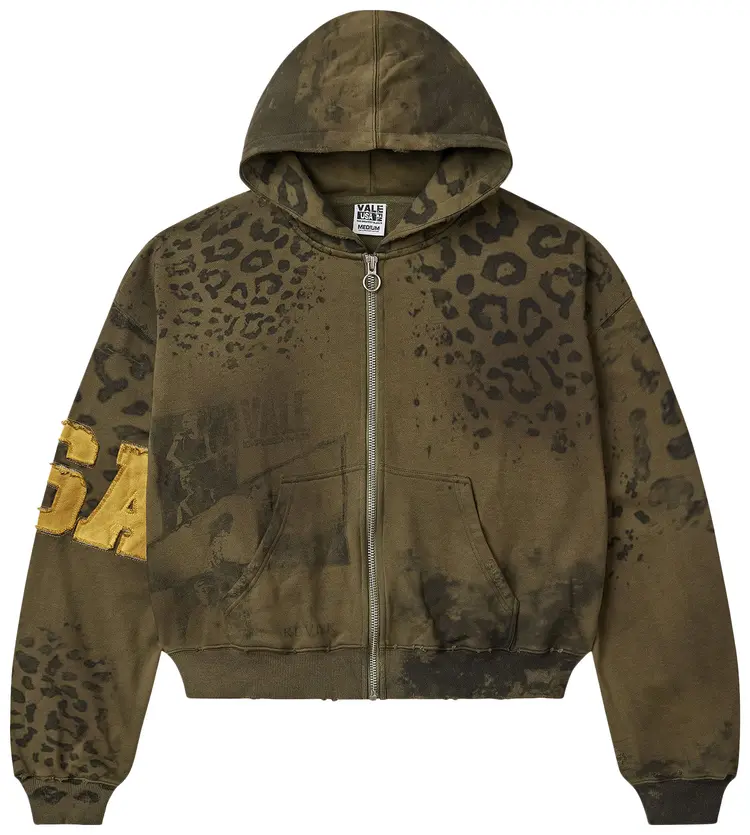
Fashion has changed significantly over the years. Today, people want clothing that feels comfortable while still helping them express their personality. This shift has made streetwear one of the most popular styles in everyday fashion. It combines relaxed designs, practical pieces, and plenty of room for personal creativity.
Vale Forever fits naturally into this modern approach to dressing. Rather than following strict fashion rules, contemporary streetwear encourages people to create outfits that match their lifestyle. The right combination of hoodies, trousers, jackets, sneakers, and accessories can create a look that feels both effortless and distinctive.
Building a Wardrobe Around Personal Style
Good personal style starts with knowing what feels comfortable and natural. Some people prefer simple outfits with neutral colors. Others enjoy oversized clothing, stronger contrasts, or eye-catching accessories. Streetwear gives everyone enough flexibility to explore these preferences.
Vale clothing can work well within a wardrobe focused on comfort and individuality. Instead of thinking about every garment as a single-purpose item, consider how each piece can work with others.
For example, you can wear a casual top with denim for a relaxed appearance. On another day, you can combine the same top with loose trousers and a different pair of shoes. A jacket or accessory can then change the overall character of the outfit.
This approach keeps fashion interesting without requiring a huge collection of clothes.
Why Versatility Makes a Difference
Versatile clothing can simplify everyday styling. When several pieces work well together, you can create numerous outfits without constantly buying something new.
Neutral shades offer an excellent starting point. Black, white, grey, cream, and navy can easily work with brighter colors. They also make it easier to combine different textures and patterns.
Fabric choices can add another layer of interest. For instance, soft casual materials can look great alongside denim or canvas. A structured jacket can also create an appealing contrast with a relaxed hoodie.
As a result, a carefully selected wardrobe can offer both convenience and creative freedom.
Styling the Vale Hoodie
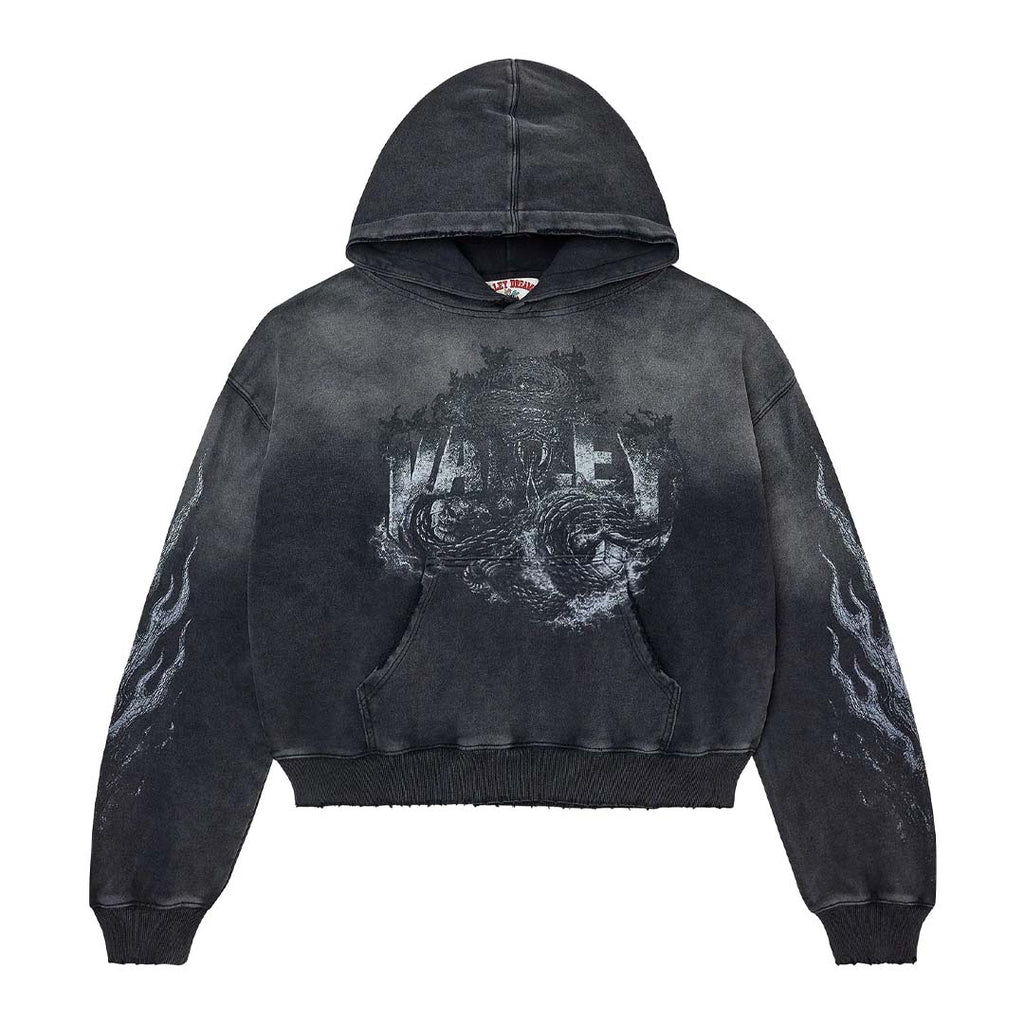
The hoodie has become a key part of modern streetwear. It offers comfort, warmth, and styling flexibility. A vale hoodie can serve as the main feature of an outfit or work as a simple layer underneath outerwear.
For an uncomplicated everyday look, combine it with straight-leg jeans and clean sneakers. This combination works well for casual activities and requires very little effort.
If you prefer a looser streetwear appearance, try wide-leg or relaxed trousers. Utility-style pants can add a practical edge, while loose trousers can create a softer silhouette.
Outerwear can also transform the outfit. A denim jacket introduces texture and structure. An overshirt creates a lighter layered appearance. Meanwhile, a longer coat can give the casual hoodie a more refined contrast. Therefore, one hoodie can support several different looks depending on the surrounding pieces.
Understanding Proportion and Silhouette
The shape of each garment can influence the entire outfit. Oversized clothing remains popular in streetwear, but balance still matters.
A loose hoodie with straight trousers creates a relatively balanced silhouette. However, pairing the same hoodie with wide trousers creates more volume and a distinctly relaxed appearance.
Outerwear can change the proportions even further. A shorter jacket can add definition around the waist, while a longer coat can create a stronger vertical line.
Layering also adds visual depth. You can allow a shirt to extend slightly below a hoodie for a subtle contrast. However, avoid adding too many layers. The outfit should remain comfortable and allow easy movement.
Creating a Consistent Color Palette
Color plays an important role in personal style. A consistent color palette makes outfits easier to coordinate and can give a wardrobe a recognizable identity.
When working with Vale clothing, neutral colors provide a dependable foundation. You can combine different shades from the same color family for a subtle appearance. Alternatively, you can introduce one brighter color to create a focal point.
For example, a colorful hoodie can become the center of an otherwise neutral outfit. You could also use colorful sneakers, a bag, or a jacket to add contrast.
Seasonal changes provide another opportunity to experiment. Darker and richer tones can work especially well during colder months. Lighter shades can create a fresher appearance when temperatures rise. Most importantly, choose colors that feel natural to you.
Making Layering Comfortable
Layering can improve both style and practicality. A hoodie can sit comfortably between a lightweight shirt and an outer jacket. This setup allows you to adjust your outfit as temperatures change.
Start with a comfortable base layer. Then, add the hoodie and finish with a jacket when you need additional warmth. When the weather becomes warmer, remove the outer layer without changing the entire outfit.
Combining different fabrics can also create visual interest. For example, the softness of a hoodie can contrast nicely with denim or canvas. However, comfort should remain the priority. Too many layers can make an outfit feel heavy and restrictive.
Adapting Streetwear to Different Situations
Amajorbenefit of contemporary streetwear is its versatility.Vale Forever can inspire outfits that adapt to different parts of the day.
For casual errands, a hoodie, relaxed trousers, and sneakers can provide an easy combination. If you are heading to a social event, replace the sneakers with cleaner footwear and add a structured jacket.
Travel also benefits from flexible clothing. Comfortable trousers, a hoodie, and adjustable outerwear can make long journeys easier. For outdoor activities, choose suitable shoes and weather-appropriate layers. Small changes can make the same wardrobe work across many situations.
Choosing the Right Footwear
Shoes can strongly influence the final appearance of a streetwear outfit. Sneakers remain a natural choice, but different designs create different effects.
Low-profile sneakers can support a clean and minimal look. Chunkier shoes can complement wider trousers and oversized clothing. Boots can add a tougher, more rugged character.
When styling a vale hoodie, consider the shape of your trousers before selecting shoes. Wider trousers often look balanced with substantial footwear. Straight-leg trousers can work well with simpler sneaker designs.
The best choice should complement the entire outfit rather than stand apart from it.
Adding Accessories With Purpose
Accessories can complete an outfit without overwhelming it. Caps, bags, watches, sunglasses, and simple jewelry can add personality through small details.
If your clothing already features bold colors or oversized shapes, understated accessories can maintain balance. On the other hand, a simple outfit can provide space for a more noticeable bag or pair of shoes.
Practical accessories can work particularly well. A useful bag, comfortable cap, or functional watch can add style while serving a real purpose.
Getting More From Fewer Clothes
You do not need a massive wardrobe to create interesting outfits. A few versatile garments can produce many combinations when you approach styling creatively.
One hoodie can work with several pairs of trousers. Different jackets can change the silhouette. Shoes and accessories can then alter the overall mood.
This method also encourages more thoughtful shopping. Instead of purchasing every new trend, you can focus on pieces that complement what you already own.
Proper care matters too. Follow the care instructions for each garment, wash clothing appropriately, and store pieces carefully. These simple habits can help maintain their appearance and shape.
Developing Your Style Over Time
Personal style does not appear instantly. Vale Forever can offer inspiration, but each person should decide how to interpret streetwear in a way that feels authentic.
Some people may prefer clean, understated outfits. Others may enjoy oversized silhouettes, bold colors, or layered combinations. Neither approach is better. What matters most is confidence and comfort.
Experiment with different combinations. Notice which colors, proportions, and garments you naturally prefer. Over time, those choices will become recognizable parts of your personal style.
Conclusion
Modern streetwear offers much more than casual clothing. It gives people a flexible way to combine comfort, practicality, and self-expression. With thoughtful choices, simple garments can create a wide variety of distinctive outfits.
Vale Forever represents this broader approach to contemporary casual fashion. By experimenting with color, proportion, texture, layering, footwear, and accessories, you can create outfits that suit both your lifestyle and personality.
Ultimately, the strongest personal style feels authentic. Choose clothing that works for your everyday life. Combine pieces in ways that make you feel comfortable and confident. With the right balance, streetwear can become more than a trend. It can become a natural extension of who you are.
Author


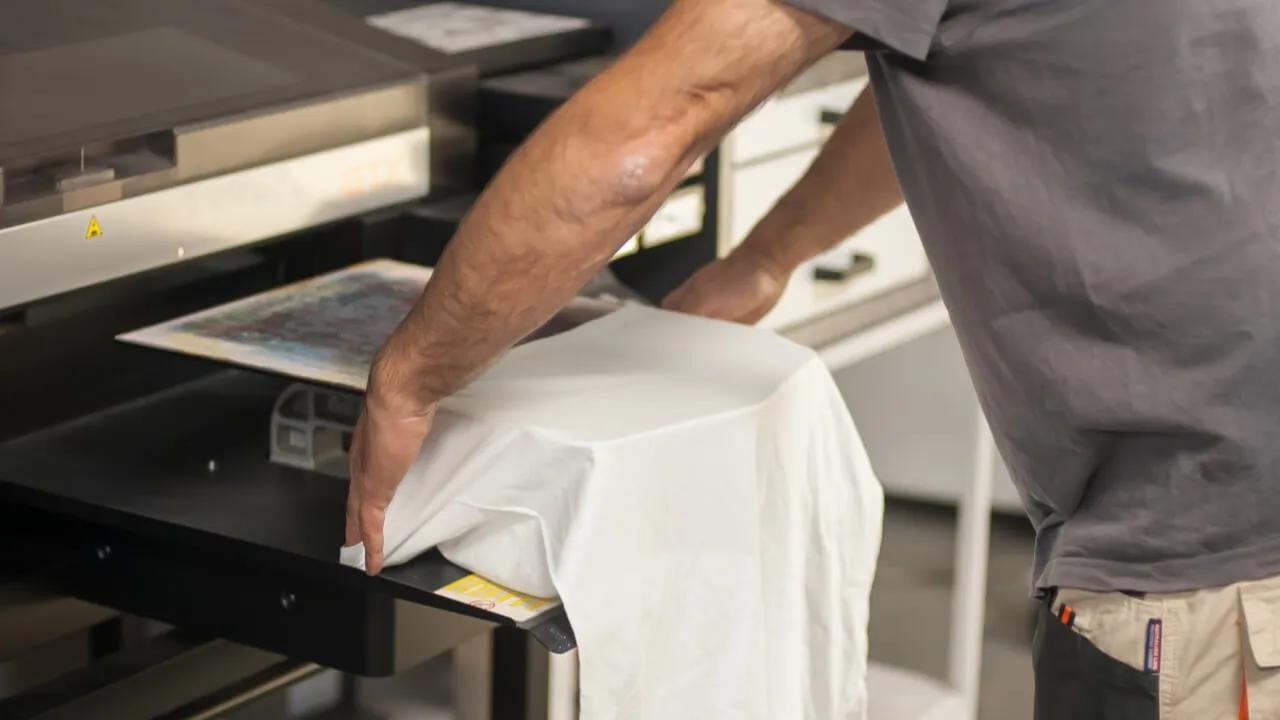
The apparel business has changed significantly in recent years. Large manufacturers no longer control the entire market. Today, small print shops, independent brands, online sellers, schools, sports teams, and local organizations also create customized clothing. Many of them need practical ways to produce quality garments without handling massive production runs.
Customer expectations have changed as well. Buyers want personalized designs, detailed graphics, branded clothing, small quantities, and fast delivery. Therefore, businesses need more than creative artwork to stay competitive. They also need reliable equipment, an organized workflow, and consistent production quality.
The DTFLine VANTAGE II MAX 14-inch Dual Epson I1600 system targets businesses that want to build a stronger printing workflow. It combines two Epson I1600 printheads with an embedded roll feeder, RIP software, cutter, training, and onboarding. As a result, businesses can manage several important stages of the transfer process within one setup.
Understanding Modern Production Requirements
Modern apparel production requires flexibility. One customer may order ten shirts for a family event, while another may need hundreds of garments for an online collection. A successful print business needs to handle both small and larger orders without creating unnecessary delays.
Traditional printing methods still have their place. However, digital transfer methods can offer greater flexibility for customized designs and changing order quantities. This makes them useful for businesses that serve different customer groups.
A production-focused system can also help a print shop expand its services. Instead of relying on one type of customer, the business can serve individuals, organizations, clothing brands, schools, teams, and commercial clients.
Dual Epson I1600 Printheads
Printhead technology plays an important role when businesses compare printing systems. The VANTAGE II MAX uses two Epson I1600 printheads. This configuration suits businesses that want equipment designed for regular production.
However, printheads alone do not determine print quality. Artwork preparation, color management, ink, transfer film, environmental conditions, maintenance, and operator skills also affect the final result.
Therefore, businesses should evaluate the complete workflow instead of focusing on one specification. A balanced system can make daily production easier to manage and more predictable.
Why the 14-Inch Format Matters
Space can become a major concern for smaller print businesses. A printer needs more than its own footprint. Operators also require room for material loading, artwork preparation, finished transfers, garment pressing, packaging, supplies, and routine maintenance.
The 14-inch format can offer a practical option for businesses that want production capability without immediately moving to a much larger setup. This can help smaller operations make better use of limited workspace.
Good workspace planning also improves efficiency. When equipment, materials, and workstations sit in logical positions, operators can move between tasks more easily.
Embedded Roll Feeder for Efficient Media Handling
Media handling can influence everyday productivity. Manual handling may work for occasional orders. However, it can become inconvenient when a shop starts processing larger volumes.
The VANTAGE II MAX includes an embedded roll feeder for roll-based media handling. This feature can support a more continuous workflow and reduce unnecessary material handling.
The main advantage is not simply speed. Better media management can also help operators maintain a more organized production process. Still, businesses should match the equipment to their actual workload. A hobbyist and a busy commercial print shop will have very different requirements.
RIP Software and Artwork Preparation
Printing represents only one part of the production process. Operators must prepare artwork correctly before sending it to the printer. RIP software can help manage layouts, colors, image preparation, and printing settings.
Apparel Production consistent software workflow becomes especially useful when a business handles multiple customer files. It can also make repeat orders easier. Operators can organize approved artwork and production files so they can locate them quickly when customers return.
Simple file management can save considerable time. Businesses can separate customer artwork, approved designs, production-ready files, and completed orders. These small habits become increasingly valuable as order volume grows.
Cutting and Finishing Capabilities
The VANTAGE II MAX package also includes a cutter. Depending on the type of transfers a business produces, cutting can become an important stage in the workflow.
Keeping more production steps within the business can provide greater control. It may also reduce dependence on outside providers for certain finishing requirements.
However, cutting needs vary between businesses. A company should first determine how often it will use this capability and what types of designs it plans to produce.
Training Supports Better Results
New equipment requires a learning period, even for experienced operators. Every system has its own settings, maintenance procedures, software workflow, and operating requirements.
The VANTAGE II MAX includes training and onboarding. This support can help operators understand the equipment and integrate it into their daily process.
Training also helps reduce avoidable mistakes. Problems do not always come from the machine itself. Incorrect settings, unsuitable materials, poor maintenance, and improper storage can also affect finished garments.

Where the System Can Fit
Businesses can use digital transfer workflows for many apparel applications. These may include custom t-shirts, hoodies, sweatshirts, uniforms, team apparel, promotional clothing, event merchandise, personalized gifts, online clothing collections, and branded garments.
This flexibility allows businesses to explore different markets. For example, an online brand may focus on limited-edition designs. A local print shop might specialize in schools, sports teams, and community events. Meanwhile, a promotional company may concentrate on branded clothing for businesses.
A flexible production setup can support these different models when operators plan the workflow carefully.
Consistency Matters
Speed often attracts attention when businesses compare printing equipment. However, consistent results matter just as much.
A fast workflow has little value if it creates frequent mistakes. Reprints can increase material costs, waste labor, delay orders, and damage customer relationships.
For that reason, businesses should monitor every production stage. Artwork preparation, color management, printing, transfer handling, pressing, and final inspection all contribute to the finished garment.
Quality control should begin before printing. Operators can check artwork dimensions, resolution, transparency, and placement first. They can then monitor production and inspect finished garments before packaging.
Maintenance and Operating Costs
Regular maintenance should form part of everyday production planning. Operators should follow the manufacturer’s recommendations for cleaning, inspection, ink handling, and general equipment care.
Consumables also affect production costs. Ink, transfer film, adhesive powder, maintenance supplies, packaging, labor, electricity, and software can all contribute to the total expense.
Therefore, businesses should calculate the complete cost of ownership before investing. A cheaper machine may not provide better value if it cannot handle the required workload. Likewise, buying more capacity than the business needs can create unnecessary expenses.
Planning for Business Growth
Businesses should consider both current demand and future needs. A small shop may begin with a few orders each week and later experience rapid growth.
The VANTAGE II MAX can be considered by businesses that want to develop a more structured apparel production workflow. Its dual Epson I1600 configuration, roll feeder, cutter, RIP software, training, and onboarding provide several useful components in one system.
Still, businesses should make decisions based on real data. Order volume, turnaround times, equipment usage, customer demand, workspace, and operating costs can provide a clearer picture of when an upgrade makes sense.
Making the Right Investment
There is no universal printing system for every business. Before purchasing equipment, owners should assess their expected order volume, artwork requirements, available workspace, support options, recurring costs, and growth plans.
These factors can help businesses choose equipment that fits their actual needs instead of following trends. A thoughtful approach can also prevent both underinvestment and unnecessary spending.
Conclusion
Modern apparel production depends on more than printing speed. Businesses need flexibility, consistency, efficient workflows, reliable materials, trained operators, and proper maintenance.
The DTFLine VANTAGE II MAX offers a production-oriented option for businesses that want to expand their apparel printing capabilities. Its dual Epson I1600 printheads, 14-inch format, embedded roll feeder, cutter, RIP software, training, and onboarding bring several important workflow elements together.
Ultimately, the best equipment choice depends on the individual business. Owners should examine current production challenges, customer expectations, operating costs, available space, and future demand before investing.
With careful planning and the right technology, a growing print business can create a more organized production process. More importantly, it can build a workflow that supports consistent quality, efficient order handling, and long-term growth.
Author



Car Maintenance: 7 Essential Summer Checks for Safer Driving

Digital Marketing Launceston: Grow Your Business Online

Drafting Services: Accurate CAD Solutions for Construction

Ghostwriter Cost 2026: Pricing, Services and Hiring

Carsicko Hoodie’s: Modern Streetwear Styling and Outfit Ideas

Business Opportunities in Brazil 2026: Ideas & Investment Tips

Best Cashback Mortgages UK: Compare Deals & Savings

Loan Settlement: Process, Credit Score Impact & Repayment Tips

Everyday Style: Common Projects Sneakers UK Styling Tips

Commercial Truck Financing Options for Business Owners

Cybersecurity Consulting Company SequelNet Provides Critical IT Support Services to Medical Billing Firm, Medical Optimum

Meet the Megalodon: The Shark Star of ‘Meg 2’

Reduce Video Game Lag: Level Up Your Gaming Performance

Balancing India’s Entertainment: Cricket vs. Bollywood

Jetsetter’s Secrets: Unveiling Our Favorite Travel Hacks for a Seamless Adventure

The 5 Best Live Sports Streaming Sites: Legal and Exciting!

Hollywood Labor Unrest: The Impact of ‘What About Us?’ Strikes

Unveiling the Magic of Dream Fulfillment at the Late NBA Draft

Illuminate Your Skin: Dr. Axe Unveils Natural Remedies for Lightening Knees and Elbows

Bright Choices: Navigating the Pros and Cons of Skin Whitening Creams with Dr. Axe
-

 Business3 years ago
Cybersecurity Consulting Company SequelNet Provides Critical IT Support Services to Medical Billing Firm, Medical Optimum
-
Entertainment3 years ago
Meet the Megalodon: The Shark Star of ‘Meg 2’
-
Entertainment3 years ago
Reduce Video Game Lag: Level Up Your Gaming Performance
-
 Sports3 years ago
Balancing India’s Entertainment: Cricket vs. Bollywood
-
Entertainment3 years ago
Jetsetter’s Secrets: Unveiling Our Favorite Travel Hacks for a Seamless Adventure
-
Productivity3 years ago
The 5 Best Live Sports Streaming Sites: Legal and Exciting!
-
Art /Entertainment3 years ago
Hollywood Labor Unrest: The Impact of ‘What About Us?’ Strikes
-
Sports3 years ago
Unveiling the Magic of Dream Fulfillment at the Late NBA Draft






