
health
Squamous Non-Small Cell Lung Cancer Market Growth Outlook


The medical world changes at a very fast pace today. New research and technology constantly reshape how doctors treat serious illnesses. Among these conditions, lung cancer remains a primary focus for global healthcare systems. Specifically, non-small cell lung cancer makes up the vast majority of all diagnosed lung cancer cases. This specific disease creates an urgent need for advanced medical treatments. Consequently, the global market for squamous non-small cell lung cancer therapies is expanding rapidly.
Financial analysts recently evaluated this massive healthcare sector. The global squamous non-small cell lung cancer market held a value of USD 9.3 billion in 2025. Experts project that this figure will climb to USD 10.0 billion in 2026. Furthermore, the market will likely reach an impressive USD 18.3 billion by the year 2035. This steady growth represents a compound annual growth rate of 7.9% from 2026 to 2035.
Many distinct factors drive this upward financial trend. For instance, the global population is aging fast. Environmental changes also increase the number of respiratory illnesses worldwide. At the same time, major pharmaceutical corporations are pouring billions of dollars into clinical research. They want to discover more effective ways to stop tumor growth. These combined elements create a highly competitive and profitable industry.
Understanding the Disease and Market Structure
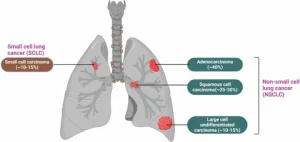
To grasp this industry fully, you must understand how experts categorize the market. Doctors do not treat every lung cancer patient the same way. Instead, they look at the specific characteristics of the tumor. The market splits into several categories based on the exact type of cancer cells. These categories include squamous cell carcinoma and adenocarcinoma. They also include large cell neuroendocrine tumors and large-cell carcinoma. Each type requires a unique medical approach.
Furthermore, pharmaceutical companies develop different types of molecules to fight these tumors. Some teams focus heavily on traditional small molecules. Other scientists create advanced biologics. These biologics often mimic the body’s natural immune system to target cancer cells directly.

The market also divides by the specific drug classes that doctors prescribe. Each drug class attacks the illness using a different chemical mechanism. For example, some treatments use alkylating agents or antimetabolites. Other therapies rely on advanced EGFR inhibitors or mitotic inhibitors. Many physicians also utilize multi-kinase inhibitors to block tumor growth pathways.
Patients receive these medications through various treatment structures. Some individuals respond well to simple monotherapies. This means they take just one drug at a time. On the other hand, many complex cases require combination therapies. Doctors mix multiple powerful drugs to maximize the treatment’s success.
Additionally, the exact mode of treatment varies by patient need. Standard chemotherapy still plays a massive role in global healthcare. However, radiation therapy and targeted therapy are becoming much more common. Immunotherapy represents the newest and most exciting frontier in cancer care. Medical teams can administer these drugs through a parenteral route, which means an injection. Alternatively, they can provide oral medications or use other routes of administration.
Global Distribution and Key Industry Players
The distribution of these medications relies on a complex supply chain. Patients obtain their life-saving treatments through hospital pharmacies. They also use standard retail pharmacies or convenient online prescription platforms. Ultimately, these products serve various end-users. These include massive public hospitals, specialty oncology clinics, and homecare setups.
Several major corporate entities dominate this global market. These organizations invest heavily in production facilities and distribution networks. Prominent companies include household names like Pfizer, Novartis, Merck, and Sanofi. Giant corporations like Eli Lilly, Johnson & Johnson, GSK, and Bayer also hold massive market shares. Furthermore, specialized companies like Clovis Oncology, Lupin, Aurobindo Pharma, Mylan, and Sun Pharmaceutical contribute significantly to the supply chain. Teva Pharmaceutical and La Roche also remain vital players in this landscape.
These companies operate across distinct geographical regions. Each territory exhibits unique consumption and production patterns. North America currently leads the global market in terms of total spending. The United States and Canada possess highly advanced healthcare networks. These countries adopt expensive new therapies much faster than other nations.
Meanwhile, Europe follows closely behind. Nations like the United Kingdom, Italy, Germany, and France maintain strong national healthcare systems. These governments provide robust reimbursement frameworks for oncology patients.
The Asia-Pacific region represents the fastest-growing market on the planet. Countries like India, China, Japan, and South Korea possess massive populations. As these nations upgrade their medical infrastructure, their demand for advanced cancer therapies skyrockets. Australia and New Zealand also show steady growth trends. Finally, regions like Latin America, the Middle East, and North Africa are expanding their clinical capabilities. Nations like Brazil, Argentina, Chile, Saudi Arabia, and South Africa are importing more advanced pharmaceuticals than ever before.
Strategic Analysis and Future Business Decisions
The entry of fresh companies continuously alters the dynamics of this industry. New biotech startups introduce innovative ideas every single year. This constant influx forces older corporations to adapt their marketing strategies. To maintain their position, major players rely on strategic corporate movements. They frequently execute mergers, acquisitions, and joint ventures. They also sign international distribution agreements and launch new products simultaneously.
To navigate this fluid environment, business executives must study comprehensive market data. Strategic frameworks like SWOT analysis provide deep clarity. This tool helps leaders identify internal strengths and external weaknesses. It also highlights upcoming market opportunities and dangerous competitive threats.
Similarly, Porter’s Five Forces analysis assists in calculating long-term profitability. Executives can evaluate the bargaining power of hospital buyers. They can also track the threat of cheap generic substitutes. Understanding these market forces allows companies to make lucrative business decisions. They can allocate their research budgets wisely and avoid costly commercial failures. Ultimately, accurate data-driven planning will determine which companies lead the fight against lung cancer over the next decade.
Author








In Traditional Chinese Medicine (TCM), the body works as one connected system. TCM practitioners believe that energy, known as Qi, moves through pathways called meridians. These pathways connect different parts of the body and support its natural balance.
When the body experiences an imbalance, certain acupoints may become sensitive or tender. Practitioners can use these points as part of a broader assessment and treatment approach. Foot massage and acupressure also play an important role in traditional wellness practices.
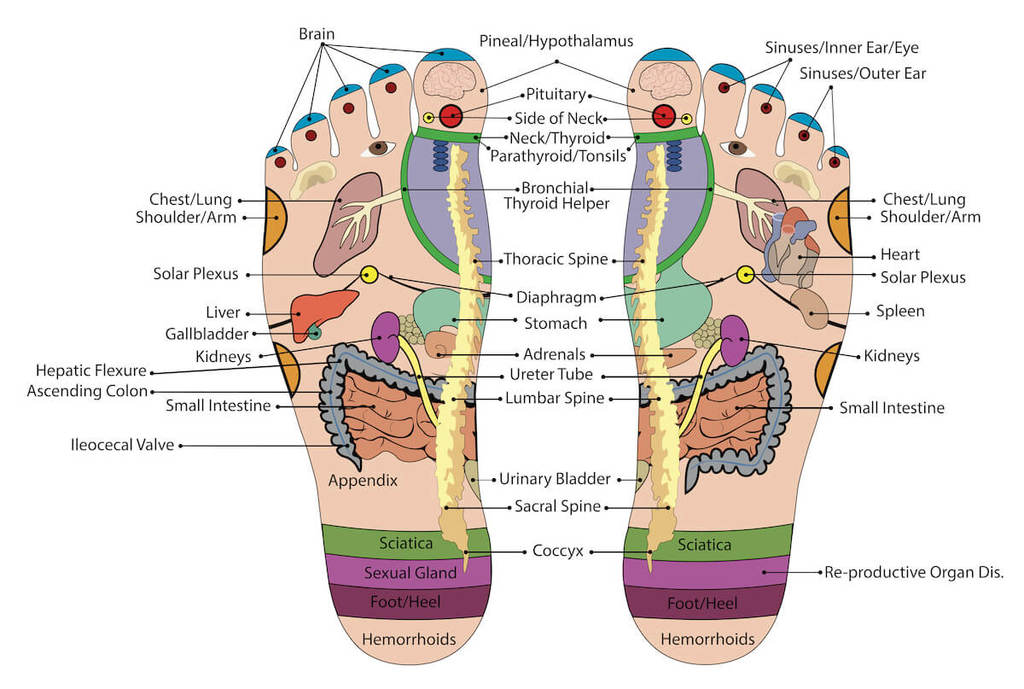
The feet deserve special attention because several important meridians pass through them. Foot reflexology also maps different areas of the feet to various parts of the body. Applying gentle Foot Pressure to these areas can create a relaxing experience and may support circulation and overall well-being.
So, what makes the feet so important? Let’s explore the foot meridians, reflex points, traditional acupressure points, benefits, and simple techniques you can try at home.
What Are Foot Meridians?
TCM describes 12 primary meridians that carry Qi and blood throughout the body. Six of these meridians connect directly with the feet. They include three yin meridians and three yang meridians.
The three yin meridians include the Liver, Spleen, and Kidney meridians. The three yang meridians include the Gallbladder, Stomach, and Bladder meridians.
Each meridian has a specific pathway and traditional function. For example, the Foot Yangming Stomach Meridian connects with the stomach system, while the Foot Shaoyin Kidney Meridian connects with the kidney system.
TCM practitioners may stimulate these pathways through acupuncture, acupressure, or massage. These techniques aim to encourage the smooth movement of Qi and blood according to TCM principles.
How Does Foot Reflexology Work?
Foot reflexology focuses on specific areas of the feet that practitioners associate with different organs and body regions. During a session, a practitioner applies controlled Foot Pressure to selected reflex areas.
Some people notice tenderness in particular areas. However, tenderness does not necessarily indicate a problem with the corresponding organ. Reflexology should not replace proper medical diagnosis or treatment.
Instead, many people use foot reflexology as a complementary wellness practice. Gentle massage can help relax tired feet, reduce everyday tension, and create a calming experience.
Practitioners commonly use two techniques: pressing and kneading. They adjust the intensity according to the person’s comfort. Stronger pressure does not always produce better results. Gentle and consistent movements can be more comfortable and enjoyable.
Understanding Foot Reflex Points
Different areas of the feet have traditional associations with different parts of the body.
Toes
The toes commonly correspond with the head, brain, eyes, ears, and nasal passages in reflexology charts. Gentle massage around the toes may help release tension after a busy day.
Ball and Center of the Foot
The ball and center of the foot traditionally relate to areas such as the heart, lungs, stomach, intestines, and pancreas. Massaging this region can help relax the muscles and provide comfort.
Heel
The heel traditionally connects with the lower back, bladder, and reproductive areas. Gentle massage can feel particularly soothing after prolonged standing or walking.
Inner and Outer Edges
The inner edge of the foot traditionally relates to the spine and kidneys. The outer edge has associations with the arms and legs in many reflexology systems.
Five Traditional Pressure Points on the Feet
Yongquan (KD1)
Yongquan, also known as KD1, sits on the sole of the foot. You can find it near the deepest depression that forms when you curl your toes.
TCM associates this point with the Kidney Meridian. To stimulate it, hold the top of your foot with one hand. Then use your thumb to massage the point in gentle circular movements.
Dadun (LR1)
Dadun, or LR1, sits near the base of the big toe on its inner side. TCM traditionally associates this point with the Liver Meridian. Apply gentle pressure for a few seconds. Then release and repeat several times. Avoid excessive pressure, especially if the area feels painful.
Neiting (ST44)
Neiting, also called ST44, sits between the second and third toes near their base. TCM connects this point with the Stomach Meridian.
Press gently for around five seconds. Release for a moment and repeat several times. Stop if you experience sharp pain or significant discomfort.
Zhiyin (BL67)
Zhiyin, or BL67, lies on the outer side of the little toe near the corner of the toenail.
TCM traditionally associates this point with the Bladder Meridian. Use your thumb or knuckle to apply light pressure for a few seconds. Then release and repeat.
Yinbai (SP1)
Yinbai, also known as SP1, sits on the inner side of the big toe near the base of the toenail. TCM associates this point with the Spleen Meridian. Apply gentle pressure several times while keeping the movement comfortable.
Five Benefits of Foot Massage
Foot massage can become a simple addition to your wellness routine. Here are five potential benefits.
- Supports relaxation: Gentle massage can help loosen tension in tired feet.
- Encourages circulation: Massage involves physical movement that can support normal blood flow in the feet.
- Helps reduce everyday stress: Slow, rhythmic movements can create a calming experience.
- Promotes better bedtime relaxation: A short massage before bed may help you unwind and prepare for sleep.
- Supports overall well-being: Regular self-care can help you feel more relaxed and connected to your body.
How to Perform Foot Massage at Home
You do not need complicated equipment to massage your feet. Start by sitting in a comfortable position. Wash and dry your feet before beginning.
Use your fingertips or thumb pads to apply gentle Foot Pressure to the areas you want to massage. Move slowly and avoid pressing directly on wounds, irritated skin, or areas with unexplained swelling.
You can massage your feet before bedtime or whenever you need to relax. However, avoid massage immediately after a large meal or intense exercise.
If you have diabetes, circulation problems, heart disease, a bleeding disorder, open wounds, or significant swelling, consult a healthcare professional before trying foot massage.
Does Foot Reflexology Really Work?
Foot reflexology can provide relaxation and may help people manage everyday tension and foot discomfort. However, claims that pressing a particular reflex point can directly treat or cure an internal disease require caution. Research on reflexology remains mixed, so it should not replace evidence-based medical care. Instead, consider it a complementary practice that may support relaxation and general wellness.
Experience Foot Reflexology at Shanghai Medical Clinic
At Shanghai Medical Clinic in Dubai, trained TCM practitioners provide traditional treatments alongside modern healthcare practices. Services include acupuncture, tuina massage, guasha, cupping, Chinese herbal medicine, and foot reflexology. During a professional session, the practitioner can adjust Foot Pressure based on your comfort and individual needs. They can also explain traditional acupoints and massage techniques. Shanghai Medical Clinic has served the Dubai community since 1997. It operates branches on Sheikh Zayed Collector Road and in Dubai Healthcare City.
Final Thoughts
Your feet carry you through almost every part of your daily life. Giving them regular attention can therefore become a simple and enjoyable part of your self-care routine. Traditional Chinese Medicine and foot reflexology offer different ways to understand the connection between the feet and the rest of the body. Gentle massage can encourage relaxation, ease everyday tension, and help tired feet feel refreshed.
Most importantly, listen to your body. Use comfortable Foot Pressure, avoid painful techniques, and seek professional medical advice when you have persistent or unusual symptoms. Whether you choose a short massage at home or visit a qualified TCM practitioner, caring for your feet can be a relaxing step toward better everyday well-being.
Author


Stubborn fat can be difficult to manage, especially when certain areas remain unchanged despite regular exercise and a healthy lifestyle. Many people experience concerns with localized fat deposits around areas such as the double chin, abdomen, arms, thighs, and waist. These areas may affect overall body confidence even when a person maintains healthy habits.
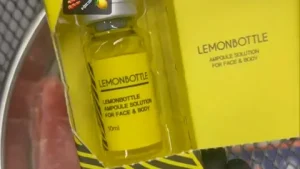
For individuals looking for a non-surgical approach to improve body contours, Lemon Bottle Injection offers a modern aesthetic treatment option. This minimally invasive procedure focuses on targeted areas of unwanted fat and helps create a more refined appearance without surgical incisions or extended recovery periods.
Unlike traditional surgical procedures, Lemon Bottle Injection provides a convenient option for people who want gradual body contouring results while continuing their normal routines.
What Is Lemon Bottle Injection?
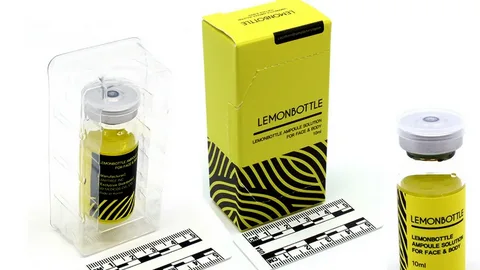
Lemon Bottle Injection is a non-surgical injectable treatment designed to target localized fat deposits. The procedure involves applying a specialized solution directly into areas where stubborn fat is present. Over time, the body naturally processes the treated fat cells.
The treatment focuses on improving body shape rather than providing overall weight reduction. It works best for individuals who are already close to their desired weight but struggle with specific areas that do not respond well to diet and exercise.
Unlike surgical fat-removal treatments, Lemon Bottle Injection does not involve large incisions, stitches, or lengthy recovery periods. This makes it an appealing option for people who want a less invasive approach to body contouring.
How Does Lemon Bottle Injection Work?
The process begins with a consultation where a qualified aesthetic professional evaluates your goals, concerns, and suitability for treatment. This step helps determine the most appropriate areas for treatment and allows the practitioner to create a personalized plan.
During the procedure, the practitioner carefully applies the solution into selected fat deposits. The body then gradually works to process and remove the treated fat cells naturally.
The treatment process generally includes:
- Cleaning and preparing the treatment area.
- Identifying and marking the targeted sections.
- Injecting the Lemon Bottle solution into the selected areas.
- Allowing the body to gradually respond to the treatment.
Results usually develop over time rather than appearing immediately. The number of sessions required may vary depending on the treatment area, individual goals, and professional assessment.
Areas That Can Be Treated With Lemon Bottle Injection
Lemon Bottle Injection can help improve the appearance of several areas where stubborn fat commonly develops. These areas may include:
- Double chin
- Jawline
- Upper arms
- Abdomen
- Waist area
- Love handles
- Back fat
- Inner thighs
- Outer thighs
- Knees
Many people choose targeted fat reduction because these areas can sometimes remain resistant despite consistent fitness routines. A personalized treatment plan helps determine which areas may benefit most from the procedure.
Benefits of Lemon Bottle Injection
Non-Surgical Fat Reduction
One of the main benefits of Lemon Bottle Injection is that it provides a fat-reduction option without surgery. The treatment does not require traditional surgical procedures, making it suitable for individuals who prefer minimally invasive solutions.
Without surgical incisions, patients can avoid many concerns associated with more invasive treatments. This allows them to focus on gradual improvement with less disruption to their daily routines.
Targeted Body Contouring
Lemon Bottle Injection focuses on specific areas rather than treating the entire body. This targeted approach allows practitioners to address individual concerns and create a more customized contouring plan.
Whether the goal is improving jawline definition or refining body proportions, targeted treatment can help create a more balanced appearance.
Minimal Downtime
Many individuals choose this treatment because it typically requires little recovery time. Most patients can return to regular activities shortly after the procedure, depending on their individual response and professional guidance.
This makes it a convenient option for people with busy schedules who want to improve their appearance without significant interruptions.
Quick Treatment Sessions
Lemon Bottle Injection sessions are generally completed within a short period. The exact duration depends on the number of areas being treated and the personalized treatment plan.
The shorter appointment time makes it easier for individuals to include the procedure within their existing schedules.
Natural-Looking Results
Because the body gradually responds to the treatment, changes often appear progressively. This gradual process can create a smoother and more natural-looking improvement compared with sudden changes.
Patients usually appreciate results that enhance their appearance while maintaining their natural body shape.
What to Expect After Lemon Bottle Injection
After treatment, some temporary effects may occur as the body responds to the procedure. These effects are generally mild and improve naturally over time.
Common temporary reactions may include:
- Mild swelling
- Redness
- Tenderness
- Minor bruising
Following professional aftercare advice can help support a comfortable recovery experience.
Your practitioner may recommend:
- Drinking sufficient water
- Following specific aftercare instructions
- Avoiding intense physical activity for a short period
- Attending recommended follow-up appointments
Each person’s recovery experience can vary depending on the treatment area and individual healing response.
Who Is a Good Candidate for Lemon Bottle Injection?
Lemon Bottle Injection may be suitable for individuals who want targeted fat reduction and improved body contours. Good candidates often share several characteristics, including:
- Having localized stubborn fat areas
- Maintaining a relatively stable weight
- Wanting a non-surgical aesthetic option
- Having realistic expectations
- Being generally healthy
It is important to understand that Lemon Bottle Injection is not a replacement for weight-loss programs or healthy lifestyle habits. The treatment works best as a body contouring solution for specific areas.
A consultation with a qualified professional can help determine whether the procedure matches your goals and expectations.
Maintaining Your Results After Treatment
Maintaining body contouring results requires continued healthy lifestyle choices. While the treatment can help improve specific areas, long-term results depend on maintaining overall wellness.
Helpful habits include:
- Following a balanced diet
- Exercising regularly
- Drinking enough water
- Maintaining a stable weight
- Following professional recommendations
These habits support overall health and can help preserve improved body contours over time.
Importance of Choosing a Qualified Professional
Selecting an experienced and qualified practitioner is an important part of achieving safe and satisfying results. A professional provider understands proper techniques, evaluates individual needs, and creates an appropriate treatment plan.
During a consultation, your practitioner can discuss your goals, review your medical background, explain expectations, and answer questions about the procedure. Choosing a reputable clinic helps ensure that treatment follows appropriate standards and that patients receive personalized care throughout their experience.
Final Thoughts
Lemon Bottle Injection provides a modern non-surgical option for individuals who want to address stubborn fat and enhance their body contours. With targeted treatment, minimal downtime, and gradual improvements, it offers a convenient approach for people seeking a more refined appearance.
Although results can vary between individuals, a personalized treatment plan and professional guidance play an important role in achieving satisfying outcomes. If you are considering Lemon Bottle Injection, consulting with a qualified aesthetic professional can help you understand whether this treatment aligns with your goals and expectations.
Author


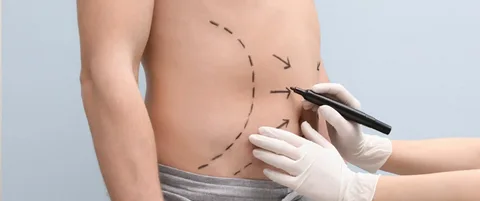
Many people struggle with stubborn areas of fat that remain even after maintaining a healthy diet and exercising regularly. These concerns often lead individuals to explore cosmetic body contouring options that can help improve body shape and proportions. However, inaccurate information about liposuction can create confusion and unnecessary fear among potential patients.
If you are researching Liposuction in Pakistan, you may find many opinions and misconceptions about the procedure. Some people believe it is a weight loss solution, while others worry about unnatural results, severe pain, or long recovery periods. Understanding the facts behind these common myths allows you to make better decisions and approach the procedure with realistic expectations.
Why Are Liposuction Myths So Common?
Liposuction has been performed for many years, yet misconceptions about the procedure continue to spread. Social media discussions, outdated information, and personal experiences shared without medical context can often create unrealistic ideas about what liposuction can achieve. Many people misunderstand the purpose of the procedure because they compare it with weight loss methods rather than body contouring treatments.
The primary goal of liposuction is to reshape specific areas of the body by removing localized fat deposits. It is not designed to replace healthy habits or create dramatic weight reduction. Once people understand this purpose, many common concerns become easier to address.
Myth: Liposuction Is a Weight Loss Procedure
One of the biggest misunderstandings about liposuction is that it works as a weight loss treatment. Many people assume the procedure can help them lose a large amount of weight, but that is not its intended purpose.
Liposuction focuses on removing stubborn fat pockets from specific areas such as the abdomen, thighs, hips, arms, back, or chin. It is generally more suitable for individuals who are already near their healthy weight but have areas that do not improve despite proper nutrition and exercise. Maintaining a balanced lifestyle remains important after treatment. Healthy eating habits and regular physical activity help support long-term body contouring results.
Myth: Fat Always Comes Back After Liposuction
Another common belief is that removed fat automatically returns after liposuction. This misconception often creates doubt among people considering the procedure. During liposuction, targeted fat cells are permanently removed from the treated areas. However, the procedure does not prevent future weight gain because remaining fat cells in the body can still increase in size if a person gains significant weight. Maintaining a stable weight and following healthy lifestyle habits can help preserve the improved body shape achieved after treatment.
Myth: Liposuction Is Only for Women
Many people still associate cosmetic procedures with women only, but this belief does not reflect modern trends. Men also choose liposuction to improve body contours and address stubborn fat deposits. Male patients commonly seek treatment for areas such as the abdomen, waist, chest, neck, and back. The goal is usually to create a more defined and balanced appearance while maintaining natural masculine proportions.
Body contouring decisions depend on personal goals and health considerations rather than gender. Both men and women may consider liposuction when they want to improve specific areas of concern.
Myth: Liposuction Creates an Unnatural Appearance
Some individuals avoid liposuction because they worry the results will look artificial. This concern often comes from outdated examples or unrealistic expectations.
Modern liposuction techniques focus on creating smoother contours and improving body proportions. Skilled surgeons carefully remove fat from selected areas while considering the patient’s natural shape and overall appearance. The best outcomes usually come from realistic goals, proper treatment planning, and allowing the body enough time to heal after the procedure.
Myth: Liposuction Recovery Takes Several Months
Many people believe recovery after liposuction requires an extremely long period before returning to normal activities. While healing does take time, the recovery process is often more manageable than people expect. Patients may experience temporary swelling, bruising, tightness, or mild discomfort after treatment. These effects gradually improve as the body heals. Following postoperative instructions can support a smoother recovery process. Every patient’s recovery timeline differs depending on factors such as the treatment area, amount of fat removed, and individual healing response.
Myth: Liposuction Is Extremely Painful
Fear of pain is one of the main reasons some people avoid cosmetic procedures. However, many patients describe liposuction recovery as manageable rather than unbearable. Temporary soreness, swelling, and sensitivity are common during the healing period. These symptoms usually decrease gradually as recovery progresses. Understanding the expected recovery experience can help patients feel more prepared and reduce unnecessary anxiety before treatment.
Myth: Exercise Is No Longer Needed After Liposuction
A common misconception is that liposuction eliminates the need for exercise or healthy eating. In reality, the procedure works best when combined with a healthy lifestyle.
Liposuction removes resistant fat deposits, but it does not replace regular physical activity, balanced nutrition, or overall wellness habits. Maintaining healthy routines helps protect the results and supports long-term body confidence. Patients should view liposuction as a body contouring procedure that complements healthy habits rather than replacing them.
Myth: Older Adults Cannot Have Liposuction
Some people believe liposuction is only suitable for younger individuals. However, age alone does not determine whether someone is a suitable candidate.
Factors such as overall health, skin elasticity, medical history, and personal goals play a much more important role in determining eligibility. Healthy adults from different age groups may consider liposuction after proper evaluation. A professional consultation helps determine whether the procedure matches an individual’s needs and expectations.
Myth: Liposuction Leaves Large Scars
Visible scarring is another concern that prevents some people from considering liposuction. However, modern techniques typically use small incisions designed to minimize noticeable marks. With proper care, these small scars usually become less visible over time as the skin continues to heal. Following postoperative instructions can support better healing and recovery. Patients should discuss incision placement and expected healing with their surgeon before treatment.
Myth: Liposuction Results Are Immediate
Many people expect to see their final body shape immediately after surgery. However, the body requires time to heal before the complete results become visible. Swelling after treatment can temporarily hide the final contours. As the swelling decreases and tissues settle, the treated areas gradually become more refined. Patience is an important part of the recovery process because the body continues improving over time.
Who Can Benefit From Liposuction?
Liposuction may be suitable for individuals who have specific areas of stubborn fat that do not respond well to lifestyle changes. Good candidates often share several characteristics, including:
- Having localized fat deposits
- Maintaining a relatively stable weight
- Having realistic expectations
- Following healthy lifestyle habits
- Wanting improved body contours rather than major weight loss
A consultation with a qualified professional helps determine whether liposuction is an appropriate option based on individual needs.
How to Separate Liposuction Facts From Fiction
With so much information available online, separating reliable facts from myths can be challenging. Social media opinions and personal stories may not always represent the actual medical reality of the procedure.
Learning from trusted medical sources, asking detailed questions, and understanding both benefits and limitations can help individuals make informed decisions. A clear understanding of the procedure often reduces uncertainty and improves confidence.
Final Thoughts
Liposuction remains one of the most recognized body contouring procedures for addressing stubborn fat deposits and improving body proportions. However, myths surrounding the treatment can prevent people from understanding its actual purpose and potential benefits.
Whether concerns involve pain, recovery, results, or long-term maintenance, accurate information is the best way to approach the decision-making process. For individuals considering Liposuction in Pakistan, learning the facts and maintaining realistic expectations can help create a more informed and positive experience.
When combined with healthy lifestyle habits and proper medical guidance, liposuction can help suitable patients achieve improved body contours and greater confidence.
Author



Car Maintenance: 7 Essential Summer Checks for Safer Driving

Digital Marketing Launceston: Grow Your Business Online

Drafting Services: Accurate CAD Solutions for Construction

Ghostwriter Cost 2026: Pricing, Services and Hiring

Carsicko Hoodie’s: Modern Streetwear Styling and Outfit Ideas

Business Opportunities in Brazil 2026: Ideas & Investment Tips

Best Cashback Mortgages UK: Compare Deals & Savings

Loan Settlement: Process, Credit Score Impact & Repayment Tips

Everyday Style: Common Projects Sneakers UK Styling Tips

Commercial Truck Financing Options for Business Owners

Cybersecurity Consulting Company SequelNet Provides Critical IT Support Services to Medical Billing Firm, Medical Optimum

Meet the Megalodon: The Shark Star of ‘Meg 2’

Reduce Video Game Lag: Level Up Your Gaming Performance

Balancing India’s Entertainment: Cricket vs. Bollywood

Jetsetter’s Secrets: Unveiling Our Favorite Travel Hacks for a Seamless Adventure

The 5 Best Live Sports Streaming Sites: Legal and Exciting!

Hollywood Labor Unrest: The Impact of ‘What About Us?’ Strikes

Unveiling the Magic of Dream Fulfillment at the Late NBA Draft

Illuminate Your Skin: Dr. Axe Unveils Natural Remedies for Lightening Knees and Elbows

Bright Choices: Navigating the Pros and Cons of Skin Whitening Creams with Dr. Axe
-

 Business3 years ago
Cybersecurity Consulting Company SequelNet Provides Critical IT Support Services to Medical Billing Firm, Medical Optimum
-
Entertainment3 years ago
Meet the Megalodon: The Shark Star of ‘Meg 2’
-
Entertainment3 years ago
Reduce Video Game Lag: Level Up Your Gaming Performance
-
 Sports3 years ago
Balancing India’s Entertainment: Cricket vs. Bollywood
-
Entertainment3 years ago
Jetsetter’s Secrets: Unveiling Our Favorite Travel Hacks for a Seamless Adventure
-
Productivity3 years ago
The 5 Best Live Sports Streaming Sites: Legal and Exciting!
-
Art /Entertainment3 years ago
Hollywood Labor Unrest: The Impact of ‘What About Us?’ Strikes
-
Sports3 years ago
Unveiling the Magic of Dream Fulfillment at the Late NBA Draft






