
health
NAD+ IV Drip in Dubai: Strengthening Your Immune Resilience

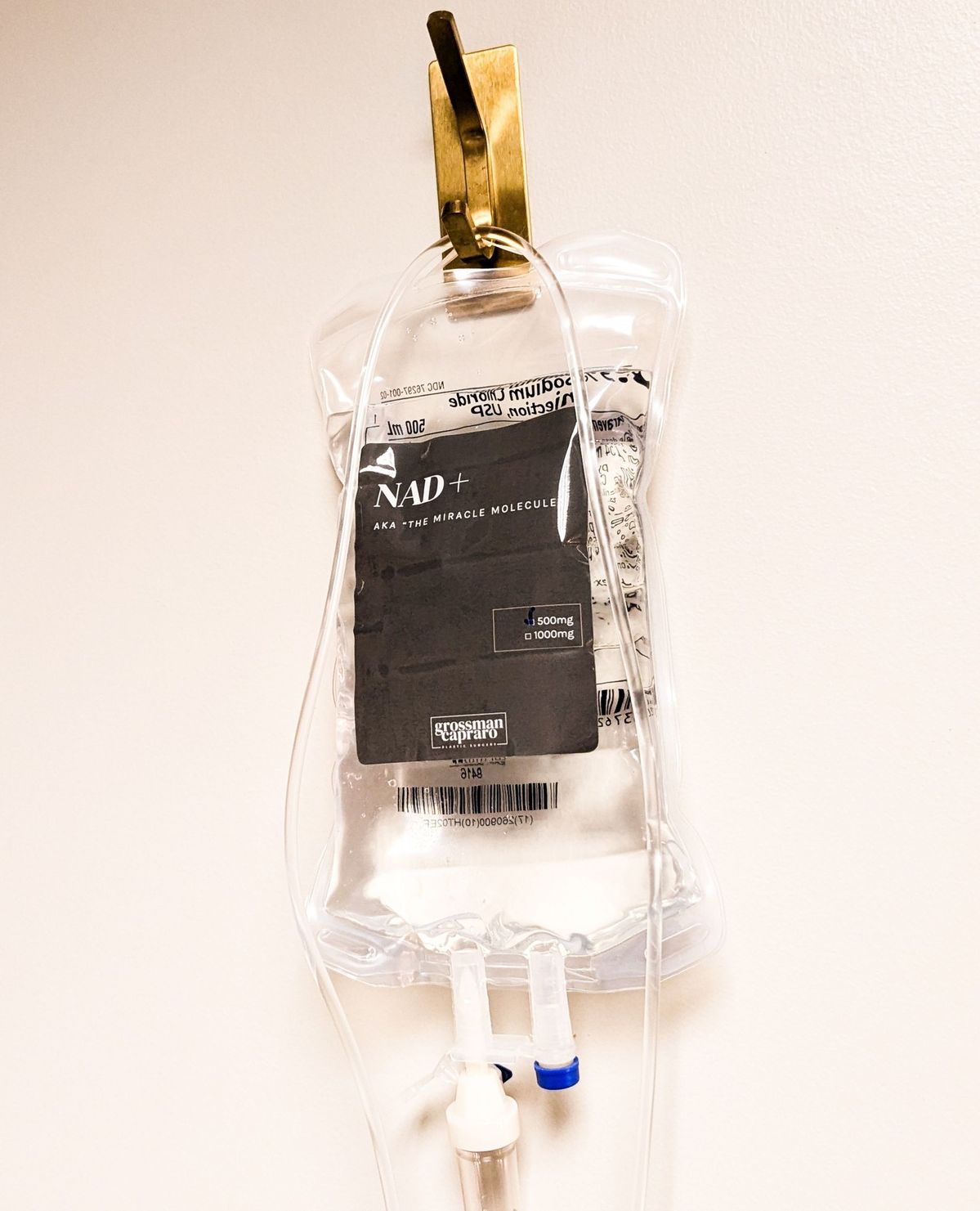
In an increasingly interconnected world, maintaining a robust immune system is the cornerstone of long-term health. While many focus on external defenses, true immunity begins at the cellular level, where energy availability dictates how effectively your body can identify and neutralize threats. A NAD+ IV Drip in Dubai provides the essential coenzymes required to fuel your immune cells, ensuring they have the metabolic resources needed to protect your system. By optimizing your cellular energy, you are not just treating a symptom; you are reinforcing your body’s natural fortress against illness and environmental stress.
Understanding the immune role of a NAD+ IV drip in Dubai
Nicotinamide Adenine Dinucleotide (NAD+) is the primary energy source for every leukocyte and lymphocyte in your body. Immune cells are high-demand units; when they are activated to fight an infection or manage inflammation, their energy consumption skyrockets. If your NAD+ levels are depleted due to age or stress, your immune response can become sluggish or disorganized. Choosing a NAD+ IV Drip in Dubai allows you to flood your system with the “fuel” these cells need to stay vigilant and responsive, providing a significant advantage in maintaining systemic health.

The biological mechanism of immune cell activation
The link between cellular energy and immunity lies in the mitochondria of your white blood cells. NAD+ is a mandatory co-factor for the production of ATP, which powers the movement and signaling of immune cells. In our clinical experience, high levels of this coenzyme also regulate the production of cytokines—the signaling molecules that coordinate the immune response. By ensuring a steady supply of NAD+, the body can more effectively manage the balance between a healthy defense and harmful chronic inflammation, which is often the result of “tired” immune cells.
The purpose of proactive immune support
The primary purpose of this protocol is to transition the body from a “reactive” state to a “resilient” one. Instead of waiting for the onset of seasonal illness or fatigue, this therapy aims to keep the immune system in a state of high readiness. By replenishing coenzyme stores, we provide the resources for constant DNA surveillance and repair within the immune system itself. This proactive approach is vital for those living in high-density urban environments where the body is constantly challenged by pollutants and diverse pathogens.
Key benefits for systemic defense and recovery
By addressing the metabolic needs of your immune system, you unlock several key benefits that contribute to total body resilience.

-
Enhanced Pathogen Surveillance: Improves the energy available for immune cells to detect and respond to threats.
-
Balanced Inflammatory Response: Helps the body “turn off” inflammation once a threat has passed, preventing chronic damage.
-
Faster Recovery from Illness: Provides the cellular energy needed to repair tissues after the immune system has been active.
-
Support for Respiratory Health: Strengthens the cellular integrity of the mucous membranes and lung tissues.
-
Reduction in Post-Viral Fatigue: Helps restore the energy levels that are often depleted following a period of immune activity.
Who are the ideal candidates for immune resilience?
This therapy is specifically designed for those who cannot afford downtime and want to ensure their body’s defenses are operating at peak efficiency. What patients typically report during recovery is a feeling of “robustness” and a significant decrease in the frequency of common minor ailments. It is an excellent choice for frequent travelers, parents with young children, and professionals working in high-stress environments where the immune system is frequently compromised by elevated cortisol levels.
The clinical procedure: A step-by-step for resilience
Strengthening the immune system requires a professional environment where the coenzyme is administered with clinical precision and care.
-
Defense Assessment: A medical consultation to evaluate your current immune health and stress levels.
-
Sterile Environment: You are settled into a private, comfortable suite that meets the highest hygiene standards.
-
Vascular Access: A skilled clinician places an IV line to begin the direct delivery of medical-grade NAD+.
-
Controlled Infusion: The coenzyme is administered in a balanced electrolyte solution. The slow drip rate ensures that the immune cells can absorb the NAD+ effectively.
-
Clinical Monitoring: Staff monitor your comfort throughout the session, which typically lasts between 2 and 3 hours for maximum saturation.
Primary target zones for immune support
| Biological Target | Immune Outcome |
| Lymphatic System | Improved circulation of immune cells and waste removal. |
| Bone Marrow | Enhanced energy for the production of new white blood cells. |
| Respiratory Mucosa | Strengthened cellular barriers against environmental irritants. |
| Intestinal Lining | Support for the gut-associated lymphoid tissue (GALT). |
Factors influencing the investment in immune health
When considering a NAD+ IV Drip in Dubai, the cost reflects the high grade of the coenzyme used and the specialized clinical time required to monitor the infusion. High-purity NAD+ is a delicate molecule that must be handled with medical expertise to maintain its effectiveness. Investing in a premium clinic ensures that your immune system is receiving a potent, stable dose designed to produce a meaningful biological shift. This is a strategic investment in your body’s most important defense mechanism.
The timeline for results and immune healing
While the initial hydration from the infusion provides a refreshing lift, the true “resilience boost” typically peaks 48 to 96 hours post-treatment. This is the window during which the immune cells integrate the new coenzyme and optimize their metabolic signaling. Many patients report a sustained sense of physical well-being and increased resistance to daily stressors in the weeks following a single high-dose session. For long-term protection, regular maintenance is highly effective.
Safety considerations and professional oversight
Safety is the foundation of our clinical protocols. Because NAD+ is a bio-identical molecule, it is remarkably safe and works in harmony with your natural biological systems. During the infusion, it is common to experience mild sensations such as “stomach butterflies” or a slight sense of warmth. These are not adverse reactions; they are signs of your cellular metabolism accelerating to integrate the new fuel. Our clinical team manages the drip rate to ensure your experience is completely smooth and restorative.
Maintaining results after your immune-boosting drip
To extend the benefits of your infusion, we recommend a lifestyle that supports immune function. This includes a nutrient-dense diet rich in Vitamin C, Zinc, and Vitamin D, as well as staying consistently hydrated. Avoiding excessive sugar, which can suppress immune activity, is also helpful. Prioritizing high-quality sleep is non-negotiable, as your immune system does its most critical “reconnaissance” work while you rest. Regular “booster” infusions can keep your immune resilience at its peak year-round.
Conclusion and clinical reassurance
It is a natural concern to want to protect your health in a busy and unpredictable world. Choosing a medically authoritative path to immune support provides the peace of mind that comes from evidence-based care. At Tajmeels Clinic, we focus on providing a professional and empathetic environment where your systemic resilience is the top priority. By choosing a NAD+ IV Drip in Dubai, you are making a conscious decision to fuel your body’s natural defenses from the inside out. Our team is here to provide the clinical expertise and care necessary to help you stay strong, healthy, and resilient in the face of any challenge.
Author












Navigating preventive healthcare across a state as vast as Texas often means dealing with long drives, waiting rooms, and unclear out-of-pocket bills before you even get basic answers about your health. Today, more adults are looking for ways to evaluate their metabolic, hormonal, and cardiovascular health proactively rather than waiting for symptoms to disrupt their routines. Booking online lab testing paired with virtual provider consultations allows residents from major metro areas to surrounding communities to gather meaningful health data from their own living rooms.
Thryve Wellness Clinic is a functional and integrative telemedicine practice offering at-home lab testing and virtual provider consultations across Texas, with plans starting at $119. When you decide to book wellness and longevity texas services online, understanding what these panels actually measure, how mobile specimen collection works, and how one-time pricing compares across providers helps you make an informed, practical choice for your health.
What Is Wellness and Longevity Care Online?
Online wellness and longevity care combines comprehensive laboratory diagnostics with virtual clinician consultations to help adults evaluate modifiable factors tied to long-term health and daily function. Rather than treating isolated complaints during a rushed clinic visit, this model reviews blood and urine markers alongside your medical history, lifestyle habits, and personal goals to create an individualized care strategy.
Wellness and longevity care is a proactive, provider-guided approach focused on healthspan—the years lived in good health with function and independence—rather than promising to stop aging or extend lifespan. It evaluates systemic biomarkers across cardiovascular, metabolic, hormonal, thyroid, and inflammatory pathways to support informed preventive decisions.
Understanding the distinction between lifespan and healthspan sets realistic expectations for any preventive program. Lifespan refers simply to the total length of a person’s life, whereas healthspan describes the decades spent feeling energetic, mentally sharp, and physically capable. No laboratory test can directly measure biological age or prevent aging, and wellness biomarker testing is completely separate from diagnostic tumor or cancer biomarker testing used in oncology. Instead, a baseline panel offers a clear snapshot of how your internal systems are functioning today so you and your clinician can track meaningful trends over time.
-
Evaluates proactive healthspan indicators across heart, blood sugar, hormone, thyroid, and nutrient systems.
-
Replaces clinic waiting rooms with digital ordering, at-home sample collection, and secure video visits.
-
Distills complex lab numbers into plain-English reports showing both standard reference ranges and optimal wellness targets.
-
Distinguishes general wellness screening from specialized medical diagnostics for acute illness or cancer detection.
-
Focuses on realistic, modifiable habits and provider-guided interventions rather than exaggerated anti-aging claims.
How At-Home Longevity Care Works in Texas
Completing comprehensive lab work and a medical consultation from home removes the friction of coordinating separate lab requisitions, driving across town while fasting, and waiting weeks for a follow-up phone call. When you schedule longevity care in Texas through a connected telemedicine platform, the ordering, collection, laboratory processing, and clinical review follow a coordinated digital workflow.
Once you select a testing plan online, your laboratory order is generated automatically without requiring an outside physician referral. You choose a convenient appointment window from your patient dashboard, and a trained specialist visits your home or office to collect your blood and urine samples before transporting them to a CLIA-certified, COLA-accredited laboratory. Within roughly 72 hours, your results populate inside a secure digital portal where you can review plain-English explanations and meet with a licensed provider via video to build your plan.
-
Choose your plan: Select the one-time testing package that matches your health goals, whether you want a foundational checkup or an expanded biomarker panel with a included provider consultation.
-
Mobile phlebotomist draws blood at home: Book your preferred collection window from your online dashboard, and a certified phlebotomist arrives at your confirmed Texas address to collect your blood sample gently and efficiently.
-
Telemedicine visit: Connect with a board-certified physician or nurse practitioner over secure video to review your laboratory findings alongside your symptoms, health history, and daily habits.
-
Personalized plan: Receive an individualized care roadmap tailored to your body, which may include nutrition and exercise guidance, targeted nutraceuticals, ongoing monitoring, or clinically appropriate prescription therapies.
What Biomarker Panels Measure for Healthy Aging Labs
Comprehensive biomarker panels look far beyond a standard annual physical blood draw, which often checks only basic blood counts, basic electrolytes, and standard cholesterol. When evaluating healthy aging labs, providers examine multiple interconnected body systems to spot subtle metabolic, hormonal, or nutritional shifts years before they escalate into overt symptoms.
Grouping markers by body system makes it much easier to understand how daily energy, sleep quality, focus, and cardiovascular resilience connect. For instance, persistent afternoon fatigue might stem from suboptimal ferritin or vitamin D, an underactive thyroid, or early insulin resistance rather than a busy schedule alone. Reviewing these categories together allows your clinician to see patterns rather than staring at isolated numbers on a spreadsheet.
Core Metabolic, Heart, and Hormone Systems
-
Heart and cholesterol markers (up to 14 markers): Measures standard total, HDL, LDL, and non-HDL cholesterol plus triglycerides alongside advanced particle counts like Apolipoprotein B (ApoB), Lipoprotein(a) or Lp(a), small dense LDL, homocysteine, and PLAC (Lp-PLA2) to assess arterial plaque risk more precisely.
-
Blood sugar and insulin markers (5 markers): Pairs immediate serum glucose and three-month Hemoglobin A1c with fasting insulin, HOMA-IR, and adiponectin to identify early insulin resistance before fasting blood sugar rises.
-
Hormone balance markers (up to 13 markers): Evaluates total testosterone, free testosterone index, SHBG, and cortisol in foundational panels, expanding to estradiol, progesterone, FSH, LH, prolactin, and DHEA-S in broader plans.
-
Thyroid function markers (up to 7 markers): Begins with TSH and free T4 to screen overall thyroid signaling, and expands to free T3, total T3, total T4, and thyroid antibodies to check hormone conversion and autoimmune thyroid patterns.
Nutritional, Inflammatory, and Organ Function Systems
-
Iron and essential vitamins (6 markers): Checks serum iron, ferritin (stored iron reserves), vitamin D, vitamin B12, and folate to uncover common nutrient gaps tied to low mood, brain fog, and sluggish recovery.
-
Inflammation and immune markers (up to 8 markers): Includes high-sensitivity C-reactive protein (hs-CRP) and erythrocyte sedimentation rate (ESR) to detect low-grade systemic inflammation, alongside routine CRP and research-stage blood-count indices in the most comprehensive tier.
-
Liver, kidney, minerals, and muscle (24 markers): Tracks liver enzymes, albumin, bilirubin, creatinine, eGFR, electrolytes, calcium, magnesium, phosphorus, and creatine kinase to verify organ clearance and cellular hydration.
-
Complete blood count and urinalysis (33 markers): Evaluates 21 blood cell parameters including red blood cells, hemoglobin, hematocrit, platelets, and white blood cell differentials, paired with a 12-marker urinalysis.
Who May Consider Online Wellness and Longevity Testing?
Proactive lab testing is designed for adults who want objective baseline data to guide their nutrition, fitness, sleep, and preventive healthcare decisions. While anyone can benefit from understanding their baseline numbers, certain life stages and daily health patterns make comprehensive testing especially practical.
Using a coordinated at home blood draw service is particularly helpful for Texans balancing demanding work schedules, family caregiving, or long commutes across sprawling metro regions. Rather than taking half a morning off work to sit in a clinic lobby, you can complete a fasting morning draw at your kitchen table before your day begins.
-
Busy professionals and parents in cities like Austin, San Antonio, Houston, and Dallas who want convenient preventive care without clinic wait times.
-
Adults noticing unexplained fatigue, afternoon energy crashes, brain fog, poor sleep quality, or slower workout recovery despite consistent habits.
-
Individuals committed to annual biomarker tracking who want to compare year-over-year trends in insulin sensitivity, lipids, and inflammation against optimal ranges.
-
Men and women navigating midlife hormonal shifts, perimenopause, or changes in body composition who want provider-guided evaluation.
-
Adults with a family history of heart disease, type 2 diabetes, or thyroid conditions looking to monitor modifiable risk factors proactively.
-
People who experience anxiety around clinical environments or prefer the comfort and privacy of having blood drawn in a familiar home setting.
What Does Wellness & Longevity Care Cost in Texas?
Healthcare pricing can vary dramatically depending on whether a clinic charges ongoing monthly membership fees, bundles physician visits into multi-month programs, or bills insurance with unpredictable deductibles. Transparent at home biomarker testing pricing eliminates surprise laboratory bills by stating the exact one-time cost upfront, with the mobile blood draw included in the price of your panel.
At Thryve Wellness Clinic, all three testing tiers are structured as single one-time payments with no subscriptions, contracts, or hidden setup fees, and they are HSA and FSA eligible. The Essential panel covers 75 core biomarkers for $119, the Advanced panel expands to 100 biomarkers including ApoB, Lp(a), fasting insulin, and full thyroid and hormone markers for $149, and the Comprehensive panel evaluates 110+ biomarkers while including a 30-minute telemedicine consultation and personalized care plan for $249. If you choose the Essential or Advanced panel and decide you want clinical guidance afterward, you can add a one-time 20-minute virtual consultation with a board-certified provider for $89.
| Provider | Focus / Panel Scope | Pricing / Details |
| Thryve Wellness Clinic | Hormones, thyroid, inflammation, metabolic and heart markers (75 to 110+ markers) | Plans starting at $119 (one-time plans: $119 / $149 / $249) |
| Empirical Health | 100+ biomarker panel + physician review | $190 |
| EverHealth Institute | 230+ biomarkers across 12 health domains | Comprehensive platform |
| Any Lab Test Now | Platinum Male Wellness Panel (19 tests, 65+ biomarkers) | Lab location in 78212 |
| Body Concepts | Wellness Lab Panel and Male Hormone Lab Panel Draw | 30-minute draw; 5.0/5.0 rating (88 reviews) |
| NextCare Urgent Care | Comprehensive Metabolic Panel or Inflammation Marker Test | Huebner Rd and Woodlake locations |
Navigating Regional Care Options Across Texas
Whether you are searching for a standard lab test in San Antonio, exploring preventive diagnostics in Houston or Dallas, or looking up options for longevity testing austin residents rely on, Texas offers a wide range of in-person and virtual healthcare models. Traditional walk-in draw centers and urgent care clinics work well when you already hold a paper requisition from a primary care doctor and simply need a quick blood draw near your neighborhood.
On the other hand, statewide telemedicine clinics with mobile phlebotomy networks bridge the gap between ordering, collection, and clinical interpretation. When comparing local options across Central Texas, North Texas, Greater Houston, the Hill Country, or West Texas, look closely at whether a provider includes physician review, requires an upfront outside order, or charges extra fees for mobile collection.
-
Check service address eligibility early: Confirm that mobile phlebotomy covers your specific ZIP code across Austin, Round Rock, Cedar Park, San Antonio, Boerne, Houston, Katy, The Woodlands, Dallas-Fort Worth, or Midland.
-
Verify laboratory accreditation: Ensure samples are processed by CLIA-certified and COLA-accredited clinical laboratories for reliable analytical accuracy.
-
Look for integrated clinical interpretation: Raw numbers without medical context can create unnecessary worry; choose a pathway that offers licensed provider review.
-
Compare total out-of-pocket costs: Factor in separate lab draw fees, mandatory monthly memberships, and follow-up consultation charges before booking.
-
Confirm prescription and follow-up pathways: If your results reveal a thyroid imbalance, nutrient deficiency, or metabolic concern, ask whether the clinic can coordinate ongoing care or share records with your local physician.
When to Speak to a Healthcare Professional Immediately
While preventive lab panels and virtual wellness consultations are built for proactive health planning, they are not designed for urgent or acute medical symptoms. If you are experiencing new, severe, or rapidly worsening physical changes, you should seek prompt in-person medical evaluation rather than waiting for routine lab scheduling.
Even when using at-home testing for general wellness, sharing your comprehensive lab report with your primary care physician ensures your entire care team stays aligned. Coordinated communication prevents duplicate testing and keeps your preventive wellness strategy safely integrated with your broader medical record.
-
Seek immediate in-person or emergency care for chest pain, shortness of breath, sudden weakness, dizziness, fainting, or unexplained rapid weight loss.
-
Consult a physician promptly if you have persistent high fever, severe abdominal pain, or signs of acute infection.
-
Schedule an in-person clinical exam if you need hands-on physical evaluation, vaccinations, cancer screenings, or diagnostic imaging.
-
Share copies of your digital lab reports with your local Texas primary care doctor or specialist so your longitudinal health records remain unified.
Taking the Next Step Toward Proactive Health in Texas
Building a clear baseline of your metabolic, hormonal, cardiovascular, and nutritional health does not require navigating complicated insurance referrals or rearranging your entire week around clinic waiting rooms. By pairing transparent one-time pricing with mobile phlebotomy and board-certified telemedicine support, Texans can approach preventive care on their own schedule.
Whether you are establishing a baseline in your thirties, investigating persistent fatigue in your forties, or fine-tuning your cardiovascular and metabolic habits later in life, objective lab data gives you a grounded starting point. Explore what we offer to compare panel options, check mobile collection availability in your Texas community, and take a practical step toward informed, long-term wellness.
Frequently Asked Questions
Do I need a doctor’s referral to book wellness and longevity labs online in Texas?
No outside physician referral is required. When you select a testing plan online through a telemedicine clinic like Thryve Wellness Clinic, the laboratory orders included in your package are generated automatically by the clinic’s medical team so you can schedule your at-home blood draw right away.
How is at-home mobile phlebotomy different from a finger-prick mail-in test kit?
Mobile phlebotomy sends a trained, certified phlebotomist directly to your home or office to perform a standard venous blood draw from your arm. Venous blood samples provide the sample volume and stability needed for comprehensive 75- to 110+-marker panels processed at CLIA-certified, COLA-accredited laboratories, whereas finger-prick kits collect only a few drops of capillary blood and are limited to smaller test menus.
Are online longevity lab panels covered by health insurance, or can I use HSA/FSA funds?
Direct-to-consumer wellness and longevity panels typically operate on transparent self-pay pricing rather than billing health insurance, which avoids surprise out-of-network bills and deductibles. However, plans at Thryve Wellness Clinic are HSA and FSA eligible, allowing you to use pre-tax health savings funds toward your testing and consultation costs.
How fast do lab results come back, and who reviews them with me?
After your mobile phlebotomist collects and transports your samples, results are typically ready within about 72 hours inside your secure digital portal. If you choose the Comprehensive plan, a 30-minute telemedicine consultation with a licensed provider is included to walk through your results and build a personalized plan, or you can add a one-time 20-minute virtual consultation to any smaller panel for $89.
How often should I repeat biomarker testing for healthy aging?
For most healthy adults establishing a preventive baseline, repeating comprehensive blood work once a year is a common rhythm for tracking long-term trends. If your provider identifies specific areas to address—such as suboptimal vitamin D, iron reserves, insulin sensitivity, or thyroid markers—they may recommend rechecking targeted labs in 8 to 12 weeks to evaluate how your body responds to lifestyle or clinical adjustments.
Author


Collecting a stool sample feels awkward, but it is a simple task once you know the steps. This guide explains how to collect, store and post a sample for digestive enzyme testing, so the laboratory can give you a result you can trust. Nothing here needs medical training or equipment.
What Digestive Enzyme Testing Actually Measures
A faecal elastase stool test measures elastase, an enzyme made by the pancreas, in a small stool sample. Low levels can suggest the pancreas is not releasing enough enzymes to break down food properly. Doctors use it when symptoms suggest poor absorption.
The result is only as reliable as the sample behind it. A poorly collected, mixed or watery sample can give a misleading reading, which is why careful collection matters and can save you from repeating the test.
What to Prepare Before You Begin
Before you start, read the leaflet that came with your kit and gather everything in one place. A few minutes of preparation makes the process far easier. Work through the steps below in order.
Read Your Kit Instructions First
Every laboratory has its own rules about sample size, containers and timing. Read the leaflet fully before you open anything, and check that the container label and expiry date look correct. If anything is missing, contact the supplier first.
Your kit may include gloves, a collection scoop, a sample tube and a prepaid return envelope. Lay these out on a clean surface so nothing is forgotten midway. Wash your hands before and after handling anything.
Choose the Right Time to Collect
For a faecal elastase stool test, a formed or semi-formed stool gives the most dependable result. Collect when you naturally need to go, rather than trying to force a sample. Morning samples are fine if that suits your routine.
Watery or loose stools dilute the enzyme and can produce a falsely low reading. If you have diarrhoea, tell your doctor, as they may advise waiting or repeating the test. This is one of the most common reasons for unreliable results.
Collect the Sample Without Contamination
Pass the stool onto clean, dry paper or a collection device placed over the toilet bowl. Avoid letting it touch the water, because water can dilute and spoil the sample. Do not use cleaning products in the bowl beforehand.
Keep urine out of the sample as well. If you need to pass urine first, do so before you collect, and keep toilet tissue away from the specimen. Contamination is easy to avoid with a little care.
Fill the Tube to the Line
Use the scoop attached to the lid to transfer stool into the tube, stopping at the fill line. Kits differ in the amount they need, so follow your leaflet rather than guessing. Overfilling can cause leaks and is best avoided.
Take small amounts from a few different spots on the stool if your leaflet allows it. Close the lid firmly and check that it is properly sealed. A loose lid can leak in transit. Wipe the outside of the tube if needed.
Label, Store and Handle the Sample
Write your full name, date of birth and the collection date on the tube, exactly as shown on your test form. Mismatched details can delay your results. Double-check spelling before you move on.
Place the sealed tube in the biohazard bag provided, which usually contains absorbent material. If your kit advises keeping the sample cool before posting, store it as instructed. Do not freeze it unless the leaflet says so. Keep it away from food and children.
Pack and Post Your Sample Promptly
Put the bag and completed form into the prepaid envelope and seal it. Post it as soon as possible, ideally on the same day you collect. Fresh samples reach the laboratory in the best condition.
Avoid collecting just before weekends or bank holidays, when postal delays are more likely. Check the collection times at your nearest post box or Post Office. Delays can affect how well a sample holds up.
What Happens After Your Sample Arrives
The laboratory measures the enzyme level and reports a figure in micrograms per gram. Results are usually available within a few working days of the sample arriving. Your report will usually include the lab’s reference range.
Levels above 200 µg/g are generally considered normal, while lower figures may suggest reduced pancreatic function. Always discuss your result with a doctor rather than interpreting it alone. Symptoms still matter even when numbers look normal.
Final Thoughts on Sample Collection
Take your time. Careful collection gives the laboratory the best chance of producing an accurate result. Use a suitable stool sample, avoid water and urine, label the tube correctly and post it quickly. Providers such as Repose Healthcare supply kits with written instructions, but your own doctor remains the right person to interpret results and advise on any next steps.
Author


Overview
Walk into any gym, office, or family function in India today and you will hear someone talking about a weight loss injection. GLP-1 weight loss injections have moved from doctors’ clinics into everyday conversation. People are curious, hopeful, and sometimes confused. This article explains in simple words why these injections attract so many people and why losing weight the usual way feels so tough.
Why These Injections Attract So Many People
The biggest draw is simple. Many people have tried diets, gym memberships, and morning walks for years, only to see the scale creep back up. When a medical option promises steady, visible change, it feels like a fresh start. Medicines such as Ozempic and Mounjaro have made GLP-1 treatments widely talked about, though they should only be used when prescribed by a qualified doctor.
These injections work on the hormones that tell your brain you are full. Many users say they feel less hungry and think about food less often. For someone who has battled constant cravings, that can feel like a huge relief.
Think of Meena, a 38 year old teacher in Pune. She skips breakfast, eats late after school, and has tried four diet plans in six years. Each time she lost a few kilos and then gained them back. When her doctor mentioned an injection, it sounded like the first practical option she had heard in a long time.
The Weight Problem in India Is Real
The numbers show why this topic matters. The ICMR-INDIAB study, published in The Lancet Diabetes and Endocrinology in 2023, found that about 28 percent of Indians have general obesity and nearly 40 percent have extra fat around the belly. The same study estimated that over 100 million Indians are living with diabetes.
The National Family Health Survey 5, carried out between 2019 and 2021, found that around 24 percent of women and 23 percent of men were overweight or obese. That is almost one in four adults. Many of them simply want to feel healthier.
Why Losing Weight the Usual Way Feels So Hard
Weight loss is rarely just about willpower. Long work hours, stress, and late dinners push many people toward quick, heavy meals. Poor sleep makes hunger hormones go up, so cravings get louder. Family meals filled with rice, fried snacks, and sweets can also make it hard to say no without feeling left out.
Genes and hormones play a part too. Some bodies store fat more easily, and some feel hungrier than others even after eating well. When a person loses weight, the body often fights back by increasing hunger. This is why so many people lose weight and then regain it, and it has nothing to do with being lazy.
The ICMR National Institute of Nutrition, in its 2024 dietary guidelines for Indians, stresses balanced meals, less sugar and oil, and regular activity as the base of good health. These habits matter with or without any medicine. The difficulty is keeping them up in a busy life.
What These Injections Can and Cannot Do
GLP-1 weight loss injections can help reduce appetite and support steady weight loss when used under a doctor’s care. They are not a magic fix, and they do not replace healthy food or movement. Doctors usually combine them with diet advice, light exercise, and regular check ups.
Side effects are real. Some people feel nauseous, bloated, or constipated, especially in the early weeks. Others may notice tiredness or a loss of muscle if they do not eat enough protein. Also, many people regain weight after stopping the injections, which is why doctors plan the treatment carefully.
Who Should Be Careful
These injections are not right for everyone. People with certain stomach, pancreas, thyroid, or kidney problems may need to avoid them. Pregnant women and those planning a pregnancy should speak to a doctor first.
Caregivers have an important role here. If a parent or partner is considering an injection, help them ask the doctor about benefits, risks, and costs. Avoid buying injections from unverified sellers or following social media advice. Fake or wrongly stored products can be risky.
A Choice Without Judgment
Choosing an injection is not a sign of weakness, and choosing the traditional path is not old fashioned. Every body and every life is different. What matters is an informed, safe decision guided by a trusted doctor.
Key Takeaways
- Many people turn to GLP-1 weight loss injections because years of dieting have left them tired and discouraged.
- Stress, poor sleep, genes, and family eating habits make normal weight loss harder than it looks.
- Indian data from ICMR-INDIAB and NFHS-5 shows that weight problems are widespread.
- These injections can cause side effects and work best with healthy habits.
- Always take medical advice before starting, stopping, or changing any medicine.
Conclusion
GLP-1 weight loss injections have given many people new hope, but they are only one part of a bigger picture. Understanding why they attract so many of us, and why regular weight loss feels so hard, helps us be kinder to ourselves and others. Talk openly with a qualified doctor, ask questions, and choose what suits your health and your life.
Disclaimer
This content is meant for general awareness only and is not medical advice. It should not be used to diagnose, treat, or decide on any health condition. Please consult a qualified doctor before starting, stopping, or changing any medicine.
Author



QuickBooks Error H505: 9 Ways to Fix It

QuickBooks Migration Failed Unexpectedly: 9 Fixes That Work

Marriage Green Card Denied? What Happens Next and Can You Reapply?

Phantom Stock in India: Meaning, Benefits, Taxation, and How It Works

How to Choose Sweatpants: A Practical Guide

Are Chrome Hearts Tshirt Still Worth Buying in 2026?

Comme Des Garcons Converse Outfits That Make a Statement

Are Chrome Hearts Hoodies Still Worth Buying in 2026?

The New Parke Hoodie Looks Changing Everyday Streetwear

The Texas Guide to Booking Wellness and Longevity Care Online

Cybersecurity Consulting Company SequelNet Provides Critical IT Support Services to Medical Billing Firm, Medical Optimum

Meet the Megalodon: The Shark Star of ‘Meg 2’

Reduce Video Game Lag: Level Up Your Gaming Performance

Balancing India’s Entertainment: Cricket vs. Bollywood

Jetsetter’s Secrets: Unveiling Our Favorite Travel Hacks for a Seamless Adventure

The 5 Best Live Sports Streaming Sites: Legal and Exciting!

Hollywood Labor Unrest: The Impact of ‘What About Us?’ Strikes

Unveiling the Magic of Dream Fulfillment at the Late NBA Draft

Illuminate Your Skin: Dr. Axe Unveils Natural Remedies for Lightening Knees and Elbows

Bright Choices: Navigating the Pros and Cons of Skin Whitening Creams with Dr. Axe
-

 Business3 years ago
Cybersecurity Consulting Company SequelNet Provides Critical IT Support Services to Medical Billing Firm, Medical Optimum
-
Entertainment3 years ago
Meet the Megalodon: The Shark Star of ‘Meg 2’
-
Entertainment3 years ago
Reduce Video Game Lag: Level Up Your Gaming Performance
-
 Sports3 years ago
Balancing India’s Entertainment: Cricket vs. Bollywood
-
Entertainment3 years ago
Jetsetter’s Secrets: Unveiling Our Favorite Travel Hacks for a Seamless Adventure
-
Productivity3 years ago
The 5 Best Live Sports Streaming Sites: Legal and Exciting!
-
Art /Entertainment3 years ago
Hollywood Labor Unrest: The Impact of ‘What About Us?’ Strikes
-
Sports3 years ago
Unveiling the Magic of Dream Fulfillment at the Late NBA Draft






