
Food Drink
How India is Shaping the World’s Food Markets and Prices

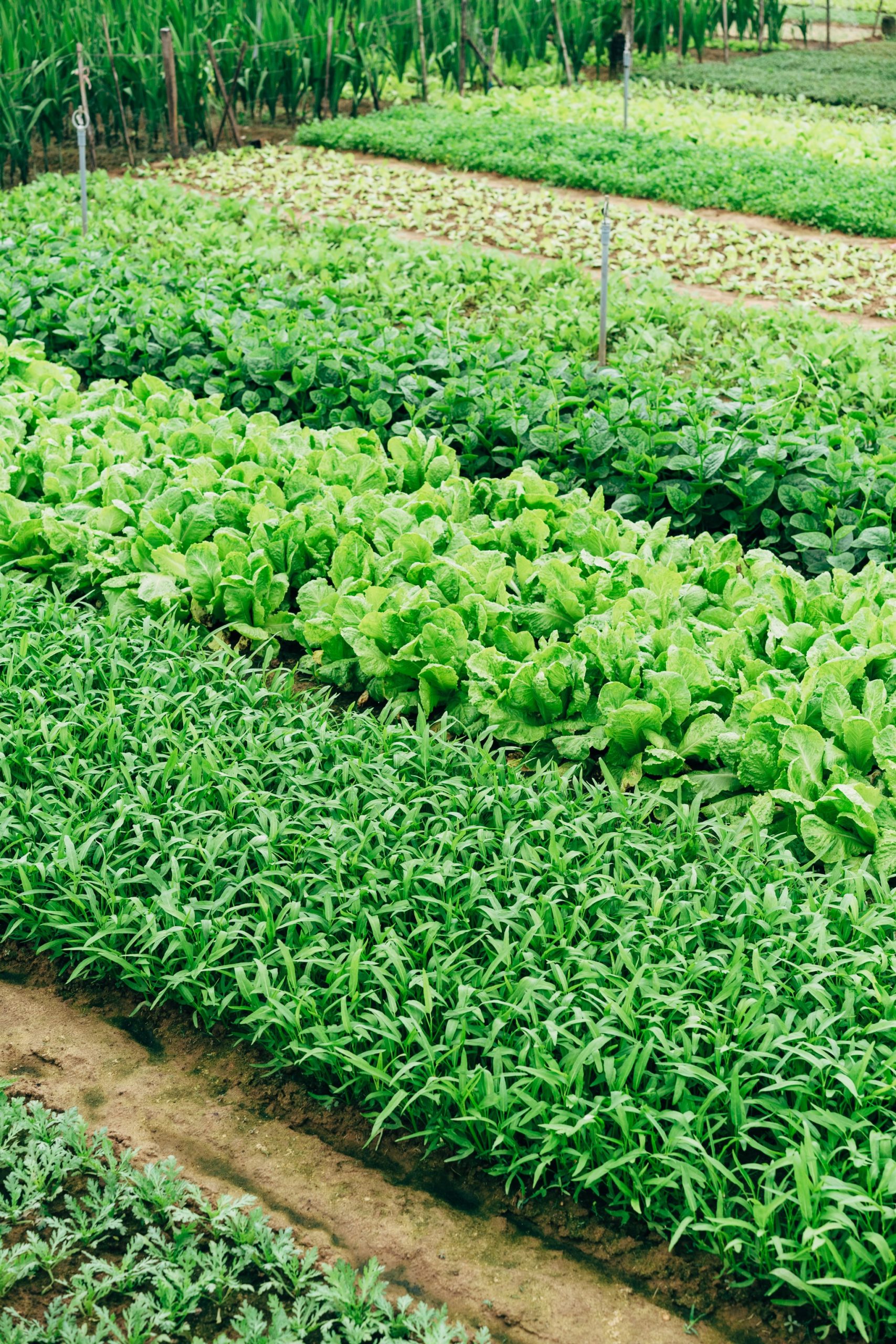
India is a country that has always fascinated the world with its diverse culture, rich history and delicious cuisine. But did you know that India is also playing a major role in shaping the global food markets and prices? As the world’s second most populous country with a projected population of 1.5 billion by 2030, India’s impact on the food industry cannot be ignored. From being the largest producer of milk, pulses and jute to importing massive amounts of edible oils, India’s growing demand for food is reshaping the way we look at global agriculture. In this blog post, we’ll explore how India is influencing the world’s food markets and what it means for consumers across the globe.
India is the world’s second most populous country
India’s population has been on the rise for several decades now, making it the world’s second most populous country after China. As of 2021, India is home to over 1.3 billion people and this number is projected to grow even further in the coming years.
With such a large population, India faces unique challenges when it comes to feeding its citizens. The government has implemented various policies and programs aimed at increasing food production and distribution throughout the country. Despite these efforts, however, there are still millions of Indians who suffer from malnutrition and hunger.
One of the biggest factors driving India’s population growth is its high birth rate. While fertility rates have declined in recent years, they still remain higher than many other countries around the world. This presents both opportunities and challenges for India as it seeks to balance economic growth with sustainable development.
India’s status as one of the world’s most populous countries has significant implications for global food markets and agriculture more broadly speaking. As we’ll see in later sections of this blog post, rapid population growth will continue to shape demand patterns for food products across regions well into the future.

India’s population is projected to grow to 1.5 billion by 2030
India is the world’s second most populous country, and it is projected to become even more crowded in the coming years. According to estimates, India’s population will reach 1.5 billion by 2030, which is a staggering number. This growth rate poses significant challenges for India’s food markets and prices.
With an expanding population comes an increased demand for food supply that must be met without compromising quality or affordability. The Indian government has recognized this challenge and is taking steps to address it through various initiatives aimed at increasing agricultural production and improving access to nutritious foods.
However, despite these efforts, there are still concerns about how India will manage its growing population when it comes to food security. As the country continues on this path of rapid urbanization and economic development, there may be additional pressure on resources like land and water that could impact food production in the long run.
While India’s booming population presents some unique challenges for its agriculture sector, there are also opportunities for innovation and growth that can help shape global markets in exciting ways.
India is the world’s largest producer of milk, pulses, and jute
India, with its vast agricultural resources and a thriving dairy industry, has emerged as the world’s largest producer of milk. The country produces around 187 million metric tonnes of milk annually, which is significantly more than any other country in the world. The Indian dairy industry has grown rapidly over the years and has become an important source of income for millions of farmers.
In addition to milk, India is also a leading producer of pulses such as chickpeas, lentils, and beans. Pulses are an essential part of Indian cuisine and play a crucial role in meeting protein requirements for the population. With increasing demand from domestic and international markets, pulse production in India has seen significant growth over the years.
Jute is another crop that India leads in terms of global production. Jute fibers are used to make products like bags, mats, carpets and even industrial materials like sacks for packing goods. West Bengal produces most jute crop followed by Assam & Bihar; these three states account for more than 90% of total jute growing area in India.
Being one of the top food producing countries globally shows how much potential there is for India to help shape food markets worldwide while providing economic opportunities locally too!
India is the world’s second largest producer of rice, wheat, and sugarcane
India’s agricultural sector has been a vital contributor to the country’s economy for decades. With over 157 million hectares of arable land, India is one of the world’s largest producers of rice, wheat, and sugarcane. It holds a significant share in global food markets and prices as it continues to meet its domestic demand while exporting excess produce.
Rice production in India accounts for about 23% of global rice production, with a total yield surpassing that of China or any other country. Similarly, Indian wheat crops are at an all-time high with around 107 million metric tons produced annually. Sugarcane cultivation is also prevalent throughout the country due to favorable weather conditions and irrigation systems.
The government has implemented various schemes such as minimum support prices (MSP), subsidies on fertilizers and seeds along with policies like crop insurance programs have helped farmers increase their yield and income levels in recent years.
Moreover, advancements in technology-driven agriculture methods such as precision farming techniques have helped farmers optimize resource consumption while increasing productivity. As a result, Indian agriculture continues to flourish despite challenges posed by climate change-induced natural disasters such as floods or droughts.
All these factors combined make India an essential player shaping the world’s food markets and driving up global commodity prices through increased export volume year after year.
India is the world’s largest importer of edible oils
India’s food demand is growing as its population expands, and with that comes an increasing need for edible oils. As a result, India has become the world’s largest importer of this valuable commodity. This may come as a surprise to many, given India’s reputation for being one of the largest producers of agricultural products in the world.
The reason behind India’s importation of edible oils is due to several factors such as climate change effects affecting crops yields and changing dietary habits among Indians who now consume more processed foods which require more oil usage during production. The country simply cannot produce enough oil domestically to meet its demands.
As per reports by Oil World Trade Intelligence publication in 2019, around 60% of all edible oil consumed by India was imported from countries like Indonesia, Malaysia & Brazil.
India’s high consumption rate implies that it plays a crucial role in determining global prices for these commodities. Hence fluctuations within Indian demand can quickly impact international markets which makes it both powerful and vulnerable at the same time when it comes to shaping world food markets and prices.
Because of its ever-growing population and rising middle class combined with shifting diets towards convenience-based meals have made imports essential component for meeting Indias’ domestic needs while also providing important opportunities for edible-oil producing nations around the globe.
India’s food demand is growing due to its expanding population and
India’s food demand is growing due to its expanding population and changing dietary patterns. As more people move into the middle class, they are demanding more meat, dairy products, and processed foods. This shift in consumption habits has major implications for global food markets and prices.
India’s agricultural sector will need to adapt to these changing demands while also contending with climate change and water scarcity. However, India has shown remarkable resilience in the face of these challenges so far.
As a leader in worldwide agriculture production and trade, India will continue shaping food markets globally for years to come. Its importance cannot be overstated as it faces new challenges but continues on its path towards growth and development. With innovative solutions and strategic planning, India can successfully navigate through any obstacles that may come its way while continuing to shape the world’s food market trends for decades ahead.
Author




Author



Custom Spout Pouches are currently reshaping how businesses package and deliver liquid and semi-liquid products in new markets. These pouches offer more than just convenience; they provide a durable structure with a fashionable design that enhances both the physical appearance and the brand’s message. Manufacturers frequently apply these versatile tools to package food, beverages, and personal care items.
Furthermore, because these pouches remain small in size, they allow companies to slash shipping expenses without sacrificing product security. Designers also prioritize the user experience by adding features that allow customers to dispense and seal the contents with ease. As competition intensifies, brands are pivoting toward these smarter packaging designs to drive steady growth in sales and consumer satisfaction.
Innovation in Packaging Design
Modern packaging concepts now move beyond simple containment to introduce genuine innovation and utility. Consequently, companies invest heavily in designs that make products easier for customers to handle. These flexible formats allow brands to experiment with unique shapes and functions while maintaining strict product safety standards.
Many businesses choose blank printed spout pouches at wholesale to increase their visibility and extend shelf life. This specific packaging style empowers organizations to communicate their brand value while keeping the product intact during the rigors of transportation. Moreover, the convenient dispensing capabilities create a more interactive and positive experience for the consumer.

Controlling Liquid Storage
Proper packaging ensures that liquid-based products remain safe, fresh, and leak-free throughout the entire supply chain. Engineers develop advanced sealing technologies to preserve product integrity from the factory to the shelf. Therefore, industries like beverage production, sauce manufacturing, and personal care require these secure solutions.
Liquid spout packets have surged in popularity because they provide a controlled flow and reliable storage behavior. These pouches actively help manufacturers reduce waste while maximizing comfort for the end-user. By using this technology, brands ensure that quality remains consistent between the moment of production and the final point of consumption.
The Power of Brand Identity
Strong branding dictates the success of a product within highly competitive retail environments. Because packaging serves as the primary point of interaction, it speaks to the customer long before they see the actual product. Companies often create customized imagery to build a sense of familiarity and trust.
Today, personalized spout pouch packaging allows firms to tailor designs specifically to their brand name and target market. This strategic approach helps products pop off the shelf and reinforces brand messaging through visual clarity. Ultimately, a uniform and legible design supports the long-term recognition of the company in the eyes of the consumer.
Growth in Wholesale Supply
High-volume production requires packaging techniques that can support massive distribution without failing. Business organizations demand a robust supply chain that provides consistent and dependable materials. By sourcing at wholesale, companies maintain a steady production flow and manage their overhead costs more effectively.
Most successful brands purchase well-designed spout pouches in large quantities to ensure every batch meets quality standards. This strategy allows companies to scale their operations rapidly across different product lines. Consequently, they can enter new markets without worrying about a drop in packaging performance.
Ensuring Food and Beverage Safety
The food and beverage industry demands high hygienic standards to protect the health of end consumers. When a company seals its products with appropriate materials, it preserves the original quality and aroma of the contents. High-quality packaging must uphold these safety protocols while remaining easy for the average person to use.
Resealable spout pouches have become a top choice because they allow customers to open and close the pack multiple times without damaging the food. This feature significantly enhances usability and minimizes unnecessary food waste. By keeping the product preserved for longer periods, the packaging provides better value to the household.
The Appeal of Printing Quality
Visual presentation plays a decisive role in enticing customers to make a purchase while browsing in a store. High-end printing boosts brand awareness and instantly conveys the value of the product inside. For this reason, companies invest in advanced printing processes to make their designs both readable and durable.
Premium spout pouch printing allows brands to achieve sharp images and vibrant colors that do not fade. This technique boosts shelf appeal and ensures that branding remains a constant presence even in crowded environments. A sharp visual identity often serves as the final nudge a customer needs to choose one product over another.
Meeting Regional Market Demands
Different regions require unique packaging styles based on local regulations and specific consumer behaviors. To compete globally, international businesses must react to market shifts and modify their packaging strategies accordingly. Local design trends and usage preferences often dictate which formats will succeed in a specific country.
For instance, Custom Mylar bags in the UK reflect the local demand for practical, high-quality packaging solutions. Companies that respect these market expectations often find it much easier to establish a foothold in the global trade arena. Tailoring the packaging to the region demonstrates that a brand understands and values its local customers.
A Focus on Dispensing Convenience
User experience remains a top concern in modern packaging, particularly for liquid products that can be messy. Consumers gravitate toward mess-free designs that simplify their daily routines. Therefore, functional improvements in design often lead to higher satisfaction rates and repeat purchases.
Modern solutions incorporate controlled flow systems that make pouring or sipping effortless for the user. This focus on convenience ensures that the product is not only safe but also genuinely pleasant to use. Over the long term, companies that prioritize the customer experience tend to enjoy much stronger brand loyalty.
Conclusion
Custom Spout Pouches help businesses protect their products, improve the user experience, and sharpen their market presence. Their flexible nature allows them to hold various liquid and semi-liquid goods safely during storage and transport. By adopting these packaging techniques, companies enjoy higher consumer satisfaction and reduced waste. As the industry continues to evolve, these pouches will play an essential role in the continued success of global brands.
Author


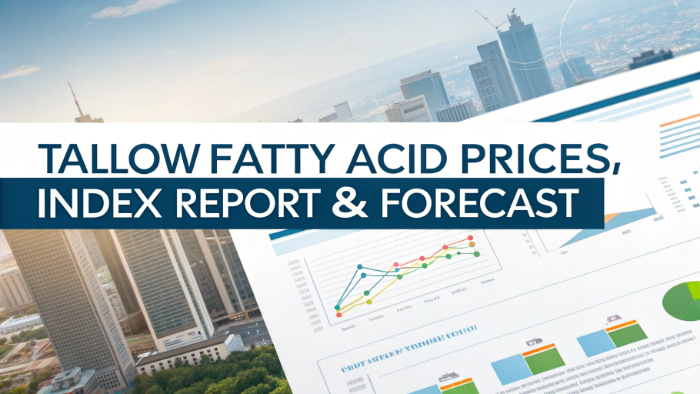
During the most recent quarter, tallow fatty acid prices showcased moderate variations across the globe. These shifts were not random; instead, they were the direct result of fluctuations in feedstock availability, processing expenses, and the specific needs of the oleochemical sector. While some regions faced higher costs due to restricted supplies, others enjoyed a period of relative calm.
Initially, the Tallow Fatty Acid Price Index highlighted these regional disparities. Meanwhile, historical data suggests a steady, overarching trend. As global supply chains found their balance, the market avoided the extreme volatility seen in previous years. This stability allows manufacturers in the soap, cosmetics, and industrial lubricant sectors to plan their budgets with greater confidence.
Regional Price Breakdown: A Comparative Study
To understand the current market, we must look at how different countries performed. The pricing landscape is rarely uniform, as local logistics and raw material access play a massive role.
Malaysia: The Global High
Specifically, Malaysia experienced the highest prices among the tracked regions, averaging USD 1752 per ton. Several factors contributed to this peak. First, higher local processing costs forced manufacturers to raise their rates. Second, localized supply constraints met with strong regional demand, creating a “seller’s market.” This firm pricing trend underscores the importance of regional cost factors in the APAC region.
The United States: A Model of Consistency
In contrast, the United States maintained a very balanced profile. Prices in the U.S. averaged USD 1386 per ton. This stability stems from a consistent domestic supply and steady demand from the personal care industry. Because the U.S. has a well-established infrastructure for animal fat processing, fluctuations remained minor. The local Price Index reflected this reliability, showing only small adjustments based on raw feedstock costs.
China: Firm and Reliable
China reported prices of USD 1405 per ton. Similar to the U.S., the Chinese market remained firm due to consistent industrial consumption. Furthermore, production levels stayed stable throughout the quarter. Supply conditions were balanced, ensuring that the Price History for the region showed moderate stability rather than sharp spikes.
The Netherlands: The European Benchmark
In Europe, specifically the Netherlands, tallow fatty acid prices stood at USD 1373 per ton. This region is a major hub for the oleochemical industry. Consequently, steady demand from chemical manufacturers supported the price floor. The European Price Index showed very limited fluctuations, indicating that supply chains across the continent remained healthy and resilient.
Australia: The Competitive Leader
Australia reported the lowest prices in our analysis, coming in at USD 1215 per ton. This occurred because Australia enjoys an abundance of local feedstock. As a major producer of animal fats, the country has ample raw materials to keep prices low. While export demand helped maintain a balance, the local market avoided the volatility seen in Malaysia or China.
Understanding the Product: What is Tallow Fatty Acid?
For those new to the sector, tallow fatty acid is an organic compound derived from animal fats, primarily beef or mutton tallow. Manufacturers produce it through a process called hydrolysis. Because it is highly stable and versatile, it serves as a critical ingredient in a wide range of everyday products.
Its primary applications include:
-
Cleaning Products: It is a core ingredient in soaps and detergents.
-
Personal Care: It acts as an emollient in creams, lotions, and skincare.
-
Industrial Uses: It provides essential stability in lubricants and rubber processing.
-
Textiles: It serves as a softening agent for various fabrics.
Key Factors Driving Price Movements
The price of tallow fatty acid does not exist in a vacuum. Several mechanical and economic forces dictate whether the Price Index moves up or down.
Initially, feedstock availability is the most critical driver. If the supply of animal fats drops, prices rise almost immediately. Next, we must consider processing costs. Refining raw tallow requires significant energy. Therefore, spikes in electricity or fuel prices can drive up the cost of the finished fatty acid.
In addition, global trade dynamics play a huge role. Freight costs and import-export regulations can create regional price “islands,” where one country pays significantly more than its neighbor. Finally, environmental regulations are becoming a major factor. As governments push for cleaner manufacturing, the cost of compliance often filters down into the final product price.
Market Outlook: Stability on the Horizon
Ultimately, the future for tallow fatty acid appears positive and stable. Experts do not expect sharp, unpredictable fluctuations in the coming months. Instead, the trend points toward gradual adjustments. As global demand for sustainable, bio-based oleochemicals grows, tallow fatty acid will remain a preferred choice due to its reliable performance.
Currently, demand remains strong. The “Price Today” reflects this steady consumption across the personal care and industrial sectors. Companies that track the Price Chart and Index data can identify the best times to procure materials, avoiding seasonal peaks and taking advantage of regional dips, such as those currently seen in the Australian market.
Conclusion: Strategic Takeaways for Businesses
Managing costs in the oleochemical industry requires a data-driven approach. In summary, the last quarter proved that regional differences are significant. While Malaysia faced high costs, Australia offered a competitive alternative. By analyzing the Tallow Fatty Acid Price History, businesses can spot long-term patterns and optimize their procurement strategies.
To succeed in this market, companies should:
-
Monitor Regional Trends: Don’t assume a global price; check local indexes for the best deals.
-
Watch Feedstock News: Keep an eye on the livestock and meat processing industries, as they dictate raw material supply.
-
Invest in Efficiency: Improvements in supply chain m
This comprehensive market analysis examines the global tallow fatty acid industry, focusing on the price shifts, regional drivers, and industrial trends observed over the last quarter. By analyzing these data points, businesses can better navigate the complexities of procurement and long-term strategic planning.
The Global Landscape of Tallow Fatty Acid
During the most recent quarter, tallow fatty acid prices showcased moderate variations across the globe. These shifts were not random; instead, they were the direct result of fluctuations in feedstock availability, processing expenses, and the specific needs of the oleochemical sector. While some regions faced higher costs due to restricted supplies, others enjoyed a period of relative calm.
Initially, the Tallow Fatty Acid Price Index highlighted these regional disparities. Meanwhile, historical data suggests a steady, overarching trend. As global supply chains found their balance, the market avoided the extreme volatility seen in previous years. This stability allows manufacturers in the soap, cosmetics, and industrial lubricant sectors to plan their budgets with greater confidence.

Regional Price Breakdown: A Comparative Study
To understand the current market, we must look at how different countries performed. The pricing landscape is rarely uniform, as local logistics and raw material access play a massive role.
Malaysia: The Global High
Specifically, Malaysia experienced the highest prices among the tracked regions, averaging USD 1752 per ton. Several factors contributed to this peak. First, higher local processing costs forced manufacturers to raise their rates. Second, localized supply constraints met with strong regional demand, creating a “seller’s market.” This firm pricing trend underscores the importance of regional cost factors in the APAC region.
The United States: A Model of Consistency
In contrast, the United States maintained a very balanced profile. Prices in the U.S. averaged USD 1386 per ton. This stability stems from a consistent domestic supply and steady demand from the personal care industry. Because the U.S. has a well-established infrastructure for animal fat processing, fluctuations remained minor. The local Price Index reflected this reliability, showing only small adjustments based on raw feedstock costs.
China: Firm and Reliable
China reported prices of USD 1405 per ton. Similar to the U.S., the Chinese market remained firm due to consistent industrial consumption. Furthermore, production levels stayed stable throughout the quarter. Supply conditions were balanced, ensuring that the Price History for the region showed moderate stability rather than sharp spikes.
The Netherlands: The European Benchmark
In Europe, specifically the Netherlands, tallow fatty acid prices stood at USD 1373 per ton. This region is a major hub for the oleochemical industry. Consequently, steady demand from chemical manufacturers supported the price floor. The European Price Index showed very limited fluctuations, indicating that supply chains across the continent remained healthy and resilient.
Australia: The Competitive Leader
Australia reported the lowest prices in our analysis, coming in at USD 1215 per ton. This occurred because Australia enjoys an abundance of local feedstock. As a major producer of animal fats, the country has ample raw materials to keep prices low. While export demand helped maintain a balance, the local market avoided the volatility seen in Malaysia or China.
Understanding the Product: What is Tallow Fatty Acid?
For those new to the sector, tallow fatty acid is an organic compound derived from animal fats, primarily beef or mutton tallow. Manufacturers produce it through a process called hydrolysis. Because it is highly stable and versatile, it serves as a critical ingredient in a wide range of everyday products.
Its primary applications include:
-
Cleaning Products: It is a core ingredient in soaps and detergents.
-
Personal Care: It acts as an emollient in creams, lotions, and skincare.
-
Industrial Uses: It provides essential stability in lubricants and rubber processing.
-
Textiles: It serves as a softening agent for various fabrics.
Key Factors Driving Price Movements
The price of tallow fatty acid does not exist in a vacuum. Several mechanical and economic forces dictate whether the Price Index moves up or down.
Initially, feedstock availability is the most critical driver. If the supply of animal fats drops, prices rise almost immediately. Next, we must consider processing costs. Refining raw tallow requires significant energy. Therefore, spikes in electricity or fuel prices can drive up the cost of the finished fatty acid.
In addition, global trade dynamics play a huge role. Freight costs and import-export regulations can create regional price “islands,” where one country pays significantly more than its neighbor. Finally, environmental regulations are becoming a major factor. As governments push for cleaner manufacturing, the cost of compliance often filters down into the final product price.
Market Outlook: Stability on the Horizon
Ultimately, the future for tallow fatty acid appears positive and stable. Experts do not expect sharp, unpredictable fluctuations in the coming months. Instead, the trend points toward gradual adjustments. As global demand for sustainable, bio-based oleochemicals grows, tallow fatty acid will remain a preferred choice due to its reliable performance.
Currently, demand remains strong. The “Price Today” reflects this steady consumption across the personal care and industrial sectors. Companies that track the Price Chart and Index data can identify the best times to procure materials, avoiding seasonal peaks and taking advantage of regional dips, such as those currently seen in the Australian market.
Conclusion: Strategic Takeaways for Businesses
Managing costs in the oleochemical industry requires a data-driven approach. In summary, the last quarter proved that regional differences are significant. While Malaysia faced high costs, Australia offered a competitive alternative. By analyzing the Tallow Fatty Acid Price History, businesses can spot long-term patterns and optimize their procurement strategies.
To succeed in this market, companies should:
-
Monitor Regional Trends: Don’t assume a global price; check local indexes for the best deals.
-
Watch Feedstock News: Keep an eye on the livestock and meat processing industries, as they dictate raw material supply.
-
Invest in Efficiency: Improvements in supply chain management can help offset rising energy or logistics costs.
In conclusion, the tallow fatty acid market is a vital part of the global economy. Whether it is used in the soap in your bathroom or the lubricant in an industrial engine, its impact is everywhere. By staying informed on price trends and regional dynamics, stakeholders can ensure a steady supply of this essential material for years to come.
-
Author



Custom Mithai Boxes: Packaging for Elegant Sweet Presentation

Custom Pyramid Boxes: Unique Packaging for Presentation

Custom Popcorn Boxes: Creative Branding and Snack Packaging

Custom Cosmetic Boxes: Luxury Branding and Product Packaging

Custom Printed Papers: Professional Branding and Packaging

Kaftan Sets for Women: Redefining Modern Festive Fashion

Cutting Tool Maintenance: Carbide Tools & Machining Efficiency

Custom Pie Boxes: High-Quality Packaging Solutions for Bakeries

STD Test in Dubai: Safety Standards & Confidential Care

Kaftan Sets for Women: Celebrity Style with Comfort and Elegance

Cybersecurity Consulting Company SequelNet Provides Critical IT Support Services to Medical Billing Firm, Medical Optimum

Team Communication Software Transforms Operations at Finance Innovate

Project Management Tool Transforms Long Island Business

How Alleviate Poverty Utilized IPPBX’s All-in-One Solution to Transform Lives in New York City

Breast Cancer: The Imperative Role of Mammograms in Screening and Early Detection

Unstoppable Collaboration: D.C.’s Citi Open and Silicon Valley Classic Unite to Propel Women’s Tennis to New Heights

Embracing Renewal: Sizdabedar Celebrations Unite Iranians in New York’s Eisenhower Park

The Benefits of Starting a Side Hustle for Financial Freedom

New Blood Donation Screening Questions What You Need to Know

Stylishly Timeless: The 5 Types of Sandals You Need in Your Closet
-

 Business3 years ago
Cybersecurity Consulting Company SequelNet Provides Critical IT Support Services to Medical Billing Firm, Medical Optimum
-
Business3 years ago
Team Communication Software Transforms Operations at Finance Innovate
-
Business3 years ago
Project Management Tool Transforms Long Island Business
-
Business3 years ago
How Alleviate Poverty Utilized IPPBX’s All-in-One Solution to Transform Lives in New York City
-
health3 years ago
Breast Cancer: The Imperative Role of Mammograms in Screening and Early Detection
-
Sports3 years ago
Unstoppable Collaboration: D.C.’s Citi Open and Silicon Valley Classic Unite to Propel Women’s Tennis to New Heights
-
Art /Entertainment3 years ago
Embracing Renewal: Sizdabedar Celebrations Unite Iranians in New York’s Eisenhower Park
-
Finance3 years ago
The Benefits of Starting a Side Hustle for Financial Freedom







