
health
Why Eating Real, Whole Foods is the Key to a Healthy Diet and Lifestyle


Are you tired of feeling sluggish, lethargic, and just overall unwell? If so, it may be time to take a closer look at your diet. The food we eat plays a crucial role in our health and well-being. Unfortunately, the modern Western diet is often filled with highly processed foods that are loaded with sugar, salt, unhealthy fats and preservatives. But don’t despair! By incorporating real, whole foods into your diet – those that are minimally processed or not processed at all – you can make significant strides towards achieving optimal health and vitality. In this blog post, we’ll explore why eating real, whole foods is the key to a healthy diet and lifestyle.
An Unhealthy Diet is Linked to Many Negative Health Conditions
The food we eat provides our bodies with the nutrients and energy needed to function correctly. Unfortunately, when we consume an unhealthy diet, it can have severe consequences on our health. Studies show that a diet high in processed foods, added sugars and unhealthy fats is linked to numerous negative health conditions.
For instance, research has shown that consuming a diet high in added sugars can increase the risk of obesity, type 2 diabetes and heart disease. Meanwhile, diets loaded with unhealthy fats like trans-fat have been associated with an increased risk of inflammation leading to various diseases such as arthritis.
Moreover, processed foods are often stripped of their natural fiber content during processing which leads to chronic digestive issues like bloating or constipation.
It’s essential always to be aware of your eating habits since they play a vital role in maintaining good health for the long term. By being mindful about what you eat and making healthier choices – like incorporating more real whole foods into your meals – you can help prevent many negative health conditions while promoting optimal wellness.

What is a Real, Whole Food?
Real, whole foods are the cornerstone of a healthy diet and lifestyle. But what exactly are they? Simply put, real, whole foods are foods that have undergone minimal processing and contain no added chemicals or preservatives.
These types of foods include fresh fruits and vegetables, lean proteins such as chicken and fish, nuts and seeds, whole grains like brown rice and quinoa, as well as natural sweeteners like honey or maple syrup.
In contrast to processed junk food that is often high in sugar, sodium, unhealthy fats and artificial ingredients that harm our health overtime; eating real whole foods gives your body all the essential nutrients it needs to function at its best.
Real whole food is nutrient-dense – meaning they pack much more nutrition per calorie than their highly processed counterparts. For example; an apple contains fiber plus vitamins A & C whereas apple juice has none of those benefits but instead loaded with sugars.
It’s important to note that not all packaged or canned items should be avoided since some can still count as “real” if they don’t contain any harmful added substances. However it’s always best to check labels carefully!
The Benefits of Eating Real, Whole Foods
Eating real, whole foods has numerous benefits for your health and wellbeing. Firstly, these foods are packed with nutrients such as vitamins, minerals and fiber that are essential for maintaining good health. By eating a diet rich in whole foods, you can easily meet your daily nutritional requirements without having to rely on supplements.
Furthermore, consuming whole foods has been linked to a reduced risk of chronic diseases such as heart disease, type 2 diabetes and certain types of cancer. This is because they contain natural compounds that help protect our cells from damage caused by free radicals.
In addition to this, incorporating more whole foods into your diet can also lead to better digestion and improved gut health. Whole grains are an excellent source of dietary fiber which helps keep us feeling fuller for longer while also promoting healthy bowel movements.
Moreover, opting for real food over processed alternatives can help you maintain a healthy weight as well as support mental clarity and focus. Highly processed foods often contain added sugars and unhealthy fats which contribute to inflammation in the body leading to various negative effects including brain fog.
Making the switch to a diet based on real food is one of the best things you can do for your overall health and wellbeing!
How to Incorporate Real, Whole Foods Into Your Diet
Incorporating real, whole foods into your diet can be a challenge, especially if you’re used to eating processed and packaged foods. However, making small changes to your eating habits can have a big impact on your health.
Start by adding more fruits and vegetables to your meals. Try incorporating at least one serving of each per meal. For example, add berries to your breakfast or swap out potato chips for baby carrots as a snack.
Switch from refined grains to whole grains like brown rice, quinoa and whole wheat bread. These grains are packed with nutrients that will help fuel your body throughout the day.
When it comes to protein sources, opt for lean meats like chicken and turkey or plant-based options such as beans and tofu. Avoid processed meats like hot dogs and bacon which are high in sodium and additives.
Eliminate sugary drinks from your diet and drink plenty of water instead. You can also flavor water with fresh fruit slices or herbs for added taste without the added sugar.
Limit your intake of processed snacks like cookies, candy bars, chips etc., Instead go for unsweetened trail mix with nuts/seeds/dried fruits/chocolate or make hummus dip with raw veggies for snacking between meals.
Incorporating real food into your diet doesn’t mean you need to completely overhaul what you eat overnight but rather gradually introduce them over time until they become part of our daily routine!
Conclusion
Eating real, whole foods is the key to a healthy diet and lifestyle. It can be challenging to make changes in our eating habits, but the benefits are worth it. By incorporating more fruits, vegetables, whole grains, lean proteins and healthy fats into your diet you will fuel your body with the essential nutrients it needs.
Eating real, whole foods may also help reduce inflammation in the body which can lead to chronic diseases such as heart disease, diabetes and cancer. In addition to these health benefits, cooking with fresh ingredients can be enjoyable and rewarding.
Start small by making simple swaps like choosing brown rice over white or snacking on fresh fruit instead of processed snacks. Gradually incorporate more real, whole foods into your daily routine until it becomes a habit.
Your health is one of the most important things in life so take care of yourself by nourishing your body with wholesome food choices. Remember that every little change makes a difference!
Author


Living with retinitis pigmentosa (RP) can feel like an uphill battle. Everyday tasks that once seemed simple slowly become more challenging. You might struggle to see in dim light or notice that your peripheral vision is narrowing. These changes often create a significant amount of stress and anxiety. It is perfectly natural to feel overwhelmed when you are unsure about what the future holds for your sight.
In the United States, many people with RP are searching for ways to manage their condition beyond standard clinical care. While modern medicine excels at tracking the progression of the disease, it does not always provide long-term solutions to slow it down. This gap in care is why Ayurveda is gaining so much attention as a supportive option.
Ayurveda focuses on creating balance within your body and your daily habits. Instead of looking for a “quick fix,” this ancient system emphasizes steady and consistent care. In this comprehensive guide, we will explore how Ayurvedic principles can fit into your life as you manage the complexities of RP.
Understanding Your Condition and Setting Realistic Goals
Before you begin any new health regimen, you must understand exactly what RP is. It is a genetic condition that affects the retina’s ability to respond to light. Because it is hereditary, its effects vary wildly from person to person. Some individuals experience a very slow decline over decades. Others may see faster changes in their visual field.
Ayurveda encourages you to set realistic expectations from the start. You should not view this as an instant cure. Instead, you are working toward sustainable goals. These include maintaining your current level of vision, reducing daily ocular discomfort, and supporting the long-term health of your eye tissues. When you adopt this mindset, staying consistent with your care plan becomes much easier. It also helps lower your anxiety because you are focusing on what you can control today.

Supporting Your Body as a Complete System
Ayurveda does not view your eyes as isolated organs. Instead, it connects your vision to the overall balance of your entire body. According to this philosophy, your eyes depend on healthy digestion, efficient circulation, and strong nerve function. If one part of the system falters, the eyes feel the impact.
This is why an Ayurvedic approach to retinitis pigmentosa treatment often includes:
-
Herbal Supplements: These formulas support specific bodily functions like blood flow and cellular repair.
-
Gentle Detoxification: This process removes metabolic waste that might hinder your systemic health.
-
Customized Diet Plans: A specialized diet helps improve your “digestive fire,” ensuring your eyes get the nutrients they need.
Many people in the U.S. are now exploring this holistic approach. They appreciate that it looks at long-term wellness rather than just masking symptoms. By helping your body function better as a whole, you provide your eyes with a much stronger foundation for health.
Using Targeted Ayurvedic Eye Therapies
Ayurveda also offers specific treatments that focus directly on the ocular area. You should always undergo these therapies under the supervision of a trained professional. These methods aim to nourish the delicate tissues of the eye and soothe the optic nerve.
One commonly used method is Netra Tarpana. In this therapy, a practitioner applies medicated ghee (clarified butter) around the eyes for a set period. This process deeply hydrates the area and helps reduce the strain of constant squinting. Other techniques include gentle herbal cleansing to remove surface irritants and external herbal poultices.
While these therapies cannot reverse the genetic coding of RP, they can significantly improve how your eyes feel on a daily basis. They help reduce dryness, itching, and redness. Consistency is the secret to success here. You might not see a change after one session, but a structured plan often yields noticeable results over several months.
Making Simple Lifestyle Changes for Maximum Impact
Your daily routine plays a massive role in how you manage a chronic condition like RP. Ayurveda places heavy importance on simple, grounding habits. These small steps may seem basic, but they create a cumulative effect on your well-being.
You can start by auditing your kitchen. Prioritize fresh, home-cooked meals over processed or packaged foods. Processed items often contain preservatives that can cause systemic inflammation. Additionally, try to sleep at the same time every night. A regular sleep schedule allows your body to enter a deep state of repair.
Furthermore, you should limit your screen time whenever possible. Blue light from phones and computers can strain already sensitive retinas. You can also incorporate light eye exercises and relaxation techniques. Simple breathing exercises and daily meditation help reduce cortisol levels. Lowering stress is vital because high stress can negatively impact your overall immune response and eye health.
Combining Ayurveda with Modern Eye Care
You do not have to choose between ancient wisdom and modern science. In fact, many people find the most success when they combine both. This “integrative” approach allows you to get the best of both worlds. You can use modern technology to monitor the physical changes in your retina while using Ayurveda to support your body naturally.
With this balanced combination, you can:
-
Track Progress: Continue regular check-ups with your ophthalmologist to monitor vision changes accurately.
-
Follow a Plan: Stick to a structured Ayurvedic routine to keep your internal systems balanced.
-
Adjust as Needed: Work with both your doctor and your Ayurvedic practitioner to tweak your treatments based on your actual progress.
This proactive stance helps you feel more in control of your health. It moves you from a passive observer of your condition to an active participant in your care.
Conclusion: A Path Toward Consistent Care
Living with retinitis pigmentosa can certainly feel overwhelming at times. However, having a structured and compassionate approach can make a world of difference. Ayurveda offers a unique way to support your body through steady and intentional care. It prioritizes balance, routine, and long-term vitality over temporary results.
By understanding your condition deeply, making simple lifestyle adjustments, and exploring guided therapies, you can manage your daily life more effectively. Thousands of people are now adding Ayurveda to their care plans to improve their comfort and support their overall ocular health.
Organizations like the Netra Eye Institute are leading the way in this field. They provide structured programs that combine traditional Ayurvedic methods with a modern understanding of eye diseases. This type of comprehensive support helps you navigate the challenges of RP with more confidence and peace of mind. Remember, the goal is not to find a miracle but to build a lifestyle that protects and nourishes your vision for as long as possible. Starting today with small, consistent changes can lead to a much brighter future for your eye health.
Author



In the modern landscape of regenerative medicine, few interventions have garnered as much attention as coenzyme replacement therapy. As we navigate the high-performance lifestyle of the UAE, maintaining internal balance is often the difference between thriving and merely surviving. An NAD+ IV Drip in Dubai provides a sophisticated solution for individuals looking to fortify their biological resilience. By delivering high concentrations of Nicotinamide Adenine Dinucleotide directly into the systemic circulation, this treatment addresses the physiological decline that naturally occurs with age and environmental stress.
Understanding the Biomolecular Mechanism of Longevity
Longevity is not merely the absence of disease; it is the maintenance of cellular efficiency. NAD+ serves as a critical cofactor for sirtuins, a family of proteins often referred to as “longevity genes” that regulate cellular aging, inflammation, and stress resistance. When levels of this coenzyme are optimal, sirtuins can effectively protect the genome and ensure that cells operate at their peak metabolic capacity.
In our clinical experience, we observe that patients who prioritize cellular health see a marked difference in their overall vitality. Rather than treating symptoms of exhaustion as they arise, replenishing these coenzyme stores acts as a proactive defense mechanism. This approach ensures that the body’s natural repair processes are always “online” and functioning efficiently.

How an NAD+ IV Drip in Dubai Optimizes Mitochondrial Health
The mitochondria are responsible for producing nearly 95% of the energy used by the human body. However, as NAD+ levels drop, mitochondrial function falters, leading to what researchers call “mitochondrial decay.” This is a primary driver of the fatigue and “brain fog” often associated with aging and high-stress careers.
What patients typically report during recovery is a restoration of mental sharpness and a significant reduction in the afternoon “slump.” By optimizing the power plants of the cell, the therapy allows for more efficient conversion of nutrients into energy. This is a crucial benefit for those in demanding environments where sustained cognitive focus is a professional requirement.
Addressing DNA Fragmentation and Systemic Repair
Every day, our DNA is subjected to thousands of small damages from metabolic waste, UV exposure, and environmental toxins. The body’s primary tool for fixing these errors is an enzyme called PARP-1, which consumes vast amounts of NAD+ to perform its duties. If your levels are depleted, your DNA repair mechanisms become sluggish, leading to accelerated biological aging.
-
Genomic Stability: High levels of coenzymes ensure that DNA repair enzymes have the fuel they need.
-
Reduced Inflammation: Supports the regulation of pro-inflammatory cytokines that contribute to “inflammaging.”
-
Telomere Protection: Emerging research suggests a link between NAD+ availability and the maintenance of telomere length.
-
Proteostasis: Helps the body clear out damaged proteins that can lead to neurodegenerative decline.
What to Expect During Your NAD+ IV Drip in Dubai Protocol
Undergoing an intravenous longevity treatment is a refined clinical experience. The procedure is non-invasive and performed in a controlled environment to ensure the highest standards of safety. Because the molecule is highly active, the drip rate is carefully modulated to match the patient’s metabolic tolerance, ensuring that the coenzyme is absorbed effectively without taxing the system.
| Treatment Phase | Clinical Focus | Duration |
| Metabolic Assessment | Bloodwork and health history review | 20 Mins |
| IV Customization | Adjusting concentration and saline volume | 10 Mins |
| Active Infusion | Monitored delivery of NAD+ coenzymes | 2-3 Hours |
| Post-Drip Review | Assessment of immediate response and hydration | 15 Mins |
The Impact of High-Altitude Living and Frequent Travel
Many residents in the region lead global lifestyles, involving frequent travel across time zones. Jet lag and radiation exposure from high-altitude flights can significantly deplete cellular energy stores. An NAD+ IV Drip in Dubai is an effective strategy for resetting the internal circadian clock and mitigating the oxidative stress caused by frequent air travel.
In our clinical experience, travelers who utilize these infusions find they recover from jet lag much faster than those who rely on caffeine or sleep aids alone. By restoring the biological rhythm at a cellular level, the body can adapt to new schedules with minimal downtime. This makes the therapy an essential tool for the modern international professional.
Why Medical Grade Purity is Essential for Success
The efficacy of any intravenous therapy is fundamentally tied to the quality of the substrate. Medical-grade NAD+ must be kept at specific temperatures and handled with precision to avoid oxidation. Utilizing a professional clinical setting ensures that you are receiving a stable, potent form of the coenzyme that can actually cross the blood-brain barrier and enter the cells effectively.
We find that the controlled environment also allows for the inclusion of supportive micronutrients. Often, combining the drip with specific B-vitamins or antioxidants can enhance the overall result, creating a synergistic effect that boosts cellular repair. This medical oversight is what ensures the therapy is both safe and transformative for the long term.
Achieving Sustained Results through Maintenance
Longevity is a marathon, not a sprint. While a single session can provide a noticeable lift in energy and mood, the most significant benefits are seen with consistent application. A structured maintenance plan helps keep cellular coenzyme levels within the “youthful range,” preventing the gradual slide into metabolic fatigue that often characterizes middle age.
Patients who integrate this therapy into their quarterly wellness routine report a higher baseline of health and a greater resistance to common seasonal illnesses. By keeping the cellular machinery well-oiled, the body remains in a state of high performance. This proactive management of health is the hallmark of the modern approach to longevity and age reversal.
Conclusion
Embracing the science of cellular health is the most effective way to ensure a high quality of life as the years progress. When you address the fundamental building blocks of energy and repair, the benefits ripple through every system in your body, from your heart to your brain. At Tajmeels Clinic, we are dedicated to helping our patients navigate the complexities of regenerative medicine with confidence and clarity. By offering a personalized and medically responsible approach to your wellness, we ensure that every session contributes to your long-term vitality. Investing in your cellular future today allows you to maintain the peak performance and mental clarity required for the life you want to lead.
Author


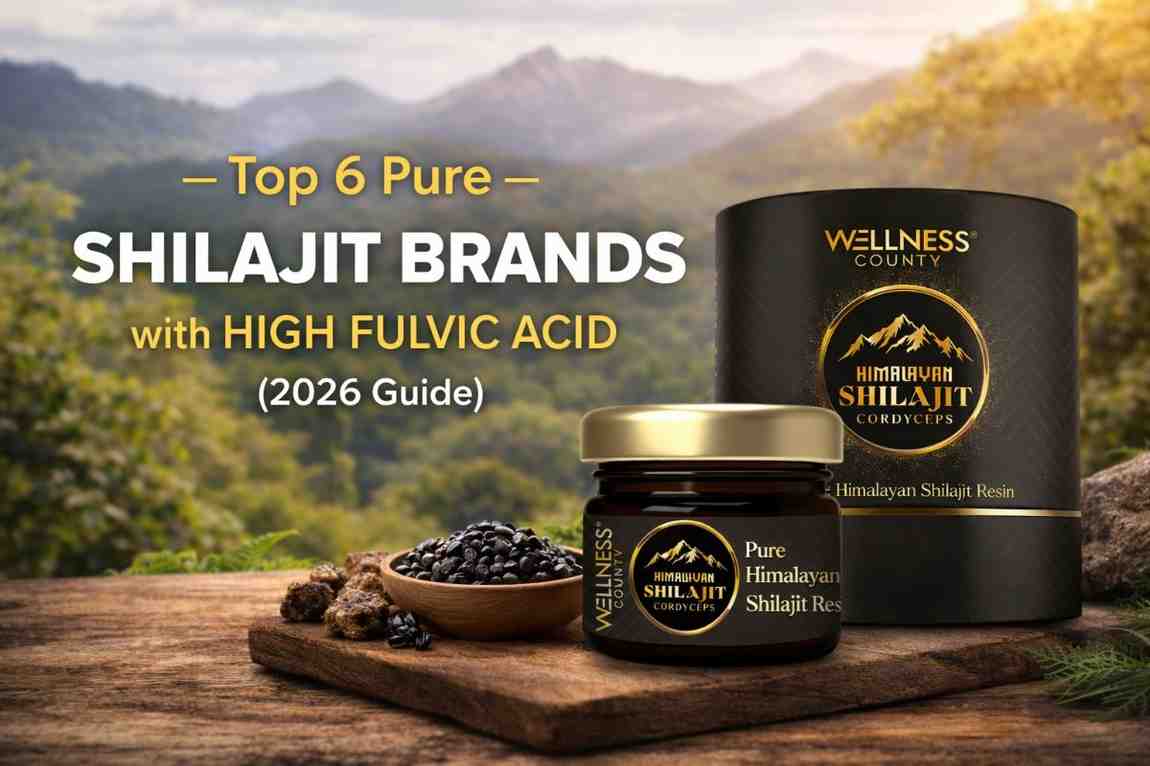
Shilajit has officially become one of the most discussed natural supplements in India. Many people are adding it to their daily routines to improve energy levels and support overall wellness. However, finding pure shilajit that actually works is not easy. There are countless products available online today.
One of the most important factors for quality is the fulvic acid content. This natural compound determines how effective the product truly is. Many brands claim high purity. Not all of them deliver the same results. This guide will help you understand what to look for. We have listed the top 6 pure shilajit brands with high fulvic acid in India for 2026.
What is Fulvic Acid in Shilajit?
Fulvic acid is a natural compound found within shilajit. It forms over hundreds of years as plant matter breaks down in the mountains. This slow process makes real shilajit rare and valuable.
In simple terms, fulvic acid is the “active part” of the supplement. It helps the body absorb nutrients better. It also supports energy production at a cellular level. Furthermore, it plays a role in removing toxins and boosting stamina. High-quality fulvic acid leads to better results for the user.

Why the Percentage Matters
The fulvic acid percentage is the first thing you should check. It gives you a clear idea of the product’s strength and purity. A higher percentage generally means better potency. Conversely, a low percentage suggests a weak or diluted product.
Be careful of brands that make extreme claims. Some may claim 90% purity without providing proof. Realistic numbers combined with lab testing are a better sign of a trustworthy brand.
How We Selected the Best Brands
To make this list reliable, we followed a practical approach. We evaluated each brand based on several factors:
-
Purity and Sourcing: We looked for shilajit from trusted regions like the Himalayas.
-
Fulvic Acid Levels: We prioritized brands with higher, realistic percentages.
-
Form of Shilajit: Resin was preferred over capsules or powders for its purity.
-
Lab Testing: Transparency is key for safety.
-
Customer Feedback: We analyzed real reviews from consistent users.
Top 6 Pure Shilajit Brands in India (2026)
1. Wellness County Shilajit
Wellness County offers a premium product that stands out in the market. They combine pure Himalayan shilajit resin with cordyceps. This unique formulation is designed for high performance.
-
Key Highlights: It features a high fulvic acid content and minimal processing.
-
Pros: It has strong potency. It is ideal for people with active lifestyles.
-
Cons: The price is slightly higher than basic options.
2. Rasayanam Shilajit Resin
Rasayanam focuses on traditional preparation methods. It is often preferred by users who want a clean and simple product without additives.
-
Key Highlights: This brand is lab-tested and focuses on authentic mountain sourcing.
-
Pros: It maintains excellent purity standards.
-
Cons: Availability can sometimes be limited compared to larger mass-market brands.
3. Upakarma Ayurveda Shilajit Resin
Upakarma is a well-known name for affordable Ayurvedic products. Their resin is a solid choice for those just starting their supplement journey.
-
Key Highlights: It is budget-friendly and offers decent fulvic acid levels.
-
Pros: It is easy to find online. It is great for first-time users.
-
Cons: The potency is lower than premium-tier brands.
4. Kapiva Shilajit Resin
Kapiva is a household name in modern Ayurveda. They source their shilajit from high altitudes in the Himalayas for daily wellness use.
-
Key Highlights: It is a trusted brand with consistent quality control.
-
Pros: It has a strong reputation. It is suitable for everyday use.
-
Cons: It may not be as potent as specialized high-end resins.
5. Satthwa Shilajit Resin
Satthwa focuses on natural products with very little processing. Their resin is known for having a very clean and simple formulation.
-
Key Highlights: The focus is entirely on natural sourcing.
-
Pros: It is a safe and clean option. It is suitable for long-term use.
-
Cons: Some users find the effectiveness to be moderate.
6. Vedikroots Shilajit Resin
Vedikroots is an emerging brand in India. They offer budget-friendly options that are gaining a following among new users.
-
Key Highlights: They provide affordable pricing for the mass market.
-
Pros: This is a good entry-level option.
-
Cons: It lacks the long-term brand trust held by established names.
How to Check the Quality Yourself
Checking the content is not difficult if you know what to look for. Always check the product label for the fulvic acid percentage. Look for third-party lab reports on the brand’s website. If a brand is transparent about its testing, it is usually a good sign.
A high-quality product typically contains between 60% and 80% fulvic acid. Anything below 50% may not be very effective. Anything claiming over 80% without a certificate is likely misleading.
Tips for Choosing Pure Shilajit
-
Choose Resin: Always prioritize the resin form over pills.
-
Avoid “Too Cheap”: Real shilajit is expensive to source. If the price is very low, it might be fake.
-
The Water Test: Pure shilajit should dissolve completely in warm water. It should not leave any sandy residue behind.
-
Read Reviews: Look for feedback regarding energy levels and overall feeling.
The Benefits of High-Quality Shilajit
Choosing a product with high fulvic acid leads to better results. Users often report improved energy and better stamina. It also supports faster recovery after intense workouts. Results will vary from person to person. However, consistency is the most important factor for success.
Final Verdict
Your choice depends on your specific needs. If you want a high-performance option, Wellness County is the top pick. For those focused strictly on purity, Rasayanam is a reliable choice. If you are on a budget, Upakarma or Vedikroots are great starting points. For balanced daily use, Kapiva and Satthwa are excellent options. Always ensure your choice is properly sourced and in its natural resin form.
Author



Peace in War: Examples of Humanity, Hope, and Compassion
Valabasas Clothing Guide 2026: Stacked Jeans & Streetwear Style

Best Web Development Agency to Hire in 2026: Top 10 Picks

Fear of God Essentials Tracksuit: Modern Streetwear Style

Essentials Tracksuit: Everyday Comfort & Simple Streetwear Style

Corteiz Tracksuit: Official Store, Styles & Buying Guide

Rhinoplasty in Dubai | AI-Powered Nose Surgery & 3D Simulation

Customer Experience Training Platform: AI-Driven CX Training

Embroidery Digitizing Services: Professional Custom Stitch Files

Divorce Appraisal: Accurate Home Valuations for Separation

Cybersecurity Consulting Company SequelNet Provides Critical IT Support Services to Medical Billing Firm, Medical Optimum

Team Communication Software Transforms Operations at Finance Innovate

Project Management Tool Transforms Long Island Business

How Alleviate Poverty Utilized IPPBX’s All-in-One Solution to Transform Lives in New York City

Breast Cancer: The Imperative Role of Mammograms in Screening and Early Detection

Unstoppable Collaboration: D.C.’s Citi Open and Silicon Valley Classic Unite to Propel Women’s Tennis to New Heights

Embracing Renewal: Sizdabedar Celebrations Unite Iranians in New York’s Eisenhower Park

The Benefits of Starting a Side Hustle for Financial Freedom

New Blood Donation Screening Questions What You Need to Know

Stylishly Timeless: The 5 Types of Sandals You Need in Your Closet
-

 Business3 years ago
Cybersecurity Consulting Company SequelNet Provides Critical IT Support Services to Medical Billing Firm, Medical Optimum
-
Business3 years ago
Team Communication Software Transforms Operations at Finance Innovate
-
Business3 years ago
Project Management Tool Transforms Long Island Business
-
Business3 years ago
How Alleviate Poverty Utilized IPPBX’s All-in-One Solution to Transform Lives in New York City
-
health3 years ago
Breast Cancer: The Imperative Role of Mammograms in Screening and Early Detection
-
Sports3 years ago
Unstoppable Collaboration: D.C.’s Citi Open and Silicon Valley Classic Unite to Propel Women’s Tennis to New Heights
-
Art /Entertainment3 years ago
Embracing Renewal: Sizdabedar Celebrations Unite Iranians in New York’s Eisenhower Park
-
Finance3 years ago
The Benefits of Starting a Side Hustle for Financial Freedom







