
health
What Causes Warts to Appear Inside the Mouth?

By

Reviewed
By Emilia Mark

Introduction
When you first notice a small bump on your tongue or inside your mouth, it can be easy to ignore. However, over time, you may start to wonder what caused it and whether it will go away on its own. Many people turn to medical guidance to understand tongue warts’ causes and treatment, because these growths often appear quietly and can change subtly before you even notice them.
Oral warts usually start as soft, painless bumps, yet you might feel them when moving your tongue or swallowing. They develop slowly, as the virus behind them settles into the soft tissue, which makes the early stages easy to miss. By paying attention to these changes, you can recognize the signs sooner and take steps to address them safely.
The Role of HPV in Oral Warts
1. How HPV Enters the Mouth
Most oral warts appear because HPV finds a small entry point inside your mouth. You may have tiny cuts or soft spots that feel normal, yet these areas make it easier for the virus to settle. Even a small abrasion can give HPV the space it needs. You often get exposed through common habits. For example, close contact with saliva or oral surfaces is one of the simplest ways it spreads.
Because HPV works quietly, you rarely feel anything when it enters. However, as time passes, the virus takes hold in the cells and starts building those tiny clusters. You might not notice signs for weeks, which makes it harder to trace where it came from.
2. Why Some People Develop Warts, and Others Do Not
You may wonder why your friend stays clear while you deal with bumps. A lot depends on how your immune system reacts. Some people fight the virus right away, yet others let it stay active longer. Stress, frequent irritation, and overall health play a big role too. These factors make some people more sensitive to viral changes, and that leads to visible warts inside the mouth.

Everyday Behaviors That Increase the Chances of Oral Warts
Daily habits that seem harmless can raise your risk. You might share drinks often without thinking twice. You may bite the inside of your cheek when stressed. Even constantly touching your mouth with unwashed hands adds to the chance of infection. These small moments allow the virus to settle into the tissue.
Because you use your mouth so much throughout the day, the lining inside stays active and delicate. When it faces repeated irritation, it becomes easier for infections to grow. You may not feel these tiny openings at all, but the virus notices them quickly.
Below are common everyday actions that may increase your chances:
- Sharing drinks
- Using unclean dental tools
- Lip to mouth contact
- Long-term irritation inside the mouth
These habits do not guarantee warts, yet they influence how your mouth responds to viral exposure.
Also Read: What You Should Know About Blood Cancer: Symptoms and Diagnosis
Signs That Suggest the Wart Is Growing or Spreading
When a wart grows, you start noticing changes in texture first. It may feel rougher than the surrounding skin, or it may look slightly raised. Because the mouth is sensitive, these small differences stand out. At first, you might think it is just a harmless bump, yet ongoing changes tell you otherwise.
Sometimes the wart grows slowly. Other times, it spreads into small clusters. When this happens, the area may look uneven or cauliflower-like. You may notice the wart shifting in size when you press your tongue against it.
Although these bumps stay painless most of the time, you should still pay attention to their shape. Large or fast-growing warts need medical guidance. When you notice that the bump keeps coming back or getting wider, that is a sign to get it checked.
Conditions That Make You More Sensitive to Oral Warts
Your mouth reacts strongly to your health. When your immune system slows down, you become more prone to viral infections. Stress plays a bigger role than most people think. You might feel tired, overloaded, or anxious. These emotional states affect your immunity and make it easier for warts to grow.
Existing mouth injuries also matter. A sore spot or a cracked area on your lip becomes an open doorway for the virus. When the tissue already struggles to heal, HPV finds a place to attach. Because these injuries are common, you may not notice them until the wart appears.
You may also face a higher risk if you deal with dental problems or certain lifestyle habits. Below are common factors:
- Gum disease
- Chronic biting of cheeks or lips
- Vitamin deficiency
- Smoking or vaping
These conditions weaken your natural defense and allow oral warts to settle more easily.
Treatment Options You May Be Offered
Once a specialist looks at the wart, you get several treatment choices. Doctors often remove warts that show signs of spreading. Removal methods are simple and usually done in a short visit. These include freezing, surgical trimming, or laser removal. The method depends on the size and location.
You also get instructions on how to care for the area afterward. This part matters because proper aftercare prevents the wart from returning. Your doctor may suggest rinses, topical solutions, or small lifestyle changes to help with healing.
In some cases, when the growth looks unusual or does not improve, a biopsy is recommended. This step helps confirm that the tissue is safe. It also rules out other oral conditions that may look similar. While this can sound intimidating, it gives you clarity.
When You Should See a Specialist
You should meet a specialist when the wart keeps returning or becomes painful. Mouth tissues heal fast, so anything that lingers needs attention. If the bump changes color or looks irregular, you should have it checked soon.
A specialist understands these patterns clearly. You get answers based on real tests instead of guesswork. Early guidance protects your oral health and helps you avoid long-term issues.
How Clinical Research Helps Us Understand Mouth Warts Better
Clinical research offers new ways to study viral behavior. You benefit from this because it leads to better treatments. Research teams work with different cases, observe patterns, and track how the virus changes over time.
These studies also help doctors develop safer methods to manage oral warts. By learning from each patient, researchers build stronger evidence that shapes the way specialists treat these conditions.
Conclusion
Keeping an eye on small bumps inside your mouth helps you catch potential problems early. You now understand how oral warts form, the factors that increase your risk, and when it’s important to seek medical guidance. If you want to take an active role in supporting research and helping advance treatment options, you can join warts research studies in Boston.
We, at MBCP, are dedicated to improving patient care through research and clinical studies. By participating, you can gain access to expert guidance and innovative treatment approaches. Your involvement can make a difference in understanding and managing oral warts effectively.
Author


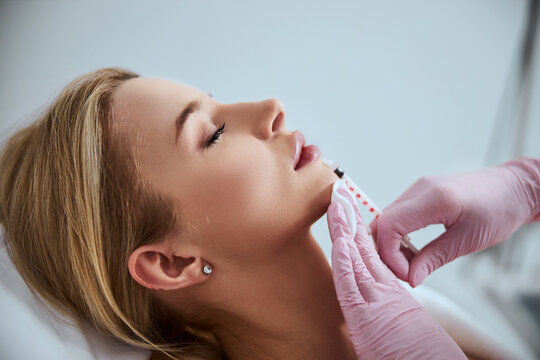
Dermal fillers have become one of the most sought-after non-surgical cosmetic treatments for enhancing facial features, restoring youthful volume, and reducing fine lines. However, for many people, the cost of treatment remains an important consideration, especially when looking for safe and effective results without breaking the budget. If you are exploring options, Dermal Fillers in Islamabad offer a compelling combination of affordability, quality, and expert care. Consequently, it is now possible to achieve natural-looking enhancements without compromising safety. Furthermore, understanding what to expect from affordable dermal filler treatments can help you make more informed decisions.
What Are Dermal Fillers?
Dermal fillers are injectable substances designed to restore volume, smooth wrinkles, and enhance facial contours. They are commonly made from hyaluronic acid, calcium hydroxylapatite, or poly-L-lactic acid. These treatments are minimally invasive, usually involve little downtime, and provide immediate improvements in facial aesthetics.
Affordable options in Islamabad do not mean compromised quality. Many clinics offer competitive pricing while using high-quality, clinically approved filler products and ensuring treatment is performed by skilled practitioners.
What Determines the Cost of Dermal Fillers?
Several factors influence the price of dermal fillers in Islamabad:
- Type of Filler – Different fillers have different costs. Hyaluronic acid fillers are commonly more affordable, while specialized or long-lasting fillers can be pricier.
- Treatment Area – Areas such as lips or cheeks may require different volumes of filler, affecting cost.
- Practitioner Expertise – Experienced practitioners may charge more, but their skill reduces the risk of complications and ensures better results.
- Clinic Reputation and Location – Reputable clinics in prime locations may have higher prices but offer higher safety standards and comfort.
- Number of Sessions – Some treatments may require multiple sessions for optimal results, influencing the overall cost.
Affordable options focus on providing the best value, combining effective treatment with cost-conscious planning without compromising patient safety.
What to Expect During Affordable Dermal Filler Treatments
- Consultation
- A thorough consultation evaluates your facial anatomy, aesthetic goals, and overall health.
- Even affordable treatments should include a detailed plan tailored to your needs.
- Preparation
- The treatment area is cleaned, and a topical numbing cream may be applied for comfort.
- Skilled clinics ensure that hygiene protocols are strictly followed, regardless of the cost.
- Injection Procedure
- Fillers are administered using fine needles or microcannulas for precision.
- Patients may feel slight pinching or pressure during injection, but most report minimal discomfort.
- Post-Treatment Care
- Swelling, redness, or mild tenderness may occur for a few days.
- Ice packs and gentle care can reduce discomfort and support optimal healing.
Affordable treatments do not cut corners in these steps; they prioritize safety, hygiene, and patient satisfaction.
Benefits of Affordable Dermal Fillers
- Cost-Effective Aesthetics – Provides natural-looking facial enhancements at a reasonable price.
- Non-Surgical Option – Avoids the higher costs and recovery time of surgical procedures.
- Quick Results – Immediate improvements in volume and facial contours.
- Minimal Downtime – Patients can resume daily activities quickly.
- Customizable Treatments – Even budget-friendly options can be tailored to individual goals.
Tips to Get the Best Value for Affordable Dermal Fillers
- Research the Clinic: Ensure they use certified fillers and follow safety protocols.
- Check Practitioner Credentials: Even affordable treatments should be administered by trained professionals.
- Ask About Product Quality: Confirm that high-quality filler brands are used.
- Compare Packages: Some clinics offer package deals or seasonal promotions without compromising safety.
- Avoid Extremely Low Prices: Very low-cost options may involve unverified products or inexperienced providers, increasing risks.
By following these guidelines, patients can access affordable dermal fillers safely and effectively.
Common Areas Treated with Dermal Fillers
- Lips – Enhances volume and shape.
- Cheeks – Restores mid-face volume for a youthful appearance.
- Jawline and Chin – Improves definition and facial symmetry.
- Nasolabial Folds and Marionette Lines – Reduce visible wrinkles and folds.
- Under-Eye Hollows – Softens dark circles and hollows for a refreshed look.
Affordable treatments can target multiple areas based on the patient’s budget and desired results.
Safety Considerations in Affordable Treatments
Even when opting for cost-effective options, safety should remain the top priority. Safe clinics in Islamabad maintain:
- Sterile and hygienic treatment environments
- Use of premium, clinically approved filler products
- Expertise in facial anatomy and injection techniques
- Clear pre- and post-treatment instructions to reduce complications
Affordable does not mean compromising safety—it means making aesthetic treatments accessible while adhering to professional standards.
Why Choose Dermal Fillers in Islamabad
Islamabad has emerged as a hub for cosmetic procedures due to the availability of skilled practitioners, high-quality products, and clinics offering competitive pricing. Patients can enjoy:
- Experienced professionals trained in facial aesthetics
- Access to premium dermal fillers at reasonable rates
- Personalized treatment plans for natural-looking results
- A safe, hygienic environment for all procedures
The combination of expertise, quality, and affordability makes Islamabad an ideal choice for dermal filler treatments.
Conclusion
Affordable dermal fillers in Islamabad offer an opportunity to enhance your appearance, restore volume, and achieve a youthful, refreshed look without breaking the bank. With proper research, attention to safety, and selection of a skilled practitioner, patients can enjoy effective and satisfying results. Even budget-friendly treatments should focus on quality, hygiene, and personalized care to ensure optimal outcomes.
For safe, cost-effective, and high-quality dermal filler treatments, trust SKN Cosmetics. The clinic combines experienced practitioners, premium filler products, and individualized care to deliver natural-looking results tailored to your aesthetic goals.
FAQs About Affordable Dermal Fillers in Islamabad
1. Can affordable dermal fillers be safe?
>>>>>>>>>>>>>>>>>>>>>>>>>>>>>>>>>>>>>>>>>>>>>>>>>>>>>>>>>>>>>>>>>Yes, when administered by certified professionals using clinically approved products, affordable fillers are safe.
2. Will cheaper treatments compromise results?
Not necessarily. Many clinics offer competitive pricing without affecting quality or safety.
3. How much downtime is expected?
Minimal downtime; most patients resume normal activities immediately, with minor swelling or redness lasting a few days.
4. Can I treat multiple areas on a budget?
Yes, clinics often provide package deals or prioritize areas based on budget and desired outcomes.
5. How do I ensure the products used are high quality?
Always ask your practitioner about the brand, certification, and approval status of the fillers.
6. Are affordable treatments suitable for first-time patients?
Absolutely. Even first-time patients can benefit from cost-effective treatments when provided by experienced professionals.
Author


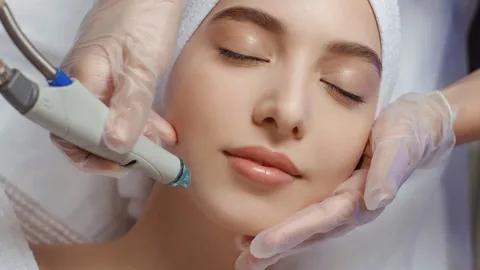
In the high-performance landscape of a global city, the skin serves as the primary interface between the individual and a demanding external environment. The HydraFacial treatment in Dubai has evolved into a foundational clinical protocol for those seeking to mitigate the cumulative effects of “urban skin fatigue.” In 2026, where the “No-Trace Refresh” philosophy dominates aesthetic medicine, this medical-grade resurfacing system provides a necessary biological reset.
The unique combination of intense UV exposure, fine desert dust, and constant transitions between outdoor humidity and indoor air conditioning creates a specific “occlusive biofilm” on the epidermis. In our clinical experience, this layer traps oxidized sebum and pollutants, leading to chronic congestion, enlarged pores, and premature environmental aging. By utilizing a patented Vortex-Fusion delivery system, the procedure restores the skin’s natural respiratory function and cellular vitality.
The Simple Science of Vortex-Fusion Technology
This system works much better than older methods because it uses water instead of harsh scrubbing. The HydraFacial machine uses special spiral tips called HydroPeel tips. As the tip moves over your face, it creates a small water vortex. This liquid vortex does two things at once.
First, it uses a gentle vacuum to lift away dirt. Second, it pumps healthy serums deep into your open pores. This “wet” method keeps your skin hydrated the whole time. Most patients tell us their skin feels light and “plump” right after the session. We replace the weight of dirt with a boost of peptides and hydration.
Why Your Skin Needs an Urban Detox
Living in a desert city means your skin faces unique stress every day. Fine dust and heavy sunscreens often leave a residue that normal washing cannot reach. Therefore, the purpose of the HydraFacial treatment in Dubai is to give you a total environmental detox. The process dissolves the “glue” that keeps dead skin cells stuck to your face. Then, it uses a painless vacuum to pull blackheads out of your T-zone. By clearing these blocks, your skin can breathe again. Consequently, your face reflects light better and absorbs antioxidants more effectively. This stops the “inflammaging” caused by city life.
How We Use Clinical Serums for Better Results
The final step of the facial delivers a mix of nutrients deep into your skin. We use professional formulas that contain Vitamin C, copper peptides, and growth factors. These ingredients support the structure of your skin. Because the surface is fresh and clean, these serums can penetrate much deeper than usual. The purpose of the HydraFacial treatment in Dubai is to strengthen your skin’s natural defenses. This helps fade fine lines and fixes rough texture caused by the sun. As a result, it acts as a great “prejuvenation” strategy to keep your skin bouncy and young.
Clear Benefits for Your Complexion
This treatment offers fast results that get even better over time. Since the procedure does not use heat or needles, you will not have to worry about redness or marks. You can go back to your day with a much better complexion immediately.
| Goal | What to Expect |
| Pore Size | Pores look smaller because they are finally clean |
| Hydration | Your skin holds more moisture and looks “dewy” |
| Smoothness | Rough patches and dry flakes disappear |
| Brightness | Your skin tone looks even and much brighter |
Who Should Get a HydraFacial?
This technology is safe for every skin type and every skin tone. It works perfectly for people with “asphyxiated” skin. This happens when city pollution blocks your pores for a long time. In our clinical experience, this is an essential tool for patients with sensitive skin or oily areas. Whether you are a busy professional or just want to clear up blackheads, we can help. We adjust the vacuum strength and choose special “boosters” just for you. This means your treatment is always personal and matches your exact skin needs.
The Easy Step-by-Step Process
A standard session lasts between 30 and 45 minutes. We follow a strict medical sequence to keep you safe and get the best results:
-
Step 1: Cleanse + Peel: We use a gentle serum to uncover a fresh, new layer of skin.
-
Step 2: Extract + Hydrate: Our painless vacuum removes deep dirt while we pump in moisturizers.
-
Step 3: Fuse + Protect: We saturate your skin with antioxidants to maximize your glow.
-
Bonus Step: LED Therapy: We often use Red light to build collagen or Blue light to kill acne bacteria.
Treating More Than Just Your Face
While most people focus on the face, this system works on other body parts too. The neck and chest are important areas to treat because they show age quickly. Some patients also choose a “Back HydraFacial” to clear up breakouts in hard-to-reach spots. In our clinical experience, treating these extra zones gives you a more harmonious look. It ensures that your hydration and glow are consistent everywhere. As a result, your skin looks youthful from every angle.
Understanding the Value of Expert Care
The cost of a premium session depends on your specific skin goals. If you add “boosters” for anti-aging or dark spots, the price may change. These boosters are very strong formulas that fix specific problems. Furthermore, combining the facial with lymphatic drainage can reduce puffiness and clear out toxins faster. When you choose a genuine HydraFacial, you know the technology is safe. This ensures that your skin is never stretched or damaged. Investing in your skin at a professional clinic is a smart move for your long-term look.
What to Expect After Your Treatment
The best part of the HydraFacial treatment in Dubai is that there is no “downtime.” You can leave the clinic and go straight to a meeting or a dinner. Most people notice a slight, healthy flush for about 20 minutes. After that, your skin stays remarkably smooth and plump for several days. Your skin will not peel, flake, or feel raw. This makes it the perfect choice for people with busy schedules. Your face will look naturally “filtered” and hydrated in any light.
Safety and Professional Standards
We build safety into every part of the HydraFacial design. Our team uses single-use tips for every patient to keep everything sterile. Because the treatment is gentle, you can get it done all year round. This includes the hot summer months when other peels might be too risky. However, we always start with a professional check-up. We need to know if you have any allergies, like an allergy to aspirin or shellfish. This is because some of our effective serums use ingredients related to those items.
How to Keep Your Glow Longer
You should follow a simple plan to keep your skin looking great for the first 48 hours. First, avoid heavy makeup for at least 12 hours. This lets the nutrients soak in properly. Second, always wear a broad-spectrum SPF 30 or higher. Fresh skin is more sensitive to the sun, so protection is vital. Third, drink plenty of water and avoid harsh face scrubs for five days. Most of our regular patients come in once a month for a maintenance visit. This keeps their skin clear and resilient for the long term.
Conclusion
Choosing to focus on your skin health is a great way to boost your confidence. In a tough environment, your skin needs a treatment that works as hard as you do. At Tajmeels Clinic, we provide a high-standard clinical experience. We combine expert knowledge with the world’s best skin technology. This ensures that every session you have is safe and effective. Your journey to a brighter and younger-looking face is a partnership between science and care. We are here to help you look your best every single day.
Author

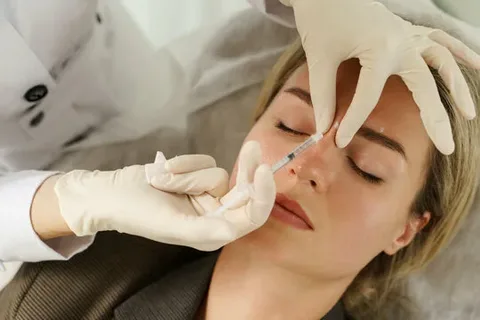
Facial aging is a natural biological process. It happens when bone density decreases and deep fat pads shift downward. At the same time, the skin loses its natural hyaluronic acid. These structural changes often cause the mid-face to look hollow. They also make the lower face appear heavier. Choosing Dermal Fillers in Dubai provides a precise, non-surgical way to fix these issues. This treatment restores lost volume and strengthens your facial framework. In this blog, we will explain how these advanced gels work to balance your features and create a healthy, refreshed look.
Understanding the Science of Dermal Fillers in Dubai
In a professional clinic, doctors do not use just one type of filler. Instead, they choose a gel based on its “G-prime” or thickness. This value tells the doctor how well the gel can hold its shape against muscle movement. Dermal Fillers in Dubai mostly use Hyaluronic Acid (HA). This substance occurs naturally in your body and can hold a lot of water. For example, doctors use a thick filler to mimic bone in the chin or cheeks. On the other hand, they use a softer gel for the lips. This choice ensures that your lips move naturally when you speak or smile.
How Tissue Volumisation Works
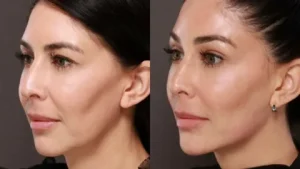
The treatment involves placing the HA gel into specific layers of the face. Doctors usually target deep fat pads or the space just under the skin. Once the gel is in place, it acts like a tiny support beam. It lifts the sagging skin and stretches the cells that produce collagen. This stretching sends a signal to your body to start making its own new collagen. Most patients notice an immediate “lift” after the session. As a result, deep lines like nasolabial folds become much smoother and less visible.
Why Dermal Fillers in Dubai are Used for Balance
Injectable therapy helps remove the shadows that make you look tired. Its main goal is to restore the “Triangle of Youth.” This is a look where the cheeks are the widest part of the face. Medical reasons for this treatment include fixing age-related fat loss or uneven features. By filling these empty areas, the treatment achieves its purpose. It creates a smooth transition between your eyes, nose, and mouth. Additionally, the procedure helps define your jawline or project a recessed chin for a better profile.
Key Benefits of Clinical Injectable Treatments
-
Instant Results: You can see the correction of hollows right after the appointment.
-
Better Hydration: HA fillers pull moisture into the skin to improve its glow.
-
No Surgery Needed: You can enhance your jawline without general anesthesia.
-
Safe and Reversible: Your body naturally absorbs the gel over time. If needed, a doctor can also dissolve it instantly.
-
Quick Recovery: Most people go back to work the very next day.
Who is a Good Candidate for Fillers?
The best candidates are people who notice flattening in their cheeks or dark circles under their eyes. It is medically important that your skin is healthy and free from infections like acne or cold sores. We also look for patients who maintain a steady weight. This is because large weight changes can affect how long the filler lasts. During your visit, the doctor will check your skin elasticity. This step ensures that your tissue can support the filler without sagging.
The Step-by-Step Clinical Process
-
Assessment: The doctor identifies which areas need more volume.
-
Cleaning: We use medical-grade antiseptic to keep the skin sterile.
-
Numbing: We apply a cooling gel or cream so the injection is comfortable.
-
Injection: The doctor uses a very fine needle or a soft tube called a cannula.
-
Molding: We gently massage the area to make sure the gel looks smooth.
-
Review: We check your face while you talk and smile to ensure it looks natural.
Common Treatment Areas and Goals
| Area | Focus | Result |
| Cheeks | Restoring volume to the mid-face. | A lifted look and softer smile lines. |
| Under-Eyes | Filling the “tear trough” hollow. | A rested look with fewer dark shadows. |
| Lips | Adding hydration and shape. | Symmetrical, soft, and youthful lips. |
| Jawline | Defining the angle of the jaw. | A stronger profile and sharper look. |
Keeping the Treatment Safe
Injecting fillers is complex because the face has many important arteries. Therefore, our doctors study facial anatomy deeply to avoid “danger zones.” In our clinic, we often use a blunt-tipped cannula instead of a needle. This tool is safer because it slides past blood vessels rather than piercing them. Consequently, this method reduces bruising and prevents serious risks. While we do not discuss costs here, we remind every patient that expert skill is the best way to stay safe.
How the Filler Integrates with Your Body
A filler is not a permanent implant. Instead, it is a dynamic gel that settles into your tissue over time.
-
First 3 Days: The gel attracts water. You might see minor swelling during this phase.
-
Week 1: The filler starts to feel softer as it blends with your skin.
-
Month 1: The integration is complete. The filler feels just like your own natural tissue.
-
Month 6 to 18: Your body slowly breaks down the HA gel. Eventually, the volume will fade away naturally.
Safety Rules and What to Expect
We ensure your safety by using only high-purity, approved gels. After the treatment, you might see some redness or a small bruise. These are standard responses and go away quickly. In our experience, lumps are very rare when a doctor places the filler at the right depth. However, you must follow our post-care rules. For example, avoid steam rooms and heavy exercise for 48 hours. This helps the product stay in the exact spot where it was placed.
How to Maintain Your Results
How long your filler lasts depends on the product type and your own metabolism. Areas that move a lot, like the lips, usually need a touch-up sooner than the cheeks. We suggest that you drink plenty of water to help the HA gel stay hydrated. Furthermore, using good skincare products helps protect your skin. Most patients come back every 9 to 12 months for a small “maintenance” dose. This approach keeps your volume consistent so you always look your best.
Conclusion
Dermal fillers are a smart medical choice for anyone wanting to restore facial harmony. The process is quick, but it requires a deep knowledge of human anatomy. By choosing a treatment that supports your facial structure, you get a result that looks natural. At Tajmeels Clinic, we focus on your unique features. We provide a professional and supportive space for all your aesthetic goals. We believe that precise volume restoration helps you feel like a refreshed version of yourself.
Author


Talent Development Services: Workforce Skills & Business Growth

Best Mobile App Development Company in 2026: How to Choose

BTEC Assignment Help for Better Grades & Academic Success

SIL Barcelona 2026: Global Logistics & Supply Chain Event Guide

Unreal vs Unity Engine 2026: Which One Should You Choose?

Modern Clothes Nuns Wear: Comfort, Modesty, and Practicality

Barbas Hats: Bold, Stylish Hats Designed to Stand Out

BIM & Prefabrication for GCs: Faster, Cleaner Construction

FragmentClothing: Complete Review of the Brand

Affordable Dermal Fillers in Islamabad: Natural Results

Cybersecurity Consulting Company SequelNet Provides Critical IT Support Services to Medical Billing Firm, Medical Optimum

Team Communication Software Transforms Operations at Finance Innovate

Project Management Tool Transforms Long Island Business

How Alleviate Poverty Utilized IPPBX’s All-in-One Solution to Transform Lives in New York City

Breast Cancer: The Imperative Role of Mammograms in Screening and Early Detection

Unstoppable Collaboration: D.C.’s Citi Open and Silicon Valley Classic Unite to Propel Women’s Tennis to New Heights

Embracing Renewal: Sizdabedar Celebrations Unite Iranians in New York’s Eisenhower Park

The Benefits of Starting a Side Hustle for Financial Freedom

New Blood Donation Screening Questions What You Need to Know

Stylishly Timeless: The 5 Types of Sandals You Need in Your Closet
-

 Business3 years ago
Cybersecurity Consulting Company SequelNet Provides Critical IT Support Services to Medical Billing Firm, Medical Optimum
-
Business3 years ago
Team Communication Software Transforms Operations at Finance Innovate
-
Business3 years ago
Project Management Tool Transforms Long Island Business
-
Business3 years ago
How Alleviate Poverty Utilized IPPBX’s All-in-One Solution to Transform Lives in New York City
-
health3 years ago
Breast Cancer: The Imperative Role of Mammograms in Screening and Early Detection
-
Sports3 years ago
Unstoppable Collaboration: D.C.’s Citi Open and Silicon Valley Classic Unite to Propel Women’s Tennis to New Heights
-
Art /Entertainment3 years ago
Embracing Renewal: Sizdabedar Celebrations Unite Iranians in New York’s Eisenhower Park
-
Finance3 years ago
The Benefits of Starting a Side Hustle for Financial Freedom







