
Finance
US Fed Expected to Cut Interest Rates Once in 2024

By

Reviewed
By Mike steven

the midst of economic uncertainties, the decisions of the United States Federal Reserve (Fed) often serve as a compass for global financial markets. In 2024, economists’ forecasts suggest a singular interest rate cut by the Fed within the year. This projection bears significant implications for investors, policymakers, and consumers alike, warranting a thorough analysis of the factors driving such expectations.
Factors Influencing the Fed’s Decision

This image is taken from google.com
- Inflation Dynamics
Inflationary pressures have been a focal point for the Fed’s policy deliberations. While the economy has seen notable recovery post-pandemic, concerns linger regarding the sustainability of inflation levels. The Fed’s mandate to maintain price stability prompts a delicate balancing act between supporting economic growth and preventing runaway inflation.
- Labor Market Conditions
Labor market indicators, including unemployment rates and job creation figures, carry substantial weight in the Fed’s decision-making process. Despite robust job gains in recent months, persistent disparities in employment participation rates and wage growth dynamics pose challenges to achieving full employment.
- Global Economic Landscape
The interconnectedness of global economies renders external factors pivotal in shaping the Fed’s monetary policy stance. Developments such as geopolitical tensions, trade dynamics, and the trajectory of key international economies can influence the Fed’s assessment of domestic economic prospects.
Analyzing the Expected Rate Cut
Economists’ consensus on a single interest rate cut in 2024 reflects a nuanced interpretation of prevailing economic indicators and policy signals. This anticipation aligns with the Fed’s cautious approach, characterized by gradual adjustments aimed at fostering sustainable economic expansion.
Potential Implications of the Rate Cut
While economists anticipate a singular interest rate cut, the potential implications of such a move extend beyond the realm of monetary policy. Reduced borrowing costs could stimulate investment and consumer spending, thereby bolstering economic activity. However, the efficacy of monetary stimulus hinges on various factors, including the transmission mechanism of rate cuts to the real economy and the extent of market participants’ response.
Challenges and Considerations
Amidst the anticipation of a rate cut, policymakers and market participants confront a myriad of challenges and considerations. Balancing the imperative of supporting economic recovery with concerns over inflationary pressures requires a delicate policy approach. Moreover, the interplay of domestic and global factors underscores the complexity of the economic landscape, necessitating a nuanced and adaptive policy stance. As the Fed navigates these challenges, transparent communication and data-driven decision-making will be instrumental in shaping market expectations and fostering economic stability.
| Factors | Impact |
|---|---|
| Inflation Dynamics | Moderate upward pressure, prompting vigilance |
| Labor Market Conditions | Sustained improvement but lingering challenges |
| Global Economic Outlook | Uncertainty necessitating a vigilant stance |
Comparative Analysis: Previous Rate Cut Scenarios

To contextualize the projected rate cut, a comparative analysis of previous instances offers valuable insights into potential outcomes and market reactions.
| Year | Number of Rate Cuts | Economic Context | Market Response |
|---|---|---|---|
| 2020 | Multiple | Pandemic-induced recession, urgent stimulus required | Equities rallied, bond yields fell |
| 2019 | Three | Trade tensions, global growth concerns | Mixed market reactions, yield curve inversion |
| 2015 | One | Fragile recovery, international headwinds | Gradual market adjustment, subdued inflation |
Conclusion
The forecasted single interest rate cut by the US Federal Reserve in 2024 encapsulates a cautious approach to monetary policy amid evolving economic dynamics. Factors such as inflation trends, labor market conditions, and global developments converge to shape the Fed’s decision-making calculus. A comparative analysis of past rate cut scenarios offers valuable insights into potential outcomes and market responses. As stakeholders navigate the implications of this projection, vigilance and adaptability remain paramount in navigating the ever-changing landscape of monetary policy and economic conditions.
Author

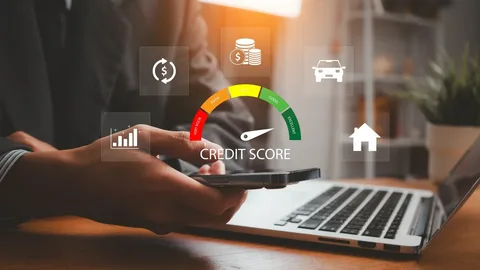
A bad credit score for business puts your company in a difficult situation. You are unable to obtain the loans that you require to expand. The suppliers do not want to offer you good terms of payment. Your company is caught in a rut and seems to be unable to keep up as competitors are ahead.
Your credit score with the business can be rebuilt gradually. It is not going to come overnight. However, with practice, you will see an improvement in your score. Businesses that have progressive improvement with time are rewarded by the credit system.
Ways to Rebuild Business Credit Score
Dispute Errors and Outdated Information
Your credit report might have mistakes. These errors can drag down your score unfairly. You need to check all three major agencies, such as Experian, Equifax, and Credit safe.
You can file disputes directly with each agency when you spot problems and you can send it right away. This might include paid invoices, bank statements, or letters confirming cleared debts.
The County Court Judgments (CCJs) can actually vanish if you pay within a month. You’ll need to apply to the court directly. The satisfied CCJs stick around for six years, but at least they’re marked as paid.
Been linked to a company you never directed? You can challenge it. The credit agencies must investigate and respond within 28 days by law. Stay on top of them if they miss this deadline.
- Look for name spelling errors that link others’ debts to you
- Check for duplicate entries that count negatives twice
- Search for outdated addresses that might miss positive records
- Review director associations from companies you’ve left
- Examine expired CCJs that should have dropped off already

Pay Off Outstanding Debts and CCJs
Active CCJs hurt your score most severely. You can target these first to stop the bleeding. Next, tackle defaults from largest to smallest to maximize score improvement. The creditors may accept partial settlements if you negotiate well.
You can get loans to clear your debts and can apply for online bad credit loans in the UK. You can use this to consolidate multiple business debts. These loans can simplify your repayment schedule and potentially improve cash flow. They often approve businesses with troubled credit histories. Some lenders specialize in helping companies rebuild their financial standing.
You can ask creditors to update your status to “satisfied” once you’ve paid. This won’t remove the black mark entirely, but it shows you’ve made good. HMRC debts deserve special attention. These tax authorities report payment behavior to credit agencies.
- Set up direct debits for minimum payments
- Keep payment receipts as proof for at least two years
- Consider the snowball method
- Photograph “paid in full” letters for your records
- Request written confirmation
File Accounts and Returns on Time
Late Companies House filings damage your score. The credit agencies check this public data constantly. Your confirmation statement comes due yearly, and mark this date clearly in your calendar.
Annual accounts follow strict deadlines based on your company structure. These deadlines can trigger automatic penalties starting at £150 and climbing quickly. These fines reach £1,500 quickly for public companies.
You can set multiple reminders 30, 15, and 5 days before deadlines. This could be phone alerts, email notifications, or anything else. This simple habit prevents costly mistakes that hurt your score for years.
Your consistent filing builds trust with credit agencies over time. They track your pattern, not just individual events.
- Use accounting software
- Consider changing your company’s accounting reference date
- File online rather than by post to avoid mail delays
- Keep Companies House authentication codes
- Check your filing status online regularly
Build Positive Payment History
You pay suppliers before the due date. You can find trade credit accounts that actually report to agencies. Not all do! Ask potential suppliers directly if they share payment data. Business credit cards, when paid in full monthly, create positive records quickly.
You put utility bills in your business name rather than your personal. These regular payments build history steadily.
The big suppliers report more consistently than the smaller ones. Their data carries more weight with credit agencies. You can balance your payment strategy to prioritize these key relationships.
- Ask existing suppliers to increase credit terms after 3-4 months of early payments
- Set up automated payments for recurring bills to avoid oversights
- Space out payments to create more positive reporting events
- Consider trade credit insurance to protect your payment history
- Review payment terms before agreeing to them
Manage Director’s Personal Credit
Many lenders check both business and director credit scores. They’re linked closely in their lending decisions. Personal CCJs, IVAs, or bankruptcies severely limit business borrowing options.
You can keep your personal credit card usage under 30% of available limits. This ratio matters more than the actual amounts. You can register on the electoral roll at your business address to strengthen the connection between personal and business identities.
Separate personal and business finances completely. You use different cards, accounts, and payment methods. Joint liability continues even after leaving a company, so check your associations regularly.
You can get online bad credit loans in the UK. This can sometimes bridge personal finance gaps without impacting business credit. These lending options understand entrepreneurial challenges. They often look beyond traditional credit scores. Some offer flexible repayment terms suited to fluctuating business income.
- Check your personal credit file with all three major agencies
- Dispute any errors on personal reports
- Avoid multiple credit applications in short timeframes
- Close unused credit accounts
- Maintain a perfect payment history on a personal credit card
Establish Trade References
It is possible to open accounts with suppliers who submit payment information. There are 3-5 critical relationships that you can target to establish a strong foundation. You can begin with simple credit limits, which you can easily settle off early.
A builder, merchants, and office suppliers are the usual ones reporting to credit agencies. These industries are good entry points. After six months of flawless payments, ask for small credit gifts to indicate improvement.
Some loan applications require written trade references. These can be inquired of contented suppliers once a good history has been built.
- Go on business with the finance departments of supplier companies
- Prepare congratulatory letters when the credit limit is approved
- Record all early payments that you make
- Make regular visits to suppliers every three months
Conclusion
The practices could appear small, but they accumulate in huge transformations that lenders have of your company. Record your improvement every month to keep yourself going when the process is slow.
Many successful businesses have used the bad ratings to recover and be in a position to obtain the money they required to succeed. Don’t stick to quick fixes only, but rather stick to those habits that can make your credit great.
Author



The digital revolution has significantly changed how we approach investing. With just a few taps or clicks, investors can start Systematic Investment Plans (SIPs), track their portfolios, and access a wealth of financial information through apps and websites. This convenience has led many to believe that mutual fund distributors are becoming obsolete. However, investing is more than just executing transactions—it involves making well-informed decisions, staying disciplined, and aligning investments with personal goals. While digital platforms provide easy access and execution, mutual fund distributors still play a crucial role in helping investors navigate complexity, manage emotions, and build long-term wealth.
The Strengths of Digital Platforms
Digital platforms have made investing accessible to anyone with an internet connection. They offer numerous advantages:
- Quick and paperless investment processes
- Easy access to mutual fund information and calculators
- Real-time portfolio tracking
- Lower entry barriers for first-time investors
These tools excel at simplifying execution, improving transparency, and providing real-time data. However, despite their efficiency, digital platforms are not equipped to fully understand an investor’s financial situation or emotional state, which can influence their decision-making.

The Missing Link in Digital-Only Investing
While digital platforms offer convenience, they also present challenges that often go unaddressed. One of the major drawbacks of digital-only investing is information overload. Investors are bombarded with countless fund options, market opinions, return comparisons, and investment strategies—without clear direction.
Common issues include:
- Difficulty in selecting suitable funds
- Overlapping investments across similar schemes
- Panic-driven decisions during market volatility
- Lack of accountability or follow-up
In the absence of personalized guidance, investors may be tempted to make hasty decisions based on short-term emotions rather than sticking to a well-thought-out long-term strategy.
Personalized, Need-Based Financial Planning
Each investor has distinct financial goals. Whether it’s buying a home, funding a child’s education, planning for retirement, or building long-term wealth, each objective has its own set of time horizons, risk appetites, and investment requirements. This is where mutual fund distributors provide essential value.
A mutual fund distributor helps by:
- Understanding an investor’s unique needs and priorities
- Mapping SIPs to specific financial goals
-
Organizing investments according to risk appetite and time frame
- Ensuring each investment serves a specific purpose
Unlike algorithms, human distributors are able to take into account the nuances of life situations and adjust investment strategies accordingly.
Behavioral Guidance During Market Ups and Downs
Market volatility is inevitable, and while digital platforms can show numbers and charts, they can’t provide reassurance during market corrections. This is where mutual fund distributors excel. They offer critical behavioral guidance by:
- Preventing panic withdrawals during market downturns
- Encouraging investors to stick with their SIPs and long-term strategy
- Helping investors understand that market fluctuations are a normal part of long-term investing
- Reinforcing the importance of patience and consistency
The difference between average investors and successful investors often comes down to emotional control. A trusted mutual fund distributor helps investors maintain discipline, which can make a significant difference to their financial outcomes over time.
Simplifying Investment Complexity
Mutual funds come with various categories, strategies, and risk levels, which can overwhelm even seasoned investors. Digital platforms often fail to provide clear, actionable guidance on these complexities. This is where mutual fund distributors play a vital role:
- Explaining fund categories in simple, understandable terms
- Avoiding unnecessary or overlapping investments
- Periodically reviewing and rebalancing portfolios
- Adapting investments to match evolving goals and market conditions
By offering clarity and simplifying decision-making, mutual fund distributors ensure that investors stay on track with their long-term objectives.
Building Long-Term Relationships Over One-Time Transactions
Digital platforms are great for executing transactions, but they tend to provide limited support once an investment is made. A mutual fund distributor, however, focuses on building a long-term relationship, providing ongoing support through:
- Regular portfolio reviews
- Adapting strategies as life stages change (e.g., marriage, children, retirement)
- Acting as a financial partner rather than a mere salesperson
Technology and Human Guidance: A Powerful Combination
Modern mutual fund distributors are not against technology—they embrace it. By integrating digital tools like platforms, dashboards, and analytical software, distributors combine the best of both worlds: technology-driven efficiency and personalized human guidance. This combination offers investors:
- Better decision-making capabilities
- Greater transparency
- Stronger investor confidence
- Improved long-term outcomes
By using technology to enhance their service offering, mutual fund distributors can ensure that investors get the most accurate data and analysis while also benefiting from expert advice and support.
Who Benefits Most from a Mutual Fund Distributor?
While any investor can benefit from professional guidance, mutual fund distributors are especially valuable for:
- First-time investors who need help understanding the basics of mutual funds and asset allocation.
- Busy professionals with limited time to research or manage their investments.
- Retirees looking for stability and income planning.
- Families planning for long-term financial needs like education and home buying.
- Investors who value discipline, consistency, and clarity in their investment approach.
The Long-Term Value of Human Guidance in Wealth Creation
Digital platforms may excel at execution and convenience, but wealth creation is a deeply behavioral process that requires ongoing, long-term management. Market cycles, volatility, changing financial priorities, and life events demand continuous decision-making and adaptation, something that digital platforms alone cannot fully address.
For example, during market downturns, investors may panic and consider stopping their SIPs or redeeming investments prematurely. A mutual fund distributor helps keep emotions in check, reinforcing the long-term strategy and guiding the investor through short-term turbulence. This emotional support can significantly enhance long-term returns.
Additionally, as life circumstances evolve—such as marriage, children’s education, career changes, or retirement—portfolios must be periodically reviewed and rebalanced. A distributor proactively adjusts strategies to ensure that investments remain aligned with changing goals, something most investors overlook when managing investments independently.
Accountability also plays a crucial role in maintaining a long-term investment plan. Working with a distributor makes it more likely that investors will stick to their SIPs, increase contributions as their income grows, and periodically review their portfolios. This structured, disciplined approach ensures that investing remains a well-managed, ongoing process rather than a one-time task.
Conclusion: Why Human Guidance Still Matters in the Digital Age
While digital platforms have made investing easier, they cannot replace the human touch that adds value to long-term wealth creation. Mutual fund distributors bring structure, emotional support, and personalized guidance to the investment process. By blending the efficiency of technology with the expertise of human advisors, mutual fund distributors ensure that investors not only execute transactions but also make well-informed decisions that align with their life goals.
In the digital age, the future of investing lies not in choosing between technology and human guidance, but in combining both to build a secure, meaningful, and prosperous financial future.
Author



In the world of fashion, few brands have managed to carve a niche as distinct as Comme des Garçons (CDG). Known for its avant-garde approach to design and its bold use of fabrics, CDG shirts have become a must-have for fashion enthusiasts in the United States. From the bustling streets of New York City to the trendsetting neighborhoods of Los Angeles, CDG shirts have become synonymous with creativity, sophistication, and style.
Why Are CDG Shirts So Popular in the U.S.?
The surge in popularity of CDG shirts in the United States can be attributed to a unique combination of factors. Below are some of the key reasons why American fashion lovers can’t get enough of them:
Innovative Design
Unlike mainstream shirt brands, CDG pushes the boundaries of conventional fashion. Their shirts feature unexpected cuts, vibrant colors, and distinctive textures. For instance, playful heart logos, asymmetrical patterns, and unconventional shapes make each shirt a work of art. In a country where streetwear culture is on the rise, CDG’s designs stand out and make an impact in a sea of minimalism. Fashion-forward individuals in the U.S. are drawn to this creative and artistic flair, which offers an exciting alternative to more traditional brands.

Exceptional Quality
CDG shirts are made from premium materials like soft cotton, silk, and high-quality fabric blends. These shirts not only look impressive but also feel incredibly comfortable. U.S. consumers value both durability and comfort, and CDG excels in both areas. The craftsmanship and attention to detail ensure that each shirt lasts, making it a smart investment for anyone looking for a high-quality, long-lasting wardrobe staple.
Versatility
One of the reasons CDG shirts have captured the attention of American shoppers is their versatility. Whether you’re dressing up for a business casual look or aiming for a relaxed streetwear vibe, these shirts can fit seamlessly into any wardrobe. For a more formal approach, pair a CDG shirt with tailored trousers. Alternatively, throw on a pair of jeans and sneakers for a casual outing. This adaptability makes CDG shirts perfect for those looking to balance style and function in their wardrobes.
Brand Prestige
Owning a CDG shirt is about more than just the design; it’s about the statement it makes. The brand is associated with refined taste and a deep appreciation for fashion innovation. With numerous U.S.-based celebrities, musicians, and influencers embracing the brand, CDG has solidified its place as a cultural icon. For many, wearing a CDG shirt signals their connection to a global fashion movement, making it just as much about identity as it is about style.
Popular CDG Shirt Styles in the U.S.
CDG shirts are not just about standing out—they also offer various styles suited to different tastes. The following are some of the most popular options that have captured the U.S. fashion scene:
CDG Play Shirts
One of the most recognizable styles is the CDG Play shirt, known for its iconic heart logo. These shirts often come in bright, bold colors, offering a playful and approachable look. Ideal for streetwear lovers, CDG Play shirts are casual, fun, and instantly recognizable. They have become a staple for those who want to express their personality while keeping things relaxed.
CDG Homme Shirts
For a more polished and sophisticated look, CDG Homme shirts are the go-to choice. With a more tailored fit, these shirts are perfect for business casual events or upscale social gatherings. Many American professionals and fashion-forward individuals wear them to meetings, dinners, or even exclusive events. The tailored nature of the shirts elevates any outfit, while the unique CDG design elements make them stand out from conventional workwear.
Limited Edition and Collaborations
CDG is known for collaborating with other major brands, such as Nike, Converse, and Supreme. These limited-edition releases are highly sought after, with U.S. buyers often clamoring for exclusive pieces. Fashion collectors in the U.S. eagerly hunt for these unique collaborations, and their scarcity only adds to their appeal.
How to Style CDG Shirts for American Fashion Trends
For Americans looking to incorporate CDG shirts into their wardrobes, styling them can be a creative endeavor. Below are some popular ways to rock these shirts:
Casual Streetwear
One of the most common ways to wear a CDG shirt is by pairing it with casual streetwear. A CDG Play shirt, fitted jeans, high-top trainers, and a bomber jacket create an effortlessly stylish appearance. This style is especially popular in urban areas like New York, Los Angeles, and Chicago, where streetwear culture is at the forefront.
Smart Casual
If you want a more refined appearance, pairing a CDG Homme shirt with chinos and loafers is an ideal choice. This look is perfect for dinners, office meetings, or casual social events. It strikes the right balance between dressed-up and laid-back, offering a versatile yet fashionable outfit.
Layered Looks
CDG shirts are also fantastic for layering. Try wearing a lightweight CDG shirt underneath a sweater, hoodie, or blazer. This layered approach creates a contemporary look that aligns with current fashion trends in the U.S. The ability to layer these shirts allows for year-round styling, especially in regions with changing seasons.
Accessorizing
When it comes to accessories, less is more. Minimalist options like leather belts, sleek watches, or clean sneakers help balance the boldness of CDG shirts. U.S. fashion enthusiasts tend to avoid overwhelming the shirt with flashy accessories, opting instead for items that complement the shirt’s distinctive design.
Where to Buy Authentic CDG Shirts in the U.S.
Buying authentic CDG shirts in the U.S. can sometimes be tricky due to the prevalence of counterfeits. To ensure you’re getting the real deal, consider these trusted sources:
Authorized Retailers
Stores like Dover Street Market New York, SSENSE, and END. Clothing offer a range of CDG shirts, both online and in-store. Shopping at these reputable retailers guarantees you’re purchasing genuine products.
Official Online Store
For direct access to the latest collections, the official CDG website offers shipping to the U.S. Shopping from the brand’s official site is the safest way to purchase new releases and unique items not available in local stores.
Trusted Resellers
Websites like Grailed, StockX, and Farfetch feature verified sellers offering authentic CDG shirts. These platforms are widely used by collectors and fashion enthusiasts, especially for rare or limited-edition pieces.
Why CDG Shirts Are Worth the Investment
While CDG shirts are generally priced higher than many American brands, they offer significant value:
Longevity
Thanks to premium fabrics and expert craftsmanship, CDG shirts are built to last. They are durable enough to withstand regular wear, all while retaining their vibrant look and feel.
Distinctive Style
CDG’s designs are bold and distinctive, offering something unique in a market often dominated by generic options. For American consumers who prioritize individuality, these shirts make a strong statement.
Cultural Significance
Wearing CDG shirts connects wearers to the avant-garde Japanese fashion scene, allowing U.S. consumers to participate in a global fashion movement. CDG represents innovation and creativity, making it a symbol of high fashion and cultural relevance.
Conclusion
For fashion enthusiasts in the United States, CDG shirts combine style, quality, and a deep sense of individuality. Whether you’re dressing for a casual outing, a business event, or simply to express your unique fashion sense, these shirts fit seamlessly into any wardrobe. Investing in a CDG shirt isn’t just about buying high-end clothing—it’s about embracing a global fashion culture, showcasing your personality, and celebrating exceptional craftsmanship.
By exploring the different styles, shopping from trusted retailers, and styling them with confidence, Americans can elevate their wardrobes with these iconic pieces. So why not make a statement today with a CDG shirt? Experience Japanese fashion at its finest and embrace the creativity that comes with it.
Author



The Complete Homeowner’s Guide to Damp Proofing in South Wales

Luxury Car Seats: The Pinnacle of Comfort and Engineering

Saint Michael Clothing A Complete Guide for UK Streetwear Fans

Transform Your Skin with Micro Needling in Tomball

Discover Raspberry Hills: The Rising Star in Streetwear

Exploring Bed Types and Their Role in Modern Interior Design

Rebuild Your Business Credit Score: Strategies for Success

Gas Furnace Heating and Its Impact on Indoor Air Quality

The Emotional Reasons to Choose a Brand New Townhouse in Sydney

Liposuction in Dubai: Transform Your Body with Expert Care

Cybersecurity Consulting Company SequelNet Provides Critical IT Support Services to Medical Billing Firm, Medical Optimum

Team Communication Software Transforms Operations at Finance Innovate

Project Management Tool Transforms Long Island Business

How Alleviate Poverty Utilized IPPBX’s All-in-One Solution to Transform Lives in New York City

Breast Cancer: The Imperative Role of Mammograms in Screening and Early Detection

Unstoppable Collaboration: D.C.’s Citi Open and Silicon Valley Classic Unite to Propel Women’s Tennis to New Heights

Embracing Renewal: Sizdabedar Celebrations Unite Iranians in New York’s Eisenhower Park

The Benefits of Starting a Side Hustle for Financial Freedom

New Blood Donation Screening Questions What You Need to Know

Stylishly Timeless: The 5 Types of Sandals You Need in Your Closet
-

 Business3 years ago
Cybersecurity Consulting Company SequelNet Provides Critical IT Support Services to Medical Billing Firm, Medical Optimum
-
Business3 years ago
Team Communication Software Transforms Operations at Finance Innovate
-
Business3 years ago
Project Management Tool Transforms Long Island Business
-
Business2 years ago
How Alleviate Poverty Utilized IPPBX’s All-in-One Solution to Transform Lives in New York City
-
health3 years ago
Breast Cancer: The Imperative Role of Mammograms in Screening and Early Detection
-
Sports3 years ago
Unstoppable Collaboration: D.C.’s Citi Open and Silicon Valley Classic Unite to Propel Women’s Tennis to New Heights
-
Art /Entertainment3 years ago
Embracing Renewal: Sizdabedar Celebrations Unite Iranians in New York’s Eisenhower Park
-
Finance3 years ago
The Benefits of Starting a Side Hustle for Financial Freedom







