
Home Garden
“Unlocking Flavor: Mastering Homemade Taste with Jarred Sauce”


Introduction:
In the fast-paced world we live in, convenience often takes precedence in our kitchens. Jarred sauce is a go-to option for many, but it doesn’t mean you have to sacrifice flavor. Over the years, I’ve discovered that you can work magic with jarred sauce, turning it into a culinary delight. With my extensive experience, I’m here to share the art of enhancing jarred sauce and making it taste like it’s been lovingly prepared from scratch. David Rocco, an acclaimed chef with over two decades of experience, will guide you through six ingenious techniques that will elevate your jarred sauce and make it taste like it’s been simmering all day. Whether you’re a cooking enthusiast seeking advanced culinary tips or someone looking to add more flavor to your meals, these insights will prove invaluable.

Photo by Klaus Nielsen: https://www.pexels.com/photo/person-adding-greens-to-dish-in-restaurant-6287493/
The Magic of Fresh Ingredients
The cornerstone of exceptional cuisine is the use of fresh ingredients. You might wonder how these fresh elements can elevate something as simple as jarred sauce. Let’s dive into the details:
Fresh Herbs
Fresh herbs are like culinary gems. They can take your sauce from good to gourmet with their vibrant, aromatic, and nuanced flavors. Whether it’s basil, oregano, or parsley, adding a handful of freshly chopped herbs to your sauce just before serving can make a world of difference. The aroma and taste of these fresh herbs will infuse your sauce with an authentic, garden-fresh essence.
Aromatic Oils
Infusing your sauce with aromatic oils, such as olive oil or garlic-infused oil, can add a layer of richness and complexity. Simply sauté garlic in a generous glug of high-quality olive oil until it becomes fragrant, and then mix it into your sauce. You’ll be amazed at how this simple addition can transform the flavor profile.
Real Tomatoes
If you’re looking for an authentic homemade taste, consider incorporating real tomatoes into your jarred sauce. This can be in the form of freshly diced tomatoes or cherry tomatoes that burst with flavor. The natural sweetness and acidity of real tomatoes can enhance the overall taste, making your sauce truly exceptional. Flavor balance is a chef’s secret weapon, and understanding how to master it is crucial for elevating jarred sauce.
Seasoning Mastery
Seasoning is a fine art, and mastering it is the key to achieving flavor harmony. Use a variety of seasonings like salt, pepper, and other herbs to create a well-rounded and balanced flavor profile. Start with a small amount, taste, and adjust as needed. You’ll be amazed at the transformation this can bring to your jarred sauce.

Sweet vs. Savory
Understanding the interplay of sweet and savory is essential. While jarred sauces often have a sweet note, you can add savory elements to create a more well-rounded profile. A dash of soy sauce or Worcestershire sauce can add depth and complexity to your sauce.
Wine Wisdom
Here’s a secret many don’t know adding a bit of wine to your sauce can enhance the flavor and add depth and complexity. Whether it’s red wine for a rich, bold sauce or white wine for a lighter touch, it can elevate your jarred sauce to a whole new level.
Creaminess
If you prefer a silky-smooth texture, consider adding cream or a dairy-free alternative to your sauce. A dollop of cream can transform a regular jarred sauce into a luxurious, velvety masterpiece. Just remember to stir it in gently to ensure even distribution.
Using Cheese
Cheese is a magical ingredient that can impart rich creaminess to your sauce. Whether it’s grated Parmesan, Pecorino, or a creamy blue cheese, these additions can add depth and flavor to your jarred sauce. Experiment and find the cheese that suits your taste best.
Add-Ins
Adding unique ingredients to your jarred sauce can give it a personal flair. Whether it’s sautéed mushrooms, olives, capers, or even a handful of baby spinach, these add-ins can make your sauce stand out and cater to your specific tastes.
Spices and Heat
Spices can offer unique twists to your jarred sauce. A pinch of red pepper flakes, a dash of cayenne, or a sprinkle of smoked paprika can add a subtle or bold kick of heat. Experiment with different spices to find the right level of intensity for your palate.

Photo by Klaus Nielsen: https://www.pexels.com/photo/crop-faceless-chef-adding-fresh-bolognese-sauce-to-spaghetti-6287497/
KeyPoint.
| Technique | Benefits |
|---|---|
| Fresh Ingredients | Authentic, fresh flavor |
| Seasoning Mastery | Balanced and harmonious taste. |
| Texture Enhancement | Creamy, velvety, or thick consistency |
| Customization | Personalization and uniqueness |
| Perfect Pairings | Versatile and complementary meal options |
Conclusion:
your culinary creativity. You can start with a store-bought base and then personalize it to your liking. This could mean adjusting the flavor profile by adding fresh herbs, spices, or other seasonings that align with your taste preferences. Fresh Ingredients Make a Difference: Using fresh, high-quality ingredients alongside your jarred sauce can significantly enhance the overall taste of your dishes. Rocco suggests using fresh herbs, vegetables, and even proteins to infuse a homemade quality into your meals. Customization is Key: One of the key takeaways is the ability to customize jarred sauces to match the specific dish you’re preparing. Whether it’s turning a simple tomato sauce into a rich and hearty Bolognese or giving an Alfredo sauce a unique twist, the article offers tips on adapting store-bought options to your particular recipe. Experiment with Pairings: It might involve mixing and matching jarred sauces to create entirely new flavors or combining them with various ingredients to find the perfect complementary components for a dish.
Author



Roof maintenance usually stays at the bottom of the pile until a storm hits and water starts dripping on the dinner table. It makes sense because tile roofs look incredibly solid and permanent. They have that classic weight and style that makes a house feel like a fortress. But even these heavy materials have a challenging time standing up to the weather’s constant beating, making Roof Tile Repair essential to prevent long-term damage.
You may easily see little cracks or portions that have shifted a little from the driveway, but if you leave them alone for a month or two, they can cause giant difficulties. It’s not crazy to keep an eye on the roof; it’s only smart to notice small changes before they become large problems.
Visual Indicators of Cracked or Missing Tiles
You might discover more than you thought if you look up quickly after a windy afternoon. Strong winds or simply a branch that falls can easily break a tile or push it out of its perfect row. If one piece goes missing, the rain can flow right through the hardwood deck below. You can usually spot these gaps by looking for breaks in the regular pattern from the safety of the garden. Any physical damage on the outside means the main shield of the home has a hole in it.
The sun and the cold also play a quiet role in this process. Materials like ceramic or concrete are quite stubborn, but they still expand and shrink as the temperature swings throughout the year. This constant movement eventually creates hairline fractures. They look like nothing more than a thin pencil mark, but they are wide enough for water to find its way through. Catching these little breaks early keeps the moisture from reaching the attic and starting a slow rot that ruins the whole ceiling.
Internal Stains on Your Ceiling and Walls
Usually, by the time you see a brown mark in the corner of a room, the water has already found a very clever way inside. When rain gets past the tiles, it rarely just drops straight down. Instead, it tends to run along the rafters and beams before finally soaking into the plasterboard. This results in those annoying yellow patches that seem to grow larger every time the clouds turn grey. Spotting these marks early is quite lucky in a way, as it gives you a chance to fix the leak before mold takes over the house.
Moisture damage also shows up in less obvious ways, like paint that starts to peel or wallpaper that looks a bit bubbly near the ceiling. These are clear warnings that the wood framing behind the wall is getting soaked. If the attic starts to smell a bit damp or musty, the situation is becoming quite urgent. Acting quickly prevents the water from reaching the electrical wires or turning the expensive insulation into a soggy, useless mess.

Accumulation of Debris in Your Rain Gutters
Your gutters actually tell a story about the health of the roof. When you go up to clear them out, pay attention to what is sitting in the bottom. Finding small shards of clay or a layer of sandy grit near the downspouts is a bad sign. It suggests that the tiles are slowly eroding and losing their strength. Brittle tiles are very fragile and cannot handle the pressure of a heavy storm or the weight of someone stepping on them.
Blocked gutters are also dangerous because they force water to pool right at the edge of the roofline. This standing water makes the wooden eaves and fascia boards rot much faster than they should. If you see bits of your roof washing away during a normal rain shower, it is probably time for a proper check. Keeping the drainage clear while looking for these fragments is a simple but vital part of keeping the home safe and dry.
The line at the very top of the house should be straight and firm. If you notice a dip or a slight curve in that ridge, you are looking at a serious structural problem. Tile roofs are incredibly heavy, and they put a lot of pressure on the wooden supports every single day. If those beams have been weakened by a slow leak, the whole surface might start to bow under that massive weight. This is a major warning sign that the roof could be close to a total collapse.
Walking on a damaged roof is extremely dangerous and should only be done by people who know exactly where to step. If you suspect that the house needs roof tile repair in Port St. Lucie, then getting a professional inspection is the only safe move. These experts can tell if the sagging is just a few loose tiles or if the entire wooden deck needs to be reinforced. Fixing these shifts early keeps the house standing strong and protects the people living inside.
Conclusion
Looking after a roof is mostly about paying attention and not ignoring the little things. Homeowners who wait until the damage is obvious often end up paying a lot more for repairs that could have been avoided with a bit of foresight. A Coast Roof LLC is a dependable partner for anyone who needs professional help and good work. The crew carefully makes certain that they fix the roof above you with attention and skill.
Because they have done similar projects before, they know how to put each tile in the right spot so that it can handle any weather. Working with specialists in Roof Tile Repair means you can get on with your life while the house stays protected. Taking these small steps today ensures a stable home for many years.
Author


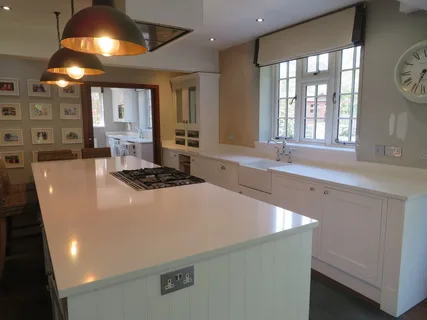
Creating the perfect kitchen is one of the most exciting home improvement projects any homeowner can undertake. The kitchen is no longer simply a place to prepare meals — it has become the heart of the home, a social hub, and a space where families spend quality time together. For homeowners planning a renovation or complete redesign, visiting kitchen showrooms Surrey is one of the best ways to gather inspiration, compare styles, and make informed decisions before investing in a new kitchen.
Surrey is home to a wide range of stylish properties, from traditional countryside homes to modern luxury apartments. Because of this, kitchen showrooms across the county offer a huge variety of kitchen designs, layouts, materials, and appliances to suit different lifestyles and budgets. Whether you prefer a sleek contemporary kitchen or a timeless classic design, visiting a professional showroom can help bring your ideas to life.
Visiting Kitchen Showrooms
Many homeowners begin their kitchen renovation journey by browsing online images and social media platforms. While this can provide inspiration, it does not compare to experiencing a kitchen in person. Kitchen showrooms allow you to see how different materials, colors, lighting, and layouts work together in real life.
Visiting a showroom provides several important benefits:
- You can explore full kitchen displays.
- You can touch and compare materials.
- You can test storage solutions.
- You can receive expert advice from designers.
- You can view appliance demonstrations.
- You can better understand kitchen layouts and functionality.
A kitchen may look beautiful online, but seeing it physically helps you understand how practical and comfortable it truly is.
Exploring Different Kitchen Styles
One of the biggest advantages of visiting kitchen showrooms in Surrey is the opportunity to compare different kitchen styles side by side. Every homeowner has unique preferences, and showrooms help identify which style best matches your home and personality.
Modern Kitchens
Modern kitchens remain one of the most popular choices in Surrey. These kitchens focus on clean lines, minimalist aesthetics, and clutter-free layouts. Handle less cabinets, integrated appliances, and neutral color palettes create sleek and sophisticated spaces.
Popular features in modern kitchens include:
- Gloss or matte cabinetry
- Hidden storage
- Smart appliances
- LED lighting
- Quartz worktops
Modern kitchens work especially well in contemporary homes and open-plan living spaces.
Traditional Kitchens
Traditional kitchens never go out of style. Many Surrey homeowners prefer classic shaker-style kitchens because they create warm and welcoming interiors.
Traditional kitchens often include:
- Wooden cabinets
- Decorative handles
- Natural stone worktops
- Farmhouse sinks
- Soft color palettes
These kitchens are ideal for period homes, cottages, and countryside properties.
Contemporary Luxury Kitchens
Luxury kitchen features may include:
- Large kitchen islands
- Marble worktops
- Smart home integration
- Wine coolers
- Bespoke cabinetry
- High-end appliances
Many kitchen showrooms in Surrey specialize in creating custom luxury kitchens tailored to each client’s lifestyle.
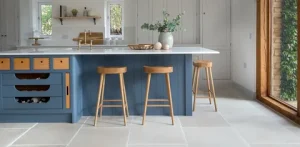
Understanding Kitchen Layouts
Open-Plan Kitchens
Open-plan kitchens are extremely popular in Surrey homes. These layouts combine the kitchen with dining and living spaces, creating bright and sociable environments.
Benefits of open-plan kitchens include:
- Better natural light
- Improved family interaction
- Easier entertaining
- Flexible layouts
- Spacious appearance
Kitchen showrooms often display fully styled open-plan layouts to help homeowners visualize the possibilities.
U-Shaped Kitchens
U-shaped kitchens provide excellent storage and worktop space. They are ideal for larger households and people who enjoy cooking regularly.
L-Shaped Kitchens
L-shaped kitchens maximize corner space and create efficient movement throughout the room.
Galley Kitchens
Galley kitchens are highly practical for smaller homes and apartments because they make efficient use of limited space.
Storage Solutions in Modern Kitchens
Storage plays a huge role in creating organized and clutter-free kitchens. Today’s kitchen showrooms feature innovative storage solutions that improve both functionality and appearance.
Popular storage ideas include:
- Pull-out pantry units
- Deep drawers
- Corner carousel systems
- Integrated bins
- Hidden appliance storage
- Built-in spice racks
Good storage design helps maximize every inch of available space while keeping the kitchen neat and efficient.
Choosing the Right Worktops
Worktops significantly impact both the appearance and durability of a kitchen. Kitchen showrooms allow homeowners to compare different materials and finishes in person.
Quartz Worktops
Quartz is one of the most popular choices because it is durable, low-maintenance, and available in many colors and patterns.
Granite Worktops
Granite offers natural beauty and exceptional durability. Each slab has unique patterns that add character to the kitchen.
Marble Worktops
Marble creates a luxurious and elegant appearance, although it requires more maintenance than quartz or granite.
Solid Wood Worktops
Wooden worktops bring warmth and timeless charm, particularly in traditional kitchens.
Smart Technology in Modern Kitchens
Technology is transforming kitchen design. Many kitchen showrooms in Surrey now feature smart appliances and integrated technology systems that improve convenience and efficiency.
Popular smart kitchen features include:
- Smart ovens
- Voice-controlled lighting
- Touchless taps
- Wi-Fi-enabled refrigerators
- Built-in charging stations
- Automated lighting systems
These technologies not only improve functionality but also create a more luxurious kitchen experience.
Lighting Design and Atmosphere
Lighting is essential in any kitchen because it affects both practicality and ambience. Professional kitchen designers use layered lighting to create balanced and comfortable spaces.
Common lighting types include:
Ambient Lighting
Provides overall room illumination.
Task Lighting
Improves visibility for cooking and food preparation areas.
Accent Lighting
Highlights decorative features and adds atmosphere.
Pendant lighting above kitchen islands remains especially popular in Surrey homes because it combines style with practicality.
Sustainable Kitchen Design
Eco-friendly kitchens are becoming increasingly popular as homeowners focus on sustainability and energy efficiency.
Many kitchen showrooms now promote environmentally responsible options such as:
- LED lighting
- Sustainable wood cabinetry
- Energy-efficient appliances
- Recycled materials
- Water-saving taps
Sustainable kitchens not only reduce environmental impact but can also lower long-term energy costs.
Benefits of Professional Kitchen Designers
Working with experienced kitchen designers offers several important advantages. Designers help homeowners avoid costly mistakes while ensuring the kitchen suits both practical needs and personal style preferences.
Professional designers can assist with:
- Space planning
- Material selection
- Appliance integration
- Budget management
- Color coordination
- Storage optimization
They also help manage the renovation process more efficiently from start to finish.
Preparing for Your Kitchen Showroom
Before visiting kitchen showrooms in Surrey, it is helpful to prepare in advance.
Things to consider include:
- Your budget
- Room measurements
- Preferred styles
- Storage requirements
- Appliance preferences
- Inspiration images
Bringing photos, floor plans, and measurements can help designers provide more accurate recommendations.
Kitchen Renovation Mistakes to Avoid
Homeowners sometimes make avoidable mistakes during kitchen renovations.
Common issues include:
- Poor lighting design
- Insufficient storage
- Choosing style over functionality
- Ignoring workflow efficiency
- Following short-term trends
Professional guidance from kitchen showroom experts can help prevent these problems and ensure long-lasting satisfaction.
Surrey Homeowners Love Bespoke Kitchens
Bespoke kitchens are becoming increasingly popular because they allow homeowners to personalize every detail.
Custom kitchens provide:
- Tailored storage solutions
- Unique finishes
- Better space utilization
- High-quality craftsmanship
- Greater individuality
Many kitchen showrooms in Surrey specialize in fully customized kitchen designs that reflect each homeowner’s taste and lifestyle.
Final Thoughts
Visiting kitchen showrooms Surrey is one of the best ways to begin planning your dream kitchen. Showrooms provide inspiration, practical advice, and the opportunity to experience kitchen designs firsthand before making important decisions.
Author



The Victorian property market has undergone a significant transformation, with 2026 marking a year of renewed momentum. As Melbourne’s median house prices climb toward a projected 7% growth this year, house and land packages have emerged as the premier strategy for those looking to bypass the volatility of the established market. These packages offer a streamlined, “one-stop-shop” approach that bridges the gap between affordable living and modern luxury.
This comprehensive guide explores the landscape of Victorian house and land packages in 2026, highlighting the latest financial incentives, growth corridors, and sustainable design trends.
What Exactly Are House and Land Packages?
In the simplest terms, a house and land package is a bundled real estate deal. You aren’t buying a finished structure; instead, you are securing a specific block of land within a master-planned estate and simultaneously contracting a builder to construct a home from a pre-approved set of designs.
The Dual-Contract Structure
Unlike purchasing an existing property, this process typically involves two separate legal agreements:
-
A Land Contract: You purchase the lot from a developer.
-
A Building Contract: You pay a builder in “progress payments” as the home reaches specific milestones (e.g., slab, frame, lock-up).
This structure is highly popular in Victoria’s urban fringe, where entire new communities are being built from the ground up with integrated infrastructure like schools, parks, and high-speed transit links.

Why Victoria is the “Hotspot” of 2026
While other Australian capitals are facing cooling periods, Melbourne and regional Victoria are experiencing a “resurgence era.” Forecasters from KPMG and other major institutions have tagged Melbourne as a top-performing city for 2026.
Key Drivers for the Surge:
-
The Price Gap: Melbourne’s median house price remains significantly lower than Sydney’s (which has cleared the $1.5 million mark), making Victorian house and land packages—often starting around $580,000 in growth corridors—an undeniable value proposition.
-
The “Big Build” Impact: Over $100 billion in state infrastructure projects, including the Metro Tunnel and various rail links, are coming online, drastically shortening commute times from outer suburbs.
-
Rental Security: A record-low vacancy rate means investors in new builds are seeing immediate, high-yield returns.
Financial Incentives: The 2026 Advantage
One of the most compelling reasons to choose a house and land package today is the suite of government support specifically designed for new builds.
1. First Home Owner Grant (FHOG)
In 2026, the Victorian Government continues to offer a $10,000 grant for eligible buyers who are building or purchasing a brand-new home. The property’s total value must not exceed $750,000, a threshold that perfectly aligns with many suburban house and land packages.
2. Stamp Duty Savings
The financial benefits of “buying new” are most evident in stamp duty. In Victoria, if you buy a house and land package, you typically only pay stamp duty on the land value, not the finished house.
-
Full Exemption: First-home buyers pay zero stamp duty on properties with a dutiable value up to $600,000.
-
Concessions: A sliding scale of discounts applies for values between $600,001 and $750,000.
-
Temporary Extended Concessions: For certain strata-titled developments signed before October 2026, broader concessions are available even for investors.
2026 Hotspots: Where to Build
Development has expanded beyond the traditional “commuter belt,” creating new opportunities in both metropolitan fringes and regional hubs.
The Metropolitan Growth Corridors
-
North (Mickleham & Craigieburn): These areas have matured into fully-fledged communities. Mickleham, in particular, is a favorite for young families due to its new schools and Hume Freeway access.
-
West (Tarneit & Wyndham Vale): The west remains the king of affordability. The V/Line rail upgrades have made a commute from Wyndham Vale to the CBD faster than many inner-city bus routes.
-
South-East (Clyde & Pakenham): Known for its leafy, master-planned estates, this corridor is the go-to for those seeking a balance between coastal proximity and urban convenience.
The Regional Revival
Regional Victoria is “awakening” in 2026. Geelong, Ballarat, and Bendigo are seeing a surge in house and land interest as “hybrid workers” seek larger blocks and a slower pace of life. Even further afield, towns like Horsham and Churchill are posting double-digit annual growth, attracting savvy investors with high rental yields.
Design Trends and the 7-Star Revolution
The Victorian building landscape changed forever with the implementation of the 7-Star Energy Rating standards. In 2026, every new house and land package must meet these strict criteria, ensuring your home is future-proofed.
Sustainable Living by Default
New homes now feature:
-
Passive Solar Design: Optimized orientation to capture winter sun and block summer heat.
-
High-Performance Glazing: Double-glazed windows are now the standard, significantly reducing energy bills.
-
All-Electric Ready: Many new estates are moving away from gas, focusing on solar battery storage and EV charging points.
Modern Layouts
The “2026 Floorplan” focuses on flexibility. Look for:
-
The “Zoom Room”: Dedicated, soundproofed home offices.
-
Multi-Generational Living: “Dual-key” options or guest suites with private ensuites to accommodate aging parents or adult children.
-
Integrated Alfresco: Seamless indoor-outdoor flow, treating the backyard as an extension of the living room.
Investment Potential: A Strategic Move
For investors, house and land packages in Victoria offer a “hands-off” wealth-building strategy. Because the property is brand new, you can claim significant tax depreciation on the building and its fixtures. Furthermore, maintenance costs are virtually non-existent for the first several years, and most builders offer a structural guarantee for up to 25 years.
With Melbourne’s population continuing to swell, these outer suburbs are the “inner suburbs” of tomorrow, promising strong capital gains over the next decade.
Crucial Considerations Before Signing
While the benefits are vast, building a home requires due diligence. Before you sign those contracts, keep these factors in mind:
-
The Sunset Clause: Ensure your contract has a reasonable timeframe for the land to be titled and the home to be built.
-
Fixed-Price Guarantees: Given the fluctuations in material costs over recent years, look for builders who offer a “fixed-price” contract to avoid unexpected “site cost” surprises.
-
Inclusions vs. Add-ons: Does the package include “turnkey” features like landscaping, fencing, and window coverings? If not, you’ll need to budget an extra $20,000–$40,000 to finish the property.
-
Builder Reputation: In 2026, stability is key. Research your builder’s history, visit their display homes, and speak to existing residents in their previous estates.
Conclusion
Victoria’s house and land packages offer a sophisticated, modern, and financially savvy entry point into one of the world’s most livable regions. By combining government grants, stamp duty savings, and the latest in sustainable 7-star design, buyers can create a home that is tailored to their life rather than settling for someone else’s outdated choices.
Whether you are chasing the urban energy of Melbourne’s growth corridors or the historic charm of a regional hub like Bendigo, building new in 2026 is about more than just four walls—it’s about securing your piece of the Victorian dream.
Author



Road Bikes: Best Lightweight & High-Performance Cycling

Car Brake Repair: Brake Pad Replacement Services

Cactus Jack Hoodie: Streetwear Culture, Styling & Exclusive Drops

PeaceInWar Fashion: Clothing That Commands Respect

Stussy 8 Ball Hoodie: A Modern Streetwear Look

Video & Audio Converters: Formats, Quality, and Best Practices

MB to GB Converter: Guide to Understanding Digital Storage Units

White Label PPC Services: Cost-Effective Advertising Solutions

Ultrasonic Rhinoplasty: Precision, Innovation, and Rapid Recovery

Realism Hoodie: The Perfect Blend of Art, Fashion, and Street Style

Cybersecurity Consulting Company SequelNet Provides Critical IT Support Services to Medical Billing Firm, Medical Optimum

Team Communication Software Transforms Operations at Finance Innovate

Project Management Tool Transforms Long Island Business

How Alleviate Poverty Utilized IPPBX’s All-in-One Solution to Transform Lives in New York City

Breast Cancer: The Imperative Role of Mammograms in Screening and Early Detection

Unstoppable Collaboration: D.C.’s Citi Open and Silicon Valley Classic Unite to Propel Women’s Tennis to New Heights

Embracing Renewal: Sizdabedar Celebrations Unite Iranians in New York’s Eisenhower Park

The Benefits of Starting a Side Hustle for Financial Freedom

New Blood Donation Screening Questions What You Need to Know

Stylishly Timeless: The 5 Types of Sandals You Need in Your Closet
-

 Business3 years ago
Cybersecurity Consulting Company SequelNet Provides Critical IT Support Services to Medical Billing Firm, Medical Optimum
-
Business3 years ago
Team Communication Software Transforms Operations at Finance Innovate
-
Business3 years ago
Project Management Tool Transforms Long Island Business
-
Business3 years ago
How Alleviate Poverty Utilized IPPBX’s All-in-One Solution to Transform Lives in New York City
-
health3 years ago
Breast Cancer: The Imperative Role of Mammograms in Screening and Early Detection
-
Sports3 years ago
Unstoppable Collaboration: D.C.’s Citi Open and Silicon Valley Classic Unite to Propel Women’s Tennis to New Heights
-
Art /Entertainment3 years ago
Embracing Renewal: Sizdabedar Celebrations Unite Iranians in New York’s Eisenhower Park
-
Finance3 years ago
The Benefits of Starting a Side Hustle for Financial Freedom







