
Beauty Fitness
Understanding the Sinus Lift Procedure: When and Why It’s Needed

By

Reviewed
By Ava Katherine
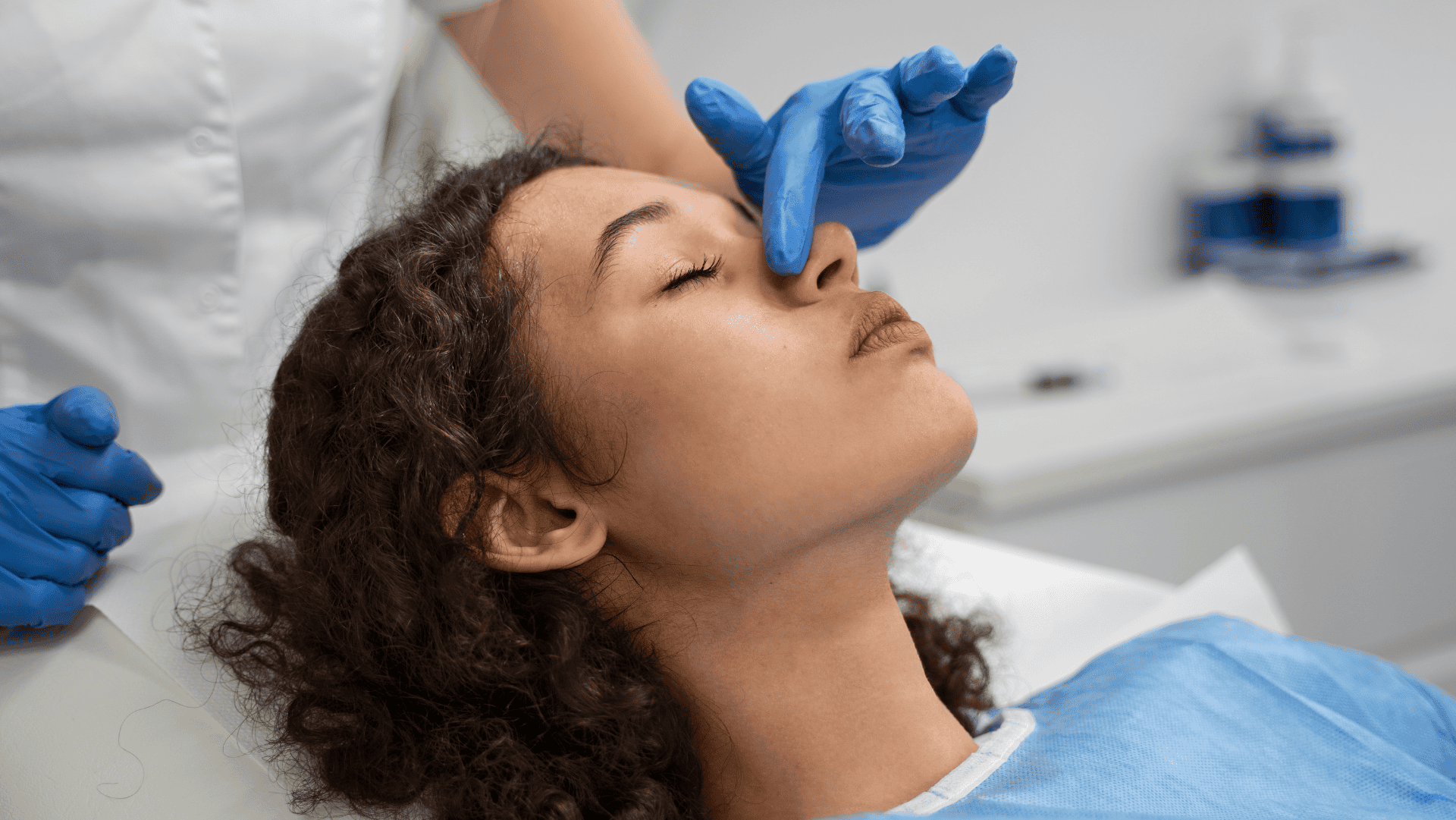
Introduction: What Is a Sinus Lift?
A sinus lift is a specialized surgical procedure commonly performed in preparation for dental implants. When the upper jaw lacks sufficient bone height—especially near the molars and premolars—a sinus lift becomes essential to ensure a stable foundation for implants. This procedure involves elevating the sinus membrane and placing bone graft material in the maxillary sinus area to increase bone volume. It’s a critical step in many implantoazlogy dental treatments, especially for patients who have experienced bone loss due to gum disease, tooth loss, or natural anatomical limitations.
The Role of Dental Elevators in Sinus Lift and Implant Surgery
Precision Tools for Effective Surgery
During a sinus lift, dental elevators play a pivotal role. These instruments are used to gently lift the sinus membrane, making room for bone grafting material. Their curved and narrow design allows for precision and safety when navigating the delicate sinus area. Additionally, dental elevators are instrumental in performing atraumatic extractions, preserving bone structure for better implant outcomes.
Dental professionals rely on various types of elevators—such as periosteal elevators and sinus lift elevators—to create a clear surgical field and minimize trauma during the lift. By maintaining the integrity of the surrounding bone and soft tissues, these tools significantly increase the success rate of both the sinus lift and subsequent implant placement.
When Is a Sinus Lift Needed?
A sinus lift is often necessary under the following conditions:
1. Bone Loss in the Upper Jaw
When teeth have been missing for a long time, the bone naturally resorbs, leading to insufficient height and density for implant placement.

2. Natural Anatomy of the Sinus
Some individuals naturally have large sinuses or thinner bone structure in the upper jaw, which limits the available space for implant placement.
3. Trauma or Infection
Previous infections, surgeries, or facial trauma may result in bone deterioration, requiring augmentation via sinus lift.
Procedure Overview: How a Sinus Lift Works
Step-by-Step Breakdown
-
Initial Examination and Imaging
Cone-beam CT scans are used to assess bone height and sinus anatomy. -
Surgical Access
A small incision is made in the gum tissue, and a window is created in the bone to access the sinus membrane. -
Membrane Elevation
Using dental elevators, the sinus membrane is carefully lifted without tearing. -
Bone Grafting
Bone graft material is inserted into the newly created space beneath the membrane. -
Healing Period
The area is allowed to heal for 4–9 months, during which the graft integrates with natural bone. -
Implant Placement
Once healing is complete and sufficient bone volume is achieved, dental implants are placed.
Composite Filling Instruments in Post-Implant Restorations
After successful sinus lift and implant placement, dental composite filling instruments are often used to restore function and aesthetics. These tools are essential in crafting precise, durable, and natural-looking restorations over implants.
Types of Composite Filling Instruments
1. Plastic Composite Instruments
These tools are designed with non-stick surfaces to handle composite material without pulling or dragging, making them ideal for layering and shaping.
2. Condensers and Pluggers
Used to compress composite material into cavities or onto abutments, ensuring long-lasting and tight restorations.
3. Carvers
Carvers help mimic the natural anatomy of teeth by refining cusps, ridges, and grooves in the composite material.
4. Burnishers
Essential for smoothing the surface of the restoration and enhancing the polish, ensuring it blends seamlessly with natural enamel.
Why Dental Filling Tools Matter in Implantology Dental
High-quality dental filling tools directly influence the outcome of implant-supported restorations. Precision instruments allow clinicians to sculpt, layer, and polish composite materials effectively, ensuring optimal function and esthetics. Whether restoring a single tooth or multiple units, these tools are crucial in modern implantology dental procedures.
Best Practices for a Successful Sinus Lift and Restoration
1. Accurate Diagnosis
Comprehensive imaging and examination are vital for planning a successful sinus lift and ensuring the availability of sufficient bone.
2. Gentle Handling with Dental Elevators
Use the appropriate elevators for the task to avoid trauma to the sinus membrane and adjacent structures.
3. Quality Filling Instruments for Restoration
Invest in premium dental composite filling instruments to ensure long-lasting, natural-looking outcomes for post-implant restorations.
4. Follow-Up Care
Consistent follow-ups and proper oral hygiene are essential to maintain the longevity of the implant and the integrity of the bone graft.
Conclusion: Enhancing Care for the Luxating Tooth and Beyond
The sinus lift procedure is an integral part of advanced dental implantology, allowing clinicians to restore smiles where bone loss once posed a barrier. The use of precision tools—especially dental elevators—ensures the success of both the sinus lift and the implant placement that follows. Additionally, dental filling tools and composite instruments complete the restorative phase, bringing back function and aesthetics.
Whether treating a missing tooth or managing a luxating tooth, the combination of clinical skill and the right instruments leads to outstanding outcomes. As dental technologies evolve, the timeless value of tools like dental elevators remains essential in achieving patient satisfaction and long-term success.
Author


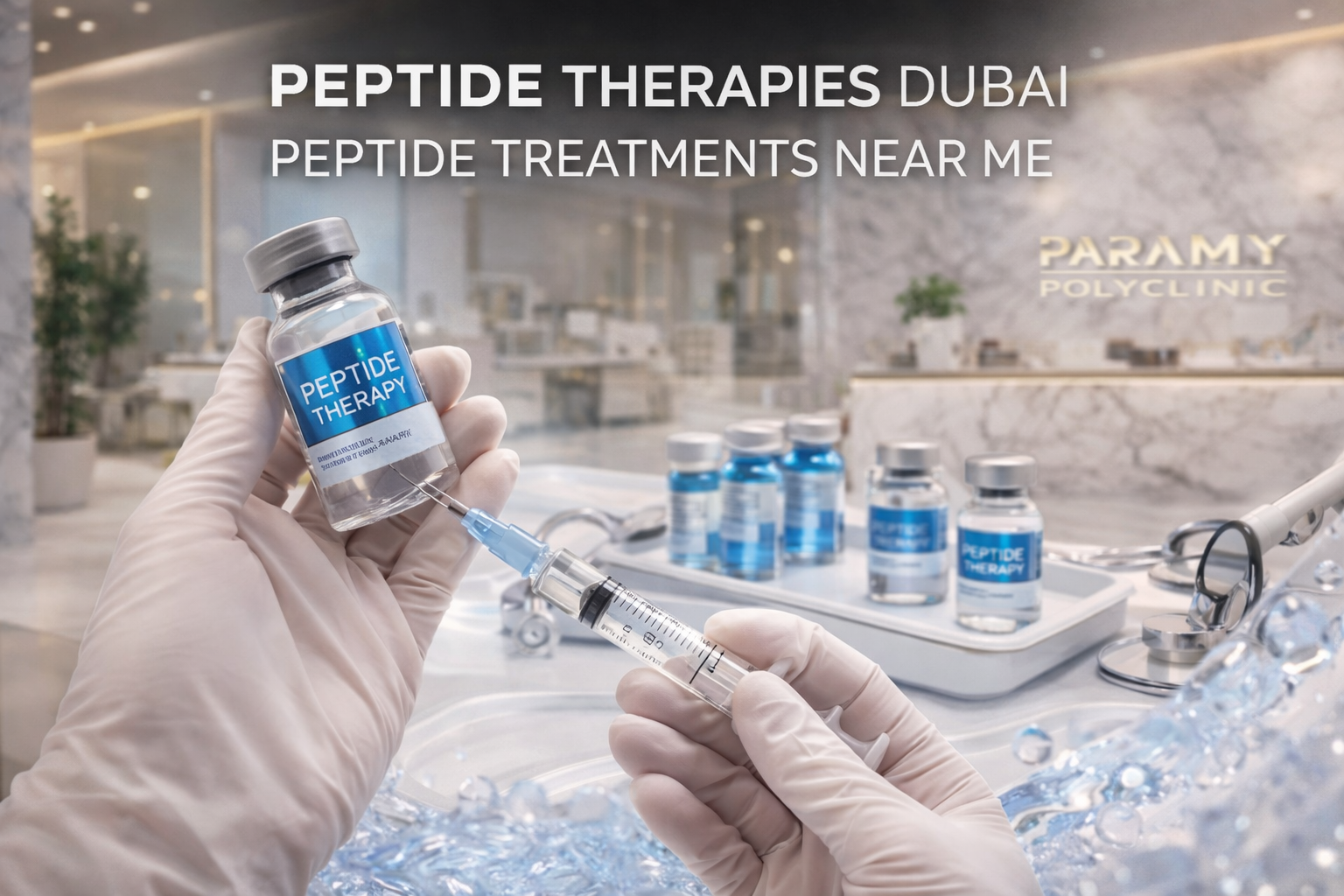
If you’re searching peptide treatment near me in Dubai, you’re likely looking for a clinic that can help with wellness, recovery, performance, or metabolic support. Peptide therapy has become popular because it’s often discussed as a targeted approach—yet popularity doesn’t automatically mean safety or quality.
In a clinical context, the difference between a good and a risky experience is usually the same: proper medical assessment, safe protocols, transparent follow-up, and realistic expectations. This guide explains what a trusted clinic should provide, what you should expect during consultation, and how to choose a provider responsibly—so you can pursue your goals with confidence.
What peptide therapy is (and how clinics treat it responsibly)
Peptides are short chains of amino acids that can influence signaling in the body. Depending on the peptide being discussed, people may explore therapy for different goals, such as recovery support, body composition assistance, metabolic wellness, or other health-related outcomes.
A trusted clinic frames peptide therapy as a health intervention that requires:
- patient screening,
- individualized planning,
- and monitoring.
This matters because different people respond differently based on baseline health, existing conditions, medications, diet, sleep, and training/lifestyle. A clinical provider should avoid “copy-paste protocols” and instead explain why a particular plan fits (or doesn’t fit) your situation.
Why “near me” matters in Dubai
When you search peptide treatment near me, you’re not only thinking about convenience. You also need continuity—because safe care usually requires multiple steps:
- initial consultation,
- baseline review (and sometimes labs),
- the therapy phase,
- follow-ups and adjustments,
- and clear instructions on what to do between visits.
In a busy city like Dubai, being close to your clinic can improve your ability to:
- attend appointments consistently,
- communicate early if you experience side effects,
- and complete a structured monitoring plan rather than “guessing” how things are going.
What a trusted clinic should do before recommending peptides
A reputable provider won’t simply ask what you want and start injections. Instead, a trusted clinic typically follows a medical workflow:
1) Full medical intake
You should expect a thorough discussion of:
- current medical conditions (e.g., thyroid, diabetes, cardiovascular issues),
- past surgeries or chronic diagnoses,
- current medications and supplements,
- allergies or past adverse reactions,
- lifestyle factors such as sleep, stress, nutrition, and training routine.
If a clinic ignores key history questions, it may increase risk and reduce effectiveness.
2) Risk screening and eligibility assessment
A responsible clinic should screen for situations where peptide therapy may not be appropriate. This includes contraindications, pregnancy considerations, active infections, uncontrolled health conditions, or interactions with other medications.
Even if your goal is wellness/performance, the clinic should treat your safety as the priority.
3) Baseline health evaluation and labs (where clinically indicated)
Many clinics recommend baseline labs or health markers to:
- understand your starting point,
- detect hidden risks,
- and create a benchmark for monitoring.
Not every plan requires the same tests, but the provider should explain what they’re checking and why. If they refuse to discuss monitoring at all, that’s a major warning sign.
4) Clear protocol rationale and expectations
Before you start, you should receive:
- a clinical explanation of why the peptide is chosen,
- dosing schedule details (duration, frequency, and administration guidance),
- expected outcomes and realistic timelines,
- and what progress will look like beyond marketing claims.
Trusted care is specific and measurable—not vague.
What safe peptide treatment should include during the program
Once the plan begins, professional care remains active. Look for:
Structured follow-ups
A trusted clinic schedules reassessment so they can adjust the plan based on your response and safety. Follow-up should include:
- symptom review and side effect monitoring,
- discussion of training, nutrition, and adherence,
- evaluation of whether the plan is meeting goals.
Education and harm-reduction guidance
A clinical team should provide guidance on safe administration, hygiene considerations, and when to contact the clinic if something feels wrong.
Documentation
You should expect clinical documentation of:
- your baseline assessment,
- protocol details,
- follow-up notes and outcomes.
This supports continuity of care and professional medical standards.
Potential benefits—explained responsibly
People often search peptide treatment near me with hopes for:
- improved recovery from training,
- better body composition support,
- enhanced metabolic wellness,
- improved energy or sleep-related recovery (depending on the plan).
A trusted clinic will clarify that:
- results vary by individual,
- lifestyle and training fundamentals still matter,
- peptides are supportive tools when appropriate—not guaranteed transformations.
If a clinic guarantees results or promises “instant” outcomes, treat that as a red flag.
Side effects and when to stop and seek help
Because peptide therapy involves biologically active substances, some people may experience side effects such as irritation at injection sites, changes in appetite, mood or energy shifts, or other individual reactions depending on the compound used.
A professional clinic should explain:
- common side effects vs. concerning symptoms,
- what to do if side effects occur,
- whether to pause therapy,
- and how to contact them after hours (if applicable).
If you experience severe reactions, worsening symptoms, allergic-type responses, or any alarming changes, you should seek immediate medical care rather than waiting.
How to choose a peptide clinic in Dubai (practical checklist)
When you narrow down options for peptide treatment near me, use these questions:
- Do you perform a medical screening and ask about my health history?
- Will you explain contraindications and potential risks clearly?
- Do you recommend baseline labs or health markers when appropriate?
- Do you provide a structured protocol (dose, schedule, duration) and a follow-up plan?
- Do you offer monitoring and reassessment—not just a one-time consultation?
- Do you discuss expectations realistically and avoid guarantees?
- Is the clinic’s communication professional, documented, and clinically oriented?
A trusted clinic will answer confidently, clinically, and transparently.
Common myths and misconceptions
When people search peptide treatment near me, some common misconceptions appear online. For example:
- “Peptides are automatically safe for everyone.”
Not true—eligibility screening matters. - “If it’s popular, it must be effective.”
Popularity is not the same as clinical suitability. - “If I don’t feel side effects, it’s working.”
Absence of side effects doesn’t confirm effectiveness; monitoring is key. - “No need for follow-ups.”
Follow-ups are often where safety and optimization happen.
A responsible clinic helps you avoid these mistakes through education and medical oversight.
Conclusion
Searching peptide treatment near me in Dubai is a good first step—but your choice should be based on clinical standards, not hype. A trusted peptide clinic should provide thorough screening, individualized planning, education on risks, structured follow-ups, and realistic expectations.
Author

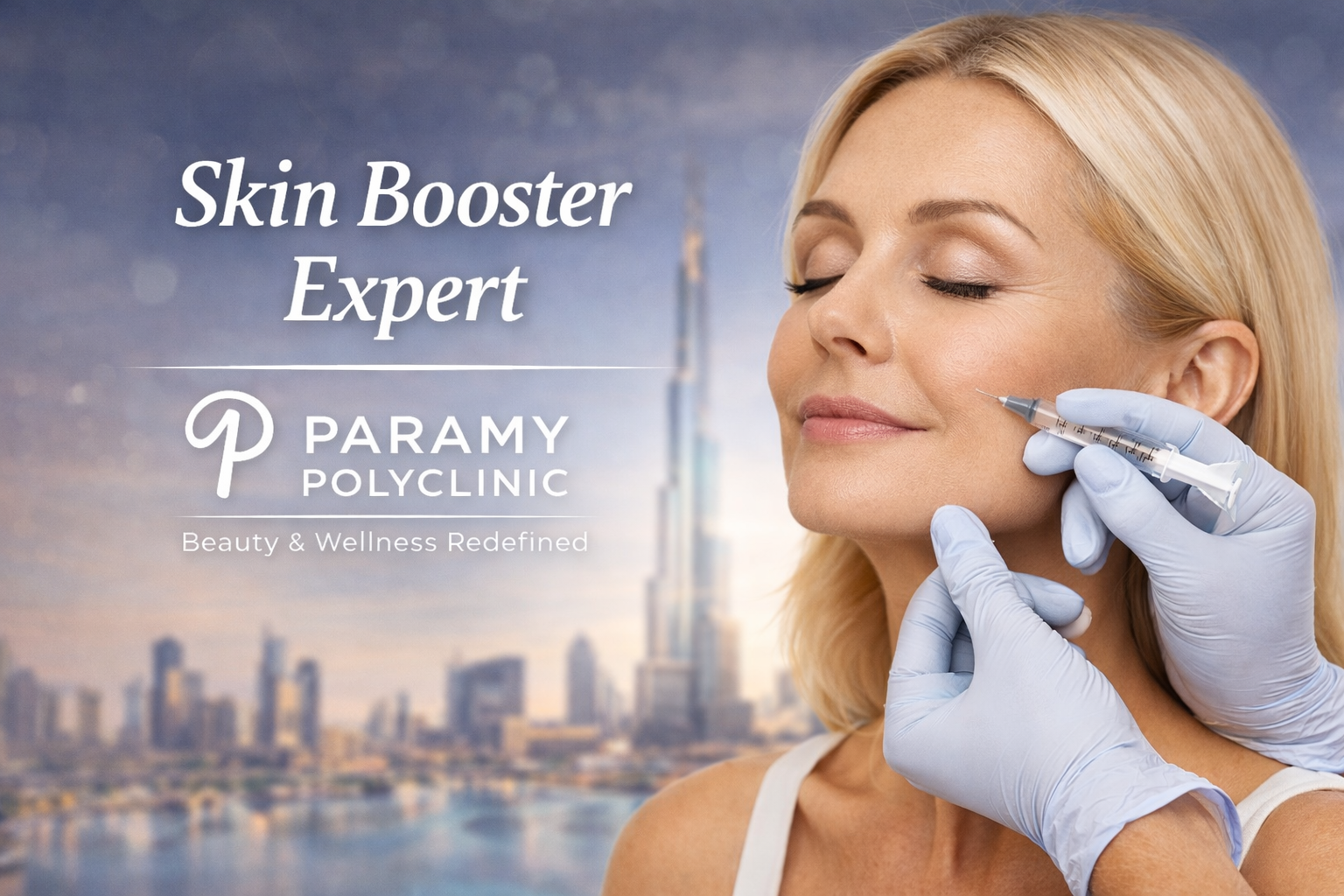
Skin boosters are a class of minimally invasive aesthetic treatments designed to improve skin hydration, texture, and overall radiance by delivering hydrating and bioactive substances into the superficial-to-mid dermis. Popular in Dubai’s aesthetic market, skin boosters are used on the face, neck, décolletage, hands, and other areas where skin quality improvement is desired. This guide explains what skin boosters are, common ingredients and mechanisms, typical treatment protocols and outcomes, safety considerations, clinic selection criteria in Dubai, practical aftercare, cost expectations, and includes a medical disclaimer.
What Are Skin Boosters?
Skin boosters are injectable formulations that differ from volumizing dermal fillers. Rather than restoring volume in deep tissue, skin boosters are administered as multiple microinjections across a treatment area to improve dermal hydration, stimulate collagen and elastin production, and refine skin texture. Treatments aim to produce subtle, natural-looking enhancement—smoother skin, reduced fine lines, and increased luminosity—without the structural changes associated with typical fillers.
Common Ingredients and Mechanisms
- Hyaluronic Acid (HA) Boosters: Many skin boosters use non-crosslinked or lightly crosslinked hyaluronic acid in low to moderate concentrations. HA attracts and retains water in the dermis, improving hydration and turgor. Because HA is a natural component of the extracellular matrix, these boosters are generally well tolerated.
- Polynucleotides and PDRN: Polynucleotide (PN) preparations and polydeoxyribonucleotide (PDRN) extracts are used for their potential bio-stimulatory and tissue-repair properties. They may support fibroblast activity and extracellular matrix remodeling.
- Peptides and Growth Factor Complexes: Some formulations include synthetic peptides or growth factors aiming to stimulate collagen synthesis and cellular turnover.
- Combination Formulations: Certain products combine HA with PNs, peptides, or antioxidants to provide both immediate hydration and longer-term regenerative signaling.
Treatment Areas and Indications
- Face: Cheeks, perioral region, under-eye/tear troughs (careful technique required), nasolabial and marionette-prone areas for texture improvement rather than volumization.
- Neck and Décolletage: Improve crepiness, fine rhytides, and skin laxity.
- Hands: Reduce visible aging, improve skin thickness and texture.
- Other Areas: Knees, inner arms, and other sites with thin or dehydrated skin.
Ideal candidates are adults seeking improved skin quality with minimal downtime; patients with severe laxity or deep volume loss are better served by other modalities.
Typical Treatment Protocol and Expected Results
- Protocol: Most practitioners recommend a series of 2–4 sessions spaced 2–4 weeks apart for initial treatment, followed by maintenance sessions every 6–12 months depending on product and response.
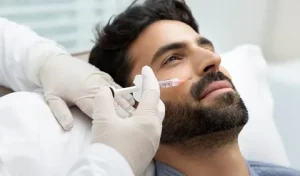
- Technique: Microinjections are administered using mesotherapy-style serial puncture, microcannulas, or automated injection devices, with volumes and depths tailored to the area treated.
- Timeline: Hydration and surface radiance improvements are often noticeable within days. Collagen-mediated texture improvements typically develop over several weeks to months.
- Outcomes: Expect subtle enhancement—smoother skin, reduced fine lines, improved hydration, and healthier-looking tone. Skin boosters are not intended to create dramatic volumetric changes.
Safety, Side Effects, and Contraindications
- Common transient effects: erythema, slight swelling, pinpoint bleeding, bruising, and tenderness that generally resolve within days.
- Infection risk: low when proper aseptic technique is used. Clinics should use single-use needles/syringes and strict infection controls.
- Nodules and granulomas: rare with well-formulated products and proper depth placement; risk increases with inappropriate technique or contaminated product.
- Vascular occlusion: uncommon for superficial dermal injections but remains a theoretical risk—practitioners must understand facial vascular anatomy and use safe injection practices.
- Allergic reactions: rare for HA and many modern biologics, but patients with known hypersensitivities should disclose history. For products containing animal-derived components, screening for allergies or ethical concerns is advised.
- Contraindications: active infection at the treatment site, pregnancy and breastfeeding (most clinicians defer treatments), uncontrolled systemic illness, or certain autoimmune or coagulation disorders depending on individual risk assessment.
Choosing a Clinic and Practitioner in Dubai
- Licensing and credentials: Verify clinic licensing with the relevant emirate health authority (e.g., Dubai Health Authority) and confirm the injecting practitioner is a licensed physician with formal training in dermatology, plastic surgery, or aesthetic medicine.
- Experience and technique: Ask about the practitioner’s experience with skin boosters specifically; request before-and-after portfolios and details on injection techniques used.
- Product transparency: Reputable clinics will disclose product brand, batch details, origin, and clinical data supporting its use. Avoid clinics that cannot verify product authenticity or source.
- Safety protocols: Observe clinic hygiene, single-use equipment policies, emergency preparedness, and post-procedure monitoring.
- Consultation: A thorough pre-treatment consultation should include medical history, realistic outcome discussion, and informed consent including potential complications and aftercare instructions.
Cost Considerations
- Pricing varies by product, number of sessions, treated area, and clinic reputation. In Dubai, prices range from moderate to premium. Expect to pay per session, and clarify how many sessions are recommended, whether needling or topical anesthesia is included, and the expected maintenance schedule.
- Beware of deep discounts for biologic injectables—unusually low prices may indicate non-genuine products or inadequate practitioner training.
Preparation and Aftercare
- Pre-treatment: Avoid blood-thinning medications and supplements (e.g., high-dose NSAIDs, aspirin, fish oil) where medically appropriate and only after consulting with your physician. Discontinue retinoids/active exfoliants as directed to reduce irritation risk.
- During treatment: Most patients tolerate the procedure with topical anesthetic or local block if needed.
- Post-treatment care: Expect mild redness and swelling; avoid strenuous exercise, excessive heat, alcohol, and facial massages for 24–48 hours. Apply gentle skincare and sun protection. Use cold compresses as recommended and follow any antibiotic or topical regimens if prescribed.
- Follow-up: Attend scheduled reviews to evaluate response and manage any adverse effects promptly.
Complementary Approaches
Skin boosters work best within a broader skin-health strategy:
- Daily sun protection (broad-spectrum SPF) to preserve results.
- Use of topical retinoids, vitamin C serums, and moisturizers to support collagen and antioxidant defenses.
- Consider adjunctive in-office treatments (microneedling, chemical peels, lasers) only when timed appropriately and with provider guidance.
Regulatory and Ethical Notes
Dubai requires licensed practitioners and regulated clinical environments for injectable treatments. Consumers should confirm clinic accreditation and ensure informed consent and proper documentation of any biologic agents used.
Medical Disclaimer
This guide is informational and does not constitute medical advice. Consult a licensed healthcare professional to determine if skin boosters are appropriate for your individual health status and aesthetic goals. Individual results and risks vary; only a qualified clinician can assess suitability, technique, and product selection.
Conclusion
Skin boosters offer a refined option for patients seeking improved hydration, texture, and subtle rejuvenation with minimal downtime. In Dubai’s competitive aesthetic market, prioritize licensed practitioners, verified products, and realistic expectations. When combined with proper aftercare and complementary skin-maintenance strategies, skin boosters can meaningfully enhance skin quality and impart a healthy, hydrated glow.
Author
Author


Lifestyle Benefits of Queensland Retirement Villages

Automotive SEO Company: How SEO Helps Dealers Attract More Customers

Rhinestone Jackets Outfit Guide: Shine in Style Anywhere

Safe and Smooth Late Night After Party Chauffeur Dubai

Dubai School Transport Services – Safe & Timely Pickups

Hire a Personal Driver in Dubai UAE Today

Peptide Treatment Near Me | Dubai’s Trusted Clinic

What Is a 24/7 Pet Clinic in Dubai and When to Seek One

Comme Des Garcons Clothing Bold Style for Modern Fashion Lovers

DevOps Vs Traditional IT

Cybersecurity Consulting Company SequelNet Provides Critical IT Support Services to Medical Billing Firm, Medical Optimum

Team Communication Software Transforms Operations at Finance Innovate

Project Management Tool Transforms Long Island Business

How Alleviate Poverty Utilized IPPBX’s All-in-One Solution to Transform Lives in New York City

Breast Cancer: The Imperative Role of Mammograms in Screening and Early Detection

Unstoppable Collaboration: D.C.’s Citi Open and Silicon Valley Classic Unite to Propel Women’s Tennis to New Heights

Embracing Renewal: Sizdabedar Celebrations Unite Iranians in New York’s Eisenhower Park

The Benefits of Starting a Side Hustle for Financial Freedom

New Blood Donation Screening Questions What You Need to Know

Stylishly Timeless: The 5 Types of Sandals You Need in Your Closet
-

 Business3 years ago
Cybersecurity Consulting Company SequelNet Provides Critical IT Support Services to Medical Billing Firm, Medical Optimum
-
Business3 years ago
Team Communication Software Transforms Operations at Finance Innovate
-
Business3 years ago
Project Management Tool Transforms Long Island Business
-
Business3 years ago
How Alleviate Poverty Utilized IPPBX’s All-in-One Solution to Transform Lives in New York City
-
health3 years ago
Breast Cancer: The Imperative Role of Mammograms in Screening and Early Detection
-
Sports3 years ago
Unstoppable Collaboration: D.C.’s Citi Open and Silicon Valley Classic Unite to Propel Women’s Tennis to New Heights
-
Art /Entertainment3 years ago
Embracing Renewal: Sizdabedar Celebrations Unite Iranians in New York’s Eisenhower Park
-
Finance3 years ago
The Benefits of Starting a Side Hustle for Financial Freedom







