
Finance
From Uber to We Work: How Overoptimistic Valuations Led to a Flood of Stock Sales


Are you familiar with the phrase “too good to be true”? Well, that’s exactly what happened in the world of startups. Companies like Uber and WeWork enjoyed soaring valuations that were fueled by overoptimism from investors. However, these high expectations led to a flood of stock sales that had disastrous consequences for both companies and their shareholders. In this blog post, we’ll explore how these once-promising unicorns fell victim to their own exaggerated hype and what lessons can be learned from their mistakes. Get ready for a bumpy ride!
The Problem with Overoptimistic Valuations
The problem with overoptimistic valuations is that they can lead to a flood of stock sales. When a company is overvalued, its stock price is high and there is pressure to sell shares to meet investor expectations. This can create a downward spiral in the stock price, leading to more selling and further declines.
Overoptimistic valuations are often based on unrealistic assumptions about future growth. For example, Uber and WeWork both assumed that they would continue to grow rapidly and become profitable in the future. However, neither company has been able to achieve these goals. As a result, their stock prices have fallen sharply from their highs.
Investors should be cautious of companies with overoptimistic valuations. They should carefully consider the assumptions underlying the valuation before investing. If the assumptions are unrealistic, the stock price is likely to fall in the future.
Why Did This Happen?
WeWork’s story is one of over-promising and under-delivering. The company promised to revolutionize the way we work, but it has failed to live up to its lofty promises. WeWork was founded in 2010 with the mission to “create a world where people work to make a life, not just a living.” The company sought to change the way we work by creating shared workspaces that are more collaborative and productive than traditional offices.

WeWork quickly became one of the most valuable startups in the world, with a valuation of $47 billion by early 2019. But as the company started to miss its financial targets, its valuation began to decline. By the end of 2019, WeWork was worth just $8 billion.
So what went wrong? WeWork made a number of mistakes, but the biggest one was that it overestimated the demand for its product. WeWork believed that there was pent-up demand for its shared workspace model, but it turns out that most people still prefer to work in traditional offices. WeWork also overestimated the willingness of businesses to pay for its services. Many businesses were put off by WeWork’s high prices, and they were unwilling to sign long-term leases with the company.
WeWork’s failures are a cautionary tale for other startups that are seeking to disrupt established industries. It’s important to remember that just because an industry is ripe for disruption
The Impact of Overoptimistic Valuations
It’s no secret that unicorns have been struggling lately. WeWork, once the poster child for the unicorn boom, filed for bankruptcy in 2019. Other high-flying startups like Uber and Airbnb have seen their stock prices plummet.
The common thread between these companies is overoptimistic valuations. WeWork was valued at $47 billion just before it filed for bankruptcy; Uber was valued at $120 billion at its IPO; and Airbnb was valued at $31 billion when it last raised money from private investors.
In each case, the company’s valuation was based on optimistic assumptions about future growth. And in each case, those assumptions turned out to be wrong.
The problem with overoptimistic valuations is that they can lead to a flood of stock sales. When a company is valued at $47 billion, there are a lot of people who want a piece of that action. And when the company’s stock price starts to fall, those same people want to cash out while they can.
That’s what happened with WeWork. The company sold billions of dollars worth of stock to private investors before its IPO, only to see the value of those shares plunge when the IPO finally arrived. A similar thing happened with Uber and Airbnb: both companies sold huge amounts of stock to private investors before going public, only to see their stock prices drop soon after their IPOs.
The impact of overoptimistic valuations
What Can Be Done to Prevent This in the Future?
It is clear that the current system of valuing startups is broken. The combination of overoptimistic valuations and the pressure to cash out early has led to a flood of stock sales, as investors seek to take advantage of the inflated prices.
So what can be done to prevent this in the future? first, we need to address the issue of overvaluation. Startups should be valued based on their fundamentals, not on hype or potential. Second, we need to change the culture around cashing out. Investors should be encouraged to hold onto their shares for longer, so that they can benefit from the true growth of the company.
These changes will require a shift in thinking from both investors and entrepreneurs. But if we want to create a more stable and sustainable startup ecosystem, it is essential that we make these changes.
Conclusion
In today’s competitive start-up market, it is important for investors to be aware of the potential risks associated with overvalued companies. From Uber to WeWork, these cases have demonstrated that overly optimistic valuations can lead to a flood of stock sales and put investors at risk of losses. While there may still be profitable opportunities in the tech industry, investors need to do their due diligence before jumping into any investment opportunity in order to ensure they are making a sound decision and mitigating their risk as much as possible.
Author


Running a Private Limited Company (PLC) in India brings a host of critical responsibilities. Most of these obligations revolve around legal and regulatory compliance. For many ambitious entrepreneurs, understanding these detailed rules can feel overwhelming. However, staying compliant is absolutely critical for long-term business growth and corporate credibility. It also saves your business from devastating financial penalties.
This comprehensive guide breaks down Private Limited Company compliance in India. It also covers One Person Company (OPC) standards, Limited Liability Partnership (LLP) rules, startup taxation, and alternative investment regulations. By the end, you will have a clear roadmap to ensure smooth, legal business operations.
Why Corporate Compliance Matters So Much
Compliance ensures that your company operates legally within the Indian market. It builds deep trust with investors, banks, and potential clients. It also systematically protects your enterprise from crippling fines.
On the other hand, non-compliance can result in severe daily penalties. It can cause you to lose your business licenses. In worst-case scenarios, it leads to direct legal action against the founders. For modern startups and private companies, maintaining good compliance practices is a massive asset. It directly paves the way for smooth fundraising rounds and seamless business expansion.
The Key Regulatory Bodies You Need to Know
Private Limited Companies in India must constantly adhere to rules set by multiple state and federal authorities.
The primary regulatory bodies include:
-
The Ministry of Corporate Affairs (MCA): This body directly governs company registration, statutory filings, and overall corporate governance.
-
The Income Tax Department: This department strictly regulates corporate income taxation for all corporate entities.
-
Goods and Services Tax (GST) Authorities: These local and central teams manage indirect tax compliance and electronic invoicing.
-
The Reserve Bank of India (RBI): This is highly relevant if you accept foreign investments or handle international financial transactions.

Mandatory Annual Filings for Private Limited Companies
Every Private Limited Company must submit several key financial and corporate forms annually to the MCA. First, you must file Form AOC-4 to submit your audited financial statements. This form is due within 30 days of your Annual General Meeting (AGM). Second, you must file Form MGT-7 to submit your detailed annual return. This document contains information about shareholders and management, and it is due within 60 days of your AGM.
Finally, you must use Form ADT-1 to report your official statutory auditor appointment. Missed deadlines or late filings attract severe penalty fees. The MCA charges a standard penalty of ₹100 per day per form. Furthermore, there is no upper limit on this accumulation. This makes delays incredibly costly over time.
Corporate Income Tax and GST Rules
Apart from company law, your corporate entity must respect federal tax guidelines. Your company must file a Corporate Tax Return (ITR-6) every single year. A formal Tax Audit becomes mandatory if your service business turnover exceeds ₹1 crore. If you run a trading or manufacturing business, the audit threshold jumps to ₹10 crore.
Additionally, your business must practice Tax Deducted at Source (TDS) compliance. This means you must deduct and deposit tax for employee salaries, independent contractors, and vendors.
Indirect taxation requires close attention as well. If your business crosses the standard threshold of ₹40 lakhs for selling goods or ₹20 lakhs for services, GST registration becomes mandatory. Your accounting team must then file monthly or quarterly GST returns depending on the specific size of your operations.
Streamlined OPC Compliance in India
A One Person Company (OPC) is a unique type of private company that features only a single shareholder. This hybrid structure is ideal for solo entrepreneurs. It offers the protection of limited liability and establishes a separate legal identity. It also offers much simpler compliance rules compared to multi-shareholder corporate structures.
For example, OPCs do not need to hold an Annual General Meeting. However, they must still file annual forms with the government. An OPC submits its annual return through Form MGT-7A and sends its financial statements via Form AOC-4. They also have to fulfill all regular ITR-6 and TDS obligations.
Historically, the law forced OPCs to convert into regular private companies if their turnover crossed ₹2 crore. However, India’s corporate rules have evolved. The MCA completely removed those mandatory transformation thresholds. Today, an OPC can grow to any size and capital level while retaining its single-owner structure.
Exploring LLP and AIF Compliance Frameworks
Many businesses choose a Limited Liability Partnership (LLP) structure to enjoy lower compliance burdens. LLPs do not deal with complex equity shares or heavy board meetings. Instead, they file two basic annual forms. They use Form 11 for their annual return and Form 8 for their Statement of Accounts and Solvency. While LLPs offer great internal operational flexibility, they often struggle to attract venture capital funding.
If your startup scales up to manage private equity or venture capital pools, you might explore Alternative Investment Funds (AIFs). Setting up an AIF requires mandatory registration with the Securities and Exchange Board of India (SEBI). Managers must handle complex quarterly reporting and navigate unique tax rules. This meticulous compliance helps investment funds maintain supreme credibility with global institutional investors.
Real-World Examples of Compliance in Action
Consider a rising tech startup based in Bengaluru. The founders prioritized compliance from day one by hiring professional corporate secretarial services. They filed all MCA forms and GST returns perfectly on time. Because their records were pristine, they successfully avoided legal delays and seamlessly closed a massive seed funding round.
In another case, a growing retail OPC in Mumbai decided to voluntarily convert into a full Private Limited Company. The founder wanted to bring on equity partners to build an international supply chain. Because the owner kept impeccable compliance records as a solo company, the transition process went smoothly without any regulatory hurdles.
Weighing the Pros and Cons of Strict Compliance
Maintaining flawless corporate compliance has distinct advantages and disadvantages for business owners.
The Advantages
-
It completely eliminates the risk of legal penalties and business suspension.
-
It builds immense trust with institutional investors, banks, and commercial vendors.
-
It facilitates much smoother business expansion and international trade.
The Disadvantages
-
It involves highly time-consuming paperwork and precise tracking.
-
Professional accounting and legal services add to your monthly operational costs.
-
It requires constant internal monitoring of rapidly changing state regulations.
Frequently Asked Questions
Q: Do I need a full-time auditor for my Private Limited Company?
A: Yes, every Private Limited Company must appoint a practicing Chartered Accountant as a statutory auditor within 30 days of incorporation.
Q: Can an LLP convert into a Private Limited Company later?
A: Yes, an LLP can convert into a private company if it wants to issue equity shares to external investors.
Q: What happens if I completely fail to file my company’s annual returns?
A: If a company fails to file its returns for two consecutive years, the MCA can strike off the company name and disqualify the directors.
Securing Your Corporate Future
Staying on top of your compliance requirements is vital for your company’s legal safety and financial health. Whether you run a simple OPC, manage an LLP, or operate a complex AIF network, accurate record-keeping ensures continuous business operations.
Do not let complicated paperwork stall your entrepreneurial vision. Partner with experienced corporate compliance professionals, adhere to tax schedules, and submit your filings early to safeguard your venture’s future growth.
Author


QuickBooks Desktop 2023 has been one of the most widely used accounting solutions for small and medium-sized businesses for many years. It helps companies manage daily financial tasks such as tracking income, recording expenses, handling payroll, and preparing taxes. Because of its reliability and ease of use, many businesses continue to depend on it for smooth financial operations.
However, like all software products, QuickBooks Desktop follows a fixed support lifecycle. This means each version is supported only for a limited period. After that, users stop receiving updates, security patches, and technical assistance. For businesses using QuickBooks Desktop 2023, this is an important moment to pay attention to because its support will officially end on May 31, 2026.
Understanding this timeline is not just a technical detail. It is essential for business planning, financial stability, and uninterrupted accounting operations. When software reaches its end of support, companies that continue using it may face serious challenges over time.
QuickBooks Desktop 2023 Support Timeline
Intuit, the company behind QuickBooks, typically provides support for each Desktop version for around three years after release. QuickBooks Desktop 2023 was launched in late 2022, and its full support window extends until May 31, 2026.
For example, technical support helps users solve errors or software issues. Software updates fix bugs and improve performance. Payroll updates ensure tax calculations remain accurate and compliant with current regulations. Security updates protect sensitive financial data from threats and vulnerabilities.
Once the support period ends, all these services gradually stop.
What Happens After Support Ends?
After May 31, 2026, QuickBooks Desktop 2023 will no longer be supported by Intuit. At first, businesses may feel that nothing has changed because the software will still open and function. However, the real impact becomes visible over time.
First, technical support will no longer be available. This means if a user experiences errors, crashes, or installation problems, they will not receive official help from Intuit. As a result, troubleshooting becomes more difficult and time-consuming.
Second, the software will stop receiving updates. This includes performance improvements, bug fixes, and compatibility updates. Over time, as operating systems like Windows evolve, older software versions may start to behave unpredictably or stop working correctly with other tools.
Third, payroll services may become unreliable. Tax rates change frequently, and payroll systems depend on updated tax tables. Without updates, businesses risk using outdated tax information, which can lead to compliance issues or financial penalties.
Finally, security becomes a major concern. Software that is not supported does not get security updates, rendering it susceptible to cyberattacks or data breaches. Since accounting software contains sensitive financial data, this risk should not be ignored.
In simple terms, continuing to use QuickBooks Desktop 2023 after its support ends may expose a business to operational, financial, and security risks.

Businesses Should Prepare Early
Although 2026 may seem far away, early planning is extremely important. Many businesses wait until the last moment to upgrade, but this often leads to stress and disruptions.
Upgrading accounting software is not just a quick installation process. It requires preparation, testing, and training. If businesses delay the transition, they may face difficulties during busy financial periods such as tax season or year-end reporting.
By planning ahead, companies can avoid downtime and ensure a smooth transition. Early preparation also allows teams to test new systems, migrate data safely, and resolve compatibility issues in advance.
In addition, early planning gives businesses more control over their upgrade decisions. They can compare options, evaluate costs, and choose the best solution based on long-term needs.
Upgrade Options for QuickBooks Desktop Users
Businesses using QuickBooks Desktop 2023 have several upgrade paths available. Each option comes with different features and benefits, depending on the size and structure of the company.
One option is upgrading to QuickBooks Desktop 2024. This version includes updated features, improved security, and continued support. It is ideal for businesses that prefer staying within a traditional desktop environment.
Another option is QuickBooks Desktop 2025. This version offers enhanced performance and better compatibility with modern operating systems. It is suitable for companies looking for improved speed and efficiency.
QuickBooks Desktop 2026 is another upgrade path for businesses that want the latest supported version with long-term stability. It ensures access to full updates and payroll compliance features.
Alternatively, many businesses are now shifting to QuickBooks Online. This cloud-based solution allows users to access financial data from anywhere. It also provides automatic updates, real-time data syncing, and reduced dependency on manual software maintenance. For businesses that value flexibility and remote access, QuickBooks Online is becoming a popular choice.
Each option has advantages and limitations. Desktop versions offer strong offline functionality and advanced features. On the other hand, QuickBooks Online provides convenience, mobility, and automatic updates. The right choice depends on business size, workflow, and long-term goals.
Prepare for a Smooth Transition
A successful upgrade requires proper planning. Businesses should follow a structured approach to avoid errors and data loss. First, they should create a complete backup of all QuickBooks company files. This ensures that no data is lost during migration.
Next, they should check system requirements for the new version. This includes verifying operating system compatibility, hardware capacity, and storage availability. Then, businesses should plan the upgrade during a low-activity period. This helps reduce disruptions in daily financial operations.
After that, they should test all third-party integrations. Many businesses connect QuickBooks with banking systems, payroll tools, and reporting software. Ensuring compatibility is essential for smooth operations.
Finally, employees should receive proper training. Even small changes in software can affect workflows. Training helps teams adapt quickly and reduces errors after migration.
Risks of Ignoring the End-of-Support Date
Some businesses may choose to continue using QuickBooks Desktop 2023 even after support ends. However, this decision carries long-term risks.
Without updates, the software may become unstable. Compatibility issues may arise with new operating systems or banking platforms. Security vulnerabilities may expose sensitive financial data. Additionally, payroll inaccuracies can lead to legal and compliance problems.
Over time, these issues can affect productivity, increase operational costs, and reduce business efficiency.
Final Thoughts
QuickBooks Desktop 2023 has been a reliable accounting solution for many businesses. However, its support ending in May 2026 marks an important turning point.
Businesses should not wait until the last moment to take action. Instead, they should start planning upgrades early to ensure smooth operations. Whether upgrading to a newer Desktop version or moving to QuickBooks Online, preparation is the key to success.
By acting in advance, companies can avoid disruptions, protect financial data, and maintain compliance with tax and payroll regulations. Most importantly, they can continue managing their finances with confidence and stability in an ever-changing digital environment.
Author

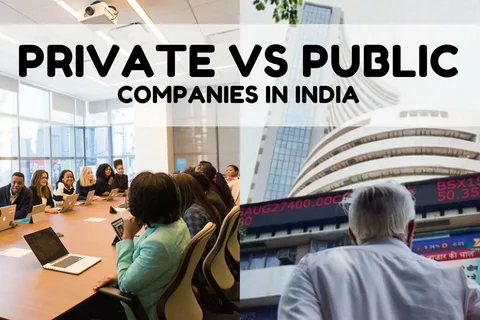
Running a Private Limited Company (PLC) in India comes with a host of responsibilities, primarily revolving around legal and regulatory compliance. For many entrepreneurs, understanding these compliances can feel overwhelming, but staying compliant is critical for business growth, credibility, and avoiding penalties. In this article, we’ll dive deep into Private Limited Company Compliances in India, cover OPC Compliance in India, and explore related areas like taxation, startups, and alternative investment funds. By the end, you’ll have a complete roadmap for maintaining compliance and ensuring smooth operations.
Introduction
Starting a Private Limited Company in India offers credibility, limited liability, and funding opportunities, but it also comes with a legal obligation to stay compliant. From filing annual returns to adhering to tax regulations, a structured approach can save your company from costly penalties.
In this article, we’ll explore not just Private Limited Company Compliances in India but also OPC compliance, LLP compliance, AIF regulations, taxation for startups, and practical steps for seamless business operations. Whether you are a first-time entrepreneur or an established business owner, this guide will serve as a roadmap for staying legally sound.
Private Limited Company Compliances
Why Compliance Matters
Compliance ensures that your company operates legally, builds investor trust, and avoids fines. Non-compliance can result in penalties, loss of business licenses, or even legal action. For startups and private companies, maintaining good compliance practices also helps in smooth fundraising and business expansion.
Key Regulatory Bodies
Private Limited Companies in India must adhere to rules set by multiple authorities, including:
- Ministry of Corporate Affairs (MCA) – governs company registration, filings, and corporate governance.
- Income Tax Department – regulates taxation for corporate entities.
- Goods and Services Tax (GST) Authorities – manage indirect tax compliance.
- Reserve Bank of India (RBI) – relevant for foreign investments and certain financial transactions.
Mandatory Filings for Private Limited Companies
Annual Filings with MCA
Private Limited Companies are required to submit several forms annually to the MCA:
- Form AOC-4: Filing financial statements.
- Form MGT-7: Annual return containing shareholder and management details.
- Form ADT-1: Auditor appointment reporting.
Late filings can attract fines ranging from thousands to lakhs of INR, depending on the severity.
Income Tax Compliances
- Corporate Tax Returns (ITR-6) must be filed annually.
- Tax Audit: Applicable if turnover exceeds ₹1 crore for service businesses or ₹10 crore for trading businesses.
- TDS Compliance: Deduction and deposit of tax at source for salaries, contractors, and vendors.
Goods and Services Tax (GST)
If your company exceeds a turnover threshold (currently ₹40 lakhs for goods and ₹20 lakhs for services), GST registration is mandatory. Monthly or quarterly GST returns must be filed depending on the business size.

OPC Compliance in India
Definition and Features of OPC
A One Person Company (OPC) is a type of private company with a single shareholder, ideal for solo entrepreneurs. Key features include:
- Limited liability for the owner.
- Separate legal identity.
- Simple compliance compared to multi-shareholder private limited companies.
Key Compliances
OPCs must adhere to:
- Annual Return Filing: Form MGT-7.
- Financial Statement Submission: Form AOC-4.
- Income Tax Compliance: ITR-6 and TDS obligations.
Note: OPCs with turnover exceeding ₹2 crore or net assets exceeding ₹2 crore must convert into a private or public company.
Other Relevant Compliance Areas
LLP Compliance India
Limited Liability Partnerships (LLPs) are popular due to minimal compliance compared to private companies:
- Annual Filing (Form 11).
- Statement of Accounts and Solvency (Form 8).
LLPs offer flexibility but limited funding options compared to private limited companies.
Alternative Investment Funds in India
Startups and investment firms may consider AIFs for fundraising:
- Registration with SEBI is mandatory.
- Regular reporting and taxation are required (AIF Taxation in India).
- Helps manage private equity, venture capital, and other investments efficiently.
Compliance Services for Startups
Professional services can help startups navigate:
- Company registration.
- GST and income tax filings.
- RBI approvals and funding compliance.
Taxation Services for Startups ensure proper accounting, deductions, and filings to optimize financial operations.
Case Studies and Examples
- Tech Startup in Bengaluru: Successfully filed all MCA and GST returns on time by engaging professional compliance services, avoiding penalties, and attracting seed funding.
- OPC in Mumbai: Single-owner business converted to Private Limited Company after crossing the threshold turnover, ensuring continued compliance with corporate laws.
- AIF Setup in Delhi: Venture fund complied with SEBI reporting and tax obligations, maintaining credibility with investors.
Pros & Cons of Strict Compliance
Pros:
- Avoids legal penalties.
- Builds trust with investors, banks, and partners.
- Facilitates easier business expansion.
Cons:
- Time-consuming paperwork.
- Professional services may add to operational costs.
- Requires constant monitoring of changing regulations.
Frequently Asked Questions (FAQs)
Q1. What is the difference between OPC and Private Limited Company compliance?
A1. OPC has simpler compliance due to a single owner but must convert into a private company if it exceeds certain financial limits.
Q2. Can startups opt for LLP to reduce compliance?
A2. Yes, LLPs have fewer filings, but they may face challenges in fundraising compared to Private Limited Companies.
Q3. Are AIFs necessary for startup funding?
A3. Not mandatory, but useful for venture capital and private equity fundraising.
Conclusion
Staying compliant with Private Limited Company Compliances in India is crucial for legal safety, financial management, and business growth. Whether you are managing an OPC, an LLP, or exploring AIFs for funding, understanding these regulations ensures smooth operations. Engage professional compliance services for startups, adhere to taxation rules, and maintain timely filings to safeguard your company’s future.
CTA: If you found this guide helpful, share it with fellow entrepreneurs, comment with your compliance questions, and subscribe for more expert business insights.
Author


Why Civil Engineering Is Critical in Modern Substation Design

Carsicko Streetwear Guide: Hoodies, Joggers & Tracksuits

Complete Guide to Sarasota Roof & Exterior Cleaning Services

Best Gazebo Tents for Sale for Camping and Outdoor Events

Why Sports Betting Scripts Are Dominating iGaming Growth

10 Questions to Ask Before Booking Seattle Black Car Service

How Tool Geometry Impacts Surface Finish in CNC Milling

Top Reasons to Hire Civil Litigation Lawyers in Toronto

Celebrity-Inspired Kaftan Sets for Women to Elevate Style

Private Limited Company Compliance Guide for India 2026

Cybersecurity Consulting Company SequelNet Provides Critical IT Support Services to Medical Billing Firm, Medical Optimum

Team Communication Software Transforms Operations at Finance Innovate

Project Management Tool Transforms Long Island Business

How Alleviate Poverty Utilized IPPBX’s All-in-One Solution to Transform Lives in New York City

Breast Cancer: The Imperative Role of Mammograms in Screening and Early Detection

Unstoppable Collaboration: D.C.’s Citi Open and Silicon Valley Classic Unite to Propel Women’s Tennis to New Heights

Embracing Renewal: Sizdabedar Celebrations Unite Iranians in New York’s Eisenhower Park

The Benefits of Starting a Side Hustle for Financial Freedom

New Blood Donation Screening Questions What You Need to Know

Stylishly Timeless: The 5 Types of Sandals You Need in Your Closet
-

 Business3 years ago
Cybersecurity Consulting Company SequelNet Provides Critical IT Support Services to Medical Billing Firm, Medical Optimum
-
Business3 years ago
Team Communication Software Transforms Operations at Finance Innovate
-
Business3 years ago
Project Management Tool Transforms Long Island Business
-
Business3 years ago
How Alleviate Poverty Utilized IPPBX’s All-in-One Solution to Transform Lives in New York City
-
health3 years ago
Breast Cancer: The Imperative Role of Mammograms in Screening and Early Detection
-
Sports3 years ago
Unstoppable Collaboration: D.C.’s Citi Open and Silicon Valley Classic Unite to Propel Women’s Tennis to New Heights
-
Art /Entertainment3 years ago
Embracing Renewal: Sizdabedar Celebrations Unite Iranians in New York’s Eisenhower Park
-
Finance3 years ago
The Benefits of Starting a Side Hustle for Financial Freedom







