
Autos & Vehicles
Toyota 22R Engine: Simplicity Meets Strength

By

Reviewed
By Jade Hooper
Introduction
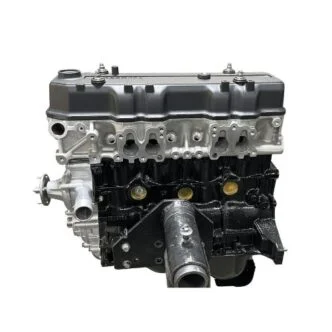
The Toyota 22R engine is a legendary powerplant that has earned a reputation for reliability, simplicity, and long-lasting performance. Introduced in the early 1980s, it became a staple in Toyota pickup trucks and 4x4s around the world. Known for its easy maintenance and strong performance, the 22R engine has become a favorite among off-road enthusiasts, mechanics, and everyday drivers alike. This article explores the key features, benefits, common upgrades, maintenance tips, and reasons why the Toyota 22R engine continues to stand the test of time.
History of the Toyota 22R Engine
The 22R engine was introduced as an evolution of the 20R engine series in 1981. Designed for Toyota’s compact trucks and 4×4 vehicles, it was built to provide a balance between power, fuel efficiency, and durability. Over the years, it became well-known for its simple design, making it easy to repair and maintain even for those with basic mechanical knowledge.
Key milestones of the 22R engine include:
- Introduction in the Toyota Pickup and 4Runner models in the 1980s
- Known for a strong 2.4-liter displacement producing around 105 horsepower and 140 lb-ft of torque
- Available in both carbureted and fuel-injected versions in later years
Its combination of strength and simplicity made it a favorite for off-road and heavy-duty applications.
Key Features of the Toyota 22R Engine
The 22R engine has several features that contribute to its legendary status:
1. Inline 4-Cylinder Design
The 22R uses a straight-four layout, which provides simplicity in design and easier maintenance compared to more complex engines. This layout also allows for even weight distribution and reliable performance.

2. Cast Iron Block
The cast iron block ensures durability and resistance to wear, making the engine capable of handling tough conditions without significant degradation over time.
3. Overhead Valve (OHV) Configuration
With its OHV setup, the 22R engine has fewer moving parts, making it easier to repair and maintain while offering reliable power delivery.
4. Carbureted and Fuel-Injected Versions
Early 22R engines used a carburetor for fuel delivery, which was simple and easy to service. Later models introduced electronic fuel injection (EFI), improving fuel efficiency and emissions without sacrificing performance.
5. Cooling System
The engine features a water-cooled system that helps regulate temperature, allowing for consistent performance even under heavy loads or hot climates.
Performance and Reliability
The Toyota 22R engine is known for providing dependable performance in a variety of applications:
1. Power Output
With approximately 105 horsepower and 140 lb-ft of torque, the 22R engine provides sufficient power for daily driving, hauling, and off-road adventures. While it may not match modern engines in raw horsepower, its consistent torque makes it ideal for low-speed, high-load situations.
2. Longevity
Many Toyota 22R engines have been reported to exceed 300,000 miles with proper maintenance. Its simple design and durable materials contribute to this remarkable longevity.
3. Off-Road Capability
Thanks to its torque and reliability, the 22R engine remains a popular choice for off-road enthusiasts who modify trucks and 4Runners for tough terrain.
4. Fuel Efficiency
While not as fuel-efficient as modern engines, the 22R provides reasonable mileage for its era, making it a practical choice for long-distance travel and daily use.
Common Upgrades and Modifications
The Toyota 22R engine has a strong aftermarket support system, making upgrades easy for enthusiasts:
1. Carburetor to EFI Conversion
Upgrading from a carbureted system to fuel injection improves fuel efficiency, throttle response, and emissions while maintaining the engine’s reliability.
2. Performance Exhaust
Installing a performance exhaust system helps the engine breathe better, increasing power output slightly and improving overall sound.
3. High-Flow Air Filters
A high-flow air filter allows more air into the engine, boosting efficiency and performance while keeping dust and debris out.
4. Overdrive or Gear Ratio Changes
For off-road or towing purposes, adjusting gear ratios can improve torque delivery and engine longevity.
5. Reinforced Internals
Some enthusiasts upgrade pistons, rods, or crankshafts to handle higher horsepower or turbocharged setups.
Maintenance Tips for Longevity
Maintaining a Toyota 22R engine is straightforward due to its simple design:
- Regular Oil Changes: Change oil every 3,000 to 5,000 miles to keep the engine lubricated.
- Timing Chain Maintenance: Unlike timing belts, the 22R uses a chain, which typically lasts longer but should still be checked periodically.
- Cooling System Checks: Keep the radiator, hoses, and coolant levels in good condition to prevent overheating.
- Fuel System Care: Clean or replace carburetors or fuel injectors regularly for optimal performance.
- Valve Adjustments: Periodic adjustments ensure proper engine timing and efficient operation.
Following these tips helps keep the engine running smoothly for decades.
Why the Toyota 22R Engine Remains Popular
Despite newer engines with more advanced technology, the 22R engine maintains a strong following:
- Simplicity: Its straightforward design makes it easy for beginners and experienced mechanics to maintain.
- Durability: Built to last, many 22R engines still perform well after decades of use.
- Versatility: Suitable for daily driving, off-road adventures, and light towing.
- Aftermarket Support: Easy to find replacement parts and upgrades.
- Nostalgia: Older Toyota trucks and 4Runners are now classic vehicles, and the 22R engine is a key part of that legacy.
Common Issues and How to Address Them
While reliable, the 22R engine can experience some issues over time:
- Carburetor Problems: Sticking or clogged carburetors can cause poor performance, resolved by cleaning or rebuilding.
- Head Gasket Leaks: Older engines may develop leaks; replacement is straightforward.
- Oil Leaks: Due to aging seals and gaskets, minor leaks may appear and can be fixed with proper maintenance.
- Cooling Issues: Radiator or hose problems may arise; keeping the cooling system in check prevents overheating.
These issues are manageable and often do not require major repairs, keeping maintenance simple.
Conclusion
The Toyota 22R engine is a perfect example of simplicity meeting strength. Its durable construction, reliable performance, and ease of maintenance have made it a favorite among Toyota enthusiasts for decades. From daily driving to off-road adventures, the 22R delivers consistent power and longevity that few engines can match. With proper care, simple upgrades, and regular maintenance, this engine can continue running smoothly for hundreds of thousands of miles. For those seeking a dependable and easy-to-work-on engine, the Toyota 22R remains a timeless choice.
Author


Transportation businesses are under increasing pressure to improve service reliability, control operating expenses, and meet evolving compliance requirements. As fleets expand, managing vehicles, drivers, schedules, and operational data becomes more challenging. A connected approach helps organizations simplify these responsibilities, improve visibility, and make better decisions. By combining solutions such as Mobility and Transport Platform technology with real-time monitoring, businesses can build more efficient and scalable transportation operations and asset management system
Building Safer Fleet Operations with Sharjah SecurePath
Safety and compliance are essential for transportation companies operating in regulated environments. Fleet managers need clear procedures for monitoring vehicle activity, maintaining records, and responding to operational issues. Without organized information, these responsibilities can become time-consuming and difficult to manage consistently.
Sharjah SecurePath is relevant to businesses looking to strengthen fleet oversight and support safer, more compliant operations in Sharjah. By incorporating appropriate monitoring practices and organized operational information, companies can improve visibility across their vehicles.
Furthermore, a structured approach to fleet compliance helps managers identify issues earlier and coordinate corrective action. Vehicle information, trip records, and operational reports can support internal reviews and help teams maintain consistent procedures.
For businesses with large fleets, these capabilities are particularly valuable. A centralized approach makes it easier to maintain oversight across multiple vehicles while reducing dependence on fragmented records and manual communication.
Managing Transport Requirements with Asateel
Regulatory responsibilities can become more complex when transportation businesses manage multiple vehicles, drivers, and operating locations. Maintaining accurate information and understanding applicable requirements are therefore important parts of fleet administration.
Asateel is a relevant solution area for UAE transport operators who need to understand transport-related requirements and organize their operational processes accordingly. Businesses should confirm the latest requirements with the appropriate authorities and ensure that their vehicles and operations meet the rules applicable to their activities.
In addition, digital systems can help organizations organize vehicle information and coordinate operational records more effectively. When information is readily available, teams can respond to administrative requests and review relevant details with less manual effort.
However, compliance requires more than technology alone. Businesses should establish clear responsibilities, review records regularly, and ensure that their procedures remain aligned with current regulations.
Connecting Transportation Activities Through a Mobility and Transport Platform
Transportation services involve multiple connected activities, including scheduling, dispatching, route planning, passenger coordination, and vehicle allocation. When each activity is managed separately, communication gaps can affect service quality and increase administrative work.
A well-designed Mobility and Transport Platform can help bring these processes into a more coordinated digital environment. Depending on the solution, businesses may be able to manage bookings, organize schedules, monitor journeys, and review service performance from a centralized interface.
For example, passenger transport operators need to coordinate pickup schedules with vehicle availability. Meanwhile, corporate transport teams may need to manage recurring employee journeys and adjust routes when requirements change. An integrated platform can help simplify these activities and improve communication between teams.
Moreover, centralized scheduling information helps managers respond to unexpected changes. If a vehicle becomes unavailable, they can review alternative resources and adjust assignments where possible.
As operations grow, this connected approach supports consistency across locations and departments. It also helps businesses identify process bottlenecks and improve service delivery over time.
Improving Visibility with Telematics Fleet Management
Knowing where vehicles are located is important, but understanding how they operate provides additional value. Fleet managers need information about vehicle movements, fuel usage, driving behavior, and mechanical performance to evaluate operational efficiency.
Telematics Fleet Management combines vehicle data with tracking and reporting capabilities to help organizations understand fleet activity. Depending on the installed technology, telematics may provide insights into trip history, idling, fuel consumption, engine condition, and driver behavior.
These insights help managers identify opportunities for improvement. For instance, repeated route delays may indicate that schedules require adjustment. Similarly, excessive idling can increase fuel consumption without contributing to productive work.
Telematics information can also support maintenance planning. Vehicle diagnostic data may help maintenance teams identify potential issues and investigate problems before they cause significant operational disruption.
Furthermore, historical information allows businesses to compare performance over time. Managers can use these trends to assess whether changes to routing, driver training, or maintenance procedures are producing the desired results.
The best asset management system in UAE
Asset Tracking:
En Route Technologies offers a comprehensive asset tracking system that can monitor all kinds of assets including food, machinery, generators, etc. There are specialized containers for various types of foods with sensors installed to ensure the ideal environment for transportation.
For more information regarding EnRoute Technologies asset management system.
Choosing the Right Fleet Telematics Technology Providers
Selecting a fleet technology solution is an important decision because it can influence daily workflows, data quality, and long-term operating efficiency. Businesses should evaluate their requirements before selecting a platform or implementation partner.
When reviewing Fleet Telematics Technology Providers, organizations should consider tracking accuracy, reporting functionality, integration options, scalability, technical support, and compatibility with their vehicles.
First, managers should identify their main operational challenges. A delivery company may need improved route visibility, while a construction business may require vehicle and heavy-equipment monitoring. Passenger transport operators, on the other hand, may prioritize scheduling, journey coordination, and service reporting.
Next, businesses should assess how a proposed system will fit into their existing processes. Solutions that connect with relevant operational tools can reduce duplicate work and make information easier to access.
Scalability is equally important. As an organization adds vehicles, locations, or users, its technology should continue to support the growing operation. Therefore, evaluating future requirements alongside current needs can help businesses make a more sustainable decision.
Strengthening Vehicle Security with a Vehicle GPS Tracker
Vehicle security and accountability remain important priorities for organizations that depend on mobile resources. Unexpected vehicle movements, unauthorized use, and limited trip visibility can create operational and financial risks.
A vehicle gps tracker helps businesses monitor vehicle locations and review movement history. Depending on the device and platform, tracking capabilities may also include location alerts, route monitoring, and geofence notifications.
These features can help managers identify unusual activity and review vehicle usage against established procedures. In addition, historical trip data can support internal investigations and help businesses understand how vehicles are being used during working hours.
For organizations with vehicles distributed across different sites, remote monitoring also reduces the need for repeated manual updates. Managers can access available tracking information and coordinate responses more efficiently.
Nevertheless, a GPS tracker works best as part of a wider security strategy. Businesses should combine monitoring technology with clear vehicle-use policies, appropriate access controls, driver guidance, and compliant data-handling practices.
Improving Coordination Between Fleet and Operations Teams
Transportation efficiency depends on cooperation between several departments. Dispatch teams coordinate journeys, fleet managers monitor vehicles, maintenance staff handle servicing, and administrative teams maintain records.
When these groups rely on separate information sources, delays and misunderstandings can occur. An integrated operational environment helps teams work with more consistent information and coordinate activities more effectively.
For example, dispatchers can consider vehicle availability when assigning journeys. Fleet managers can review tracking data to understand operational activity, while maintenance teams can plan servicing around vehicle schedules.
Consequently, businesses can reduce unnecessary communication delays and improve the use of available resources. Clearer information also helps managers identify responsibilities and follow up on outstanding tasks.
Using Operational Data to Reduce Costs
Controlling costs requires a clear understanding of how vehicles and other resources are being used. Fuel, maintenance, driver activity, and inefficient scheduling can all affect fleet profitability.
Connected systems help managers examine these factors through operational reports and performance indicators. Metrics such as vehicle utilization, idle time, route efficiency, fuel consumption, and maintenance frequency can reveal areas that require attention.
For instance, repeated delays may increase operating hours and affect customer service. Low vehicle utilization may indicate that resources could be reassigned. Likewise, unusual fuel patterns may justify further investigation.
By reviewing these indicators regularly, businesses can prioritize improvements based on evidence rather than assumptions. Over time, this can support more disciplined budgeting and better resource allocation.
Preparing for Growth with Scalable Transportation Technology
As transportation businesses expand, their requirements often change. Additional vehicles, new service areas, larger teams, and more complex reporting needs can place pressure on existing processes.
Scalable technology helps organizations accommodate this growth while maintaining consistent operational visibility. A connected platform can support additional users, vehicles, and workflows as business requirements evolve.
However, successful implementation also depends on staff training, accurate data, and clear procedures. Businesses should ensure that teams understand how to use the system and how operational information should be maintained.
Regular performance reviews are equally valuable. By measuring outcomes and collecting feedback, organizations can identify gaps, improve workflows, and adjust their technology strategy as necessary.
Creating a More Connected Transportation Future
The future of transportation management depends on better coordination between vehicles, people, systems, and operational data. Tracking tools provide location visibility, telematics helps explain vehicle performance, and digital platforms support scheduling and coordination.
When these capabilities work together, businesses can move away from fragmented processes toward more informed management. This improves their ability to respond to operational changes, maintain oversight, and identify opportunities for greater efficiency.
Ultimately, technology should support practical business goals. By selecting suitable solutions and integrating them into everyday workflows, transportation companies can improve reliability, strengthen accountability, and prepare for long-term growth.
Conclusion
Smart transportation technology gives businesses better ways to manage vehicles, coordinate services, and maintain operational visibility. Solutions supporting compliance, transport planning, telematics, and vehicle tracking can help organizations improve efficiency while addressing changing business requirements.
By combining connected systems with clear processes and regular performance reviews, fleet operators can make better decisions, manage resources more effectively, and build a more reliable transportation operation.
Read more in this website
Author



Knowing what your car is worth can make the selling process much easier. It can help you choose a sensible asking price, negotiate with confidence, and decide whether a part-exchange offer is fair.
However, no single figure applies to every vehicle. Several factors can affect its market value. These include age, mileage, condition, service history, specification, and current demand. Even two cars of the same make and model can have noticeably different values.
If you plan to sell or part-exchange your vehicle, a Car Valuation can give you a useful starting point. It can help you understand where your car sits in the current market before you speak to buyers or dealers.
What Does a Car Valuation Mean?
A Valuation provides an estimated figure for what your vehicle may be worth in the current market. The amount can change depending on how you plan to sell the car.
For instance, a dealer may offer less than the advertised price of a similar vehicle. Dealers need to cover several costs before reselling a car. These can include preparation, repairs, warranty coverage, staff costs, and their expected profit margin.
A private seller may achieve a different price because they sell directly to another consumer. However, private sales can take more time and require more effort from the seller.
It is also important to understand the difference between an advertised price and the final selling price. A vehicle might appear online at a certain price, but that does not mean it will actually sell for that amount. Therefore, treat a valuation as an informed estimate rather than a guaranteed final figure.
What Can Affect Your Car’s Value?
A Car Valuation considers several factors when determining a vehicle’s worth. Age, mileage, condition, service history, specification, and current market demand can all influence the final price.
Age and Mileage
Age and mileage often provide the first indication of a vehicle’s value. In general, newer cars tend to command higher prices. As a vehicle gets older, depreciation usually reduces its market value.
Mileage also matters because it shows how much use the car has had. However, you should not look at mileage on its own. A higher-mileage vehicle with excellent maintenance records may attract more interest than a low-mileage car that has received little care.
Overall Condition
Your car’s physical and mechanical condition can make a significant difference. Scratches, dents, worn tyres, damaged wheels, interior marks, and dashboard warning lights can all affect what buyers are willing to pay.
Be honest when describing your vehicle. Overstating its condition may produce an unrealistic estimate. It could also lead to a lower offer after a dealer or buyer inspects the car.
Service and MOT History
A complete service history can give potential buyers greater confidence. It shows that you have maintained the vehicle and kept up with important servicing requirements.
Keep service invoices, digital records, and maintenance receipts wherever possible. These documents can support your car’s condition and maintenance history.
Your MOT record can also provide useful information. Frequent failures or serious advisories may make buyers more cautious. On the other hand, a clean and well-maintained history can make your vehicle more attractive.
Specification and Market Demand
Your car’s specification can also influence its value. The trim level, engine, gearbox, colour, and optional equipment can affect demand.
Certain features may appeal strongly to buyers. These can include automatic transmission, parking sensors, reversing cameras, upgraded infotainment systems, and other desirable technology.
Market demand matters as well. A popular model with plenty of interested buyers may hold its value better than a less desirable vehicle.

Why Can Online Valuations Differ?
You may receive different estimates from different websites. That does not necessarily mean one service has made a mistake. Each valuation provider can use different data sources and calculation methods. Some may also make different assumptions about mileage, condition, specification, and local market demand.
Online tools usually rely on information such as your registration number, mileage, model, and specification. However, they cannot always identify smaller details. They may not know about a damaged alloy wheel, worn interior, new tyres, or a complete set of service records.
For that reason, an online Car Valuation should serve as a guide. It gives you an approximate idea of your vehicle’s market position, but it cannot guarantee the exact amount you will receive.
How to Prepare for a Valuation
Accurate information can help you get a more realistic estimate. Before requesting a valuation, take a few minutes to check your vehicle’s details.
Confirm the current mileage and check the MOT history. Gather your service records, maintenance receipts, and important vehicle documents. Also, make a note of the exact trim level, engine, gearbox, and optional features.
Next, inspect the vehicle carefully. Check the tyres, wheels, bodywork, lights, and interior. Make a note of any cosmetic or mechanical issues that could affect the final offer.
It can also help to clean your car before an inspection. Cleaning will not change the underlying market value, but it can make the vehicle look better and create a stronger first impression.
Is an Online Valuation Worth Using?
An online valuation offers a quick and convenient way to estimate your car’s worth. It can give you a starting point before you decide how to sell the vehicle.
However, accuracy depends on the information you provide. Entering the wrong mileage or leaving out important details can affect the result. Likewise, describing the vehicle as being in better condition than it really can create unrealistic expectations.
For a better understanding of your car’s potential selling price, compare the estimate with similar vehicles currently advertised. Look at differences in age, mileage, specification, condition, and location.
Final Thoughts
A Car Valuation involves more than entering a registration number and accepting the first estimate you receive. Your vehicle’s age, mileage, condition, history, specification, and current demand all play a role.
Therefore, use an online estimate as a starting point. Provide accurate information and compare the result with similar cars on the market. Most importantly, understand why your vehicle has a particular value. That knowledge can help you negotiate more effectively and make a confident decision when selling or part-exchanging your car.
Author



A BMW Headlight system does much more than brighten the road ahead. It helps you spot hazards, follow the road clearly, and stay visible to other drivers. Modern BMW models also use advanced lighting technology, including LED, xenon, and adaptive systems. These features improve visibility, but they also contain delicate electronic components that can develop faults over time.
That is why professional headlight repair London services can make a real difference. A small lighting problem may seem harmless at first. However, ignoring it can allow moisture, electrical faults, or damaged components to cause more serious problems. Getting an issue checked early can protect your vehicle and help you avoid unnecessary costs.
Why Healthy Headlights Matter
Good headlights play an important role in safe driving, especially after sunset. They help you see bends, pedestrians, road signs, parked vehicles, and unexpected obstacles. They also help other road users notice your BMW from a safe distance.
Furthermore, clear lighting becomes even more important during rain, fog, and poor weather. Dirty, dim, or poorly aligned lights can reduce visibility when you need it most. As a result, a properly working lighting system gives you better awareness and more confidence behind the wheel.
Your Headlight also needs to produce a consistent beam. If one side looks noticeably brighter than the other, you may have an underlying fault. A professional inspection can identify the cause before the issue affects your daily driving.
What Causes BMW Headlight Problems?
BMW lighting systems contain several electronic and mechanical components. These parts work together every time you switch on your lights. Over the years, regular use, weather conditions, and road debris can affect their performance. Several common problems can lead to lighting faults, including:
- Water entering the headlight housing
- Damaged or worn seals
- Cracked or scratched lenses
- Faulty wiring or electrical connections
- Failing LED components
- Problems with xenon lighting systems
- Damaged daytime running lights
- Impact from stones or other road debris
- Electrical faults that trigger dashboard warnings
In many cases, the problem starts with one small component. For example, a damaged seal can allow moisture to enter the housing. That moisture can then affect electrical connections and create further problems.
Common Warning Signs You Should Not Ignore
Headlight faults often show warning signs before the system stops working completely. Paying attention to these signs can help you deal with the problem while the repair remains manageable.
Watch for condensation or visible water inside the housing. You should also take note if your lights flicker, appear unusually dim, or produce an uneven beam. A dashboard warning can also indicate an electrical or lighting fault.
Other signs include cracked lenses, broken daytime running lights, and headlights that switch off unexpectedly. If you notice any of these problems, arrange an inspection instead of waiting for the system to fail completely.
Why Moisture Can Cause Serious Damage
Condensation inside a headlight may look like a simple cosmetic issue. In reality, repeated moisture exposure can create much bigger problems. Water can reach wiring, connectors, control modules, and other sensitive components. Over time, it can encourage corrosion and affect electrical performance. The lighting system may then become dim, flicker, or stop working correctly.
A small amount of condensation may sometimes disappear after normal use. However, persistent moisture deserves attention. If water keeps returning, a technician should inspect the housing, seals, and surrounding components to find the source.
When Should You Repair Your BMW Headlights?
Many drivers wait until a light stops working before they seek help. Unfortunately, this approach can turn a relatively simple fault into a more expensive repair.
You should consider professional assistance if you notice repeated condensation, dim lighting, flickering beams, cracked lenses, or dashboard warning messages. You should also arrange an inspection if one light behaves differently from the other.
Early action can prevent secondary damage. It may also allow a technician to repair the affected component instead of replacing the complete unit.

Repair or Replacement: Which Option Makes Sense?
Not every lighting fault requires a complete replacement. A skilled technician can inspect the unit and determine whether repair makes sense.
Damaged seals, certain wiring faults, moisture problems, and some electronic issues may respond well to professional repair. Minor lens damage may also have repair options, depending on its condition and location.
Replacement may become necessary when the housing has severe damage or when important internal components have suffered extensive failure. Therefore, a proper diagnosis should come before you decide to buy a new unit.
Repairing the original BMW Headlight can often provide better value when the main components remain in good condition. It can also help you retain the original fit and appearance of your vehicle.
Why Professional Repairs Matter
Modern BMW lighting systems can contain complex electronics and precisely designed components. For that reason, repairs require suitable equipment, technical knowledge, and careful handling.
An experienced technician can diagnose the fault before starting the repair. This approach reduces the risk of replacing parts that still work. It also helps protect the surrounding electrical system from unnecessary damage.
Professional servicing can address the actual cause of the problem rather than simply treating the visible symptom. That difference can improve reliability and help prevent the same issue from returning.
Benefits of Early Headlight Repairs
Dealing with lighting problems early offers several practical advantages. First, it restores clear visibility and helps you see the road more effectively. Second, it can reduce the risk of further damage inside the lighting unit.
Early repairs can also help maintain correct beam alignment. Proper alignment matters because an incorrectly positioned beam can reduce your visibility or disturb other drivers.
In addition, timely maintenance may extend the useful life of your lighting components. It can also reduce the chance of facing a larger and more expensive repair later.
Keep Your BMW Lighting in Good Condition
Regular inspections can help identify developing faults before they become major problems. During routine checks, look for cracks, condensation, unusual brightness, flickering, or warning messages.
If you notice a change in lighting performance, do not ignore it. A quick professional inspection can often identify the cause and give you clear repair options.
A reliable BMW Headlight repair service can restore visibility, protect valuable components, and help your vehicle perform as it should. Home of Headlights provides headlight restoration, maintenance, and bespoke lighting enhancements for different makes and models across London. Its technicians focus on practical repairs that improve visibility and help drivers avoid unnecessary replacement costs.
Whether you have condensation, dim bulbs, faulty LED or xenon lighting, broken daytime running lights, flickering, or dashboard warnings, early attention can make a significant difference. Taking action at the first sign of trouble can protect your lighting system and make every journey safer and more comfortable.
Final Thoughts
A BMW Headlight plays an important role in both visibility and road safety. Small issues such as condensation, flickering, dim lighting, cracked lenses, or dashboard warnings can quickly become bigger problems if you ignore them.
Therefore, it makes sense to address headlight faults as soon as you notice them. Early repairs can protect electrical components, improve visibility, and help you avoid unnecessary replacement costs. Professional inspection also ensures that technicians identify the actual cause instead of simply treating the visible symptom.
If your BMW headlights are showing signs of trouble, do not wait for complete failure. Choosing a reliable BMW repair London service can help restore proper lighting performance and keep your vehicle ready for every journey. Regular checks and timely repairs will also help your lighting system remain dependable for longer.
Author



Top 10 Psychology Conferences 2026 in the USA

Commercial Cabinet Shop Drawings: Key Details for Accurate Fabrication

AI Development Trends Businesses Should Watch in 2026

Colour Plane: Inspiring Better Design Through Colour and Creativity

Cole Buxton Clothing | Free Shipping | Shop Now

How 3D Interior Rendering Transforms Architectural Design

Traditional Ayurvedic Herbs and Their Place in Modern Wellness

Why a Good Bassinet Makes Life Easier for NZ Parents

Why take Private tour of Gibbston Valley

Work Visas, Job Changes, and the Details That Decide NZ Visa

Cybersecurity Consulting Company SequelNet Provides Critical IT Support Services to Medical Billing Firm, Medical Optimum

Meet the Megalodon: The Shark Star of ‘Meg 2’

Reduce Video Game Lag: Level Up Your Gaming Performance

Balancing India’s Entertainment: Cricket vs. Bollywood

Jetsetter’s Secrets: Unveiling Our Favorite Travel Hacks for a Seamless Adventure

The 5 Best Live Sports Streaming Sites: Legal and Exciting!

Hollywood Labor Unrest: The Impact of ‘What About Us?’ Strikes

Unveiling the Magic of Dream Fulfillment at the Late NBA Draft

Illuminate Your Skin: Dr. Axe Unveils Natural Remedies for Lightening Knees and Elbows

Bright Choices: Navigating the Pros and Cons of Skin Whitening Creams with Dr. Axe
-

 Business3 years ago
Cybersecurity Consulting Company SequelNet Provides Critical IT Support Services to Medical Billing Firm, Medical Optimum
-
Entertainment3 years ago
Meet the Megalodon: The Shark Star of ‘Meg 2’
-
Entertainment3 years ago
Reduce Video Game Lag: Level Up Your Gaming Performance
-
 Sports3 years ago
Balancing India’s Entertainment: Cricket vs. Bollywood
-
Entertainment3 years ago
Jetsetter’s Secrets: Unveiling Our Favorite Travel Hacks for a Seamless Adventure
-
Productivity3 years ago
The 5 Best Live Sports Streaming Sites: Legal and Exciting!
-
Art /Entertainment3 years ago
Hollywood Labor Unrest: The Impact of ‘What About Us?’ Strikes
-
Sports3 years ago
Unveiling the Magic of Dream Fulfillment at the Late NBA Draft