
Productivity
Top 5 Technical Skills for Successful Product Managers


This article is designed for aspiring and current product managers seeking to enhance their technical skills in the field. It’s beneficial for those who want to excel in product management by acquiring essential technical competencies.
Introduction: 5 Technical Skills for Successful Product Managers
In the fast-paced world of product management, possessing the right technical skills can mean the difference between a successful product launch and missed opportunities. As the driving force behind a product’s conception, development, and execution, product managers wield a unique blend of technical and soft skills to navigate the ever-evolving landscape of customer needs and market trends. In this article, we’ll delve into the top five technical skills that every product manager must master to excel in their role.
1. Data Extraction and Analysis for Informed Decision-Making
In the realm of product management, data is not just information; it’s the key to unlocking actionable insights that drive informed decisions. As a product manager, you’re tasked with leveraging data to fine-tune your product strategy, development, positioning, and marketing efforts. This necessitates proficiency in data extraction and analysis.
Diving into statistics, probability theory, and coding languages like Python equips you with the tools to extract meaningful patterns from raw data. The power of Microsoft Excel as an analytics tool becomes evident as you transform complex data into visual representations that guide your decision-making process. Armed with these skills, you’re poised to create products that precisely address customer pain points and align with market trends.

Image by;https://usa.bootcampcdn.com/
2. Mastering SQL: Navigating Databases with Confidence
In the digital age, data resides at the heart of product management, and having autonomy over it is invaluable. Enter Structured Query Language (SQL), a versatile tool that empowers product managers to independently access, manage, and manipulate databases. With SQL, you transcend dependence on data engineers or business analysts, gaining the ability to retrieve and process data on your terms.
Learning the foundations of SQL and MySQL opens doors to generating reports and gaining insights that drive your product decisions. Whether it’s deciphering user behavior or understanding market dynamics, SQL proficiency gives you an edge in interpreting data autonomously. Seamless communication between you, your team, and your data becomes a reality, leading to better-informed choices that shape your product’s trajectory.

Image by:https://www.departmentofproduct.com/
3. Unleashing the Power of A/B Testing for Optimal Results
In the world of product management, decisions can’t be arbitrary; they must be grounded in empirical evidence. A/B testing, also known as split testing, emerges as a critical technique for assessing different versions of products, webpages, or services. By dividing user groups and scrutinizing real-world responses, you gain insights that guide your product’s evolution.
A/B testing mitigates risks by allowing you to validate assumptions, optimize conversions, and tailor your product to user preferences. As a product manager, proficiency in A/B testing equips you to approach challenges systematically, leveraging data to drive decisions. The result? A more refined, user-centric product that resonates with your audience and maximizes its potential.

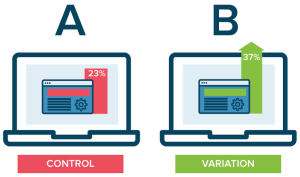
Image by:https://melv1n.com/
4. Decoding Coding: Bridging the Gap with Development Teams
The synergy between product vision and technical execution hinges on effective communication. A fundamental understanding of coding empowers you to bridge this gap, fostering collaboration and innovation within cross-functional teams. By comprehending coding basics, you can navigate technical intricacies, troubleshoot minor issues, and contribute meaningfully to discussions with your development team.
Beyond problem-solving, coding knowledge grants you the freedom to test small product features independently, minimizing bottlenecks and accelerating the development process. This familiarity with coding fundamentals translates to more efficient collaboration, enhanced decision-making, and a product strategy that’s rooted in technical reality.
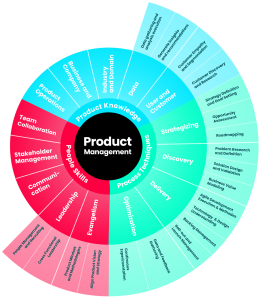
Image by:https://medium.com/
5. Prototyping: From Concept to Concrete Visualization
Communication lies at the heart of successful product management. And prototyping emerges as a potent tool for effective communication of ideas. Prototyping involves transforming abstract concepts into tangible representations, whether on paper or in digital form. By creating prototypes, you provide stakeholders and teams with a clear picture of your product vision.
Prototyping streamlines the product development process by facilitating feedback collection, identifying flaws early, and aligning product plans with customer preferences. As a product manager, mastering the art of prototyping equips you with a visual language to communicate your ideas succinctly and iteratively. This, in turn, leads to cost-effective development, reduced time-to-market, and a product that truly resonates with its intended audience.

Image by:https://www.usability.gov/
Conclusion:
As the demand for skilled product managers continues to surge. The ability to harness technical skills becomes a non-negotiable aspect of success. Embracing data extraction and analysis, mastering SQL. Also leveraging A/B testing, understanding coding basics, and embracing prototyping are all vital steps toward becoming an adept product manager. By blending these technical competencies with your strategic acumen and soft skills. You position yourself to navigate the complex landscape of product management with confidence. As you hone these skills, you’re not just managing products; you’re shaping experiences, driving innovation, and propelling your career to new heights.
Author



Unlike short-term hiring decisions, strategic manpower planning is a structured and forward-looking approach that connects human resource capabilities with overall organizational objectives.
Understanding the Foundation of Manpower Planning
Before diving deeper into strategy, it is important to understand what is manpower planning in hrm. In human resource management, manpower planning refers to the systematic process of forecasting workforce requirements, analyzing current talent availability, and developing strategies to bridge skill gaps.
In simple terms, manpower planning in hrm ensures that an organization is neither understaffed nor overstaffed. It balances workforce demand and supply while maintaining productivity and cost efficiency.
Traditionally, manpower planning is primarily focused on assessing workforce numbers. However, modern strategic approaches go far beyond headcount management. They incorporate skill forecasting, succession planning, workforce analytics, and organizational capability building.

The Strategic Manpower Planning Process
A well-defined strategic manpower planning process includes workforce forecasting, gap analysis, talent acquisition planning, employee development initiatives, and performance monitoring. This structured approach ensures that workforce decisions are data-driven rather than reactive.
The process typically begins with understanding business objectives—expansion plans, product launches, technological upgrades, or market entry strategies. HR teams then evaluate current workforce capabilities and identify gaps that may hinder business performance.
Once gaps are identified, organizations develop hiring, training, or restructuring plans to ensure alignment between talent and strategy.
Key Components of Manpower Planning
Understanding the components of manpower planning is essential for implementing an effective workforce strategy. These components include workforce demand forecasting, supply analysis, talent gap assessment, recruitment planning, training and development, succession planning, and performance evaluation.
Many organizations often ask, what are the components of manpower plan when designing their HR framework. A comprehensive manpower plan includes clear objectives, resource allocation, timelines, measurable KPIs, and risk mitigation strategies.
By incorporating these components, businesses can ensure workforce stability while supporting long-term growth.
Developing a Strong Manpower Planning Strategy
An effective manpower planning strategy aligns workforce capabilities with organizational vision. It focuses not only on filling current vacancies but also on preparing for future talent needs.
For example, a company planning digital transformation must evaluate whether its existing workforce possesses the required technological skills. If not, the manpower strategy should include targeted hiring or upskilling initiatives.
A well-defined manpower strategy also addresses retention, leadership development, diversity planning, and employee engagement. This holistic approach strengthens workforce resilience and adaptability.
The Role of Annual Manpower Review
Strategic manpower planning is not a one-time activity. Organizations must regularly assess workforce effectiveness and make necessary adjustments. This raises an important question: what all should be included in an annual manpower review?
An annual review should analyze headcount trends, attrition rates, hiring efficiency, skill gaps, productivity metrics, succession readiness, and workforce costs. It should also evaluate whether workforce capabilities align with changing business priorities.
By conducting structured annual reviews, organizations can refine their manpower plans and respond proactively to market changes.
The Business Impact of Strategic Manpower Planning
Strategic manpower planning offers several tangible benefits. It reduces recruitment costs by preventing emergency hiring and improves productivity by ensuring roles are filled with qualified professionals. It enhances employee morale by offering clear career pathways and development opportunities.
Companies that invest in structured workforce planning also minimize the risks associated with sudden market shifts or technological disruptions. By forecasting talent needs, they remain prepared for growth, restructuring, or industry transformation.
Some global firms, including strategic manpower solutions limited, emphasize data-driven workforce planning models that integrate analytics, forecasting tools, and performance tracking mechanisms. Such approaches highlight the growing importance of structured manpower frameworks in competitive industries.
Challenges in Strategic Workforce Planning
Despite its benefits, strategic manpower planning comes with challenges. These include unpredictable market conditions, evolving skill requirements, budget constraints, and resistance to organizational change.
To overcome these challenges, HR leaders must collaborate closely with senior management and departmental heads. Workforce planning must be treated as a business strategy rather than a purely administrative function.
Technology also plays a critical role. HR analytics tools, workforce management systems, and predictive modeling software enable organizations to make informed decisions based on real-time data.
Future Trends in Manpower Planning
As organizations embrace digital transformation, manpower planning is becoming increasingly data-driven and agile. Artificial intelligence and predictive analytics are being used to forecast workforce trends and identify skill gaps before they impact performance.
Hybrid work models, remote hiring, and global talent mobility are reshaping workforce strategies. Businesses must adapt their manpower planning frameworks to accommodate these changes while maintaining productivity and compliance.
Strategic manpower planning is evolving from a support function to a core business driver that directly influences revenue growth, operational efficiency, and competitive advantage.
Conclusion
In a rapidly changing business environment, organizations cannot rely on short-term hiring decisions. Strategic manpower planning provides a structured and forward-looking framework that aligns workforce capabilities with business objectives. By understanding workforce trends, forecasting future needs, and implementing targeted hiring and development strategies, companies can build resilient and high-performing teams.
From identifying the components of manpower planning to conducting annual workforce reviews, every step plays a vital role in strengthening organizational performance. Businesses that prioritize strategic workforce planning position themselves for sustainable growth and long-term success.
If your organization is looking to implement an effective manpower strategy and build a future-ready workforce, G&S Consulting offers expert guidance and tailored workforce solutions to support your long-term business goals.
Author



When school holidays approach, many parents begin searching for ways to keep their children active, engaged, and safe. Long breaks can be exciting for children but challenging for working families. A Holiday Club Luton offers a structured, enjoyable, and reliable solution that benefits both children and parents. With a wide range of activities, experienced staff, and access to local attractions, holiday clubs in Luton have become an essential service for families across the area.
In this complete guide, we will explore everything you need to know about choosing the right holiday club, the benefits they offer, and why they are such a valuable part of the community.
Why Holiday Clubs Matter During School Breaks
School holidays can disrupt children’s daily routines. Without structure, children may spend excessive time on screens or become bored. Holiday clubs provide a balanced daily schedule that keeps children mentally and physically stimulated.
A typical Holiday Club Luton programe includes:
- Morning icebreaker activities
- Creative arts and crafts sessions
- Outdoor sports and team games
- Educational workshops
- Supervised free play
- Group challenges and themed events
This combination ensures children remain active while continuing to learn in a relaxed and enjoyable environment.

A Safe and Supervised Environment
Safety is the top priority for any parent. Reputable holiday clubs in Luton follow strict safeguarding guidelines and employ trained staff who are DBS-checked and first-aid certified. Clear policies regarding drop-off, pick-up, and emergency procedures provide additional reassurance.
Parents should always check:
- Staff-to-child ratios
- First-aid availability
- Secure entry and exit systems
- Allergy and dietary management policies
When these elements are in place, families can feel confident that their children are in safe hands.
Variety of Activities for All Interests
One of the biggest advantages of a Holiday Club Luton is the wide variety of activities available. Every child has unique interests, and a good holiday club ensures there is something for everyone.
Sports and Physical Activities
Football, basketball, cricket, relay races, and obstacle courses are common features. These activities improve fitness, coordination, and teamwork skills.
Outdoor sessions often take place in local green spaces such as Wardown Park, where children can enjoy fresh air while participating in structured games.
Creative Arts and Crafts
Art workshops, painting, sculpture, and DIY craft projects encourage creativity and self-expression. These sessions help children develop fine motor skills and boost confidence.
Educational Workshops
Many holiday clubs incorporate learning elements such as science experiments, coding basics, reading challenges, and cooking sessions. Learning through play keeps young minds engaged even outside the classroom.
Local Trips and Community Engagement
Holiday clubs in Luton often take advantage of nearby attractions to enhance their programes. Educational outings make holidays even more exciting.
Popular destinations include:
- Stockwood Discovery Centre – Offering historical exhibits, gardens, and interactive displays.
- Whipsnade Zoo – Providing children with opportunities to learn about wildlife and conservation.
These trips combine education with adventure, creating memorable experiences that children look forward to.
Social Development and Building Friendships
Holiday clubs bring together children from different schools and backgrounds across Luton. This diverse environment helps children:
- Develop communication skills
- Build empathy and teamwork
- Gain confidence in social situations
- Form new friendships
Group challenges and team-based games teach cooperation and leadership. For children who may be shy, holiday clubs provide a supportive space to step outside their comfort zones.
Supporting Working Parents
Modern family life often requires flexible childcare solutions. A Holiday Club Luton supports working parents by offering:
- Full-day and half-day sessions
- Weekly packages
- Early drop-off and late pick-up options
- Flexible booking arrangements
This flexibility allows parents to manage professional responsibilities without worrying about their child’s wellbeing.
Additionally, many clubs accept childcare vouchers or government-funded schemes, helping reduce financial pressure on families.
Themed Weeks for Extra Excitement
To keep programes fresh and engaging, many holiday clubs organize themed weeks. These might include:
- Sports Week
- Science Explorer Week
- Creative Arts Week
- Adventure and Outdoor Week
- Talent Show Week
Themed programes give children something special to look forward to and encourage deeper engagement with activities.
Boosting Confidence and Independence
Participating in structured holiday activities helps children build independence. Whether performing in a mini talent show, leading a group challenge, or presenting a creative project, children gain valuable life skills.
Confidence developed during holiday clubs often carries over into school life. Parents frequently notice improvements in communication, resilience, and self-esteem after their child attends a holiday programe.
Choosing the Right Holiday Club
With several options available, selecting the right Holiday Club Luton requires careful consideration.
Check Reviews and Recommendations
Online reviews and local parent groups can provide honest feedback about the quality of care and organization.
Visit the Venue
If possible, arrange a visit before booking. Inspect the cleanliness, safety measures, and available equipment.
Ask About Staff Experience
Qualified and experienced staff are essential. Ask about training, safeguarding certifications, and first-aid qualifications.
Compare Pricing and Policies
Look for transparent pricing structures, early booking discounts, and clear cancellation policies.
Planning ahead ensures you secure a spot in a reputable club before spaces fill up.
Benefits Beyond the Holidays
The advantages of holiday clubs extend beyond the immediate break period. Children return to school feeling refreshed, energized, and socially confident. They often bring back new interests, skills, and friendships that continue throughout the academic year.
Parents benefit from reduced stress and the assurance that their child spent the holiday productively.
Why Luton Is an Ideal Location
Luton’s vibrant community and access to green spaces make it an excellent location for holiday programes. Its family-friendly facilities and attractions contribute to diverse activity options.
The town’s strong community spirit ensures holiday clubs feel welcoming and inclusive, reflecting the diversity of local families.
Final Thoughts
Choosing the right Holiday Club Luton can transform school breaks into exciting opportunities for growth and enjoyment. With structured routines, engaging activities, professional supervision, and access to local attractions, holiday clubs provide much more than simple childcare.
Author


The Amorphous Polyalphaolefin (APAO) industry is entering a new transformative decade. Its growth is driven by the rising demand for sustainable materials and innovative packaging solutions. APAO is also expanding its applications across various sectors. From everyday products like bookbinding to industrial uses in construction, APAO is reshaping the adhesive landscape. It offers remarkable versatility, durability, and eco-conscious performance. These qualities are driving its global growth and adoption.
Key Industry Highlights for 2031
Market Size and Regional Share
APAO’s market presence is growing steadily across all major regions. Asia Pacific is leading this charge. The region’s rapid industrialization, particularly in China and India, is boosting demand for APAO in packaging and consumer goods.
Asia Pacific: This region continues to dominate APAO adoption. This is due to its burgeoning industrial and packaging needs.
North America and Europe: Both regions maintain robust markets. This is driven by ongoing innovation** in adhesive technologies. A strong push toward regulatory compliance regarding sustainability also plays a key role.
South and Central America: These regions are emerging as vital growth hubs. APAO is finding significant applications in woodworking and product assembly sectors. The demand for cost-effective adhesives in these areas is increasing.

Industry Trends by 2031
The APAO industry is undergoing dynamic shifts as it adapts to changing consumer preferences and regulatory demands. Key trends include:
1. Demand for Homopolymers and Copolymer:
The APAO market is witnessing a rise in demand for homopolymers and copolymers. These formulations offer enhanced flexibility and are ideal for a wide range of adhesive uses. They are increasingly becoming a staple in packaging, hygiene, and bookbinding applications.
2. Sustainability in Adhesive Solutions:
Global sustainability goals are now taking center stage. Consequently, there is a growing emphasis on eco-friendly and recyclable adhesive solutions. Companies are focused on creating adhesives that reduce environmental impact. They also aim to align with circular economy principles.
3. Expansion of Applications:
APAO is being integrated into diverse industries. These include paper and packaging, personal hygiene, and woodworking. Specialty uses in automotive and electronics are also contributing to the material’s increasing adoption.
4. Consumer Goods and Industrial Modernization:
APAO is becoming increasingly popular in consumer goods and industrial modernization projects. This is due to its durability, cost-effectiveness, and reliable performance under diverse environmental conditions.
Market Forecast and Predictions by 2031
Sustainable Supply Chains: APAO is expected to play a key role in sustainable supply chains. It will achieve this by replacing traditional adhesives in essential sectors like packaging and product assembly.
Homopolymers Dominance: Homopolymers are anticipated to dominate the APAO market. This is because of their outstanding versatility, especially in packaging and hygiene product applications.
Bio-based Innovations: The demand for bio-based APAO formulations is projected to grow. There is increased interest in creating more sustainable adhesives. These bio-based versions are expected to reshape the industry. They will offer performance similar to traditional APAO while reducing carbon footprints.
Collaborations and Innovations: Strategic partnerships between chemical manufacturers and consumer brands will continue. These collaborations will promote innovation and propel APAO’s market growth. This is particularly true as demand for sustainable products rises.
Global and Regional Insights
Asia Pacific:
This region is the largest contributor to APAO market growth. Countries such as China, India, and Southeast Asian nations are leading the way. This is driven by booming demand in packaging, consumer goods, and hygiene products.
As a result, APAO producers are focusing heavily on the region for both manufacturing and product distribution.
North America:
Advanced APAO Technologies are a hallmark of the North American market. Innovations are driven by the growing demand for industrial and consumer adhesives. In these sectors, APAO is increasingly replacing traditional materials.
Regulatory requirements surrounding sustainability are also fostering the adoption of eco-friendly APAO solutions.
Europe:
- Europe is a major player in the APAO market. Stringent environmental regulations are promoting the shift from conventional adhesives to sustainable APAO alternatives.
- Circular economy initiatives and regulatory compliance are pushing for greater adoption of APAO. This is particularly evident in packaging and hygiene applications.
South and Central America:
The demand for APAO is steadily increasing in emerging markets across South and Central America. This growth is especially notable in woodworking, product assembly, and packaging.
These regions are projected to see a rise in manufacturing activities that utilize APAO-based adhesives. This is due to their cost-effectiveness and eco-friendly advantages.
Industry Updates and Innovations
Recent advancements in the APAO industry indicate significant progress towards sustainability and efficiency:
1. Bio-based APAO Adhesives:
Sustainability-driven innovations are reshaping the APAO landscape. Bio-based APAO formulations are gaining momentum. They are being designed specifically for sustainable packaging and personal hygiene products. This helps reduce dependency on fossil fuels.
2. Digital Monitoring and Efficiency:
Manufacturers are investing in digital inspection and monitoring systems. Their goal is to improve operational efficiency and enhance safety during production. This ensures higher quality in finished products.
3. Mergers and Acquisitions:
Strategic mergers and acquisitions are increasing in the APAO space. These moves allow companies to bolster their global supply chains. They also help expand product offerings. This trend is also helping to consolidate market power among top producers.
4. Consumer Goods and Industrial Integration:
The integration of APAO in consumer goods and industrial applications is growing. This is particularly true in sectors where long-lasting and environmentally friendly adhesives are needed to meet industry standards.
Conclusion
By 2031, the Amorphous Polyalphaolefin (APAO)industry will be a cornerstone of sustainable supply chains. It will revolutionize packaging, personal hygiene, and industrial adhesive technologies. As the market expands, APAO’s future will be defined by its ability to meet the growing demand for eco-friendly, versatile, and cost-effective materials.
With continued advancements in bio-based formulations, strategic partnerships, and global market integration, APAO will undoubtedly reshape how adhesives are utilized across various sectors. For businesses and manufacturers, adopting APAO will be a key step toward achieving sustainability goals. It will also help them stay competitive in an ever-evolving market landscape.
Author



CNC Tools in Modern Manufacturing: Benefits & Future Trends

Avoid Costly Document Mistakes with Professional Notary Services

Mini vs Full Tummy Tuck: Complete Guide Islamabad

Formulation Development in 2026: Drug Delivery Innovations

Luxury RV Resorts Texas vs Standard RV Parks: The Difference?

Best Hair Transplant Clinic in Pakistan – JJ Aesthetics

Essentials Tracksuit UK Guide: Styles, Fits, Colors & Buying Tips

Working Capital Finance: Guide for MSMEs, Types & Benefits

Beard Hair Transplant: Procedure, Benefits And Recovery

Corteiz Cargos Official Store: Streetwear Style & Sustainability

Cybersecurity Consulting Company SequelNet Provides Critical IT Support Services to Medical Billing Firm, Medical Optimum

Team Communication Software Transforms Operations at Finance Innovate

Project Management Tool Transforms Long Island Business

How Alleviate Poverty Utilized IPPBX’s All-in-One Solution to Transform Lives in New York City

Breast Cancer: The Imperative Role of Mammograms in Screening and Early Detection

Unstoppable Collaboration: D.C.’s Citi Open and Silicon Valley Classic Unite to Propel Women’s Tennis to New Heights

Embracing Renewal: Sizdabedar Celebrations Unite Iranians in New York’s Eisenhower Park

The Benefits of Starting a Side Hustle for Financial Freedom

New Blood Donation Screening Questions What You Need to Know

Stylishly Timeless: The 5 Types of Sandals You Need in Your Closet
-

 Business3 years ago
Cybersecurity Consulting Company SequelNet Provides Critical IT Support Services to Medical Billing Firm, Medical Optimum
-
Business3 years ago
Team Communication Software Transforms Operations at Finance Innovate
-
Business3 years ago
Project Management Tool Transforms Long Island Business
-
Business3 years ago
How Alleviate Poverty Utilized IPPBX’s All-in-One Solution to Transform Lives in New York City
-
health3 years ago
Breast Cancer: The Imperative Role of Mammograms in Screening and Early Detection
-
Sports3 years ago
Unstoppable Collaboration: D.C.’s Citi Open and Silicon Valley Classic Unite to Propel Women’s Tennis to New Heights
-
Art /Entertainment3 years ago
Embracing Renewal: Sizdabedar Celebrations Unite Iranians in New York’s Eisenhower Park
-
Finance3 years ago
The Benefits of Starting a Side Hustle for Financial Freedom







