
Care
Hair Transplant Aftercare in Riyadh: Tips for Optimal Recovery

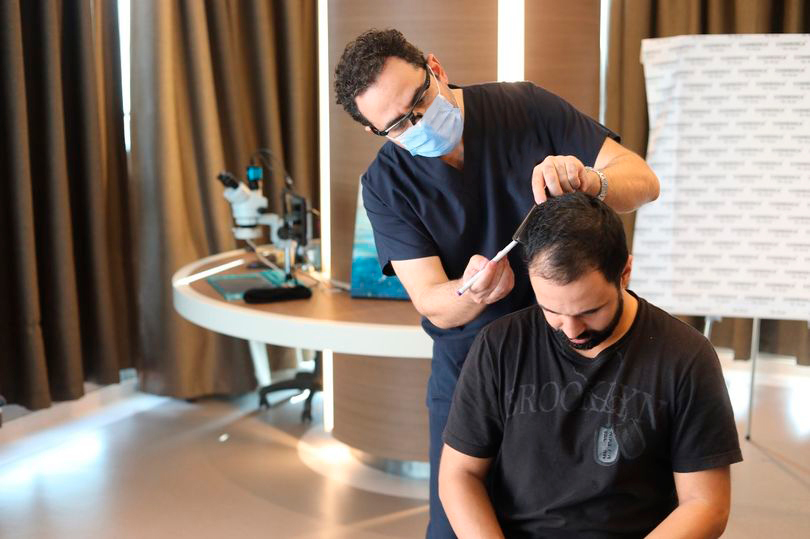
In the heart of Saudi Arabia’s capital, where the horizon is a blend of shimmering glass towers and the golden Najd desert, the pursuit of perfection is a lifestyle. For those who have recently undergone a hair restoration procedure, that pursuit doesn’t end when you leave the clinic. In fact, the true work begins in the mirror of your own home.
The unique environmental factors of the region—high temperatures, fine desert dust, and low humidity—create a specific set of challenges for post-operative care. Maintaining meticulous scalp hygiene is not just about cleanliness; it is the fundamental pillar of graft survival. To ensure your investment yields the lush, natural results you desire, understanding the nuances of a Hair Transplant in Riyadh aftercare routine is essential for every modern gentleman and woman in the city.
The First 48 Hours: The “No-Touch” Mandate
The immediate post-operative window is the most critical. During this time, the newly implanted follicles are essentially “resting” in their new sites, beginning the delicate process of anchoring to the blood supply.
-
The Sterile Shield: Most premium Riyadh clinics will provide a specialized saline spray. In the first two days, your goal is to keep the recipient area moist without ever touching it with your fingers.
-
Dust Defense: If you must step outside into the Riyadh air, use the loose-fitting surgical cap provided by your surgeon. This prevents the microscopic “Shamal” dust from settling into the micro-incisions, which could lead to follicular irritation or infection.
The Riyadh Washing Protocol: A Step-by-Step Guide
Around day three, you will transition from simple misting to a gentle washing routine. Because the local water in many parts of the city can be “hard” (rich in minerals), many specialists recommend using filtered or bottled water for the initial rinse to prevent mineral buildup on the sensitive grafts.
| Step | Action | Why it Matters |
| 1. Soften | Apply the provided medical foam or lotion for 15–20 minutes. | This softens the scabs so they can eventually wash away without pulling the graft. |
| 2. Rinse | Use lukewarm water poured gently from a cup or a low-pressure “rain” showerhead. | Direct, high-pressure water can physically dislodge a follicle in the first week. |
| 3. Lather | Create a foam with pH-balanced, sulfate-free shampoo in your palms. | Rubbing the shampoo directly onto the scalp is too aggressive; the foam does the work. |
| 4. Pat Dry | Use a clean paper towel to gently dab the area. | Traditional towels have loops of thread that can snag and pull out grafts. |
Managing the “Desert Dryness”
Riyadh’s climate can be incredibly taxing on healing skin. While you want the donor area (the back of the head) to stay clean, you must also prevent the recipient area from becoming “parched,” as overly dry skin can lead to excessive itching.

-
Hydration from Within: Increase your water intake to at least 3 liters a day. In the dry heat of the Central Province, your skin’s healing capacity is directly tied to your internal hydration levels.
-
Anti-Itch Strategy: Itching is a sign of healing, but scratching is the enemy. If the itch becomes unbearable, a cool saline mist or a doctor-approved Aloe Vera gel can provide relief without risking the integrity of the grafts.
-
The “Executive” Environment: Stay in temperature-controlled environments as much as possible for the first 10 days. Sweating can introduce bacteria to the graft sites and alter the pH of your scalp, potentially harming the delicate follicles.
Scab Management: The Art of Patience
Between days 7 and 10, you will notice scabs forming. While your instinct may be to pick them—don’t. In the context of a hair transplant, picking a scab is equivalent to pulling the root. By the 10th day, you can begin a very light circular massage with your fingertips (no nails) during your wash. This gradually encourages the scabs to flake off naturally once the underlying tissue has fully closed.
Beyond the First Two Weeks
Once you pass the 14-day mark, the “Stealth Phase” begins. The grafts are now safely anchored. You can return to regular showering, though most Riyadh experts suggest continuing with a gentle, chemical-free shampoo for at least the first month. This is also the stage where “shock loss” might occur—a temporary shedding of the hair shafts that often alarms patients. Rest assured, the “bulbs” are safe beneath the skin, entering a dormant phase before they begin their permanent growth.
Conclusion: Protecting Your Professional Image
A hair transplant is more than a medical procedure; it is a strategic move to preserve your vitality and confidence in a competitive world. In a city that moves as fast as Riyadh, taking the time to master your scalp hygiene is the best way to ensure your recovery is as efficient as it is effective.
By following these localized hygiene standards and opting for a world-class Hair Transplant in Riyadh, you are setting the stage for a transformation that will look as natural as if the hair had never left. Remember, the quality of your results is 50% the surgeon’s skill and 50% your commitment to the chair in front of your bathroom mirror.
Author


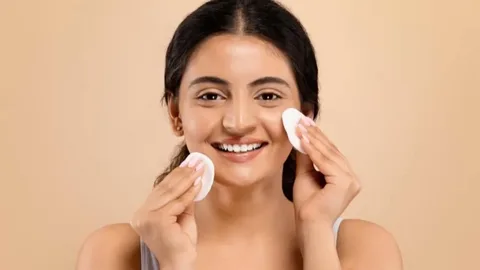
In the modern world, achieving a glowing and fair complexion transcends genetics; it is a direct reflection of your daily lifestyle choices. In a bustling city like Islamabad, more people are turning to professional treatments and holistic habits to enhance their skin tone safely. By understanding how your environment and routines interact with your biology, you can make a significant difference in your appearance. Whether through a disciplined skincare regimen or targeted adjustments to your habits, radiant skin is an attainable goal for everyone.
The Nutritional Foundation of Skin Tone
Your diet acts as the internal fuel for your skin’s regeneration. Consuming a balanced menu rich in vitamins, minerals, and antioxidants can naturally brighten your complexion from the inside out. Foods packed with Vitamin C, such as oranges, lemons, and strawberries, are particularly effective at inhibiting melanin production and brightening the skin. Additionally, Vitamin E, found in nuts and seeds, plays a crucial role in repairing damaged cells and maintaining a smooth texture.
Conversely, a diet high in processed foods, excessive sugar, and greasy meals can lead to systemic inflammation, resulting in dullness and an uneven tone. Hydration remains equally vital; drinking plenty of water flushes out toxins and ensures your skin stays supple. A nutrition-focused approach perfectly complements professional Skin Whitening in Islamabad, creating a foundation for the most optimal and lasting results.

Essential Elements of a Skincare Routine
Consistency is the secret to a healthy, fair complexion. A solid routine of cleansing, exfoliating, and moisturizing keeps the skin’s surface clear of debris that causes dullness. By using gentle cleansers and avoiding harsh, abrasive chemicals, you prevent the irritation and post-inflammatory pigmentation that can darken the skin over time.
One of the most critical steps in any routine is the daily application of sunscreen. UV rays are the primary cause of dark spots, sunburn, and premature aging. Without sun protection, any efforts toward skin whitening are essentially canceled out by environmental damage. Incorporating specialized brightening serums—often those containing niacinamide or alpha arbutin—can further enhance the effects of your lifestyle changes.
Daily Habits That Accelerate Results
Small, everyday actions significantly impact your skin’s ability to remain bright and clear. By focusing on these five key areas, you can see a visible difference in your skin tone:
-
Adequate Sleep: Rest allows your body to repair skin tissue. Poor sleep spikes stress hormones, leading to a tired and sallow appearance.
-
Regular Exercise: Physical activity boosts blood circulation, delivering a natural, rosy glow to your face.
-
Stress Management: Reducing stress helps balance the hormones that often trigger sudden pigmentation or breakouts.
-
Avoiding Toxins: Smoking and alcohol damage collagen fibers, leading to sagging, yellowing, and dark spots.
-
Maximum Hydration: Consistent water intake keeps the skin barrier resilient and radiant.
Navigating the Environment in Islamabad
Living in Islamabad presents unique environmental challenges for your skin. The combination of urban pollution, dust, and intense UV exposure can contribute to “smog skin,” where airborne particles clog pores and cause oxidative stress. This often leads to premature aging and stubborn dark spots.
To combat these factors, residents should wear protective clothing and hats when outdoors. Furthermore, local clinics offer specialized indoor treatments—such as chemical peels, medical facials, and laser therapies—designed to deep-clean the skin and reverse environmental damage. Many individuals seeking Skin Whitening in Islamabad find that combining these professional interventions with lifestyle protection yields the best outcomes.
Professional Pathways to Brightness
While lifestyle changes provide the groundwork, professional treatments act as the catalyst for dramatic improvement. Top clinics in Islamabad offer a variety of high-tech solutions, including:
-
Laser Skin Whitening: Targets deep-seated pigmentation with precision.
-
Chemical Peels: Removes the dull outer layer of skin to reveal a fresher, lighter surface.
-
Brightening Facials: Uses medical-grade nutrients to instantly boost radiance.
-
IV Drip & Injectable Treatments: Addresses uneven skin tone from a systemic level.
When performed under expert guidance, these therapies significantly enhance brightness. Combining these clinical procedures with the right diet and exercise ensures that your results are not only effective but also sustainable for years to come.
Why Local Expertise Matters
Choosing a clinic within Islamabad offers the advantage of localized expertise. Professionals in the city understand the specific skin types and common concerns of the Pakistani population. They can customize treatments to suit local weather conditions and genetic predispositions, minimizing risks like hyperpigmentation.
Moreover, having a local provider allows for consistent follow-ups and personalized advice on how to adjust your lifestyle specifically for the Islamabad climate. This holistic support is essential for maintaining the clarity achieved through Skin Whitening in Islamabad.
Final Thoughts: A Holistic Journey
Fair and glowing skin is not the result of a single “miracle” product. Instead, it is a journey that combines smart lifestyle choices, a healthy diet, a disciplined skincare routine, and expert professional care. By protecting yourself from environmental stressors and opting for targeted treatments, you can achieve a visible and long-lasting transformation.
For those in Islamabad looking for safe and reliable options, professional services are the gold standard. To discover more about premium skin treatments and bespoke products, visit SKN Cosmetics. Their team provides professional guidance and services tailored to help you reach your aesthetic goals and boost your confidence.
Frequently Asked Questions
How long does it take to see results from lifestyle changes? While professional treatments can show results in a few sessions, lifestyle changes like diet and sleep usually take 4 to 6 weeks to reflect in your skin’s appearance, as this is the typical cycle for skin cell turnover.
Can men also benefit from skin whitening treatments in Islamabad? Absolutely. Skin health and tone are important for everyone. Most modern clinics offer customized treatments that cater specifically to the thicker skin texture often found in male patients.
Is professional skin whitening safe? Yes, provided it is performed by certified professionals. Local clinics use internationally approved methods that prioritize the health of the skin barrier while achieving a lighter tone.
Author



An Essentials hoodie is soft, warm, and very comfortable, so many people like to wear it every day. But if you don’t take care of your hoodie properly, it can lose its shape, color, and softness. The good news is that with a few simple care tips, you can keep your hoodie looking new for a long time. Taking care of clothes is not hard, and anyone can learn it.
In this guide, you will learn easy and simple ways to wash, dry, and store your Essentials hoodie so it stays clean, soft, and nice. These tips are very easy, so even a 10-year-old can understand and follow them.
Wash Your Hoodie the Right Way
The first and most important step to make your hoodie last longer is washing it properly. Many people just put their hoodie in the washing machine without thinking, but that can damage the fabric.
Always turn your hoodie inside out before washing. This helps protect the color and the print on the hoodie. Use cold water instead of hot water because hot water can shrink the hoodie and make the fabric weak. Also, use a gentle washing cycle so the hoodie does not stretch or lose its shape.
Try not to wash your hoodie every day. If it is not very dirty, you can wear it a few times before washing. Washing too much can make the fabric old faster.

Use Mild Detergent
Strong detergents can damage the fabric of your hoodie. They can make the hoodie rough and fade the color. Always use a mild detergent when washing your hoodie.
Do not use too much detergent because extra soap can stay in the fabric and make the hoodie feel hard. A small amount is enough to clean your hoodie properly.
Also, avoid using bleach because bleach can ruin the color and fabric. Your hoodie may look old and faded if you use bleach.
Dry Your Hoodie Carefully
Drying is just as important as washing. Many people put their hoodie in a hot dryer, but this can shrink the hoodie and damage the fabric.
The best way to dry your hoodie is air drying. Hang it on a hanger or lay it flat on a clean surface. Let it dry naturally. This keeps the hoodie in good shape and makes it last longer.
If you must use a dryer, use low heat only. High heat is very bad for hoodies and can make them smaller.
Store Your Hoodie Properly
How you store your hoodie is also very important. Do not just throw it on a chair or on the floor. Fold your hoodie neatly and keep it in a clean cupboard.
If you hang your hoodie for a long time, the shoulders may stretch. Folding is usually better for hoodies. Keep your hoodie in a dry place so it does not get a bad smell.
You can also keep a small perfume paper or freshener in your cupboard so your hoodie always smells nice.
Remove Stains Quickly
If your hoodie gets a stain, clean it as soon as possible. Old stains are harder to remove. Use a small amount of water and mild soap to clean the stain gently.
Do not rub too hard because rubbing can damage the fabric. Just clean softly and then wash the hoodie normally.
Quick cleaning helps your hoodie look new and clean for a long time.
Do Not Iron Directly on Print
Some hoodies have logos or prints on them. Never iron directly on the print because the heat can damage the design.
If you want to iron your hoodie, turn it inside out first. Use low heat and iron slowly. This will protect the fabric and the design on the hoodie.
Most hoodies do not need ironing, so it is better to fold them properly after drying.
Do Not Over-wash Your Hoodie
Many people think washing clothes again and again keeps them nice, but this is not true for hoodies. Too much washing can make the fabric thin and the color fade.
Only wash your hoodie when it is dirty or has a bad smell. If it is still clean, you can wear it again. This simple habit can make your hoodie last much longer.
Final Tips to Make Your Hoodie Last Longer
Taking care of your hoodie is very easy if you follow simple steps like washing in cold water, using mild detergent, air drying, and folding properly. These small habits can keep your hoodie soft, clean, and stylish for a long time.
If you take care of your clothes, they will look new and you will not need to buy new clothes again and again. This saves money and also keeps your favorite clothes with you longer. When you care for your clothes properly, your Hoodie Essentials collection will always look fresh, clean, and comfortable to wear.
Author


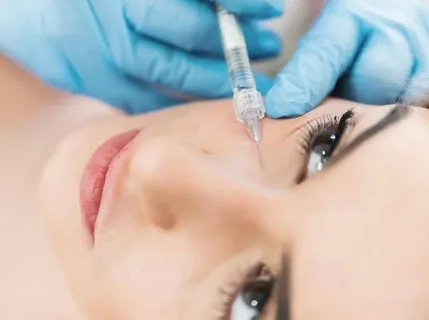
The evolution of aesthetic medicine has moved significantly toward a “natural-first” philosophy. In a global hub for medical excellence, Fillers in Dubai have become the preferred choice for individuals looking to rejuvenate their appearance without the risks or downtime of traditional surgery. Modern injectables are no longer about creating a “filled” look; they are about restoring the structural integrity of the face using sophisticated, biocompatible gels that harmonize with your unique anatomy.
The Mechanical Action of Modern Dermal Fillers
To understand how modern injectables function, we must look at the skin’s internal scaffolding. As biological aging progresses, the body’s natural production of collagen and hyaluronic acid slows down, leading to a loss of volume in the mid-face and the development of static wrinkles. When we administer Fillers in Dubai, we are introducing a sterile, gel-based substance into the dermis or subcutaneous layers.
The mechanism of action is two-fold: immediate physical displacement and long-term biological stimulation. Physically, the gel adds volume to the targeted area, lifting the skin and smoothing out creases. Biologically, the presence of the filler can trigger a “stretching” effect on the fibroblasts, which are the cells responsible for collagen synthesis. In our clinical experience, this dual action leads to results that often improve in quality during the weeks following the initial treatment.

The Purpose of Specialized Injectable Formulas
Not all fillers are created equal. Modern aesthetic medicine utilizes a variety of formulas, each designed for a specific purpose and anatomical depth. For instance, high-density fillers are used for deep structural work, such as defining the jawline or augmenting the chin. These formulas are created to remain in their designated spots, offering a solid base that resembles the appearance of bone or deep fat.
Conversely, low-density, highly flexible fillers are used for superficial lines and mobile areas like the lips or around the mouth. The purpose of these “dynamic” fillers is to integrate so seamlessly that they remain invisible even when you are laughing, eating, or speaking. What patients typically report during recovery is a feeling of softness that feels exactly like their own natural tissue.
Clinical Benefits of Professional Volume Restoration
The advantages of choosing high-grade Fillers in Dubai extend beyond the immediate aesthetic improvement. Because these treatments are performed in a clinical setting using FDA-approved products, the safety profile is exceptionally high.
-
Precision Contouring: Clinicians can sculpt specific areas with a level of detail that surgery cannot match.
-
Minimal Recovery: Most patients can resume their daily routines immediately following the procedure.
-
Reversibility: Hyaluronic acid-based fillers can be dissolved if a patient desires a change or in the rare case of a complication.
-
Predictable Results: Because the product is injected in real-time, the clinician and patient can monitor the progress together.
Determining If You Are a Suitable Candidate
Identifying the right candidate for injectable therapy involves a comprehensive medical consultation. Generally, individuals who are concerned about hollow temples, sunken cheeks, or “marionette lines” around the mouth are excellent candidates for Fillers in Dubai.
During the assessment, we look for good skin elasticity and a clear understanding of the treatment’s goals. We advise against treatment for those with active skin infections, certain autoimmune conditions, or a known hypersensitivity to the ingredients. Our goal is to ensure that every procedure is both medically responsible and aesthetically successful.
The Step-by-Step Clinical Procedure
A professional injection session is a streamlined but highly precise medical event. We prioritize sterile technique and patient comfort throughout the entire process.
-
Mapping and Assessment: The clinician marks the face to identify injection vectors and avoid critical blood vessels.
-
Topical Anesthesia: A numbing cream is applied to the skin to ensure the process is virtually painless.
-
The Injection: Using specialized needles or blunt-tipped cannulas, the filler is placed into the precise tissue layer.
-
Sculpting: The clinician gently molds the area to ensure the gel is evenly distributed and symmetrical.
Key Target Zones for Modern Injectables
| Area of Treatment | Clinical Objective |
| Mid-Face / Cheeks | Restoring the “heart-shaped” face by lifting sagging skin. |
| Nasolabial Folds | Softening the deep lines that run from the nose to the corners of the mouth. |
| Tear Troughs | Filling the hollows under the eyes to eliminate dark shadows. |
| Jawline & Chin | Creating a defined profile and correcting a “weak” chin. |
Financial Considerations and Product Selection
The cost of a filler treatment is determined by several factors, including the type of product used and the volume required to achieve the desired result. In a professional medical setting, we prioritize the use of premium, long-lasting brands that have been extensively researched for safety.
Because every patient’s anatomy is different, the “dosage” of filler varies. A younger patient looking for subtle lip enhancement will require less product than a patient seeking global facial rejuvenation. During your consultation, a detailed plan is provided so you can understand the investment required to reach your specific aesthetic milestones.
The Healing Process and Recovery Timeline
Recovery from Fillers in Dubai is generally very mild. For the first 24 to 48 hours, you may experience some localized swelling or minor tenderness at the injection site. This is a normal part of the body’s response to the treatment.
By day three, most of the swelling has subsided, and any minor bruising can usually be covered with mineral makeup. By day fourteen, the filler has fully integrated with your tissue, and you will see the final, settled result. We recommend avoiding high-impact exercise and extreme heat (like saunas) for the first 48 hours to help the healing process along.
Safety Protocols and Medical Standards
Patient safety is our primary concern. While fillers are routine, they must be treated as a medical procedure. Complications, though rare, can include small lumps or, in very rare cases, vascular issues. Choosing a licensed medical professional who has an intimate knowledge of facial anatomy is the best way to mitigate these risks. Our clinicians are trained in the latest safety protocols and have the necessary reversal agents on hand for every session.
Sustaining Results Through Post-Treatment Care
Maintaining your refreshed look involves more than just the injection itself. We recommend a “less is more” approach, with small maintenance sessions every 9 to 12 months to keep the volume looking natural. Staying hydrated is also crucial, as hyaluronic acid fillers attract water to maintain their plumpness.
We believe that aesthetic medicine should empower you to look as good as you feel. By combining medical expertise with an artistic eye, we help our patients achieve results that are both beautiful and safe. Learn if this treatment is right for your lifestyle by booking a consultation at Tajmeels Clinic.
Author



JetBlue Airlines: Contact Number, Chat & Support Guide 2026

Sulphur Price Trend March 2026: Forecast & Regional Analysis

Skin Parasites in Livestock: Prevention & Best Hygiene Solutions

Pool Coping Replacement: Signs, Benefits & Cost Guide

Fully Managed Landlord Services: Save Time, Stress, and Money

Prevent Crushing and Leaning With Custom Corrugated Boxes

Car Battery Replacement: Step-by-Step Guide to Reliable Starts

Delta at JFK: Terminals, Check‑In and Transportation Tips

Dermal Fillers in Dubai: Lift Cheeks & Define Your Jawline

Pool Pebble and Plaster: Which Is Best for Durability, Cost & Style

Cybersecurity Consulting Company SequelNet Provides Critical IT Support Services to Medical Billing Firm, Medical Optimum

Team Communication Software Transforms Operations at Finance Innovate

Project Management Tool Transforms Long Island Business

How Alleviate Poverty Utilized IPPBX’s All-in-One Solution to Transform Lives in New York City

Breast Cancer: The Imperative Role of Mammograms in Screening and Early Detection

Unstoppable Collaboration: D.C.’s Citi Open and Silicon Valley Classic Unite to Propel Women’s Tennis to New Heights

Embracing Renewal: Sizdabedar Celebrations Unite Iranians in New York’s Eisenhower Park

The Benefits of Starting a Side Hustle for Financial Freedom

New Blood Donation Screening Questions What You Need to Know

Stylishly Timeless: The 5 Types of Sandals You Need in Your Closet
-

 Business3 years ago
Cybersecurity Consulting Company SequelNet Provides Critical IT Support Services to Medical Billing Firm, Medical Optimum
-
Business3 years ago
Team Communication Software Transforms Operations at Finance Innovate
-
Business3 years ago
Project Management Tool Transforms Long Island Business
-
Business3 years ago
How Alleviate Poverty Utilized IPPBX’s All-in-One Solution to Transform Lives in New York City
-
health3 years ago
Breast Cancer: The Imperative Role of Mammograms in Screening and Early Detection
-
Sports3 years ago
Unstoppable Collaboration: D.C.’s Citi Open and Silicon Valley Classic Unite to Propel Women’s Tennis to New Heights
-
Art /Entertainment3 years ago
Embracing Renewal: Sizdabedar Celebrations Unite Iranians in New York’s Eisenhower Park
-
Finance3 years ago
The Benefits of Starting a Side Hustle for Financial Freedom







