
Autos & Vehicles
Tips for Dealing with Insurance After an Accident

By

Reviewed
By Andrea Ruth

Introduction
Getting into an accident can be a stressful and confusing experience. After making sure everyone is safe and emergency services are called if needed, one of the most important things to handle is dealing with insurance. Insurance companies can seem complicated and sometimes frustrating, especially when you’re still recovering from the accident. Knowing what to do after an accident can help you avoid mistakes, protect your rights, and get the best possible help from your insurance company. In this article, we will share useful tips to guide you through the process of dealing with insurance after an accident.
Tips for Dealing with Insurance After an Accident

Image by: Yandex.com
1. Stay Calm and Gather Information at the Scene
After an accident, it’s natural to feel upset or shaken. But staying calm helps you think clearly and take the right steps. First, check if anyone is hurt and call emergency services if needed. Next, gather all important information:
- Names and contact details of other drivers involved
- Insurance information of the other drivers
- License plate numbers
- Photos of the accident scene and vehicle damage
- Contact information of any witnesses
Taking pictures and notes at the scene can be very helpful later when you deal with insurance. This shows proof of what happened and supports your claims.
2. Notify Your Insurance Company Quickly
It’s important to inform your insurance company about the accident as soon as possible. Most insurance companies have rules that require you to report accidents within a certain time frame. Waiting too long can cause problems with your claim.
When you call, give them clear and honest information about what happened. Stick to the facts and avoid admitting fault or guessing details. Remember, the insurance adjuster is there to investigate the claim, so be polite but careful with your words.
3. Understand Your Insurance Policy
Before the accident or even after, it’s smart to know what your insurance policy covers. Every policy is different. Some policies cover vehicle repairs, medical bills, rental cars, or even lost wages.
Look for key terms like:

- Liability coverage (protects you if you cause damage to others)
- Collision coverage (covers damage to your car)
- Comprehensive coverage (covers theft, vandalism, or natural disasters)
- Medical payments or Personal Injury Protection (PIP)
Knowing your policy limits and what is covered helps you understand what to expect from the insurance company and plan your next steps.
4. Document Everything Related to the Accident
Keep detailed records of all documents related to the accident and your claim. This includes:
- Police reports
- Medical records and bills
- Repair estimates and invoices
- Correspondence with the insurance company
- Any written or recorded statements
Good documentation helps prevent misunderstandings and gives you evidence if there are disputes about the claim. It’s a good idea to keep a folder or digital file organized with all this information.
5. Don’t Accept Early Settlement Offers Without Review
Sometimes, insurance companies may offer to settle your claim quickly with a payment. This might sound tempting, especially if you need money fast. But it’s important not to accept any offers before understanding if the amount truly covers your damages and losses.
Early offers might be lower than what you deserve. Take your time, review the offer carefully, and if needed, talk to a trusted advisor or attorney before agreeing.
6. Get Your Vehicle Inspected by a Trusted Mechanic
Insurance companies usually require an inspection to estimate repair costs. While they might send their own inspector, it’s wise to also get an independent estimate from a trusted mechanic. This helps you compare prices and ensures you’re not underpaid.
Keep all repair receipts and updates about your vehicle’s condition. If your car is a total loss, understanding its value helps in negotiating a fair settlement.
7. Be Honest and Accurate in Your Communication
When dealing with insurance, honesty is the best policy. Providing false information or hiding facts can lead to denied claims or even legal trouble. Always be accurate and truthful about the accident and your injuries.
If your injuries worsen or new problems appear later, notify the insurance company immediately. Sometimes injuries take time to show symptoms, and updating your claim is important for fair compensation.
8. Know Your Rights and Seek Help If Needed
You have the right to fair treatment and compensation after an accident. If you feel the insurance company is being unfair or delaying your claim, you can seek help from consumer protection agencies or insurance regulators in your state.
In complex cases, especially if there are serious injuries or disputes over fault, consider consulting a lawyer who specializes in insurance claims or personal injury. A lawyer can protect your rights and help you get the compensation you deserve.
9. Be Patient but Stay Active
Insurance claims can take time to process. While waiting, stay active in managing your claim. Follow up regularly with the insurance company to check the status and provide any requested documents promptly.
Being patient is important, but don’t hesitate to remind them of your claim or escalate your issue if needed. Keeping clear and polite communication can help move things along smoothly.
10. Learn From the Experience
Accidents can be stressful, but they also teach us valuable lessons. After your claim is settled, review what happened and think about ways to stay safer on the road. You can also evaluate your insurance policy to make sure you have enough coverage for the future.
Being prepared and informed helps you handle unexpected situations better and protects you and your loved ones.
Conclusion
Dealing with insurance after an accident might seem overwhelming, but knowing the right steps makes the process easier. Stay calm, gather all necessary information, notify your insurer quickly, and keep good records. Understand your policy, be honest in your communication, and avoid rushing into early settlement offers. Don’t hesitate to get professional advice if the situation is complex. By staying patient and active in managing your claim, you can protect your rights and get the compensation you deserve. Remember, preparation and knowledge are your best tools for handling insurance smoothly after an accident.
Author


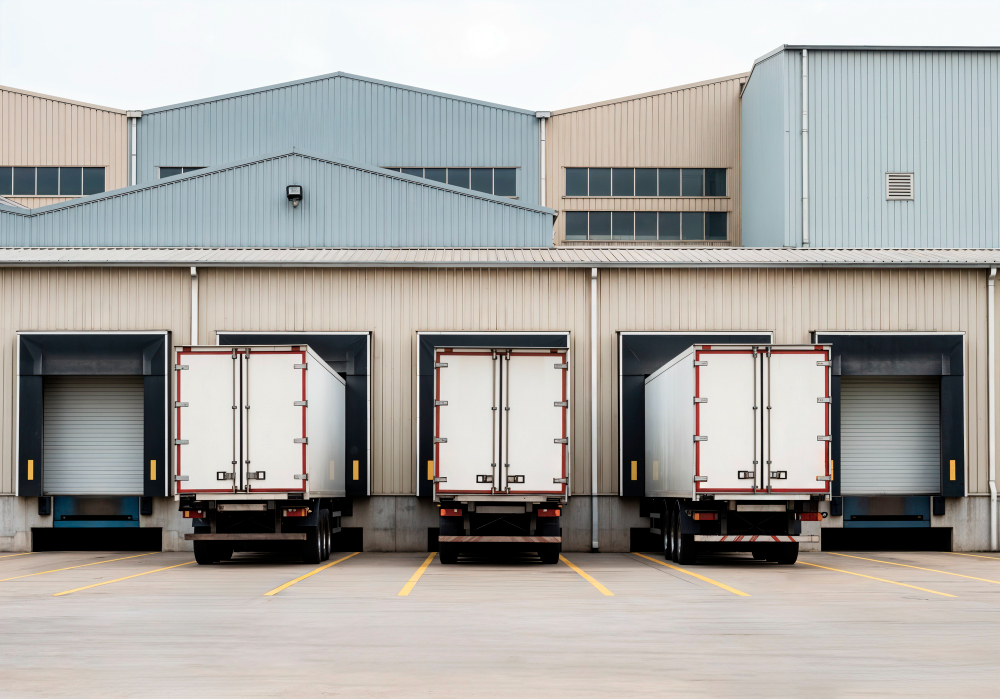
Keeping a vintage boat or a sleek car brings plenty of happiness, yet keeping those prizes safe from rust or scratches takes more than a basic tarp. Simple driveways might work for a bit, although they rarely offer enough protection during storms. The primary question often becomes whether spending money on professional facilities is worth the cost when compared to the peace of mind that comes with knowing an investment stays safe. Most people who own something truly unique eventually find that expert security and climate-controlled environments offer benefits that standard home parking simply cannot match.
Specialized Features Protect Your Most Valuable Assets
Modern storage buildings offer significantly more than just a simple roof over your prized possessions. Steady air inside these buildings helps stop leather couches from cracking or old gaming consoles from rusting when the weather turns humid. While some might think a simple garage works fine, those dry and clean spaces usually keep belongings in much better shape.
Professional management helps you avoid the common wear and tear that outdoor exposure causes over a long period. Strong sunlight can fade expensive paint jobs and cause dashboard plastics to crack in a surprisingly short amount of time.
Selecting vehicle storage units in Washington, DC safeguards a car from sunlight and dirt; as a result, the paint remains vibrant for a longer period, although maintenance is still important. This level of meticulous preservation has a massive impact on the future market value if you ever decide to sell the asset.
Why High-End Security Offers Real Peace of Mind
Standard residential garages rarely come equipped with the heavy-duty protection found at specialized commercial facilities. Modern gadgets like cameras and unit alarms turn a basic storage lot into something much safer for expensive tools or cars. These systems usually grant access only to the right people through personalized gate codes, though tech can occasionally fail during a storm or power outage.
Many high-quality spots also have staff walking around who might notice a flat tire or a small oil leak before things get worse. Having those extra eyes on the property really helps when life gets too busy to check. Humans provide a layer of safety that fixed cameras cannot for a worried owner. The focused care makes storage feel like a high-end concierge service for your mechanical favorites.
How Extra Space Enhances Your Daily Lifestyle
Storing a large truck or a wide boat at your primary residence often leads to crowded driveways and unnecessary stress for your family. Moving your vehicle to an offsite facility clears up your property and allows you to use your home garage for hobbies or daily errands. These specialized storage units offer wide driving aisles and massive doors that make moving your vehicle in and out a very simple task. Messy garages cause scratched bikes, yet some storage spots allow visiting your hobby gear whenever the mood actually strikes. These facilities might feel a bit empty at night, yet they provide plenty of space.
They keep the premises exceptionally clean and bright, which makes getting ready for a weekend trip a genuinely enjoyable part of the process. Keeping your asset in a separate and dedicated spot helps you stay organized and ensures everything is ready for the road at any moment. This organized setup allows you to focus on the excitement of the drive instead of the logistics of where to park.
Reliable Professional Maintenance Prevents Expensive Repairs
Leaving a vehicle to sit in a damp or dusty environment almost guarantees that you will face mechanical problems later on. Vital engine seals often dry out, and rubber hoses can become brittle when machinery sits idle in an uncontrolled climate for months. High-quality facilities keep all mechanical parts in great working order by providing a stable environment that feels like a clean museum. Investing in proper shelter today is a smart way to avoid massive repair bills that could easily damage your bank account in the future and protect your long-term investment for many years ahead.
The physical integrity of your car lasts much longer when it stays far away from rodents and falling outdoor debris. Small pests love to build nests inside warm engine bays and chew through expensive wiring, which creates a nightmare for any mechanic and leads to costly diagnostic work. Enclosed units at professional sites are specifically built to keep these uninvited visitors away from your seats and sensitive computer boards. Committing to this level of professional protection ensures that your vehicle will start and run perfectly every time you want to go for a drive without unexpected mechanical failures or performance issues.
Conclusion: Choosing the Strategy That Best Fits Your Needs
Keeping a car in great shape usually involves more than just finding an empty garage or a patch of driveway. Georgetown Moving and Storage Company seems to offer a reliable way to handle these needs by focusing on strict safety and clean spaces. Throwing a plastic sheet over a classic car might seem fine, but a real storage spot offers much better protection from rust or rain. A good team usually handles things well, though even the best building faces trouble during a truly bad storm or extreme summer heat.
Author


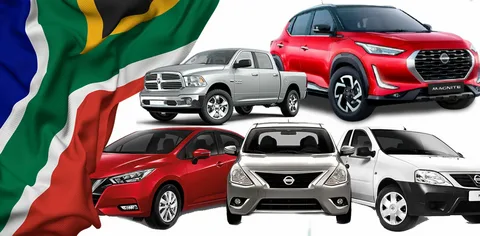
Buying a used car in South Africa can be both an exciting and overwhelming experience, thanks to the vast number of choices available. Whether you’re looking for a compact city sedan, a spacious SUV, or a rugged pickup, there’s a vehicle type for everyone, depending on your personal preferences and lifestyle. Among the most popular choices are Japanese brands, known for their exceptional reliability, low maintenance, and strong resale value. For international buyers, working with trusted exporters like UFS Auto ensures a seamless process in acquiring high-quality vehicles with peace of mind.
If you’re planning to buy a used car in South Africa, here’s a breakdown of the most popular vehicle types and some top models to consider.
Sedans: The Comfortable and Reliable Choice
Sedans are a top pick for those who prioritize comfort, fuel efficiency, and reliability. They’re especially ideal for daily commuting, city driving, and those who don’t need an excessive amount of space.
Some of the most popular sedan models in South Africa include:
- Toyota Corolla – Known for its unbeatable durability and low maintenance costs, the Corolla is a favorite among those seeking a reliable daily driver.
- Honda Civic – A stylish yet dependable option, the Civic combines performance and fuel efficiency.
- Hyundai Elantra – Practical and economical, the Elantra is a great choice for those who want an affordable vehicle without sacrificing quality.
Sedans are perfect for small families, commuters, or individuals looking for a vehicle that balances comfort, affordability, and reliability.

SUVs: The Versatile and Rugged Option
For those who need a little more space or plan on taking their vehicle off the beaten path, SUVs are an excellent choice. These vehicles offer both the comfort of a sedan and the rugged capabilities needed for more adventurous trips.
Here are some top SUV models that are popular in South Africa:
- Toyota Fortuner – A robust and durable vehicle, the Fortuner is ideal for tackling South Africa’s varied road conditions.
- Ford Everest – Known for its reliability and comfort, the Everest is a great option for family trips or weekend adventures.
- Nissan X-Trail – A practical and efficient SUV, the X-Trail offers plenty of versatility, making it a great choice for urban and rural driving alike.
SUVs are perfect for families, adventure lovers, or anyone looking for a vehicle that offers ample cargo space and can handle rough terrain with ease.
Pickups: Perfect for Business and Adventure
Pickups are highly regarded in South Africa for their ability to handle tough tasks and demanding conditions. Whether you need it for work or play, a pickup offers excellent towing capacity, rugged performance, and cargo versatility.
Popular pickup models include:
- Toyota Hilux – Known for its toughness and legendary resale value, the Hilux is an all-around workhorse, perfect for both business and off-road use.
- Ford Ranger – A highly reliable pickup, the Ranger is versatile enough for both work and leisure activities like camping or off-roading.
- Isuzu D-Max – Durable and efficient, the D-Max excels at heavy-duty tasks and is built to last.
Pickups are especially popular among small business owners, farmers, and adventurers who need a vehicle capable of transporting heavy loads or navigating through difficult terrain.
Hatchbacks: Compact and Practical
Hatchbacks are the go-to option for those seeking a compact, fuel-efficient vehicle that’s easy to maneuver in busy city traffic. They are an excellent choice for first-time buyers or anyone looking for a practical yet affordable vehicle.
Here are some top hatchback models to consider:
- Volkswagen Polo – A compact yet feature-rich vehicle, the Polo offers a great balance of performance, style, and economy.
- Honda Fit – Renowned for its reliability and low maintenance, the Fit is a practical and efficient choice for urban commuters.
- Suzuki Swift – Affordable and fun to drive, the Swift is another great hatchback for those on a budget who don’t want to compromise on quality.
Hatchbacks are perfect for city dwellers, first-time car buyers, or anyone seeking an economical and practical vehicle for everyday use.
Hybrids and Electric Vehicles: The Eco-Friendly Future
South Africa is slowly witnessing a rise in the popularity of hybrid and electric vehicles. These cars are especially appealing to environmentally conscious buyers or anyone looking to reduce fuel costs.
Popular hybrid models in South Africa include:
- Toyota Prius – One of the pioneers in hybrid technology, the Prius is efficient and reliable, offering impressive fuel savings.
- Honda Insight – Known for its blend of reliability and fuel efficiency, the Insight is an affordable hybrid option.
- Mitsubishi Outlander PHEV – A hybrid SUV that offers the best of both worlds – eco-friendliness and versatility.
Electric vehicles (EVs) are also beginning to make their mark in the market, providing eco-conscious buyers with an alternative to traditional fuel-powered cars. As the technology continues to improve, it’s expected that electric vehicles will become more accessible and prevalent.
Tips for Buying Used Cars in South Africa
When buying a used car in South Africa, there are a few important steps to follow to ensure you get a reliable vehicle at a fair price.
- Verify Dealer Reputation – Look for dealerships with positive reviews and certifications to ensure you’re working with a trustworthy seller.
- Check Vehicle History – Always ask for information about the car’s mileage, past accidents, and service records to avoid any unpleasant surprises down the road.
- Inspect the Vehicle Thoroughly – If possible, arrange for a physical inspection or ask for detailed videos to assess the vehicle’s condition.
- Compare Prices – Shop around and compare prices from different dealers to make sure you’re getting the best deal.
- Plan for Additional Costs – Don’t forget to account for insurance, registration fees, and any import duties if you’re buying a vehicle from abroad.
By working with reputable exporters like UFS Auto, international buyers can rest assured that they’ll have access to high-quality, well-inspected vehicles. UFS Auto’s team offers valuable guidance throughout the buying process, making it easier to navigate the complexities of international vehicle purchases.
Conclusion
Whether you’re searching for a reliable sedan, a versatile SUV, a rugged pickup, or even an eco-friendly hybrid, the South African used car market offers a wide range of options to suit your needs. By following a few simple tips and working with trusted dealers like UFS Auto, you can confidently purchase a vehicle that meets your lifestyle and budget requirements.
With the growing popularity of hybrids and electric vehicles, 2026 is a promising year for buyers who are ready to invest in a car that not only offers durability and performance but also supports a sustainable future.
Author


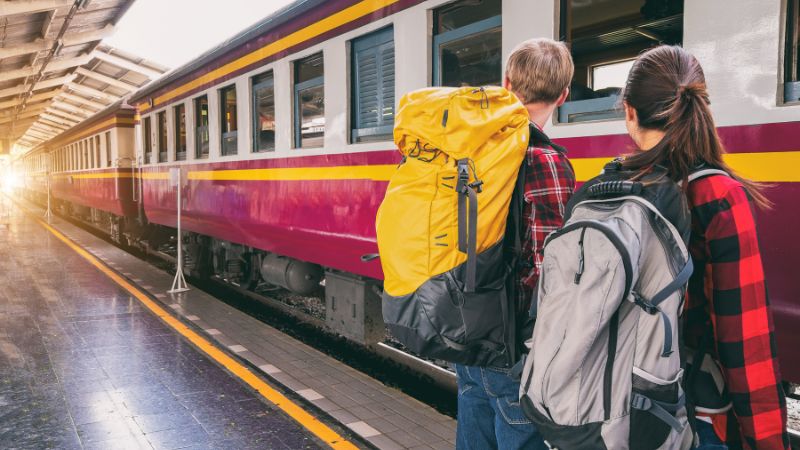
Amtrak Route 128 Westwood MA is a major transportation node in the Route 128 station. This station is operated by Amtrak and serves as a convenient rail link for both local and long-distance travelers. Route 128 station, located in Westwood, Massachusetts, is famous for its accessibility, modern infrastructure, and prime location on the Northeast Corridor.
Passengers traveling via Amtrak Route 128 Westwood MA enjoy frequent train operations that link major cities like Boston, New York, Providence, and Washington, D.C. The station has parking garages, waiting rooms, ticketing facilities, and easy highway access, making it a popular destination for passengers seeking to avoid downtown traffic. Business travelers and tourists alike depend on this station for its convenient schedules and comfortable rail travel.
Overview of Amtrak Route 128 Westwood MA Station
The Amtrak Route 128 Westwood MA station is officially known as Route 128 Station and is located at:
- 1285 University Ave, Westwood, MA 02090
- This station is an important stop on Amtrak’s Northeast Corridor line. It is also served by MBTA commuter rail, making it an excellent transfer station for both local and long-distance travelers.
- Route 128 Station is well-known for its clean facilities, easy parking access, and convenient location near major highways like I-95 and Route 128.

Why Choose Amtrak Route 128 Westwood MA?
Many travelers prefer Amtrak Route 128 Westwood MA instead of Boston South Station because it offers:
- Less crowded platforms
- Easier parking options
- Faster highway access
- Smooth drop-off and pickup area
- Convenient connections to MBTA commuter rail
For passengers living in the suburbs like Westwood, Dedham, Norwood, Canton, or even Providence, Route 128 is often the best alternative.
Amtrak Route 128 Westwood MA is an important transportation hub in Route 128 station, serving travelers across the Boston metropolitan area. Operated by Amtrak, this station provides convenient rail connections for both regional commuters and long-distance passengers. Located in Westwood, Massachusetts, Route 128 station is known for its accessibility, modern facilities, and strategic position along the Northeast Corridor.
Passengers using Amtrak Route 128 Westwood MA benefit from frequent train services connecting major cities such as Boston, New York, Providence, and Washington, D.C. The station features parking garages, waiting areas, ticketing services, and easy highway access, making it a preferred choice for travelers looking to avoid downtown congestion. Business travelers and tourists alike rely on this station for reliable schedules and comfortable rail journeys.
Amtrak Routes Available at Route 128 Westwood MA
The Amtrak Route 128 Westwood MA station is primarily served by trains operating on the Northeast Corridor. This means you can travel directly to several major cities.
Popular destinations include:
- Providence, RI
- New Haven, CT
- Stamford, CT
- New York City (Penn Station)
- Philadelphia, PA
- Baltimore, MD
- Washington, D.C.
This station is served by major Amtrak services such as:
- Amtrak Northeast Regional
- Amtrak Acela (select trains)
If you are commuting between Boston and New York frequently, Route 128 is a smart station to use.
Amtrak Acela at Route 128 Westwood MA
One of the biggest advantages of Amtrak Route 128 Westwood MA is that it supports select Acela high-speed trains. Acela is Amtrak’s premium service, offering faster travel time and business-class seating.
If you want to reach New York City in less time, Acela trains from Route 128 are a great option. Amtrak Route 128 Westwood MA is an important transportation hub in Route 128 station, serving travelers across the Boston metropolitan area. Operated by Amtrak, this station provides convenient rail connections for both regional commuters and long-distance passengers.
Located in Westwood, Massachusetts, Route 128 station is known for its accessibility, modern facilities, and strategic position along the Northeast Corridor. Passengers using Amtrak Route 128 Westwood MA benefit from frequent train services connecting major cities such as Boston, New York, Providence, and Washington, D.C. The station features parking garages, waiting areas, ticketing services, and easy highway access, making it a preferred choice for travelers looking to avoid downtown congestion. Business travelers and tourists alike rely on this station for reliable schedules and comfortable rail journeys.
MBTA Connection at Route 128 Station
Route 128 Station is not only an Amtrak station it’s also an MBTA commuter rail station.
The MBTA Providence/Stoughton Line stops here, making it easy for travelers to connect between:
- Boston South Station
- Back Bay Station
- Providence Station
This makes Amtrak Route 128 Westwood MA a key transportation hub for both daily commuters and long-distance travelers.
Parking at Amtrak Route 128 Westwood MA
Amtrak Route Parking is one of the biggest reasons travelers prefer Route 128 Station.
Parking Features:
- Large parking garage and surface lots
- Paid parking available daily
- Accessible parking spaces
- Safe and well-lit parking areas
If you’re traveling for a weekend trip or a business visit, Route 128 parking is far easier compared to downtown Boston stations.
Parking Tips:
- Arrive early during peak travel times
- Keep your ticket or payment receipt safe
- Use the garage if traveling during winter for extra protection
The Amtrak Route 128 Westwood MA parking area is ideal for long-distance travelers who want peace of mind while leaving their car behind.
Station Facilities and Amenities
Amenities include:
- Indoor waiting area
- Restrooms
- Ticket vending machines
- Amtrak ticket counter (limited hours)
- Elevators and escalators
- Accessible boarding platforms
- Wi-Fi access in some areas
- Nearby food and coffee options
The station is designed to be comfortable for both short and long waits.
Location and Instructions for Amtrak Route 128 Westwood MA
The station is located close to major highways, making it very easy to reach.
Best ways to reach the station:
- From Boston: Drive south via I-95
- From Providence: Drive north via I-95
- From nearby towns: Use Route 1 or Route 128
The station is near University Avenue in Westwood, which also has shopping centers, restaurants, and business offices.
If you’re using GPS, search Amtrak Route 128 Westwood MA for the most accurate directions.
Ticket Booking Options
Booking tickets for Amtrak Route 128 Westwood MA is simple. You can purchase tickets through:
- Amtrak official website
- Amtrak mobile app
- Ticket vending machines at the station
- Ticket counter (if open)
It’s recommended to book early, especially for Acela trains, as prices rise closer to departure.
Travel Tips for Route 128 Station
If you’re planning to use Amtrak Route 128 Westwood MA, here are some helpful travel tips:
1. Arrive Early
Try to arrive at least 30–45 minutes before departure, especially if you need parking.
2. Keep Your Ticket Ready
Amtrak conductors usually scan tickets onboard, so keep your phone or printed ticket accessible.
3. Choose Your Seat Quickly
On Northeast Regional trains, seating is often open. Boarding early helps you get a better seat.
4. Watch for Platform Announcements
Pay attention to digital boards and announcements, as platform changes may happen.
5. Use Route 128 for Faster Pickup
If someone is picking you up, Route 128 is easier than downtown Boston stations.
Nearby Hotels and Attractions
If you’re traveling through Amtrak Route 128 Westwood MA, there are plenty of nearby hotels and attractions.
Nearby Hotels:
- Courtyard by Marriott Boston Dedham/Westwood
- Hilton Garden Inn Foxborough
- Hampton Inn Boston Norwood
Nearby Attractions:
- Legacy Place Shopping Center
- University Station shopping and dining
- Gillette Stadium (short drive)
- Blue Hills Reservation
This makes Route 128 an excellent stop for both business and leisure travelers.
Is Amtrak Route 128 Westwood MA Better Than Boston South Station?
For many travelers, yes.
Route 128 is better if you:
- Want easier parking
- Prefer less crowded station platforms
- Live outside Boston
- Want faster highway access
South Station is better if you:
- Are already in downtown Boston
- Need access to subway lines
- Want more food and shopping options inside the station
Overall, Amtrak Route 128 Westwood MA is a great alternative for anyone traveling from suburban Boston areas.
Final Thoughts
The Amtrak Route 128 Westwood MA station is one of the best and most convenient train stations in the Greater Boston region. With access to Amtrak Northeast Regional, select Acela services, MBTA commuter rail connections, and easy parking, it is a top choice for both commuters and long-distance travelers.
Author



Lifestyle Benefits of Queensland Retirement Villages

Automotive SEO Company: How SEO Helps Dealers Attract More Customers

Rhinestone Jackets Outfit Guide: Shine in Style Anywhere

Safe and Smooth Late Night After Party Chauffeur Dubai

Dubai School Transport Services – Safe & Timely Pickups

Hire a Personal Driver in Dubai UAE Today

Peptide Treatment Near Me | Dubai’s Trusted Clinic

What Is a 24/7 Pet Clinic in Dubai and When to Seek One

Comme Des Garcons Clothing Bold Style for Modern Fashion Lovers

DevOps Vs Traditional IT

Cybersecurity Consulting Company SequelNet Provides Critical IT Support Services to Medical Billing Firm, Medical Optimum

Team Communication Software Transforms Operations at Finance Innovate

Project Management Tool Transforms Long Island Business

How Alleviate Poverty Utilized IPPBX’s All-in-One Solution to Transform Lives in New York City

Breast Cancer: The Imperative Role of Mammograms in Screening and Early Detection

Unstoppable Collaboration: D.C.’s Citi Open and Silicon Valley Classic Unite to Propel Women’s Tennis to New Heights

Embracing Renewal: Sizdabedar Celebrations Unite Iranians in New York’s Eisenhower Park

The Benefits of Starting a Side Hustle for Financial Freedom

New Blood Donation Screening Questions What You Need to Know

Stylishly Timeless: The 5 Types of Sandals You Need in Your Closet
-

 Business3 years ago
Cybersecurity Consulting Company SequelNet Provides Critical IT Support Services to Medical Billing Firm, Medical Optimum
-
Business3 years ago
Team Communication Software Transforms Operations at Finance Innovate
-
Business3 years ago
Project Management Tool Transforms Long Island Business
-
Business3 years ago
How Alleviate Poverty Utilized IPPBX’s All-in-One Solution to Transform Lives in New York City
-
health3 years ago
Breast Cancer: The Imperative Role of Mammograms in Screening and Early Detection
-
Sports3 years ago
Unstoppable Collaboration: D.C.’s Citi Open and Silicon Valley Classic Unite to Propel Women’s Tennis to New Heights
-
Art /Entertainment3 years ago
Embracing Renewal: Sizdabedar Celebrations Unite Iranians in New York’s Eisenhower Park
-
Finance3 years ago
The Benefits of Starting a Side Hustle for Financial Freedom







