
Maintenance
The Role of Smart Terminals and Terminal Management Systems


As manufacturing and energy operations become more complex and data-intensive, organizations are increasingly turning to smart terminals to improve efficiency, reliability, and safety. At the center of this transformation is the terminal management system, a digital backbone that connects equipment, people, and processes across the operational value chain. When combined with advanced analytics and integrated with a downstream commercial control system, smart terminals enable real-time decision-making and significantly reduce downtime.
This article explores how smart terminals function in manufacturing and energy sectors, the role of terminal management systems, and why their integration with downstream commercial control systems is becoming essential.

Understanding Smart Terminals
Smart terminals are digitally enabled operational hubs that manage the movement, storage, and processing of materials such as raw inputs, intermediate products, and finished goods. In manufacturing, this may involve handling chemicals, components, or bulk materials. In the energy sector, smart terminals often manage fuels, gases, lubricants, or petrochemical products.
Unlike traditional terminals that rely heavily on manual coordination, smart terminals use automation, sensors, and software platforms to monitor throughput, equipment health, inventory levels, and operational constraints in real time. The terminal management system acts as the central command layer, orchestrating these activities while ensuring compliance, safety, and efficiency.
Role of a Terminal Management System in Manufacturing
In manufacturing environments, terminals are critical choke points. Delays in material intake, internal transfers, or outbound logistics can quickly ripple across production lines.

A modern terminal management system helps manufacturers by:
-
Optimizing material flow: It schedules inbound and outbound movements to avoid congestion and idle time.
-
Enhancing visibility: Real-time dashboards show inventory levels, equipment status, and throughput performance.
-
Reducing manual intervention: Automated workflows replace paper-based processes, minimizing errors.
-
Improving maintenance planning: Predictive insights highlight equipment issues before failures occur.
By centralizing control, the terminal management system ensures that materials arrive at the right place, at the right time, and in the right quantity—supporting lean manufacturing and just-in-time production strategies.
Smart Terminals in the Energy Sector
In the energy sector, terminals play a vital role in downstream operations, including storage, blending, and distribution. The stakes are particularly high: safety risks, regulatory requirements, and volatile demand patterns require precise coordination.
Here, a terminal management system supports:
-
Safe handling of hazardous materials through automated checks, interlocks, and compliance reporting.
-
Throughput optimization by balancing loading, unloading, and storage capacity.
-
Real-time reconciliation between physical volumes and commercial records.
-
Integration with enterprise systems for planning, billing, and compliance.
Energy terminals increasingly rely on AI-enabled capabilities within the terminal management system to forecast demand, identify bottlenecks, and dynamically adjust schedules.
Integration with Downstream Commercial Control System
While operational efficiency is critical, commercial accuracy is equally important. This is where the downstream commercial control system comes into play.
A downstream commercial control system manages contracts, pricing, invoicing, nominations, and regulatory reporting. When integrated with the terminal management system, it creates a seamless bridge between physical operations and commercial execution.
Key benefits of this integration include:
-
Accurate volume and quality data: Automated data transfer reduces discrepancies between measured and billed quantities.
-
Faster reconciliation: Real-time synchronization minimizes delays in closing transactions.
-
Improved compliance: Regulatory and contractual obligations are enforced consistently across systems.
-
Enhanced profitability: Better alignment between operations and commercial decisions reduces losses and penalties.
For both manufacturing and energy companies, this integration ensures that operational excellence directly translates into commercial performance.
AI and Advanced Analytics in Smart Terminals
Smart terminals go beyond basic automation by leveraging AI and advanced analytics embedded within the terminal management system. These capabilities enable:
-
Predictive downtime reduction: Machine learning models identify early warning signs of equipment or process failures.
-
Dynamic throughput planning: AI adjusts schedules based on real-time constraints such as weather, demand shifts, or equipment availability.
-
Scenario analysis: Operators can simulate operational changes and understand their impact before execution.
When insights from AI-driven terminal management systems feed into the downstream commercial control system, organizations can make faster, more informed decisions that balance operational feasibility with commercial priorities.
Strategic Value for Manufacturing and Energy Leaders
Adopting smart terminals is not just a technology upgrade—it is a strategic move. Manufacturing and energy leaders gain:
-
Greater resilience against disruptions
-
Lower operating costs through reduced downtime
-
Higher asset utilization and throughput
-
Stronger alignment between operations and commercial outcomes
As markets become more competitive and regulatory scrutiny increases, the ability to operate terminals intelligently and transparently becomes a key differentiator.
Conclusion
Smart terminals are reshaping how manufacturing and energy companies manage complex operations. At the heart of this transformation lies the terminal management system, enabling real-time visibility, automation, and AI-driven optimization. When tightly integrated with a downstream commercial control system, organizations achieve a unified view of physical and commercial performance.
Together, these systems help reduce downtime, improve throughput, enhance safety, and ensure that operational efficiency directly supports business objectives. As digital transformation accelerates, smart terminals will continue to play a critical role in building more efficient, resilient, and profitable industrial operations.
Author


Why Door Installation Is Important
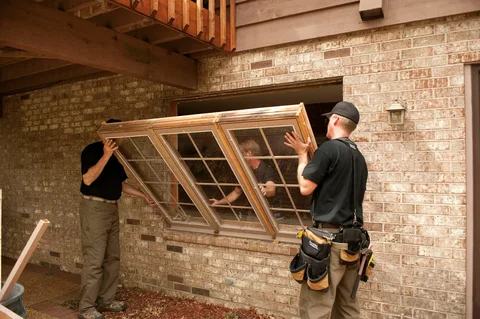
Many homeowners focus mainly on the design or material of a door, but installation plays an equally important role. Even the highest-quality door can perform poorly if it is not installed correctly.
Improper installation can lead to a variety of problems such as air leaks, water infiltration, security issues, and difficulty opening or closing the door. A properly installed door, on the other hand, fits securely within the frame and operates smoothly.
Professional installers ensure that the door is aligned correctly, sealed properly, and secured firmly in place. This contributes to lengthening the door’s longevity and enhances your home’s comfort.

Benefits of Installing a New Door
Upgrading your doors can bring several benefits to your home. One of the most important advantages is improved security. Modern doors are designed with stronger materials and advanced locking systems, making them much more resistant to forced entry.
Another key benefit is improved energy efficiency. Older doors often allow drafts to enter the home due to worn seals or gaps in the frame. Installing a new door with proper insulation helps maintain indoor temperatures and reduces heating or cooling costs.
New doors can also improve the appearance of your property. The front door is often one of the first things visitors notice when approaching a home. A stylish and well-installed door can significantly enhance curb appeal.
In addition, modern doors often provide better sound insulation, helping reduce noise from outside and creating a more peaceful indoor environment.
Types of Doors Available for Homes
There are many different types of doors available for residential properties. Each type offers unique benefits depending on your needs and the layout of your home.
Front entry doors are designed to provide both security and aesthetic appeal. They are typically built from strong materials such as composite, wood, or steel.
Patio doors are commonly used to connect indoor spaces with gardens or outdoor areas. Sliding patio doors are particularly popular because they save space and allow natural light to enter the home.
French doors are another elegant option. These doors usually feature glass panels and open outward or inward, creating a stylish connection between indoor and outdoor spaces.
Interior doors are also important for maintaining privacy and separating different areas within the home. These doors come in various styles and materials to match the overall interior design.
Materials Used in Modern Doors
Modern doors are made from a variety of materials, each offering different advantages.
uPVC doors are widely used because they are affordable, durable, and require very little maintenance. They are resistant to weather damage and do not rot or rust.
Composite doors are made from a combination of materials such as wood, glass-reinforced plastic, and insulating foam. These doors are known for their strength, durability, and excellent insulation properties.
Wooden doors offer a classic and timeless appearance. They are often chosen for traditional homes because of their natural beauty. However, wooden doors require regular maintenance to protect them from moisture and weather damage.
Aluminum doors are also becoming increasingly popular. They are lightweight, strong, and provide a modern look that suits contemporary homes.
The Professional Door Installation Process
Installing a door involves several important steps. Professional installers begin by measuring the door opening carefully. Precise measurements are crucial to guarantee that the door fits correctly. If an old door is present, it is carefully removed without damaging the surrounding structure. The frame is then inspected for any signs of damage or misalignment.
Next, the new door is placed into the frame and secured using hinges and fasteners. Installers ensure that the door opens and closes smoothly without rubbing against the frame. After the door is properly positioned, weather seals and insulation materials are applied around the edges. This helps prevent drafts, water leaks, and energy loss. Finally, the locking system and handles are installed and tested to ensure they function correctly.
Energy Efficiency and Insulation
Energy efficiency is a major concern for many homeowners today. Doors play a significant role in maintaining indoor temperatures.
Modern doors are designed with insulated cores and high-quality weather seals. These features help prevent heat from escaping during winter and keep cool air inside during summer.
When doors are installed correctly, they create a tight seal that reduces energy loss. This helps lower heating and cooling costs while improving overall indoor comfort.
Security Advantages of Modern Doors
Security is another important reason to upgrade your doors. Modern doors are designed with advanced security features such as multi-point locking systems and reinforced frames.
Multi-point locks secure the door at several points along the frame, making it more difficult for intruders to force the door open. Reinforced frames and durable materials provide additional protection.
Professional installation ensures that all security components are properly aligned and functioning as intended.
Choosing the Right Door Installation Service
Selecting a reliable door installation service is crucial for achieving the best results. Homeowners should look for companies with experienced technicians, positive customer reviews, and a strong reputation in the local area.
A professional installation company will provide clear pricing, quality materials, and expert guidance throughout the entire process. They can also recommend the best door styles and materials based on your home’s design and budget.
Maintaining Your New Door
Once a new door is installed, proper maintenance is important to keep it functioning well. Homeowners should regularly check hinges, locks, and seals to ensure everything is working properly.
Cleaning the door surface and lubricating moving parts can help extend its lifespan. Wooden doors may require occasional repainting or sealing to protect them from weather damage.
Regular maintenance helps ensure that your door continues to provide security, insulation, and aesthetic appeal for many years.
Conclusion
Installing a new door is one of the most effective ways to improve the comfort, security, and appearance of your home. With professional installation, homeowners can enjoy doors that operate smoothly, provide excellent insulation, and enhance the overall value of the property.
Author


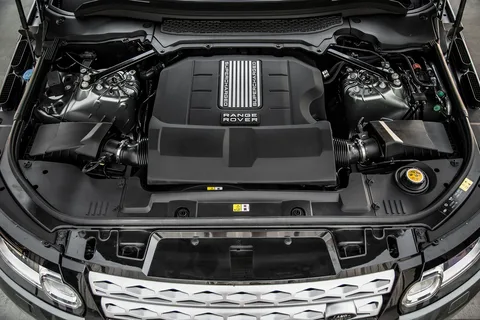
Luxury SUVs have evolved into highly sophisticated machines that combine power, refinement, and off-road capability. Few brands represent this blend better than Range Rover. Known for premium interiors, advanced technology, and exceptional off-road performance, these vehicles rely on complex engineering to deliver their signature driving experience. At the center of this engineering lies the engine, a system designed to balance strength and precision under demanding conditions.
Yet even the most refined luxury vehicles occasionally face mechanical challenges. Over the years, some owners have reported timing chain concerns in certain models. While these issues are not universal, they have sparked discussions among enthusiasts, mechanics, and prospective buyers who want to understand how engine design, maintenance habits, and driving conditions influence long-term reliability. Learning how a Range Rover Engine functions—and why timing chain wear can develop—helps owners protect their investment and maintain the performance expected from one of the world’s most iconic luxury SUVs.
The Role of Precision Engineering in a Range Rover Engine
A modern luxury SUV relies heavily on precise mechanical synchronization. The design of a Range Rover Engine reflects years of engineering refinement aimed at delivering both performance and durability. These engines must handle high torque, long highway journeys, and demanding off-road situations without compromising efficiency or comfort.
Luxury vehicle engineering focuses on balancing performance with reliability. High-performance SUV engines include advanced features such as variable valve timing, turbocharging systems, and electronic engine management systems. Each component must work together seamlessly.
Within this system, the timing chain ensures the camshaft and crankshaft rotate in perfect harmony. When synchronization is correct, the engine operates smoothly and efficiently. If the timing chain begins to stretch or tensioners lose their effectiveness, the engine’s internal timing can shift slightly. Even a minor misalignment can influence performance or trigger warning signals.
Because Range Rover Engines are designed to produce significant power for large vehicles, maintaining precise timing becomes especially important for long-term engine reliability.
Understanding Timing Chain Function in Luxury SUV Engines
Timing chains are often described as the backbone of engine synchronization. Unlike older timing belts that require periodic replacement, chains are usually designed to last much longer. Inside a Range Rover Engine, the timing chain connects rotating components and ensures valves open and close at the correct moment during combustion.
This synchronization directly affects fuel efficiency, engine power, and emissions performance. If the timing chain becomes loose or worn, the delicate balance between air intake, fuel injection, and exhaust release can be disrupted.
Modern luxury car technology makes engines more efficient but also more sensitive to small mechanical changes. A slight variation in timing can cause noticeable performance differences. Drivers may observe reduced power, rough idle behavior, or diagnostic warnings.
Because timing chains operate continuously while the engine runs, they are subject to constant mechanical stress. Over time, wear can develop, especially in engines that experience heavy loads or inconsistent maintenance.
Why Timing Chain Wear Appears in Some Range Rover Engine Designs
Timing chain concerns rarely result from a single cause. Instead, several factors may contribute to wear in a Range Rover Engine. One of the most common reasons involves the tensioning system that keeps the chain properly aligned. If tensioners weaken, the chain may loosen slightly and create irregular movement.
Another factor relates to lubrication quality. Engine oil must circulate efficiently to reduce friction between moving parts. When oil degrades or becomes contaminated, internal components—including the timing chain—experience increased stress.
Engine design also plays a role. Some high-output engines prioritize power and efficiency, which can place additional strain on mechanical parts. This is why discussions around Range Rover Evoque Engine Problems sometimes include references to timing chain noise or tensioner wear after extended mileage.
Despite these concerns, most engines operate reliably for many years. The key factor is how well the vehicle has been maintained and whether early symptoms are addressed quickly.
Warning Signs Owners Should Never Ignore
Timing chain wear typically develops gradually rather than suddenly. Owners may notice subtle changes in engine behavior before serious damage occurs. A common early symptom is a rattling sound during engine startup, especially after the vehicle has been parked overnight.
In a Range Rover Engine, that sound may indicate the chain tensioner is struggling to maintain proper alignment. Another warning sign can appear through dashboard alerts such as a Check Engine Range Rover notification. Diagnostic systems in modern vehicles monitor timing accuracy and may detect inconsistencies.
Drivers might also notice decreased fuel efficiency or hesitation during acceleration. While these symptoms can be linked to various mechanical issues, they sometimes point toward internal timing irregularities.
Ignoring these signals can allow wear to progress further, increasing the risk of internal engine damage.
How Driving Habits Influence Engine Longevity
Driving style plays a surprisingly important role in engine durability. A Range Rover Engine designed for premium off-road vehicles often experiences varied conditions, from highway cruising to steep terrain climbing.
Frequent short trips may prevent engine oil from reaching optimal temperature, reducing lubrication efficiency. On the other hand, aggressive acceleration or towing heavy loads places additional strain on engine components.
Luxury SUV performance engines operate best when driven consistently and serviced regularly. Owners who maintain stable driving patterns and avoid excessive engine stress often report fewer mechanical issues over time.
These real-world factors explain why two identical vehicles can show very different reliability histories depending on how they were used and maintained.
The Importance of Professional Diagnostics
When timing chain symptoms appear, professional inspection becomes essential. Many owners choose to consult a Range Rover Engine Specialist because these technicians understand the specific mechanical layouts used in different models.
Specialists typically perform detailed diagnostic checks, including electronic scans and mechanical inspections. They may evaluate chain tension, listen for abnormal sounds, and examine oil quality.
If internal damage has already occurred, some owners consider searching for a Range Rover Engine For Sale to replace the original unit. While full engine replacement is uncommon, it can sometimes be the most practical option for vehicles with extremely high mileage or severe mechanical wear.
Professional diagnosis helps determine whether a minor repair or a more significant solution is necessary.
Reliable Engines in the Range Rover Lineup
Not every engine generation has experienced the same level of scrutiny. In fact, several engines have developed strong reputations for durability. Among enthusiasts, the Range Rover I322 Best Engine is often praised for its reliability and robust performance.
Similarly, the Range Rover Velar Engine lineup showcases modern engineering designed to balance power with efficiency. These engines benefit from improved materials and refined lubrication systems that reduce long-term wear.
When discussing the Best Range Rover Engine, many mechanics emphasize that reliability often depends more on maintenance history than the engine model itself. Regular servicing, high-quality oil, and early problem detection can significantly extend the lifespan of any engine design.
How Discovery Models Share Engineering DNA
The broader Land Rover family provides useful comparisons when evaluating engine reliability. The Land Rover Land Rover Discovery range follows similar engineering principles, focusing on durability and off-road performance.
Vehicles like the Discovery 3 and later generations share components and mechanical concepts with certain Range Rover models. The Discovery Land Rover Car lineup demonstrates how the manufacturer applies consistent engineering philosophy across different vehicles.
In the used vehicle market, buyers frequently search listings such as Land Rover Discovery 3 For Sale or Used Land Rover Discovery 3 For Sale when evaluating alternatives to luxury SUVs. Options like Discovery 4 For Sale or a Used Land Rover Discovery also attract attention from drivers seeking capable off-road vehicles.
When browsing listings labeled Discovery For Sale, many buyers compare engine durability between Range Rover and Discovery models before making a purchase.
Why Timing Chain Issues Do Not Define Range Rover Reliability
Timing chain concerns have attracted attention in automotive discussions, but they represent only one aspect of overall engine reliability. A well-maintained Range Rover Engine often delivers exceptional performance and longevity.
Owners who follow proper SUV maintenance routines frequently report smooth engine operation even after many years of driving. High-quality oil, routine inspections, and professional diagnostics help prevent many mechanical issues before they escalate.
Because these vehicles are engineered for both luxury and capability, they remain among the most respected premium off-road vehicles in the world. Even when occasional mechanical challenges arise, the overall ownership experience continues to appeal to drivers seeking performance and refinement.
Timing chain problems in certain Range Rover models highlight the complexity of modern high-performance SUV engines. These systems operate under constant mechanical stress, and factors such as lubrication quality, driving conditions, and component wear can influence long-term reliability. In a Range Rover Engine, the timing chain plays a crucial role in maintaining perfect synchronization between internal parts, making early maintenance essential.
Fortunately, most timing chain concerns develop gradually and can be addressed through proactive servicing and professional diagnostics. Consulting an experienced specialist, monitoring dashboard alerts like a Check Engine Range Rover warning, and maintaining regular oil changes all contribute to preserving engine health.
Despite occasional challenges, Range Rover vehicles continue to represent the pinnacle of luxury SUV performance. Their advanced engineering, refined design, and exceptional capability ensure they remain highly respected in the global automotive market.
Author



A strong and well-maintained roof is essential for protecting your home or commercial property from the elements. In a city like Bristol, where rainfall, wind, and seasonal temperature changes are common, roofing systems face constant stress. With time, this exposure may result in degradation, leaks, and damage to the structure. That’s why professional Roof Repairs in Bristol are crucial for maintaining property safety, value, and long-term durability.
Whether you are dealing with a minor leak, broken tiles, storm damage, or aging roofing materials, timely repair services can prevent small issues from turning into costly structural problems. In this complete guide, we’ll explore common roofing problems, repair solutions, costs, maintenance tips, and how to choose the right contractor in Bristol.
Why Roof Repairs Are So Important
Your roof acts as the first line of defense against rain, wind, frost, and even sunlight. When any part of the roofing system becomes damaged, water can penetrate the structure. Moisture buildup may lead to:
- Damp patches on ceilings
- Mold and mildew growth
- Rotting timber beams
- Damaged insulation
- Electrical hazards
- Reduced energy efficiency
Ignoring small signs like a loose tile or minor leak can result in significant structural damage over time. Quick and professional roof repairs help avoid expensive full replacements.

Common Roofing Problems in Bristol
Bristol properties include traditional slate roofs, clay tile systems, and modern flat roofing structures. Each type has unique repair needs. Some of the most common roofing issues include:
1. Broken or Slipped Tiles
Strong winds and aging mortar can cause tiles to shift or break. Even one missing tile can allow water to seep into the roof structure.
2. Damaged Slate Roofing
Slate is durable but can crack due to impact or weather stress. Individual slates may need replacing to maintain protection.
3. Flat Roof Leaks
Flat roofs are prone to water pooling if drainage is inadequate. Membrane tears or worn-out seals often cause leaks.
4. Flashing Failure
Flashing around chimneys, vents, and skylights prevents water entry. Over time, it may loosen or corrode, causing leaks.
5. Gutter and Drainage Problems
Blocked gutters can lead to water overflow, damaging walls and foundations.
6. Storm Damage
Heavy storms can dislodge tiles, damage ridge lines, or expose underlayment materials.
Recognizing these issues early ensures prompt and effective repair.
Signs You Need Roof Repairs
Sometimes roof damage is obvious, but other times it’s subtle. Look out for these warning signs:
- Water stains on ceilings or walls
- Dripping sounds during rainfall
- Missing or cracked tiles visible from ground
- Sagging roof sections
- Daylight visible in attic
- Rising heating bills
- Moss or algae growth
If you notice any of these issues, contacting a professional roofing contractor is highly recommended.
Types of Roof Repair Services
Professional roofing companies in Bristol offer a wide range of services tailored to different property types.
Tile and Slate Replacement
Damaged or missing tiles are carefully removed and replaced with matching materials to maintain the roof’s appearance and durability.
Flat Roof Repairs
Specialists repair EPDM rubber roofing, GRP fiberglass systems, or felt roofs by sealing cracks, replacing sections, or improving drainage.
Ridge Tile Repointing
Loose ridge tiles can be reset and repointed to restore stability and prevent water infiltration.
Chimney and Flashing Repairs
Repairing flashing prevents leaks around structural openings.
Emergency Roof Repairs
When severe weather strikes, emergency roofers provide immediate response, including temporary tarping and structural stabilization.
Roof Repairs vs Roof Replacement
Many homeowners wonder whether they should repair or replace their roof. The answer depends on several factors:
- Age of the roof
- Extent of damage
- Frequency of previous repairs
- Overall structural condition
If your roof is relatively new and damage is limited to specific areas, repairs are typically sufficient. However, if the roof is over 20–25 years old and shows widespread wear, replacement may be more cost-effective in the long run.
A professional inspection helps determine the best solution.
The Roof Inspection Process
Professional roof repair services usually begin with a detailed inspection. This includes:
- External visual assessment
- Checking flashing and ridge tiles
- Inspecting gutters and drainage
- Internal attic inspection
- Moisture detection
After inspection, the contractor provides a written report outlining necessary repairs and estimated costs.
Factors That Affect Roof Repair Costs
The cost of Roof Repairs in Bristol varies depending on:
- Roof size and pitch
- Type of materials
- Extent of damage
- Accessibility
- Urgency of repair
Minor tile replacements are usually affordable, while structural repairs or large flat roof fixes may cost more. Always request a detailed quotation to ensure transparency.
Benefits of Hiring Professional Roofers
Hiring experienced roofing contractors offers several advantages:
- Proper safety equipment and procedures
- High-quality materials
- Expert craftsmanship
- Warranty coverage
- Compliance with local building regulations
DIY repairs may seem cheaper, but improper fixes often lead to further damage and higher long-term costs.
Preventative Maintenance Tips
Preventative care significantly reduces the risk of major roofing problems. Here are some practical tips:
- Schedule annual professional inspections
- Clean gutters at least twice a year
- Remove moss buildup carefully
- Trim overhanging branches
- Check roof after heavy storms
Regular maintenance extends roof lifespan and saves money over time.
Seasonal Roofing Challenges in Bristol
Bristol’s climate presents different challenges throughout the year:
- Winter: Frost and heavy rain increase leak risks.
- Spring: Moss growth becomes more noticeable.
- Summer: UV exposure may weaken flat roof membranes.
- Autumn: Fallen leaves clog gutters and drainage systems.
Seasonal inspections help detect issues before they worsen.
Energy Efficiency and Roof Repairs
A damaged roof reduces insulation effectiveness, allowing heat to escape during winter and enter during summer. Proper repairs restore insulation performance, lower energy bills, and improve indoor comfort.
Upgrading underlayment during repairs can further enhance energy efficiency.
Choosing the Right Roofing Contractor in Bristol
- Local experience
- Positive customer reviews
- Proper insurance coverage
- Clear written contracts
- Workmanship warranties
Avoid contractors who offer extremely low prices without documentation. Quality repairs require proper materials and skilled labor.
Emergency Roof Repairs – What to Do
- Stay safe and avoid climbing onto the roof.
- Move valuables away from leak areas.
- Contact an emergency roofing professional.
- Document damage for insurance claims.
Quick response minimizes further structural damage.
Long-Term Value of Professional Roof Repairs
Investing in professional roof repair services protects your property’s structural integrity and market value. A well-maintained roof enhances curb appeal and reassures potential buyers.
Regular inspections and timely repairs help avoid expensive full replacements and unexpected emergencies.
Conclusion
Your roof is one of the most important components of your property. Bristol’s changing weather conditions can gradually weaken roofing systems, making regular maintenance and timely intervention essential. Professional Roof Repairs in Bristol provide reliable, safe, and long-lasting solutions for both residential and commercial properties.
Author



Robotic-Assisted Body Lift Post-Weight Loss Surgery

Call Center Companies: BPO Services & Customer Support

Curtain & Cushion Design Ideas for Modern House Design

Skin Whitening in Islamabad: Natural Tips, and Skincare Routine

Biological Seed Treatment Market: Trends, Growth, and Future

Essentials Hoodie Care Tips to Make It Last Longer

Joshua Jamal Camo Shorts & Streetwear Collection

Ear Reshaping Without Surgery: Cost, Benefits & Results

Malaysia Export Synthetic Filament Tow: Trends and Market

Airtool: Application Platform for Modern Business Automation

Cybersecurity Consulting Company SequelNet Provides Critical IT Support Services to Medical Billing Firm, Medical Optimum

Team Communication Software Transforms Operations at Finance Innovate

Project Management Tool Transforms Long Island Business

How Alleviate Poverty Utilized IPPBX’s All-in-One Solution to Transform Lives in New York City

Breast Cancer: The Imperative Role of Mammograms in Screening and Early Detection

Unstoppable Collaboration: D.C.’s Citi Open and Silicon Valley Classic Unite to Propel Women’s Tennis to New Heights

Embracing Renewal: Sizdabedar Celebrations Unite Iranians in New York’s Eisenhower Park

The Benefits of Starting a Side Hustle for Financial Freedom

New Blood Donation Screening Questions What You Need to Know

Stylishly Timeless: The 5 Types of Sandals You Need in Your Closet
-

 Business3 years ago
Cybersecurity Consulting Company SequelNet Provides Critical IT Support Services to Medical Billing Firm, Medical Optimum
-
Business3 years ago
Team Communication Software Transforms Operations at Finance Innovate
-
Business3 years ago
Project Management Tool Transforms Long Island Business
-
Business3 years ago
How Alleviate Poverty Utilized IPPBX’s All-in-One Solution to Transform Lives in New York City
-
health3 years ago
Breast Cancer: The Imperative Role of Mammograms in Screening and Early Detection
-
Sports3 years ago
Unstoppable Collaboration: D.C.’s Citi Open and Silicon Valley Classic Unite to Propel Women’s Tennis to New Heights
-
Art /Entertainment3 years ago
Embracing Renewal: Sizdabedar Celebrations Unite Iranians in New York’s Eisenhower Park
-
Finance3 years ago
The Benefits of Starting a Side Hustle for Financial Freedom







