
Finance
The Ripple Effect: How ECB’s Bond Holdings Reductions are Affecting Investors Worldwide?


Are you wondering how the European Central Bank’s (ECB) bond holdings reductions are impacting investors globally? Look no further! In this blog post, we’ll explore the ripple effect of ECB’s decision to taper its bond purchases and examine how it has affected market dynamics, interest rates, and investment opportunities worldwide. Get ready to dive into an exciting discussion about one of the hottest topics in finance today!
What is the Ripple Effect?
The ripple effect is the name given to the domino effect that is created when one event sets off a chain of similar events. The term is often used in the financial world to describe how a small change in one market can have a big impact on another market.
For example, if the European Central Bank (ECB) decides to reduce its holdings of government bonds, this could cause investors to sell their own bond holdings in anticipation of lower prices. This selling could then drive down the price of bonds and lead to higher interest rates. Higher interest rates would then make it more expensive for companies to borrow money and could lead to slower economic growth.
The ripple effect can also work in reverse. For example, if the ECB were to increase its holdings of government bonds, this could lead to lower interest rates and spur economic growth.
In recent years, the ECB has been reducing its holdings of government bonds as part of its quantitative easing program. This has led to concerns about the possible ripple effects on global markets. However, so far there have been no major disruptions and markets have remained relatively stable.

How ECB’s Bond Holdings Reductions are Affecting Investors Worldwide
ECB’s decision to reduce its holdings of government bonds is having a ripple effect on investors worldwide. The move has caused the prices of government bonds to fall, and yield curves to flatten, in developed markets. This has led to increased volatility in world financial markets and heightened concerns about the global economic outlook.
In the short term, the reduction in ECB bond holdings is likely to continue to put downward pressure on bond prices and lead to further flattening of yield curves. This could have implications for global growth and inflation, as well as financial stability. In the longer term, the reduction in ECB bond holdings could lead to higher interest rates and a more hawkish monetary policy stance from the central bank. This could have far-reaching consequences for global economic growth and inflation.
Who is Affected by the Ripple Effect?
The European Central Bank’s (ECB) decision to reduce its bond holdings is having a ripple effect on investors worldwide. Here’s a look at how the ECB’s decisions are affecting different types of investors:
-Institutional investors: The ECB’s policy change is causing institutional investors to rethink their portfolios. Many are concerned about the impact of the reduction in bond holdings on the European economy and markets. Some institutional investors are selling their European stocks and bonds and investing elsewhere.
-Retail investors: Retail investors are also reassessing their portfolios in light of the ECB’s policy change. Many are concerned about the potential impact of reduced bond holdings on the European economy and markets. Some retail investors are selling their European stocks and bonds and investing elsewhere.
– Hedge funds: Hedge funds have been among the most active traders in response to the ECB’s policy change. Many hedge funds have been shorting European stocks and bonds, betting that the reduction in bond holdings will weigh on the region’s economy and markets.
What can be Done to mitigate the Ripple Effect?
The ECB’s decision to reduce its holdings of government bonds has led to a ripple effect among investors worldwide. Many are now wondering what can be done to mitigate the impact of this move.
One option is for the ECB to reconsider its decision. This would provide some relief to investors who are worried about the potential consequences of the bond reduction. Another possibility is for other central banks to step in and purchase bonds from the ECB, which would help to offset the reduction in demand.
Investors also have the option of taking matters into their own hands and actively managing their portfolios to adapt to the new landscape. This may involve diversifying one’s investments or shifting away from bonds altogether. Whatever course of action is taken, it is important to remain calm and rational in order to make sound decisions.
Conclusion
The ripple effect of the ECB’s bond holdings reductions is having a profound impact on investors worldwide. This decision has led to higher borrowing costs, lower returns and increased risk in investments globally. Investors must now be mindful of the implications of this decision and consider how it could affect their portfolios going forward. With global markets being ever more interconnected, changes such as these can have far-reaching repercussions that must be taken into account when making investment decisions.
Author


The digital ecosystem is evolving rapidly, and businesses are no longer confined to a single domain. Many companies that began their journey in financial technology are now expanding into mobility solutions such as ride-sharing, logistics, and smart transportation apps. This shift from fintech to mobility is not just a trend—it’s a strategic move driven by changing user expectations, technological advancements, and the growing demand for integrated services.
However, entering a new domain requires careful planning and execution. Choosing the right app development strategy is critical to ensure scalability, security, and long-term success.
Understanding the Shift: Fintech to Mobility
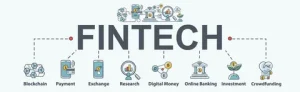
Fintech applications are primarily focused on secure transactions, data protection, and compliance. Mobility apps, on the other hand, emphasize real-time tracking, user experience, and operational efficiency. While these domains differ in functionality, they share common technological foundations such as cloud computing, APIs, and mobile-first design.
Businesses already working with fintech app development companies often have an advantage. They are familiar with building secure, scalable systems—skills that are equally valuable in mobility app development.
Why Businesses Are Expanding into Mobility
1. Growing Demand for On-Demand Services
Users today expect convenience at their fingertips. Whether it’s booking a ride or tracking a delivery, mobility apps fulfill real-time needs, making them highly profitable.
2. Opportunity for Integration
Fintech apps can integrate seamlessly with mobility platforms. For example, digital wallets, payment gateways, and subscription billing systems enhance the user experience in ride-hailing or logistics apps.
3. Diversification of Revenue Streams
Expanding into mobility allows businesses to tap into new markets and create additional revenue channels.
Key Differences in Development Strategy
Before transitioning, it’s essential to understand how fintech and mobility app strategies differ:
| Aspect | Fintech Apps | Mobility Apps |
|---|---|---|
| Core Focus | Security & compliance | Real-time operations |
| User Experience | Trust & reliability | Speed & convenience |
| Technology | Encryption, APIs | GPS, IoT, real-time data |
| Scalability | Transaction volume | User & fleet management |
A successful transition requires combining the strengths of both domains.
Choosing the Right Development Approach
1. Define Your Business Goals
Start by identifying what you want to achieve. Are you building a ride-hailing platform, a fleet management system, or a logistics solution? Your goals will determine the features, technology stack, and development timeline.
2. Select the Right Technology Stack
Mobility apps require technologies like:
- GPS and geolocation services
- Real-time data processing
- Cloud infrastructure
- AI for route optimization
If you’re already using fintech app development services, you can reuse certain backend components like payment systems and user authentication.
3. Focus on User Experience (UX)
In mobility apps, user experience is everything. A delay of even a few seconds can impact user satisfaction. Ensure:
- Fast load times
- Intuitive navigation
- Real-time updates
4. Ensure Security and Compliance
While mobility apps are less regulated than fintech apps, they still handle sensitive user data. Implement:
- Data encryption
- Secure payment gateways
- Compliance with local regulations
Your experience working with fintech app development companies will be valuable here.
5. Build a Scalable Architecture
Mobility apps often experience rapid growth. A scalable architecture ensures your app can handle increasing users and data without performance issues.
The Role of Fintech Expertise in Mobility Apps
Fintech expertise plays a crucial role in mobility applications, especially in areas like:
- Payments: Seamless in-app transactions
- Subscriptions: Monthly ride or delivery plans
- Fraud Detection: Preventing misuse of services
- Analytics: Understanding user behavior
Businesses that hire fintech software developers gain a competitive edge by integrating robust financial systems into mobility platforms.
Development Models to Consider
1. In-House Development
Best for companies with strong technical teams. Offers full control but requires significant investment.
2. Outsourcing to Experts
Partnering with fintech app development companies or mobility specialists ensures faster development and access to experienced professionals.
3. Hybrid Model
A combination of in-house and outsourced software development provides flexibility and cost efficiency.
Cost Considerations
The cost of developing a mobility app depends on several factors:
- App complexity
- Features and integrations
- Development team location
- Technology stack
On average, a basic mobility app can cost between $25,000 to $80,000, while advanced solutions may exceed $150,000.
Leveraging existing fintech infrastructure can help reduce costs significantly.
Common Challenges and How to Overcome Them
1. Real-Time Data Management
Mobility apps rely heavily on real-time updates. Use cloud-based solutions and efficient APIs to handle large data volumes.
2. User Retention
Offer features like loyalty programs, discounts, and seamless payments to keep users engaged.
3. Integration Complexity
Integrating fintech features into mobility apps can be challenging. Working with experienced fintech app development services providers can simplify the process.
Future Trends in Fintech and Mobility Integration
1. AI and Machine Learning
AI will play a major role in route optimization, demand prediction, and fraud detection.
2. Blockchain Technology
Blockchain can enhance transparency and security in payments and data sharing.
3. IoT Integration
Connected devices will improve fleet management and real-time tracking.
4. Super Apps
The future lies in super apps that combine fintech, mobility, and other services into a single platform.
Best Practices for Success
- Start with a minimum viable product (MVP)
- Focus on scalability from day one
- Prioritize user experience
- Ensure strong security measures
- Continuously update and improve your app
Conclusion
Transitioning from fintech to mobility is a strategic move that can unlock new growth opportunities. By leveraging existing fintech expertise and adopting the right app development strategy, businesses can build innovative, scalable, and user-friendly mobility solutions.
Whether you choose to work with fintech app development companies or build an in-house team, the key lies in aligning your technology, goals, and user expectations. Investing in the right approach today will ensure long-term success in this rapidly evolving digital landscape.
Author



Author



In today’s fast-paced world, personal loans have become an essential financial tool for many individuals. Whether you need funds for medical emergencies, educational expenses, or to cover unexpected bills, personal loans provide quick access to money with minimal paperwork. However, many banks and financial institutions require a PAN card for the loan application process. What do you do if you don’t have a PAN card? This article explores how to get a quick, easy personal loan without a PAN card and the necessary steps to secure one. Let’s dive into a no-check guide!
What Is a Personal Loan?
A personal loan is an unsecured type of loan that allows individuals to borrow money without pledging collateral. Unlike home loans or car loans, these are not limited to a specific purpose. Borrowers can use the funds for various needs, such as education, home renovation, medical emergencies, wedding expenses, or consolidating debts.
One of the main advantages of personal loans is their flexibility and simplicity. However, most lenders require certain documents like identity proof, income proof, and a PAN card for verification. If you do not possess a PAN card, alternative methods can help you secure a quick easy personal loan.
Challenges in Getting Personal Loans Without PAN Card
Many financial institutions require a PAN (Permanent Account Number) card to process a personal loan application. This card tracks your financial transactions and identifies you as a taxpayer, making it easier for lenders to assess your creditworthiness.
Without a PAN card, many lenders can hesitate, as it raises questions about your financial credibility. However, there are exceptions — certain non-banking financial companies (NBFCs), digital lending platforms, and private lenders offer loans without requiring a PAN card. You can still secure funds by providing alternative documentation and meeting additional requirements.

Quick Easy Personal Loan Options Without PAN Card
If you don’t have a PAN card, you still have viable alternatives for availing a personal loan. Here are the best options available:
1. Apply Through NBFCs
Non-Banking Financial Companies (NBFCs) are more lenient compared to banks regarding documentation. Many NBFCs offer quick easy personal loans with minimal paperwork. Instead of a PAN card, they might accept other proofs such as passport, Aadhaar card, voter ID, or driving license. Loan approval processes in these institutions are quicker, making them an ideal option for urgent financial needs.
2. Digital Lending Platforms
Online lending platforms provide instant loans using technology-based verification methods. They often have a simplified process, with no strict requirement for a PAN card. You’ll need alternative documents such as your Aadhaar number, income proof, and bank account details. These platforms prioritize speed and user convenience, making them suitable for borrowers with limited paperwork.
3. Loan Against Collateral
If you struggle to secure a personal loan due to the lack of a PAN card, you can opt for loans against collateral. By pledging assets like gold, property, or fixed deposits, you can receive funds as per the collateral value. Since these are secured loans, the requirements for identity verification may be less stringent than unsecured loans.
4. Payday Loans
Payday loans are small, short-term loans designed to cover immediate financial requirements. These loans usually don’t require extensive documentation or a PAN card. However, they come with higher interest rates, so should only be used for urgent needs once other options are explored.
Documents You May Need for Loans Without PAN Card
For a quick easy personal loan, even without a PAN card, you must provide alternative documents to prove your identity, income, and address. This pan card no check approach means commonly accepted documents include:
Identity Proof
- Aadhaar Card, Voter ID, Passport, or Driving License
Income Proof
- Salary slips or bank statements of the last 3–6 months
Address Proof
- Utility bills, rental agreements, or any government-issued ID with the address
Employment Details
- Offer letter or designation proof from your employer
Collateral Details
- If applying for a secured loan
Lenders might also run a background check and assess your credit score using other methods to determine your repayment capacity.
Tips to Increase Approval Chances
Follow these tips to improve your chances of loan approval:
Tip 1
Ensure a Stable Income: Maintain a steady income and provide valid proof to assure the lender of your repayment ability.
Tip 2
Choose the Right Lender: Approach NBFCs or online lenders specializing in quick approvals without stringent documentation requirements.
Tip 3
Improve Your Credit Score: A good credit score can increase loan approval chances even if you don’t have a PAN card.
Tip 4
Keep Documents Handy: Submit valid government-issued IDs and other proofs, ensuring they are accurate and up to date.
Conclusion
Getting a quick easy personal loan without a PAN card might seem challenging, but it’s possible with the right approach. By exploring NBFCs, digital lending platforms, collateral-based loans, and payday loans, you can access the funds you need for emergencies.
It’s essential to understand the terms and conditions of loans before proceeding. Evaluate the interest rates, repayment tenures, processing fees, and hidden charges. Having a PAN card is highly recommended in the financial world as it simplifies many procedures. If you don’t have one yet, apply for a PAN card to avoid hurdles in the future financial transactions.
When choosing lenders, prioritize transparency, service quality, and affordability. With thorough research and preparation, you can secure a personal loan without unnecessary friction!
Author



Peace in War: Examples of Humanity, Hope, and Compassion
Valabasas Clothing Guide 2026: Stacked Jeans & Streetwear Style

Best Web Development Agency to Hire in 2026: Top 10 Picks

Fear of God Essentials Tracksuit: Modern Streetwear Style

Essentials Tracksuit: Everyday Comfort & Simple Streetwear Style

Corteiz Tracksuit: Official Store, Styles & Buying Guide

Rhinoplasty in Dubai | AI-Powered Nose Surgery & 3D Simulation

Customer Experience Training Platform: AI-Driven CX Training

Embroidery Digitizing Services: Professional Custom Stitch Files

Divorce Appraisal: Accurate Home Valuations for Separation

Cybersecurity Consulting Company SequelNet Provides Critical IT Support Services to Medical Billing Firm, Medical Optimum

Team Communication Software Transforms Operations at Finance Innovate

Project Management Tool Transforms Long Island Business

How Alleviate Poverty Utilized IPPBX’s All-in-One Solution to Transform Lives in New York City

Breast Cancer: The Imperative Role of Mammograms in Screening and Early Detection

Unstoppable Collaboration: D.C.’s Citi Open and Silicon Valley Classic Unite to Propel Women’s Tennis to New Heights

Embracing Renewal: Sizdabedar Celebrations Unite Iranians in New York’s Eisenhower Park

The Benefits of Starting a Side Hustle for Financial Freedom

New Blood Donation Screening Questions What You Need to Know

Stylishly Timeless: The 5 Types of Sandals You Need in Your Closet
-

 Business3 years ago
Cybersecurity Consulting Company SequelNet Provides Critical IT Support Services to Medical Billing Firm, Medical Optimum
-
Business3 years ago
Team Communication Software Transforms Operations at Finance Innovate
-
Business3 years ago
Project Management Tool Transforms Long Island Business
-
Business3 years ago
How Alleviate Poverty Utilized IPPBX’s All-in-One Solution to Transform Lives in New York City
-
health3 years ago
Breast Cancer: The Imperative Role of Mammograms in Screening and Early Detection
-
Sports3 years ago
Unstoppable Collaboration: D.C.’s Citi Open and Silicon Valley Classic Unite to Propel Women’s Tennis to New Heights
-
Art /Entertainment3 years ago
Embracing Renewal: Sizdabedar Celebrations Unite Iranians in New York’s Eisenhower Park
-
Finance3 years ago
The Benefits of Starting a Side Hustle for Financial Freedom







