
Development
The Influence of Abayas on Global Modest Fashion Trends


Modest fashion has grown into a powerful global movement, reshaping how designers, brands, and consumers define elegance. At the center of this transformation stands one timeless garment: the abaya. Once viewed primarily as traditional attire, the abaya has evolved into a global fashion statement that bridges culture, creativity, and contemporary style. Today, it influences runway collections, digital fashion campaigns, and everyday wardrobes across continents.
From Cultural Heritage to Global Recognition
The abaya originated as a modest outer garment deeply rooted in Middle Eastern culture. For generations, it symbolized dignity, tradition, and identity. However, globalization and digital connectivity have expanded its reach beyond regional boundaries. Designers from Europe, Asia, and North America are now incorporating abaya-inspired silhouettes into their collections.
This global recognition is not accidental. It reflects a broader shift in fashion where inclusivity and cultural appreciation are valued more than ever. The abaya has become a symbol of how tradition can adapt and thrive in modern spaces.

The Rise of Modest Fashion Movement
Over the past decade, modest fashion has transitioned from niche to mainstream. International fashion weeks now feature modest wear segments, and global brands are launching Ramadan and modest capsules. Abayas play a significant role in this evolution because they naturally align with modest principles while offering limitless styling potential.
The modern abaya is no longer limited to classic black. Designers experiment with colors, textures, layering, and embellishments. This reinvention has helped position abayas as versatile garments suitable for work, travel, social gatherings, and even red-carpet events.

Influence on Runway and High Fashion
Luxury fashion houses have increasingly drawn inspiration from abaya silhouettes. Flowing cuts, oversized sleeves, and layered draping seen on global runways reflect design elements traditionally associated with abayas. High-end designers reinterpret these features using premium fabrics and contemporary tailoring.
This crossover between cultural wear and haute couture demonstrates how abayas influence broader fashion aesthetics. Instead of being confined to one region, the garment now inspires creativity worldwide.
Digital Expansion and Online Accessibility
Technology has played a crucial role in spreading abaya fashion globally. Consumers can now explore curated collections through digital platforms offering abaya clothing online. This accessibility has opened doors for independent designers and established brands to reach international audiences without geographical limitations.
Online platforms provide detailed product views, customization options, and global shipping, making it easier than ever for women to access modern abaya designs. The digital marketplace has empowered both sellers and buyers, fueling the worldwide modest fashion industry.
Styling Versatility in Everyday Fashion
One reason abayas influence global fashion trends is their versatility. They can be styled casually with sneakers for an urban look or paired with heels and statement accessories for formal events. This adaptability makes them appealing to younger generations who value multifunctional wardrobes.
Layering has become especially popular. Women style abayas over tailored trousers, dresses, or denim, creating fusion outfits that blend cultures seamlessly. This versatility ensures the garment remains relevant in constantly changing fashion cycles.
Representation and Cultural Confidence
The global visibility of abayas also promotes cultural confidence. Women who choose modest fashion now see their style represented in mainstream campaigns and social media. Influencers from different backgrounds showcase creative ways to wear abayas, encouraging diversity within the fashion conversation.
Representation matters in fashion. The growing presence of abayas in global markets challenges outdated stereotypes and celebrates inclusivity.
The Growing Market in Western Countries
The United States has witnessed significant growth in demand for modest fashion. Women seeking elegant and comfortable modest wear increasingly turn to platforms offering abaya online USA collections. These collections often blend traditional silhouettes with Western-inspired minimalism, creating designs suitable for diverse lifestyles.
The expansion of abayas in Western markets reflects the global nature of fashion today. Cultural exchange and accessibility have made modest wear more visible and widely accepted.
Social Media as a Trend Accelerator
Social media platforms have accelerated the popularity of abayas. Fashion influencers, stylists, and bloggers regularly share styling tutorials, trend analyses, and outfit inspirations featuring modern abayas. Viral fashion reels and curated posts introduce new audiences to creative designs and innovative interpretations.
This digital exposure not only drives sales but also strengthens community connections. Women worldwide share ideas, celebrate modest fashion, and inspire one another.
Sustainability and Conscious Fashion
Another reason abayas align with global fashion trends is sustainability. Many designs emphasize timeless silhouettes that can be worn across seasons. Unlike fast-fashion pieces that quickly lose relevance, well-crafted abayas remain stylish for years.
Innovation in Fabric and Design
Modern abayas showcase impressive innovation. Lightweight materials enhance comfort, while structured fabrics create bold silhouettes. Embroidery, minimalistic detailing, and asymmetrical cuts add personality without compromising modesty.
Designers are also experimenting with detachable elements, reversible layers, and multifunctional features. These innovations align with contemporary consumer demands for practicality and individuality.
The Future of Abayas in Global Fashion
As modest fashion continues to expand, the influence of abayas is expected to grow. Emerging designers are blending cultural authenticity with cutting-edge trends, ensuring the garment evolves alongside global fashion movements.
We may see more collaborations between international brands and modest fashion designers. Technology, sustainability, and inclusivity will likely shape the next phase of abaya innovation.
Conclusion
The abaya has transcended its traditional origins to become a powerful force in global modest fashion trends. Through digital accessibility, runway influence, and cultural representation, it has secured a place in contemporary wardrobes worldwide. As fashion becomes increasingly inclusive, the abaya stands as proof that tradition and modernity can coexist beautifully.
Its journey from regional garment to global style icon reflects the dynamic nature of fashion itself, ever evolving, yet deeply rooted in identity and expression.
FAQs
1. How are abayas influencing global fashion trends?
Abayas are influencing global fashion by introducing modest silhouettes, flowing designs, and layered styling into mainstream collections and international runways.
2. Why are abayas popular in modern modest fashion?
Abayas combine comfort, elegance, and versatility, making them ideal for women who want fashionable yet modest clothing options.
3. Are abayas available internationally?
Yes, many brands now offer international shipping through online platforms, making modern abayas accessible worldwide.
4. Can abayas be styled for different occasions?
Absolutely. Abayas can be styled casually for daily wear or dressed up with accessories and heels for formal events.
5. Are modern abayas suitable for Western fashion markets?
Yes, modern abayas blend traditional modesty with contemporary design, making them increasingly popular in Western fashion markets.
Author















Designing a modern electrical substation is a complex task that demands precision, foresight, and a strong understanding of both safety and performance requirements. As energy demand grows and grid systems become more advanced, utilities and developers must adopt smarter strategies to ensure reliability and efficiency. Applying best practices in substation design engineering not only enhances operational performance but also minimizes risks, reduces lifecycle costs, and ensures regulatory compliance.
This guide explores key principles and practical approaches to achieving efficient and safe substation designs for today’s evolving power systems.
Understanding the Purpose and Requirements
Every successful substation project begins with a clear understanding of its purpose within the broader power network. Whether it is a transmission, distribution, or switching substation, defining operational goals is essential. Load demand, voltage levels, environmental conditions, and future expansion needs all influence design decisions.
Engineers must also consider grid integration, redundancy requirements, and fault tolerance. Early-stage planning ensures that the substation engineering design aligns with both current needs and long-term scalability, avoiding costly redesigns in the future.

Strategic Planning of Substation Layout
The layout of a substation plays a critical role in determining efficiency, safety, and maintainability. A well-planned layout of a substation ensures smooth power flow, adequate spacing for equipment, and safe access for maintenance personnel.
Proper equipment placement reduces the risk of faults and simplifies operations. Clearances must comply with safety standards, while pathways should allow easy movement for inspection and repairs. Additionally, optimizing land use without compromising safety is a key consideration, especially in urban or space-constrained environments.
Future expansion is another crucial factor. Designing with flexibility allows additional bays or equipment to be added without major disruptions, ensuring long-term usability.
Prioritizing Safety in Design
Safety is the foundation of every substation project. From electrical hazards to environmental risks, a robust safety strategy must be integrated into every stage of design. This includes grounding systems, insulation coordination, and proper protection schemes.
Grounding design is particularly critical, as it protects both personnel and equipment during fault conditions. Adequate earthing ensures that fault currents are safely dissipated into the ground, minimizing the risk of electric shock.
Fire protection systems, secure fencing, and clear signage further enhance safety. Engineers must also consider extreme weather conditions such as flooding, high temperatures, or seismic activity to ensure resilience.
By embedding safety into substation design engineering practices, organizations can significantly reduce operational risks and improve overall system reliability. Selecting Reliable Equipment and Technology
The choice of equipment directly impacts substation performance and longevity. High-quality transformers, circuit breakers, isolators, and protection systems are essential for efficient operation.
Modern substations increasingly incorporate digital technologies such as automation systems and smart monitoring tools. These technologies enable real-time data analysis, predictive maintenance, and faster fault detection.
Standardization is another important aspect. Using standardized components simplifies maintenance, reduces spare part requirements, and ensures compatibility across the network.
Incorporating advanced technologies within the substation engineering design not only improves efficiency but also supports the transition toward smarter and more resilient power systems.
Ensuring Compliance and Environmental Responsibility
Regulatory compliance is a non-negotiable aspect of substation design. Engineers must adhere to national and international standards related to safety, performance, and environmental impact.
Environmental considerations are becoming increasingly important. Noise control, electromagnetic field management, and proper waste handling must be addressed during the design phase. Sustainable practices such as energy-efficient equipment and eco-friendly materials can significantly reduce the environmental footprint.
Site selection also plays a key role. Avoiding environmentally sensitive areas and ensuring proper drainage systems helps prevent long-term ecological issues.
A well-executed layout of a substation integrates both compliance and sustainability, ensuring that the facility operates responsibly throughout its lifecycle.
Planning for Maintenance and Operational Efficiency
Efficient maintenance is essential for ensuring uninterrupted power supply. Substations should be designed with accessibility in mind, allowing technicians to perform inspections and repairs safely and quickly.
Clear labeling, organized cable routing, and adequate working space contribute to smoother operations. Remote monitoring systems further enhance efficiency by reducing the need for on-site interventions.
Redundancy in critical components ensures that maintenance activities do not disrupt power supply. This is especially important for substations serving critical infrastructure such as hospitals or industrial facilities.
By focusing on maintainability within substation design engineering, operators can reduce downtime, extend equipment lifespan, and optimize overall performance.
Conclusion
Efficient and safe substation design requires a balanced approach that combines technical expertise, strategic planning, and a strong commitment to safety. From understanding system requirements to optimizing the layout of a substation, every decision plays a role in ensuring reliability and long-term success.
By adopting modern technologies, prioritizing safety, and planning for future expansion, engineers can create substations that meet the demands of today’s power systems while preparing for tomorrow’s challenges. A well-executed substation engineering design not only enhances operational efficiency but also contributes to a more resilient and sustainable energy infrastructure.
Author



Going through a divorce can feel like an emotional roller coaster. One moment you are dividing household items, and the next, you are facing your largest shared asset: the family home. This is where a divorce appraisal becomes essential. At Precision Appraisal NW, we help homeowners in Portland, across Oregon, and throughout Southwest Washington turn stressful property questions into fair, clear answers. If you are searching for reliable divorce settlement appraisals, you are in the right place. Let’s walk through this process together so you feel supported rather than overwhelmed.
What Exactly is a Divorce Appraisal?
Think of a divorce appraisal as an official, unbiased snapshot of your home’s true market value. Unlike a quick online estimate or a real estate agent’s “best guess,” this report comes from a licensed professional. We follow strict regulatory standards to ensure accuracy.
During the process, an appraiser measures square footage and notes every upgrade made over the years. We evaluate the condition of major elements like the roof and kitchen. Finally, we compare your property to similar homes that have recently sold nearby. The result is a rock-solid number that courts, mediators, and attorneys accept without question.

Why a Professional Appraisal is Essential
Emotions often run high during a split. Memories of what a house “should” be worth frequently clash. One spouse might remember the purchase price from a decade ago, while the other focuses on recent renovations. Without a professional appraisal, these differences can drag out negotiations and increase legal fees.
A professional divorce settlement appraisal cuts through the noise. It provides both sides with the same set of facts. In Oregon, where equitable division rules apply, this document is a vital tool for mediation or courtroom proceedings. It shifts the conversation from “I think it’s worth X” to “Here is the verified value we can both trust.”
Understanding the Appraisal Process
Knowing what to expect can remove much of the mystery and stress. The process typically follows these simple steps:
-
Initial Contact: You provide basic details about the property, and we schedule a visit, usually within a few days.
-
The Property Visit: A certified appraiser walks through the house for 30 to 45 minutes. We snap photos and note key features. We handle this with complete confidentiality. You do not even need both spouses present if that feels uncomfortable.
-
Market Data Analysis: We dive into local data for your specific neighborhood—whether that is Beaverton, Hillsboro, Vancouver, or Lake Oswego. We make careful adjustments for variables like school districts or local views.
-
Report Delivery: Most clients receive a full report packed with photos and easy-to-read explanations within three to ten business days.
Turning Conflict Into Resolution
A quality appraisal does more than settle a dollar amount; it provides peace of mind. We have seen couples use our reports to successfully navigate several paths:
-
Buyouts: One spouse pays the other their fair share of the equity to keep the home.
-
Refinancing: Using the appraisal to secure a new loan in one person’s name.
-
Selling and Splitting: Agreeing on a listing price based on the appraised value to ensure a fair split of the proceeds.
Common Mistakes to Avoid
To protect your equity, avoid these three frequent pitfalls:
-
Relying on “Zestimates”: Online algorithms miss the fine details that move the needle in the Portland market, such as new construction or local transit improvements.
-
Waiting Too Long: Ordering an appraisal early locks in current market conditions. This prevents you from gambling on market shifts that might happen months down the road.
-
Choosing Non-Local Firms: A national chain might provide a “cookie-cutter” report. A local appraiser understands the unique pockets of Multnomah, Washington, Clackamas, and Clark counties.
Why Choose Precision Appraisal NW?
We are more than just appraisers; we are your neighbors. Based in Portland, we understand the human side of divorce. It isn’t just paperwork—it’s a significant life change. We treat every client with kindness and respect, whether you are staying in the home or starting over elsewhere.
Every report we write meets the highest professional standards, ensuring that lawyers and judges accept them on the spot. We pride ourselves on fast replies, clear communication, and a lack of surprises.
Real-World Success Stories
Consider these common scenarios:
-
The Renovation Dispute: A homeowner in Tigard worried her spouse would fight the value after she added a home office. Our appraisal documented exactly how those upgrades boosted the price, allowing mediation to wrap up in a single afternoon.
-
The Fast Buyout: A client in Vancouver needed to buy out his ex quickly to secure a favorable interest rate. He received his report in five days, presented it to the bank, and closed the refinance without a hitch.
Taking the Next Step
Ready to move forward? The process is easier than you think. You can visit our website to request a quote or call us directly. We can discuss timing, legal timelines, and costs. Generally, a divorce appraisal for a typical single-family home ranges between $500 and $750.
| Service Detail | Expected Outcome |
| Turnaround Time | 3 to 10 Business Days |
| Service Area | Portland Metro, SW Washington, Willamette Valley |
| Standard Cost | $500 – $750 (Single Family) |
| Confidentiality | 100% Secure and Private |
Conclusion: Starting Your Next Chapter
Divorce marks the end of one chapter, but it also opens the door to a new adventure. You deserve to step through that door knowing your biggest asset was handled fairly. A professional appraisal removes the guesswork and protects your future.
Let us handle the property details so you can focus on healing and rebuilding. We are here to help you turn a shared house into a fair resolution.
Author


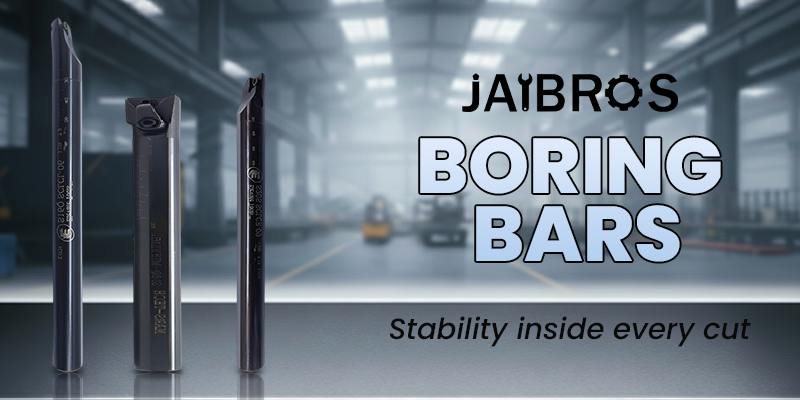
CNC lathes are widely used in modern manufacturing for producing highly accurate cylindrical parts. These machines perform a variety of operations such as turning, drilling, threading, and internal machining. One of the most important tools used in internal turning operations is the carbide boring bar. This tool allows machinists to enlarge and finish internal holes with high precision and smooth surface quality.
However, achieving accurate results in internal machining does not depend only on the tool itself. Proper setup techniques are equally important for maintaining machining stability and preventing problems such as vibration, tool wear, or poor surface finish. Internal machining is more challenging than external turning because the tool operates inside the workpiece where space is limited, and cutting conditions are more demanding.
Understanding Internal Turning on CNC Lathes
Internal turning, also known as boring, is the process of enlarging or finishing an existing hole inside a workpiece. The operation is usually performed after drilling to achieve higher dimensional accuracy and smoother internal surfaces.
To perform this task effectively, machinists use a specialised CNC tool designed for internal cutting operations. These tools must be rigid enough to resist cutting forces while operating inside the material.
A properly installed carbide boring bar helps maintain stability during machining and allows operators to achieve tight tolerances in internal dimensions.

Importance of Proper Tool Setup
The performance of any machining operation depends greatly on how well the tool is set up in the machine. Even high-quality tools can perform poorly if they are not installed correctly.
Proper setup helps reduce vibration, improve surface finish, and increase tool life. A well-positioned carbide boring bar ensures that cutting forces are distributed evenly and that the tool remains stable during the machining process.
Incorrect setup, on the other hand, can lead to tool deflection, poor surface quality, and inaccurate internal diameters.
Choosing the Correct Tool Size
Selecting the correct tool size is the first step in setting up a boring operation. The diameter of the tool should match the size of the bore while still maintaining adequate rigidity.
If the tool is too small for the hole, it may lack the stiffness required to resist cutting forces. This can lead to vibration and reduced machining accuracy.
Many workshops keep a carbide boring bar set that includes multiple tool sizes. This allows machinists to select the most suitable tool for different internal diameters and machining requirements.
Having access to multiple tool sizes improves flexibility and ensures better machining performance.
Maintaining Proper Tool Overhang
Tool overhang refers to the portion of the tool that extends beyond the tool holder. Excessive overhang reduces rigidity and increases the chances of vibration during machining.
To maintain stability, machinists should keep the tool overhang as short as possible while still reaching the required machining depth. A properly positioned carbide boring bar with minimal extension will perform more efficiently and produce smoother internal surfaces.
Shorter overhang improves tool rigidity and helps reduce the risk of chatter during internal turning operations.
Aligning the Tool with the Workpiece Centerline
Correct alignment is another critical factor in boring operations. The cutting edge of the tool should be positioned exactly on the centerline of the workpiece.
If the tool is set above or below the center line, the cutting forces become uneven. This can result in poor chip formation, reduced cutting efficiency, and increased tool wear.
A correctly aligned carbide boring bar ensures smooth cutting action and helps produce accurate internal diameters. Proper alignment also reduces stress on the cutting edge and improves tool life.
Controlling Vibration During Machining
Vibration, commonly known as chatter, is one of the biggest challenges in internal machining. Chatter can damage the workpiece surface and shorten the life of the cutting tool.
To minimize vibration, machinists should ensure that the workpiece is securely clamped and the tool holder is rigid. Machine condition also plays an important role in maintaining stability.
High-rigidity tools such as solid carbide boring bars are especially effective in reducing vibration because carbide material is significantly stiffer than many other tool materials.
Maintaining stable machining conditions allows operators to achieve better surface finishes and more consistent results.
Selecting the Right Cutting Parameters
Cutting speed, feed rate, and depth of cut all influence the performance of a machining operation. Incorrect cutting parameters can cause excessive heat, rapid tool wear, or poor surface finish.
Operators should follow recommended cutting parameters based on the workpiece material and the specifications of the carbide boring bar being used.
Balanced cutting conditions allow the tool to operate efficiently while maintaining stable machining performance. Adjusting feed and speed carefully helps maintain dimensional accuracy and extend the life of the cutting tool.
Managing Heat and Chip Removal
Internal machining generates significant heat because the cutting tool operates inside the workpiece. If heat is not controlled properly, it can damage the cutting edge and affect machining accuracy.
Using an effective coolant system helps control temperature and improve chip evacuation. Coolant also reduces friction between the tool and the workpiece.
Proper cooling conditions allow the carbide boring bar to maintain its cutting efficiency and produce consistent machining results. Efficient chip removal also prevents chips from accumulating inside the bore, which can interfere with the cutting process.
Evaluating Tool Cost and Performance
When selecting cutting tools, machinists often compare the carbide boring bar price offered by different suppliers. Price can vary depending on factors such as tool material, coating technology, and brand reputation.
Although carbide tools may have a higher initial cost, they provide excellent durability and a long service life. This reduces the need for frequent tool replacements and improves overall productivity.
Choosing high-quality tools ensures better machining performance and helps maintain consistent production results.
Conclusion
Internal turning operations require careful planning and proper setup to achieve accurate machining results. Because the cutting tool works inside the workpiece, stability and rigidity are extremely important for maintaining precision.
The carbide boring bar is widely used in CNC lathe operations because it offers excellent strength, durability, and vibration resistance. When combined with proper setup techniques such as correct tool size selection, minimal overhang, and accurate alignment, it allows machinists to produce high-quality internal surfaces.
Using high-rigidity tools like solid-carbide boring bars and maintaining optimal cutting conditions can significantly improve machining performance.
By following proper setup practices and investing in reliable tooling solutions, CNC operators can achieve efficient and precise internal machining results.
FAQs
What is a carbide boring bar used for in CNC lathes?
A carbide boring bar is used for internal turning operations to enlarge or finish holes with high precision and smooth surface finish.
Why are solid carbide boring bars preferred for internal machining?
They provide higher rigidity and vibration resistance, which improves machining accuracy and surface quality.
What factors influence carbide boring bar price?
The price depends on tool material, coating technology, size, brand, and overall durability.
Why do machinists use a carbide boring bar set?
A carbide boring bar set includes multiple tool sizes, allowing operators to select the most suitable tool for different machining applications.
5. How can vibration be reduced during boring operations?
Vibration can be reduced by minimizing tool overhang, ensuring proper tool alignment, and using rigid tools and stable workpiece clamping.
Author



Dandy Worldwide Streetwear: Hoodies, Hats & Urban Style Trends

Denver SEO Agency: Turn Local Searches into Real Customers

Mutual Fund Investment Guide 2026: Build Wealth with Strategies

White & Oak Staircase Renovations for Modern Home Design

Orientalist Art: History, Themes, and Collecting Guide

Substation Engineering Design for Modern Power Systems

Divorce Appraisal Portland: Fair Home Valuation for Settlements

Food packaging companies in sri lanka

Bing Homepage Quiz: Play Daily Trivia & Earn Rewards

Orthodontic Treatment Time: Average Duration & Factors

Cybersecurity Consulting Company SequelNet Provides Critical IT Support Services to Medical Billing Firm, Medical Optimum

Team Communication Software Transforms Operations at Finance Innovate

Project Management Tool Transforms Long Island Business

How Alleviate Poverty Utilized IPPBX’s All-in-One Solution to Transform Lives in New York City

Breast Cancer: The Imperative Role of Mammograms in Screening and Early Detection

Unstoppable Collaboration: D.C.’s Citi Open and Silicon Valley Classic Unite to Propel Women’s Tennis to New Heights

Embracing Renewal: Sizdabedar Celebrations Unite Iranians in New York’s Eisenhower Park

The Benefits of Starting a Side Hustle for Financial Freedom

New Blood Donation Screening Questions What You Need to Know

Stylishly Timeless: The 5 Types of Sandals You Need in Your Closet
-

 Business3 years ago
Cybersecurity Consulting Company SequelNet Provides Critical IT Support Services to Medical Billing Firm, Medical Optimum
-
Business3 years ago
Team Communication Software Transforms Operations at Finance Innovate
-
Business3 years ago
Project Management Tool Transforms Long Island Business
-
Business3 years ago
How Alleviate Poverty Utilized IPPBX’s All-in-One Solution to Transform Lives in New York City
-
health3 years ago
Breast Cancer: The Imperative Role of Mammograms in Screening and Early Detection
-
Sports3 years ago
Unstoppable Collaboration: D.C.’s Citi Open and Silicon Valley Classic Unite to Propel Women’s Tennis to New Heights
-
Art /Entertainment3 years ago
Embracing Renewal: Sizdabedar Celebrations Unite Iranians in New York’s Eisenhower Park
-
Finance3 years ago
The Benefits of Starting a Side Hustle for Financial Freedom







