
Art /Entertainment
The Impact of AR and VR on Cinema

By

Reviewed
By Charlie Parker

Introduction
In recent years, Augmented Reality (AR) and Virtual Reality (VR) have changed the way many industries work, and cinema is no different. These technologies are not only changing how we watch movies but also how films are made. AR and VR bring new ways for people to enjoy movies and interact with the story. This article will explore the impact of AR and VR on cinema, explaining how they work and how they are changing the movie experience.
What are AR and VR?

Image by: Yandex.com
Before we dive into their impact on movies, it’s important to understand what AR and VR are.
- Augmented Reality (AR) adds digital elements to the real world. Using smartphones or AR glasses, you can see digital images or characters that seem to be part of the physical world around you.
- Virtual Reality (VR) creates a completely digital world. When you wear VR headsets, you are fully immersed in a new environment. You can interact with this virtual world, which feels like being in a different place.
How AR and VR are Changing Cinema

Image by: Yandex.com
1. Creating Immersive Stories
AR and VR are making storytelling more immersive. In traditional films, viewers simply watch a story on a screen. But with AR and VR, the audience can become part of the story.
AR in Cinema: With AR, filmmakers can overlay virtual characters or scenes over real-world settings. This creates a more interactive experience for the viewer.
VR in Cinema: With VR, viewers can step inside the story and interact with the environment. They can look around, explore, and even influence what happens next in the film.
2. Engaging Viewers More
AR and VR help filmmakers engage their audience in new ways. Instead of just watching the movie, viewers can feel as if they are part of the action.
AR lets viewers see and interact with virtual objects in the real world.

VR allows viewers to fully enter a virtual world where they can explore, interact with characters, and even make decisions that affect the story.
This deep engagement makes movies more memorable and personal.
3. New Ways to Make Movies
AR and VR are also changing how movies are made. Filmmakers no longer have to rely only on physical sets or locations. AR and VR provide new tools for creating scenes.
AR in Filmmaking: Filmmakers can use AR to see how digital effects will look on real-world locations while they are shooting, saving time and effort in post-production.
VR in Filmmaking: Filmmakers can use VR to create digital environments and plan shots before filming begins. This helps them visualize how a scene will look and plan out the action.
4. What the Future Holds for Cinema
As AR and VR technologies continue to improve, the future of cinema is becoming more exciting. We could see new kinds of movie theaters where viewers wear VR headsets to watch films in 3D environments. Interactive movies, where viewers can help guide the story, might also become more common.
With advances in AR and VR, filmmakers will have even more creative possibilities, and audiences will have more ways to enjoy films.
AR and VR Are Changing the Movie Experience

Image by: Yandex.com
AR and VR are making movie experiences more interactive. In the past, viewers could only watch movies on a screen, but now, they can feel like they are part of the action. AR brings digital effects into the real world, making the movie feel more real and connected to the surroundings. With VR, viewers are transported into a completely different world where they can explore, interact, and even change the story. These changes are making movies more exciting and engaging for the audience.
Making Movies More Creative with AR and VR
Both AR and VR allow filmmakers to get creative in ways they couldn’t before. With AR, filmmakers can add digital characters, objects, or even special effects to real-world scenes while filming. This means they don’t need to build physical sets for everything, which can save time and money. VR, on the other hand, lets filmmakers build entire virtual worlds. This gives them endless possibilities for creating environments that would be difficult or impossible to capture in real life.
AR and VR as Tools for Interactive Storytelling

Image by: Yandex.com
One of the most exciting things about AR and VR is how they allow for interactive storytelling. In traditional movies, viewers are passive—they simply watch the story unfold. But with AR and VR, viewers can become active participants. In AR, viewers might be able to interact with digital objects or characters in the real world. With VR, they can choose how to explore the virtual world, making decisions that can influence the plot. This type of storytelling is completely new and opens up many possibilities for filmmakers.
Improved Viewer Engagement Through AR and VR
AR and VR offer new ways to engage viewers. With VR, viewers can become part of the movie and experience it firsthand. They can explore different parts of a scene, look around freely, and interact with the environment. In AR, the film is blended with the real world, allowing viewers to see things that aren’t physically there. This type of engagement makes the movie experience more personal and memorable, creating a deeper connection with the story.
AR and VR Can Be Used in Many Types of Films

Image by: Yandex.com
AR and VR aren’t just for science fiction or fantasy films—they can be used in all types of movies. For example, AR can add digital effects to action scenes, making them more exciting. VR can be used for documentaries, allowing viewers to explore real-world events in a new way. Even in horror films, VR can be used to make the viewer feel like they are trapped in a scary environment. These technologies are flexible and can work in any genre, opening up new possibilities for filmmakers.
The Growing Interest in AR and VR in Cinema
As technology improves, more filmmakers are becoming interested in using AR and VR in their films. Major movie studios are investing in these technologies, and there are even AR and VR films being produced specifically for immersive experiences. Film festivals are also beginning to showcase AR and VR projects, allowing these new types of films to reach a wider audience. As these technologies become more affordable and accessible, we can expect their use in cinema to continue growing, giving audiences new and exciting ways to enjoy movies.
AR and VR Making Movie Production Easier
AR and VR are helping filmmakers by making the production process easier. For example, AR lets filmmakers see how digital effects will look in real life while they are still shooting the film. This helps them make better decisions on the spot without having to wait for post-production. VR also helps filmmakers plan shots by creating a digital version of a scene. They can see how it will look and adjust things before they start filming, saving time and effort.
AR and VR Can Bring New Audiences to Cinema

Image by: Yandex.com
As AR and VR become more common, they have the potential to attract new audiences to cinemas. Some people may be excited to experience a movie in a way they never have before, using VR headsets or AR glasses. These technologies can provide experiences that are not available in regular movie theaters. For example, people who enjoy gaming may find VR films more appealing because they offer interactive and immersive experiences. As technology improves, more people may seek out these types of films.
New Opportunities for Filmmakers
The rise of AR and VR is creating new opportunities for filmmakers, especially independent creators. In the past, filmmakers had limited options for creating high-quality visuals, but now, with AR and VR, they have more tools at their disposal. Independent filmmakers can create stunning visual effects and digital environments on a smaller budget. These technologies make filmmaking more accessible, allowing more people to share their stories in unique and innovative ways.
Challenges of AR and VR in Cinema
Although AR and VR bring exciting changes, there are challenges to using these technologies in cinema:
- High Costs: Creating full VR experiences can be expensive. It takes a lot of time and resources to build virtual worlds, making it a costly process.
- Access to Technology: While AR can be used on smartphones, VR requires expensive headsets. This makes it harder for some audiences to experience VR films.
- Comfort Issues: Some viewers feel uncomfortable using VR. It can cause motion sickness or eye strain, making it harder for some people to enjoy VR films.
- Technology Limits: Although AR and VR are improving, they are still not perfect. The current technology may not provide the level of detail or realism that filmmakers want.
The Future of AR and VR in Cinema

Image by: Yandex.com
The future of AR and VR in cinema looks bright. As technology improves, these tools will become more accessible and affordable. We can expect to see more movies that let viewers interact with the story and explore digital worlds. Filmmakers will have more creative tools to make movies even more immersive and exciting. With ongoing advancements, AR and VR could soon become a regular part of the movie-going experience.
The Role of AR and VR in Cinema: Analysis
To better understand how AR and VR are affecting cinema, let’s look at the benefits and challenges of each technology.
| Aspect | AR in Cinema | VR in Cinema |
|---|---|---|
| Immersion | Moderate immersion with digital effects on the real world | Full immersion in a virtual world |
| Viewer Interaction | Viewers can interact with AR objects in the real world | Viewers can explore and interact in a virtual world |
| Storytelling | Enhances traditional storytelling with added virtual elements | Allows for new, interactive stories where viewers shape what happens |
| Technology Requirement | Requires smartphones or AR glasses | Requires VR headsets |
| Cost of Production | Lower cost, uses real-world environments | Higher cost due to creating entire virtual worlds |
| Viewer Experience | Engages viewers by blending digital and real worlds | Provides a fully immersive experience |
Comparing AR and VR in Cinema
To make things clearer, here is a simple comparison of AR and VR in cinema.
| Feature | AR in Cinema | VR in Cinema |
|---|---|---|
| Immersion | Moderate – digital elements added to the real world | High – complete immersion in a digital world |
| Interactivity | Viewers interact with digital elements in the real world | Full interactivity with the virtual world |
| Technology Needed | Uses smartphones or AR glasses | Requires VR headsets and special equipment |
| Cost of Production | Lower – uses physical environments | Higher – involves creating digital worlds |
| Audience Reach | Wider – can be used on more devices | Narrower – needs special equipment like VR headsets |
| Impact on Storytelling | Adds new layers to traditional stories | Allows for new, interactive and non-linear storytelling |
Conclusion
AR and VR are transforming cinema by creating more immersive experiences for viewers and offering filmmakers new ways to tell stories. While there are challenges to overcome, the potential of AR and VR to change how we watch and make movies is immense. As these technologies continue to develop, the future of cinema will be full of exciting new possibilities.
Author

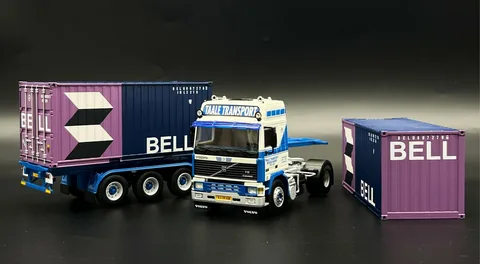
In the world of model vehicle collecting, few items attract enthusiasts quite like Volvo scale model trucks. These miniature replicas combine craftsmanship, attention to detail, and the rich heritage of one of the most respected truck manufacturers in the world. Whether you are a seasoned collector, a truck enthusiast, or someone looking for a unique gift, Volvo scale model trucks offer an excellent way to celebrate the iconic brand.
Over the years, the popularity of model trucks has grown significantly across the USA and Canada. Collectors appreciate them for their realism, display value, and connection to the trucking industry. However, with so many options available online, choosing the right model can feel overwhelming. Understanding scales, materials, features, and pricing can help you make a smarter purchase and build a collection you will enjoy for years.
Why Volvo Scale Model Trucks Are Popular
Volvo trucks have built a strong reputation for reliability, innovation, and modern design. Their real-world counterparts are widely used in transportation and logistics industries around the globe. As a result, miniature versions have become highly desirable among collectors and truck enthusiasts.
Many people purchase Volvo scale model trucks because they appreciate the engineering and design behind the brand. Others enjoy displaying them in offices, homes, workshops, or retail spaces. Some collectors focus exclusively on Volvo models, while others include them as part of a broader truck collection.
The appeal lies in the combination of realism and craftsmanship. A well-made scale model captures the appearance of a full-sized truck while fitting comfortably on a shelf or display cabinet.
Understanding Scale Sizes Before Buying
One of the first things you should consider when shopping for Volvo scale model trucks is the scale size. The scale determines how large the model is compared to the actual vehicle.
Common scales include:
- 1:64 Scale – Compact, affordable, and easy to display.
- 1:50 Scale – Popular among serious truck collectors.
- 1:24 Scale – Larger and more detailed.
- 1:18 Scale – Premium display models with exceptional realism.
Smaller models work well for collectors with limited space. They are easier to store and generally cost less. Larger scales provide more intricate details and often include moving parts, making them ideal for dedicated displays.
Before purchasing, measure your available display area. Many buyers overlook this step and later discover that their chosen model requires more room than expected.
Choosing the Right Material
The material used in construction plays a major role in quality, durability, and appearance.
Most Volvo scale model trucks are made from one of the following materials:
- Die-cast metal
- Plastic
- Mixed materials
Die-cast metal models are often preferred by collectors because they feel substantial and offer impressive durability. Their weight and realistic finish create a premium appearance. Plastic models are lighter and usually more affordable. While they may not have the same weight as die-cast versions, many still offer excellent detailing and visual appeal. When comparing models, pay close attention to paint quality, assembly precision, and overall craftsmanship. High-quality finishing can significantly improve the display value of a model truck.

Importance of Realistic Detailing
One feature that separates an ordinary model from an exceptional one is attention to detail.
Many collectors carefully compare a model to the actual Volvo truck it represents. Details such as mirrors, headlights, wheels, cabin interiors, trailers, and company markings contribute to authenticity.
Premium Volvo scale model trucks often include:
- Opening doors
- Functional steering
- Detailed interiors
- Realistic tires
- Movable trailers
- Authentic branding
These features create a more realistic appearance and enhance the overall collecting experience.
How Pricing Varies Between Models
Prices can vary significantly depending on several factors.
The most common pricing influences include:
- Scale size
- Material quality
- Level of detail
- Brand reputation
- Limited-edition status
- Availability
Entry-level models are often affordable and suitable for beginners. High-end collector pieces can cost substantially more due to superior craftsmanship and limited production runs. Instead of concentrating only on cost, assess the total worth. A slightly more expensive model may offer better durability, realism, and long-term satisfaction.
Finding a Trusted Seller
Purchasing from a reputable seller is just as important as choosing the right model.
Before placing an order, review the following:
- Customer reviews
- Return policies
- Shipping options
- Product descriptions
- Packaging methods
Reliable sellers provide clear information and responsive customer support. They also package items carefully to minimize the risk of damage during transit. This is especially important when ordering across the USA and Canada, where shipping distances can be significant.
Tips for Starting a Volvo Truck Collection
Building a collection becomes more enjoyable when you follow a clear strategy. Many successful collectors begin by selecting a specific focus. Some collect only Volvo trucks, while others specialize in particular scales or truck generations.
Consider these questions before expanding your collection:
- How much display space do you have?
- Which scale do you prefer?
- Are you collecting for display or investment?
- Do you want matching models?
Creating a plan early helps maintain consistency and prevents unnecessary purchases.
Displaying Your Volvo Scale Model Trucks
A well-organized display can significantly enhance the appearance of your collection.
Popular display options include:
- Glass cabinets
- Floating shelves
- Office displays
- Dedicated collector showcases
Keep models away from direct sunlight to prevent fading. Regular dusting also helps preserve their appearance. Many collectors use lighting to highlight details and create an attractive presentation. Proper display not only protects your investment but also allows others to appreciate the craftsmanship.
Volvo Scale Model Trucks Make Gifts
These models are not just for collectors. They also make thoughtful gifts for truck drivers, transportation professionals, hobbyists, and Volvo enthusiasts. A carefully selected model demonstrates attention to the recipient’s interests. Because they combine history, engineering, and artistry, they appeal to a wide range of people.
Whether displayed in a home office or added to an existing collection, a Volvo scale model truck can become a memorable keepsake.
Final Thoughts
Volvo scale model trucks offer much more than simple decoration. They celebrate the design, innovation, and legacy of one of the world’s most respected truck manufacturers. Whether you are purchasing your first model or expanding an established collection, taking the time to compare scales, materials, features, and sellers can make a significant difference.
By understanding what to look for and planning your collection carefully, you can avoid common mistakes and choose models that provide lasting enjoyment. From compact display pieces to highly detailed collector editions, there is a Volvo scale model truck for every enthusiast.
If you are ready to start or grow your collection, explore the available options through Trick My Truck and discover models that match your interests, display space, and collecting goals.
Author


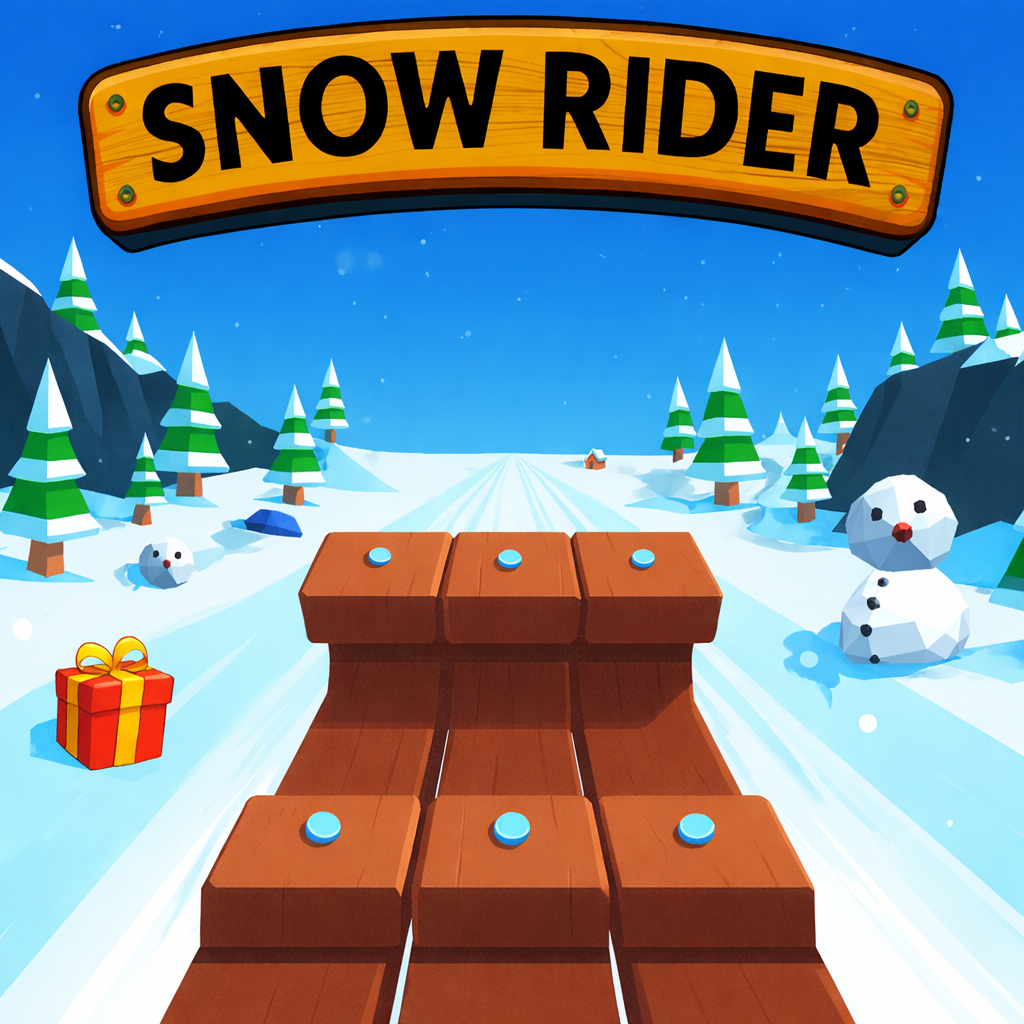
The landscape of online browser gaming contains thousands of unique titles, but few seasonal adventures capture the simple joy of winter sports quite like Snow Rider 3D. This fast-paced sledding game masterfully blends festive holiday themes with classic, reflex-driven arcade mechanics. Consequently, it has grown from a seasonal release into a globally popular digital diversion for students, casual gamers, and speed enthusiasts alike.
While the game seems entirely straightforward during your initial few runs, setting a truly competitive record requires immense focus, perfect timing, and sharp tactical decision-making. This comprehensive analysis breaks down the essential core elements, advanced movement mechanics, and specific strategic tips needed to fully master the icy slopes.
Technical Overview and Accessibility Features
Unlike massive, modern console titles that require expensive graphics hardware and hours of downloading, Snow Rider 3D operates natively within standard web browsers. This lightweight architecture allows players to load the game instantly on laptops, tablets, or school computers during study breaks. The development team successfully engineered an optimized 3D environment that delivers a strong sense of downhill momentum without lagging on older computer processors.
The aesthetic presentation relies heavily on bright, cheerful winter visuals to establish an inviting atmosphere. Players pilot a traditional holiday sled through endless valleys of white snow, navigating past beautifully rendered pine trees, massive rolling snowballs, and stone barriers. Additionally, the developers integrated realistic destruction physics into the engine. When your sled accidentally strikes a tree or a solid rock, the vehicle realistically shatters into individual wooden pieces, adding a highly satisfying visual impact to every collision.

Analyzing the Dynamic Core Gameplay Mechanics
The basic objective of Snow Rider 3D is incredibly simple: survive for as long as possible on an endless, procedurally generated downhill mountain course. However, achieving elite high scores requires players to master four distinct pillars of gameplay mechanics.
Responsive Steering Controls
The game utilizes a highly intuitive control scheme that anyone can learn in under ten seconds. Players use the standard keyboard arrow keys or the classic WASD layout to steer their sled left and right across the icy terrain. The steering mechanics are highly sensitive, meaning that micro-adjustments are always preferable to turning aggressively, which can cause you to slide directly into a hazard.
Precision Jump Timing
Pressing the Spacebar allows your character to leap gracefully into the air to clear fallen logs, low fences, and massive snowdrifts. Mastering the exact physics of the jump mechanic is the most critical skill in the game. Jumping a fraction of a second too early or too late will result in a spectacular crash, ending your current high-score run instantly.
Progressive Difficulty Scaling
As your sled travels farther down the mountain, the game’s internal speed physics scale upward progressively. The course narrows significantly, and dangerous obstacles begin to appear much more frequently on the path ahead. This gradual increase in velocity tests your visual processing limits and demands split-second decision-making.
Currency Accumulation and Customization
Brightly wrapped holiday gifts are scattered randomly across the treacherous slopes. Collecting these presents adds an exciting layer of risk to your run, forcing you to deliberately steer toward dangerous paths to maximize your currency. Players can later spend these collected gifts in the main menu shop to unlock unique vehicle cosmetics, moving from the classic wooden sled to high-speed models, sleek freestyle designs, and heavy-duty all-terrain sleds.
Pro-Level Strategies for Maximizing Your High Scores
If you want to dominate the global leaderboards and push your distance records to the absolute limit, you must look past basic survival. Implementing these specific strategic habits will immediately elevate your performance on the snow:
-
Maintain a Neutral Center Position: Try to keep your sled positioned near the absolute horizontal center of the snowy path whenever the slope is clear. Staying in the middle provides maximum flexibility, allowing you to react quickly to obstacles regardless of whether they spawn on the left or right side.
-
Scan the Horizon Habitually: Casual players make the critical mistake of looking only at the immediate space directly in front of their sled. To survive the high-speed phases of the game, you must train your eyes to scan farther down the course to spot upcoming obstacle patterns before they reach you.
-
Utilize Controlled Airtime: When launching off steep hills or designed ramps, use the extra airtime to plan your landing path cleanly. Always verify that your landing zone is completely clear of rocks or trees before your runners touch back down onto the powder.
-
Prioritize Survival Over Gifts: While collecting gifts is highly addictive, trying to grab every single package on the screen will inevitably kill your momentum. If a gift box spawns directly behind a massive rock formation, let it go and focus entirely on maintaining your survival streak.
-
Maintain Complete Emotional Calm: The intense speed of the late-game stages often panics players, causing them to over-correct their inputs and crash. Remaining calm and executing deliberate, minimal keystrokes is the definitive key to navigating dense clusters of hazards.
The Cognitive and Social Value of Browser Gaming
While critics often view browser games as mere distractions, titles like Snow Rider 3D provide documented cognitive benefits to regular players. Navigating the high-speed corridors of the mountain requires players to continuously coordinate visual information with precise physical inputs. This repeated loop helps strengthen hand-eye coordination and sharpens real-world reaction times over extended play periods. Furthermore, the relentless pace of the game demands sustained concentration, teaching younger players the value of focus and persistent goal-setting.
On a social level, the competitive scoring system turns an isolated single-player game into a shared community experience. Friends frequently screenshot their peak distances to challenge each other in casual schoolyard competitions or online gaming groups. This healthy social dynamic encourages strategic collaboration, as players routinely swap advice regarding jump timing and ideal pathing through complex obstacle clusters.
Conclusion
Ultimately, Snow Rider 3D serves as a brilliant example of how effective game design does not require a multi-million dollar budget or advanced computer hardware. By focusing heavily on polished physics, incredibly responsive controls, and an addictive high-score loop, the game offers an endlessly replayable experience.
Whether you are jumping online to enjoy a quick five-minute break from an academic assignment or grinding for hours to unlock every single sled in the store, the mountain path offers a rewarding challenge. When enjoyed responsibly in moderation, this charming indie title provides the perfect blend of festive recreation and crisp arcade action. Grab your favorite sled, watch the horizon carefully, and see how far you can ride!
Author



When fans reflect on Iowa football history, the dominant years under Forrest Evashevski from 1956 to 1960 often come first. Those teams set a standard of excellence with Big Ten titles and major bowl appearances. However, the 2009 Iowa Hawkeyes carved out their own special place in program history.
That season was not built on perfection. Instead, it was built on resilience, unpredictability, and late-game heroics. Iowa showed that success does not always come from dominance—it can also come from surviving pressure-filled moments and finding ways to win.
A Season Full of Early Drama and Narrow Escapes
Next came a dominant 35–3 win over Iowa State, followed by a strong 27–17 victory against Arizona. These games helped stabilize the team, but they also highlighted inconsistencies, especially on offense. A key win over Penn State marked a turning point. In that matchup, Iowa’s defense stepped up while special teams made a defining impact. A blocked punt shifted momentum and helped Iowa prove they were serious Big Ten contenders.
Momentum Builds Through Big Ten Battles
As conference play intensified, Iowa continued to stack important wins. They defeated Arkansas State 21–18 in a grind-it-out performance. Soon after, they delivered one of the season’s most memorable victories—a thrilling 30–28 win over Michigan.
That Michigan game became known for its emotional swings and clutch plays. Even when mistakes happened, Iowa found answers. Confidence began to grow, and belief spread throughout the roster. Following that, Iowa secured a 20–10 win over Wisconsin on the road. The defense again carried the team, shutting down key drives and maintaining control under pressure. Each victory added momentum. More importantly, it strengthened Iowa’s identity as a team that could win close games no matter the situation.
The Michigan State Thriller and Emotional High Point
One of the defining moments of the season came against Michigan State. The game was physical, tense, and unpredictable. Iowa eventually pulled out a 15–13 victory in one of the most dramatic finishes of the year.
This was the type of game that shaped the 2009 identity. Defense dominated. Offense fought through inconsistency. But Iowa refused to break. That win also signaled something bigger: Iowa was no longer just a surprise team—they were a legitimate contender in the Big Ten race.

The Indiana Comeback and Offensive Explosion
Against Indiana, Iowa faced adversity once again. At one point, they were behind by a significant gap and appeared to be under pressure defensively.
However, the fourth quarter changed everything. Iowa erupted for a massive scoring run, turning a potential loss into a stunning 42–24 victory. The comeback highlighted the team’s ability to respond under pressure and shift momentum quickly. It also reinforced a key theme of the season: no game was ever truly over when Iowa was on the field.
The Heartbreaking Losses That Defined the Narrative
Injuries and offensive struggles added to the disappointment. That loss disrupted Iowa’s path toward a potential Big Ten title run. Later games brought similar emotions. Even when Iowa played well, small errors prevented them from reaching an even higher ceiling. These moments reminded fans that the 2009 season was never about perfection—it was about survival in tight situations.
The Bowl Victory and Season Closure
Iowa ended the year with a strong bowl performance, securing a 24–14 victory over a ranked opponent. That victory offered resolution and strengthened the team’s reputation as one of the most resilient groups in the nation.
Why the 2009 Hawkeyes Still Matter
The 2009 Iowa team remains unforgettable because of its emotional range. It was not a clean, undefeated campaign. Instead, it was a story of resilience, close wins, and constant pressure. Fans still remember the blocked punts, overtime finishes, and fourth-quarter comebacks.
Author



Volite Fillings in Dubai for Deep Skin Hydration and Glow

Managed Helpdesk Service for Reliable IT Support Solutions

Trade Show Booth Builder Las Vegas Custom Exhibition Solutions

Password Generator Guide for Strong Online Account Security

Palm Horizon KSA Logistics: Supply Chain Solutions Saudi Arabia

Derschutzee Streetwear Brand Guide: Hoodies, Jeans & Style

Crypto Press Release Distribution Guide for Web3 Marketing

Cooking Converter Guide: Cups, Grams & Kitchen Conversions

Sp5der Hoodie Official Store: Premium Streetwear Collection

Elephants Word Search Puzzle: Educational Wildlife Activity

Cybersecurity Consulting Company SequelNet Provides Critical IT Support Services to Medical Billing Firm, Medical Optimum

Meet the Megalodon: The Shark Star of ‘Meg 2’

Reduce Video Game Lag: Level Up Your Gaming Performance

Balancing India’s Entertainment: Cricket vs. Bollywood

Jetsetter’s Secrets: Unveiling Our Favorite Travel Hacks for a Seamless Adventure

The 5 Best Live Sports Streaming Sites: Legal and Exciting!

Hollywood Labor Unrest: The Impact of ‘What About Us?’ Strikes

Unveiling the Magic of Dream Fulfillment at the Late NBA Draft

Illuminate Your Skin: Dr. Axe Unveils Natural Remedies for Lightening Knees and Elbows

Bright Choices: Navigating the Pros and Cons of Skin Whitening Creams with Dr. Axe
-

 Business3 years ago
Cybersecurity Consulting Company SequelNet Provides Critical IT Support Services to Medical Billing Firm, Medical Optimum
-
Entertainment3 years ago
Meet the Megalodon: The Shark Star of ‘Meg 2’
-
Entertainment3 years ago
Reduce Video Game Lag: Level Up Your Gaming Performance
-
 Sports3 years ago
Balancing India’s Entertainment: Cricket vs. Bollywood
-
Entertainment3 years ago
Jetsetter’s Secrets: Unveiling Our Favorite Travel Hacks for a Seamless Adventure
-
Productivity3 years ago
The 5 Best Live Sports Streaming Sites: Legal and Exciting!
-
Art /Entertainment3 years ago
Hollywood Labor Unrest: The Impact of ‘What About Us?’ Strikes
-
Sports3 years ago
Unveiling the Magic of Dream Fulfillment at the Late NBA Draft






