
Home Garden
The Custom Landscaping Process from Start to Finish

By

Reviewed
By Olivia Mark
Introduction
A beautiful landscape can completely transform the look and feel of any property. Whether it’s a cozy backyard garden, a modern patio, or a sprawling outdoor retreat, custom landscaping allows homeowners to create a unique space that matches their style and lifestyle. But what exactly goes into creating a custom landscape?
Many people assume that landscaping simply involves planting trees or laying down grass. In reality, it’s a detailed, step-by-step process that combines creativity, design, planning, and craftsmanship. Professional landscapers carefully guide clients through each phase—from the first consultation to the final touches—to ensure the result is not only beautiful but also functional and sustainable.
In this article, we’ll walk you through the complete custom landscaping process from start to finish, so you know what to expect when turning your outdoor dreams into reality.
The Custom Landscaping Process from Start to Finish
Step 1: The Initial Consultation
The landscaping journey begins with an initial consultation. This is where the client and the landscaping team meet to discuss ideas, goals, and expectations. The landscaper listens carefully to understand what the client envisions for their space.
During this stage, questions like the following are often discussed:

- What type of atmosphere do you want to create?
- How do you plan to use the space (for entertaining, relaxing, or gardening)?
- What is your budget and timeline?
The consultation also gives the landscaper a chance to assess the property. They take note of sunlight exposure, soil type, existing structures, and drainage patterns. This first step lays the foundation for a customized design that complements both the client’s preferences and the property’s natural features.
Step 2: Site Analysis and Measurements
Once the initial consultation is complete, the next step is to conduct a detailed site analysis. This involves taking accurate measurements and evaluating the terrain, slopes, and other environmental factors.
A thorough site analysis helps the designer understand how to work with the land rather than against it. For example, they might identify areas where water tends to pool after rain or spots that receive more sunlight—factors that influence plant selection and layout.
Photographs, soil tests, and even drone imaging may be used to capture every detail of the property. These data points help create a design plan that maximizes functionality and aesthetics.
Step 3: Concept Design and Planning
With all the site information in hand, the landscaping team moves on to the concept design stage. This is where ideas start to take shape. Designers create sketches, mood boards, or digital renderings to present different concepts to the client.
These designs show how the various elements—like patios, pathways, water features, and plantings—will come together. At this point, clients can make adjustments or provide feedback. The goal is to ensure the design aligns perfectly with the client’s vision and budget.
Some common features included in custom landscape designs are:
- Paved walkways and driveways
- Outdoor kitchens and seating areas
- Water features like fountains or ponds
- Lighting systems for safety and ambiance
- Plant beds with native or ornamental species
The concept design phase is a collaborative process that encourages creativity while maintaining practicality.
Step 4: Budgeting and Proposal Approval
Once the design is finalized, the landscaping company provides a detailed proposal. This includes a breakdown of costs for materials, labor, plants, and other elements. The proposal ensures transparency and helps clients make informed decisions about their investment.
During this stage, adjustments can be made to align the design with the client’s budget. For instance, certain materials can be swapped for more cost-effective options without sacrificing quality or beauty.
Once the client approves the final proposal, the project moves into the next phase—preparation and construction.
Step 5: Site Preparation
Before any construction begins, the site must be properly prepared. This step is crucial for ensuring the longevity and success of the landscape design.
Preparation involves clearing debris, removing old plants, leveling the ground, and addressing drainage issues. If needed, existing structures like fences, patios, or walkways may be demolished to make room for new installations.
Grading the land is often a key part of this stage. Proper grading ensures that water flows away from buildings and prevents future problems like erosion or flooding. Once the site is ready, the real transformation begins.
Step 6: Construction and Installation
This is the most exciting part of the process—when the design comes to life. Construction and installation include building hardscape elements such as patios, retaining walls, decks, and pathways. Skilled craftsmen handle every detail, ensuring precision and durability.
After the hardscaping is complete, the softscaping begins. This involves planting trees, shrubs, flowers, and grass. The landscapers carefully select plants that suit the local climate and complement the design theme. Irrigation systems are installed to ensure that the plants receive proper watering year-round.
During this phase, lighting, outdoor furniture, and decorative features like sculptures or fire pits may also be added. The goal is to create a balanced blend of function and beauty.
Step 7: Irrigation and Drainage Solutions
No landscaping project is complete without proper water management. Efficient irrigation and drainage systems keep your plants healthy and prevent issues caused by excess water or dry conditions.
Professionals design irrigation systems that deliver the right amount of water to each area of the landscape. Drip systems, sprinklers, and moisture sensors are commonly used to conserve water while maintaining lush greenery.
Drainage solutions—like French drains, swales, or dry creek beds—help manage rainwater and protect the landscape from erosion or flooding. These systems ensure long-term sustainability and reduce maintenance needs.
Step 8: Lighting and Final Touches
Outdoor lighting adds charm, safety, and functionality to your landscape. Well-placed lights can highlight architectural features, illuminate pathways, and create a welcoming atmosphere after sunset.
LED lights, solar-powered fixtures, and low-voltage systems are popular options for energy-efficient lighting. The right lighting setup not only enhances the look of your yard but also extends its usability into the evening hours.
After lighting and finishing touches are added, the landscape begins to take on its final form. From decorative planters to garden art, every element contributes to a cohesive and inviting space.
Step 9: Final Walkthrough and Inspection
Before handing over the completed project, the landscaping team conducts a final walkthrough with the client. This allows the client to review the work, ask questions, and ensure everything meets their expectations.
During this step, minor adjustments or touch-ups may be made. The landscaper also provides guidance on how to care for the new plants, maintain irrigation systems, and keep the hardscape features in top condition.
This final review ensures complete client satisfaction and marks the successful completion of the landscaping project.
Step 10: Ongoing Maintenance and Care
A beautifully landscaped yard requires regular maintenance to stay in top shape. Many landscaping companies offer maintenance packages that include lawn care, pruning, fertilization, and seasonal clean-ups.
Routine maintenance keeps plants healthy, prevents weed growth, and ensures your outdoor space remains as stunning as the day it was completed. Clients can choose to maintain their landscape themselves or rely on professionals for expert care.
Proper maintenance not only preserves beauty but also extends the lifespan of your investment.
Benefits of Custom Landscaping
Custom landscaping offers several long-term benefits:
- Enhanced curb appeal: A well-designed landscape increases the visual appeal of your property.
- Increased property value: Professionally landscaped yards can boost resale value significantly.
- Personalized outdoor living: Custom designs create spaces tailored to your lifestyle.
- Environmental sustainability: Proper plant selection and irrigation systems support eco-friendly living.
- Improved quality of life: Beautiful surroundings promote relaxation and outdoor enjoyment.
Investing in a custom landscape is not just about aesthetics—it’s about creating a space that adds joy, value, and harmony to your home.
Conclusion
The custom landscaping process is a journey that transforms ideas into reality. From the first consultation to the final walk-through, every step is carefully planned to ensure beauty, function, and long-term satisfaction.
By working closely with skilled designers and landscapers, homeowners can achieve a personalized outdoor space that reflects their personality and complements their property. With proper design, construction, and maintenance, a custom landscape becomes more than just a yard—it becomes a peaceful retreat and an extension of your home.
Whether you’re starting from scratch or upgrading your existing yard, understanding this process helps you make informed decisions and enjoy a smoother, more rewarding experience.
Author


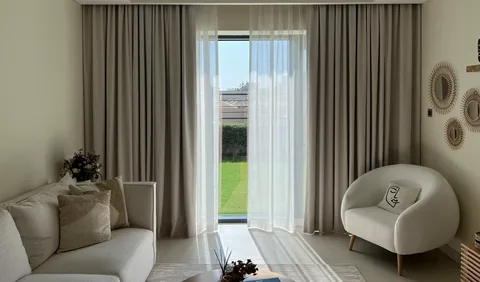
Silk curtains are more than just window treatments — they’re a statement of sophistication, luxury, and timeless style. In Dubai, where interior design often reflects modern elegance with a touch of opulence, silk curtains have become increasingly popular for living rooms, bedrooms, and upscale spaces.
In this blog, we’ll explore the beauty, benefits, and considerations of choosing silk curtains for your Dubai home.
What Are Silk Curtains?
Silk curtains are made from silk fabric — a natural fiber known for its glossy sheen, smooth texture, and elegant drape. Available in a range of styles from pure silk to silk blends (like silk–polyester or silk–linen mixes), these curtains bring a luxurious aesthetic that few other fabrics can match.
Whether you choose soft pastel tones or rich jewel hues, silk curtains create a warm, inviting ambience that instantly elevates any room.

Why Silk Curtains Are Perfect for Dubai Homes
1. Unmatched Elegance and Luxury
Silk curtains add a sense of grandeur and sophistication to any space. Their natural luster catches light beautifully, creating a soft shimmer that enhances the look of your living room or bedroom. Whether your décor is classic, contemporary, or eclectic, silk curtains fit perfectly — adding depth, texture, and a refined finish.
2. Light Reflection & Soft Ambience
Silk curtains gently diffuse incoming light, creating a soft, warm ambience in your room. Unlike heavier fabrics that block light abruptly, silk allows subtle light through — perfect for living rooms where you want natural light with a soft, elegant feel.
In Dubai’s bright climate, this balance between light and shade makes silk curtains especially appealing.
3. Ideal for Formal & Stylish Spaces
Silk curtains work wonderfully in spaces where aesthetic impact matters most — living rooms, formal seating areas, guest lounges, and master bedrooms. Their refined appearance makes them perfect for homes that emphasize style and presentation.
4. Adds Texture and Visual Depth
Silk’s unique texture adds dimension to interiors. Whether plain, printed, or embroidered, silk curtains add visual interest without overpowering the rest of your décor.
They also pair beautifully with other fabrics — like velvet cushions, linen sofas, or even sheer panel layers — creating a rich, layered look.
Types of Silk Curtains Commonly Used in Dubai
Here are the most popular silk curtain options homeowners choose:
Pure Silk Curtains
Made from 100% natural silk, these are the most luxurious and have the richest sheen and softest drape. Ideal for high-end interiors.
Silk Blend Curtains
Often blended with polyester or linen to improve durability while keeping a luxurious feel — excellent for everyday use.
Silk with Blackout Lining
Perfect if you want elegant style plus light-blocking functionality — ideal for bedrooms or media rooms.
Silk Panels with Sheer Layers
Combining silk curtain with sheer layers gives a versatile solution — luxurious by day, private by night.
Choosing the Right Silk Curtain for Your Living Room
When selecting silk curtain for your Dubai home, consider the following:
Color and Finish
Choose colors that complement your interior palette:
- Neutral Shades: Ivory, cream, beige — perfect for minimal or modern décor
- Rich Tones: Emerald, navy, gold — add luxury and depth
- Pastels: Soft blue, blush pink or champagne — ideal for light, airy rooms
Silk’s natural sheen amplifies color richness, so choose tones that harmonize with furniture, walls, and flooring.
Size and Length
Floor-to-ceiling silk curtains make small rooms feel grander and taller. For large living room windows, long, flowing panels create a dramatic, luxurious effect.
Lining and Functionality
Pure silk is delicate and beautiful but may not block sunlight entirely. Consider lining options:
- Blackout Lining: Blocks light fully — great for privacy and bedrooms.
- Thermal Lining: Helps with temperature control.
- Standard Lining: Reduces light slightly while preserving softness.
Choose lining based on your needs and room usage.
Care and Maintenance Tips for Silk Curtains
Silk is beautiful, but it requires some care:
- Professional Cleaning: Silk should be dry-cleaned — avoid washing at home
- Avoid Direct Sun Exposure: Too much direct sun can fade silk. Use sheers or blinds to protect fabric
- Rotation: Occasionally rotate panels to prevent uneven fading
- Gentle Handling: Pull curtains gently — silk fibers are delicate
Are Silk Curtains Worth It in Dubai?
Absolutely — especially in living rooms and formal spaces. Silk curtain bring:
- Timeless elegance and premium appearance
- Beautiful light diffusion
- A luxurious look that complements contemporary Dubai interiors
- A statement-making window treatment
While silk curtain may cost more than ordinary fabrics, their visual impact and refined appeal make them a worthy investment for homes that value sophistication and style.
Final Thoughts
Silk curtains are more than decorative fabric — they are a design statement. In Dubai’s luxury-focused environment, they complement high-end interiors, create soft lighting effects, and elevate your living space with unmatched elegance.
Whether you’re decorating a villa, apartment, or penthouse, silk curtains can transform your rooms into stylish, inviting spaces that reflect your taste and lifestyle.
Author


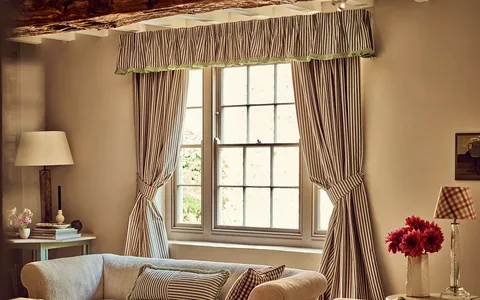
It’s 2026, and your living room has quietly transformed into something more versatile than ever before. This space now serves multiple roles throughout each day—morning coffee spot, occasional home office, gathering place for friends, and sanctuary for evening relaxation. Given how much happens here, it makes perfect sense that living room window curtains have evolved alongside these changing needs.
Today’s window treatments do far more than simply cover glass. They respond intelligently to shifting light, contribute to household wellness, and seamlessly blend technological convenience with natural materials. The result feels intuitive rather than complicated—curtains that support real life without demanding constant attention.
Let’s explore what’s shaping living room window curtains in 2026, focusing on practical trends that actually make daily life better.

Five Fresh Trends Defining 2026 Curtains
Sensor-Driven Layered Curtains
Smart home technology has matured considerably, and window treatments reflect this evolution. The dramatic, attention-seeking automation of previous years has given way to something far more subtle and useful: layered systems that work quietly in the background.
Today’s living room window curtains typically combine sheer panels with functional liners that adjust automatically throughout the day. This isn’t about showing off technology—it’s about creating consistent comfort without requiring constant adjustments.
In actual homes, this looks like opacity that shifts based on natural daylight levels. Morning sun might trigger sheers to diffuse light gently, while afternoon glare prompts additional layers to engage. Voice assistants you already use can control settings, and simple apps allow schedule adjustments when needed.
The practical benefits matter most. Homeowners report reduced screen glare during work hours, softer light for evening relaxation, and better temperature control in regions with shifting sunlight patterns. Your living room simply feels more balanced throughout the day, without requiring you to constantly adjust curtains manually.
Bio-Based Performance Weaves
Environmental consciousness in home textiles has matured significantly. The rough, uninspiring eco-friendly fabrics of the past have given way to sophisticated materials that perform beautifully while treading lightly on the planet.
Bio-based and plant-derived weaves now feature prominently in living room window curtains, offering genuine comfort alongside environmental benefits. These aren’t compromise products—they’re thoughtfully engineered textiles designed for real-world performance.
Homeowners increasingly choose these materials for several practical reasons. The breathable fabrics suit both warm and humid climates exceptionally well, preventing that stuffy feeling that some synthetic curtains create. Low-allergen properties make them ideal for households with sensitivity concerns. The subtle natural texture adds visual warmth without heaviness, and these materials typically outlast fast-fashion decorative fabrics significantly.
The result supports both personal wellness and environmental values while looking completely refined and contemporary.
Light-Diffusing Surface Finishes
Bold prints and heavy embroidery have taken a backseat to something more subtle and arguably more sophisticated. Many 2026 interiors feature curtains designed specifically to play softly with natural light.
Light-diffusing living room window curtains incorporate micro-textures and carefully refined weaves that scatter sunlight gently across the room. This creates a luminous quality that changes throughout the day without darkening the space entirely.
Designers appreciate this approach for several compelling reasons. The visual depth created by diffused light makes compact living rooms feel more spacious and open. Harsh glare reduces significantly while maintaining connection to outdoors. The effect works beautifully with neutral, minimalist interiors that characterize contemporary design preferences.
For apartment dwellers especially, this approach proves valuable. Managing natural light carefully in smaller spaces transforms how the entire room feels throughout daylight hours.
Climate-Smart Curtain Hardware
Sometimes the most significant improvements happen where you least expect them. Curtain hardware has stepped into the spotlight in 2026, with rods and tracks becoming intentional design elements rather than hidden afterthoughts.
For living room window curtains, hardware now actively supports both comfort and aesthetics. Improved insulation at mounting points helps maintain indoor temperatures more consistently. Finished options like brushed brass and muted metallic add subtle elegance. Cleaner profiles suit modern interiors perfectly. Better engineering ensures compatibility with layered and motorized systems.
Quality hardware makes an immediate practical difference. Curtains hang better, move more smoothly, and last significantly longer. The entire window treatment feels intentional rather than added as an afterthought, elevating the whole room’s appearance.
Nature-Inspired Intelligent Prints
Patterns have returned to window treatments, but they’re softer and more thoughtful than previous generations of printed curtains. Rather than bold, attention-grabbing motifs, 2026 focuses on patterns drawn from nature’s geometry.
These living room window curtains feature subtle, repeating designs inspired by organic forms—leaves, waves, soft spirals, and natural textures. The effect is quietly detailed rather than dramatically patterned.
Designers increasingly recommend these prints because they create visual calm rather than distraction. They pair easily with solid upholstery and natural wood finishes that characterize contemporary interiors. Interest builds slowly, revealing itself over time rather than announcing itself immediately. This approach aligns perfectly with wellness-led interior concepts that prioritize comfort and relaxation.
Styling Your 2026 Living Room
Creating beautiful window treatments in 2026 relies more on proportion and intention than on decoration alone. A few straightforward principles yield consistently excellent results.
Hanging curtains higher than the window frame immediately creates the illusion of height and grandeur. This simple adjustment transforms how the whole room feels. Choosing floor-length panels ensures a clean, finished appearance that looks professionally designed. Layering sheers with functional curtains provides flexibility for changing needs throughout days and seasons. Letting texture do the work rather than relying on bold colors creates sophisticated interest that wears well over time.
These approaches work because they focus on fundamental design principles rather than fleeting decorative trends.
Practical Setup and Care
Installing modern living room window curtains doesn’t require professional expertise. Simple steps make the process straightforward and results professional.
Mount curtain rods approximately 15 to 20 centimeters above the window frame for optimal proportions. This height creates visual lift while remaining practical for daily use. Set smart layers according to your local daylight patterns—observe how light moves through your space and program automation accordingly. Air natural fabrics monthly to keep them fresh and prevent dust accumulation. Spot clean textured curtains when needed rather than washing frequently, which extends fabric life significantly.
These simple habits keep curtains beautiful longer while reducing unnecessary replacements.
Looking Forward
Living room window curtains in 2026 reflect thoughtful evolution rather than radical change. Smarter layering adjusts automatically to daily light patterns. Breathable bio-based fabrics contribute to household wellness. Finishes work quietly with light rather than fighting against it. Together, these developments create window treatments that feel less like decoration and more like genuine support for daily life.
Imagine curtains that simply feel right throughout every day—filtering harsh sunlight without blocking connection to outdoors, breathing naturally with your home’s environment, and lasting beautifully through seasons of real living. Thoughtful choices like textured natural fabrics, gentle light diffusion, or responsive layers reflect this direction, where quality and care guide design decisions.
This approach isn’t about chasing novelty for its own sake. It’s about choosing living room window curtains that genuinely support how your household lives now and how your home will evolve over time. The best window treatments hold everyday moments and quiet routines gracefully, year after year.
What small change would make your windows feel more like home? Sometimes the simplest adjustments—higher rods, softer fabrics, smarter layers—transform not just how a room looks, but how it feels to be in it.
Author


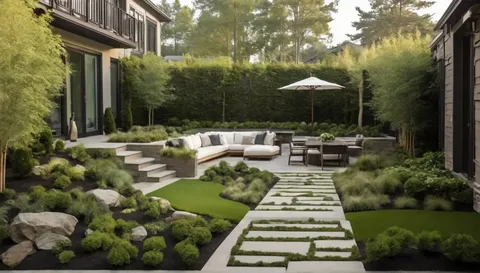
Outdoor spaces are an essential part of any property, offering both aesthetic appeal and practical value. In a historic city like Canterbury, gardens play a significant role in enhancing lifestyle, property value, and overall visual charm. From small residential gardens to large commercial landscapes, professional Garden landscaping contractors Canterbury provide the expertise required to create outdoor environments that are both beautiful and functional.
Landscaping is not simply about improving appearance. It involves careful planning, skilled construction, and long-term sustainability. Professional contractors combine creativity with technical knowledge to design gardens that suit the property, the environment, and the needs of the owner.
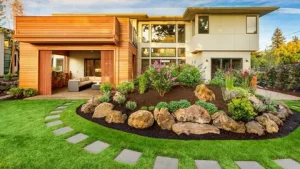
The Importance of Professional Garden Landscaping
Professional landscapers understand how to transform underused or outdated outdoor areas into practical spaces. This might include creating seating areas, improving access, adding greenery, or enhancing privacy. With expert planning, even small gardens can feel spacious and inviting.
Comprehensive Landscaping Services
Garden landscaping contractors offer a wide range of services to meet different requirements. These typically include garden design, groundwork, hard landscaping, soft landscaping, drainage solutions, fencing, and long-term maintenance.
Each project begins with an assessment of the existing space. Contractors consider factors such as soil condition, drainage, sunlight, and layout. Based on this information, they develop a design that maximizes space while ensuring durability and ease of maintenance.
Custom Garden Design for Canterbury Properties
Every property has unique features, and a one-size-fits-all approach rarely works in landscaping. Professional garden designers create bespoke layouts that reflect both the client’s vision and the character of the property.
In Canterbury, traditional gardens with lawns, flower borders, and natural stone features remain popular. At the same time, many homeowners are choosing contemporary designs with clean lines, minimal planting, and modern paving materials.
Contractors work closely with clients to understand how the garden will be used. Whether it’s a family-friendly space, a low-maintenance garden, or an area designed for entertaining, the final design balances style and practicality.
Hard Landscaping: Creating Structure and Functionality
Hard landscaping forms the backbone of any garden design. It includes features such as patios, walkways, retaining walls, steps, and driveways. These elements provide structure and define different areas of the garden.
Professional installation is crucial for hard landscaping features. Proper groundwork ensures surfaces remain level and durable over time. In Canterbury, where rainfall can be frequent, effective drainage is essential to prevent water damage and surface deterioration.
Soft Landscaping: Bringing Gardens to Life
Soft landscaping focuses on natural elements such as plants, lawns, trees, and shrubs.
This ensures healthy growth and reduces maintenance requirements. A balanced planting scheme includes a mix of evergreen and seasonal plants to keep gardens looking attractive throughout the year.
Lawn installation is another key aspect of soft landscaping. Contractors prepare the ground thoroughly to ensure proper drainage and root development. Both natural turf and artificial grass options are available, depending on usage and maintenance preferences.
Sustainable Landscaping Practices
Sustainability is an important consideration in modern landscaping. Professional contractors increasingly use environmentally responsible methods to reduce environmental impact.
This may include installing permeable paving to manage rainwater naturally, selecting native plant species, and designing gardens that require minimal watering. Efficient irrigation systems help conserve water while maintaining healthy plants.
Using recycled materials and reducing waste during construction also contribute to sustainable landscaping practices. These approaches benefit both the environment and the long-term health of the garden.
Enhancing Outdoor Living Spaces
Modern landscaping focuses heavily on creating usable outdoor living areas. Gardens are no longer just decorative spaces; they are extensions of the home.
Professional landscapers design outdoor seating areas, dining zones, and relaxation spaces that encourage year-round use. Features such as decking, pergolas, and raised planters add both functionality and visual interest. https://contrank.com/wp-admin/post-new.php
Lighting is another important element. Well-placed garden lighting enhances safety and creates atmosphere, allowing outdoor spaces to be enjoyed after dark.
Landscaping for Commercial Properties
Garden landscaping contractors also work with commercial clients in Canterbury. Well-maintained outdoor spaces enhance the professional image of businesses, offices, and public spaces.
Commercial landscaping focuses on durability, accessibility, and ease of maintenance. Clear pathways, defined entrances, and attractive planting improve both functionality and appearance.
Professional landscaping can also contribute to employee wellbeing and customer satisfaction by creating pleasant outdoor environments.
Increasing Property Value Through Landscaping
High-quality landscaping is a valuable investment. A well-designed garden can significantly increase property value and market appeal.
Potential buyers often see professional landscaping as a sign of quality and care. Features such as paved patios, structured planting, and neat lawns create a strong visual impact.
In Canterbury’s competitive property market, a landscaped garden can make a property stand out and attract greater interest.
Ongoing Garden Maintenance Services
Many landscaping contractors offer maintenance services to preserve the appearance and health of gardens. These services may include lawn mowing, pruning, weed control, and seasonal planting.
Regular maintenance ensures gardens remain tidy and prevents small issues from developing into costly problems. Professional care helps extend the lifespan of both plants and hard landscaping features.
For homeowners seeking convenience, low-maintenance garden designs reduce upkeep while maintaining visual appeal.
Choosing the Right Landscaping Contractor
Selecting the right contractor is essential for achieving successful results. Skilled landscapers offer effective communication, thorough planning, and open pricing.
Local knowledge is particularly valuable. Contractors familiar with Canterbury understand regional soil conditions, planning considerations, and architectural styles.
Professionalism, reliability, and attention to detail are key indicators of a trustworthy landscaping contractor.
The Landscaping Project Journey
The landscaping process typically begins with a consultation. Contractors discuss ideas, assess the space, and identify requirements. This is followed by a detailed design and project plan.
Once approved, work begins with site preparation and groundwork. Hard and soft landscaping elements are then installed according to the design. Final checks ensure quality standards are met before completion.
Clear timelines and regular updates help ensure a smooth and stress-free experience for clients.
Long-Term Benefits of Professional Landscaping
Professional landscaping provides long-term benefits beyond immediate visual improvement. Durable construction reduces repair costs, while thoughtful design improves usability.
Well-designed gardens also enhance lifestyle quality, offering spaces for relaxation, socializing, and recreation. These benefits contribute to overall wellbeing and property enjoyment.
Conclusion
Professional garden landscaping transforms outdoor spaces into functional and visually appealing environments. By working with skilled contractors, property owners in Canterbury can achieve gardens that reflect their lifestyle, enhance property value, and stand the test of time.
From design and construction to maintenance and sustainability, expert landscaping services provide lasting results that elevate both residential and commercial properties.
Author



Cox.net Yahoo Email: Guide to Fix Login, Sync & Email Issues

Best Air Cleaners for Home: Types, Benefits, and Maintenance Tips

Canon Printer Support: Quick Ways to Contact Customer Care

Packaging Companies: Trends, Top Players & Packaging Solutions

Web Scraping Statistics 2026: Market Size, Growth & Industry

AI-Driven Social Media Marketing Strategies for Modern Businesses

Ami Paris Pullover & Hoodie: The Ultimate Material & Care Guide

Radiopharmaceutical Therapeutic Market : Innovations in Oncology

North America Deflazacort Market: 2026 Outlook & 2031 Forecast

New Apartments in NT: Darwin Harbour & Tropical Living

Cybersecurity Consulting Company SequelNet Provides Critical IT Support Services to Medical Billing Firm, Medical Optimum

Team Communication Software Transforms Operations at Finance Innovate

Project Management Tool Transforms Long Island Business

How Alleviate Poverty Utilized IPPBX’s All-in-One Solution to Transform Lives in New York City

Breast Cancer: The Imperative Role of Mammograms in Screening and Early Detection

Unstoppable Collaboration: D.C.’s Citi Open and Silicon Valley Classic Unite to Propel Women’s Tennis to New Heights

Embracing Renewal: Sizdabedar Celebrations Unite Iranians in New York’s Eisenhower Park

The Benefits of Starting a Side Hustle for Financial Freedom

New Blood Donation Screening Questions What You Need to Know

Stylishly Timeless: The 5 Types of Sandals You Need in Your Closet
-

 Business3 years ago
Cybersecurity Consulting Company SequelNet Provides Critical IT Support Services to Medical Billing Firm, Medical Optimum
-
Business3 years ago
Team Communication Software Transforms Operations at Finance Innovate
-
Business3 years ago
Project Management Tool Transforms Long Island Business
-
Business3 years ago
How Alleviate Poverty Utilized IPPBX’s All-in-One Solution to Transform Lives in New York City
-
health3 years ago
Breast Cancer: The Imperative Role of Mammograms in Screening and Early Detection
-
Sports3 years ago
Unstoppable Collaboration: D.C.’s Citi Open and Silicon Valley Classic Unite to Propel Women’s Tennis to New Heights
-
Art /Entertainment3 years ago
Embracing Renewal: Sizdabedar Celebrations Unite Iranians in New York’s Eisenhower Park
-
Finance3 years ago
The Benefits of Starting a Side Hustle for Financial Freedom







