
Business industrial
The Changing Landscape of Renewable Energy: Trends for 2023


As the world continues to grapple with climate change and its impact on the environment, the renewable energy industry is poised for significant growth and change in the coming year. Here are some of the top trends we can expect to see in the landscape of renewable energy in 2023:
- The Rise of Offshore Wind Energy: Offshore wind farms are becoming increasingly popular due to their ability to generate large amounts of energy without taking up valuable land space. In 2023, we can expect to see a surge in the construction of offshore wind farms, particularly in Europe and Asia.
- Increased Investment in Solar Energy: Solar energy has become one of the most affordable and accessible forms of renewable energy, and this trend is expected to continue in 2023. Many countries, including the United States, China, and India, are expected to invest heavily in solar energy projects over the next year.
- Growth of Energy Storage: One of the biggest challenges of renewable energy has been the intermittent nature of some sources, such as wind and solar power. Energy storage technologies, such as batteries, are becoming increasingly important to ensure a steady supply of renewable energy. In 2023, we can expect to see significant growth in the energy storage market, particularly as battery prices continue to drop.
- Increased Use of Artificial Intelligence: Artificial intelligence (AI) is being used to optimize renewable energy systems, making them more efficient and cost-effective. In 2023, we can expect to see increased use of AI in the renewable energy industry, particularly in areas such as predictive maintenance, energy management, and grid optimization.
- Growth of Community Solar: Community solar projects allow residents and businesses to access solar energy without having to install solar panels on their own properties. In 2023, we can expect to see a significant increase in community solar projects, particularly in urban areas where space is limited.
Overall, the renewable energy industry is expected to experience significant growth and change in 2023, driven by technological advances, increasing demand, and the urgent need to address climate change. As we move towards a cleaner and more sustainable future, the renewable energy industry will play a critical role in shaping our energy landscape.
Author



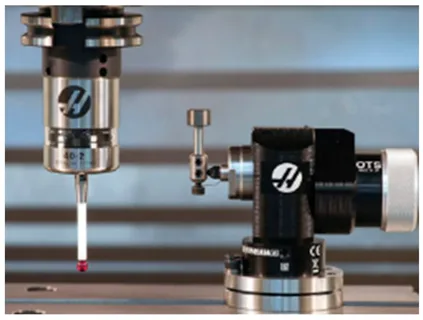
In CNC machining, endmill cutting tools play a critical role in achieving precision, productivity, and surface finish quality. However, even the best cutting tools can lose performance quickly if they are not stored and maintained properly. Many machining shops focus heavily on tool selection and machining parameters, but often ignore proper tool care practices. This can lead to premature wear, tool breakage, rust, and unnecessary replacement costs.
Proper storage and maintenance practices help improve tool life, reduce operational expenses, and maintain machining accuracy. Whether you are handling roughing cutters, finishing tools, or precision micro tools, organized storage and regular maintenance can make a major difference in overall machining performance.
Why Proper Tool Maintenance Matters
Cutting tools operate under high heat, pressure, and friction. Over time, these conditions naturally wear down tool edges. Without proper care, even premium tools can fail faster than expected.
Good maintenance practices help:
- Extend tool lifespan
- Improve machining accuracy
- Reduce tool replacement costs
- Maintain surface finish quality
- Prevent unexpected machine downtime
Proper handling is especially important for precision tools because minor damage can affect cutting performance significantly.
Maintaining an endmill correctly also improves consistency during high-volume production runs.
Clean Tools After Every Use
One of the most important maintenance practices is cleaning tools immediately after machining operations. Metal chips, coolant residue, and dust particles can damage cutting edges if left untreated.
Recommended cleaning methods include:
- Using compressed air carefully
- Wiping tools with clean cloths
- Applying rust-prevention oil
- Using ultrasonic cleaning systems for precision tools
Proper cleaning helps prevent corrosion and keeps cutting edges sharp for longer periods.
For high-performance carbide endmills, regular cleaning is essential because built-up material can affect cutting precision and increase heat generation during machining.
Store Tools in Dedicated Holders
Improper storage is one of the leading causes of accidental tool damage. Throwing tools into drawers or storage boxes can lead to edge chipping and surface scratches.
Best storage practices include:
- Using dedicated tool racks
- Keeping tools in protective sleeves
- Separating tools by size and type
- Avoiding direct contact between cutting edges
Tool holders designed specifically for CNC cutting tools help maintain organization and reduce handling damage.
Each endmill should be stored securely to protect the cutting geometry and coating from unnecessary wear.
Control Moisture and Temperature
Humidity and temperature changes can affect cutting tool performance over time. Moisture exposure may lead to rust formation, especially on non-coated tools and tool holders.
To prevent environmental damage:
- Store tools in dry areas
- Maintain stable room temperature
- Use anti-rust coatings when needed
- Avoid exposure to coolant leakage
Climate-controlled tool storage areas are becoming increasingly common in modern manufacturing facilities.
This is particularly important for expensive solid carbide endmills, which require careful protection to maintain precision cutting performance.
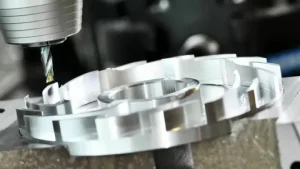
Inspect Tools Regularly
Routine inspection helps identify wear before tools fail completely. Operators need to inspect cutting edges prior to and following machining processes.
Common signs of wear include:
- Edge chipping
- Cracks
- Flank wear
- Discoloration
- Built-up edge formation
Using worn tools can reduce machining accuracy and damage workpieces.
A damaged endmill should either be reconditioned or replaced immediately to maintain production quality.
Use Proper Tool Identification Systems
Organized tool management improves efficiency and reduces confusion in busy workshops. Labelling tools properly helps operators quickly identify the right cutter for each application.
Many CNC shops now use:
- Barcode systems
- RFID tracking
- Digital inventory software
- Tool presetting systems
These systems help track usage history, maintenance schedules, and tool life data more efficiently.
Proper organization is especially useful when managing multiple types of endmills for different machining operations.
Regrinding and Recoating Practices
Instead of discarding worn tools immediately, many manufacturers choose regrinding and recoating services. Reconditioning helps restore cutting performance while reducing tooling costs.
Benefits include:
- Lower replacement expenses
- Extended tool usability
- Reduced material waste
- Improved cost efficiency
However, regrinding should only be performed by experienced professionals to maintain tool geometry accurately.
Premium solid carbide endmills are often ideal candidates for reconditioning because of their durable carbide structure.
Handle Precision Tools Carefully
Small-diameter cutting tools require extra care during storage and handling. Precision cutters are more vulnerable to accidental damage. Modern micro endmills are commonly used in medical, electronics, and aerospace industries, where even tiny edge damage can affect machining quality.
Best practices for handling precision tools include:
- Using protective cases
- Avoiding manual dropping
- Minimizing unnecessary contact
- Inspecting under magnification
Proper spindle alignment and vibration control are also important for maintaining micro-tool performance.
Avoid Cross-Contamination
Mixing dirty tools with clean tools can spread metal particles and coolant residue. This contamination may damage tool coatings and reduce cutting efficiency.
To avoid contamination:
- Separate used and unused tools
- Clean storage trays regularly
- Use designated cleaning stations
- Store coated tools separately when possible
Good workshop hygiene contributes significantly to tool longevity and machining consistency.
Maintain Tool Holders Properly
Tool holders are equally important in CNC machining operations. Poor holder condition can create runout and vibration that damages cutting tools.
Maintenance tips for holders include:
- Cleaning holder tapers regularly
- Checking for wear and cracks
- Verifying clamping force
- Replacing damaged collets
Even a perfectly sharp endmill may perform poorly if the holder is damaged or improperly balanced.
Train CNC Operators on Tool Care
Human error remains one of the most common causes of tool damage. Proper training ensures operators understand correct handling and storage procedures.
Training programs should cover:
- Tool cleaning methods
- Inspection routines
- Storage organization
- Safe handling practices
- Tool wear identification
Well-trained operators can significantly reduce tooling costs and improve machining reliability.
Use Modern Tool Management Systems
Many advanced manufacturing facilities now use automated tool management systems. These systems monitor tool inventory, usage cycles, and replacement schedules.
Advantages include:
- Better inventory control
- Reduced downtime
- Improved efficiency
- Accurate tool tracking
- Lower operational costs
Modern tool management supports the growing demand for smart manufacturing and Industry 4.0 integration.
Importance of Choosing Quality Tools
Proper maintenance is most effective when combined with high-quality cutting tools. Cheap tools often wear out quickly and may not respond well to reconditioning processes.
Premium carbide endmill provide better wear resistance, heat tolerance, and cutting stability. High-quality tools also maintain edge sharpness longer, making maintenance efforts more effective. Investing in reliable tooling solutions improves long-term machining performance and reduces unnecessary production interruptions.
Conclusion
Proper storage and maintenance practices are essential for maximizing cutting tool performance and lifespan. From regular cleaning and inspection to organized storage and environmental protection, every step contributes to better machining efficiency and lower operational costs.
Managing different types of endmills, maintaining precision micro endmills, and protecting premium solid carbide endmills require careful attention and proper workshop discipline. By implementing these best practices, CNC operators and manufacturers can improve machining quality while reducing tool replacement expenses.
Author


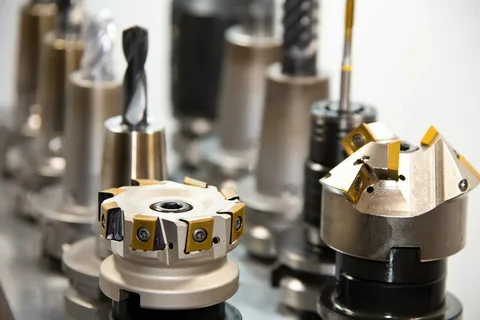
Discover the best materials used for CNC tool manufacturing, including carbide, ceramic, HSS, and cermet for precision machining performance. Modern machining industries rely on tough materials to ensure the precision and fast processing of goods. Raw material quality determines cutting performance, toughness, heat resistance, and overall machining performance.
High-quality cnc tool ensures that machining industries obtain perfect results from their operations while minimizing any downtime due to difficult operations involved. Selection of good materials can lead to better productivity and performance of industries in modern machining.
Selection of material type depends on the hardness of the material being processed and the complexities of the machining process involved. Modern high-end manufacturing industries including automotive, aerospace, mold, and engineering require tough machining solutions that offer accuracy in their operations. Understanding what makes good machining materials will assist industries in choosing the appropriate machining tools.
1. Carbide Materials for Machining
Carbide is the most extensively utilized material in machining industries due to its superior hardness and durability. It operates effectively at higher temperatures and retains cutting accuracy while operating continuously. Several companies prefer carbide material due to its extended lifetime and high-speed machining capabilities.
Benefits of Carbide Materials
- Excellent resistance to heat and friction
- Suitable for high-speed cutting operations
- Provides better dimensional accuracy
- Improves productivity in mass production
- Reduces tool replacement frequency
Use of a high-end carbide cutter is a common practice for machining applications that require high durability and stability. Hardened steel and alloys usually need a carbide solution to achieve optimal machining performance.
2. High-Speed Steel for Operations
High-speed steel, commonly known as HSS, remains an important material in machining industries. Although carbide materials are harder, HSS still offers flexibility and toughness for several machining applications. It performs effectively in interrupted cutting and general-purpose manufacturing tasks.
Advantages of High-Speed Steel
- Better toughness during vibration
- Easy to regrind and maintain
- Cost-effective for small operations
- Suitable for moderate cutting speeds
- Works well for drilling and tapping
Many workshops use HSS in operations where flexibility is more important than extreme hardness. Smaller manufacturing units also prefer this material because of its affordable cost and reliable performance in daily machining work.
3. Ceramic Materials in Manufacturing
Ceramic-based materials are widely used for high-temperature machining operations. These materials are designed for industries that require excellent heat resistance and fast cutting performance. Ceramic solutions are often used in finishing applications where precision and surface quality are important.
Features of Ceramic Materials
- High thermal stability
- Excellent wear resistance
- Suitable for dry machining
- Supports faster cutting speeds
- Delivers smoother surface finish
Use of ceramic materials is common in the aerospace and automotive industries due to their ability to provide uniformity during the long production processes. Their resistance to high temperatures also makes them appropriate for industrial use.
4. Cermet Materials for Precision Applications
Cermet materials combine ceramic and metallic properties to provide both hardness and toughness. These materials are often used in finishing applications where industries require better dimensional control and surface quality.
Benefits of Cermet Materials
- Lower friction during cutting
- Better finishing quality
- Longer operational life
- Reduced material buildup
- Stable machining performance
Cermet solutions are preferred in industries that manufacture precision components. Their smooth cutting action helps reduce vibration and improves machining accuracy in continuous production environments.
5. Diamond and Cubic Boron Nitride
Diamond and cubic boron nitride are advanced materials used for highly specialized machining tasks. These materials provide exceptional hardness and are suitable for processing extremely hard workpieces.
Key Advantages
- Very high wear resistance
- Excellent cutting precision
- Longer service life
- Reduced heat generation
- Suitable for hardened materials
Diamond materials are commonly used for non-ferrous metals, while cubic boron nitride is preferred for hardened steel applications. These advanced solutions improve productivity in industries that require superior machining quality.
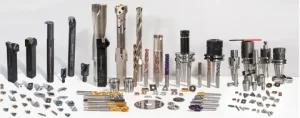
Material Selection in Manufacturing
Material selection plays a major role in determining machining efficiency and production quality. Different operations require different hardness levels, thermal resistance, and wear protection. Manufacturers carefully analyze machining requirements before selecting suitable materials for industrial applications.
Factors Considered During Selection
- Workpiece hardness
- Cutting speed requirements
- Heat generation levels
- Surface finish expectations
- Production volume and cost
Modern industries also focus on durability because frequent replacement increases operational expenses. Choosing suitable materials improves consistency and reduces maintenance requirements during production cycles.
The development of modern cnc machine tools has increased the demand for stronger and more heat-resistant materials. Advanced machining systems require durable components that can perform efficiently under continuous industrial operations.
Role of Coatings in Improving Performance
Apart from base materials, protective coatings also improve machining efficiency. Coatings help reduce friction, increase heat resistance, and improve operational stability. Many industries use coated solutions for longer service life and better production output.
Common Industrial Coatings
- Titanium Nitride (TiN)
- Titanium Carbonitride (TiCN)
- Aluminum Titanium Nitride (AlTiN)
- Diamond-like coatings
- Ceramic protective coatings
These coatings protect the cutting surface from excessive wear and temperature damage. They also improve cutting smoothness and help industries achieve better machining accuracy.
A properly designed cnc tool holder also contributes to machining stability by reducing vibration and maintaining proper alignment during industrial operations. Stable holding systems improve precision and help maintain consistent cutting results.
Industries Prefer Advanced Materials
Manufacturing industries continue to adopt advanced materials because production demands are increasing rapidly. Industries now require faster machining speeds, higher precision, and improved durability. Traditional materials may not always handle modern production challenges efficiently.
Reasons for Increased Demand
- Growth of precision engineering industries
- Requirement for faster production
- Increased use of hardened materials
- Need for better operational efficiency
- Focus on long-term cost savings
The latest cnc tool types are designed to support modern manufacturing needs with improved durability and heat resistance. Better material technology allows industries to maintain accuracy even in challenging machining conditions.
Another advantage of advanced material technology is improved energy efficiency. Durable machining solutions reduce unnecessary downtime and increase productivity, which benefits industries aiming for cost-effective manufacturing.
The demand for advanced cnc tool systems is increasing because industries require high precision and stable cutting performance in modern production environments.
Conclusion
Material quality affects the efficiency, effectiveness, longevity, and cost of production. These materials which include carbide, ceramic, HSS, cermet, diamond, and coated materials all come with their respective qualities which depend on the industrial requirement.
By selecting the right material, industries can guarantee their smooth operations as well as increase longevity. As manufacturing technology advances, the development of materials will always remain important for every industry to succeed. Industrial companies like Jaibros understand the importance of proper machining and industrial material qualities.
Author


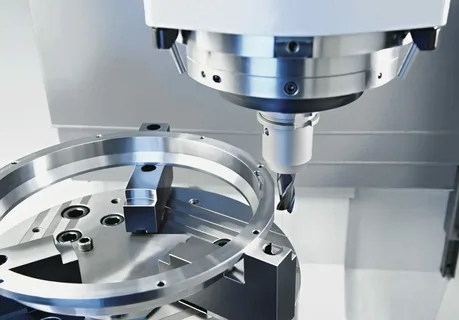
CNC Milling Efficiency Using Advanced Endmill Tools. Improve CNC milling efficiency with advanced endmill tools. Learn about carbide tools, coatings, tool geometry, and high-performance machining solutions. CNC milling is an essential part of modern manufacturing for creating parts with high accuracy, such as aero plane & car parts and molds to create various pieces of industrial machinery. CNC machining relies on the use of cutting tools, and the performance of the machine will be primarily determined by the quality and design of the cutting tool.
By using advanced endmill tools, CNC mill manufacturers will be able to significantly increase the speed at which they can cut materials, decrease tool wear, and provide a better surface finish of parts produced using a CNC machine tool. Thanks to advances in tool technology, CNC mill manufacturers are now able to produce higher quantities of parts per hour and also maintain very high levels of dimensional accuracy.
Understanding CNC Milling Efficiency
CNC milling efficiency refers to the ability of a machining process to produce high-quality components quickly and accurately while minimizing operational costs.
Efficient machining depends on:
- Cutting speed
- Feed rate
- Tool life
- Surface finish
- Chip evacuation
- Machine stability
When the right cutting tool is selected, manufacturers can significantly improve productivity and reduce machining downtime.
Importance of Advanced Milling Tools
Traditional cutting tools often struggle with:
- Excessive heat generation
- Poor chip evacuation
- Short tool life
- Surface finish issues
Modern endmill technology solves these problems by using advanced geometries, coatings, and carbide materials that improve cutting performance in demanding CNC operations.
Advanced milling tools help:
- Increase machining speed
- Improve cutting accuracy
- Reduce vibration
- Extend tool life
- Enhance surface quality
Carbide Tools Improve CNC Milling
Many manufacturers prefer carbide endmills because they provide superior hardness and heat resistance compared to traditional high-speed steel tools.
Key Benefits of Carbide Tools
- High wear resistance
- Better heat tolerance
- Faster cutting capability
- Longer operational life
- Improved machining stability
These tools maintain sharp cutting edges even during high-speed machining operations.
Advantages of Solid Carbide Cutting Tools
For high-performance CNC machining, solid carbide endmills are commonly used because of their exceptional rigidity and durability.
Major Advantages
- Reduced vibration during cutting
- Better dimensional accuracy
- Improved surface finish
- Increased tool strength
- Higher productivity
Solid carbide tools are especially effective when machining hardened steel, stainless steel, and titanium alloys.
Types of Milling Tools Used in CNC Operations
Different machining applications require different tooling designs. Understanding the major types of endmills helps operators select the correct tool for each operation.
Flat End Mills
Used for:
- Slotting
- Side milling
- General cutting operations
They create flat surfaces and sharp edges.
Ball-Nose End Mills
Ideal for:
- 3D contouring
- Mold machining
- Curved surface finishing
These tools produce smooth and accurate contours.
Corner Radius End Mills
These tools provide greater strength by reducing edge chipping during heavy cuts.
Roughing End Mills
Designed for aggressive material removal with reduced cutting forces.
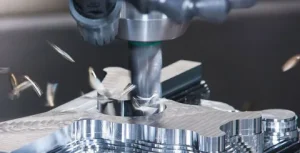
Machining and Tool Performance
Modern CNC machines operate at extremely high spindle speeds. Advanced cutting tools are designed to withstand these conditions while maintaining consistent cutting performance.
High-speed machining provides the following:
- Faster production cycles
- Better surface finish
- Reduced manual finishing work
- Improved productivity
However, proper tool selection and machining parameters are essential for stable performance.
Importance of Tool Coatings
Modern tool coatings improve durability and cutting efficiency.
Common Coatings Used in CNC Milling
TiAlN (Titanium Aluminum Nitride)
Provides excellent heat resistance for hard materials.
AlCrN (Aluminum Chromium Nitride)
Improves oxidation resistance and tool durability.
DLC (Diamond-Like Carbon)
Ideal for non-ferrous materials because of low friction properties.
Benefits of Coatings
- Reduced heat buildup
- Longer tool life
- Better wear resistance
- Improved cutting performance
Proper coating selection improves machining consistency.
Precision Machining with Micro Tools
In industries requiring miniature components and intricate details, micro endmills are widely used.
These tools are common in the following:
- Medical device manufacturing
- Electronics industry
- Mold making
- Jewelry machining
Advantages
- High precision cutting
- Ability to machine tiny features
- Excellent detail accuracy
Because of their small size, micro tools require stable machining setups and carefully controlled cutting parameters.
Role of Chip Evacuation in Milling Efficiency
Efficient chip removal is essential for maintaining stable machining conditions.
Poor chip evacuation can lead to:
- Excessive heat
- Surface damage
- Tool breakage
- Reduced tool life
Advanced tool geometries are designed to improve chip flow and reduce cutting resistance.
Using proper coolant systems further improves machining performance.
Importance of Proper Toolpath Strategies
Modern CAM software helps optimize machining efficiency through advanced toolpath strategies.
Popular Toolpath Techniques
- Adaptive milling
- Trochoidal milling
- High-efficiency machining
- Dynamic toolpaths
These methods reduce cutting load and improve tool life while maintaining higher material removal rates.
Common Challenges in CNC Milling
Manufacturers often face machining problems such as:
- Excessive vibration
- Tool wear
- Poor surface finish
- Heat buildup
- Chatter marks
Using high-quality tooling solutions and proper machining practices helps minimize these issues.
Practices for Better Milling Performance
To maximize CNC milling efficiency:
- Use the correct cutting tool geometry
- Select proper coatings
- Follow recommended cutting speeds
- Use rigid tool holders
- Monitor tool wear regularly
- Maintain proper coolant flow
Consistent maintenance and proper machining strategies improve overall production efficiency.
Future in CNC Milling Technology
The future of CNC machining includes:
- AI-assisted machining optimization
- Smart cutting tools
- Real-time tool monitoring
- Advanced nano-coatings
- Automation in tooling systems
These innovations continue to improve machining speed, accuracy, and productivity.
Conclusion
Efficient CNC milling depends heavily on advanced tooling technology and proper machining practices. High-performance endmill tools help manufacturers achieve faster machining speeds, improved surface finish, and longer tool life in demanding applications. By selecting the right tool geometry, coatings, and machining parameters, businesses can significantly improve production efficiency and machining quality.
As CNC manufacturing continues to evolve, advanced cutting tools will remain essential for achieving precision, consistency, and cost-effective machining performance.
Author



Experiment Five Fashion Trends: Redefining Modern Streetwear

Endmill Maintenance: Improve Tool Life and Machining Accuracy

Columbus Digital Marketing: Help Moving Companies Grow Online

Spider Hoodie Collection: Stylish & High-Quality Sp5der Hoodies

Real Estate Agents in Dubai: Use Podcasting to Build Trust

CNC Tool Manufacturing: Carbide, Ceramic, HSS & Cermet

Road Bikes: Best Lightweight & High-Performance Cycling

Car Brake Repair: Brake Pad Replacement Services

Cactus Jack Hoodie: Streetwear Culture, Styling & Exclusive Drops

PeaceInWar Fashion: Clothing That Commands Respect

Cybersecurity Consulting Company SequelNet Provides Critical IT Support Services to Medical Billing Firm, Medical Optimum

Team Communication Software Transforms Operations at Finance Innovate

Project Management Tool Transforms Long Island Business

How Alleviate Poverty Utilized IPPBX’s All-in-One Solution to Transform Lives in New York City

Breast Cancer: The Imperative Role of Mammograms in Screening and Early Detection

Unstoppable Collaboration: D.C.’s Citi Open and Silicon Valley Classic Unite to Propel Women’s Tennis to New Heights

Embracing Renewal: Sizdabedar Celebrations Unite Iranians in New York’s Eisenhower Park

The Benefits of Starting a Side Hustle for Financial Freedom

New Blood Donation Screening Questions What You Need to Know

Stylishly Timeless: The 5 Types of Sandals You Need in Your Closet
-

 Business3 years ago
Cybersecurity Consulting Company SequelNet Provides Critical IT Support Services to Medical Billing Firm, Medical Optimum
-
Business3 years ago
Team Communication Software Transforms Operations at Finance Innovate
-
Business3 years ago
Project Management Tool Transforms Long Island Business
-
Business3 years ago
How Alleviate Poverty Utilized IPPBX’s All-in-One Solution to Transform Lives in New York City
-
health3 years ago
Breast Cancer: The Imperative Role of Mammograms in Screening and Early Detection
-
Sports3 years ago
Unstoppable Collaboration: D.C.’s Citi Open and Silicon Valley Classic Unite to Propel Women’s Tennis to New Heights
-
Art /Entertainment3 years ago
Embracing Renewal: Sizdabedar Celebrations Unite Iranians in New York’s Eisenhower Park
-
Finance3 years ago
The Benefits of Starting a Side Hustle for Financial Freedom







