
Business
The Art of Tapestry: Weaving Stories Through Time

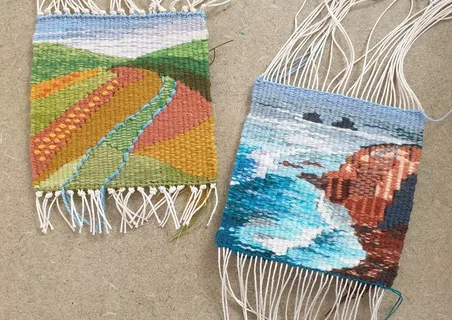
Tapestry is far more than decorative fabric; it is a powerful medium of storytelling, cultural preservation, and artistic mastery. Woven by hand on looms that have changed little over centuries, tapestries transform simple threads into sweeping narratives that capture wars, legends, faith, power, and everyday life. Unlike paintings that rely on pigment and canvas, tapestry artists use dyed fibers to create depth, light, and movement. Each thread is a deliberate choice, and every knot carries intention. The result is a textile that functions as both art and artifact—a tactile record of civilization.
From ancient courts to medieval castles, from royal workshops to modern galleries, tapestry has evolved while maintaining its essence. It remains one of the few art forms where patience is not just a virtue but a necessity. A single large tapestry can take months or even years to complete, demanding collaboration between designers, dyers, and weavers. Yet the reward is timeless: a woven world that can outlast generations.
The Ancient Origins of Tapestry Weaving
The roots of tapestry stretch deep into antiquity. Early civilizations in regions such as ancient Egypt, Greece, Peru, and China developed sophisticated weaving techniques not only for clothing but also for ceremonial and decorative purposes. Fragments discovered in burial sites reveal complex patterns and symbolic imagery, suggesting that woven art held spiritual and cultural significance.
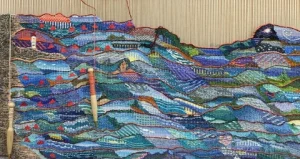
In many ancient societies, textiles were more valuable than gold. They were portable wealth, diplomatic gifts, and sacred offerings. The Peruvian civilizations, for example, created intricate woven pieces that told stories of gods and rulers. Meanwhile, in Asia, silk weaving became an elite craft that reflected both technological advancement and aesthetic refinement. Although these early textiles were not always “tapestries” in the strict European sense, they laid the foundation for narrative weaving traditions that would later flourish.
Medieval Masterpieces: Tapestry as Power and Propaganda
The medieval period marked the golden age of European tapestry. During this time, large woven panels became symbols of wealth, authority, and sophistication. Nobles and monarchs commissioned grand works to decorate stone castles, which were often cold and austere. Tapestries provided insulation, color, and grandeur. More importantly, they communicated messages about lineage, victory, and divine right.

Later centuries produced equally stunning works, such as “The Lady and the Unicorn” series in France. These tapestries demonstrated remarkable skill in depicting perspective, texture, and emotion. They were not simply decorations; they were immersive environments. Entering a room lined with tapestries was akin to stepping inside a story.
The Craft Behind the Cloth: How Tapestries Are Made
Creating a tapestry begins long before a single thread is woven. The process starts with a detailed design, known as a cartoon. This full-scale drawing guides the weaver, who works from the back of the tapestry, carefully interlacing weft threads over and under warp threads. Unlike standard weaving, where the design repeats in patterns, tapestry weaving allows for free-form imagery. Each color area is woven separately, enabling intricate scenes and shading.
The materials used can vary, but wool has traditionally been favored for its durability and ability to hold dye. Silk, linen, and even gold or silver threads may be incorporated to enhance richness. Natural dyes, derived from plants, insects, and minerals, historically produced vibrant yet enduring colors.
The loom itself can be vertical (high-warp) or horizontal (low-warp). Regardless of orientation, the weaver must constantly reference the design while maintaining tension and precision. Because the image is created in reverse, mastery requires both technical skill and spatial awareness. The slow, meditative rhythm of weaving becomes an intimate dialogue between artisan and artwork.
Renaissance Innovation and Royal Workshops
During the Renaissance, Tapestry Pants production reached new heights of artistic ambition. Royal courts established official workshops to ensure quality and control imagery. One of the most influential centers was the Gobelins Manufactory in France. Founded in the 17th century, it became synonymous with excellence in woven art.
Artists such as Raphael provided designs for tapestries that were then woven by master artisans. These collaborations blurred the line between painting and textile art. Scenes grew more dynamic, with dramatic compositions, classical themes, and sophisticated use of perspective.
Tapestries from this era often depicted mythological stories, biblical narratives, and allegorical representations of virtues. They adorned palaces and cathedrals, reinforcing cultural ideals and political power. In many cases, they were considered equal in prestige to monumental paintings.
Decline and Revival: Tapestry in the Modern Era
The Industrial Revolution brought dramatic changes to textile production. Machine-made fabrics became widely available, reducing the demand for labor-intensive handwoven tapestries. As tastes shifted toward minimalist interiors and mass production, traditional weaving workshops struggled to survive.
However, the 19th and 20th centuries also witnessed a revival of interest in craftsmanship. Movements such as Arts and Crafts promoted a revival of handcrafted artistry. Artists began experimenting with tapestry not merely as decorative background but as an independent art form.
In the 20th century, figures such as Jean Lurçat reimagined tapestry with bold colors and modernist abstraction. Instead of replicating paintings, these artists celebrated the distinct characteristics of woven texture . Tapestry became a canvas for contemporary expression, proving its adaptability across centuries.
Cultural Significance Around the World
While European traditions are often highlighted, tapestry-like weaving has thrived globally. In Central Asia, nomadic tribes created richly patterned textiles that reflected tribal identity. In Scandinavia, woven wall hangings preserved folklore and seasonal rituals. In parts of Africa, textile art conveyed social status and ancestral heritage.
Each region developed distinctive motifs, techniques, and symbolism. Geometric patterns might signify harmony or protection. Floral imagery could represent fertility or divine presence. The universality of textile storytelling underscores humanity’s shared desire to document experience through tangible craft.
Tapestry’s portability also made it an ideal medium for cultural exchange. Traders, diplomats, and travelers carried textiles across continents, spreading techniques and influences. Over time, motifs blended and evolved, demonstrating the interconnected nature of artistic history.
The Sensory Experience of Tapestry
Unlike framed paintings behind glass, tapestries engage multiple senses. Their texture invites touch, their fibers absorb light differently throughout the day, and their scale can envelop viewers in immersive scenes. Standing before a large tapestry, one can observe how individual threads merge into cohesive imagery from a distance.
The interplay of color in woven art differs from paint blending. Instead of mixing pigments, weavers place threads of different hues side by side. From afar, the eye blends them, creating depth and subtle transitions. This technique gives tapestries a distinctive vibrancy and warmth.
Furthermore, tapestries age gracefully. Wool fibers mellow, and dyes soften, creating a patina that enhances their historical character. They become living artifacts, bearing witness to centuries of changing environments and caretakers.
Tapestry in Contemporary Design
Today, tapestry enjoys renewed appreciation in interior design and fine art circles. Modern artists incorporate unconventional materials such as recycled fabrics, metallic threads, and synthetic fibers. Some create monumental installations that challenge traditional definitions of weaving.
Contemporary tapestries may address social themes, environmental concerns, or personal identity. Museums and galleries increasingly feature textile art alongside sculpture and painting, recognizing its conceptual depth. At the same time, artisans continue to produce traditional-style tapestries for collectors and heritage institutions.
Digital technology has also influenced the field. Computer-generated designs can now guide weavers, and jacquard looms enable complex patterns with efficiency. Yet despite technological advances, the essence of tapestry remains rooted in patience, craftsmanship, and narrative power.
Threads That Bind Past and Present
Syna World stands as a testament to human ingenuity and imagination. It bridges art and utility, storytelling and structure, history and innovation. From medieval castles to modern museums, woven narratives continue to captivate audiences with their richness and scale.
What makes tapestry enduring is not merely its beauty but its ability to preserve stories in a form that is both durable and deeply human. Each woven scene represents countless hours of labor, creative vision, and cultural memory. In an age dominated by digital images and fleeting content, tapestry reminds us of the value of time, touch, and tangible creation.
Author



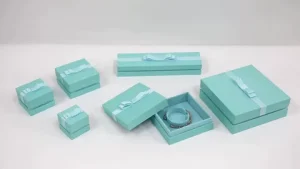
In the modern jewelry market, competition is fierce, and first impressions are everything. When a customer purchases a pair of earrings, the packaging they receive is just as vital as the jewelry inside. Custom earring boxes are no longer just a luxury; they are a functional necessity. They provide essential protection for delicate items while offering a premier opportunity to cement your brand’s identity. At BoxesGen and CustomBoxesLab, we specialize in high-quality packaging solutions designed to transform a simple delivery into a high-end unboxing experience.
Investing in tailored packaging allows you to move beyond generic, forgettable boxes. Whether you are a boutique creator or a high-volume wholesaler, your packaging tells a story. It speaks to your commitment to quality, your attention to detail, and the value you place on your customers.
Why Custom Earring Boxes are a Business Essential
Earrings are uniquely delicate. Because they are often small and intricate, they require specialized housing to remain safe during transit and display. Standard, “one-size-fits-all” packaging often fails to provide the snug fit necessary to prevent scratches or structural damage.
A custom-designed box serves several critical roles:
- Physical Security: It shields precious metals and stones from dust, moisture, and impact.
- Brand Positioning: It immediately communicates the “tier” of your brand—whether it is minimalist, eco-conscious, or ultra-luxury.
- Customer Satisfaction: A beautiful box makes the recipient feel that their purchase is special, encouraging social media shares and repeat business.
The Strategic Benefits of Premium Packaging
1. Instant Brand Recognition
Using custom boxes with a logo is one of the most effective marketing strategies available to jewelry designers. A crisp, professionally printed logo ensures that your product is recognizable the moment it arrives on a doorstep. At BoxesGen, we use advanced printing technology to ensure your branding remains vibrant and sharp, helping your business stay “top of mind” for the consumer.
2. An Enhanced Unboxing Ritual
3. Durability Meets Style
Custom printed boxes offer structural integrity that generic mailers lack. Whether your jewelry is traveling across the city or across the globe, our rigid paperboard and reinforced cardboard options ensure the contents arrive in pristine condition.
4. Creative Design Flexibility
Customization means you have total control over the aesthetics. You can choose from various textures, ribbon closures, magnetic lids, or sliding drawers. This flexibility allows you to match your packaging perfectly to the specific collection you are launching.
Key Features to Consider for Your Packaging
When you begin the design process with BoxesGen, consider these premium elements to set your brand apart:
- Material Selection: Choose between durable cardboard, high-quality rigid board, or environmentally friendly kraft paper
- Finishing Touches: Options like gold foiling, embossing, or matte lamination can add a tactile sense of luxury.
- Internal Inserts: Custom foam or velvet-lined inserts keep earrings perfectly centered and prevent them from rattling during shipment.
- Perfect Sizing: A box that fits the product perfectly not only looks more professional but also reduces shipping costs and waste.
How BoxesGen & CustomBoxesLab Support Your Growth
We understand that every jewelry business has different needs. Our goal is to provide flexible, high-quality solutions that scale with your success.
-
Custom Boxes Wholesale: We offer competitive pricing for bulk orders, allowing growing businesses to access premium packaging without breaking their budget.
-
Professional Design Support: If you aren’t sure where to start, the experts at CustomBoxesLab can guide you through color selection, logo placement, and material sourcing.
-
Versatile Solutions: We handle everything from small-batch boutique orders to massive wholesale distributions with the same level of care and precision.
Top Packaging Trends for 2026
Staying ahead of industry trends ensures your brand remains relevant and appealing to modern consumers.
- Sustainability: Eco-friendly packaging is a major priority for today’s shoppers. Using recycled materials and soy-based inks shows that your brand values the environment.
- Minimalism: Clean lines, neutral palettes, and subtle, sophisticated branding are currently dominating the high-end jewelry sector.
- Interactive Elements: Boxes with magnetic closures or “drawer” styles add a mechanical satisfaction to the opening process that customers love.
- Personalized Touches: Including a space for a handwritten note or a custom-printed “Thank You” inside the lid creates a personal connection that drives customer retention.
Why the Investment is Worth Every Penny
Some businesses view packaging as an overhead cost, but successful brands view it as an investment. High-quality packaging increases the perceived value of the earrings inside. When a product is presented beautifully, customers are more likely to accept a higher price point and view the brand as a leader in its niche.
Furthermore, professional packaging reduces the rate of returns due to shipping damage. It provides a professional “finished” look that generic alternatives simply cannot replicate. With BoxesGen & CustomBoxesLab, you are choosing a partner dedicated to making your jewelry shine from the moment the package is opened.
Final Thoughts
In 2026, the box is no longer just a container; it is a silent ambassador for your brand. Custom earring boxes from BoxesGen & CustomBoxesLab provide the ultimate blend of protection, elegance, and marketing power. Whether you are looking for high-volume custom boxes wholesale or a unique, artisan-style design, we have the tools to bring your vision to life.
Make your earrings stand out in a crowded market. Invest in packaging that reflects the beauty of the jewelry inside and watch your brand reputation grow.
Author



In today’s fast-paced world, maintaining a clean and healthy indoor environment is more important than ever. With rising pollution levels and increasing awareness about health, many people are turning to solutions that improve the air they breathe. One of the most effective tools for this purpose is an air cleaner. Whether you live in a busy city or a quiet neighborhood, an air cleaner can significantly enhance your indoor air quality and overall well-being.
What Is an Air Cleaner?
An air cleaner is a device designed to remove contaminants from the air in a room or enclosed space. These contaminants may include dust, pollen, pet dander, smoke, mold spores, bacteria, and even microscopic pollutants. Air cleaners work by drawing in air, passing it through filters, and then releasing clean air back into the environment.
Many people confuse air cleaners with air purifiers. While both serve similar purposes, air cleaners mainly focus on filtering particles, whereas purifiers may also neutralize bacteria and odors using additional technologies such as UV light or ionization.

Why You Need an Air Cleaner
One of the biggest reasons to invest in an air cleaner is to improve respiratory health. Poor air quality can lead to allergies, asthma, and other breathing issues. By removing airborne particles, an air cleaner reduces the risk of these health problems and promotes better breathing.
Another benefit is improved sleep quality. Clean air allows your body to relax and function properly, leading to deeper and more restful sleep. This is especially helpful for individuals who suffer from allergies or sinus problems.
Types of Air Cleaners
There are several types of air cleaners available, each designed to address specific air quality issues. Understanding these types can help you choose the right one for your needs.
HEPA Air Cleaners
High-Efficiency Particulate Air (HEPA) filters are among the most popular and effective options. They can capture up to 99.97% of airborne particles, including very small ones. HEPA air purifiers are perfect for individuals with asthma or allergies.
Activated Carbon Air Cleaners
These air cleaners use carbon filters to absorb odors, gases, and chemical pollutants. They are particularly useful in homes where cooking smells, smoke, or chemical fumes are common.
Electrostatic Air Cleaners
UV Air Cleaners
UV air cleaners use ultraviolet light to kill bacteria and viruses. While they do not remove particles, they are effective in sterilizing the air when used alongside other filtration systems.
How to Choose the Best Air Cleaner
Selecting the right air cleaner depends on several factors. The first thing to consider is the size of the room where you plan to use it. Air cleaners are designed to cover specific areas, so choosing one that matches your room size is essential for effective performance.
Another important factor is the type of filter. If you are dealing with allergies, a HEPA filter is the best choice. For odor control, look for a model with an activated carbon filter. Some advanced air cleaners combine multiple filters to provide comprehensive air cleaning.
Noise level is also worth considering. If you plan to use the air cleaner in a bedroom or office, choose a model that operates quietly. Many modern units come with sleep modes that reduce noise levels.
Energy efficiency is another important consideration. Look for air cleaners that are designed to consume less power while maintaining high performance. This will help you save on electricity bills in the long run.
Benefits of Using an Air Cleaner
An air cleaner offers numerous benefits beyond just removing dust. One of the most significant advantages is improved health. By reducing exposure to airborne pollutants, it helps prevent respiratory issues and allergic reactions.
Another benefit is a cleaner living environment. Airborne particles often settle on furniture, floors, and other surfaces. By removing these particles from the air, an air cleaner helps keep your home cleaner for longer periods.
Odor control is another key advantage. Whether it’s cooking smells, pet odors, or smoke, an air cleaner can effectively eliminate unpleasant odors and maintain a fresh atmosphere.
Air cleaners can also extend the lifespan of your HVAC system. By reducing the amount of dust and debris in the air, they prevent buildup in your heating and cooling systems, improving efficiency and reducing maintenance costs.
Common Mistakes to Avoid
While air cleaners are highly effective, certain mistakes can reduce their performance. One common mistake is not replacing the filters on time. Dirty filters can block airflow and reduce efficiency, so it’s important to follow the manufacturer’s recommendations.
Another mistake is placing the air cleaner in the wrong location. For best results, it should be placed in an open area with good airflow. Avoid placing it behind furniture or in corners.
Using the wrong size air cleaner is another issue. A unit that is too small will not be able to clean the air effectively, while a larger unit may consume unnecessary energy.
Some people also make the mistake of using the air cleaner only occasionally. To maintain clean air, it should be used consistently.
Maintenance Tips for Long-Term Performance
Proper maintenance is essential to keep your air cleaner working efficiently. Regularly check and replace filters as needed. Some models come with indicator lights that notify you when it’s time for a replacement.
Cleaning the exterior and vents of the unit is also important. Dust and debris can accumulate over time, affecting performance.
If your air cleaner has washable filters, make sure to clean them properly and allow them to dry completely before reinstalling.
Scheduling periodic inspections can also help identify potential issues early and ensure optimal performance.
Future of Air Cleaner Technology
The future of air cleaner technology is promising, with new innovations aimed at improving efficiency and convenience. Smart air cleaners with built-in sensors can monitor air quality in real time and adjust settings automatically.
Many modern units also offer smartphone connectivity, allowing users to control and monitor their air cleaner remotely. This adds a new level of convenience and flexibility.
Eco-friendly designs and energy-efficient features are also becoming more common, making air cleaners more sustainable and cost-effective.
Conclusion
An air cleaner is an essential investment for anyone looking to improve indoor air quality and create a healthier living environment. From removing harmful pollutants to enhancing comfort and well-being, the benefits are undeniable.
By choosing the right air cleaner and maintaining it properly, you can enjoy clean, fresh air every day. Whether for your home or office, an air cleaner is a simple yet powerful solution for better health and a higher quality of life.
Author



When it comes to reliable printing solutions, Canon Inc. has built a strong reputation for delivering high-quality printers for both home and office use. However, even the most dependable devices can occasionally run into issues—whether it’s a paper jam, connectivity trouble, driver errors, or print quality concerns. In such situations, knowing how to reach Canon customer care efficiently can save you time and frustration.
This comprehensive guide focuses specifically on Canon printer support and walks you through the best ways to get help quickly and effectively.
Common Canon Printer Issues That Require Support
Before reaching out to customer care, it helps to identify the type of issue you’re experiencing. Canon printer users typically contact support for:
- Printer not responding or offline errors
- Wireless or network connectivity issues
- Driver installation or update problems
- Paper jams or feeding issues
- Ink cartridge errors or replacement guidance
- Poor print quality (faded prints, streaks, etc.)
- Scanner or multifunction printer malfunctions
Once you’ve identified the problem, you’ll be better prepared to explain it clearly to a support representative.

Primary Ways to Contact Canon Customer Care
Canon offers multiple support channels, but for printer-related concerns, these are the most effective:
1. Phone Support (Fastest Method)
Calling customer care is often the quickest way to resolve urgent printer issues. You can speak directly with a trained representative who can guide you step-by-step.
- Customer Care Number:
- Your printer is not working at all
- You need real-time troubleshooting
- You’re not comfortable with technical steps on your own
For best results, have the following information ready before calling:
- Printer model (e.g., PIXMA, imageCLASS, MAXIFY)
- Serial number
- Description of the issue
- Any error codes displayed
Calling ensures that you get immediate assistance without having to wait for email responses or navigate complex online resources.
2. Live Chat Support
Canon often provides live chat support through its official website. This is a great option if:
- You prefer typing over talking
- Your issue is not urgent
-
You desire written guidelines that you can consult later
Live chat agents can help with most printer-related issues, including setup, driver downloads, and troubleshooting.
3. Email Support
Email support is useful for non-urgent issues or when you need to share detailed information, such as screenshots or error logs. However, response times may vary, typically taking 24–48 hours.
4. Canon Support Website
Canon’s official support website is a valuable self-service resource. You can find:
- Printer manuals and user guides
- Driver downloads and updates
- Troubleshooting articles
- FAQs specific to your printer model
While this option doesn’t involve direct communication, it’s often the first step in diagnosing common problems.
Step-by-Step: How to Get Help Quickly
To make your support experience smoother, follow these steps:
Step 1: Identify the Problem
Be specific about what’s going wrong. For example:
- “Printer shows offline even though it’s connected to Wi-Fi”
- “Printouts are blurry and streaked”
Step 2: Try Basic Troubleshooting
Before contacting support, try:
- Restarting the printer and computer
- Checking cable or Wi-Fi connections
- Reinstalling drivers
- Ensuring ink cartridges are properly installed
Step 3: Contact Customer Care
If the issue persists, call for immediate assistance. Clearly explain the problem and follow the agent’s instructions carefully.
Tips for a Better Support Experience
To ensure you get the most out of your interaction with Canon customer care, keep these tips in mind:
Be Clear and Concise
Explain your issue in simple terms. Mention any error messages exactly as they appear.
Follow Instructions Carefully
Support agents may guide you through troubleshooting steps. Take your time and follow each step precisely.
Ask Questions
If something isn’t clear, don’t hesitate to ask for clarification. It’s better to fully understand the solution than to guess.
Take Notes
Write down important steps or solutions provided during the call for future reference.
When Should You Call Instead of Using Online Help?
While online resources are helpful, there are times when calling customer care is the better option:
- The printer is completely unresponsive
- You’ve already tried multiple troubleshooting steps without success
- You’re dealing with hardware issues
- You need urgent help for work or business tasks
In these cases, calling can save you significant time and effort.
Canon Printer Support for Different User Types
Home Users
Home users often face basic issues like Wi-Fi setup, ink replacement, or occasional print errors. Phone or chat support is usually sufficient.
Small Business Users
For offices relying on printers daily, downtime can be costly. Immediate phone support is recommended to resolve issues quickly.
Advanced Users
If you’re comfortable with technical troubleshooting, the Canon support website may be enough. However, phone support is always available for complex problems.
Preventive Measures to Avoid Printer Issues
While customer care is always there to help, preventing problems in the first place is even better. Here are some tips:
- Keep your printer drivers updated
- Use genuine Canon ink cartridges
- Clean the printer regularly
- Avoid overloading paper trays
- Ensure stable Wi-Fi connectivity
Regular maintenance can significantly reduce the need for support calls.
Final Thoughts
Canon printers are known for their reliability, but occasional issues are inevitable. The key is knowing how to get help quickly and efficiently. Whether you prefer phone support, live chat, or self-service resources, Canon offers multiple ways to assist you. For the fastest and most direct support, calling remains the most effective option. With the right preparation and clear communication, most printer issues can be resolved in a single interaction.
By following this guide, you’ll be well-equipped to handle any Canon printer issue and get back to printing without unnecessary delays.
Author



The Rise and Identity of Corteiz Clothing

Buy Lab-Certified Gemstones Online: Elora Gems 2026

Custom Earring Box Design: BoxesGen & CustomBoxesLab

The Power of Human Connection: Manual Guest Post Outreach

You Should essential hoodie Shop at hoodies Official Store

Epson Printer Troubleshooting Guide: 2026 Fixes

Cox.net Yahoo Email: Guide to Fix Login, Sync & Email Issues

Best Air Cleaners for Home: Types, Benefits, and Maintenance Tips

Canon Printer Support: Quick Ways to Contact Customer Care

Packaging Companies: Trends, Top Players & Packaging Solutions

Cybersecurity Consulting Company SequelNet Provides Critical IT Support Services to Medical Billing Firm, Medical Optimum

Team Communication Software Transforms Operations at Finance Innovate

Project Management Tool Transforms Long Island Business

How Alleviate Poverty Utilized IPPBX’s All-in-One Solution to Transform Lives in New York City

Breast Cancer: The Imperative Role of Mammograms in Screening and Early Detection

Unstoppable Collaboration: D.C.’s Citi Open and Silicon Valley Classic Unite to Propel Women’s Tennis to New Heights

Embracing Renewal: Sizdabedar Celebrations Unite Iranians in New York’s Eisenhower Park

The Benefits of Starting a Side Hustle for Financial Freedom

New Blood Donation Screening Questions What You Need to Know

Stylishly Timeless: The 5 Types of Sandals You Need in Your Closet
-

 Business3 years ago
Cybersecurity Consulting Company SequelNet Provides Critical IT Support Services to Medical Billing Firm, Medical Optimum
-
Business3 years ago
Team Communication Software Transforms Operations at Finance Innovate
-
Business3 years ago
Project Management Tool Transforms Long Island Business
-
Business3 years ago
How Alleviate Poverty Utilized IPPBX’s All-in-One Solution to Transform Lives in New York City
-
health3 years ago
Breast Cancer: The Imperative Role of Mammograms in Screening and Early Detection
-
Sports3 years ago
Unstoppable Collaboration: D.C.’s Citi Open and Silicon Valley Classic Unite to Propel Women’s Tennis to New Heights
-
Art /Entertainment3 years ago
Embracing Renewal: Sizdabedar Celebrations Unite Iranians in New York’s Eisenhower Park
-
Finance3 years ago
The Benefits of Starting a Side Hustle for Financial Freedom







