
Technology
Tech Giants Unite: IBM, Meta Launch AI Alliance for Safer AI Future


Tech Giants Unite: IBM, Meta Launch AI Alliance for Safer AI Future
Introduction
Let’s introduce our author, Jane Smith, a veteran tech writer with a passion for artificial intelligence (AI). With over ten years of experience in the tech industry, Jane has been tracking the latest trends and breakthroughs in AI. Today, she brings an exciting update about a new collaboration between IBM and Meta, two tech giants aiming to shape a safer future for AI.
A New Era in AI: IBM and Meta Join Forces
In a landmark development, IBM and Meta have announced a new AI Alliance. This alliance, comprising around 50 founding members from various sectors including industry, startups, academia, research, and government, is committed to fostering the responsible growth of AI technology.
IBM’s Pledge to AI
IBM has shown its dedication to advancing AI for business through its recent investments in AI technology and companies. The company has set up a $500 million venture fund to invest in a variety of AI companies, with a focus on speeding up the development of generative AI technology and research for enterprises.

Image by: https://www. cio .com
Meta’s Role in the Alliance
Earlier this year, IBM revealed plans to incorporate Meta’s Llama 2-chat 70 billion parameter model into its Watsonx platform. This move aligns with IBM’s strategy of using both third-party and its own AI models to foster open innovation.
The Significance of AI Safety
The safety of AI systems, in terms of their construction, deployment, and usage, is of paramount importance. Companies at the forefront of these innovative technologies have a deep responsibility to ensure their products are safe. The AI Alliance is committed to upholding these principles of safety, security, and trust.

Key Aspects of the AI Alliance
Here’s a summary of the key aspects discussed:
| Key Aspect | Description |
|---|---|
| IBM’s Dedication | IBM has set up a $500 million venture fund to invest in AI companies. |
| Meta’s Role | IBM plans to incorporate Meta’s Llama 2-chat 70 billion parameter model into its Watsonx platform. |
| AI Safety | The safety of AI systems, in terms of their construction, deployment, and usage, is of paramount importance. |
Conclusion
The establishment of the AI Alliance by IBM and Meta signifies a major step towards a safer AI future. As we continue to witness rapid advancements in AI, initiatives like these play a crucial role in ensuring the responsible development and deployment of AI technologies.

Author



The medical world changes at a very fast pace today. New research and technology constantly reshape how doctors treat serious illnesses. Among these conditions, lung cancer remains a primary focus for global healthcare systems. Specifically, non-small cell lung cancer makes up the vast majority of all diagnosed lung cancer cases. This specific disease creates an urgent need for advanced medical treatments. Consequently, the global market for squamous non-small cell lung cancer therapies is expanding rapidly.
Financial analysts recently evaluated this massive healthcare sector. The global squamous non-small cell lung cancer market held a value of USD 9.3 billion in 2025. Experts project that this figure will climb to USD 10.0 billion in 2026. Furthermore, the market will likely reach an impressive USD 18.3 billion by the year 2035. This steady growth represents a compound annual growth rate of 7.9% from 2026 to 2035.
Many distinct factors drive this upward financial trend. For instance, the global population is aging fast. Environmental changes also increase the number of respiratory illnesses worldwide. At the same time, major pharmaceutical corporations are pouring billions of dollars into clinical research. They want to discover more effective ways to stop tumor growth. These combined elements create a highly competitive and profitable industry.

Understanding the Disease and Market Structure
To grasp this industry fully, you must understand how experts categorize the market. Doctors do not treat every lung cancer patient the same way. Instead, they look at the specific characteristics of the tumor. The market splits into several categories based on the exact type of cancer cells. These categories include squamous cell carcinoma and adenocarcinoma. They also include large cell neuroendocrine tumors and large-cell carcinoma. Each type requires a unique medical approach.
Furthermore, pharmaceutical companies develop different types of molecules to fight these tumors. Some teams focus heavily on traditional small molecules. Other scientists create advanced biologics. These biologics often mimic the body’s natural immune system to target cancer cells directly.
The market also divides by the specific drug classes that doctors prescribe. Each drug class attacks the illness using a different chemical mechanism. For example, some treatments use alkylating agents or antimetabolites. Other therapies rely on advanced EGFR inhibitors or mitotic inhibitors. Many physicians also utilize multi-kinase inhibitors to block tumor growth pathways.
Patients receive these medications through various treatment structures. Some individuals respond well to simple monotherapies. This means they take just one drug at a time. On the other hand, many complex cases require combination therapies. Doctors mix multiple powerful drugs to maximize the treatment’s success.
Additionally, the exact mode of treatment varies by patient need. Standard chemotherapy still plays a massive role in global healthcare. However, radiation therapy and targeted therapy are becoming much more common. Immunotherapy represents the newest and most exciting frontier in cancer care. Medical teams can administer these drugs through a parenteral route, which means an injection. Alternatively, they can provide oral medications or use other routes of administration.
Global Distribution and Key Industry Players
The distribution of these medications relies on a complex supply chain. Patients obtain their life-saving treatments through hospital pharmacies. They also use standard retail pharmacies or convenient online prescription platforms. Ultimately, these products serve various end-users. These include massive public hospitals, specialty oncology clinics, and homecare setups.
Several major corporate entities dominate this global market. These organizations invest heavily in production facilities and distribution networks. Prominent companies include household names like Pfizer, Novartis, Merck, and Sanofi. Giant corporations like Eli Lilly, Johnson & Johnson, GSK, and Bayer also hold massive market shares. Furthermore, specialized companies like Clovis Oncology, Lupin, Aurobindo Pharma, Mylan, and Sun Pharmaceutical contribute significantly to the supply chain. Teva Pharmaceutical and La Roche also remain vital players in this landscape.
These companies operate across distinct geographical regions. Each territory exhibits unique consumption and production patterns. North America currently leads the global market in terms of total spending. The United States and Canada possess highly advanced healthcare networks. These countries adopt expensive new therapies much faster than other nations.
Meanwhile, Europe follows closely behind. Nations like the United Kingdom, Italy, Germany, and France maintain strong national healthcare systems. These governments provide robust reimbursement frameworks for oncology patients.
The Asia-Pacific region represents the fastest-growing market on the planet. Countries like India, China, Japan, and South Korea possess massive populations. As these nations upgrade their medical infrastructure, their demand for advanced cancer therapies skyrockets. Australia and New Zealand also show steady growth trends. Finally, regions like Latin America, the Middle East, and North Africa are expanding their clinical capabilities. Nations like Brazil, Argentina, Chile, Saudi Arabia, and South Africa are importing more advanced pharmaceuticals than ever before.
Strategic Analysis and Future Business Decisions
The entry of fresh companies continuously alters the dynamics of this industry. New biotech startups introduce innovative ideas every single year. This constant influx forces older corporations to adapt their marketing strategies. To maintain their position, major players rely on strategic corporate movements. They frequently execute mergers, acquisitions, and joint ventures. They also sign international distribution agreements and launch new products simultaneously.
To navigate this fluid environment, business executives must study comprehensive market data. Strategic frameworks like SWOT analysis provide deep clarity. This tool helps leaders identify internal strengths and external weaknesses. It also highlights upcoming market opportunities and dangerous competitive threats.
Similarly, Porter’s Five Forces analysis assists in calculating long-term profitability. Executives can evaluate the bargaining power of hospital buyers. They can also track the threat of cheap generic substitutes. Understanding these market forces allows companies to make lucrative business decisions. They can allocate their research budgets wisely and avoid costly commercial failures. Ultimately, accurate data-driven planning will determine which companies lead the fight against lung cancer over the next decade.
Author


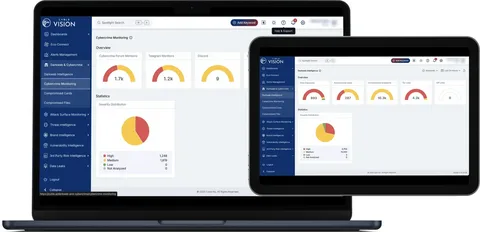
Many companies misunderstand the true timeline of a cyberattack. They believe a breach begins the exact moment malware locks a computer screen. Alternatively, they think it starts when stolen databases appear on public internet forums.
This view does not reflect modern threat realities. In most cases, the initial entry happens weeks or months prior to the final disruption. Cybercriminals spend vast amounts of time preparing their campaigns within hidden digital environments. They use private dark web channels to orchestrate their movements carefully. Security teams remain completely unaware of the danger during this quiet phase.
Meanwhile, threat actors systematically harvest vulnerable login credentials. They map corporate networks and locate security gaps. They trade network access points and build profiles of high-value targets. This hidden preparation occurs long before a business experiences any operational damage.
Therefore, dark web monitoring has emerged as an essential element of modern corporate defense. Cybercriminals no longer choose victims at random. Instead, they organize themselves into highly structured networks. They use specialized marketplaces and communication hubs to target corporate infrastructure.
Organizations without visibility into these underground channels face a massive disadvantage. They usually discover an compromise only after significant damage has occurred. Understanding these criminal methods allows you to mitigate risks proactively. You can preserve consumer confidence and maintain long-term asset security.
Anatomy of an Underground Cybercrime Market
The dark web has evolved into a highly professional business ecosystem. It hosts collaborative networks where criminals trade tools and coordinate strikes across every industry sector. Cybercrime groups operate exactly like legitimate software companies. They abandon solo ventures in favor of structured corporate models.
Modern syndicates assign highly specific responsibilities to individual teams. Some groups focus exclusively on credential harvesting. Other teams build sophisticated ransomware packages. They sell ready-made malware toolkits or auction off live access to compromised networks. This extreme specialization amplifies the threat level for modern companies. Attackers can quickly purchase pre-packaged entry tools. This model drastically accelerates the speed of an active attack campaign.
Highly targeted organizations face the greatest economic risk. Criminal markets place a high financial premium on rich customer databases, internal intellectual property, and sensitive financial records.

How Attackers Exploit External Intelligence
Every successful attack relies on meticulous information gathering. Criminal groups use dark web intelligence to secure a massive advantage over standard defense systems. They scan hidden forums to find exposed databases and unpatched software systems.
-
Acquiring Leaked Credentials: Threat actors frequently buy employee passwords on illicit marketplaces. These leaks contain active VPN configurations, corporate email logins, and cloud storage access. Attackers use these real passwords to enter corporate networks quietly without triggering standard security alarms.
-
Analyzing Exposed Corporate Data: Syndicates closely examine leaked staff records, supplier contracts, and internal communication logs. Even minor information leaks give criminals a clear blueprint of corporate operational habits. They use these insights to find hidden procedural weaknesses.
-
Purchasing Initial Network Entry: A thriving marketplace now centers on corporate network access. Specialized initial access brokers break into company systems first. Then, they resell that established foothold to ransomware operators. This specialization removes the need for an attacker to handle the technical complexities of initial penetration.
-
Targeting Vulnerable Infrastructure: Threat actors share lists of unpatched servers and misconfigured cloud environments. Once a brand name appears in these underground discussions, it quickly becomes a primary target. External threat monitoring helps identify these discussions before an exploit occurs.
The Path from Silent Infiltration to Public Crisis
A public data breach represents the final stage of a much larger chronological chain. Attackers often live inside corporate networks for multiple months without causing any noticeable disruptions. They use this quiet period to map internal systems and locate high-value assets.
During the surveillance phase, criminals intentionally avoid loud operational disruptions. They focus entirely on acquiring administrative privileges and locating primary backup systems. This patience ensures that their final deployment causes maximum operational leverage. Many ransomware groups plan their financial demands using data gathered from these hidden networks. They check financial health records to determine how much money a victim can afford to pay.
In many cases, stolen data changes hands on underground marketplaces long before the victim realizes a breach occurred. This delay creates immense reputational risk. Customer details circulate widely while the target company remains completely unaware of the leak.
Building a Proactive Brand Defense
Modern cybersecurity requires deep visibility beyond internal network boundaries. Companies must actively track how their intellectual assets and brand reputation appear in criminal spaces. Dark web monitoring solutions provide four clear strategic advantages:
-
Rapid Credential Remediation: Tracking services spot exposed passwords before criminals use them to log into active environments. This allows IT teams to force password resets and implement multi-factor authentication instantly.
-
Underground Mention Tracking: Security professionals can listen to criminal conversations regarding their company infrastructure. This insight allows teams to patch specific software systems before attackers launch a campaign.
-
Early Leak Identification: Catching data leaks before public exposure grants your incident response team valuable time. You can investigate the root cause quietly and control the message before regulatory bodies issue penalties.
-
Strategic Risk Mitigation: Shifting from a reactive posture to a predictive methodology strengthens long-term security. You can deploy resources based on real-world threat conversations rather than theoretical risks.
Corporate reputation often crumbles long before the public media learns about an incident. Consumer trust drops rapidly when personal files reach public repositories. Proactive intelligence helps you limit this long-term business disruption. You can manage the conversation, protect your customers, and secure your market position.
Securing Your Digital Perimeter with Drona Cyber Solutions
Purely reactive security measures cannot defend against organized cybercrime networks. Attackers plan their moves in complete silence. Modern organizations require real-time visibility into these hidden operational spaces.
Drona Cyber Solutions helps businesses upgrade their defensive capabilities through elite dark web monitoring and proactive threat intelligence. Our advanced detection systems scan underground channels continuously to identify leaked credentials, corporate data exposures, and early signs of brand targeting. We provide the comprehensive external visibility you need to stop attacks before they disrupt your business operations. Protect your brand reputation, secure your sensitive assets, and neutralize emerging risks. Contact Drona Cyber Solutions today to secure your comprehensive threat intelligence assessment.
Author



Cryptocurrency mining has become more accessible than ever, and Dogecoin remains one of the most popular digital currencies among beginners. Thanks to advancements in mining hardware, newcomers can now start mining without investing thousands of dollars in large industrial setups. If you’re looking for affordable mining equipment, two names frequently stand out: Goldshell Byte XTM and Goldshell Mini Doge 3 Plus.
Both devices are designed with home users and first-time miners in mind. They offer relatively simple setup processes, manageable power consumption, and a lower entry cost compared to large-scale mining machines. For anyone interested in entering the world of Dogecoin mining on a budget, these miners deserve serious consideration.
This guide explores the features, advantages, and differences between the Goldshell Byte XTM and Goldshell Mini Doge 3 Plus while helping beginners determine which option may be the better fit for their mining goals.
Why Dogecoin Mining Appeals to Beginners
Dogecoin has maintained a strong community since its launch and continues to attract both investors and miners. Unlike some cryptocurrencies that require highly specialized knowledge, Dogecoin mining can be relatively beginner-friendly when paired with the right hardware.
Reasons many newcomers choose Dogecoin mining include:
- Strong community support
- Easy access to mining resources
- Affordable hardware options
- Potential passive income opportunities
- Growing interest in cryptocurrency adoption
The availability of compact mining devices has made Dogecoin mining particularly attractive for home users.
What to Look for in a Beginner-Friendly Miner
Before purchasing mining equipment, beginners should evaluate several important factors.
Affordability
Budget-friendly miners reduce the financial risk associated with entering cryptocurrency mining.
Energy Efficiency
Lower electricity consumption can improve profitability over time.
Ease of Setup
A straightforward installation process is important for users with limited technical experience.
Noise Levels
Quiet operation makes home mining more practical.
Reliability
Stable hardware performance helps ensure consistent mining activity.
Both the Goldshell Byte XTM and Goldshell Mini Doge 3 Plus are designed with these considerations in mind.

Overview of Goldshell Byte XTM
The Goldshell Byte XTM is one of the newer compact mining solutions targeting users who want an accessible entry point into cryptocurrency mining.
Key Features
The device is known for:
- Compact design
- User-friendly interface
- Efficient operation
- Home-friendly deployment
- Simple monitoring capabilities
Its size and ease of use make it appealing to individuals who are setting up their first mining environment.
Who Should Consider It?
The Goldshell Byte XTM is often suitable for:
- Beginners
- Home miners
- Hobbyists
- Cryptocurrency enthusiasts exploring mining for the first time
Its accessible design helps reduce the learning curve associated with mining hardware.
Overview of Goldshell Mini Doge 3 Plus
The Goldshell Mini Doge 3 Plus has become one of the most recognized home mining devices for Dogecoin enthusiasts.
Key Features
Popular characteristics include:
- Compact desktop form factor
- Energy-efficient operation
- Dogecoin mining support
- Quiet performance
- Beginner-friendly management tools
The device has gained popularity among users seeking a balance between affordability and mining capability.
Ideal Users
The Goldshell Mini Doge 3 Plus is often favored by:
- First-time miners
- Home-based mining operators
- Crypto hobbyists
- Users seeking low-maintenance equipment
Its reputation for ease of use has contributed to its growing popularity.
Comparing Goldshell Byte XTM and Goldshell Mini Doge 3 Plus
While both miners target entry-level users, there are differences worth considering.
Design and Size
Both devices are compact enough for home use, making them suitable for desks, offices, and dedicated mining spaces.
Setup Experience
The Goldshell ecosystem generally emphasizes user-friendly configuration processes. Beginners can usually get started with minimal technical expertise.
Energy Consumption
Energy efficiency is a major advantage for both units, especially when compared to larger industrial mining systems.
Noise Levels
Quiet operation remains one of the strongest selling points for these miners, allowing users to operate them in residential settings.
Budget Considerations
Both products often fall within the budget range sought by beginner miners looking to stay under the $1,000 threshold.
Advantages of Choosing a Miner Under $1,000
Starting with a lower-cost miner offers several benefits.
Reduced Financial Risk
New miners can learn the industry without committing large amounts of capital.
Easier Return on Investment Planning
Lower hardware costs make profitability calculations more manageable.
Learning Opportunity
Beginners gain practical experience before scaling operations.
Home-Friendly Operations
Affordable miners are often designed for smaller environments.
These advantages make entry-level mining devices attractive for newcomers.
Setting Up Your First Dogecoin Mining Operation
Getting started with mining typically involves several steps.
Choose Your Hardware
Select a device such as the Goldshell Byte XTM or Goldshell Mini Doge 3 Plus based on your goals and budget.
Prepare a Suitable Location
Ensure adequate ventilation and access to reliable power and internet connectivity.
Configure Mining Software
Follow manufacturer instructions for setup and monitoring.
Join a Mining Pool
Many miners participate in mining pools to receive more consistent rewards.
Monitor Performance
Regular monitoring helps identify potential issues and optimize performance.
Electricity Costs and Profitability
Electricity expenses play a major role in determining mining profitability.
Factors to evaluate include:
- Local electricity rates
- Device power consumption
- Daily operating hours
- Cooling requirements
Even efficient miners can become less profitable if electricity costs are excessively high.
Before purchasing equipment, beginners should estimate monthly operating expenses.
Why Home Mining Continues to Grow
Many cryptocurrency enthusiasts prefer mining from home because it offers flexibility and direct control over equipment.
Benefits include:
- Full ownership of hardware
- Hands-on learning experience
- Potential cryptocurrency accumulation
- Greater understanding of blockchain technology
Devices such as the Goldshell Byte XTM and Goldshell Mini Doge 3 Plus support this trend by making mining more accessible.
Common Mistakes New Miners Should Avoid
Ignoring Electricity Costs
Always calculate operating expenses before purchasing hardware.
Unrealistic Profit Expectations
Mining returns vary based on market conditions and network difficulty.
Poor Ventilation
Overheating can reduce hardware lifespan and efficiency.
Neglecting Maintenance
Regular cleaning and monitoring help maintain optimal performance.
Failing to Research
Understanding mining fundamentals improves long-term success.
Is Dogecoin Mining Worth It for Beginners?
The answer depends on individual goals.
For users focused solely on profit, mining economics should be carefully evaluated before investing.
For hobbyists and cryptocurrency enthusiasts, mining offers additional benefits:
- Educational value
- Network participation
- Hands-on blockchain experience
- Potential long-term cryptocurrency accumulation
Affordable miners provide a practical way to enter the ecosystem without major financial commitments.
Future Outlook for Home Mining
The future of home mining appears promising as manufacturers continue developing more efficient and accessible devices.
Emerging trends include:
- Improved energy efficiency
- Lower noise levels
- Simplified user interfaces
- Enhanced remote monitoring
- Greater integration with smart home technology
These innovations may make mining even more attractive to beginners.
Conclusion
For newcomers seeking an affordable entry into cryptocurrency mining, both the Goldshell Byte XTM and Goldshell Mini Doge 3 Plus represent compelling options. Their compact designs, beginner-friendly setup processes, and manageable operating requirements make them suitable choices for home miners working within a budget of under $1,000.
While profitability depends on factors such as electricity costs, market conditions, and mining difficulty, these devices provide an accessible starting point for learning about cryptocurrency mining and participating in the Dogecoin ecosystem.
Whether you choose the Goldshell Byte XTM for its modern design or the Goldshell Mini Doge 3 Plus for its established reputation, both miners can help beginners take their first steps into the exciting world of digital asset mining.
Author



Fresh Floral Displays: How to Create Stunning Room Centerpieces

Selah Clothing: Timeless Fashion That Blends Style

Stress Management Techniques: Lasting Peace and Focus

How to Sleep Better at Night: Deep Rest and Recovery

Home Workout Routine for Beginners: No-Equipment Fitness Plan

Benefits of Daily Exercise: Transforms Body and Mind

Healthy Morning Routine: Checklist for Energy and Focus

Healthy Meal Prep Ideas: Stress-Free Weekly Nutrition

AI Consulting Services Guide for Business Growth and Implementation

Edge Finder in CNC Manufacturing for Precision Machining

Cybersecurity Consulting Company SequelNet Provides Critical IT Support Services to Medical Billing Firm, Medical Optimum

Meet the Megalodon: The Shark Star of ‘Meg 2’

Reduce Video Game Lag: Level Up Your Gaming Performance

Balancing India’s Entertainment: Cricket vs. Bollywood

Jetsetter’s Secrets: Unveiling Our Favorite Travel Hacks for a Seamless Adventure

The 5 Best Live Sports Streaming Sites: Legal and Exciting!

Hollywood Labor Unrest: The Impact of ‘What About Us?’ Strikes

Unveiling the Magic of Dream Fulfillment at the Late NBA Draft

Illuminate Your Skin: Dr. Axe Unveils Natural Remedies for Lightening Knees and Elbows

Bright Choices: Navigating the Pros and Cons of Skin Whitening Creams with Dr. Axe
-

 Business3 years ago
Cybersecurity Consulting Company SequelNet Provides Critical IT Support Services to Medical Billing Firm, Medical Optimum
-
Entertainment3 years ago
Meet the Megalodon: The Shark Star of ‘Meg 2’
-
Entertainment3 years ago
Reduce Video Game Lag: Level Up Your Gaming Performance
-
 Sports3 years ago
Balancing India’s Entertainment: Cricket vs. Bollywood
-
Entertainment3 years ago
Jetsetter’s Secrets: Unveiling Our Favorite Travel Hacks for a Seamless Adventure
-
Productivity3 years ago
The 5 Best Live Sports Streaming Sites: Legal and Exciting!
-
Art /Entertainment3 years ago
Hollywood Labor Unrest: The Impact of ‘What About Us?’ Strikes
-
Sports3 years ago
Unveiling the Magic of Dream Fulfillment at the Late NBA Draft






