Connect with us

Business

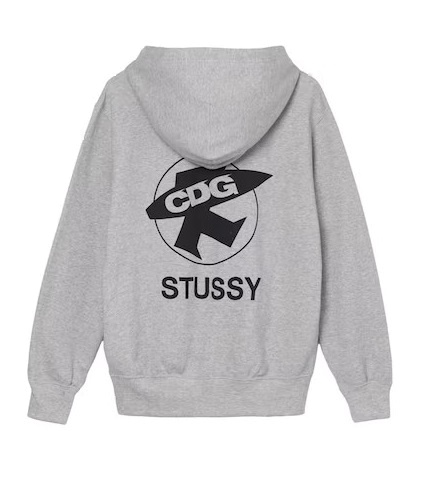
Stussy Hoodie Care Tips to Keep It Fresh

Published

on

Introduction

Your Stussy hoodie is more than just a layer of warmth—it’s a style statement and a wardrobe staple. But frequent wear, washing, and everyday life can leave it looking faded, misshapen, or less soft over time. With the right Stussy hoodie care and simple hoodie care tips, you can keep yours looking fresh, vibrant, and cozy for years. This guide walks you through every step—from washing and drying to storage and stain removal—so your favorite hoodie always looks as good as new.

Why Proper Care Matters

Caring for your hoodie the right way:

  • Preserves Color: Avoids fading of the iconic Stussy print and fabric.
  • Maintains Shape: Prevents stretching or shrinking that ruins the fit.
  • Retains Softness: Keeps fleece interiors plush and comfy.
  • Extends Lifespan: Reduces wear and pilling, so you wear it longer.

Investing a little time in care pays off by protecting your favorite piece and saving you money on replacements.

Washing Your Stussy Hoodie

1. Read the Care Label

Always check the sewn-in tag for specific instructions. Stussy hoodies often recommend:

  • Machine wash cold
  • Gentle cycle
  • No bleach

Following the label is your first step in hoodie care.

2. Turn It Inside Out

Before tossing your hoodie in the washer:

  • Zip or button up any closures.
  • Turn the hoodie inside out to protect the printed logo and fabric surface.

This simple move reduces abrasion and fading.

3. Use a Mild Detergent

Choose a detergent that’s:

Advertisement
  • Free of harsh chemicals like bleach or optical brighteners.
  • Designed for colors to help maintain vibrancy.

Measure according to load size—too much soap can leave residue, while too little won’t clean properly.

4. Wash on a Gentle Cycle

Set your washer to:

  • Cold Water: Prevents shrinkage and color bleed.
  • Gentle or Delicate Cycle: Reduces agitation that can stretch fabric.

If you have an extra-large or heavy-duty washer, use the small load setting to keep your hoodie from tumbling too wildly.

5. Avoid Overloading

Wash your hoodie with similar items—other cottons or light knits. Don’t mix it with heavy jeans or towels, which can cause friction and damage.

Drying Tips to Prevent Shrinkage

1. Air Dry Whenever Possible

The gentlest drying method is to:

  1. Gently reshape your hoodie on a flat drying rack.
  2. Smooth out the seams and graphic area.
  3. Let it dry away from direct sunlight to avoid fading.

2. Tumble Dry on Low Heat

If you must use a dryer:

  • Select the low-heat or air-fluff setting.
  • Remove the hoodie while it’s still slightly damp.
  • Finish drying flat or on a hanger to maintain shape.

High heat can shrink cotton and damage prints, so always err on the cool side.

3. Avoid Fabric Softeners

While they smell nice, fabric softeners and dryer sheets coat fibers and reduce absorbency. They can also break down stretchy materials over time. Instead, toss in a clean tennis ball to help fluff the interior.

Handling Stains and Spills

1. Act Fast

The sooner you treat a stain, the better. For food, drink, or dirt:

Advertisement
  1. Blot (don’t rub) excess with a clean cloth.
  2. Rinse the area with cold water.

2. Pre-Treat with Gentle Stain Remover

  • Apply a small amount of liquid detergent or a color-safe stain stick.
  • Gently rub it into the fabric with your fingers or a soft brush.
  • Let it sit for 10–15 minutes before washing.

3. Natural Remedies

For delicate prints, try:

  • Baking Soda Paste: Mix with water to lift oil stains.
  • White Vinegar Spray: Dilute 1:3 with water for deodorizing and mild stain removal.

Test any solution on an inside seam first to ensure it won’t discolor.

Know Your Hoodie: Fabric First

Cotton, Fleece, and Blends Explained

Not all Stussy hoodies are cut from the same cloth. Some lean toward plush brushed fleece, others rock a tighter cotton-poly blend. Each fabric behaves differently under heat and pressure. Fleece loves cool water. Cotton? It’ll shrink if provoked. And blends walk a tightrope durable but still temperamental.

Why Tags Are Your Best Friend

Before you do anything, read the label. Those little fabric squares stitched inside the hem are gospel. Whether you grabbed it from a drop or scored it on stussyofficialhoods.com, the tag will tell you what your hoodie’s made of, and more importantly, what it can and cannot survive. Ignoring the tag is hoodie heresy..

Washing Wisdom: Dos and Don’ts

Cold Water Is King

Hot water is the villain of the hoodie world. It causes shrinkage, bleeding, and faded prints faster than you can say “why did I do that?” Stick with cold. Use a gentle cycle. And flip your hoodie inside out to keep the graphic looking sharp.

Avoid the Whirlpool of Doom

Never overstuff the washing machine. Hoodies need room to breathe. Cramped quarters cause stretching, pilling, and fabric fatigue. And for the love of all things streetwear, ditch the heavy-duty detergent. A mild, color-safe soap is the move.

Drying the Right Way

Air Dry vs. Machine Dry: The Great Debate

If you want your Stussy hoodie to age gracefully, air drying is the way. Lay it flat on a clean towel or drying rack to avoid warping. Hanging it can stretch out the shoulders and neckline—don’t do it.

Advertisement

How to Avoid Warping and Shrinkage

If you’re in a rush and must use a dryer, tumble dry low. Emphasis on low. And pull it out before it’s bone-dry to finish air drying. That’s the golden compromise speed without sabotage.

Stain Protocols and Spot Treatment

Quick Action, Better Results

Caught a splash of ramen broth? Act fast. Blot don’t rub with a clean cloth. Time is of the essence. The longer a stain sets, the harder it is to evict. Treat the area with a bit of gentle detergent mixed with water and dab softly.

What to Use (and What to Never Use)

Stay far away from bleach and anything labeled “oxy.” These are hoodie assassins. Instead, go for enzymatic cleaners or a mix of baking soda and vinegar if you’re feeling a little DIY. Always test on an inconspicuous spot first.

Storage Tips to Keep It Crisp

Fold, Don’t Hang

Hanging your hoodie might seem neat, but it’ll stretch the shoulders over time especially with heavier fabrics. Fold it neatly and store it on a shelf or drawer. This keeps it compact, safe, and wrinkle-resistant.

Keep It Cool, Keep It Dark

Sunlight is a silent killer. Prolonged exposure fades color faster than frequent washing. Store your hoodie in a cool, dark space where dust and UV rays can’t touch it. Bonus points if you keep it in a fabric storage bag.

Advertisement

Long-Term Freshness Hacks

Scent, Shape, and Seasonal Rotation

To keep your hoodie smelling fresh, toss in a cedar ball or lavender sachet. It’ll absorb moisture and fend off musty odors. Also, give it shape refold it occasionally so creases don’t set. And rotate your hoodie game. Don’t wear the same one every day. Let them breathe.

When to Retire or Revive

Some hoodies reach the end of their runway. Faded prints, frayed cuffs, and permanent funk are signs it might be time to let go or reinvent it. Cut off the sleeves, crop it, turn it into lounge wear. Give it a second life, because even legends deserve soft landings.

Author

Business

Malaysia Export Synthetic Filament Tow: Trends and Market

Published

on

Malaysia export synthetic filament tow

Malaysia has steadily positioned itself as a key player in the global textile supply chain, particularly in the export of synthetic filament tow. As international demand for high-performance textile intermediates continues to evolve, malaysia export synthetic filament tow trends provide valuable insights into industrial production, trade competitiveness, and supply chain resilience.

Synthetic filament tow, widely used in manufacturing industrial textiles, carpets, filtration materials, and technical fabrics, is an essential component of modern textile ecosystems. According to the latest global trade data, Malaysia’s exports of synthetic filament tow reached $53.98 million in 2025, reflecting a 17% decline in value compared to the previous year. However, export volumes increased by 10% to 10,510 tons, signaling a shift in pricing dynamics and global demand patterns.

This article explores Malaysia’s export performance, key markets, historical trends, and future outlook while highlighting how malaysia export synthetic filament tow continues to shape global textile trade.

Understanding Synthetic Filament Tow and Its Trade Significance

Before analyzing trade patterns, it is important to understand the product itself. Synthetic filament tow refers to bundles of continuous synthetic fibers, primarily polyester, that have not yet been cut into staple fibers or spun into yarn. These fibers are widely used in industries ranging from automotive textiles to home furnishings.

The synthetic filament tow HS code is 5501, which classifies this product under textile intermediate materials in international trade. This classification plays a critical role in tracking import data, export trends, and global supply chain movements.

Advertisement

Due to its durability, flexibility, and cost-effectiveness, synthetic filament tow remains a preferred material across multiple industries, contributing to its consistent demand in international markets.

Malaysia export synthetic filament tow

Malaysia’s Position in Global Synthetic Filament Tow Trade

Malaysia ranks as the 5th largest exporter globally, accounting for approximately 3.22% of global exports in 2025. This strong positioning reflects the country’s manufacturing capabilities, strategic location, and well-established trade networks.

The performance of malaysia export synthetic filament tow is particularly noteworthy given the fluctuations in global energy prices, raw material costs, and shifting demand patterns. Despite a decline in export value, the increase in export volume indicates strong underlying demand and competitive pricing strategies.

Malaysia’s ability to maintain its ranking highlights its resilience and adaptability in a rapidly changing global trade environment.

Export Performance: A Look at Recent Trends

2023: A Strong Baseline

Malaysia recorded approximately $59 million in exports of synthetic filament tow in 2023. The country was among the top global exporters, supported by stable demand and strong regional trade relationships.

Advertisement

2024: Expansion and Market Diversification

In 2024, exports increased to around $65 million, reflecting a 6.3% year-on-year growth. Malaysia also expanded its export footprint beyond Asia into Europe, the Middle East, and North America. This diversification marked a significant milestone in malaysia export synthetic filament tow growth strategy.

2025: Volume Growth Amid Price Pressure

By 2025, export value declined to $53.98 million, but volume rose to 10,510 tons. This divergence suggests that global price pressures, possibly due to raw material costs or competition, impacted overall value while demand remained strong.

These trends demonstrate how trade data can reveal deeper insights beyond headline figures, particularly when analyzing both value and volume metrics.

Malaysia Synthetic Filament Tow Exports by Country

One of the most significant aspects of Malaysia’s export success is its diverse range of trading partners. The analysis of malaysia Synthetic filament tow exports by country highlights strong demand across Asia, Africa, and developed markets.

Key Export Destinations

  • Japan remains the largest importer, accounting for 30% of total exports, driven by advanced manufacturing needs.
  • China holds the second position with 18.7% share, supported by its massive textile production capacity.
  • Bangladesh, a rapidly growing textile hub, contributes 15.5%, making it the fastest-growing market.
  • Indonesia represents 7.6%, benefiting from expanding garment manufacturing.
  • Nigeria accounts for 6.2%, reflecting rising demand in African textile industries.

Other notable markets include the USA, Senegal, Togo, Zambia, and Mozambique, showcasing Malaysia’s expanding global reach.

The diversification observed in malaysia Synthetic filament tow exports by country reduces dependency on a few markets and enhances trade stability.

Advertisement

Decade-Long Export Trends

A long-term perspective reveals the evolution of malaysia export synthetic filament tow over the past decade.

  • 2015–2016: Gradual growth with exports below $20 million
  • 2017–2019: Rapid expansion, reaching nearly $100 million
  • 2020: Decline due to global disruptions
  • 2021: Peak at $128.78 million
  • 2022–2025: Fluctuating trends with moderate stabilization

These figures, derived from global trade data and import data, highlight the cyclical nature of the textile industry and the impact of global economic conditions.

Volume vs. Value: What the Data Reveals

One of the most interesting aspects of Malaysia’s export performance is the contrast between volume and value trends.

  • 2024 Volume: 9.55 thousand tons
  • 2025 Volume: 10.51 thousand tons

Despite increased shipments, export value declined, suggesting lower unit prices. This trend indicates increased competition, cost pressures, or strategic pricing adjustments to maintain market share.

Understanding such patterns through trade data helps businesses and analysts make informed decisions about pricing, sourcing, and market entry.

Key Drivers Behind Export Performance

1. Global Polyester Demand

Synthetic filament tow is closely tied to polyester markets, which continue to grow due to demand in apparel, home textiles, and industrial applications. This supports sustained export volumes.

2. Strategic Trade Advantages

Malaysia benefits from strong logistics infrastructure, proximity to major Asian markets, and favorable trade agreements. These factors enhance the competitiveness of malaysia export synthetic filament tow in global markets.

Advertisement

3. Sustainability Trends

The global shift toward sustainable materials is influencing demand patterns. Manufacturers are increasingly focusing on recycled and eco-friendly synthetic fibers, which could shape future export strategies.

4. Market Diversification

Expanding into new regions such as Africa and Europe has helped Malaysia reduce reliance on traditional markets, strengthening its overall trade resilience.

Export Outlook for 2026 and Beyond

Looking ahead, several indicators suggest a positive outlook for malaysia export synthetic filament tow.

Continued Market Growth

The global polyester fiber market is expected to grow at a CAGR of around 8% from 2026 to 2032, supporting increased demand for filament tow.

Strong Regional Demand

Countries like Japan, China, Bangladesh, and Indonesia will continue to drive import demand, supported by their expanding textile industries.

Advertisement

Expansion into New Markets

Malaysia’s growing presence in Europe and North America is likely to enhance export value and reduce market concentration risks.

Technological Advancements

Investment in advanced manufacturing and sustainable production processes will improve product quality and competitiveness in global markets.

Importance of Trade Intelligence in Market Analysis

Access to accurate global trade data, import data, and shipment-level insights is crucial for understanding market trends. Businesses can leverage such data to:

  • Identify emerging markets
  • Track competitor activity
  • Analyze pricing trends
  • Optimize supply chain strategies

The role of trade data becomes even more important in dynamic industries like textiles, where demand and pricing can change rapidly.

Conclusion

Malaysia continues to play a significant role in the global textile supply chain, particularly in the export of synthetic filament tow. While 2025 saw a decline in export value, the increase in volume highlights strong underlying demand and competitive positioning.

The analysis of malaysia export synthetic filament tow trends reveals a resilient and evolving market, supported by diversification, strategic trade advantages, and growing global demand. Additionally, insights from malaysia Synthetic filament tow exports by country, along with global trade data, emphasize the importance of data-driven decision-making in international trade.

Advertisement

As the global textile industry continues to expand, Malaysia is well-positioned to strengthen its role as a key exporter, offering opportunities for businesses, investors, and policymakers alike.

By leveraging accurate trade data and staying aligned with global trends, stakeholders can unlock new growth opportunities in the synthetic filament tow market and beyond.

Author

Continue Reading

Business

Airtool: Application Platform for Modern Business Automation

Published

on

Airtool

Most enterprises don’t struggle because of lack of tools, they struggle because of too many disconnected ones.

Finance runs on one system. Operations on another. Reporting lives somewhere else. Automation is layered on top. Over time, this creates friction across the organization, slowing down execution and increasing operational risk.

This is where a unified Enterprise Application Platform becomes essential. Instead of connecting multiple tools, businesses are starting to rethink how systems are designed from the ground up and platforms like Airtool are emerging at the center of that shift.

The Hidden Cost of Disconnected Enterprise Systems

Fragmented systems don’t just create technical complexity, they directly impact business performance.

A typical enterprise software architecture often includes multiple SaaS tools stitched together through integrations. While this may work initially, it introduces long-term inefficiencies.

Advertisement

Key operational issues:

  • Data duplication across systems
  • Inconsistent reporting across departments
  • High dependency on integration layers
  • Delays in executing cross-functional workflows
  • Difficulty in scaling systems without rework

Over time, teams spend more effort managing systems than improving business processes.

Airtool

Rethinking Platform as a Service for Enterprises

The concept of platform as a service has evolved. It’s no longer just about hosting applications, it’s about running entire business operations on a unified system.

A modern Enterprise Application Platform provides:

  • A shared data model across applications
  • Built-in workflow execution
  • Native analytics and reporting
  • Embedded automation capabilities
  • Flexible deployment across environments

This creates a foundation where systems are not just connected—they are inherently aligned.

How Airtool Changes the Architecture Layer

Airtool as an Operational Framework

Airtool is designed as a full-stack enterprise platform that integrates multiple layers of business systems into one runtime environment.

Rather than separating application logic, data handling, and automation, Airtool brings them together into a cohesive framework.

What makes this approach different:

  • Applications and data operate within the same system
  • Automation is embedded, not added externally
  • Reporting is generated from live operational data
  • Changes can be implemented without disrupting workflows

This reduces the need for external dependencies and simplifies how systems evolve over time.

Book a demo with Airtool to see how a modern enterprise platform can support your business automation strategy and reduce system complexity.

Advertisement

Core Capabilities That Enable Business Automation

A modern enterprise platform must go beyond basic functionality. It should actively support how businesses operate at scale.

Key capabilities include:

  • Unified Data Management
    All business entities transactions, users, workflows exist within a single data structure.
  • Process Automation Engine
    Business rules and workflows are executed automatically without manual intervention.
  • Dynamic Application Layer
    Interfaces and processes adapt based on underlying data and logic.
  • Real-Time Reporting
    Insights are generated directly from operational data without external tools.
  • Flexible Deployment Models
    Systems can run in cloud, private environments, or hybrid setups.

These capabilities allow organizations to move faster while maintaining control.

Use Case: Automating Multi-Department Operations

Consider a company managing procurement, finance, and operations across different systems.

Before a unified platform:

  • Procurement data must be manually shared with finance
  • Approval workflows are handled through emails
  • Reports are generated from outdated data
  • System updates require coordination across teams

After implementing a unified platform like Airtool:

  • Procurement and finance operate on shared data
  • Approval workflows are automated within the system
  • Reports reflect real-time operational activity
  • Changes are applied instantly without system downtime

This significantly reduces delays and improves overall efficiency.

Comparison: Layered Systems vs Unified Platform Architecture

Layered SaaS Model Unified Platform Model
Multiple tools for each function Single system for all functions
Heavy reliance on APIs Built-in system integration
Delayed data synchronization Real-time data consistency
Complex maintenance Simplified system management
Limited cross-functional visibility Full operational transparency

A unified enterprise platform simplifies architecture while improving performance.

Why Enterprises Are Moving Toward Unified Systems

The shift toward unified platforms is not just a trend, it’s a response to growing operational demands.

Enterprises are adopting unified systems to enable faster execution, simplify integration complexity, support real-time decisions, reduce infrastructure overhead, and scale automation within a flexible, modern enterprise software architecture

Advertisement

Airtool in Context: A Practical Platform Approach

In practical terms, Airtool enables organizations to consolidate their systems into a single operational layer. Instead of managing multiple tools, teams can build and run their applications within one platform.

This approach aligns development, operations, and analytics in a way that traditional systems cannot easily achieve.

To understand how this model works in detail, you can explore Airtool’s low-code application platform and enterprise capabilities here:

It provides a clearer view of how unified systems can replace fragmented architectures.

Conclusion: Moving Beyond System Integration

The future of enterprise systems is not about better integrations, it’s about eliminating the need for them.

Advertisement

A unified Enterprise Application Platform allows organizations to operate with greater clarity, speed, and control. By bringing applications, data, and automation into one system, businesses can reduce complexity and focus on execution.

Airtool represents this shift by offering a platform designed for modern enterprise needs where systems are not just connected, but inherently unified.

Author

Continue Reading

Business

Get an EIN Number USA: Step-by-Step Guide for Entrepreneurs

Published

on

EIN Number USA

Starting or expanding your business in the United States is an exciting milestone. Whether you are an entrepreneur in India or a global founder, entering the U.S. market opens doors to innovation, investment, and international growth. However, before you begin operations, one essential step stands in your path—obtaining an EIN number USA.

If you are new to the process, you may wonder how to apply for EIN and how to get an EIN number without confusion. Fortunately, once you understand the basics, the process becomes simple, structured, and empowering.

In this beginner-friendly guide, we will walk you through everything you need to know about the EIN, its importance, the application process, and how USAIndiaCFO transforms this requirement into a strategic and creative financial journey.

What Is an EIN Number USA?

An EIN number USA (Employer Identification Number) is a unique nine-digit number issued by the Internal Revenue Service (IRS). It acts as a tax identification number for businesses operating in the United States.

In simple terms, an EIN is like a Social Security Number—but for your business instead of an individual.

Advertisement

Businesses use an EIN to:

  • File federal and state taxes
  • Open business bank accounts
  • Hire employees
  • Apply for licenses and permits
  • Conduct financial transactions

Therefore, understanding how to get an EIN number is a critical step in building a compliant and professional business.

EIN Number USA

Why You Need to Apply for EIN

Before you apply for EIN, it is important to understand why it is essential.

First, the EIN ensures tax compliance. Without it, your business cannot file tax returns in the United States.

Second, it enables financial operations. Banks require an EIN number USA to open business accounts and process payments.

Third, it enhances credibility. Having an EIN shows that your business is officially recognized and legally structured.

Advertisement

As a result, learning how to get an EIN number is not just a requirement—it is a foundation for growth.

Who Needs an EIN Number?

Not every individual needs an EIN. However, most businesses operating in the U.S. do.

You should apply for EIN if you:

  • Start a U.S.-registered company
  • Hire employees
  • Operate as a partnership or corporation
  • Open a business bank account
  • File business tax returns
  • Run a multi-member LLC

Additionally, international entrepreneurs without a U.S. Social Security Number can still obtain an EIN number USA, making it accessible for global founders.

How to Get an EIN Number: Step-by-Step Guide

Although the process may seem technical, breaking it down into steps makes it easy to follow.

Step 1: Confirm Eligibility

Before you apply for EIN, ensure that your business is legally formed in the United States. You must also have a responsible party, such as the owner or an authorized representative.

Advertisement

This step ensures your application meets IRS requirements.

Step 2: Complete Form SS-4

To get an EIN number USA, you must fill out IRS Form SS-4.

This form requires details such as:

  • Business name and address
  • Type of entity
  • Reason for applying
  • Information about the responsible party

Providing accurate information is crucial to avoid delays.

Step 3: Choose Your Application Method

You can apply for EIN using different methods:

  • Online (for eligible applicants)
  • Fax
  • Mail

For international applicants, fax or mail is commonly used, especially if you do not have a U.S. Social Security Number. Choosing the right method simplifies the process of how to get an EIN number.

Step 4: Submit the Application

Once you complete Form SS-4, submit it to the IRS through your chosen method.

Advertisement

The IRS reviews your application and processes your request.

Step 5: Receive Your EIN

After approval, you will receive your EIN number USA.

At this stage, your business is ready to:

  • Open bank accounts
  • File taxes
  • Conduct financial operations

This marks a major milestone in your business journey.

Benefits of Having an EIN Number USA

Obtaining an EIN offers several advantages that support long-term success.

Legal Compliance

An EIN ensures that your business meets U.S. tax regulations.

Advertisement

Financial Access

With an EIN, you can open business bank accounts and manage finances effectively.

Professional Credibility

An EIN number USA enhances your business image and builds trust with clients and investors.

Growth Opportunities

As your business expands, the EIN supports hiring, funding, and scaling. Therefore, understanding how to get an EIN number is essential for sustainable growth.

EIN for International Entrepreneurs

One of the most powerful aspects of the U.S. business system is its accessibility to global entrepreneurs.

Even if you are based outside the United States, you can still apply for EIN.

Advertisement

This allows you to:

  • Start a U.S. company
  • Open bank accounts
  • Conduct cross-border transactions
  • Manage international operations

As a result, the EIN number USA becomes a gateway to global business success.

USAIndiaCFO: Designing Imaginative Financial Spaces

While obtaining an EIN may seem like a routine compliance task, USAIndiaCFO approaches it differently.

As a design leader creating imaginative, one-of-a-kind spaces, USAIndiaCFO transforms the process of how to get an EIN number into a strategic and creative journey. Instead of simply helping clients apply for EIN, the firm designs financial ecosystems that support innovation, clarity, and long-term growth.

Their approach integrates EIN registration into a broader financial strategy, ensuring that every step aligns with your business goals. Consequently, clients receive more than just an EIN number USA—they gain a strong and scalable financial foundation.

A Creative Approach to Financial Strategy

USAIndiaCFO combines expertise with innovation to deliver exceptional results.

Advertisement

Their services include:

  • Assistance with how to get an EIN number
  • U.S. company incorporation support
  • Cross-border tax advisory
  • Compliance and reporting
  • Strategic financial planning

By designing customized financial systems, USAIndiaCFO empowers entrepreneurs to build globally successful businesses.

Common Mistakes to Avoid

Although the process is straightforward, beginners often make avoidable mistakes when they apply for EIN. For example, incorrect information on Form SS-4 can delay approval. Similarly, selecting the wrong entity type may create complications later. Additionally, many entrepreneurs overlook compliance requirements after obtaining their EIN. Therefore, careful planning and expert guidance are essential.

Final Thoughts

The EIN number USA is a fundamental requirement for any business operating in the United States. It enables tax compliance, supports financial operations, and enhances business credibility.

Understanding how to get an EIN number and completing the process correctly can set your business on the path to global success. Although the process involves several steps, it becomes manageable with the right knowledge and support.

USAIndiaCFO stands at the forefront of this transformation. As a design leader creating imaginative, one-of-a-kind spaces, the firm redefines financial processes by blending creativity with precision. By guiding entrepreneurs through every step, USAIndiaCFO turns simple compliance tasks into powerful growth opportunities.

Advertisement

With the right approach, applying for an EIN is not just a requirement—it is the first step toward building a successful international business.

Author

Continue Reading

Readers like you help support Contrank. When you make a purchase using links on our site, we may earn an affiliate commission. Read More.

Advertisement

Trending

Disclaimer:
This blogging site is operated as part of PAEA Foundation Inc. (www.paeafoundation.org), a registered nonprofit organization. All content published here is contributed voluntarily by a global community of over 1,000 writers and content creators who support our mission to foster open knowledge, creativity, and community learning. The views expressed in each post are those of the respective authors and do not necessarily reflect the views of the PAEA Foundation. We do not accept payment for publishing articles and do not engage in commercial content promotion. Our platform is maintained for educational and nonprofit purposes in line with our mission. For inquiries about our nonprofit status or use of this platform under nonprofit licensing (e.g., WHM), please contact us.
Copyright ©2025. Contrank