
health
Cold Weather, Hot Workout: How to Stay Motivated to Exercise in Winter”


As winter sets in, it’s easy to let the cold weather and shorter days disrupt your exercise routine. However, staying active during the winter months is essential for maintaining physical and mental health. In this article, we’ll explore some tips and strategies for staying motivated to exercise in the colder months.
- Dress for Success
One of the biggest barriers to exercising in cold weather is staying warm. Investing in quality winter workout clothes can help you stay comfortable during outdoor workouts. Dress in layers, starting with a moisture-wicking base layer, followed by a warm insulating layer, and finishing with a wind-resistant and waterproof outer layer. Don’t forget to cover your extremities, including your hands, feet, and head, with gloves, socks, and a hat.
- Embrace the Indoors
When the weather is just too cold to venture outside, take your workout indoors. Many gyms and fitness studios offer a variety of classes and equipment to keep you engaged and motivated. If you prefer to workout at home, there are plenty of online workout classes and apps that can guide you through a full-body workout.
- Set Realistic Goals
During the winter months, it’s important to set realistic exercise goals that take into account the weather and shorter days. For example, if you usually run five miles outdoors, consider reducing your distance or switching to a lower impact activity like yoga or Pilates. The key is to maintain a consistent exercise routine that is achievable and enjoyable.
- Find a Workout Buddy
Exercising with a friend or partner can be a great way to stay motivated and accountable during the winter months. Plan regular workout dates and encourage each other to stick to your exercise goals. A little friendly competition can also be a powerful motivator!
- Reward Yourself
Finally, don’t forget to reward yourself for staying committed to your exercise routine during the colder months. Treat yourself to a warm cup of tea or a relaxing bath after a particularly challenging workout. Celebrate your accomplishments and use them as motivation to keep going.
In conclusion, exercising during the winter months can be challenging, but with the right mindset and strategies, it’s possible to stay motivated and maintain a healthy exercise routine. By dressing appropriately, embracing indoor workouts, setting realistic goals, finding a workout buddy, and rewarding yourself, you can stay active and healthy all winter long.
Author



Undergoing a professional wellness evaluation requires strict alignment with established local health guidelines to ensure your results are valid, officially recognized, and accurate. Choosing an authorized STD Test in Dubai connects individuals with medical infrastructure that complies fully with the latest health protection mandates. This strict adherence guarantees that all laboratory processes, tracking systems, and patient data protection models meet maximum quality and safety benchmarks.
Many people feel anxious before a health screening. However, most patients say the process feels smooth and reassuring when they visit a licensed medical center. In addition, certified clinics simplify the administrative process, making the overall experience more comfortable and stress-free.
Regulatory Compliant Screening Panel
A regulatory compliant screening panel is a structured laboratory test designed to detect infectious conditions while following approved healthcare standards. When arranging an STD Test in Dubai, selecting a certified pathology center ensures your tests meet official clinical requirements.
Many reproductive health conditions develop silently without obvious symptoms. Therefore, regular screening helps detect hidden infections early. These preventive panels support long-term wellness while also helping individuals make informed healthcare decisions.
How Certified Pathology Infrastructure Works
Certified laboratories use advanced diagnostic systems to maintain accurate results. During an STD Test in Dubai, the pathology lab follows standardized procedures that improve reliability and patient safety.
Standardized Quality Control
Laboratory teams inspect and calibrate diagnostic machines daily. As a result, every sample receives accurate analysis with a very low risk of human error. Regular quality checks also help maintain consistent testing standards.
Secure Electronic Data Systems
Certified clinics use encrypted digital systems to manage patient records. In addition, barcoded samples move directly through secure laboratory networks, reducing paperwork mistakes and protecting confidentiality.
Approved Frameworks Improve Patient Safety
Choosing a certified medical facility protects both your health and your privacy. Approved laboratories use licensed specialists, regulated equipment, and verified testing methods. On the other hand, non-authorized testing kits may produce inaccurate or incomplete results because they often lack proper calibration.
Certified clinical panels provide reliable answers that healthcare professionals can confidently use for medical guidance and future care planning.
Certified Labs vs Home Testing Kits
| Testing Parameter | Authorized Clinical Laboratories | Non-Authorized Home Kits |
|---|---|---|
| Machine Calibration | Daily inspection and verification | Limited or no calibration |
| Data Protection | Encrypted secure systems | Variable security standards |
| Pathogen Detection | Advanced multiplex testing | Basic limited screening |
| Official Recognition | Accepted for official documentation | Not valid for formal use |
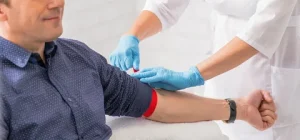
Standardized Health Screening
Certified screening panels support anyone who values preventive healthcare and long-term wellness. In particular, these tests may benefit:
- Couples preparing for marriage
- Individuals entering new relationships
- Professionals needing wellness documentation
- Adults seeking routine health monitoring
Taking a proactive approach to health demonstrates responsibility toward both personal and partner well-being.
Step-by-Step Diagnostic Process
Modern clinical centers follow a streamlined workflow designed for efficiency, comfort, and privacy.
Identity Verification
Staff members confirm patient details and connect records securely within the healthcare system. This step helps avoid reporting errors and protects confidentiality.
Sterile Sample Collection
A trained healthcare professional collects a blood or urine sample using sterile, single-use medical equipment. The process is usually quick and gentle.
Automated Laboratory Analysis
After collection, technicians barcode the samples and transfer them to the pathology department. Advanced molecular systems then analyze the specimens using approved diagnostic methods.
Secure Results Delivery
Finally, certified specialists verify the reports before uploading them to a protected patient portal. This allows private and convenient access to results and medical guidance.
[Identity Verification] ➔ [Sterile Sample Collection] ➔ [Automated Lab Analysis] ➔ [Secure Results Access]
Proper Sample Collection Matters
Accurate testing depends heavily on proper sample collection. Blood samples help detect systemic markers circulating within the body. Meanwhile, urine samples often capture cells from the urinary tract lining, which improves the laboratory’s ability to identify specific microorganisms accurately.
Because of this, certified clinics follow detailed collection procedures to maintain diagnostic precision.
Factors That Influence Your Screening Panel
Healthcare providers customize each screening panel according to individual needs. Several factors influence the recommended testing approach, including:
- Time since possible exposure
- Presence of symptoms
- Personal health history
- Requirement for official documentation
For example, some individuals may only require a focused screening panel, while others may benefit from broader multi-condition testing. Therefore, professional consultation plays an important role in selecting the most suitable evaluation plan.
How Long Do Results Take?
Modern automated laboratory systems significantly reduce waiting times. In many cases, routine blood panels and molecular urine tests are processed within 12 to 24 hours. Certified pathologists then verify the findings before releasing the final report.
Fast processing helps reduce uncertainty and allows individuals to make timely healthcare decisions.
Clinical Safety and Privacy Standards
The screening process involves minimal physical discomfort and requires no recovery time. Most people return to normal activities immediately after testing.
Additionally, certified clinics follow strict international hygiene protocols. Healthcare teams use single-use medical supplies and maintain clean clinical environments throughout the process. Most importantly, medical centers treat all patient information with complete confidentiality and professional respect.
Maintaining Long-Term Wellness
A negative screening result is reassuring, but maintaining good health requires consistent preventive habits. Physicians often recommend:
- Routine health evaluations every year
- Safe protective practices
- Open communication with partners
- Prompt medical consultation if concerns arise
These habits support long-term wellness and reduce future health risks.
Conclusion
Following approved healthcare standards is an important step toward protecting your long-term health and peace of mind. Although some nervousness before testing is completely normal, certified medical systems make the process smooth, fast, and highly secure. At Tajmeels Clinic, patients receive professional guidance, advanced laboratory support, and compassionate care throughout the screening journey. Taking proactive steps today can help you maintain confidence, safety, and better overall wellness in the future.
Author



Author



Control, accuracy, and tissue protection are central to every successful procedure. Among the many handheld instruments used in the operating room, thumb tissue forceps play a vital role in helping surgeons grasp, stabilize, and manipulate tissue with confidence. Their thumb tissue forceps simple form hides a highly refined design that supports delicate work across many surgical fields.
Role of Tissue Forceps in Surgery
In daily surgical practice, forceps are more than basic grasping tools. They act as extensions of the surgeon’s hand, allowing precise handling of skin, fascia, vessels, and other soft tissue structures. The ability to secure tissue without causing unnecessary trauma can influence visibility, efficiency, and overall surgical outcomes. Thumb tissue forceps are designed for manual control through direct finger pressure rather than ring handles or locking mechanisms.
This design gives the operator immediate tactile response, which is essential when working with fragile or mobile tissue. In procedures where precision must be maintained at every moment, this responsive handling becomes a major clinical advantage.
Key Technical Specifications
The performance of any surgical instrument depends on its technical details. Tissue forceps are commonly manufactured in high-grade surgical stainless steel to provide corrosion resistance, strength, and compatibility with repeated autoclave cycles. Material quality is essential because even minor deformation at the tip can reduce alignment and compromise handling accuracy. Tip configuration is another critical specification.
Some magill forceps use models feature fine serrations for improved grip, while others include delicate teeth that allow secure tissue engagement with minimal slippage. Length also matters, as shorter instruments may support finer control in superficial procedures, while longer designs help improve access in deeper operative fields. Spring tension must be carefully balanced so the instrument opens smoothly yet closes with enough force to maintain tissue control without excessive hand fatigue.

Precision Engineering
Precision engineering is the defining factor that separates a routine instrument from one that performs consistently in demanding surgical settings. The most effective forceps are manufactured with close tolerances to ensure exact tip alignment, even pressure distribution, and dependable closure. When the tips meet perfectly, surgeons can grasp tissue more accurately and reduce the risk of tearing or crushing delicate structures.
This level of refinement also supports procedural efficiency. Poorly aligned tips can interrupt surgical flow, force repeated repositioning, and increase frustration during critical moments. Grey Medical emphasizes precision-crafted design because surgical professionals require instruments that respond predictably under pressure. In microsurgical, general, plastic, and vascular environments, dependable engineering is not a luxury. It is a requirement.
Surgical Applications Across Specialties
The versatility of thumb tissue forceps makes them useful in a broad range of procedures. In general surgery, they assist with holding tissue edges, supporting dissection, and improving exposure in both minor and major operations. In plastic and reconstructive surgery, the ability to handle tissue delicately is especially valuable where cosmetic and structural outcomes depend on minimizing trauma.
These instruments are also widely used in dermatologic, ENT, gynecologic, and vascular procedures. In each specialty, the surgeon relies on consistent grip and tactile sensitivity to perform exact movements. Whether handling fine skin margins during closure or stabilizing tissue for suturing, the instrument must support precision without compromising tissue integrity. That balance is central to high-quality surgical care.
Tissue Handling and Atraumatic Performance
One of the most important concerns in instrument design is how the tool interacts with living tissue. Excess pressure, rough serrations, or poor tip finish can cause avoidable trauma. For this reason, the geometry of the forceps tips must be matched to the intended tissue type and surgical task. Instruments used for delicate structures require finer contact surfaces and refined gripping patterns.
Well-designed thumb tissue forceps help maintain control while reducing slip and minimizing crush injury. This is particularly important during procedures that demand gentle approximation, careful traction, or exact suturing support. Surgeons often judge an instrument not only by how well it grips, but by how safely it releases tissue after contact. A smooth, precise finish contributes directly to that performance.
Durability, and Reliability
Surgical instruments must perform repeatedly in environments where there is no room for inconsistency. They are exposed to frequent cleaning, chemical processing, mechanical handling, and high-temperature sterilization. Any weakness in material selection or manufacturing can shorten service life and affect clinical reliability. A quality instrument must maintain its spring action, surface integrity, and tip precision over time.
This is where trusted manufacturing standards become essential. Grey Medical focuses on premium-quality surgical instruments because medical professionals need equipment that holds up under real operating conditions. Long-term reliability supports not only cost efficiency, but also patient safety and workflow consistency. When an instrument maintains its original function after repeated use, it becomes a dependable part of the surgical set rather than a variable risk.
Instrument Quality Influences Surgical Outcomes
Instrument quality has a direct effect on how a procedure feels and flows in the surgeon’s hand. Smooth action, accurate grip, and stable tip engagement contribute to better control in every phase of tissue handling. When a surgeon can rely on the instrument, attention remains focused on anatomy and technique rather than tool adjustment. That confidence supports both speed and precision in the operating field.
For this reason, thumb tissue forceps should never be treated as a generic accessory. Their design influences tissue preservation, visibility, and hand comfort during repetitive use. In specialties where precision defines results, the right instrument helps reduce handling error and supports better procedural consistency. High standards in manufacturing are therefore closely linked to high standards in care.
Conclusion
Surgical excellence depends on instruments that combine technical accuracy, ergonomic control, and durable construction. From tip alignment and spring tension to material quality and atraumatic handling, every detail matters when selecting forceps for professional use. These instruments may appear simple, but their performance has a meaningful effect on surgical efficiency and tissue safety.
Grey Medical brings decades of medical industry experience to the development of precision-crafted tools for surgeons and healthcare professionals worldwide. By focusing on engineering quality and dependable performance, the company supports the demanding standards of modern operating rooms. For professionals seeking thumb tissue forceps that reflect precision, consistency, and surgical reliability, Grey Medical remains a trusted partner in advanced instrument selection.
Author



CNC Milling Efficiency: Endmill Tools for Precision Machining

Chrome Hearts Jewelry: Necklaces & Handcrafted Accessories

B2B Platforms: Shift Toward Unified Workflow Architecture

Custom Socks Tags: Creative Apparel Branding & Packaging

Custom Shirt Tags: Premium Branding & Clothing Label

Custom Jeans Tags: Premium Denim Branding & Tag Solutions

Custom Cookies Mylar Bags: Premium Packaging for Freshness

Custom Mithai Boxes: Packaging for Elegant Sweet Presentation

Custom Pyramid Boxes: Unique Packaging for Presentation

Custom Popcorn Boxes: Creative Branding and Snack Packaging

Cybersecurity Consulting Company SequelNet Provides Critical IT Support Services to Medical Billing Firm, Medical Optimum

Team Communication Software Transforms Operations at Finance Innovate

Project Management Tool Transforms Long Island Business

How Alleviate Poverty Utilized IPPBX’s All-in-One Solution to Transform Lives in New York City

Breast Cancer: The Imperative Role of Mammograms in Screening and Early Detection

Unstoppable Collaboration: D.C.’s Citi Open and Silicon Valley Classic Unite to Propel Women’s Tennis to New Heights

Embracing Renewal: Sizdabedar Celebrations Unite Iranians in New York’s Eisenhower Park

The Benefits of Starting a Side Hustle for Financial Freedom

New Blood Donation Screening Questions What You Need to Know

Stylishly Timeless: The 5 Types of Sandals You Need in Your Closet
-

 Business3 years ago
Cybersecurity Consulting Company SequelNet Provides Critical IT Support Services to Medical Billing Firm, Medical Optimum
-
Business3 years ago
Team Communication Software Transforms Operations at Finance Innovate
-
Business3 years ago
Project Management Tool Transforms Long Island Business
-
Business3 years ago
How Alleviate Poverty Utilized IPPBX’s All-in-One Solution to Transform Lives in New York City
-
health3 years ago
Breast Cancer: The Imperative Role of Mammograms in Screening and Early Detection
-
Sports3 years ago
Unstoppable Collaboration: D.C.’s Citi Open and Silicon Valley Classic Unite to Propel Women’s Tennis to New Heights
-
Art /Entertainment3 years ago
Embracing Renewal: Sizdabedar Celebrations Unite Iranians in New York’s Eisenhower Park
-
Finance3 years ago
The Benefits of Starting a Side Hustle for Financial Freedom







