
Beauty Fitness
Challenging Stereotypes: Skin Cancer in People of Color

Introduction:
Meet Dr. Michelle Henry: A Leading Dermatologist Challenges Stereotypes
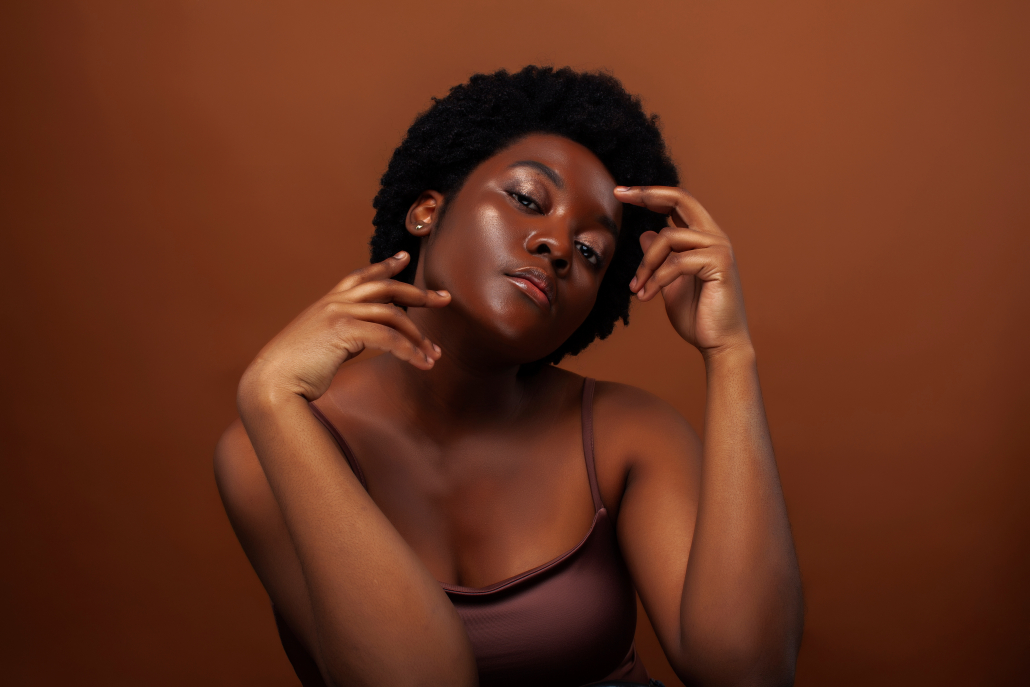
Dr. Michelle Henry, a prominent figure in dermatology, sheds light on the underrepresented issue of skin cancer among people of color. With extensive experience and a commitment to skin health, Dr. Henry is your trusted guide to understanding, preventing, and challenging stereotypes surrounding this critical topic.
Skin Cancer in People of Color: Debunking the Myth
Skin cancer is often associated with fair-skinned individuals, but Dr. Henry debunks this stereotype:
Underreported Cases: Skin cancer among people of color is frequently underreported and diagnosed at later stages, leading to poorer outcomes.
Diverse Skin Tones: Skin cancer can affect individuals with diverse skin tones, including those with melanin-rich skin. It’s not exclusive to any particular racial or ethnic group.

Skin cancer is a universal concern, and its impact should be acknowledged across all communities, regardless of skin color.

Image by: https://www.shutterstock.com/video/search/sad-black-couple
The Misconception of Sun Protection
One of the most persistent misconceptions is that people of color don’t need sun protection:
UV Radiation Affects All: UV radiation from the sun can harm people of all skin tones. While melanin provides some natural protection, it is not foolproof. Everyone is susceptible to sun damage, including skin cancer.
Protection for All: Dr. Henry underscores the importance of sun protection for everyone, regardless of their skin tone. This includes using sunscreen, wearing protective clothing, and seeking shade when necessary.
By dispelling the myth that sun protection is only for fair-skinned individuals, we can promote better skin health in all communities.
Risk Factors Beyond Sun Exposure
Dr. Henry explores risk factors beyond sun exposure that can contribute to skin cancer among people of color:
Genetics: Family history and genetic predispositions can increase the risk of skin cancer among people of color. It’s essential to be aware of family medical histories and discuss them with healthcare professionals.
Existing Skin Conditions: Certain pre-existing skin conditions, such as vitiligo or lupus, can heighten susceptibility to skin cancer. Individuals with these conditions should be especially vigilant about skin health and consult dermatologists regularly.
Recognizing that skin cancer risk factors extend beyond sun exposure is crucial for early detection and prevention.
Early Detection Saves Lives
Early detection of skin cancer can be life-saving. Dr. Henry emphasizes:
Regular Skin Checks: Encourage routine skin checks by a dermatologist to detect skin cancer early. These checks are essential for everyone, regardless of their skin color.
Skin Self-Exams: Teach individuals to perform regular self-exams and seek medical attention if they notice any changes in their skin. Early detection greatly improves the chances of successful treatment.
By promoting the importance of regular skin checks and self-exams, we can empower individuals to take control of their skin health.
Empowering Communities Through Education
Empowerment through education is key to challenging stereotypes and reducing the impact of skin cancer:
Community Outreach: Engage in community outreach and education programs to raise awareness about skin cancer among people of color. Providing accessible information and resources can save lives.
Access to Care: Advocate for increased access to dermatological care in underserved communities. Access to quality healthcare is essential for early detection and treatment.
By actively engaging with communities and advocating for equitable access to care, we can make significant strides in the fight against skin cancer.
Breaking Stereotypes: Celebrating Diversity in Skin Health
Dr. Henry emphasizes the importance of celebrating diversity in skin health:
Individualized Care: Recognize that skin health varies among individuals, regardless of their skin tone. Each person’s skin is unique, and personalized care is essential for addressing specific concerns.
Representation Matters: Encourage diversity in dermatology and skincare to ensure that people of color receive appropriate care. Representation in the medical field fosters trust and ensures that healthcare providers understand the unique needs of diverse patients.
By celebrating diversity and championing individualized care, we can pave the way for healthier skin in all communities.
Conclusion:
Skin cancer knows no boundaries when it comes to skin color. Dr. Michelle Henry’s insights have shattered the stereotypes surrounding skin cancer and people of color. By understanding the realities, advocating for sun protection, and promoting early detection, we can ensure that everyone, regardless of their skin tone, has access to the care they need.
Let’s celebrate diversity in skin health and work together to challenge stereotypes. Empowered with knowledge and a commitment to skin health, we can make a difference in the lives of people of color at risk of skin cancer. Remember, the more we know, the better equipped we are to protect our skin and the skin of our loved ones. Break the stereotypes, prioritize skin health, and pave the way for a brighter, healthier future.
Author

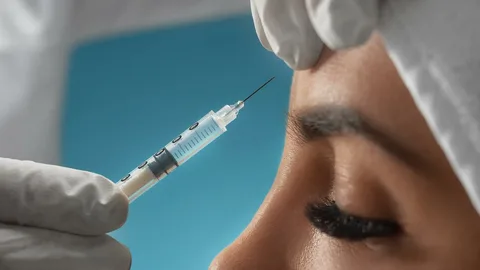
Botox injection in Islamabad has become one of the most popular cosmetic treatments for people who want to look younger without surgery. It is a quick, safe, and effective procedure that helps reduce wrinkles and fine lines. Many individuals in Pakistan prefer this treatment because it offers visible results with minimal downtime. The demand is growing as more people become aware of modern aesthetic solutions.
In Islamabad, clinics are equipped with advanced technology and skilled professionals who ensure safe procedures. Whether you are dealing with forehead lines, crow’s feet, or frown lines, Botox can help you achieve smoother skin. It is a non-invasive treatment, making it ideal for busy individuals. The results are natural-looking when performed correctly by experts.
What is Botox and How Does It Work
Botox is a purified protein that temporarily relaxes facial muscles. It works by blocking nerve signals to the muscles, preventing them from contracting. This reduces the appearance of wrinkles and gives the skin a smoother look. The procedure is simple and usually takes only 10 to 20 minutes.
Many people in Pakistan choose botox injection in Islamabad because it delivers quick and noticeable improvements. The treatment does not require surgery or long recovery periods. You can return to your daily routine shortly after the procedure. Results usually start appearing within a few days and improve over time.
Benefits of Botox Injection
Botox offers multiple benefits for individuals looking to enhance their appearance. It is not only used for cosmetic purposes but also for certain medical conditions. The treatment is highly effective when performed by trained professionals.
- Reduces fine lines and wrinkles
- Provides a youthful and refreshed appearance
- Quick and non-surgical procedure
- Minimal recovery time
- Long-lasting results compared to creams
People prefer botox injection in islamabad because it is both safe and reliable. The results can last for several months, making it a convenient option. Regular sessions can help maintain smoother skin for a longer time.
Common Areas Treated with Botox
Botox is commonly used on different areas of the face to reduce signs of aging. The most popular areas include the forehead, around the eyes, and between the eyebrows. These areas tend to develop wrinkles due to repeated facial expressions.
In Islamabad, many clinics offer customized treatment plans based on individual needs. The goal is to achieve natural-looking results without affecting facial expressions. Botox injection in islamabad is also used for jawline slimming and excessive sweating. This makes it a versatile treatment option.
Why Choose Botox in Islamabad
Islamabad is home to many reputable aesthetic clinics offering advanced cosmetic procedures. The city has experienced dermatologists and trained staff who ensure safe treatments. Patients can expect high-quality care and professional services.
Another reason people prefer botox injection in islamabad is affordability compared to international standards. Clinics provide personalized consultations to understand patient needs. This helps in achieving the best possible results. The availability of modern equipment also ensures effective outcomes.
Procedure and What to Expect
The Botox procedure is simple and does not take much time. A specialist will first examine your skin and discuss your concerns. Small injections are then administered into targeted muscles using fine needles. The discomfort is minimal and usually well tolerated.
After the procedure, patients are advised to avoid rubbing the treated area. You may also be asked to stay upright for a few hours. Results begin to show within 3 to 5 days and continue to improve. Choosing botox injection in islamabad ensures that the process is handled professionally.
Aftercare and Recovery
Aftercare is important to achieve the best results from Botox treatment. Patients should follow the instructions given by their specialist. Avoiding intense physical activity for at least 24 hours is usually recommended. This helps the Botox settle properly in the targeted areas.
Recovery is quick, and most people experience no major side effects. Some may notice slight redness or swelling, which disappears within a few hours. Botox injection in islamabad is popular because of its convenience and minimal downtime. Proper aftercare ensures long-lasting and effective results.
How Long Do Results Last
The results of Botox are not permanent but can last for several months. Typically, the effects last between 3 to 6 months depending on the individual. Factors like age, lifestyle, and skin condition can influence the duration.
Regular sessions can help maintain the desired look for a longer time. Many people in Pakistan schedule follow-up treatments to keep their skin smooth. Choosing botox injection in islamabad allows you to maintain consistent results with expert care. Over time, wrinkles may become less noticeable even after the effects wear off.
Are There Any Side Effects
Botox is generally safe when performed by qualified professionals. However, like any cosmetic procedure, it may have minor side effects. These include slight swelling, redness, or mild bruising at the injection site.
Serious complications are rare and usually occur due to unqualified practitioners. This is why it is important to choose a trusted clinic. Botox injection in islamabad is considered safe because experienced specialists follow proper guidelines. Always consult a professional before undergoing the treatment.
Who is a Good Candidate for Botox
Botox is suitable for adults who want to reduce wrinkles and improve their appearance. It is ideal for individuals with mild to moderate signs of aging. People looking for non-surgical solutions often choose this treatment.
However, pregnant women and individuals with certain medical conditions should avoid Botox. A proper consultation is necessary to determine eligibility. Many clinics offering botox injection in Islamabad provide detailed assessments before the procedure. This ensures safe and effective results for every patient.
FAQs
What is the cost of Botox in Islamabad
The cost varies depending on the clinic and the number of units required. It is best to consult a specialist for accurate pricing.
Is Botox painful
The procedure involves minimal discomfort as very fine needles are used. Most patients tolerate it easily.
How soon can I see results
Results usually start appearing within a few days and improve over one to two weeks.
Can men get Botox
Yes, Botox is suitable for both men and women who want to reduce wrinkles.
How often should I get Botox
Most people repeat the treatment every 3 to 6 months to maintain results.
Final Thoughts
Choosing Botox injection in Islamabad is a smart option for those who want a youthful and refreshed appearance without surgery. The treatment is quick, effective, and widely available in the city. With proper care and professional guidance, you can achieve long-lasting results.
If you are considering this treatment, always choose a trusted clinic for the best experience. For reliable services and expert care, you can explore skn cosmetics where professional treatments are offered. This can be a great step toward achieving your desired look with confidence.
Author

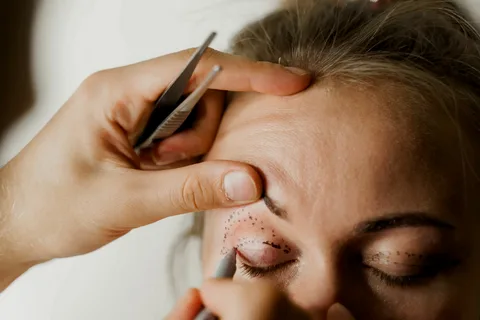
Are you considering eyelid surgery in Islamabad to enhance your appearance or address droopy eyelids? Whether you seek cosmetic rejuvenation or need to resolve a medical issue, choosing the right clinic makes all the difference. Islamabad serves as a hub for some of the finest aesthetic and medical professionals. These experts specialize in eyelid surgery, offering safe procedures, modern techniques, and exceptional results.
When patients research eyelid surgery in Islamabad, they prioritize safety, experience, and artistic expertise. Many top-tier clinics now combine advanced technology with personalized care. This approach ensures every patient feels confident before, during, and after the procedure. This article explores the top-rated clinics, what you can expect during the process, and why this surgery is gaining such popularity in the capital.
Why Choose Eyelid Surgery in Islamabad?
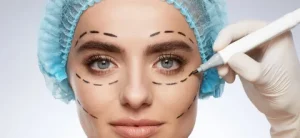
Eyelid surgery, professionally known as blepharoplasty, corrects drooping upper eyelids, removes excess skin, and reduces puffiness under the eyes. For many patients in Islamabad, the benefits extend far beyond simple aesthetics.
-
Clearer Vision: Droopy eyelids often obstruct the line of sight; surgery restores a full field of vision.
-
Facial Rejuvenation: The procedure creates a youthful, refreshed appearance by removing “tired” eyes.
-
Confidence Boost: Improving your facial symmetry naturally enhances self-esteem.
-
Efficiency: Modern techniques offer long-lasting results with surprisingly minimal downtime.
Choosing to undergo eyelid surgery in Islamabad gives you access to surgeons who understand both functional and aesthetic eyelid corrections. Most clinics provide detailed consultations to discuss your specific goals and facial structure.
Top Services Offered by Leading Clinics
The best clinics in Islamabad focus on delivering a comprehensive patient experience. You should expect the following services when booking your procedure:
-
Personalized Evaluation: Surgeons conduct a thorough analysis of your eye anatomy and medical history.
-
Advanced Techniques: Clinics use modern methods for both upper and lower eyelid adjustments.
-
Hidden Incisions: Skilled surgeons place incisions within the natural folds of the eyelid to ensure minimal scarring.
-
Safety Protocols: Facilities use state-of-the-art anesthesia and recovery monitoring.
-
Aftercare Plans: Dedicated post-surgery follow-up ensures the healing process stays on track.
These clinics guide you through every step. They educate patients on potential risks and recovery times, making eyelid surgery in Islamabad a transparent and satisfying journey.
How to Select the Right Clinic
Selecting the right provider is the most crucial step for a successful outcome. Consider these key factors before making your choice:
-
Board Certification: Ensure your surgeon has the proper credentials and extensive experience.
-
Patient Testimonials: Look for positive reviews and “before and after” galleries.
-
Modern Facilities: The clinic should utilize up-to-date surgical equipment and sterile environments.
-
Transparent Pricing: A reputable clinic provides a detailed explanation of costs without hidden fees.
-
Follow-Up Care: Choose a team that prioritizes your recovery through scheduled check-ups.
Many clinics in Islamabad offer free initial consultations. This allows you to ask questions and gauge your comfort level with the staff before committing to the surgery.
Popular Clinics for Eyelid Surgery in Islamabad
If you are looking for proven results, several top-rated clinics perform eyelid surgery in Islamabad with great success:
-
SKN Cosmetics: Renowned for employing expert surgeons and utilizing the latest aesthetic techniques.
-
Islamabad Aesthetic Clinic: Provides comprehensive eyelid surgery packages and holistic care.
-
CosmoCare Islamabad: Specializes in procedures designed for minimal downtime.
-
Enhance Beauty Clinic: Merges cosmetic artistry with functional eyelid corrections.
-
Elite Skin & Laser Centre: Offers personalized consultations with some of the city’s top surgeons.
Each of these facilities ensures professional care and natural-looking results. We encourage patients to visit multiple clinics to find the one that best aligns with their personal goals.
What to Expect During the Procedure
Understanding the surgical process can ease anxiety and help you prepare mentally. Here is a quick overview of a typical blepharoplasty:
-
Comfort First: Surgeons use either local or general anesthesia so you feel no pain.
-
Precision Removal: The doctor removes or repositions excess skin, fat, and muscle tissue.
-
Strategic Incisions: The surgeon hides incisions in the natural eyelid creases to make them invisible once healed.
-
Duration: The surgery typically takes between one and three hours, depending on the complexity.
-
Immediate Aftercare: You will receive detailed instructions to manage swelling and bruising.
Most patients return to their normal daily activities within one to two weeks. Strictly following your post-operative care plan is essential for achieving the best possible results.
Tips for a Smooth and Fast Recovery
To ensure you get the best results from your eyelid surgery in Islamabad, follow these professional recovery tips:
-
Maintain Cleanliness: Keep the surgical area clean and strictly avoid touching or rubbing your eyes.
-
Medication Adherence: Use all prescribed ointments or eye drops to prevent infection and soothe the area.
-
Rest Your Body: Avoid strenuous exercise or heavy lifting for at least seven days.
-
Elevate Your Head: Sleep with an extra pillow to help reduce swelling during the first few nights.
-
Keep Appointments: Attend every follow-up visit so your surgeon can monitor your progress.
Final Thoughts: A Refreshed Perspective
If you want to enhance your appearance or improve your vision, eyelid surgery in Islamabad offers a safe and highly effective solution. By choosing a top-rated clinic like SKN Cosmetics, you gain access to expert surgeons and personalized care tailored to your unique needs. Whether you seek cosmetic rejuvenation or functional improvement, the right professional ensures a comfortable procedure and outstanding results.
Visit SKN Cosmetics today to learn more about eyelid surgery and schedule your personal consultation. Taking this step can help you reclaim a youthful look and the confidence that comes with it.
Author

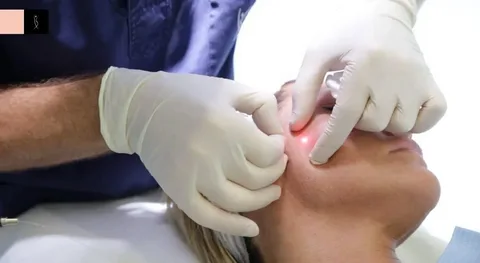
In the high-glamour world of modern aesthetics, the jawline has become the ultimate symbol of youth, vitality, and structural elegance. Whether you are preparing for a high-profile gala, a corporate event in the heart of the Kingdom, or simply want to look impeccable in photographs, a defined lower face remains the cornerstone of a “Red Carpet” look. Achieving this sharp contour once required invasive surgery and lengthy recoveries. However, the rise of the Fat Melting Injection in Riyadh has entirely changed that landscape. This revolutionary treatment offers a non-surgical pathway to a chiseled profile. It allows residents of the capital to refine their features with the precision of a sculptor and the ease of a lunchtime appointment.
The Power of the Mandibular Line
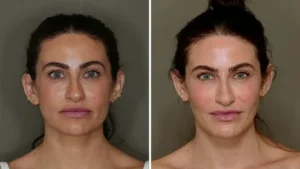
The jawline, or the mandibular line, serves as the frame for your entire face. Anatomically, a sharp line that stands out from the neck creates a visual “lift.” This enhancement highlights the cheekbones and balances your facial proportions perfectly. Conversely, submental fat—commonly known as a “double chin”—can obscure this definition. This often makes an individual appear older or heavier than they actually are.
Submental fat is notoriously stubborn. Because genetics often dictate its presence rather than just weight gain, even the most dedicated fitness enthusiasts in Saudi Arabia find it resistant to diet and exercise. This is where the Fat Melting Injection in Riyadh steps in. It acts as a targeted biological intervention that addresses fat cells exactly where they reside.
How It Works: The “Red Carpet” Chemistry
The secret to this red-carpet transformation lies in a compound called deoxycholic acid. The human body naturally produces this molecule to aid in the digestion of dietary fat. Scientists have since synthetically perfected this molecule for aesthetic use.
The Sculpting Process
-
Destruction: When a specialist injects the solution into the fat beneath the chin, it immediately begins to disrupt the cell membranes of the fat cells (adipocytes).
-
Elimination: Once the membranes breach, the fat cells die permanently. They can no longer store or accumulate fat in the future.
-
Refinement: Over the following weeks, your body’s natural metabolic processes clear away the cellular debris. This gradually reveals the sharp, underlying bone structure.
This process ensures that the result is not just a reduction in volume, but a total refinement of the area. It creates that coveted “snatched” look often seen on international icons.
Why Riyadh Prefers Injections Over Surgery
The aesthetic market in Riyadh appreciates high-quality, efficient, and natural-looking results. The Fat Melting Injection in Riyadh aligns perfectly with these values for several key reasons:
1. Minimal Downtime
In a fast-paced city, most people cannot spend weeks in a compression garment after a surgical neck lift. With fat-melting injections, patients typically return to their social and professional lives almost immediately. You may experience mild swelling, but it usually subsides within a few days.
2. No General Anesthesia
Avoiding the risks and grogginess of general anesthesia provides a significant advantage. Specialists perform the procedure using ultra-fine needles and local numbing. This makes the experience comfortable and ensures it lasts less than 30 minutes.
3. A Natural Transition
Luxury aesthetics in the Kingdom prioritize subtlety. Because the body clears the fat over several weeks, the transition to a sharper jawline appears entirely natural. You will look as though you have reached your peak physical condition rather than looking like you had “work done.”
Preparing for the Spotlight: The Treatment Protocol
To achieve a truly “Red Carpet Ready” jawline, you need a personalized approach. A specialist in Riyadh will typically assess your anatomy to determine fat thickness and skin elasticity.
-
The Session: Most patients require two to four sessions to achieve their ultimate goal. Each session brings you one step closer to a final masterpiece.
-
The Interval: Specialists space sessions approximately four to six weeks apart. This timeframe allows your lymphatic system to fully process the fat from the previous treatment.
-
The Result: You will typically see final results a few months after the initial injection. This provides a permanent solution to submental fullness.
Combining Treatments for Maximum Impact
While the Fat Melting Injection in Riyadh is incredibly powerful on its own, many patients combine it with other non-invasive treatments to enhance the “Red Carpet” effect:
-
Dermal Fillers: Once the fat “melts” away, adding structural filler to the chin or the angle of the jaw creates even more dramatic definition.
-
Radiofrequency (RF) Skin Tightening: To ensure the skin remains firm and taut after fat removal, RF treatments can stimulate fresh collagen production.
-
Masseters Botox: For those with a wider lower face, relaxing the jaw muscles slims the face further. This helps create the perfect “V-shape” profile.
Safety and Expertise in the Capital
The skill of your practitioner remains the most important factor in any medical procedure. Achieving a symmetrical, smooth jawline requires an intimate knowledge of facial anatomy. A specialist must carefully avoid nerves, blood vessels, and specific muscle groups. Leading clinics in Riyadh prioritize patient safety by using only the highest grade, approved formulations. They employ highly trained specialists who understand the art of the profile.
Comparison: Jawline Contouring Options
| Feature | Fat Melting Injections | Surgical Liposuction | Neck Lift Surgery |
| Recovery Time | 2–3 Days (Swelling) | 1–2 Weeks | 3–4 Weeks |
| Scarring | None | Minimal (Incisions) | Behind Ears/Hairline |
| Permanent? | Yes | Yes | Yes |
| Procedure Time | 20 Minutes | 1–2 Hours | 3+ Hours |
The Confidence of a Sharp Profile
Beyond the physical transformation, a defined jawline creates a profound psychological impact. It often brings a renewed sense of confidence when you speak in public, pose for photos, or look in the mirror. In a city like Riyadh, where presentation and presence are key, your profile should reflect your inner drive and energy.
Final Thoughts: Step Into Your Best Self
The era of choosing between a heavy jawline and invasive surgery has finally ended. Through the precision of molecular sculpting, you can now achieve a high-definition profile without the risks of the operating room. The Fat Melting Injection in Riyadh provides a safe, effective, and permanent solution for those who demand excellence.
Whether you are preparing for a high-profile gala or simply want to elevate your everyday appearance, this treatment offers a bridge to your aesthetic goals. Do not let stubborn fat hide your true features any longer. By investing in this advanced procedure, you are not just changing your look; you are reclaiming your profile and projecting the most confident version of yourself to the world. The specialists at Aesthetic Clinic Riyadh stand ready to help you unveil the chiseled, “Red Carpet” jawline you deserve. Success in the modern world requires a presence that matches your ambition, and a sharp, refined profile is the ultimate tool to achieve that balance.
Author



Customer Experience Training Platform: AI-Driven CX Training

Embroidery Digitizing Services: Professional Custom Stitch Files

Divorce Appraisal: Accurate Home Valuations for Separation

Construction Solutions Clapham: Residential & Commercial Experts

South Indian Restaurant Cairns: Authentic Dosas, & Idlis

First Home Buyers Agent Brisbane: Guide to Your Dream Home

Thread Mill CNC: Step-by-Step Guide for Precision Machining

Holiday Club Greenfield: Educational School Holiday Programs

Corteiz Tracksuit Official Store: Streetwear for Comfort & Style

Advanced Story Writing Tools: Creativity, Clarity & Productivity

Cybersecurity Consulting Company SequelNet Provides Critical IT Support Services to Medical Billing Firm, Medical Optimum

Team Communication Software Transforms Operations at Finance Innovate

Project Management Tool Transforms Long Island Business

How Alleviate Poverty Utilized IPPBX’s All-in-One Solution to Transform Lives in New York City

Breast Cancer: The Imperative Role of Mammograms in Screening and Early Detection

Unstoppable Collaboration: D.C.’s Citi Open and Silicon Valley Classic Unite to Propel Women’s Tennis to New Heights

Embracing Renewal: Sizdabedar Celebrations Unite Iranians in New York’s Eisenhower Park

The Benefits of Starting a Side Hustle for Financial Freedom

New Blood Donation Screening Questions What You Need to Know

Stylishly Timeless: The 5 Types of Sandals You Need in Your Closet
-

 Business3 years ago
Cybersecurity Consulting Company SequelNet Provides Critical IT Support Services to Medical Billing Firm, Medical Optimum
-
Business3 years ago
Team Communication Software Transforms Operations at Finance Innovate
-
Business3 years ago
Project Management Tool Transforms Long Island Business
-
Business3 years ago
How Alleviate Poverty Utilized IPPBX’s All-in-One Solution to Transform Lives in New York City
-
health3 years ago
Breast Cancer: The Imperative Role of Mammograms in Screening and Early Detection
-
Sports3 years ago
Unstoppable Collaboration: D.C.’s Citi Open and Silicon Valley Classic Unite to Propel Women’s Tennis to New Heights
-
Art /Entertainment3 years ago
Embracing Renewal: Sizdabedar Celebrations Unite Iranians in New York’s Eisenhower Park
-
Finance3 years ago
The Benefits of Starting a Side Hustle for Financial Freedom







