
Autos & Vehicles
Signs Indicating Your Car Needs Professional Auto Detailing

By

Reviewed
By Delaney Hooper
Introduction
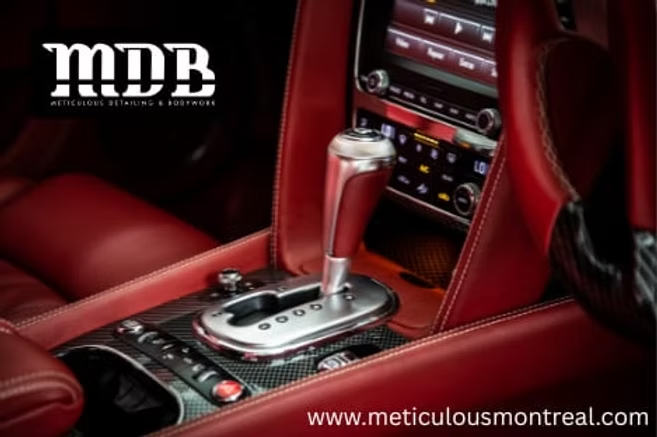
Your car is more than just a vehicle it’s a trusted companion that gets you to work, helps you travel, and carries memories of road trips, errands, and family outings. Over time, however, exposure to sunlight, pollution, road grime, and everyday wear can take a toll on your car’s appearance and comfort. While regular washing helps maintain cleanliness, it often falls short of addressing deeper issues like paint oxidation, interior odors, and stubborn stains.
That’s where professional auto detailing comes in. Auto detailing goes beyond a standard car wash to deliver a complete deep-cleaning, polishing, and restoration process that revitalizes your vehicle inside and out. But how do you know when your car truly needs a professional touch? Here are the top signs indicating it’s time to schedule an auto detailing session.
Signs Indicating Your Car Needs Professional Auto Detailing
1. Faded, Dull, or Oxidized Paint
One of the most obvious signs your car needs detailing is when the paint looks faded or dull. Over time, UV rays, acid rain, and pollutants can cause oxidation—a process that breaks down the paint’s protective layer, leaving it chalky and lackluster.
If you run your hand over the car’s surface and it feels rough or gritty, contaminants like tar, brake dust, and sap may have bonded to the paint. Professional detailing includes paint decontamination, polishing, and waxing that restore your car’s original gloss while adding a durable protective coating to prevent future damage.
2. Stained or Dirty Interior
Your car’s interior is constantly exposed to dust, spills, food crumbs, and body oils. Over time, this leads to stained seats, discolored carpets, and a buildup of grime that even regular vacuuming can’t remove.

Professional interior detailing involves a deep-cleaning process that targets every corner—from the dashboard and vents to seat crevices and floor mats. Specialized equipment and cleaning agents remove tough stains, sanitize upholstery, and restore surfaces to a like-new condition.
If your car’s interior looks tired, feels sticky, or smells unpleasant, it’s a clear sign that it’s due for a professional refresh.
3. Cloudy or Yellowed Headlights
Cloudy headlights don’t just affect your car’s appearance they’re a safety hazard. Oxidation, UV exposure, and environmental pollutants cause headlight lenses to become yellow and hazy, significantly reducing nighttime visibility.
Professional auto detailers use headlight restoration techniques to remove oxidation, restore clarity, and apply UV protection. The result? Improved illumination, enhanced safety, and a cleaner, more polished look for your vehicle.
4. Persistent Odors That Won’t Go Away
Does your car still smell musty no matter how many air fresheners you hang from the mirror? Lingering odors often indicate bacteria, mold, or mildew trapped deep within your upholstery, carpets, or air vents.
Professional detailers use steam cleaning, ozone treatment, and deep fabric extraction to neutralize these odors at the source rather than just masking them. After a detailing session, your car will smell genuinely clean and refreshing—making every drive more enjoyable.
5. Scratches, Swirl Marks, and Scuffs
If your car’s surface has visible swirl marks or scratches, chances are improper washing techniques or contact with abrasive materials caused them. These fine imperfections may not affect performance, but they definitely dull the finish and lower your vehicle’s aesthetic value.
Professional detailing services offer paint correction, a process that safely removes surface defects using high-quality polishes and buffers. It restores a smooth, glossy, mirror-like finish and enhances your car’s overall appearance.
6. Dusty Dashboard and Sticky Surfaces
A dusty dashboard or sticky cup holders might seem like minor issues, but they can make your car feel old and neglected. Over time, UV rays also cause dashboard materials to fade, dry, or crack.
Detailing professionals use specialized cleaners and conditioners to rejuvenate interior surfaces, prevent cracking, and add a protective layer that resists dust and UV damage. The result is a cleaner, safer, and more visually appealing cabin environment.
7. Water Spots and Contaminated Windows
If you’ve noticed stubborn water spots, greasy film, or streaks on your windshield and windows, it’s another sign your car needs detailing. These spots don’t just reduce visibility—they can also damage glass if left untreated.
Professional detailers use deionized water, glass polishers, and hydrophobic coatings to eliminate residue and improve clarity. Clean, streak-free windows enhance both safety and the overall look of your vehicle.
8. Rough or Contaminated Exterior Surface
When your car’s paint no longer feels smooth and silky after a wash, contaminants like tar, tree sap, or industrial fallout have likely bonded to the surface. These particles can cause long-term damage if not properly removed.
Detailers use a clay bar treatment to safely extract embedded contaminants, leaving behind a clean, glass-like finish. This step also prepares the paint surface for polishing and waxing, ensuring maximum shine and protection.
9. You’re Planning to Sell or Trade-In Your Car
If you’re preparing to sell your car or trade it in, professional auto detailing can make a significant difference in the resale value. A clean, well-maintained car instantly creates a positive impression on potential buyers and dealerships.
Detailing can enhance your car’s curb appeal, eliminate odors, and give it that “showroom” freshness that justifies a higher asking price. Think of it as an affordable investment that yields a strong return.
10. You Simply Want That “New Car Feel” Again
Sometimes, you don’t need a reason other than wanting your car to look and feel brand new again. A thorough detailing session can transform your driving experience—making every trip more comfortable, enjoyable, and stylish.
Whether it’s reviving faded paint, restoring soft leather, or cleaning air vents, professional detailing provides the satisfaction of stepping into a vehicle that feels rejuvenated and well cared for.
Final Thoughts
Auto detailing isn’t just about aesthetics—it’s about preserving your car’s condition, comfort, and value. Regular detailing protects your paint, prevents premature wear, and ensures a cleaner, healthier driving environment.
If your car shows any of the signs above—faded paint, bad odors, dull headlights, or a tired interior—it’s time to give it the professional attention it deserves.
At MDB, we offer expert auto detailing services tailored to every car’s unique needs. Our trained specialists use top-quality products and techniques to bring your vehicle back to life—inside and out.
Protect your investment, enhance your car’s appeal, and rediscover the joy of driving a spotless, refreshed vehicle. Contact MDB today to schedule your professional auto detailing session!
Author


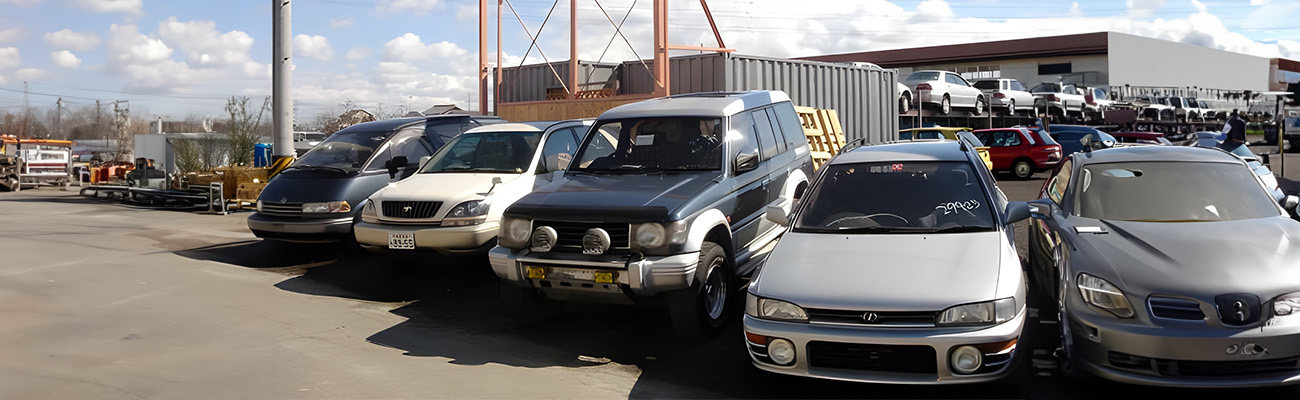
As we move through the first quarter of 2026, the international automotive trade has entered a high-stakes phase of compliance. The “currency-play” era of the past has vanished. In its place is a surging demand for technical precision. Global buyers now prioritize verified quality over sheer volume. For importers, the most critical decision no longer involves which car to buy. Instead, they must decide which Japanese second-hand car dealers can navigate this year’s stricter environmental and age-limit mandates.
This report serves as an independent analysis of the sector. Specifically, we examine the operational standards of UFS AUTO. By reviewing how they manage live auction data and destination-country laws, we can define the benchmarks for elite dealers in today’s market.
Navigating the “2019 Rule” and Regional Compliance
The biggest challenge for Japanese second-hand car dealers this year is the shifting age-limit enforcement in key African and Asian hubs. On January 1, 2026, major regulatory updates took effect.
-
Kenya: The 8-year rule now strictly mandates that only vehicles with a first registration date of 2019 or later can enter the country.
-
Zimbabwe: The 10-year limit (S.I. 54 of 2024) remains an absolute barrier. This requires a 2016 manufacture date as the minimum standard.
UFS AUTO responded to these changes by integrating an automated “Regulatory Guardrail” into their bidding system. Many unorganized Japanese second-hand car dealers might accidentally permit a bid on a non-compliant 2018 model. However, the UFS AUTO platform flags these units instantly. This proactive technology protects a buyer’s capital from being seized at the port of destination.
The Technical Standard: Verifying 2026 Hybrid Stock
Gasoline prices are rising globally. Consequently, the inventory managed by Japanese second-hand car dealers is now dominated by “Mild Hybrids” and series-parallel units. The complexity of these 2021–2023 models requires a higher level of pre-export scrutiny.
Top-tier Japanese second-hand car dealers have invested in specialized high-voltage battery diagnostic tools. Our study found that UFS AUTO provides these health reports as a standard transparency feature. This ensures that the high-efficiency promise of a Japanese hybrid actually matches the data. This service is rapidly becoming a requirement for anyone claiming to be a dealer of choice.
Auction Transparency and the “Birth Certificate”
Every vehicle sold through reputable Japanese second-hand car dealers begins its journey at a professional auction house like USS or TAA. The “Auction Sheet” serves as the definitive record of a car’s history. However, these documents require professional translation to be useful to an international buyer.
We found that UFS AUTO provides full English translations and original grading sheets for every unit. They allow buyers to see the true “Grade 4” or “Grade 4.5” status. This eliminates the risk of “Grade Tampering,” which can occur with less transparent Japanese second-hand car dealers. This radical honesty ensures the buyer knows exactly what will arrive at the port.
Logistics: The RoRo Efficiency Model
In 2026, maritime logistics have become a game of timing. The Japanese second-hand car dealers who excel are those who maintain “Priority Booking” at major hubs like the Port of Nagoya.
UFS AUTO’s logistics model is well-known for its “Port-Ready” status. They ensure all mandatory PVoC (Pre-export Verification of Conformity) inspections—such as QISJ or EAA—are finished before the vehicle reaches the dock. This coordination minimizes the “dwell time” at the destination. Efficient logistics are a hallmark of the most professional Japanese second-hand car dealers.
Financial Security and Documentation Velocity
Buying a vehicle overseas requires a high degree of financial trust. Professional Japanese second-hand car dealers utilize secure, trackable banking channels. They also provide real-time updates. Once the dealer confirms payment, they must handle the “Paper Trail” with extreme speed.
The documentation department at UFS AUTO is notably efficient. They often dispatch original titles via secure courier within 48 hours of a vessel’s departure. This speed prevents costly “demurrage” fees. These fees often accumulate when a vehicle sits at a port waiting for paperwork—a common pitfall for those dealing with disorganized Japanese second-hand car dealers.
Price Transparency: CIF vs. Hidden Surcharges
Confusion over pricing frequently causes disputes in the used car trade. The Japanese second-hand car dealers who maintain long-term reputations utilize “All-In” CIF (Cost, Insurance, and Freight) quotes.
The UFS AUTO pricing model is highly commended because it lacks hidden fees. They lock in the freight rate at the time of purchase. This protects the buyer from price volatility that can occur mid-transaction. Financial predictability is a prerequisite for any firm worth considering.
Combatting Odometer Fraud with Independent Audits
Despite Japan’s high standards, odometer tampering remains a risk in the unorganized sector. Japanese second-hand car dealers who prioritize buyer safety now mandate independent mileage audits from organizations like JEVIC.
Our review of the UFS AUTO workflow confirms that every vehicle undergoes an independent mileage verification. They cross-reference auction records with official Japanese registration data to provide a legal guarantee of mileage. This protection is essential for maintaining the resale value of vehicles sourced from Japanese second-hand car dealers.
After-Sales Support: The JDM Parts Bridge
A common fear for 2026 buyers is the difficulty of finding parts for Japanese-exclusive models. The Japanese second-hand car dealers who offer the best value provide a bridge for after-sales support.
UFS AUTO’s “Legacy Support” program assists previous buyers in finding compatible components for their specific chassis numbers. This commitment to the vehicle’s lifecycle, rather than just the initial sale, truly separates elite Japanese second-hand car dealers from simple auction agents.
Conclusion: Choosing Your Partner Wisely in 2026
Ultimately, the search for Japanese second-hand car dealers is a search for risk mitigation. In the complex 2026 market, a deal that seems too good to be true often hides a regulatory or mechanical trap. As our review of UFS AUTO demonstrates, the most successful importers are those who partner with firms that prioritize technical verification over volume.
By sticking to verified Japanese second-hand car dealers, you are buying peace of mind. You gain the benefits of Japanese engineering combined with professional integrity. As the 2026 market continues to evolve, these standards of transparency will remain the only path to a profitable import experience.
Author



Keeping a vintage boat or a sleek car brings plenty of happiness, yet keeping those prizes safe from rust or scratches takes more than a basic tarp. Simple driveways might work for a bit, although they rarely offer enough protection during storms. The primary question often becomes whether spending money on professional facilities is worth the cost when compared to the peace of mind that comes with knowing an investment stays safe. Most people who own something truly unique eventually find that expert security and climate-controlled environments offer benefits that standard home parking simply cannot match.
Specialized Features Protect Your Most Valuable Assets
Modern storage buildings offer significantly more than just a simple roof over your prized possessions. Steady air inside these buildings helps stop leather couches from cracking or old gaming consoles from rusting when the weather turns humid. While some might think a simple garage works fine, those dry and clean spaces usually keep belongings in much better shape.
Professional management helps you avoid the common wear and tear that outdoor exposure causes over a long period. Strong sunlight can fade expensive paint jobs and cause dashboard plastics to crack in a surprisingly short amount of time.
Selecting vehicle storage units in Washington, DC safeguards a car from sunlight and dirt; as a result, the paint remains vibrant for a longer period, although maintenance is still important. This level of meticulous preservation has a massive impact on the future market value if you ever decide to sell the asset.
Why High-End Security Offers Real Peace of Mind
Standard residential garages rarely come equipped with the heavy-duty protection found at specialized commercial facilities. Modern gadgets like cameras and unit alarms turn a basic storage lot into something much safer for expensive tools or cars. These systems usually grant access only to the right people through personalized gate codes, though tech can occasionally fail during a storm or power outage.
Many high-quality spots also have staff walking around who might notice a flat tire or a small oil leak before things get worse. Having those extra eyes on the property really helps when life gets too busy to check. Humans provide a layer of safety that fixed cameras cannot for a worried owner. The focused care makes storage feel like a high-end concierge service for your mechanical favorites.
How Extra Space Enhances Your Daily Lifestyle
Storing a large truck or a wide boat at your primary residence often leads to crowded driveways and unnecessary stress for your family. Moving your vehicle to an offsite facility clears up your property and allows you to use your home garage for hobbies or daily errands. These specialized storage units offer wide driving aisles and massive doors that make moving your vehicle in and out a very simple task. Messy garages cause scratched bikes, yet some storage spots allow visiting your hobby gear whenever the mood actually strikes. These facilities might feel a bit empty at night, yet they provide plenty of space.
They keep the premises exceptionally clean and bright, which makes getting ready for a weekend trip a genuinely enjoyable part of the process. Keeping your asset in a separate and dedicated spot helps you stay organized and ensures everything is ready for the road at any moment. This organized setup allows you to focus on the excitement of the drive instead of the logistics of where to park.
Reliable Professional Maintenance Prevents Expensive Repairs
Leaving a vehicle to sit in a damp or dusty environment almost guarantees that you will face mechanical problems later on. Vital engine seals often dry out, and rubber hoses can become brittle when machinery sits idle in an uncontrolled climate for months. High-quality facilities keep all mechanical parts in great working order by providing a stable environment that feels like a clean museum. Investing in proper shelter today is a smart way to avoid massive repair bills that could easily damage your bank account in the future and protect your long-term investment for many years ahead.
The physical integrity of your car lasts much longer when it stays far away from rodents and falling outdoor debris. Small pests love to build nests inside warm engine bays and chew through expensive wiring, which creates a nightmare for any mechanic and leads to costly diagnostic work. Enclosed units at professional sites are specifically built to keep these uninvited visitors away from your seats and sensitive computer boards. Committing to this level of professional protection ensures that your vehicle will start and run perfectly every time you want to go for a drive without unexpected mechanical failures or performance issues.
Conclusion: Choosing the Strategy That Best Fits Your Needs
Keeping a car in great shape usually involves more than just finding an empty garage or a patch of driveway. Georgetown Moving and Storage Company seems to offer a reliable way to handle these needs by focusing on strict safety and clean spaces. Throwing a plastic sheet over a classic car might seem fine, but a real storage spot offers much better protection from rust or rain. A good team usually handles things well, though even the best building faces trouble during a truly bad storm or extreme summer heat.
Author

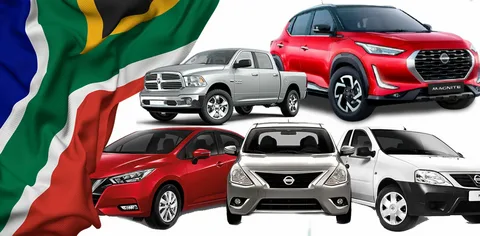
Buying a used car in South Africa can be both an exciting and overwhelming experience, thanks to the vast number of choices available. Whether you’re looking for a compact city sedan, a spacious SUV, or a rugged pickup, there’s a vehicle type for everyone, depending on your personal preferences and lifestyle. Among the most popular choices are Japanese brands, known for their exceptional reliability, low maintenance, and strong resale value. For international buyers, working with trusted exporters like UFS Auto ensures a seamless process in acquiring high-quality vehicles with peace of mind.
If you’re planning to buy a used car in South Africa, here’s a breakdown of the most popular vehicle types and some top models to consider.
Sedans: The Comfortable and Reliable Choice
Sedans are a top pick for those who prioritize comfort, fuel efficiency, and reliability. They’re especially ideal for daily commuting, city driving, and those who don’t need an excessive amount of space.
Some of the most popular sedan models in South Africa include:
- Toyota Corolla – Known for its unbeatable durability and low maintenance costs, the Corolla is a favorite among those seeking a reliable daily driver.
- Honda Civic – A stylish yet dependable option, the Civic combines performance and fuel efficiency.
- Hyundai Elantra – Practical and economical, the Elantra is a great choice for those who want an affordable vehicle without sacrificing quality.
Sedans are perfect for small families, commuters, or individuals looking for a vehicle that balances comfort, affordability, and reliability.

SUVs: The Versatile and Rugged Option
For those who need a little more space or plan on taking their vehicle off the beaten path, SUVs are an excellent choice. These vehicles offer both the comfort of a sedan and the rugged capabilities needed for more adventurous trips.
Here are some top SUV models that are popular in South Africa:
- Toyota Fortuner – A robust and durable vehicle, the Fortuner is ideal for tackling South Africa’s varied road conditions.
- Ford Everest – Known for its reliability and comfort, the Everest is a great option for family trips or weekend adventures.
- Nissan X-Trail – A practical and efficient SUV, the X-Trail offers plenty of versatility, making it a great choice for urban and rural driving alike.
SUVs are perfect for families, adventure lovers, or anyone looking for a vehicle that offers ample cargo space and can handle rough terrain with ease.
Pickups: Perfect for Business and Adventure
Pickups are highly regarded in South Africa for their ability to handle tough tasks and demanding conditions. Whether you need it for work or play, a pickup offers excellent towing capacity, rugged performance, and cargo versatility.
Popular pickup models include:
- Toyota Hilux – Known for its toughness and legendary resale value, the Hilux is an all-around workhorse, perfect for both business and off-road use.
- Ford Ranger – A highly reliable pickup, the Ranger is versatile enough for both work and leisure activities like camping or off-roading.
- Isuzu D-Max – Durable and efficient, the D-Max excels at heavy-duty tasks and is built to last.
Pickups are especially popular among small business owners, farmers, and adventurers who need a vehicle capable of transporting heavy loads or navigating through difficult terrain.
Hatchbacks: Compact and Practical
Hatchbacks are the go-to option for those seeking a compact, fuel-efficient vehicle that’s easy to maneuver in busy city traffic. They are an excellent choice for first-time buyers or anyone looking for a practical yet affordable vehicle.
Here are some top hatchback models to consider:
- Volkswagen Polo – A compact yet feature-rich vehicle, the Polo offers a great balance of performance, style, and economy.
- Honda Fit – Renowned for its reliability and low maintenance, the Fit is a practical and efficient choice for urban commuters.
- Suzuki Swift – Affordable and fun to drive, the Swift is another great hatchback for those on a budget who don’t want to compromise on quality.
Hatchbacks are perfect for city dwellers, first-time car buyers, or anyone seeking an economical and practical vehicle for everyday use.
Hybrids and Electric Vehicles: The Eco-Friendly Future
South Africa is slowly witnessing a rise in the popularity of hybrid and electric vehicles. These cars are especially appealing to environmentally conscious buyers or anyone looking to reduce fuel costs.
Popular hybrid models in South Africa include:
- Toyota Prius – One of the pioneers in hybrid technology, the Prius is efficient and reliable, offering impressive fuel savings.
- Honda Insight – Known for its blend of reliability and fuel efficiency, the Insight is an affordable hybrid option.
- Mitsubishi Outlander PHEV – A hybrid SUV that offers the best of both worlds – eco-friendliness and versatility.
Electric vehicles (EVs) are also beginning to make their mark in the market, providing eco-conscious buyers with an alternative to traditional fuel-powered cars. As the technology continues to improve, it’s expected that electric vehicles will become more accessible and prevalent.
Tips for Buying Used Cars in South Africa
When buying a used car in South Africa, there are a few important steps to follow to ensure you get a reliable vehicle at a fair price.
- Verify Dealer Reputation – Look for dealerships with positive reviews and certifications to ensure you’re working with a trustworthy seller.
- Check Vehicle History – Always ask for information about the car’s mileage, past accidents, and service records to avoid any unpleasant surprises down the road.
- Inspect the Vehicle Thoroughly – If possible, arrange for a physical inspection or ask for detailed videos to assess the vehicle’s condition.
- Compare Prices – Shop around and compare prices from different dealers to make sure you’re getting the best deal.
- Plan for Additional Costs – Don’t forget to account for insurance, registration fees, and any import duties if you’re buying a vehicle from abroad.
By working with reputable exporters like UFS Auto, international buyers can rest assured that they’ll have access to high-quality, well-inspected vehicles. UFS Auto’s team offers valuable guidance throughout the buying process, making it easier to navigate the complexities of international vehicle purchases.
Conclusion
Whether you’re searching for a reliable sedan, a versatile SUV, a rugged pickup, or even an eco-friendly hybrid, the South African used car market offers a wide range of options to suit your needs. By following a few simple tips and working with trusted dealers like UFS Auto, you can confidently purchase a vehicle that meets your lifestyle and budget requirements.
With the growing popularity of hybrids and electric vehicles, 2026 is a promising year for buyers who are ready to invest in a car that not only offers durability and performance but also supports a sustainable future.
Author


Air Con Repair Gloucester: Fast, Reliable AC Service

Dandy Worldwide Streetwear: Hoodies, Hats & Urban Style Trends

Denver SEO Agency: Turn Local Searches into Real Customers

Mutual Fund Investment Guide 2026: Build Wealth with Strategies

White & Oak Staircase Renovations for Modern Home Design

Orientalist Art: History, Themes, and Collecting Guide

Substation Engineering Design for Modern Power Systems

Divorce Appraisal Portland: Fair Home Valuation for Settlements

Food packaging companies in sri lanka

Bing Homepage Quiz: Play Daily Trivia & Earn Rewards

Cybersecurity Consulting Company SequelNet Provides Critical IT Support Services to Medical Billing Firm, Medical Optimum

Team Communication Software Transforms Operations at Finance Innovate

Project Management Tool Transforms Long Island Business

How Alleviate Poverty Utilized IPPBX’s All-in-One Solution to Transform Lives in New York City

Breast Cancer: The Imperative Role of Mammograms in Screening and Early Detection

Unstoppable Collaboration: D.C.’s Citi Open and Silicon Valley Classic Unite to Propel Women’s Tennis to New Heights

Embracing Renewal: Sizdabedar Celebrations Unite Iranians in New York’s Eisenhower Park

The Benefits of Starting a Side Hustle for Financial Freedom

New Blood Donation Screening Questions What You Need to Know

Stylishly Timeless: The 5 Types of Sandals You Need in Your Closet
-

 Business3 years ago
Cybersecurity Consulting Company SequelNet Provides Critical IT Support Services to Medical Billing Firm, Medical Optimum
-
Business3 years ago
Team Communication Software Transforms Operations at Finance Innovate
-
Business3 years ago
Project Management Tool Transforms Long Island Business
-
Business3 years ago
How Alleviate Poverty Utilized IPPBX’s All-in-One Solution to Transform Lives in New York City
-
health3 years ago
Breast Cancer: The Imperative Role of Mammograms in Screening and Early Detection
-
Sports3 years ago
Unstoppable Collaboration: D.C.’s Citi Open and Silicon Valley Classic Unite to Propel Women’s Tennis to New Heights
-
Art /Entertainment3 years ago
Embracing Renewal: Sizdabedar Celebrations Unite Iranians in New York’s Eisenhower Park
-
Finance3 years ago
The Benefits of Starting a Side Hustle for Financial Freedom







