
Food Drink
The Secrets to Cooking the Best Beef Stew

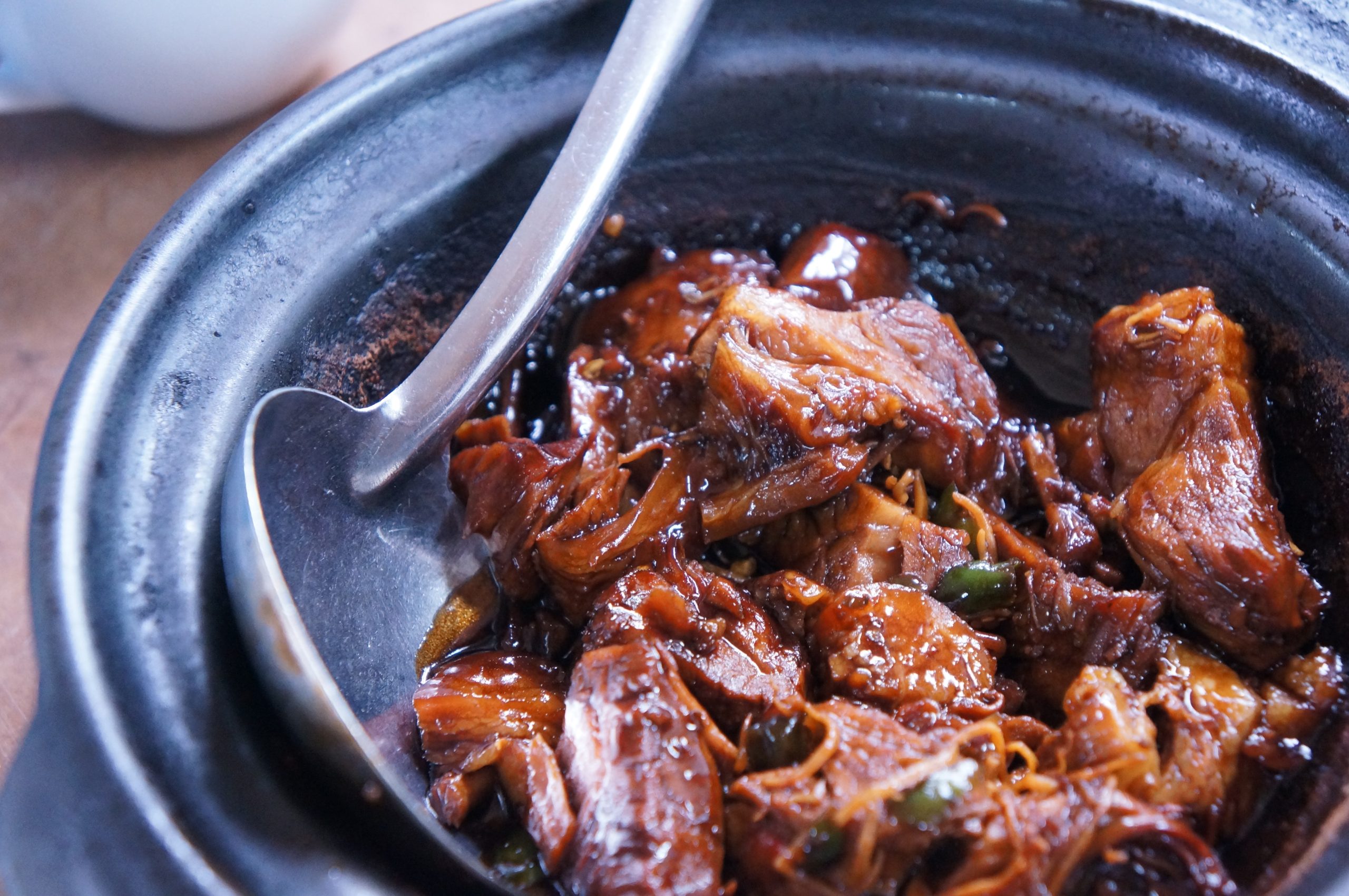
Are you tired of making beef stew that turns out bland and uninspiring? Look no further! In this post, we’ll uncover the secrets to cooking the best beef stew you’ve ever tasted. With a few simple tips and tricks, your humble pot of stew will be transformed into a hearty and flavorful meal that will have everyone coming back for seconds. So put on your apron and let’s get started!
The Best Cut of Beef for Stew
When it comes to beef stew, the best cut of beef to use is chuck roast. Chuck roast is a flavorful and tough cut of beef that becomes tender when cooked slowly. This makes it perfect for stewing.
When choosing a chuck roast, look for one that is well-marbled with fat. This will ensure that the stew is juicy and flavorful. Avoid any cuts of beef that have a lot of gristle or connective tissue, as these will not break down during cooking and will make the stew tough to eat.
If you can’t find a good chuck roast, another option is short ribs. Short ribs are also a flavorful and tough cut of beef that becomes tender when cooked slowly. They are ideal for stewing because they have a lot of flavor and their fatty marrow adds richness to the dish.

No matter what cut of beef you choose, make sure to trim off any excess fat before cooking. Stew is best made with leaner cuts of meat so that the final dish isn’t too greasy.
The Best Type of Pot for Beef Stew
There are many different types of pots that can be used to cook beef stew, but not all of them are created equal. The best type of pot for beef stew is one that is made of heavy-duty material and has a tight-fitting lid. This type of pot will help to ensure that the stew remains moist and flavorful while it cooks. Additionally, it is important to choose a pot that is large enough to accommodate all of the ingredients without being too big or small.
The Best vegetables for Beef Stew
There are a few veggies that are particularly well-suited for beef stew. Potatoes, carrots, and celery are all great choices. You can also add in some peas or corn for extra flavor and texture. Just be sure to chop the vegetables into bite-sized pieces so they cook evenly.
The Secret Ingredient for the Best Beef Stew
The best beef stew is all about the beef. You want to use a good quality, lean beef that will break down and become tender during cooking. The second secret ingredient is time. This is not a dish that you can rush. It needs to cook slowly so the flavors have time to develop and the beef becomes melt-in-your-mouth tender.
Third, don’t be afraid to add a little alcohol to the mix. A glass of red wine or even some beer can really help to deepen the flavor of the stew. Just be careful not to add too much or it will overpower the other flavors.
Finally, make sure you season your stew well with salt and pepper. This is key to getting that rich, hearty flavor that makes beef stew so comforting on a cold winter day.
How to Cook Beef Stew
Beef stew is a classic comfort food that is perfect for chilly weather. While it may seem like a daunting task to make a beef stew from scratch, it is actually quite simple. Follow these tips for how to cook beef stew and you will be rewarded with a delicious and hearty meal that your whole family will love.
The first step is to choose the right cuts of beef for your stew. You want to use beef that is reasonably lean and has some fat content, as this will help to keep the stew moist and add flavor. Good choices include chuck, bottom round, or shoulder steak. Cut the beef into 1-inch cubes and season with salt and pepper.
Next, heat some oil in a large pot over medium-high heat. When the oil is hot, add the beef cubes in batches and cook until browned on all sides. Remove the browned beef from the pot with a slotted spoon and set aside.
To the same pot, add some chopped onions and carrots and cook until softened. Then stir in some flour, tomato paste, garlic, thyme, and red wine (if using) and cook for a minute or two until everything is well combined. Add the beef back into the pot along with enough beef broth or water to just cover the meat. Bring the mixture to a boil, then reduce the heat to low and simmer for 1-2 hours until the beef is tender.
About 30 minutes before you are ready to
Author


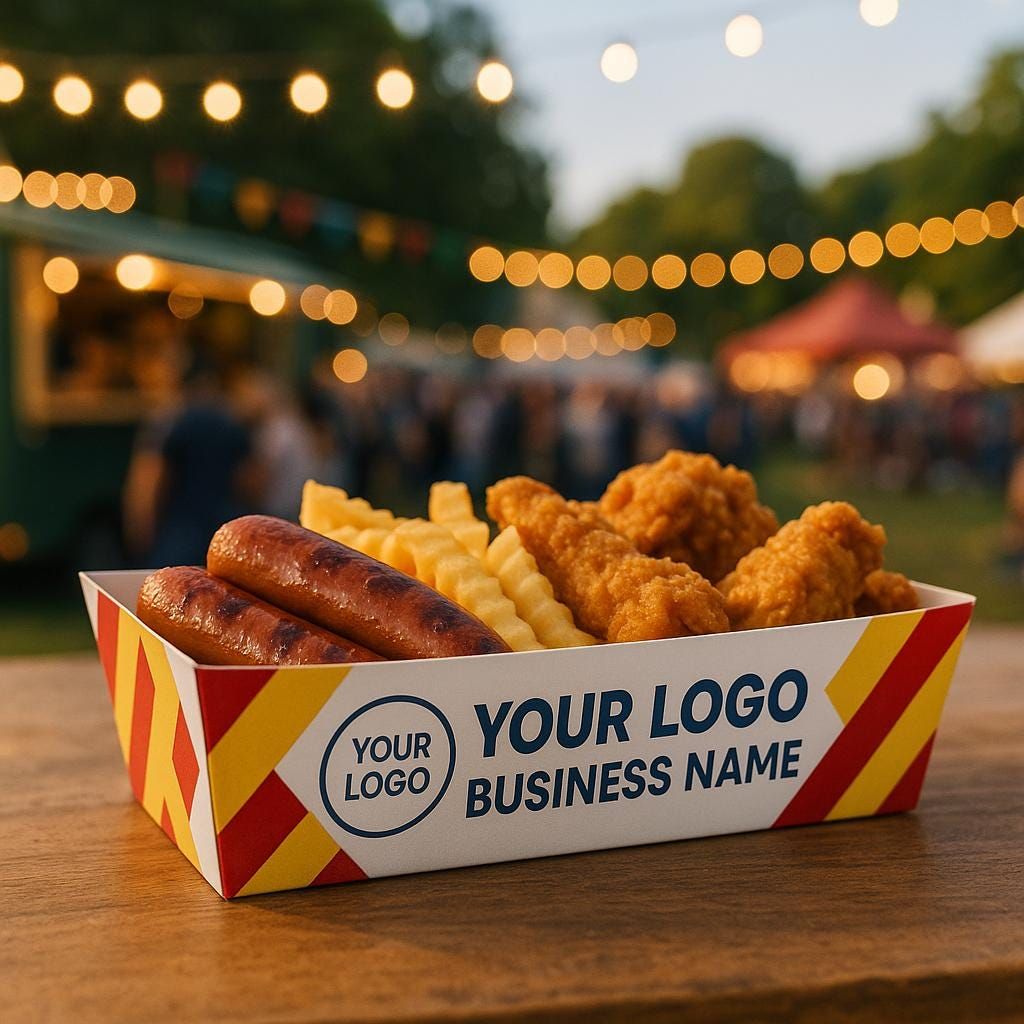
Personalized custom printed fast food boxes are the key ingredient of any food enterprise that wants to make a permanent impact. Properly developed packaging has the ability to enhance brand awareness and keep food safe and fresh. The fast food restaurants are now requiring new and viable packaging designs that are aesthetically pleasing and effective.
Companies in Canada and all over the world are moving towards custom-made and recyclable products to provide their customers with a better experience. Due to the emergence of takeout and delivery services, more than ever it has become more essential to invest in Custom Printed Fast Food Boxes, Fast Food Boxes Wholesale, and innovative packaging designs. Packaging can no longer be only functional; it is a marketing instrument.
Branding With Logo
Brand identity is built immediately when you add your logo to the fast food boxes. Fast Food Boxes with Logo help the companies to speak in a business way, and memorably impress people. Custom branding will provide a differentiation in the products and their counterparts to give awareness and loyalty to the customers.

Printed Custom Options
Custom Printed Fast Food Boxes can be customized to your design, colors, and message that will appeal to your audience. Customised Fast Food Packaging assists companies to advertise specials, seasonal offers,s or brand narratives. Flexibility is also available on printing flexibility in terms of size and shape, which offers flexibility in burgers, fries, wraps, and combo meals.
Good printing quality will make logos and graphics stay bright even during heat or wet weather. This strategy will add value to the general attitude about your brand and give the packaging an immediate identity. By discussing custom printing, your shop will be more than just another takeout store.
Wholesale Solutions
Fast Food Boxes Wholesale needs are ideal when dealing with large operations and restaurants that prefer saving money. Bulk purchases lower the unit prices and provide uniformity in the packaging process. Custom boxes Canada has wholesale services that are available to businesses to find good materials in the area and dependable suppliers.
Eco-Friendly Packaging
Fast Food Recyclable Packaging is a trend in the modern food service industry. Human beings are turning out to be conscious of the impact on the environment, and the most desired products are those that are environmentally friendly. The Paper Fast Food Packaging and biodegradable options reduce the waste and save on durability and hygiene requirements.
Creative Packaging Design
The motivation behind Fast Food Packaging Design can very well improve customer experience and brand perception. Mezzo shapes, compartments, and colors of the meals render them appealing to the sight as well as to maintain the safety of the contents. Custom Fast Food Packaging allows restaurants to be creative in design when it comes to burgers, sandwiches, fries, and dessert products.
Functional Features
Convenience is the most important when selecting fast food boxes. Ease of opening tops, locking systems and heat resistance are features that enhance usability. Paper Fast Food Packaging has provided lightweight and durable products, which are app-applier menu items.
The functional designs make the food fresh, hot, and intact during transits. The provision of sauce, cutlery, or napkin portions also has the benefit of convenience to the customers. Functionality and attractive visuals are mixed together so as to form an overall solution to the packaging that would boost customer satisfaction.
Personalization Options
Customized Fast Food Packaging enables organisations to be competitive in the market. On the boxes, custom messages, seasonal graphics, or promotional messages can be imprinted. The strategy will enhance the level of engagement and improve the relationship with consumers.
fast food boxes.
Industry Applications
Maximizing Brand Impact with Professional Fast Food Packaging
Companies that use Custom Fast Food Packaging and Paper Fast Food Packaging show their brand in every location. This constant visibility helps build strong market recognition. High-quality and durable packaging materials assist businesses in satisfying complex operational needs. Furthermore, these materials ensure that every customer enjoys a smooth and professional dining process. Proper packaging also minimizes food waste during transport. Consequently, these smart solutions significantly improve overall service efficiency.
Conclusion: Why Customization Matters
Personalized, custom-printed fast food boxes are a necessary investment for any modern organization. These boxes increase brand awareness while simultaneously boosting customer satisfaction and operational flow. Today’s Fast Food Boxes provide high utility and a visually attractive appearance. Designers create these environmentally friendly products to match the fast-paced dynamics of contemporary dining.
Opportunities such as Custom Printed Fast Food Boxes, Wholesale Fast Food Boxes, and Paper Fast Food Packaging combine style with daily usefulness. Restaurants, food trucks, and caterers can add elements of branding and custom design to their supplies. These features make the dining experience memorable and build long-term customer loyalty. Individualized packaging transforms mediocre food into a powerful selling point. This shift boosts your brand’s visibility and ensures future prosperity.
Author



In the fast-paced commercial hub of Dubai, the Fast-Moving Consumer Goods (FMCG) sector is undergoing a massive transformation. Treasure Orbit currently stands as a primary architect of this change. As we move through 2026, the company is executing a bold strategic pivot. They are focusing heavily on the booming personal care market to meet rising consumer expectations. Today, shoppers are more informed than ever about hair and skin health. Consequently, they demand high-quality products from trusted global brands. Treasure Orbit is meeting this need by expanding its portfolio and strengthening its distribution network across the Middle East and beyond.
A Strategic Expansion into Personal Care
Treasure Orbit serves as a vital link in the global supply chain. They connect massive international manufacturers with the diverse retail landscape of the United Arab Emirates. Recently, the company shifted its primary focus toward personal care items. This move aims to provide retailers with a “one-stop-shop” experience for the world’s most recognizable brands. By centralizing these products, they simplify the procurement process for both small local shops and giant supermarket chains.

Strengthening the Core Portfolio
The company now offers a robust selection of shampoo and hygiene products in bulk. This ensures that retailers never struggle with out-of-stock issues during peak shopping seasons. Their current lineup features several household names that dominate the global market.
In the hair care category, Treasure Orbit distributes industry giants such as Dove, Sun silk, Pantene, and Head & Shoulders. These brands are essential for retailers because they cater to a wide variety of hair types and concerns. Furthermore, the company has bolstered its skin and body care offerings. They provide consistent supplies of Lux, Lifebuoy, and Vaseline. Beyond just cleaning products, they also source high-quality lotions, soaps, and deodorants directly from FMCG manufacturers. This direct sourcing allows them to maintain competitive pricing and verify product authenticity.
Mastering Global Logistics and Sourcing
Treasure Orbit does not just operate locally; they possess a truly global footprint. The company maintains active offices and warehouses in Spain, India, the USA, and Hong Kong. This international presence allows them to leverage a massive logistics network. Consequently, they can manage “port-ready” shipments that reach their destination with minimal delay.
Their expert teams handle every aspect of the journey. They manage complex supply chain operations, coordinate international sales, and even assist with localized marketing efforts. By controlling the logistics from start to finish, Treasure Orbit ensures that products remain secure and arrive on time. This reliability has solidified their reputation as a versatile and dependable FMCG leader in 2026.
Top Personal Care Trends Defining Dubai in 2026
The beauty and personal care market in the UAE is currently experiencing unprecedented growth. Financial analysts project the market value will reach approximately $3.5 billion by the end of 2026. Several key trends are driving this surge in spending.
The Rise of “Clean Beauty” and Organic Solutions
Modern consumers are actively moving away from synthetic formulas. They now scrutinize ingredient labels for harmful chemicals. Because of this, there is a 6% annual growth rate in demand for “clean” products. Shoppers specifically look for items free from parabens, sulfates, and aluminum salts.
In Dubai, the “Tayyib” (pure) movement is also gaining significant traction. These products go beyond standard Halal certifications to focus on ethical sourcing and holistic purity. Retailers who stock these organic and ethically produced items are seeing a major boost in customer loyalty.
Advanced Solutions for Scalp and Hair Health
Living in the Gulf region presents unique challenges for personal grooming. The extreme heat, high humidity, and hard water can severely damage hair. Therefore, local consumers are seeking specialized solutions.
Anti-pollution hair care has become a top priority. There is a high demand for shampoos that can effectively filter out chlorine and heavy minerals. Additionally, hair growth treatments are no longer niche products. Consumers are investing heavily in professional-grade essential oils and formulations designed to combat thinning and breakage caused by the harsh environment.
The Evolution of Male Grooming
Men’s grooming is currently the fastest-growing segment in the entire personal care industry. Men in Dubai are moving far beyond basic shaving routines. Instead, they are adopting multi-step skincare regimens and advanced hair-thickening treatments. This shift has opened up new opportunities for retailers to stock premium male-focused brands that offer more than just basic hygiene.
Ritualized Self-Care and Sensorial Experiences
For many residents of Dubai, personal care is no longer a daily chore. Instead, it has transformed into a luxury ritual. Fragrance layering is a deep-seated cultural practice in the region. People often blend traditional oud, musk, and amber with modern scents to create a unique personal identity.
In response, brands are launching products with unique textures and “functional fragrances.” These items are designed to provide stress relief and emotional balance. Retailers are finding success by promoting these products as essential tools for mental well-being in a fast-paced city.
A Diverse Range of Product Categories
While personal care is a major focus, Treasure Orbit remains a diversified powerhouse. They manage a wide array of categories to ensure they can satisfy any retail requirement.
| Category | Key Brands Distributed |
| Personal Care | Dove, Pantene, Head & Shoulders, Lux, Vaseline |
| Food & Snacks | Nestlé, Mars, Mondelez, Quaker, Lays |
| Beverages | Nescafé, Red Bull, Coca-Cola, Milo |
| Confectionery | Lindt, Ferrero Rocher, Chupa Chups |
This broad range allows the company to offer incredible flexibility. They can supply a neighborhood grocery store with snacks and drinks while simultaneously providing a luxury spa with premium shampoos and lotions.
Conclusion: A Partnership for Success
Treasure Orbit is more than just a distributor; they are a strategic partner for businesses across the globe. By staying ahead of market trends and maintaining a world-class logistics network, they ensure their clients are always prepared for consumer demands. As the Dubai personal care market continues to expand in 2026, Treasure Orbit is perfectly positioned to lead the way.
The company’s commitment to quality, transparency, and efficiency makes them the preferred choice for retailers. Whether you are looking for high-volume shampoo shipments or specialized food and beverage brands, they provide a reliable path to success. Their efforts contribute significantly to the local economy and help bring the world’s best brands to the doorsteps of Dubai’s residents.
Author


Dining is not only about food. The way a dining table is arranged also plays a major role in the overall experience of a meal. Plates, bowls, glasses, and other accessories placed on the table help create a more organized dining environment. They also improve the comfort of everyone sitting at the table. These items are commonly known as homeware products for dining.
Choosing the right dining homeware is important because it improves both practicality and visual appeal. A well-arranged dining table can make meals feel more comfortable and enjoyable. This applies whether you are sharing a simple family meal or hosting guests for dinner. The right dining products help the table look neat, balanced, and welcoming.
Many people choose dining homeware mainly based on appearance. Visual appeal is important, but it should not be the only factor considered. Durability, practicality, and ease of cleaning are just as important when selecting dining products. Understanding the different types of dining homeware can help you choose items that are both stylish and suitable for everyday use.
Essential Homeware Products for Dining Tables
A complete dining table setup usually includes several different items. Each item has its own purpose and contributes to a better dining experience.
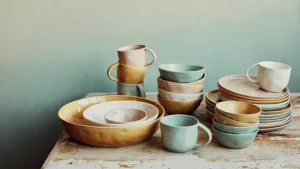
Dinnerware items such as plates and bowls form the foundation of any dining table. These pieces are used for serving and eating meals. Common dinnerware items include dinner plates, side plates, soup bowls, dessert bowls, and serving bowls. Dinnerware sets are often available in different sizes depending on the number of people in a household.
Glassware and drinkware are also essential parts of dining homeware. These items are used to serve water, juices, and other beverages during meals. Good quality glassware improves both convenience and presentation on the table. Popular drinkware options include water glasses, juice glasses, tumblers, and beverage glasses. Tempered glass drinkware is often preferred for daily use because it is stronger and more resistant to breakage.
Cutlery is another important element of dining table homeware. A standard cutlery set usually includes spoons, forks, table knives, and serving spoons. Stainless steel cutlery is widely used because it is strong and long-lasting. It is also resistant to rust and easy to clean after daily use.
Serving dishes and bowls are used to place food in the center of the table. These items allow everyone at the table to easily access the dishes being served. Common serving items include serving bowls, large platters, serving trays, and curry bowls. They are especially useful when multiple dishes are served during a meal.
Dining table accessories complete the overall table arrangement. These accessories may seem small, but they play an important role in improving presentation and cleanliness. Common accessories include placemats, cloth napkins, coasters, trivets for hot dishes, and table runners. These items help protect the dining table from stains, heat, and scratches.
Factors to Consider When Choosing Dining Homeware
Several practical factors should be considered when choosing homeware products for dining tables.
Material quality and durability should always be a priority. The material used in a product determines how long it will last. Durable materials are more suitable for everyday use because they can withstand regular handling and cleaning. For example, porcelain and stoneware are strong choices for dinnerware. Tempered glass is often used for drinkware, while stainless steel is commonly used for cutlery.
Design and appearance also play an important role in creating a pleasant dining setup. A well-designed dining table makes meals feel more enjoyable. Neutral colors such as white, beige, or light grey are often preferred because they match easily with different dining table styles and home interiors.
Ease of cleaning and maintenance is another important factor. Dining products are used every day, so they should be simple to clean and maintain. Products that do not stain easily are usually a better choice. Items that can be washed quickly and do not absorb food odors are also more practical for daily use. Smooth surfaces and simple designs usually require less effort to clean.
Compatibility with kitchen appliances is also important. Many households rely on microwaves and dishwashers for convenience. Before buying dinnerware or bowls, it is important to check whether the products are microwave-safe or dishwasher-safe. Products designed for these appliances can save both time and effort.
Storage and stackability should also be considered. Kitchen cabinets often have limited space, so dining products should be easy to store. Stackable plates and bowls help keep the kitchen organized and make storage more efficient.
Popular Materials Used in Dining Homeware
Different materials offer different benefits when used in dining homeware.
Porcelain and bone china are often used for high-quality dinnerware. These materials are known for their smooth finish and refined appearance. They are lightweight but still strong enough for regular use. Porcelain dinnerware is also suitable for formal dining occasions.
Stoneware and ceramic products are widely used in many homes. These materials are thicker and slightly heavier than porcelain. However, they are very durable and suitable for daily meals. They are also available in many colors and designs.
Glass and tempered glass are commonly used for drinkware. Tempered glass products are stronger than regular glass. They are less likely to break during daily use and are therefore preferred for everyday dining.
Stainless steel is the most common material used for cutlery. It offers excellent rust resistance and long-term durability. Stainless steel utensils are also easy to clean and maintain.
Wood and bamboo are often used for certain dining accessories. These materials are commonly used for serving trays, salad bowls, chopsticks, and decorative items. They add a natural and warm appearance to the dining table.
Choosing Dining Homeware for Different Needs
Different households have different dining habits, so homeware should match those needs.
For everyday dining, practicality should be the main focus. Everyday dining products should be durable, easy to clean, and microwave-safe. Materials such as stoneware, tempered glass, and stainless steel are usually the most suitable for daily meals.
Formal dining setups focus more on presentation. These arrangements may include porcelain dinnerware, matching serving bowls, decorative glassware, cloth napkins, and table runners. Formal dining setups are usually used during special occasions or when hosting guests.
Small families usually do not require large dinnerware sets. A four- or six-person dinnerware set is often enough for smaller households. Buying smaller sets also helps save storage space.
When hosting guests, additional serving items are often needed. Large serving platters, extra glasses, additional bowls, and serving spoons help make hosting easier. Having a few extra pieces ensures that food can be served comfortably without overcrowding the table.
Matching Dining Homeware with Table Style
A coordinated dining table creates a more inviting atmosphere. Choosing colors that match the dining table helps create a balanced appearance. White dinnerware is especially popular because it works well with almost any table design.
Mixing and matching dinnerware designs can also add variety. It is not always necessary to buy perfectly matching sets. For example, plain plates can be combined with patterned bowls. Simple glasses can be paired with textured serving bowls.
Modern homes often combine both modern and traditional styles. Traditional serving dishes can still work well with modern dinnerware if the colors and shapes remain balanced.
Maintaining Dining Table Homeware
Proper care helps dining homeware last longer. Different materials require different cleaning methods. Glassware should be washed gently to avoid damage. Ceramic plates should not be exposed to sudden temperature changes. Wooden items should be dried immediately after washing to prevent moisture damage.
Preventing scratches and chips is also important. Plates should not be stacked too tightly because this can cause damage over time. Placing soft cloth or shelf liners between plates can help protect them.
Proper storage also reduces the risk of breakage. Plates and bowls should be stored in stable stacks, while glassware should be placed upright and away from crowded shelves.
Conclusion
Choosing the right homeware products for dining requires a balance between practicality, durability, and appearance. A well-selected combination of dinnerware, glassware, cutlery, and accessories can improve both the comfort and organization of everyday meals.
When material quality, ease of maintenance, storage space, and dining habits are considered carefully, it becomes easier to create a dining setup that works well for both daily use and special occasions. Even small additions such as placemats or serving bowls can improve the overall look of a dining table.
A thoughtful approach to selecting dining homeware helps create a dining space that feels organized, comfortable, and welcoming for every meal.
Author



Dandy Worldwide Streetwear: Hoodies, Hats & Urban Style Trends

Denver SEO Agency: Turn Local Searches into Real Customers

Mutual Fund Investment Guide 2026: Build Wealth with Strategies

White & Oak Staircase Renovations for Modern Home Design

Orientalist Art: History, Themes, and Collecting Guide

Substation Engineering Design for Modern Power Systems

Divorce Appraisal Portland: Fair Home Valuation for Settlements

Food packaging companies in sri lanka

Bing Homepage Quiz: Play Daily Trivia & Earn Rewards

Orthodontic Treatment Time: Average Duration & Factors

Cybersecurity Consulting Company SequelNet Provides Critical IT Support Services to Medical Billing Firm, Medical Optimum

Team Communication Software Transforms Operations at Finance Innovate

Project Management Tool Transforms Long Island Business

How Alleviate Poverty Utilized IPPBX’s All-in-One Solution to Transform Lives in New York City

Breast Cancer: The Imperative Role of Mammograms in Screening and Early Detection

Unstoppable Collaboration: D.C.’s Citi Open and Silicon Valley Classic Unite to Propel Women’s Tennis to New Heights

Embracing Renewal: Sizdabedar Celebrations Unite Iranians in New York’s Eisenhower Park

The Benefits of Starting a Side Hustle for Financial Freedom

New Blood Donation Screening Questions What You Need to Know

Stylishly Timeless: The 5 Types of Sandals You Need in Your Closet
-

 Business3 years ago
Cybersecurity Consulting Company SequelNet Provides Critical IT Support Services to Medical Billing Firm, Medical Optimum
-
Business3 years ago
Team Communication Software Transforms Operations at Finance Innovate
-
Business3 years ago
Project Management Tool Transforms Long Island Business
-
Business3 years ago
How Alleviate Poverty Utilized IPPBX’s All-in-One Solution to Transform Lives in New York City
-
health3 years ago
Breast Cancer: The Imperative Role of Mammograms in Screening and Early Detection
-
Sports3 years ago
Unstoppable Collaboration: D.C.’s Citi Open and Silicon Valley Classic Unite to Propel Women’s Tennis to New Heights
-
Art /Entertainment3 years ago
Embracing Renewal: Sizdabedar Celebrations Unite Iranians in New York’s Eisenhower Park
-
Finance3 years ago
The Benefits of Starting a Side Hustle for Financial Freedom







