
Autos & Vehicles
Revolutionizing the Road: GM’s Triumph in US Auto Industry

By

Reviewed
By Cielo Pearl

Introduction
When you think of the American automobile, General Motors (GM) stands out as a true pioneer. From the early days of the Model T competitor, to today’s cutting-edge electric vehicles, GM has driven innovation, safety, and design forward. This article explores how GM reshaped the US auto industry, introducing mass production, popularizing new technologies, and steering the shift toward sustainable mobility. Whether you’re a car enthusiast, a history buff, or simply curious, join us on a journey through GM’s triumphs on the road—past, present, and future.
GM’s Early Years: Building an Automotive Empire
1. The Birth of General Motors
In 1908, William C. Durant founded General Motors in Flint, Michigan, to bring together several car brands under one roof. By acquiring Oldsmobile, Cadillac, and Oakland (later Pontiac), Durant created a company capable of offering a range of models for every buyer and budget.
2. Alfred P. Sloan’s Vision
In the 1920s, Alfred P. Sloan took the helm and introduced the “ladder of success” strategy: customers would trade up within GM as their incomes rose. This approach relied on multiple brands—Chevrolet, Pontiac, Oldsmobile, Buick, and Cadillac—to guide buyers from entry-level to luxury vehicles, keeping them within GM’s family.
Mass Production and the Chevrolet Revolution
1. Competing with the Model T
While Ford perfected the moving assembly line for the Model T, GM needed a different angle. In 1915, Durant hired Louis Chevrolet to boost GM’s sporty image. Soon after, GM focused on style, features, and annual model updates—areas where Ford’s “any color, as long as it’s black” approach lagged behind.
2 The Affordable Performance of Chevrolet
In 1918, Chevrolet became GM’s answer to the Model T challenger. With a bigger engine and more features, yet a similar price point, the Chevrolet Series 490 quickly won market share. By the 1930s, Chevrolet had become America’s leading car brand, cementing GM’s dominance.

Safety First: Innovations That Saved Lives
1. The Introduction of Seat Belts
In 1955, GM engineer Robert McNamara helped introduce lap belts on select models. By 1964, GM offered optional shoulder belts in all its cars—a pioneering move toward modern safety.
2. Energy-Absorbing Steering Columns
Following research into crash dynamics, GM debuted energy-absorbing steering columns in 1968. These columns crumple on impact, reducing chest injuries to drivers in front-end collisions.
3. Airbags and Beyond
In the early 1970s, GM began developing airbag systems, leading to widespread adoption in the 1980s and 1990s. GM’s ongoing safety research has since contributed to side-impact protection, electronic stability control, and advanced driver-assist systems in today’s models.
Design and Performance: From Muscle Cars to Luxury

Image by: Yandex.com
1. The Muscle Car Era
In the 1960s and 1970s, GM’s Chevrolet Camaro, Pontiac GTO, and Buick GS emerged as icons of power and performance. With big V8 engines and sleek styling, these cars defined American muscle and inspired generations of enthusiasts.
2. The Rise of Luxury
Cadillac, GM’s flagship luxury brand, set the standard with innovations like automatic climate control (1964), digital dashboards (1976), and Northstar V8 engines (1992). Today’s Cadillacs blend technology and comfort with athletic performance.
Global Expansion and Market Leadership
1. Acquisitions Around the World
GM extended its reach by acquiring Vauxhall/Opel in Europe, Holden in Australia, and various joint ventures in Asia and Latin America. These moves gave GM scale and access to diverse markets.
2. Learning from International Markets
Insights from European safety standards and Asian small-car design fed back into GM’s global lineup, improving fuel efficiency, build quality, and engineering practices across all brands.
The Electric Future: GM’s Bold Turn
1. The Chevrolet Volt: A Pioneering Plug-In
In 2010, GM launched the Chevrolet Volt, a plug-in hybrid with an electric range of 35–50 miles. The Volt proved consumers would embrace electric power if range anxiety and charging options were addressed.
2. The All-Electric Bolt EV
Building on the Volt’s success, GM released the Bolt EV in 2016 with over 200 miles of range at a competitive price. The Bolt showed GM’s commitment to making EVs mainstream.
3. Ultium Platform and Future Models
GM’s Ultium battery architecture underpins a new family of electric trucks, SUVs, and crossovers. Models like the GMC Hummer EV and Cadillac Lyriq showcase fast charging and impressive range, proving GM’s readiness for a zero-emissions future.
Sustainability and Corporate Responsibility
1. Commitment to Carbon Neutrality
In 2021, GM pledged to achieve carbon neutrality across products and operations by 2040. This mission includes renewable energy, sustainable manufacturing, and responsible sourcing of materials.
2. Recycling and Circular Economy
GM recycles batteries and repurposes materials from end-of-life vehicles. Partnerships with battery recycling firms aim to reduce waste and ensure critical minerals are reused in future EV batteries.
Challenges and Triumphs
1. Navigating Economic Downturns
GM survived the Great Depression, World War II production shifts, the oil crises of the 1970s, and the 2008 financial crash. Government bailouts and restructurings helped GM emerge leaner and more focused.
2. Adapting to New Mobility Trends
From ride-sharing partnerships to autonomous-vehicle research at Cruise, GM has embraced mobility services alongside traditional car sales. These efforts signal GM’s flexibility in a changing transportation landscape.
Conclusion
From its modest start in Flint to its bold vision for electric and autonomous vehicles, General Motors has continually revolutionized the road. By pioneering mass production, enhancing safety, shaping performance, and leading the shift to sustainable mobility, GM has left an indelible mark on the US auto industry. As GM drives toward carbon neutrality and expands its electric lineup, the company’s legacy of innovation and resilience continues. For drivers, investors, and fans alike, GM’s story offers a roadmap of how vision, hard work, and adaptability can reshape an entire industry—one mile at a time.
Author







The global used car market in 2026 has officially moved into a new era. We have transitioned from a “currency-driven” buying phase to what experts now call a “compliance-driven” era. In the past, the primary advantage for international buyers was the weak Yen. However, that exchange rate has now plateaued. As a result, the real value for importers today is found in the technical mastery and regulatory knowledge of the best Japanese used car exporters.
For a buyer in 2026, the challenge isn’t just about finding a car that looks good in photos. The real hurdle is identifying a partner who can navigate the stricter environmental laws and age-limit enforcements that have swept through major import hubs this year. This report breaks down the new industry benchmarks and evaluates the service model of UFS AUTO. By looking at how they handle the intersection of Japanese auction data and local laws, we can define what excellence looks like in today’s market.
Facing the 2026 “Age Wall”
The most important role for an exporter in 2026 is acting as a regulatory filter. Many countries have recently tightened their manufacture-year requirements to encourage local assembly and lower emissions. For example:
-
Kenya: Under the enforcement of KS 1515:2000, the Kenya Bureau of Standards (KEBS) now strictly enforces an 8-year rule. As of January 1, 2026, only vehicles first registered from 2019 onwards can be cleared.
-
Zimbabwe: Following the Statutory Instrument 54 of 2024, a 10-year age limit is now an absolute barrier. Any vehicle manufactured before 2016 is rejected at the border at the owner’s expense.
Missing these dates can lead to a total loss of your capital. Reliable firms like UFS AUTO have responded by building a “Compliance Check” into their bidding software. This ensures that a 2018 model—which is now illegal in several markets—is never recommended to a buyer in those regions. By verifying the month of manufacture, not just the year, they protect clients from “borderline” units that might fail inspection on arrival.

The Technical Reality of Hybrid Stock
Because gasoline prices have remained volatile throughout early 2026, the inventory coming out of Japan is now dominated by hybrids. Models like the Toyota Prius and Nissan Note e-Power are the top choices. However, these cars are more complex than the simple engines of a decade ago.
Top-tier exporters have invested in advanced battery diagnostic tools. These tools check cell health and charge cycles before the car ever leaves the yard. UFS AUTO includes these specific reports for all hybrid units. This gives buyers peace of mind that they won’t have to replace a multi-thousand-dollar battery pack shortly after the car arrives. They understand that in 2026, a “cheap” hybrid with a dying battery is actually a massive financial liability.
Deciphering the Auction Sheet
Every vehicle starts its journey at a professional auction house like USS or TAA. The Auction Sheet is the car’s “birth certificate,” but it is written in professional shorthand that is easy to misinterpret.
The best Japanese used car exporters don’t just send you a blurry photo of the sheet. They provide a full translation and explain what the grade actually means in the current market. For instance, UFS AUTO helps buyers understand that a Grade 3.5 car with a clean engine report is often a smarter buy than a Grade 4.5 car that has hidden electrical issues. This radical honesty is the biggest “trust signal” in the industry today. It ensures that the car you see on your screen is exactly the car that rolls off the ship.
Managing a Fragile Global Supply Chain
Shipping in 2026 remains a headache due to port congestion and changing maritime routes. To keep things moving, the best Japanese used car exporters maintain “Priority Booking” with major shipping lines. This prevents your car from sitting in a Japanese yard for weeks, losing value while it waits for a slot.
UFS AUTO manages this entire chain—from moving the car to the port at Yokohama or Nagoya to handling the final Bill of Lading. They provide “Landed Cost” estimates that include maritime insurance and mandatory inspections like JEVIC or QISJ. In an era where freight costs change by the week, this level of transparency is essential for managing your business’s cash flow.
The Fight Against Odometer Fraud
Even with Japan’s high standards, odometer tampering is still a risk if you aren’t careful. Leading exporters mitigate this by cross-referencing auction records with the Japanese Ministry of Land, Infrastructure, Transport and Tourism (MLIT) data.
In the UFS AUTO workflow, every vehicle undergoes an independent mileage audit. This is a critical step in 2026, as buyers are more skeptical of “clocked” vehicles than ever before. By providing a legal guarantee of mileage, exporters protect the future resale value of your car. If you buy a car with 60,000km, you deserve to know that it is genuine.
Meeting New Biosecurity Standards
Environmental biosecurity has become a huge factor this year. Countries like Australia, New Zealand, and South Africa now require deep cleaning to prevent the spread of invasive insects and seeds.
The best Japanese used car exporters have built specialized “Biosecurity Cleaning” stations. UFS AUTO includes this as a standard service. This prevents your vehicle from being flagged for expensive decontamination fees—or worse, rejected—when it hits the destination port. This proactive step saves importers thousands in unexpected port fees.
After-Sales: More Than Just a Sale
The relationship shouldn’t end when the ship sails. In 2026, the best exporters provide a bridge for long-term support. This includes helping you find genuine Japanese spare parts when you need them later. UFS AUTO’s support program helps clients source specific sensors or hybrid components for JDM (Japanese Domestic Market) models. This “lifecycle management” is what truly separates the professionals from the volume-based dealers.
Conclusion: The 2026 Benchmark
Ultimately, being one of the best Japanese used car exporters in 2026 is about more than just finding cars. It is about technical verification, legal knowledge, and shipping precision. The model used by UFS AUTO shows how a partner in Japan can help you navigate a risky global market.
For the modern importer, the goal is to find a partner who sees every deal as a long-term collaboration. With Japanese cars continuing to lead the world in reliability, having an expert on the ground ensures your investment stays safe and ready for the road ahead.
Author

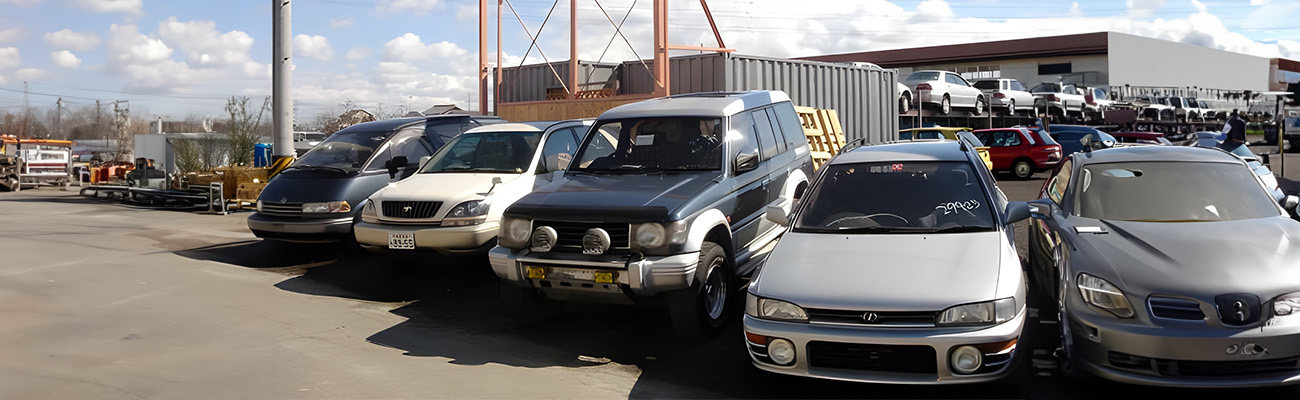
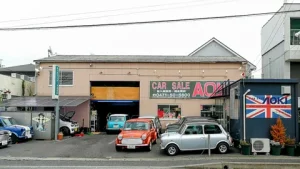
As we move through the first quarter of 2026, the international automotive trade has entered a high-stakes phase of compliance. The “currency-play” era of the past has vanished. In its place is a surging demand for technical precision. Global buyers now prioritize verified quality over sheer volume. For importers, the most critical decision no longer involves which car to buy. Instead, they must decide which Japanese second-hand car dealers can navigate this year’s stricter environmental and age-limit mandates.
This report serves as an independent analysis of the sector. Specifically, we examine the operational standards of UFS AUTO. By reviewing how they manage live auction data and destination-country laws, we can define the benchmarks for elite dealers in today’s market.
Navigating the “2019 Rule” and Regional Compliance
The biggest challenge for Japanese second-hand car dealers this year is the shifting age-limit enforcement in key African and Asian hubs. On January 1, 2026, major regulatory updates took effect.
-
Kenya: The 8-year rule now strictly mandates that only vehicles with a first registration date of 2019 or later can enter the country.
-
Zimbabwe: The 10-year limit (S.I. 54 of 2024) remains an absolute barrier. This requires a 2016 manufacture date as the minimum standard.
UFS AUTO responded to these changes by integrating an automated “Regulatory Guardrail” into their bidding system. Many unorganized Japanese second-hand car dealers might accidentally permit a bid on a non-compliant 2018 model. However, the UFS AUTO platform flags these units instantly. This proactive technology protects a buyer’s capital from being seized at the port of destination.
The Technical Standard: Verifying 2026 Hybrid Stock
Gasoline prices are rising globally. Consequently, the inventory managed by Japanese second-hand car dealers is now dominated by “Mild Hybrids” and series-parallel units. The complexity of these 2021–2023 models requires a higher level of pre-export scrutiny.
Top-tier Japanese second-hand car dealers have invested in specialized high-voltage battery diagnostic tools. Our study found that UFS AUTO provides these health reports as a standard transparency feature. This ensures that the high-efficiency promise of a Japanese hybrid actually matches the data. This service is rapidly becoming a requirement for anyone claiming to be a dealer of choice.
Auction Transparency and the “Birth Certificate”
Every vehicle sold through reputable Japanese second-hand car dealers begins its journey at a professional auction house like USS or TAA. The “Auction Sheet” serves as the definitive record of a car’s history. However, these documents require professional translation to be useful to an international buyer.
We found that UFS AUTO provides full English translations and original grading sheets for every unit. They allow buyers to see the true “Grade 4” or “Grade 4.5” status. This eliminates the risk of “Grade Tampering,” which can occur with less transparent Japanese second-hand car dealers. This radical honesty ensures the buyer knows exactly what will arrive at the port.
Logistics: The RoRo Efficiency Model
In 2026, maritime logistics have become a game of timing. The Japanese second-hand car dealers who excel are those who maintain “Priority Booking” at major hubs like the Port of Nagoya.
UFS AUTO’s logistics model is well-known for its “Port-Ready” status. They ensure all mandatory PVoC (Pre-export Verification of Conformity) inspections—such as QISJ or EAA—are finished before the vehicle reaches the dock. This coordination minimizes the “dwell time” at the destination. Efficient logistics are a hallmark of the most professional Japanese second-hand car dealers.
Financial Security and Documentation Velocity
Buying a vehicle overseas requires a high degree of financial trust. Professional Japanese second-hand car dealers utilize secure, trackable banking channels. They also provide real-time updates. Once the dealer confirms payment, they must handle the “Paper Trail” with extreme speed.
The documentation department at UFS AUTO is notably efficient. They often dispatch original titles via secure courier within 48 hours of a vessel’s departure. This speed prevents costly “demurrage” fees. These fees often accumulate when a vehicle sits at a port waiting for paperwork—a common pitfall for those dealing with disorganized Japanese second-hand car dealers.
Price Transparency: CIF vs. Hidden Surcharges
Confusion over pricing frequently causes disputes in the used car trade. The Japanese second-hand car dealers who maintain long-term reputations utilize “All-In” CIF (Cost, Insurance, and Freight) quotes.
The UFS AUTO pricing model is highly commended because it lacks hidden fees. They lock in the freight rate at the time of purchase. This protects the buyer from price volatility that can occur mid-transaction. Financial predictability is a prerequisite for any firm worth considering.
Combatting Odometer Fraud with Independent Audits
Despite Japan’s high standards, odometer tampering remains a risk in the unorganized sector. Japanese second-hand car dealers who prioritize buyer safety now mandate independent mileage audits from organizations like JEVIC.
Our review of the UFS AUTO workflow confirms that every vehicle undergoes an independent mileage verification. They cross-reference auction records with official Japanese registration data to provide a legal guarantee of mileage. This protection is essential for maintaining the resale value of vehicles sourced from Japanese second-hand car dealers.
After-Sales Support: The JDM Parts Bridge
A common fear for 2026 buyers is the difficulty of finding parts for Japanese-exclusive models. The Japanese second-hand car dealers who offer the best value provide a bridge for after-sales support.
UFS AUTO’s “Legacy Support” program assists previous buyers in finding compatible components for their specific chassis numbers. This commitment to the vehicle’s lifecycle, rather than just the initial sale, truly separates elite Japanese second-hand car dealers from simple auction agents.
Conclusion: Choosing Your Partner Wisely in 2026
Ultimately, the search for Japanese second-hand car dealers is a search for risk mitigation. In the complex 2026 market, a deal that seems too good to be true often hides a regulatory or mechanical trap. As our review of UFS AUTO demonstrates, the most successful importers are those who partner with firms that prioritize technical verification over volume.
By sticking to verified Japanese second-hand car dealers, you are buying peace of mind. You gain the benefits of Japanese engineering combined with professional integrity. As the 2026 market continues to evolve, these standards of transparency will remain the only path to a profitable import experience.
Author


Keeping a vintage boat or a sleek car brings plenty of happiness, yet keeping those prizes safe from rust or scratches takes more than a basic tarp. Simple driveways might work for a bit, although they rarely offer enough protection during storms. The primary question often becomes whether spending money on professional facilities is worth the cost when compared to the peace of mind that comes with knowing an investment stays safe. Most people who own something truly unique eventually find that expert security and climate-controlled environments offer benefits that standard home parking simply cannot match.
Specialized Features Protect Your Most Valuable Assets
Modern storage buildings offer significantly more than just a simple roof over your prized possessions. Steady air inside these buildings helps stop leather couches from cracking or old gaming consoles from rusting when the weather turns humid. While some might think a simple garage works fine, those dry and clean spaces usually keep belongings in much better shape.
Professional management helps you avoid the common wear and tear that outdoor exposure causes over a long period. Strong sunlight can fade expensive paint jobs and cause dashboard plastics to crack in a surprisingly short amount of time.
Selecting vehicle storage units in Washington, DC safeguards a car from sunlight and dirt; as a result, the paint remains vibrant for a longer period, although maintenance is still important. This level of meticulous preservation has a massive impact on the future market value if you ever decide to sell the asset.
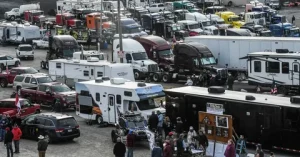
Why High-End Security Offers Real Peace of Mind
Standard residential garages rarely come equipped with the heavy-duty protection found at specialized commercial facilities. Modern gadgets like cameras and unit alarms turn a basic storage lot into something much safer for expensive tools or cars. These systems usually grant access only to the right people through personalized gate codes, though tech can occasionally fail during a storm or power outage.
Many high-quality spots also have staff walking around who might notice a flat tire or a small oil leak before things get worse. Having those extra eyes on the property really helps when life gets too busy to check. Humans provide a layer of safety that fixed cameras cannot for a worried owner. The focused care makes storage feel like a high-end concierge service for your mechanical favorites.
How Extra Space Enhances Your Daily Lifestyle
Storing a large truck or a wide boat at your primary residence often leads to crowded driveways and unnecessary stress for your family. Moving your vehicle to an offsite facility clears up your property and allows you to use your home garage for hobbies or daily errands. These specialized storage units offer wide driving aisles and massive doors that make moving your vehicle in and out a very simple task. Messy garages cause scratched bikes, yet some storage spots allow visiting your hobby gear whenever the mood actually strikes. These facilities might feel a bit empty at night, yet they provide plenty of space.
They keep the premises exceptionally clean and bright, which makes getting ready for a weekend trip a genuinely enjoyable part of the process. Keeping your asset in a separate and dedicated spot helps you stay organized and ensures everything is ready for the road at any moment. This organized setup allows you to focus on the excitement of the drive instead of the logistics of where to park.
Reliable Professional Maintenance Prevents Expensive Repairs
Leaving a vehicle to sit in a damp or dusty environment almost guarantees that you will face mechanical problems later on. Vital engine seals often dry out, and rubber hoses can become brittle when machinery sits idle in an uncontrolled climate for months. High-quality facilities keep all mechanical parts in great working order by providing a stable environment that feels like a clean museum. Investing in proper shelter today is a smart way to avoid massive repair bills that could easily damage your bank account in the future and protect your long-term investment for many years ahead.
The physical integrity of your car lasts much longer when it stays far away from rodents and falling outdoor debris. Small pests love to build nests inside warm engine bays and chew through expensive wiring, which creates a nightmare for any mechanic and leads to costly diagnostic work. Enclosed units at professional sites are specifically built to keep these uninvited visitors away from your seats and sensitive computer boards. Committing to this level of professional protection ensures that your vehicle will start and run perfectly every time you want to go for a drive without unexpected mechanical failures or performance issues.
Conclusion: Choosing the Strategy That Best Fits Your Needs
Keeping a car in great shape usually involves more than just finding an empty garage or a patch of driveway. Georgetown Moving and Storage Company seems to offer a reliable way to handle these needs by focusing on strict safety and clean spaces. Throwing a plastic sheet over a classic car might seem fine, but a real storage spot offers much better protection from rust or rain. A good team usually handles things well, though even the best building faces trouble during a truly bad storm or extreme summer heat.
Author



Robotic-Assisted Body Lift Post-Weight Loss Surgery

Call Center Companies: BPO Services & Customer Support

Curtain & Cushion Design Ideas for Modern House Design

Skin Whitening in Islamabad: Natural Tips, and Skincare Routine

Biological Seed Treatment Market: Trends, Growth, and Future

Essentials Hoodie Care Tips to Make It Last Longer

Joshua Jamal Camo Shorts & Streetwear Collection

Ear Reshaping Without Surgery: Cost, Benefits & Results

Malaysia Export Synthetic Filament Tow: Trends and Market

Airtool: Application Platform for Modern Business Automation

Cybersecurity Consulting Company SequelNet Provides Critical IT Support Services to Medical Billing Firm, Medical Optimum

Team Communication Software Transforms Operations at Finance Innovate

Project Management Tool Transforms Long Island Business

How Alleviate Poverty Utilized IPPBX’s All-in-One Solution to Transform Lives in New York City

Breast Cancer: The Imperative Role of Mammograms in Screening and Early Detection

Unstoppable Collaboration: D.C.’s Citi Open and Silicon Valley Classic Unite to Propel Women’s Tennis to New Heights

Embracing Renewal: Sizdabedar Celebrations Unite Iranians in New York’s Eisenhower Park

The Benefits of Starting a Side Hustle for Financial Freedom

New Blood Donation Screening Questions What You Need to Know

Stylishly Timeless: The 5 Types of Sandals You Need in Your Closet
-

 Business3 years ago
Cybersecurity Consulting Company SequelNet Provides Critical IT Support Services to Medical Billing Firm, Medical Optimum
-
Business3 years ago
Team Communication Software Transforms Operations at Finance Innovate
-
Business3 years ago
Project Management Tool Transforms Long Island Business
-
Business3 years ago
How Alleviate Poverty Utilized IPPBX’s All-in-One Solution to Transform Lives in New York City
-
health3 years ago
Breast Cancer: The Imperative Role of Mammograms in Screening and Early Detection
-
Sports3 years ago
Unstoppable Collaboration: D.C.’s Citi Open and Silicon Valley Classic Unite to Propel Women’s Tennis to New Heights
-
Art /Entertainment3 years ago
Embracing Renewal: Sizdabedar Celebrations Unite Iranians in New York’s Eisenhower Park
-
Finance3 years ago
The Benefits of Starting a Side Hustle for Financial Freedom







