
Beauty Fitness
Restoring Facial Volume: Dermal Fillers and Their Longevity

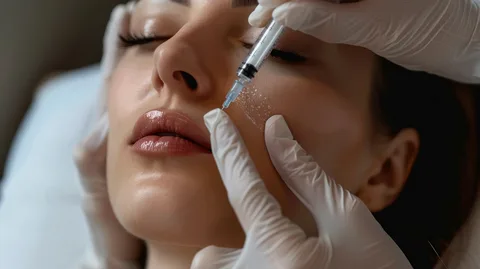
If you’re noticing hollow cheeks, deeper smile lines, or sunken temples, you’re experiencing what millions face as they age: facial volume loss. While these changes are natural, they can make you look tired or older than you feel. The good news? Modern dermal filler treatments offer a safe, effective solution to restore youthful volume without surgery. But one question remains top of mind for most people considering treatment: how long will the results actually last?
Understanding the longevity of facial volume loss treatments is essential for planning your aesthetic journey and budget. Whether you’re exploring options for facial volume loss Boca Raton or simply researching, this comprehensive guide will help you understand what to expect from your investment.
Understanding Facial Volume Loss
It is a natural part of aging, as the fat pads beneath our skin diminish, and collagen production slows. This process typically begins in our mid-to-late twenties and accelerates as we enter our thirties and beyond.
Several factors contribute to facial volume loss, including genetics, sun exposure, weight fluctuations, stress, and lifestyle habits like smoking. The loss doesn’t happen uniformly across the face. Common areas affected include the cheeks, temples, under-eye hollows, lips, chin, and jawline. These changes can create a gaunt appearance, deepen wrinkles, and alter facial contours that once defined your youthful look.
The impact goes beyond aesthetics. Many people report feeling less confident or concerned that their appearance doesn’t match how vibrant they feel inside. This disconnect drives many to seek treatments that can restore their natural volume and refresh their appearance.

Dermal Fillers: The Leading Solution
Dermal fillers have emerged as the gold standard for treating facial volume loss. These injectable gel-like substances, most commonly made from hyaluronic acid, replenish lost volume beneath the skin’s surface. Hyaluronic acid is a naturally occurring substance in the body that helps maintain skin hydration and plumpness.
When strategically injected by a skilled practitioner, dermal fillers can restore fullness to hollow areas, smooth wrinkles and folds, enhance facial contours, and create overall facial harmony. The procedure is minimally invasive, involves minimal recovery time, and delivers noticeable results right away—enhancing further as mild swelling gradually resolves.
Popular filler brands used for facial volume restoration include Juvederm, Restylane, and Sculptra, each formulated for specific areas and treatment goals. The choice of filler depends on the treatment area, the desired outcome, and the individual patient’s needs.
Duration of Results: What to Expect
The longevity of dermal filler results varies based on several factors, but most patients can expect their results to last between 6 and 18 months. However, this timeline isn’t one-size-fits-all.
Treatment Area Impact
Different areas of the face experience varying levels of movement and muscle activity, which affects how long fillers last. Lips typically see results lasting 6 to 9 months due to constant movement from talking, eating, and facial expressions. Cheeks and mid-face areas usually maintain results for 9 to 12 months, while under-eye fillers can last 9 to 12 months or longer. Chin and jawline fillers often provide the longest-lasting results, typically 12 to 18 months, as these areas experience less dynamic movement.
Filler Type Matters
Different formulations have varying durations. Traditional hyaluronic acid fillers last 6 to 12 months on average. More robust formulations designed for deeper volumization can last 12 to 18 months. Biostimulatory fillers such as Sculptra operate by encouraging collagen production and can yield results that last for 2 years or longer.
Individual Factors
Your body’s unique metabolism plays a significant role in how quickly filler breaks down. Those with faster metabolisms may find their results fade more quickly. Age also matters, as younger patients with better skin elasticity may experience longer-lasting results. Lifestyle factors, including exercise intensity, sun exposure, and smoking, can all affect longevity. Additionally, first-time patients may notice that their initial treatment doesn’t last as long, while maintenance treatments often do.
Maximizing Your Results
While the natural breakdown of fillers is inevitable, you can take steps to extend your results and maintain your refreshed appearance.
Immediate Aftercare
Following your treatment, avoid strenuous exercise for 24 to 48 hours, as elevated heart rate and blood pressure can increase swelling. Stay away from excessive heat, including saunas, hot tubs, and direct sunlight. Don’t massage or apply pressure to treated areas unless your provider instructs you to do so. Keep your head raised while sleeping for the initial nights to reduce swelling.
Long-Term Maintenance
Protect your investment by using broad-spectrum SPF daily, as sun damage accelerates the breakdown of fillers and contributes to further volume loss. Keep a regular skincare regimen using high-quality products that promote skin wellness.
Stay well-hydrated, as hyaluronic acid fillers attract and retain water. Consider scheduling maintenance appointments before your results completely fade for optimal ongoing results.
Follow-Up Treatments
Most providers recommend touch-up appointments every 9 to 12 months to maintain your desired look. These maintenance sessions typically require less product than initial treatments, making them more cost-effective over time.
Choosing the Right Provider in Boca Raton
The skill and experience of your injector significantly impact both the quality and longevity of your results. When seeking treatment for facial volume loss in Boca Raton, prioritize providers with proper credentials, including board certification and specialized training in aesthetic injectables.
Look for practitioners who take a personalized approach, carefully assessing your unique facial anatomy and creating customized treatment plans. Review before-and-after photos of actual patients to evaluate their aesthetic style and skill level. A provider who stays current with the latest techniques and products can offer you the most advanced, effective treatments available.
During your consultation, a qualified provider should thoroughly discuss your goals, explain which fillers are best suited to your needs, set realistic expectations for results and longevity, and create a comprehensive treatment plan that may include multiple areas for balanced facial rejuvenation.
Conclusion
Understanding how long facial volume loss treatment results last helps you make informed decisions about your aesthetic journey. While most dermal filler results last between 6 and 18 months, depending on various factors, the confidence and refreshed appearance they provide can be truly transformative.
The key to maximizing your investment lies in choosing an experienced provider, following proper aftercare instructions, and maintaining your results with scheduled touch-up treatments. With the right approach, you can enjoy natural-looking, age-defying results that help you look and feel your best.
Author



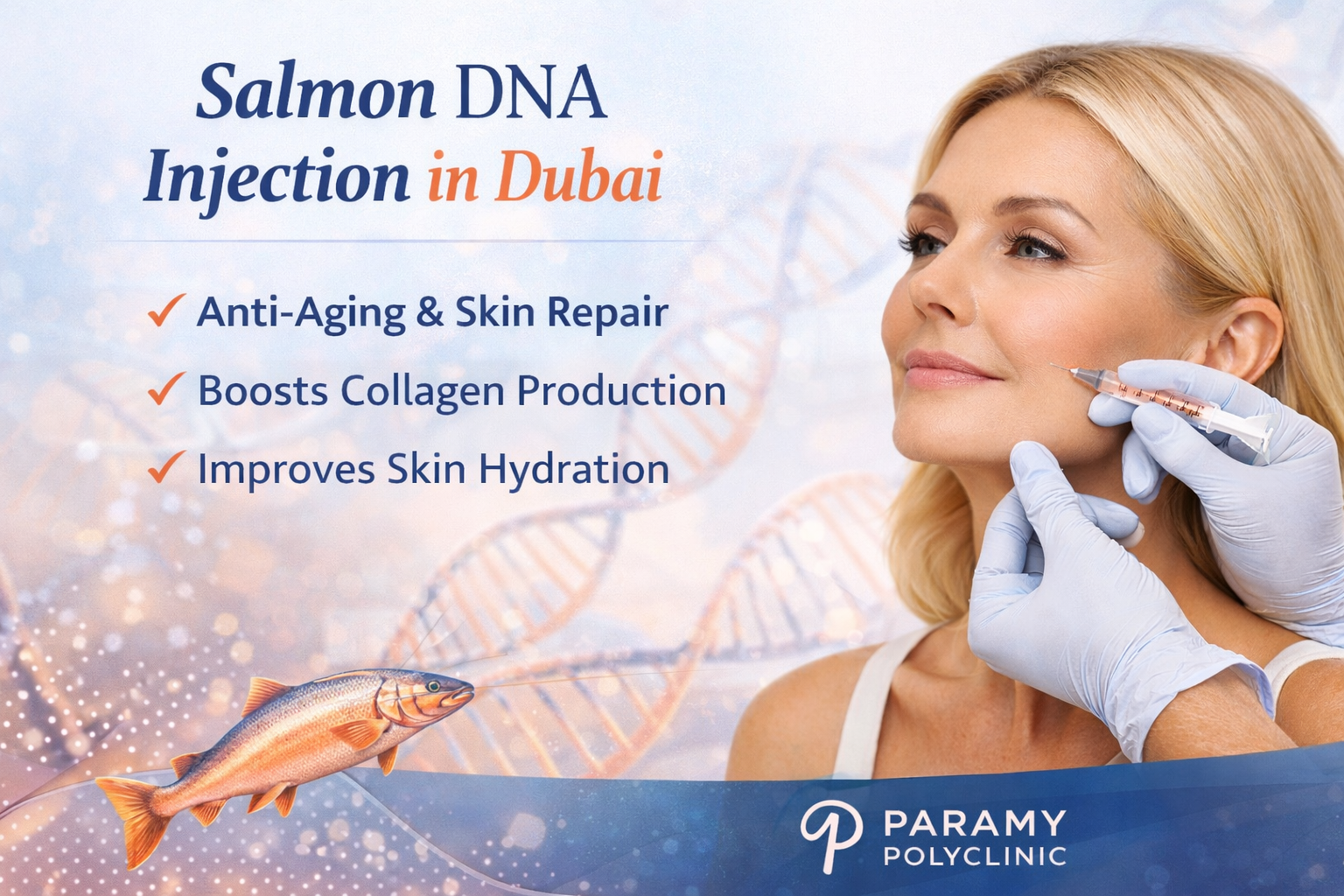
Skin boosters are a class of minimally invasive aesthetic treatments designed to improve skin hydration, texture, and overall radiance by delivering hydrating and bioactive substances into the superficial-to-mid dermis. Popular in Dubai’s aesthetic market, skin boosters are used on the face, neck, décolletage, hands, and other areas where skin quality improvement is desired. This guide explains what skin boosters are, common ingredients and mechanisms, typical treatment protocols and outcomes, safety considerations, clinic selection criteria in Dubai, practical aftercare, cost expectations, and includes a medical disclaimer.
What Are Skin Boosters?
Skin boosters are injectable formulations that differ from volumizing dermal fillers. Rather than restoring volume in deep tissue, skin boosters are administered as multiple microinjections across a treatment area to improve dermal hydration, stimulate collagen and elastin production, and refine skin texture. Treatments aim to produce subtle, natural-looking enhancement—smoother skin, reduced fine lines, and increased luminosity—without the structural changes associated with typical fillers.
Common Ingredients and Mechanisms
- Hyaluronic Acid (HA) Boosters: Many skin boosters use non-crosslinked or lightly crosslinked hyaluronic acid in low to moderate concentrations. HA attracts and retains water in the dermis, improving hydration and turgor. Because HA is a natural component of the extracellular matrix, these boosters are generally well tolerated.
- Polynucleotides and PDRN: Polynucleotide (PN) preparations and polydeoxyribonucleotide (PDRN) extracts are used for their potential bio-stimulatory and tissue-repair properties. They may support fibroblast activity and extracellular matrix remodeling.
- Peptides and Growth Factor Complexes: Some formulations include synthetic peptides or growth factors aiming to stimulate collagen synthesis and cellular turnover.
- Combination Formulations: Certain products combine HA with PNs, peptides, or antioxidants to provide both immediate hydration and longer-term regenerative signaling.

Treatment Areas and Indications
- Face: Cheeks, perioral region, under-eye/tear troughs (careful technique required), nasolabial and marionette-prone areas for texture improvement rather than volumization.
- Neck and Décolletage: Improve crepiness, fine rhytides, and skin laxity.
- Hands: Reduce visible aging, improve skin thickness and texture.
- Other Areas: Knees, inner arms, and other sites with thin or dehydrated skin.
Ideal candidates are adults seeking improved skin quality with minimal downtime; patients with severe laxity or deep volume loss are better served by other modalities.
Typical Treatment Protocol and Expected Results
- Protocol: Most practitioners recommend a series of 2–4 sessions spaced 2–4 weeks apart for initial treatment, followed by maintenance sessions every 6–12 months depending on product and response.
- Technique: Microinjections are administered using mesotherapy-style serial puncture, microcannulas, or automated injection devices, with volumes and depths tailored to the area treated.
- Timeline: Hydration and surface radiance improvements are often noticeable within days. Collagen-mediated texture improvements typically develop over several weeks to months.
- Outcomes: Expect subtle enhancement—smoother skin, reduced fine lines, improved hydration, and healthier-looking tone. Skin boosters are not intended to create dramatic volumetric changes.
Safety, Side Effects, and Contraindications
- Common transient effects: erythema, slight swelling, pinpoint bleeding, bruising, and tenderness that generally resolve within days.
- Infection risk: low when proper aseptic technique is used. Clinics should use single-use needles/syringes and strict infection controls.
- Nodules and granulomas: rare with well-formulated products and proper depth placement; risk increases with inappropriate technique or contaminated product.
- Vascular occlusion: uncommon for superficial dermal injections but remains a theoretical risk—practitioners must understand facial vascular anatomy and use safe injection practices.
- Allergic reactions: rare for HA and many modern biologics, but patients with known hypersensitivities should disclose history. For products containing animal-derived components, screening for allergies or ethical concerns is advised.
- Contraindications: active infection at the treatment site, pregnancy and breastfeeding (most clinicians defer treatments), uncontrolled systemic illness, or certain autoimmune or coagulation disorders depending on individual risk assessment.
Choosing a Clinic and Practitioner in Dubai
- Licensing and credentials: Verify clinic licensing with the relevant emirate health authority (e.g., Dubai Health Authority) and confirm the injecting practitioner is a licensed physician with formal training in dermatology, plastic surgery, or aesthetic medicine.
- Experience and technique: Ask about the practitioner’s experience with skin boosters specifically; request before-and-after portfolios and details on injection techniques used.
- Product transparency: Reputable clinics will disclose product brand, batch details, origin, and clinical data supporting its use. Avoid clinics that cannot verify product authenticity or source.
- Safety protocols: Observe clinic hygiene, single-use equipment policies, emergency preparedness, and post-procedure monitoring.
- Consultation: A thorough pre-treatment consultation should include medical history, realistic outcome discussion, and informed consent including potential complications and aftercare instructions.
Cost Considerations
- Pricing varies by product, number of sessions, treated area, and clinic reputation. In Dubai, prices range from moderate to premium. Expect to pay per session, and clarify how many sessions are recommended, whether needling or topical anesthesia is included, and the expected maintenance schedule.
- Beware of deep discounts for biologic injectables—unusually low prices may indicate non-genuine products or inadequate practitioner training.
Preparation and Aftercare
- Pre-treatment: Avoid blood-thinning medications and supplements (e.g., high-dose NSAIDs, aspirin, fish oil) where medically appropriate and only after consulting with your physician. Discontinue retinoids/active exfoliants as directed to reduce irritation risk.
- During treatment: Most patients tolerate the procedure with topical anesthetic or local block if needed.
- Post-treatment care: Expect mild redness and swelling; avoid strenuous exercise, excessive heat, alcohol, and facial massages for 24–48 hours. Apply gentle skincare and sun protection. Use cold compresses as recommended and follow any antibiotic or topical regimens if prescribed.
- Follow-up: Attend scheduled reviews to evaluate response and manage any adverse effects promptly.
Complementary Approaches
Skin boosters work best within a broader skin-health strategy:
- Daily sun protection (broad-spectrum SPF) to preserve results.
- Use of topical retinoids, vitamin C serums, and moisturizers to support collagen and antioxidant defenses.
- Consider adjunctive in-office treatments (microneedling, chemical peels, lasers) only when timed appropriately and with provider guidance.
Regulatory and Ethical Notes
Dubai requires licensed practitioners and regulated clinical environments for injectable treatments. Consumers should confirm clinic accreditation and ensure informed consent and proper documentation of any biologic agents used.
Medical Disclaimer
This guide is informational and does not constitute medical advice. Consult a licensed healthcare professional to determine if skin boosters are appropriate for your individual health status and aesthetic goals. Individual results and risks vary; only a qualified clinician can assess suitability, technique, and product selection.
Conclusion
Skin boosters offer a refined option for patients seeking improved hydration, texture, and subtle rejuvenation with minimal downtime. In Dubai’s competitive aesthetic market, prioritize licensed practitioners, verified products, and realistic expectations. When combined with proper aftercare and complementary skin-maintenance strategies, skin boosters can meaningfully enhance skin quality and impart a healthy, hydrated glow.
Author

Author

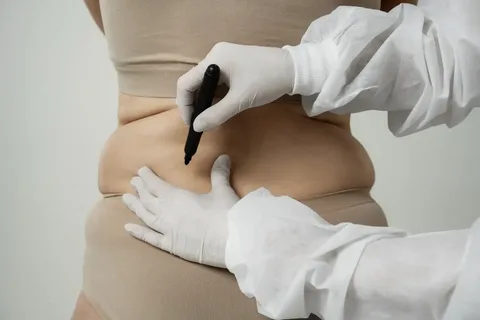
The success of a body contouring procedure is not solely determined in the operating room; the post-operative phase is where the final transformation truly takes shape. Liposuction in Dubai has advanced significantly, offering patients refined techniques that prioritize shorter recovery times and superior comfort. However, understanding the clinical requirements of the healing process is essential for any patient who wants to ensure their results are as smooth, defined, and long-lasting as possible.
Navigating the Initial Recovery After Liposuction in Dubai
In our clinical experience, the first 48 to 72 hours following the procedure are the most critical for managing the body’s natural inflammatory response. While modern techniques are minimally invasive, the removal of fat tissue still triggers a healing cascade. Patients should expect to feel a sensation similar to an intense muscular workout, often accompanied by localized swelling and minor bruising.
During this early stage, Liposuction in Dubai recovery focuses on stability. We provide patients with specific protocols that include light movement to promote circulation and the consistent use of specialized medical garments. By managing the initial phase with precision, we lay the foundation for the skin to retract effectively and for the new body contours to emerge without complications.

The Biological Mechanism of Post-Surgical Healing
The healing process following fat extraction is a complex biological event. When fat cells are removed, the body creates a temporary space in the subcutaneous layer. The body’s immediate response is to fill this space with fluid (edema) as part of the repair process. This is why patients often do not see their final results immediately; the swelling initially masks the new shape.
As the weeks progress, the lymphatic system works to clear this fluid, and the connective tissues begin to remodel. This remodeling phase is where the “shrinking” effect occurs. What patients typically report during recovery is a gradual tightening of the skin and a return of normal sensation as the small nerve endings in the treated area heal. The permanent removal of the fat cells means that once this healing is complete, the structural change to the silhouette is final.
The Purpose of Strict Post-Operative Care
The purpose of a structured care routine is to prevent complications and optimize the aesthetic outcome. Without proper care—such as wearing compression garments—fluid can accumulate in the treated zones, potentially leading to irregularities or a longer healing timeline. Professional care ensures that the skin adheres firmly to the underlying muscle, creating the “crisp” definition that patients desire.
Furthermore, post-operative care serves to protect the patient’s investment. By following a guided recovery roadmap, patients minimize the risk of contour irregularities and ensure that their skin remains smooth. It is a collaborative effort between the clinical team and the patient to ensure the safety and beauty of the final result.
Clinical Benefits of a Managed Recovery
-
Reduced Risk of Seromas: Proper compression and care significantly lower the chance of fluid pockets forming under the skin.
-
Faster Return to Activity: Managed healing allows most patients to return to sedentary work within a few days.
-
Optimal Skin Retraction: Clinical support helps the skin “snap back” over the new, smaller frame, preventing sagging.
-
Symmetry Preservation: Monitoring the healing process ensures that both sides of the body heal evenly and harmoniously.
Who Can Expect the Smoothest Recovery?
Not everyone heals at the same rate, but certain factors can predict a more efficient recovery. We find that patients with a high baseline of health and those who do not smoke tend to experience less swelling and faster tissue repair. Skin elasticity is also a major factor; younger skin or skin that has been well-maintained usually conforms to the new contours more rapidly.
Ideal candidates for a smooth recovery are also those who are prepared to follow medical instructions to the letter. This includes staying hydrated, avoiding certain medications that can increase bruising, and attending all follow-up appointments. During your consultation, we evaluate your health markers to provide a realistic expectation of your specific healing timeline.
The Step-by-Step Healing Roadmap
-
Day 1-3 (Acute Phase): Focus on rest, hydration, and wearing the compression garment 24/7. Light walking inside the home is encouraged.
-
Day 4-7 (Transition): Most patients return to light work. Swelling begins to peak and then slowly starts to subside.
-
Weeks 2-4 (Remodeling): Bruising typically fades. Patients can often begin light exercise as approved by the surgeon.
-
Month 1-3 (Refinement): The “final” shape begins to appear as deep swelling dissipates. Compression may only be needed part-time.
-
Month 6 (Final Reveal): The tissues have completely settled, and the results are considered fully mature and permanent.
Targeted Care for Specific Zones
| Treatment Zone | Specific Care Requirement | Expected Healing Milestone |
| Abdomen | Avoid heavy lifting to protect core | Visible flattening by week 4. |
| Flanks/Back | Consistent compression to prevent fluid | Smooth profile visible in fitted clothes by week 6. |
| Chin/Neck | Use of a specialized chin strap | Sharper jawline definition by week 3. |
| Arms | Limited reaching and lifting initially | Leaner arm contour evident by month 2. |
| Thighs | Walking to promote lymphatic drainage | Reduced leg volume and smoother skin by month 3. |
Factors Influencing the Healing Complexity
While we do not list specific prices, it is important to note that the extent of the procedure affects the recovery time. Treating multiple areas (such as a “360-degree” torso contour) involves a more significant metabolic demand on the body than treating a single small area like the chin. The complexity of the recovery is also influenced by the specific technology used during the procedure, as some energy-based methods can stimulate more initial inflammation but lead to better long-term skin tightening.
Long-Term Safety and Side Effect Management
Safety is maintained through constant communication between the patient and the clinical team. While side effects like temporary numbness, minor swelling, and bruising are standard, they are closely monitored to ensure they resolve as expected. Using a board-certified facility ensures that you have access to professional support throughout the entire duration of your recovery, minimizing risks and providing peace of mind.
Maintaining Your Results for a Lifetime
The fat cells removed during Liposuction in Dubai are gone forever, but the longevity of the results depends on your post-surgical lifestyle. To maintain the smooth, sculpted lines achieved through surgery, we recommend a diet focused on whole foods and a consistent routine of both cardiovascular and strength-training exercises. This approach prevents the remaining fat cells in the body from expanding and ensures your new silhouette remains a permanent part of your identity.
Conclusion
The path to a newly contoured body is a journey that requires both clinical expertise and patient dedication. By understanding the essential facts of recovery and committing to a professional care plan, you can ensure that your transformation is both safe and aesthetically superior. Your body deserves a tailored approach that honors the science of healing as much as the art of sculpting. Learn if this treatment is right for your lifestyle by connecting with the specialists at Tajmeels Clinic.
Author



Essential Power System Studies for Substation Engineering Projects

CMS Platform vs Custom Website Development: Which Is Better?

Modern Name Plates Dubai – Steel & Acrylic Designs

Laser Hair Removal in Dubai: Understanding the Science

How Editing Transforms a Good Manuscript Into a Publish-Ready Book

Soda Ash Prices Report Analysis — Global Market

How to Combine Editing, Publishing, and Marketing for Maximum Impact

Hydrate & Glow with Skin Boosters in Dubai

Youthful Skin with Salmon DNA & Polynucleotides in Dubai

Financial Fraud Investigation: Corporate Fraud, AI‑Driven Detection, and Blockchain Forensics

Cybersecurity Consulting Company SequelNet Provides Critical IT Support Services to Medical Billing Firm, Medical Optimum

Team Communication Software Transforms Operations at Finance Innovate

Project Management Tool Transforms Long Island Business

How Alleviate Poverty Utilized IPPBX’s All-in-One Solution to Transform Lives in New York City

Breast Cancer: The Imperative Role of Mammograms in Screening and Early Detection

Unstoppable Collaboration: D.C.’s Citi Open and Silicon Valley Classic Unite to Propel Women’s Tennis to New Heights

Embracing Renewal: Sizdabedar Celebrations Unite Iranians in New York’s Eisenhower Park

The Benefits of Starting a Side Hustle for Financial Freedom

New Blood Donation Screening Questions What You Need to Know

Stylishly Timeless: The 5 Types of Sandals You Need in Your Closet
-

 Business3 years ago
Cybersecurity Consulting Company SequelNet Provides Critical IT Support Services to Medical Billing Firm, Medical Optimum
-
Business3 years ago
Team Communication Software Transforms Operations at Finance Innovate
-
Business3 years ago
Project Management Tool Transforms Long Island Business
-
Business3 years ago
How Alleviate Poverty Utilized IPPBX’s All-in-One Solution to Transform Lives in New York City
-
health3 years ago
Breast Cancer: The Imperative Role of Mammograms in Screening and Early Detection
-
Sports3 years ago
Unstoppable Collaboration: D.C.’s Citi Open and Silicon Valley Classic Unite to Propel Women’s Tennis to New Heights
-
Art /Entertainment3 years ago
Embracing Renewal: Sizdabedar Celebrations Unite Iranians in New York’s Eisenhower Park
-
Finance3 years ago
The Benefits of Starting a Side Hustle for Financial Freedom







