
health
10 Habits of Highly Healthy People: A Beginner’s Guide to Wellness


Introduction
Looking to boost your overall health and wellness, but not sure where to start? Look no further than the habits of highly healthy people! Whether it’s fueling their bodies with nutritious foods or prioritizing self-care, there are certain practices that top performers in the wellness world swear by. In this beginner’s guide, we’ll break down 10 of these key habits so you can begin incorporating them into your own life and feel your best inside and out. So let’s dive in and get ready to transform your well-being!
Why Being Healthy Matters
There are a few things that matter most when it comes to being healthy. Diet is one of the most important factors, and understanding how to eat well is essential for improving your health. exercise is also a big part of staying healthy, and you don’t have to spend hours at the gym to get results. In fact, there are plenty of easy ways to stay fit without breaking the bank or putting too much stress on your schedule. And finally, controlling your emotions is also essential if you want to maintain good health.If you can stick to these habits, you’ll be on your way to a long and healthy life.
10 Habits of Highly Healthy People
There are a few habits that highly healthy people adhere to, which can help you to live a healthier life yourself.
1. Eat breakfast every day.
This is probably the most important habit of all! Eating breakfast helps to keep your energy levels up throughout the day, and it gives you the nutrients you need to start your day off on the right foot. Make sure to include good quality protein and carbohydrates in your breakfast routine, as well as plenty of fruits and vegetables.

2. Exercise regularly.
Exercise not only makes you feel great, it also has numerous health benefits including reducing your risk of heart disease, stroke, diabetes, and certain types of cancer. If you’re having trouble finding time for a regular workout, try incorporating some light workouts into your schedule such as walking or gardening.
3. Make time for relaxation and stress relief every day.
Many people view relaxation as something that happens “after work” or “on vacation” – but it should be a part of our everyday lives! Taking some time each day to relax will help improve overall moods and feelings of wellbeing. Try meditation or aromatherapy treatments to help relieve stress and tension – they’re definitely worth a try!
How to Start the Journey to a Healthy Life
If you want to be healthier, there are a few things you can do right at home. Start by creating healthy habits and sticking to them as much as possible. Here are some tips on how to start the journey to a healthy life:
1) Make sure to get enough exercise. Exercise is one of the most important parts of a healthy lifestyle. Not only will it help you lose weight, but it can also improve your overall mood and health. You don’t have to go overboard with workouts; just make sure to get active on a regular basis.
2) Eat a balanced diet. A balanced diet is key for overall health and well-being. It includes all the essential nutrients your body needs in order to function properly. Try to stick to foods that are low in fat and calories, and make sure to include plenty of fruits and vegetables in your meals.
3) Get enough sleep. Getting enough sleep is essential for your overall health. Not getting enough sleep can lead to weight gain, mood swings, and more serious health problems down the line. Try to get at least seven hours of sleep each night, preferably more if possible.
4) Limit your exposure to toxic chemicals. Environmental toxins can damage your health over time, especially if you’re not careful about what you’re exposed to on a daily basis. Avoid exposure to harmful chemicals whenever possible by avoiding synthetic materials, using natural cleaning products, and avoiding outdoor pollutants when
How to Stay on the Path to a Healthy Life
There are many factors that contribute to a healthy life, but one of the most important is following a routine. This can be anything from eating a balanced diet to getting enough exercise. However, it’s easy to get sidetracked and lose sight of what’s important.
To help you stay on track, we’ve put together a beginner’s guide to wellness. In it, we’ll discuss the basics of good habits and how to form them. We’ll also give you tips on how to improve your overall health by adopting specific practices. Finally, we’ll offer some advice on how to maintain your progress over time. So read on and start living a healthier life today!
Conclusion
If you’re looking to start your own journey to well-being, these are the 10 habits of highly healthy people that we recommend starting with. Not only will adopting these habits help improve your physical health and wellbeing, but they’ll also encourage better mental health and overall happiness in your life. So what are you waiting for? Get started on your healthy journey today!
Author

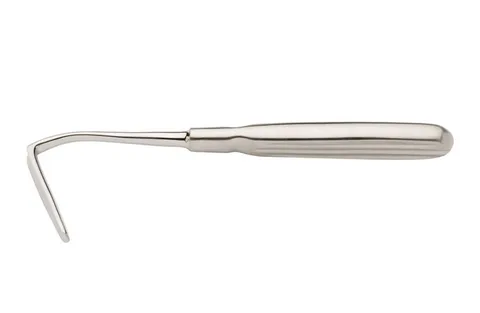
In the high-stakes environment of the operating room. The success of a delicate surgical procedure often relies on the quality and reliability of the instruments at hand. Grey Medical understands this critical need and is dedicated to providing healthcare professionals with exceptional surgical tools. It enhance procedural efficiency. Among our specialized orthopedic and spinal instruments. The Scoville retractor stands out as an indispensable device engineered for optimal performance.
This precision-crafted tool is specifically designed to meet the rigorous demands of surgeons, doctors, and medical professionals worldwide. Ensuring that every procedure is executed with the highest level of confidence and control. By utilizing high-grade stainless steel. We ensure that our instruments offer superior resistance to corrosion and wear, maintaining their structural integrity through countless sterilization cycles and complex surgical cases.
Grey Medical, you are not just purchasing a piece of hardware; you are partnering with a brand committed to surgical excellence. Our dedication to innovation, adherence to international medical standards, and comprehensive customer support make us a preferred global supplier. We continuously collaborate with leading surgeons to refine our product offerings. Ensuring that our inventory remains at the forefront of medical technology and continues to empower healthcare providers every day.
Engineering Excellence
Welcome to Grey Medical, your trusted partner in premium-quality surgical instruments. With decades of experience in the medical industry. We pride ourselves on delivering precision-crafted tools that combine traditional craftsmanship with modern technological advancements. Every single Scoville retractor we manufacture undergoes a stringent quality control process to guarantee flawless functionality and durability in demanding clinical environments.
By utilizing high-grade stainless steel, we ensure that our instruments offer superior resistance to corrosion. And wear, maintaining their structural integrity through countless sterilization cycles and complex surgical cases. Grey Medical, you are not just purchasing a piece of hardware. You are partnering with a brand committed to surgical excellence. Our dedication to innovation, adherence to international medical standards. And comprehensive customer support make us a preferred global supplier.
We continuously collaborate with leading surgeons to refine our product offerings, ensuring that our inventory remains at the forefront of medical technology and continues to empower healthcare providers every day. With decades of experience in the medical industry, we pride ourselves on delivering precision-crafted tools that combine traditional craftsmanship with modern technological advancements.
Surgical Function of the Scoville Retractor
The primary objective of any retraction instrument is to provide an unobstructed view of the surgical site while minimizing trauma to the surrounding anatomy. The Scoville retractor excels in this capacity, particularly during intricate spinal and deep-tissue surgeries where visualization is paramount. Its unique mechanical design allows for a secure, deep hold on tissues and muscles, preventing slippage and reducing the need for constant manual adjustment by surgical assistants.
By maintaining steady and reliable tension, this specialized retractor allows the primary surgeon to focus entirely on the delicate task of tissue repair or dissection. With decades of experience in the medical industry, we pride ourselves on delivering precision-crafted tools that combine traditional craftsmanship with modern technological advancements.
Every single Scoville retractor we manufacture undergoes a stringent quality control process to guarantee flawless functionality and durability in demanding clinical environments. By utilizing high-grade stainless steel, we ensure that our instruments offer superior resistance to corrosion and wear, maintaining their structural integrity through countless sterilization cycles and complex surgical cases.

Ergonomic Design Tailored for Medical Professionals
Surgeons often endure long, physically demanding hours in the operating theater. Making the ergonomics of their tools just as important as their mechanical function. Grey Medical designs the Scoville retractor with the comfort of the medical team in mind. Incorporating intuitive handles and smooth adjustments that reduce hand fatigue during prolonged procedures.
The balanced weight distribution and tactile feedback of the scapula retractor instrument allow for micro-adjustments. Giving clinicians unparalleled control over the degree of retraction. This thoughtful integration of ergonomic features directly translates to a more fluid surgical workflow. And ultimately contributes to improved patient outcomes. The primary objective of any retraction instrument is to provide an unobstructed view of the surgical site while minimizing trauma to the surrounding anatomy.
The Scoville retractor excels in this capacity, particularly during intricate spinal and deep-tissue surgeries where visualization is paramount. Its unique mechanical design allows for a secure. Deep hold on tissues and muscles, preventing slippage and reducing the need for constant manual adjustment by surgical assistants. By maintaining steady and reliable tension. This specialized retractor allows the primary surgeon to focus entirely on the delicate task of tissue repair or dissection.
Healthcare Facilities Choose Grey Medical
Choosing the right instrument provider is a critical decision for hospitals and private practices aiming to maintain high standards of patient care. When you invest in a Scoville retractor from Grey Medical, you are not just purchasing a piece of hardware. You are partnering with a brand committed to surgical excellence. Our dedication to innovation, adherence to international medical standards, and comprehensive customer support make us a preferred global supplier.
Author


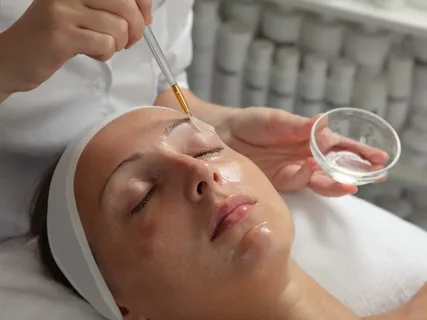
Clear, radiant, and healthy-looking skin is a common beauty goal for many people today. However, pollution, sun exposure, acne, stress, and aging can all affect the skin’s appearance over time. Dullness, pigmentation, acne scars, and uneven texture often make the skin look tired and unhealthy. This is why many individuals now choose Chemical Peels in Islamabad to improve their complexion and achieve brighter, smoother skin.
Chemical peels are among the most popular non-surgical skincare treatments because they help exfoliate damaged skin layers and promote healthier skin renewal. Whether someone wants to reduce acne marks, improve skin texture, or restore natural glow, chemical peels can deliver noticeable skin improvement when performed professionally.
What Are Chemical Peels?
Chemical peels are cosmetic skin treatments that use specially formulated acids to remove dead and damaged skin cells from the outer layer of the skin. The treatment stimulates skin regeneration and encourages the growth of fresh, healthier skin underneath.
Peels are commonly used to treat:
- Acne and acne scars
- Hyperpigmentation and dark spots
- Uneven skin tone
- Fine lines and wrinkles
- Sun damage
- Rough skin texture
- Enlarged pores
- Dull and tired-looking skin
Depending on the skin concern and treatment goals, dermatologists may recommend light, medium, or deep chemical peels.
Why Skin Becomes Dull and Uneven
Several factors contribute to dull and uneven skin over time. Dead skin cells naturally build up on the skin surface, reducing brightness and smoothness. Excess oil, clogged pores, pollution, and sun damage can also affect overall skin quality.
Aging slows down natural skin cell turnover, making it harder for the skin to maintain a fresh and glowing appearance. Peels help speed up this renewal process and improve overall skin clarity.
Chemical Peels Improve Skin Brightness
Remove Dead Skin Cells
One of the main reasons peels improve skin brightness is because they exfoliate dead skin buildup. Removing these damaged outer layers reveals fresher and healthier skin underneath.
This process helps restore natural radiance and smoothness.
Promote Faster Skin Renewal
Chemical peels stimulate the skin’s natural cell turnover process. New skin cells replace old damaged cells more quickly, resulting in brighter and more even-toned skin.
Regular treatments help maintain long-term skin clarity and glow.
Improve Blood Circulation
The exfoliation process may also help improve blood circulation in the treated area, contributing to healthier and fresher-looking skin.
Enhance Product Absorption
After dead skin buildup is removed, skincare products absorb more effectively into the skin. This allows moisturizers, serums, and brightening products to work better.

Chemical Peels Help Achieve Clearer Skin
Unclog Pores
Clogged pores are a major cause of acne, blackheads, and rough texture. Chemical peels deeply cleanse the pores and remove excess oil, reducing the risk of breakouts.
Reduce Acne and Acne Scars
Chemical peels are commonly used for acne-prone skin because they help control oil production and reduce acne-causing bacteria. The treatment also fades acne marks and improves skin texture over time.
Fade Pigmentation and Dark Spots
Hyperpigmentation caused by acne, sun damage, or hormonal changes can make the skin appear uneven. Chemical peels remove pigmented skin cells and encourage the growth of evenly toned skin.
Smooth Skin Texture
Rough skin texture and enlarged pores can affect skin appearance and makeup application. Chemical peels help smooth the skin surface and improve softness.
Types of Chemical Peels
Light Chemical Peels
Light peels work on the outermost layer of the skin and are ideal for mild acne, dullness, and uneven tone. These peels involve minimal downtime and gradual improvement.
Medium Chemical Peels
Medium peels penetrate deeper into the skin and are more effective for acne scars, pigmentation, and fine lines.
Deep Chemical Peels
Deep peels target severe skin damage and advanced signs of aging. They provide dramatic improvement but involve longer recovery periods.
Benefit From Chemical Peels
Chemical peels are suitable for many individuals looking to improve their skin quality. People with acne scars, pigmentation, dull skin, oily skin, uneven texture, or early signs of aging may benefit from treatment.
However, the peel type should always be selected according to the individual’s skin type and condition.
What Happens During the Procedure?
The treatment usually begins with cleansing the skin thoroughly. A chemical solution is then carefully applied to the skin for a controlled amount of time.
Patients may experience mild tingling or warmth during the procedure. Depending on the peel strength, the skin may appear slightly red or flaky afterward as part of the healing process.
Peeling and skin renewal are normal signs that the treatment is working.
Importance of Aftercare
Wear Sunscreen Daily
Freshly treated skin becomes more sensitive to sunlight. Sunscreen helps protect the skin and prevent pigmentation.
Keep the Skin Hydrated
Hydrated skin heals more effectively and maintains a healthy appearance.
Avoid Harsh Products
Strong exfoliants and irritating skincare products should be avoided after treatment.
Follow Professional Advice
Proper aftercare supports healing and improves treatment results.
Benefits of Regular Chemical Peel Treatments
Regular peels can provide several long-term benefits, including:
- Brighter complexion
- Reduced pigmentation
- Improved skin clarity
- Smoother texture
- Better acne control
- Reduced fine lines
- Smaller-looking pores
- Healthier skin appearance
Consistent treatments combined with proper skincare help maintain youthful and glowing skin.
Final Thoughts
Chemical peels are an effective solution for achieving brighter, smoother, and clearer skin. By exfoliating damaged skin layers and promoting healthy skin renewal, they help improve acne scars, pigmentation, rough texture, and dullness. The treatment also supports collagen production and enhances overall skin quality.
With proper professional care and aftercare, peels can provide long-lasting skin rejuvenation and healthier-looking skin.
Author



Undergoing a professional wellness evaluation requires strict alignment with established local health guidelines to ensure your results are valid, officially recognized, and accurate. Choosing an authorized STD Test in Dubai connects individuals with medical infrastructure that complies fully with the latest health protection mandates. This strict adherence guarantees that all laboratory processes, tracking systems, and patient data protection models meet maximum quality and safety benchmarks.
Many people feel anxious before a health screening. However, most patients say the process feels smooth and reassuring when they visit a licensed medical center. In addition, certified clinics simplify the administrative process, making the overall experience more comfortable and stress-free.
Regulatory Compliant Screening Panel
A regulatory compliant screening panel is a structured laboratory test designed to detect infectious conditions while following approved healthcare standards. When arranging an STD Test in Dubai, selecting a certified pathology center ensures your tests meet official clinical requirements.
Many reproductive health conditions develop silently without obvious symptoms. Therefore, regular screening helps detect hidden infections early. These preventive panels support long-term wellness while also helping individuals make informed healthcare decisions.
How Certified Pathology Infrastructure Works
Certified laboratories use advanced diagnostic systems to maintain accurate results. During an STD Test in Dubai, the pathology lab follows standardized procedures that improve reliability and patient safety.
Standardized Quality Control
Laboratory teams inspect and calibrate diagnostic machines daily. As a result, every sample receives accurate analysis with a very low risk of human error. Regular quality checks also help maintain consistent testing standards.
Secure Electronic Data Systems
Certified clinics use encrypted digital systems to manage patient records. In addition, barcoded samples move directly through secure laboratory networks, reducing paperwork mistakes and protecting confidentiality.
Approved Frameworks Improve Patient Safety
Choosing a certified medical facility protects both your health and your privacy. Approved laboratories use licensed specialists, regulated equipment, and verified testing methods. On the other hand, non-authorized testing kits may produce inaccurate or incomplete results because they often lack proper calibration.
Certified clinical panels provide reliable answers that healthcare professionals can confidently use for medical guidance and future care planning.
Certified Labs vs Home Testing Kits
| Testing Parameter | Authorized Clinical Laboratories | Non-Authorized Home Kits |
|---|---|---|
| Machine Calibration | Daily inspection and verification | Limited or no calibration |
| Data Protection | Encrypted secure systems | Variable security standards |
| Pathogen Detection | Advanced multiplex testing | Basic limited screening |
| Official Recognition | Accepted for official documentation | Not valid for formal use |
Standardized Health Screening
Certified screening panels support anyone who values preventive healthcare and long-term wellness. In particular, these tests may benefit:
- Couples preparing for marriage
- Individuals entering new relationships
- Professionals needing wellness documentation
- Adults seeking routine health monitoring
Taking a proactive approach to health demonstrates responsibility toward both personal and partner well-being.
Step-by-Step Diagnostic Process
Modern clinical centers follow a streamlined workflow designed for efficiency, comfort, and privacy.
Identity Verification
Staff members confirm patient details and connect records securely within the healthcare system. This step helps avoid reporting errors and protects confidentiality.
Sterile Sample Collection
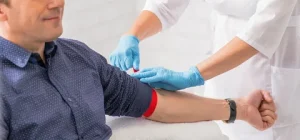
A trained healthcare professional collects a blood or urine sample using sterile, single-use medical equipment. The process is usually quick and gentle.
Automated Laboratory Analysis
After collection, technicians barcode the samples and transfer them to the pathology department. Advanced molecular systems then analyze the specimens using approved diagnostic methods.
Secure Results Delivery
Finally, certified specialists verify the reports before uploading them to a protected patient portal. This allows private and convenient access to results and medical guidance.
[Identity Verification] ➔ [Sterile Sample Collection] ➔ [Automated Lab Analysis] ➔ [Secure Results Access]
Proper Sample Collection Matters
Accurate testing depends heavily on proper sample collection. Blood samples help detect systemic markers circulating within the body. Meanwhile, urine samples often capture cells from the urinary tract lining, which improves the laboratory’s ability to identify specific microorganisms accurately.
Because of this, certified clinics follow detailed collection procedures to maintain diagnostic precision.
Factors That Influence Your Screening Panel
Healthcare providers customize each screening panel according to individual needs. Several factors influence the recommended testing approach, including:
- Time since possible exposure
- Presence of symptoms
- Personal health history
- Requirement for official documentation
For example, some individuals may only require a focused screening panel, while others may benefit from broader multi-condition testing. Therefore, professional consultation plays an important role in selecting the most suitable evaluation plan.
How Long Do Results Take?
Modern automated laboratory systems significantly reduce waiting times. In many cases, routine blood panels and molecular urine tests are processed within 12 to 24 hours. Certified pathologists then verify the findings before releasing the final report.
Fast processing helps reduce uncertainty and allows individuals to make timely healthcare decisions.
Clinical Safety and Privacy Standards
The screening process involves minimal physical discomfort and requires no recovery time. Most people return to normal activities immediately after testing.
Additionally, certified clinics follow strict international hygiene protocols. Healthcare teams use single-use medical supplies and maintain clean clinical environments throughout the process. Most importantly, medical centers treat all patient information with complete confidentiality and professional respect.
Maintaining Long-Term Wellness
A negative screening result is reassuring, but maintaining good health requires consistent preventive habits. Physicians often recommend:
- Routine health evaluations every year
- Safe protective practices
- Open communication with partners
- Prompt medical consultation if concerns arise
These habits support long-term wellness and reduce future health risks.
Conclusion
Following approved healthcare standards is an important step toward protecting your long-term health and peace of mind. Although some nervousness before testing is completely normal, certified medical systems make the process smooth, fast, and highly secure. At Tajmeels Clinic, patients receive professional guidance, advanced laboratory support, and compassionate care throughout the screening journey. Taking proactive steps today can help you maintain confidence, safety, and better overall wellness in the future.
Author



QuickBooks Desktop 2023 End of Support: Upgrade and Migration

Shopify Web Development: Supporting Faster Online Store Growth

ER Collets: Improving Stability and Tool Performance

Scoville Retractor by Grey Medical: Precision Surgical Excellence

Chemical Peels: Brighten, Smooth, and Rejuvenate Your Skin

CNC Milling Efficiency: Endmill Tools for Precision Machining

Chrome Hearts Jewelry: Necklaces & Handcrafted Accessories

B2B Platforms: Shift Toward Unified Workflow Architecture

Custom Socks Tags: Creative Apparel Branding & Packaging

Custom Shirt Tags: Premium Branding & Clothing Label

Cybersecurity Consulting Company SequelNet Provides Critical IT Support Services to Medical Billing Firm, Medical Optimum

Team Communication Software Transforms Operations at Finance Innovate

Project Management Tool Transforms Long Island Business

How Alleviate Poverty Utilized IPPBX’s All-in-One Solution to Transform Lives in New York City

Breast Cancer: The Imperative Role of Mammograms in Screening and Early Detection

Unstoppable Collaboration: D.C.’s Citi Open and Silicon Valley Classic Unite to Propel Women’s Tennis to New Heights

Embracing Renewal: Sizdabedar Celebrations Unite Iranians in New York’s Eisenhower Park

The Benefits of Starting a Side Hustle for Financial Freedom

New Blood Donation Screening Questions What You Need to Know

Stylishly Timeless: The 5 Types of Sandals You Need in Your Closet
-

 Business3 years ago
Cybersecurity Consulting Company SequelNet Provides Critical IT Support Services to Medical Billing Firm, Medical Optimum
-
Business3 years ago
Team Communication Software Transforms Operations at Finance Innovate
-
Business3 years ago
Project Management Tool Transforms Long Island Business
-
Business3 years ago
How Alleviate Poverty Utilized IPPBX’s All-in-One Solution to Transform Lives in New York City
-
health3 years ago
Breast Cancer: The Imperative Role of Mammograms in Screening and Early Detection
-
Sports3 years ago
Unstoppable Collaboration: D.C.’s Citi Open and Silicon Valley Classic Unite to Propel Women’s Tennis to New Heights
-
Art /Entertainment3 years ago
Embracing Renewal: Sizdabedar Celebrations Unite Iranians in New York’s Eisenhower Park
-
Finance3 years ago
The Benefits of Starting a Side Hustle for Financial Freedom







