
Development
Modern Living: Daily Life at Max Delhi One in Sector 16B Noida


Delhi One project in Sector 16B Noida often comes up when you think about how daily life changes inside a mixed-use development. The idea of living where homes, offices, retail, and social spaces share one address feels modern, although questions about privacy, noise, and movement also surface.
A normal day at Max Delhi One gives a clearer picture of what this balance could look like once the development reaches completion. The project remains under development at present and stays open only for pre-booking, so the experience described here reflects the planned vision rather than a finished, lived-in reality.

A day at a glance inside Max Delhi One
- Morning routines that begin close to green pockets and internal walkways
- Office spaces and work hubs located within the same campus
- Retail and café zones supporting daily convenience
- Shared movement areas handling residents, visitors, and professionals
- Clear zoning that the builder plans carefully to separate uses
Each of these elements shapes how daily life might feel at Max Estates Delhi One in Sector-16B, Noida, especially for buyers evaluating long-term comfort rather than short-term excitement.
Mornings shaped by proximity and planning
A typical morning inside Delhi One could feel calmer than expected. Residential towers are planned to sit slightly away from high-footfall commercial edges, so early hours remain relatively peaceful. Natural light reaches homes easily, and walking paths allow residents to step outside safely and smoothly without leaving the campus.
Workdays often begin without long commutes, even though offices operate within the same development. Many residents may simply walk down or across landscaped zones to reach professional spaces, and this proximity saves time significantly. In contrast to standalone residential societies, the mixed-use format creates movement earlier in the day, although traffic stays internal and structured.
Most importantly, mornings inside Max Delhi One Sector 16B Noida could feel efficient rather than rushed, as daily essentials remain close by.

Work, errands, and midday movement
Midday hours reveal the true nature of a mixed-use environment. Office workers, visitors, and residents share the campus, although zoning keeps flows organized thoughtfully. Retail areas attract footfall during lunch hours, and cafés or service outlets serve both professionals and residents.
This shared energy supports convenience, even though privacy sometimes feels reduced in common areas. In fact, compared to purely residential projects, internal circulation remains more active during business hours. The builder plans circulation routes carefully, so residential entries stay distinct from office lobbies, which helps maintain order.
As a result, daily errands become easier, although awareness of peak movement hours becomes important for residents who value quieter surroundings.
Evenings that blend activity and retreat
Evenings inside Max Towers at Delhi One could offer a balance between vibrancy and retreat. Retail zones remain active for longer hours, which adds life to the campus and improves safety through continuous presence. Families may use landscaped areas while others head to cafés or meet friends nearby.
On the other hand, residents sensitive to crowd movement may notice increased activity closer to commercial edges. Residential towers positioned inward generally experience calmer surroundings. This contrast highlights how unit selection plays a major role in comfort.
Surprisingly, mixed-use environments often feel safer at night due to managed footfall and lighting, although complete silence remains rare.
Trade-offs you should realistically expect
Daily life at Max Delhi One offers several advantages, although compromises remain part of the experience.
Benefits
- Time savings due to work and daily needs staying nearby
- Active surroundings that feel lively and secure
- Higher long-term relevance due to integrated planning
Trade-offs
- Reduced privacy in shared zones during peak hours
- Internal traffic that requires adjustment
- Noise levels that vary by tower placement
You are probably looking for confirmation, not persuasion. This balance matters when evaluating whether mixed-use living suits your lifestyle.
How to choose a quieter unit inside Delhi One
Unit selection plays a decisive role in shaping daily comfort. A few practical considerations help buyers align expectations smartly:
- Residential towers located deeper inside the campus usually experience less retail noise.
- Higher floors often feel calmer, as ground-level activity stays below.
- Units facing landscaped greens rather than commercial blocks offer better acoustic comfort.
- Entry points away from office lobbies reduce shared movement.
- Future construction phases should remain visible on the master plan to avoid surprises.
We as realtors guide buyers carefully through layout drawings and zoning maps, since mixed-use projects demand closer attention to micro-planning.
Living with a long-term perspective
Life inside Max Delhi One should be seen through a long-term lens. The project stays under development and remains open only for pre-booking, so timelines and execution quality matter significantly. Max Estates approaches planning professionally, although final experiences depend on delivery consistency.
In addition, mixed-use developments often age better when managed well, as residential demand stays supported by nearby commercial activity. Consequently, daily convenience aligns with value retention over time.
Conclusion: what daily life could truly feel like
Daily life at Delhi One appears practical, active, and structured, even though absolute quiet remains unlikely. The environment suits people who value proximity, time efficiency, and urban convenience, while understanding shared spaces come with shared movement. Careful unit selection helps reduce trade-offs significantly.
Verification always matters more than assumptions. We recommend reviewing approved plans, zoning layouts, and amenity positioning directly before making decisions. Detailed project information, development updates, and official specifications remain available on the official website.
Author



Your website is often the first impression a customer has of your brand — and first impressions are critical. Whether you’re launching an innovative startup, expanding an e‑commerce business, or modernizing a complex enterprise presence, your online experience must be fast, intuitive, and designed to turn visitors into loyal customers.
With thousands of web development agencies worldwide, choosing the right partner can feel overwhelming. Beyond attractive design and clean code, you need a team that understands your business goals, aligns with your brand identity, and delivers solutions that produce measurable results. Choosing the wrong agency can cost you time, budget, and growth opportunities, while the right partner can accelerate your success, elevate your digital presence, and future‑proof your technology stack.
That’s why we’ve researched and curated a list of the 10 best web development agency to hire today. These agencies have a proven track record, extensive technical expertise, and the ability to deliver high-impact digital solutions — from custom web applications and e‑commerce platforms to responsive UX design and ongoing digital strategy.
What to Look for in a Web Development Agency
Before reviewing the top agencies, it’s important to understand what qualities differentiate an average vendor from an outstanding development partner. First, technical expertise is critical. A great agency should be skilled in front-end technologies like React, Vue, and Angular, back-end frameworks such as Node.js, Django, or Ruby on Rails, e-commerce platforms like Shopify and Magento, and mobile or progressive web apps (PWAs).
Next, a strong portfolio and detailed case studies provide insight into the agency’s problem-solving abilities, creative approach, and measurable results. Client testimonials and reviews also help gauge reliability, communication quality, and post-launch support. Beyond coding, top agencies also demonstrate strategic thinking, considering user experience, business goals, analytics, SEO performance, and scalability. Finally, transparent pricing and processes ensure there are no hidden costs or surprises, with clearly defined deliverables, revision policies, and ongoing maintenance options.
By focusing on these factors, you can narrow your options to agencies that align with your goals and project complexity.

Top 10 Web Development Agencies to Hire Today
1. Mandy Web Design
Best For: Creative, custom web design and branding
Mandy Web Design is known for crafting visually stunning websites with a strong emphasis on brand identity. Their team combines creative design with technical expertise to deliver fully functional websites that align with client goals. This makes them an excellent choice for small to mid-sized businesses looking to make a bold impression online.
Mandy Web Design excels at portfolio websites, e-commerce platforms, and landing pages with custom functionality. Clients consistently praise their creative approach, responsive communication, and ability to deliver polished, unique websites that make brands stand out. If your goal is a website that reflects your brand identity while providing smooth functionality, Mandy Web Design should be at the top of your list.
2. SEO Discovery
Best For: SEO-driven web development and digital marketing integration
SEO Discovery is a web agency that blends technical web development with strategic SEO to ensure websites are not only visually appealing but also optimized for search engines and conversions. Their team focuses on creating SEO-friendly site architectures and analytics-driven improvements that help clients grow their online presence.
Clients appreciate the measurable improvements in search visibility, the seamless integration of marketing strategies with web development, and the strong post-launch support. For businesses looking to generate more traffic, improve rankings, and maintain a high-performing website, SEO Discovery offers a perfect combination of technical development and digital marketing insight.
3. Toptal
Best For: Elite freelance developers and custom builds
Toptal operates as a global talent network, connecting businesses with the top 3% of web developers, designers, and engineers. Unlike traditional agencies, Toptal provides flexible engagement models, allowing businesses to hire freelancers full-time, part-time, or on a project basis.
The platform is ideal for startups and enterprises that require highly skilled developers for custom builds, complex front-end and back-end projects, or API integrations. Clients value Toptal’s fast onboarding process, access to elite developers, and high-quality code that scales with their business.
4. Big Drop Inc.
Best For: Full-service digital builds with creative flair
Based in New York, Big Drop Inc. is a full-service web development and digital agency that blends visionary design with technical expertise. They specialize in UX/UI design, branding, custom web development, and multimedia integration, making them suitable for startups and large brands alike.
Clients appreciate the agency’s strategic discovery sessions, beautiful conversion-focused websites, and strong project management. Big Drop has delivered successful projects for tech companies, fintech startups, luxury brands, and professional service firms, offering a creative approach paired with technical excellence.
5. Thoughtbot
Best For: MVPs, prototypes, and Ruby on Rails expertise
Thoughtbot helps startups and innovators bring products to life quickly. They specialize in rapid prototyping, Minimum Viable Product (MVP) development, and agile design sprints, providing guidance from concept to launch.
Their expertise lies in Ruby on Rails, React, and full-stack development. Thoughtbot’s iterative development approach allows clients to test ideas, refine features, and create scalable products efficiently. Clients value their collaborative, hands-on approach, making Thoughtbot an excellent choice for early-stage products and startups seeking a reliable technical partner.
6. Netguru
Best For: Scalable tech solutions and enterprise clients
Netguru is a European agency that combines software development expertise with business consulting. They provide solutions for mid-sized companies and large enterprises, including custom software development, cloud architecture, API integrations, and digital product teams.
Clients benefit from Netguru’s business-centric approach, sustainable code practices, and dedication to long-term partnerships. If your project requires both development and strategic guidance, Netguru offers a dependable option for scalable, high-quality digital solutions.
7. BairesDev
Best For: Outsourced development teams with global reach
BairesDev provides dedicated remote teams or project-based web, mobile, and enterprise software development. With a large pool of vetted senior developers primarily from Latin America, they deliver flexible, scalable solutions to clients worldwide.
BairesDev is ideal for companies that need to quickly scale their development teams without compromising quality. Clients appreciate their responsiveness, coordination, and ability to meet project milestones efficiently, making them a top choice for businesses seeking outsourcing solutions with high expertise.
8. Cyber-Duck
Best For: Data-driven design and user experience
Cyber-Duck is a UK-based agency that focuses on creating digital products informed by research and real user behavior. Their services include UX/UI design workshops, accessibility compliance, and development based on user experience research.
Clients love Cyber-Duck’s ability to merge data-driven insights with creative execution, producing websites that are not only functional but also highly user-friendly. For organizations prioritizing user experience and inclusive design, Cyber-Duck delivers results grounded in strategy and research.
9. DockYard
Best For: Web apps and front-end engineering
DockYard specializes in interactive web applications, particularly using Ember.js, React, and Elixir. They focus on performance, scalability, and maintaining clean code architecture.
Clients value DockYard for solving complex engineering challenges, delivering maintainable and scalable codebases, and creating highly interactive web applications. Their expertise makes them ideal for tech platforms and apps requiring strong front-end development.
10. Built In
Best For: Lean web builds for startups
Built In is a web development agency that helps early-stage startups and agencies build functional web platforms quickly. Using modern tools like Node.js, React, and integrated back-end stacks, Built In delivers solutions that are efficient, scalable, and easy to maintain.
Clients appreciate their startup-friendly methodology, quick turnaround, and focus on functional, lean development. If your priority is launching a web platform rapidly without unnecessary complexity, Built In is a strong partner.
Comparative Snapshot of the Top 10 Agencies
| Agency | Best For | Strengths | Typical Clients |
|---|---|---|---|
| Mandy Web Design | Custom design & branding | Creative, UX-focused, full-stack | Small to mid-sized businesses |
| SEO Discovery | SEO-driven development | Marketing + dev integration | SMBs, growth-focused businesses |
| Toptal | Elite freelance devs | Flexible engagement, top talent | Startups & enterprises |
| Big Drop Inc. | Full-service design & dev | Creative, conversion-focused | Tech & luxury brands |
| Thoughtbot | MVPs & prototypes | Agile, rapid iteration | Early-stage startups |
| Netguru | Scalable tech & enterprise | Strategy + engineering | Large companies |
| BairesDev | Outsourced dev teams | Remote scaling, senior devs | Global clients |
| Cyber-Duck | UX-driven web products | Research-backed design | Mid to large brands |
| DockYard | Web app engineering | Front-end + scalable code | Tech platforms |
| Built In | Lean web builds | Quick turnaround, modern tools | Startups |
How to Choose the Right Agency for Your Project
Selecting an agency isn’t just about who’s “best” — it’s about who’s right for your project. Start by setting a realistic budget, understanding whether you need quick MVPs or long-term projects, and defining whether design, development, or both are priorities. Consider metrics like conversions, site speed, scalability, and overall user experience. Finally, always review past projects, speak with previous clients, and evaluate the team’s communication style before committing.
Common Questions Before Hiring a Web Development Agency
Should I hire a freelancer instead of an agency? Freelancers are often more affordable but may lack breadth of expertise, accountability, or project management skills that agencies provide.
How long does web development usually take? Simple sites can take 6–12 weeks, complex platforms 3–9 months, and large-scale apps or e-commerce platforms 6–12+ months.
Do agencies offer maintenance after launch? Top agencies typically provide ongoing services, including security updates, performance monitoring, and feature enhancements.
Conclusion: Your Next Step Toward a Powerful Website
Choosing the right web development agency can transform your brand, streamline your technology stack, and create meaningful, engaging user experiences that drive results. Whether you need a custom application, a polished brand website, or a lead-generating platform, the agencies highlighted here offer some of the best web development services in the industry today.
It’s important not to make your decision based solely on reputation or pricing. Take the time to review portfolios, analyze case studies, speak with past clients, and clearly define your project goals before signing any contract. The right agency will act as a true partner, offering insights, innovative solutions, and technical expertise that align with your long-term vision.
Author


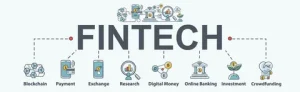
The digital ecosystem is evolving rapidly, and businesses are no longer confined to a single domain. Many companies that began their journey in financial technology are now expanding into mobility solutions such as ride-sharing, logistics, and smart transportation apps. This shift from fintech to mobility is not just a trend—it’s a strategic move driven by changing user expectations, technological advancements, and the growing demand for integrated services.
However, entering a new domain requires careful planning and execution. Choosing the right app development strategy is critical to ensure scalability, security, and long-term success.
Understanding the Shift: Fintech to Mobility
Fintech applications are primarily focused on secure transactions, data protection, and compliance. Mobility apps, on the other hand, emphasize real-time tracking, user experience, and operational efficiency. While these domains differ in functionality, they share common technological foundations such as cloud computing, APIs, and mobile-first design.
Businesses already working with fintech app development companies often have an advantage. They are familiar with building secure, scalable systems—skills that are equally valuable in mobility app development.
Why Businesses Are Expanding into Mobility
1. Growing Demand for On-Demand Services
Users today expect convenience at their fingertips. Whether it’s booking a ride or tracking a delivery, mobility apps fulfill real-time needs, making them highly profitable.
2. Opportunity for Integration
Fintech apps can integrate seamlessly with mobility platforms. For example, digital wallets, payment gateways, and subscription billing systems enhance the user experience in ride-hailing or logistics apps.
3. Diversification of Revenue Streams
Expanding into mobility allows businesses to tap into new markets and create additional revenue channels.
Key Differences in Development Strategy
Before transitioning, it’s essential to understand how fintech and mobility app strategies differ:
| Aspect | Fintech Apps | Mobility Apps |
|---|---|---|
| Core Focus | Security & compliance | Real-time operations |
| User Experience | Trust & reliability | Speed & convenience |
| Technology | Encryption, APIs | GPS, IoT, real-time data |
| Scalability | Transaction volume | User & fleet management |
A successful transition requires combining the strengths of both domains.
Choosing the Right Development Approach
1. Define Your Business Goals
Start by identifying what you want to achieve. Are you building a ride-hailing platform, a fleet management system, or a logistics solution? Your goals will determine the features, technology stack, and development timeline.
2. Select the Right Technology Stack
Mobility apps require technologies like:
- GPS and geolocation services
- Real-time data processing
- Cloud infrastructure
- AI for route optimization
If you’re already using fintech app development services, you can reuse certain backend components like payment systems and user authentication.
3. Focus on User Experience (UX)
In mobility apps, user experience is everything. A delay of even a few seconds can impact user satisfaction. Ensure:
- Fast load times
- Intuitive navigation
- Real-time updates
4. Ensure Security and Compliance
While mobility apps are less regulated than fintech apps, they still handle sensitive user data. Implement:
- Data encryption
- Secure payment gateways
- Compliance with local regulations
Your experience working with fintech app development companies will be valuable here.
5. Build a Scalable Architecture
Mobility apps often experience rapid growth. A scalable architecture ensures your app can handle increasing users and data without performance issues.
The Role of Fintech Expertise in Mobility Apps
Fintech expertise plays a crucial role in mobility applications, especially in areas like:
- Payments: Seamless in-app transactions
- Subscriptions: Monthly ride or delivery plans
- Fraud Detection: Preventing misuse of services
- Analytics: Understanding user behavior
Businesses that hire fintech software developers gain a competitive edge by integrating robust financial systems into mobility platforms.
Development Models to Consider
1. In-House Development
Best for companies with strong technical teams. Offers full control but requires significant investment.
2. Outsourcing to Experts
Partnering with fintech app development companies or mobility specialists ensures faster development and access to experienced professionals.
3. Hybrid Model
A combination of in-house and outsourced software development provides flexibility and cost efficiency.
Cost Considerations
The cost of developing a mobility app depends on several factors:
- App complexity
- Features and integrations
- Development team location
- Technology stack
On average, a basic mobility app can cost between $25,000 to $80,000, while advanced solutions may exceed $150,000.
Leveraging existing fintech infrastructure can help reduce costs significantly.
Common Challenges and How to Overcome Them
1. Real-Time Data Management
Mobility apps rely heavily on real-time updates. Use cloud-based solutions and efficient APIs to handle large data volumes.
2. User Retention
Offer features like loyalty programs, discounts, and seamless payments to keep users engaged.
3. Integration Complexity
Integrating fintech features into mobility apps can be challenging. Working with experienced fintech app development services providers can simplify the process.
Future Trends in Fintech and Mobility Integration
1. AI and Machine Learning
AI will play a major role in route optimization, demand prediction, and fraud detection.
2. Blockchain Technology
Blockchain can enhance transparency and security in payments and data sharing.
3. IoT Integration
Connected devices will improve fleet management and real-time tracking.
4. Super Apps
The future lies in super apps that combine fintech, mobility, and other services into a single platform.
Best Practices for Success
- Start with a minimum viable product (MVP)
- Focus on scalability from day one
- Prioritize user experience
- Ensure strong security measures
- Continuously update and improve your app
Conclusion
Transitioning from fintech to mobility is a strategic move that can unlock new growth opportunities. By leveraging existing fintech expertise and adopting the right app development strategy, businesses can build innovative, scalable, and user-friendly mobility solutions.
Whether you choose to work with fintech app development companies or build an in-house team, the key lies in aligning your technology, goals, and user expectations. Investing in the right approach today will ensure long-term success in this rapidly evolving digital landscape.
Author



The world of manufacturing has undergone a digital revolution, and at the heart of this transformation are CNC tools. If you have ever wondered how car parts, smartphone frames, or aerospace components are made with such surgical precision, the answer lies in Computer Numerical Control.
This guide provides a comprehensive look at what CNC tools are, how they function, and why they have become the backbone of modern industry.
What Exactly Are CNC Tools?
The acronym CNC stands for Computer Numerical Control. In the simplest terms, a CNC tool is a traditional machine—like a drill, a saw, or a lathe—that has been “upgraded” with a computer and specialized software.
In the past, a human operator had to turn wheels and pull levers to move a cutting tool. With CNC, the computer takes over. It follows a digital blueprint to move the machine head with a level of accuracy that the human hand simply cannot match. These tools can cut, shape, drill, and grind materials ranging from heavy metals and tough plastics to delicate wood and fabrics. By reading coded instructions (known as G-code or M-code), the machine knows exactly where to move, how deep to cut, and how fast to spin.

How a CNC Tool Breathes Life into a Design
The transition from a raw block of material to a finished product follows a very specific, high-tech workflow. It isn’t just about “plugging in a machine.” It is a three-step process:
-
The Digital Blueprint (CAD): An engineer uses Computer-Aided Design (CAD) software to create a 3D model of the part. This is the “dream” version of the product.
-
The Translator (CAM): Once the design is ready, it moves into Computer-Aided Manufacturing (CAM) software. This program translates the 3D model into a language the machine understands: coordinates, speeds, and tool paths.
-
The Execution: The code is loaded into the CNC controller. The controller sends electrical signals to high-powered motors that move the tools and the workpiece. Sensors constantly monitor the progress, ensuring the operation stays safe and stable.
Because a computer is in charge, you can make one part or ten thousand parts, and they will all be virtually identical.
Exploring the Different Types of CNC Tools
Not all CNC machines are created equal. Depending on the shape you want to create, you will need a specific type of tool.
-
CNC Milling Machines: These are the “all-rounders” of the shop. They use rotating cutters to shave material off a stationary workpiece. They are perfect for creating complex, 3D shapes and flat surfaces.
-
CNC Lathes: A lathe works in reverse; it spins the material at high speeds while a stationary cutting tool presses against it. This is the go-to tool for creating “round” objects like bolts, shafts, and table legs.
-
CNC Drilling Machines: While a manual drill can slip, a CNC drill is perfect. It creates holes at exact depths and angles every single time.
-
CNC Grinding Machines: These tools use abrasive wheels to “polish” a part. They are used when a surface needs to be incredibly smooth or when the dimensions need to be accurate down to a fraction of a millimeter.
-
CNC Laser Cutters: Instead of a physical blade, these use a concentrated beam of light. They are incredibly fast and can cut intricate patterns into metal or plastic without ever touching the material.
The Major Benefits of Switching to CNC
Why have companies spent millions replacing manual machines with CNC tools? The advantages are too significant to ignore.
Unmatched Accuracy and Consistency Human fatigue is a real factor in manufacturing. A person might make a mistake at 4:00 PM that they wouldn’t have made at 9:00 AM. A CNC machine does not get tired. It delivers the same 0.001mm precision on the first hour of the shift as it does on the last.
Increased Safety and Speed CNC machines can run 24 hours a day, 7 days a week, with minimal supervision. Furthermore, the operator is usually separated from the cutting area by a high-strength glass shield, which drastically reduces the risk of workplace injuries.
Sustainability and Design Flexibility Because the computer calculates the most efficient “path” for the tool, there is significantly less scrap metal and wasted material. Additionally, if you need to change a product’s design, you don’t have to build a new machine; you simply update the software code.
What to Consider Before Investing in CNC Technology
If you are looking to purchase a CNC tool for your business or workshop, you must look beyond the price tag. Consider these five factors:
-
Material Compatibility: Some machines are designed for high-torque metal cutting, while others are optimized for high-speed wood carving. Ensure the machine matches your primary material.
-
Working Envelope: This refers to the size of the “table.” If you plan on making large furniture, a small desktop CNC will not suffice.
-
Precision Requirements: Do you need “medical-grade” accuracy, or is “general” accuracy enough? Higher precision typically comes with a higher cost.
-
RPM and Power: High-speed spindles (measured in RPM) allow for cleaner finishes, but they require more power and more robust cooling systems.
-
Support and Training: A CNC machine is only as good as its operator. Choose a manufacturer that offers excellent training and after-sales maintenance support.
Maintenance: Keeping Your Machine in Peak Condition
To ensure your investment lasts for decades, you must treat it with care. A “clean” machine is a “precise” machine.
-
Daily Cleaning: Always remove metal “chips” and dust at the end of every shift. This prevents buildup in the moving gears.
-
Regular Lubrication: Moving parts generate heat and friction. Regular oiling is the easiest way to prevent expensive mechanical failures.
-
Alignment Checks: Over time, vibrations can cause a machine to drift slightly out of alignment. Check the axis calibration once a month.
-
Software Updates: Just like your smartphone, CNC controllers need software updates to stay secure and efficient.
Frequently Asked Questions
Can a CNC machine work without an operator? Mostly, yes. While an operator is needed for the initial setup, loading the material, and final quality checks, the machine performs the actual cutting and shaping automatically.
Is CNC better than manual machining? For complex parts, high-volume production, or extreme precision, CNC is vastly superior. However, manual machines are still useful for quick, simple “one-off” repairs where programming a computer would take too long.
Does it require a lot of training? Yes. Modern CNC operators are essentially “hybrid” workers—part machinist and part computer programmer. Understanding the software is just as important as understanding the metal.
Summary
CNC tools have redefined the limits of what we can build. By blending the raw power of industrial machinery with the intelligence of modern software, these tools allow us to create a world that is more precise, safer, and more efficient. Whether you are an enthusiast or a factory owner, understanding CNC is the first step toward mastering the future of making things.
Author



Peace in War: Examples of Humanity, Hope, and Compassion
Valabasas Clothing Guide 2026: Stacked Jeans & Streetwear Style

Best Web Development Agency to Hire in 2026: Top 10 Picks

Fear of God Essentials Tracksuit: Modern Streetwear Style

Essentials Tracksuit: Everyday Comfort & Simple Streetwear Style

Corteiz Tracksuit: Official Store, Styles & Buying Guide

Rhinoplasty in Dubai | AI-Powered Nose Surgery & 3D Simulation

Customer Experience Training Platform: AI-Driven CX Training

Embroidery Digitizing Services: Professional Custom Stitch Files

Divorce Appraisal: Accurate Home Valuations for Separation

Cybersecurity Consulting Company SequelNet Provides Critical IT Support Services to Medical Billing Firm, Medical Optimum

Team Communication Software Transforms Operations at Finance Innovate

Project Management Tool Transforms Long Island Business

How Alleviate Poverty Utilized IPPBX’s All-in-One Solution to Transform Lives in New York City

Breast Cancer: The Imperative Role of Mammograms in Screening and Early Detection

Unstoppable Collaboration: D.C.’s Citi Open and Silicon Valley Classic Unite to Propel Women’s Tennis to New Heights

Embracing Renewal: Sizdabedar Celebrations Unite Iranians in New York’s Eisenhower Park

The Benefits of Starting a Side Hustle for Financial Freedom

New Blood Donation Screening Questions What You Need to Know

Stylishly Timeless: The 5 Types of Sandals You Need in Your Closet
-

 Business3 years ago
Cybersecurity Consulting Company SequelNet Provides Critical IT Support Services to Medical Billing Firm, Medical Optimum
-
Business3 years ago
Team Communication Software Transforms Operations at Finance Innovate
-
Business3 years ago
Project Management Tool Transforms Long Island Business
-
Business3 years ago
How Alleviate Poverty Utilized IPPBX’s All-in-One Solution to Transform Lives in New York City
-
health3 years ago
Breast Cancer: The Imperative Role of Mammograms in Screening and Early Detection
-
Sports3 years ago
Unstoppable Collaboration: D.C.’s Citi Open and Silicon Valley Classic Unite to Propel Women’s Tennis to New Heights
-
Art /Entertainment3 years ago
Embracing Renewal: Sizdabedar Celebrations Unite Iranians in New York’s Eisenhower Park
-
Finance3 years ago
The Benefits of Starting a Side Hustle for Financial Freedom







