
health
Micropigmentation for Women: Costs, Care, and Key Tips

By

Reviewed
By Mariam Mckenzie
Introduction
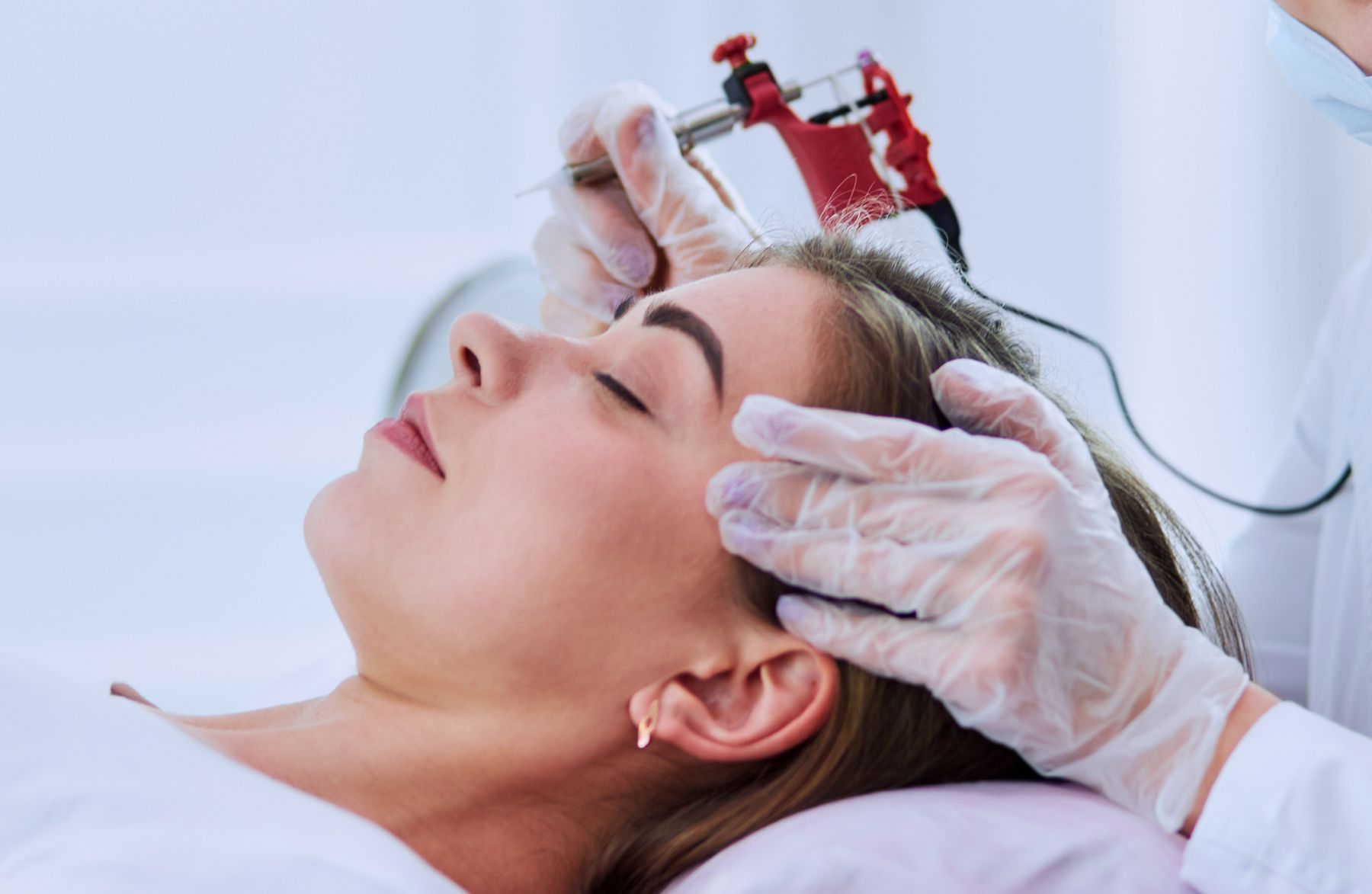
Imagine waking up with perfectly shaped eyebrows or a soft, natural lip tint every morning without spending time on makeup. Micropigmentation makes that dream come true. Also known as permanent makeup, this cosmetic procedure uses tiny pigment deposits under the skin to enhance features like brows, lips, and eyeliner. For women seeking a low‐maintenance beauty routine, micropigmentation offers long‐lasting results and boosts confidence. In this article, we’ll explore what micropigmentation is, how much it costs, essential pre‐ and post‐care steps, factors that affect price, and tips for choosing the right technician. Read on to learn how to get the best results and care for your permanent makeup.
What Is Micropigmentation?
Micropigmentation is a cosmetic tattooing technique. A specialist uses a fine‐tipped needle to implant mineral pigments into the skin’s dermal layer. Unlike traditional tattoos, micropigmentation uses softer pigments and shallower needle penetration. This creates subtle, natural enhancements that fade gradually over time. Common applications include:
- Eyebrow shaping (microblading or microshading)
- Lip blush or lip liner
- Eyeliner tattoo
- Areola restoration after breast surgery
- Scalp micropigmentation to mimic hair follicles
Because pigments are placed closer to the skin’s surface, results typically last one to three years before needing a touch‐up.
Benefits of Micropigmentation for Women
Micropigmentation offers many advantages:
- Consistency and Time Savings
- No more daily brow pencils or lip liners. You enjoy a polished look without constant reapplication.
- Waterproof and Smudge-Proof
- Whether you swim, sweat, or cry happy tears, your permanent makeup stays intact.
- Natural-Looking Enhancements
- Modern techniques focus on mimicking natural hair strokes or soft shading for a realistic appearance.
- Boosted Confidence
- Waking up with defined features can improve self-esteem, especially for women with sparse brows or pale lips.
- Solution for Medical Conditions
Women with alopecia, chemotherapy hair loss, or uneven pigmentation can regain symmetry and fullness.
Types of Micropigmentation
1. Eyebrow Micropigmentation
- Microblading: Microblading uses a handheld tool to draw thin, hair-like strokes. It suits women who want crisp, defined brows.
- Microshading: Also called ombré shading, microshading creates a soft powdery finish. It works well for sensitive or oily skin types.
2. Lip Blush and Lip Liner
Lip blush adds a gentle wash of color, enhancing natural lip tone. Lip liner defines the edges and prevents lipstick from bleeding.
3. Eyeliner Tattoo
Eyeliner tattoos range from thin lash-enhancement lines to more dramatic winged effects. They accentuate eyes without daily pencil use.
Factors Affecting Micropigmentation Costs
Several factors influence how much you’ll pay:

- Location and Demand: City centers and high-end clinics usually charge more. Rural areas or smaller studios may offer lower rates.
- Technician Experience: Highly trained specialists with portfolios and certification often command higher prices.
- Procedure Type and Complexity: A simple brow touch-up costs less than a full lip blush and contour session.
- Number of Sessions: Most procedures require an initial session plus one or two touch-ups. Some artists include a touch-up in the base price, while others charge extra.
- Pigment Quality and Tools: Premium pigments with long-lasting formulas and sterile, single‐use needles add to the overall cost.
Typical Cost Range
Here’s a rough guide to what women can expect to pay in the United States:
- Eyebrow microblading or microshading: $400–$900
- Lip blush or lip liner: $350–$800
- Eyeliner tattoo: $300–$700
- Areola restoration: $500–$1,200
- Scalp micropigmentation (per session): $500–$1,500
Keep in mind these ranges vary by region and practitioner. Always get a detailed quote that includes touch-up sessions.
What to Expect During the Procedure
- Consultation: Discuss desired shape, color, and style. The technician assesses skin type and reviews medical history.
- Numbing: A topical anesthetic cream reduces discomfort.
- Mapping: The technician measures and draws guidelines for symmetry. You approve the shape before proceeding.
- Pigment Application: Using a fine needle, the artist deposits pigment into the dermal layer.
- Initial Aftercare: The treated area may feel tender and appear darker. Follow the artist’s advice on cleansing and moisturizing.
The entire process can take from one to three hours depending on the treatment area.
Pre-Care Tips
Proper preparation ensures better results:
- Avoid blood thinners (aspirin, fish oil) for 48 hours before.
- Do not schedule before important events; mild swelling and redness are normal.
- Stay out of the sun and tanning beds one week prior.
- Stop retinol or exfoliating products five days before.
- Eat a healthy meal and stay hydrated on the day of your appointment.
Aftercare and Maintenance
Caring for your new permanent makeup is crucial during the first two weeks:
- Keep It Clean and Dry: Gently cleanse with mild, fragrance-free soap. Pat dry with a clean towel.
- Apply Aftercare Ointment: Use the recommended cream or petroleum jelly to keep the area moist.
- Avoid Makeup and Water Exposure: No makeup on the treated area and avoid swimming pools, saunas, or long showers.
- Do Not Pick or Scratch: Let scabs form and fall off naturally to prevent pigment loss.
- Limit Sun Exposure: Wear a hat or use sunscreen to prevent fading and color change.
After the initial healing, schedule your touch-up within four to eight weeks. Annual or biennial refreshers keep colors vibrant.
Choosing the Right Technician
Selecting a skilled artist is essential:
- Check credentials and certifications in micropigmentation.
- Review before-and-after photos of real clients.
- Read honest reviews on third-party sites, not just the studio’s website.
- Ask about sterile practices, single-use needles, and quality pigments.
- Trust your instincts—choose someone who listens and makes you feel comfortable.
A good consultation builds trust and sets clear expectations.
Pros and Cons of Micropigmentation
Pros
- Saves time on daily makeup
- Waterproof and smudge-proof results
- Long-lasting enhancements
- Customizable shapes and colors
- Solutions for medical hair loss or scarring
Cons
- Upfront cost can be high
- Potential for allergic reactions or infections if not done properly
- Fading over time requires touch-ups
- Not easily removed—color corrections are more involved than laser tattoo removal
Conclusion
Micropigmentation offers women a way to enhance natural beauty and simplify their daily routines. From eyebrow shaping to lip blush and eyeliner tattoos, permanent makeup provides lasting, waterproof results. Costs vary based on procedure type, technician skill, and location, but investing in a qualified artist ensures safety and quality. Proper pre-care and diligent aftercare, including cleansing, moisturizing, and sun protection, are key to vibrant results. Remember to schedule touch-ups and maintain your look with yearly refreshers. With the right preparation and care, micropigmentation can boost confidence and save time, making it a valuable beauty solution for many women.
Frequently Asked Questions
Q1. Is micropigmentation painful?
Most women report mild discomfort, similar to a scratching sensation. Topical anesthetics greatly reduce pain.
Q2. How long does it last?
Results last one to three years depending on skin type, sun exposure, and aftercare.
Q3. Can I get it removed?
Removal is more complex than application. Laser sessions or color corrections by a skilled technician are possible.
Q4. Will the color change over time?
Pigments fade and shift slightly. Neutral pigments resist unwanted color changes and need fewer touch-ups.
Author



Author



Liposuction in Islamabad is becoming increasingly popular among people looking to achieve a slimmer body. With many clinics offering varying prices, it’s essential to understand the difference between cheap and premium options. Your choice can affect both the results and your safety.
Understanding Cheap Liposuction in Islamabad
Cheap Liposuction in Islamabad is often chosen by patients looking for affordable ways to remove stubborn fat. The lower cost can make the procedure appealing, especially for those on a tight budget. However, it’s important to understand what “cheap” really means in this context. Often, these procedures may use older equipment or be performed in clinics with less experienced staff.
While cheap Liposuction in Islamabad can deliver results, the quality of care and safety may not match premium clinics. There is a higher chance of complications such as uneven fat removal, infection, or longer recovery periods. Patients should carefully research the clinic, check surgeon qualifications, and read patient reviews before deciding.
Natural ways to prepare for surgery, such as maintaining a balanced diet and regular exercise, can improve outcomes regardless of the clinic you choose. Aftercare is equally important, but some budget clinics may not provide comprehensive guidance.
In short, cheap Liposuction in Islamabad can be an option for those mindful of costs, but safety and results should remain a priority. Investing time in research and preparation ensures you achieve better outcomes while minimizing risks.
Premium Liposuction in Islamabad
Premium Liposuction in Islamabad offers advanced technology and highly trained surgeons. Clinics offering premium services provide a safer environment and personalized care. The procedure usually results in smoother outcomes and faster recovery. While more expensive, the long-term benefits are often worth the investment.

Key Differences Between Cheap and Premium Liposuction
Here are some major points to consider when choosing between cheap and premium Liposuction in Islamabad:
- Cost vs Safety: Cheap options save money but may compromise on safety.
- Experience of Surgeons: Premium clinics employ certified, experienced professionals.
- Equipment Quality: Advanced tools in premium clinics ensure better results.
- Aftercare Support: Premium clinics provide structured follow-up for recovery.
- Hospital Standards: Higher-end clinics follow strict hygiene and safety standards.
Why Cost Shouldn’t Be the Only Factor
While affordable Liposuction in Islamabad is tempting, focusing solely on cost can be risky. Quality of care, surgeon expertise, and clinic standards directly impact your results. Natural ways to prepare for surgery, like maintaining a healthy diet and exercise routine, can improve outcomes regardless of the clinic you choose.
Recovery and Aftercare
Recovery and aftercare are crucial steps following Liposuction in Islamabad to ensure safe healing and optimal results. After the procedure, patients may experience swelling, bruising, or mild discomfort. These are normal and usually subside within a few weeks. Following your surgeon’s instructions is essential to minimize complications and achieve the desired outcome.
Most premium clinics recommend wearing compression garments to support the treated areas. These garments help reduce swelling and contour the body shape. Pain management is also important, and your doctor may prescribe mild medications to ease discomfort. Regular check-ups during the first few weeks allow the surgeon to monitor healing progress.
Incorporating natural ways to enhance recovery can be very effective. Eating a balanced diet, staying hydrated, and engaging in light physical activity, such as short walks, can boost circulation and aid in faster healing. Avoiding smoking and alcohol is highly recommended as they can slow down the recovery process.
Proper aftercare also involves maintaining hygiene around the incision sites and promptly reporting any unusual symptoms to your surgeon. Choosing a reputable clinic ensures structured guidance, making your Liposuction in Islamabad experience safer and more satisfying.
Choosing the Right Clinic
Selecting the right clinic for Liposuction in Islamabad requires research. Look for reviews, surgeon credentials, and patient testimonials. Visiting the clinic before surgery helps you understand the environment and professionalism. Investing in a reputable clinic ensures your safety and satisfaction with the results.
FAQs About Liposuction in Islamabad
Q1: Is cheap liposuction safe?
A1: While possible, cheap Liposuction in Islamabad often carries higher risks due to older equipment or less experienced surgeons.
Q2: How long is the recovery time?
A2: Recovery usually takes 2–4 weeks, but premium clinics provide better guidance to speed up healing.
Q3: Can natural ways improve liposuction results?
A3: Yes, healthy diet, light exercise, and hydration help enhance results and reduce complications.
Q4: How do I choose between cheap and premium options?
A4: Evaluate clinic reputation, surgeon experience, equipment quality, and aftercare before deciding.
Q5: Are the results permanent?
A5: Liposuction in Islamabad provides long-lasting results if a stable lifestyle and natural ways of maintaining weight are followed.
Final Thoughts
Choosing between cheap and premium Liposuction in Islamabad is about balancing cost and safety. Prioritizing quality ensures better results, faster recovery, and minimal risk. For those seeking the best care and outcomes, trusted clinics like skn cosmetics offer professional services that meet international standards.
Author



Hormone changes are a normal part of aging. As you get older, your body may not produce hormones at the same levels as before. These shifts can affect how you feel day-to-day, including your energy, sleep, mood, and focus. Many adults living in Houston begin to notice these changes and look for ways to better understand what is happening in their bodies.
Some people try to adjust their lifestyle first. They may improve their diet, exercise more, or work on sleep habits. While these steps are helpful, they do not always address hormone-related concerns fully. This is where structured evaluation and care can help.
Hormone-focused services look at your symptoms and lab test results to understand your body more fully. Instead of guessing, you receive information based on measurable data. This helps guide decisions and next steps in a clearer and more practical manner.
Key Reasons Adults Turn to Hormone Replacement in Houston Care
-
Addressing low energy that affects daily life
Many adults feel tired even after enough sleep, which can affect daily tasks and focus. Hormones such as thyroid hormone and testosterone help regulate energy levels. When these hormones are out of balance, you may feel drained without a clear reason.
Testing helps determine whether hormones are the cause, and care plans can then include hormone support, along with routine and nutrition guidance, to address the root issue rather than just the symptoms.
-
Supporting mood changes and mental clarity
Hormones influence brain function, including mood and concentration. When levels shift, you may notice irritability, stress, or difficulty staying focused.
These changes can affect your relationships, work, and overall quality of life. By reviewing hormone levels, a provider can look for patterns that may explain these symptoms. In some cases, adjusting hormone levels may help support more stable mood and clearer thinking.
This process is often combined with lifestyle habits such as regular sleep, balanced meals, and stress management techniques.

-
Managing natural hormone decline with age
Hormone levels change as part of the aging process. This happens in both men and women, although the patterns may differ.
For example, testosterone levels may decrease in men over time, while women may experience changes in estrogen and progesterone. These shifts can bring noticeable symptoms that develop slowly.
Regular evaluation helps track these changes over time. With ongoing monitoring, you and your provider can make informed decisions about whether support is needed and how to adjust care as your body changes.
-
Improving sleep quality and patterns
Sleep issues are often linked to hormone imbalance. Hormones such as cortisol and melatonin help regulate your sleep cycle.
If these hormones are out of balance, you may find it hard to fall asleep or stay asleep through the night. Poor sleep can then affect energy, mood, and overall health.
In cases where sleep problems are linked to hormones, evaluation can help identify the cause. Care may include hormone-related support, along with habits such as maintaining a consistent sleep schedule, limiting screen time before bed, and creating a calm sleep environment.
-
Supporting weight management efforts
Weight changes can be influenced by hormone levels. Hormones help regulate metabolism, appetite, and fat storage.
Some adults follow diet and exercise routines but still find it difficult to manage their weight. In these situations, hormone testing may provide more insight into what is happening inside the body.
A provider may review hormones related to metabolism, such as thyroid hormones and insulin. Based on the results, a plan may include a mix of hormone support, nutrition guidance, and physical activity recommendations.
-
Improving physical performance and recovery
Hormones also play a role in muscle strength, endurance, and recovery after exercise.
If your hormone levels are not balanced, you may notice reduced performance during workouts or longer recovery times. This can make it harder to stay consistent with fitness routines.
By checking hormone levels, providers can identify areas that may be affecting your physical performance. With proper guidance, you may see improvements in strength, stamina, and recovery when combined with regular exercise and proper rest.
-
Personalized care with ongoing monitoring
One main reason adults choose hormone-related services is the structured, personalized approach. Care is not a one-time visit. It usually includes consultation, lab testing, a tailored plan, follow-ups, and adjustments based on progress.
This step-by-step process helps track changes over time and ensures care is updated based on how your body responds. When considering options like hormone replacement in Houston, many adults prefer services that combine testing, guidance, and ongoing support for a clearer path forward.
Summary!
Hormone-related concerns can affect many areas of daily life, including energy, sleep, mood, weight, and physical performance. As these changes develop over time, it can be helpful to look at your health in a structured way that includes both testing and ongoing evaluation.
Choosing hormone-focused care allows you to better understand what is happening inside your body and take informed steps based on real data. With the right approach, you can work toward better balance while maintaining your daily routine and lifestyle.
In Houston, PUUR Health and Wellness offers a care model that focuses on personalized evaluation, monitoring, and guided support. This type of approach helps you move forward with clarity and consistent follow-up as part of your overall wellness plan.
Author



CNC Tools in Modern Manufacturing: Benefits & Future Trends

Avoid Costly Document Mistakes with Professional Notary Services

Mini vs Full Tummy Tuck: Complete Guide Islamabad

Formulation Development in 2026: Drug Delivery Innovations

Luxury RV Resorts Texas vs Standard RV Parks: The Difference?

Best Hair Transplant Clinic in Pakistan – JJ Aesthetics

Essentials Tracksuit UK Guide: Styles, Fits, Colors & Buying Tips

Working Capital Finance: Guide for MSMEs, Types & Benefits

Beard Hair Transplant: Procedure, Benefits And Recovery

Corteiz Cargos Official Store: Streetwear Style & Sustainability

Cybersecurity Consulting Company SequelNet Provides Critical IT Support Services to Medical Billing Firm, Medical Optimum

Team Communication Software Transforms Operations at Finance Innovate

Project Management Tool Transforms Long Island Business

How Alleviate Poverty Utilized IPPBX’s All-in-One Solution to Transform Lives in New York City

Breast Cancer: The Imperative Role of Mammograms in Screening and Early Detection

Unstoppable Collaboration: D.C.’s Citi Open and Silicon Valley Classic Unite to Propel Women’s Tennis to New Heights

Embracing Renewal: Sizdabedar Celebrations Unite Iranians in New York’s Eisenhower Park

The Benefits of Starting a Side Hustle for Financial Freedom

New Blood Donation Screening Questions What You Need to Know

Stylishly Timeless: The 5 Types of Sandals You Need in Your Closet
-

 Business3 years ago
Cybersecurity Consulting Company SequelNet Provides Critical IT Support Services to Medical Billing Firm, Medical Optimum
-
Business3 years ago
Team Communication Software Transforms Operations at Finance Innovate
-
Business3 years ago
Project Management Tool Transforms Long Island Business
-
Business3 years ago
How Alleviate Poverty Utilized IPPBX’s All-in-One Solution to Transform Lives in New York City
-
health3 years ago
Breast Cancer: The Imperative Role of Mammograms in Screening and Early Detection
-
Sports3 years ago
Unstoppable Collaboration: D.C.’s Citi Open and Silicon Valley Classic Unite to Propel Women’s Tennis to New Heights
-
Art /Entertainment3 years ago
Embracing Renewal: Sizdabedar Celebrations Unite Iranians in New York’s Eisenhower Park
-
Finance3 years ago
The Benefits of Starting a Side Hustle for Financial Freedom







