
Autos & Vehicles
Electrifying Excellence: Mercedes-Benz EQA and EQB Redefine Electric Luxury and Versatility


In a significant stride towards a sustainable future, Mercedes-Benz has unleashed a duo of electric vehicles that exemplify excellence: the Mercedes-Benz EQA and EQB. These cutting-edge electric models redefine the concept of luxury and versatility, showcasing the German automaker’s unwavering commitment to innovation and sustainability. With their striking design, advanced features, and impressive performance, the EQA and EQB herald a new era of electric mobility. Join us as we delve into the electrifying world of these Mercedes-Benz masterpieces and discover how they embody electric luxury and versatility.
I. Striking Design:
The Mercedes-Benz EQA and EQB make an immediate impression with their striking design language. The EQA, a compact electric SUV, boasts a sleek and aerodynamic silhouette that combines elegance and functionality. On the other hand, the EQB, a spacious and versatile compact SUV, exudes a robust and muscular presence. Both models feature distinctive LED headlights and a bold front grille that signify their electric identity. The seamless integration of form and function showcases Mercedes-Benz’s dedication to creating electric vehicles that are not only sustainable but also visually captivating.
II. Luxurious Interiors:
Step inside the EQA and EQB, and you are enveloped in a world of luxury and refinement. The interiors exemplify Mercedes-Benz’s commitment to crafting exceptional spaces that cater to the needs of discerning drivers and passengers. Premium materials, exquisite craftsmanship, and thoughtful details define the cabin experience. From the comfort of the seats to the sophistication of the dashboard, every element exudes an air of opulence. The EQA and EQB offer ample space for passengers and versatile cargo configurations, ensuring a luxurious and practical driving experience.

III. Advanced Technology:
The EQA and EQB showcase a host of advanced technologies that enhance the driving experience. Mercedes-Benz’s intuitive MBUX infotainment system, showcased on expansive displays, provides seamless access to navigation, entertainment, and vehicle settings. The systems are seamlessly integrated with voice control and touch-sensitive controls, ensuring a user-friendly and futuristic experience. Additionally, the EQA and EQB incorporate advanced driver-assistance systems, delivering an extra layer of safety and convenience. Mercedes-Benz’s relentless pursuit of technological excellence is evident in every aspect of the EQA and EQB.
IV. Electrifying Performance:
The EQA and EQB deliver more than just luxury; they offer exhilarating electric performance. Their electric powertrains deliver instant torque, resulting in swift and seamless acceleration. With impressive driving ranges and fast-charging capabilities, these models provide the practicality and convenience required for long journeys. The EQA and EQB’s responsive handling and smooth ride quality ensure a dynamic and enjoyable driving experience. Mercedes-Benz has successfully combined luxury and performance in these electric vehicles, proving that eco-conscious driving can be thrilling.
V. Sustainable Mobility:
The EQA and EQB represent Mercedes-Benz’s commitment to sustainable mobility. As fully electric vehicles, they emit zero tailpipe emissions, contributing to a cleaner and greener future. Mercedes-Benz has also incorporated sustainable materials in the construction of these models, minimizing their environmental impact. Furthermore, the automaker has implemented comprehensive life-cycle assessments to ensure responsible production and disposal processes. The EQA and EQB are not just symbols of luxury and versatility; they embody the vision of a more sustainable automotive industry.
Conclusion:
The Mercedes-Benz EQA and EQB mark an important milestone in the world of electric mobility. With their stunning design, advanced technology, exhilarating performance, and unwavering commitment to sustainability, these models redefine electric luxury and versatility.
Author


Ever tried planning travel for a group of executives in Austin traffic? It can get stressful fast. Flights change, meetings run late, and I-35 gets crowded. When travel plans fall apart, the whole day suffers. That’s why many companies use corporate transportation services in Austin to keep things smooth and professional. Austin is growing quickly, with tech firms, startups, and global brands meeting here every day. With so much business happening, transportation is not just about getting around. It is about showing professionalism, saving time, and making the right impression from the very start.
Austin Is a Major Business Hub
Austin is home to large tech firms, corporate offices, and major conferences. Events like SXSW and Formula 1 bring business leaders from around the world. Companies host meetings downtown, at hotels, and at large corporate campuses. When executives or clients fly into Austin-Bergstrom International Airport, they expect more than a simple ride. They want a smooth, organized experience. A professional chauffeur waiting for them sends a strong message. It says your company values their time and comfort.
First Impressions Matter
Think about this. Your top client arrives in Austin for an important deal. Instead of waiting for a ride share or rental car, they are greeted by a well-dressed chauffeur and escorted to a luxury vehicle. The ride is quiet, clean, and relaxing. That first impression sets the tone for the entire visit. Business is often built on small details. Professional transportation shows that you care about quality and planning.

Time Is Money in Corporate Travel
In business, every minute counts. Traffic delays and parking problems waste valuable time. When executives drive themselves, they focus on directions instead of preparing for meetings. With a professional chauffeur, your team can relax or work during the ride. They can review notes, answer emails, or make phone calls. This makes travel time productive instead of stressful.
Reliable Airport Transfers
Airport travel can be unpredictable. Flights change. Traffic shifts. A trusted limousine company tracks flights and adjusts pickup times. Your driver arrives on time, every time. This reliability reduces stress for both visitors and company staff. No one has to worry about last-minute problems.
Comfort and Safety for Your Team
Business travel can be tiring. Long flights, packed schedules, and busy meetings take a toll. Comfortable transportation helps reduce that stress. Luxury vehicles offer spacious seating, climate control, and quiet space. Your team can relax between meetings and arrive refreshed. Safety is also important. Professional limousine companies hire trained chauffeurs. They know Austin roads well and drive carefully. Vehicles are maintained regularly to ensure safety and reliability.
Better Organization for Corporate Travel
Managing travel for employees or executives can be complicated. Coordinating multiple rides, tracking schedules, and handling changes can overwhelm office staff. Corporate transportation companies handle those details for you. They manage pickups, drop-offs, and route planning. They stay in contact with clients and adjust as needed. This allows your staff to focus on business instead of logistics.
Stress-Free Experience for Out-of-Town Guests
Many companies in Austin host visitors from other cities or countries. These guests may not know local roads or traffic patterns. Driving in a new city can feel overwhelming. Professional chauffeurs know Austin well. They choose the best routes and avoid heavy traffic when possible. Guests can sit back and enjoy the ride instead of worrying about directions. This creates a welcoming and positive experience for everyone.
Supporting Company Branding
Your brand is more than a logo. It is the experience people have with your company. Transportation plays a part in that experience. Luxury vehicles and professional service reflect quality and attention to detail. They support a strong corporate image. Whether you are picking up investors, hosting partners, or transporting executives, the experience should match your brand values.
Not Just a Ride, but a Luxury Experience
There is a big difference between a regular taxi and a luxury limousine service. A taxi focuses on basic transportation. A limousine company focuses on service, comfort, and elegance. Chauffeurs open doors. They help with luggage. They maintain a polite and respectful attitude at all times. Vehicles are spotless and well-maintained. This is the level of service serious companies expect.
Long-Term Value for Businesses
Some companies think luxury transportation is too expensive. But when you consider the benefits, it becomes a smart investment. Reliable service reduces delays. A professional presentation supports your brand. Comfortable travel keeps your team focused and productive. Happy clients lead to stronger business relationships. When everything runs smoothly, your company operates more efficiently. https://contrank.com/
Why Choose a Luxury Limousine Company in Austin
Austin is competitive. Businesses compete for clients, investors, and talent. Small details can make a big difference. A professional limousine company understands corporate needs. They focus on punctuality, comfort, and discretion. They treat every ride as important. This is not about flashy cars. It is about reliability, professionalism, and creating the right impression.
Conclusion
Corporate travel in Austin is about more than moving from one meeting to another. It is about time management, brand image, comfort, and trust. Professional transportation services help companies stay organized, impress clients, and reduce stress for their teams. If your business wants dependable, elegant, and high-quality service, Royal Limos Co. delivers a true luxury experience. With a premium fleet and trained chauffeurs, they help companies in Austin travel with confidence, comfort, and class.
Author


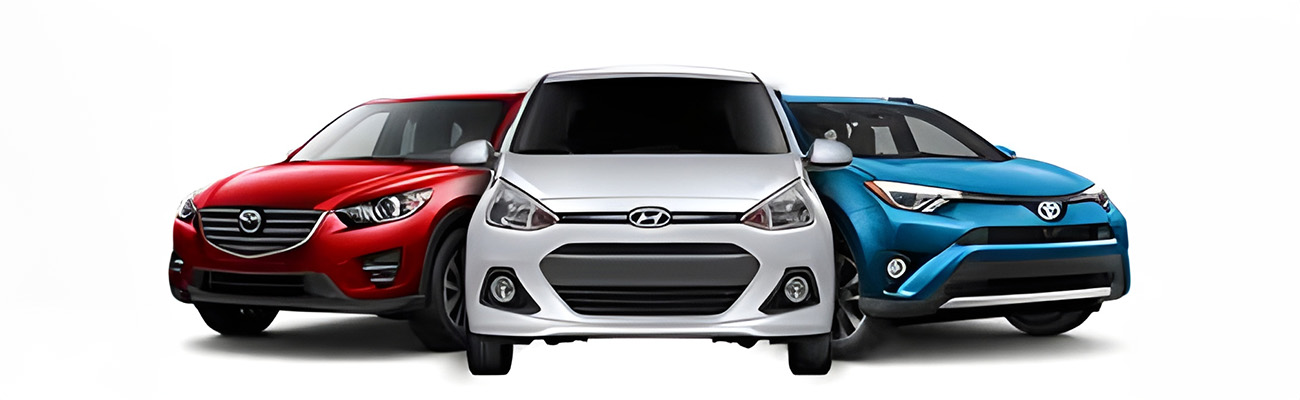
Buying affordable vehicles abroad can seem overwhelming, but it doesn’t have to be. For international import buyers, finding cars for sale in Zimbabwe under $3000 is a practical way to access reliable vehicles without breaking the bank. With the right approach, guidance, and trusted partners like UFS Auto, you can make smart choices that save both time and money.
This guide will share top tips to make the buying process simple, safe, and effective. Whether you are a first-time buyer or a seasoned importer, these strategies will help you navigate the process with confidence.
Understand the Market and Pricing
Before searching for cars for sale in Zimbabwe under $3000, it’s important to know what to expect. Vehicle prices in this range typically include compact cars, sedans, small SUVs, and sometimes mini vans from reliable Japanese brands like Toyota, Honda, and Suzuki. Understanding the market helps you spot good deals and avoid overpaying.
For example, you can often find a well-maintained Toyota Corolla or Honda Fit within this budget. While these cars may be a few years old, they are known for longevity, low maintenance costs, and availability of spare parts. Understanding these details allows you to make smarter buying decisions.
You can check resources like Trading Economics Zimbabwe Car Prices to stay informed about local price trends.

Why Are Cars Under $3000 A Smart Choice?
Cars for sale in Zimbabwe under $3000 offer excellent value for:
- Individual buyers seeking affordable personal transport
- Small businesses needing a fleet on a budget
- Resellers looking for reliable, low-cost vehicles
These vehicles are often simple to maintain, fuel-efficient, and perfect for local roads. With careful selection and the right guidance, you can access dependable vehicles that meet your needs without stretching your finances.
Affordable Japanese cars are especially appealing because of their long-term reliability and availability of spare parts. Buyers who understand the market can make a smart investment while keeping costs under control.
Check Vehicle Quality Carefully
Not all affordable vehicles are equal. When looking for cars for sale in Zimbabwe under $3000, consider:
- Mileage and service history
- Previous accidents or repairs
- Age and condition of tires, brakes, and engine
- Photos or video inspections if buying online
For instance, a 2010 Honda Fit with 120,000 km and a full service history is usually a better investment than a newer car with unknown history. Some buyers underestimate the importance of inspection, but small details can affect long-term reliability and maintenance costs. Make sure your supplier provides a full inspection report before purchase.
Understand Shipping and Import Regulations
Shipping cars internationally requires attention to regulations. For buyers in Zimbabwe:
- Verify customs duties and import taxes
- Understand local registration requirements
- Ensure all shipping documents are accurate
Following these steps helps you avoid delays or unexpected fees. Using a partner familiar with both Japanese export procedures and Zimbabwean import rules, like UFS Auto, ensures the process goes smoothly. You can also consult official sources like the Zimbabwe Revenue Authority for up-to-date guidance on import procedures.
Consider Financing and Budget Carefully
Even for vehicles under $3000, buyers should account for:
- Shipping costs
- Insurance during transit
- Minor repairs or inspections upon arrival
It’s easy to focus only on the car price, but additional costs can quickly add up. For example, shipping a small sedan from Japan to Harare may cost around $800–$1000 depending on the route and container type. Adding insurance and potential registration fees helps you calculate the total investment and avoid surprises.
Tips for a Smooth Purchase
To make your purchase easier:
- Make a shortlist of preferred vehicles
- Request detailed inspection reports and images
- Confirm the total cost, including shipping and taxes
- Work with a reliable export company like for secure payment and delivery
- Track your shipment for peace of mind
- Keep a buffer in your budget for minor repairs or modifications after arrival
Following these tips will simplify the process and make your investment worthwhile. Remember, preparation and attention to detail can save a lot of time and stress.
Choose the Right Export Partner
A trusted exporter is crucial when buying cars for sale in Zimbabwe under $3000. UFS Auto specializes in Japanese used vehicles and has experience coordinating international shipments. A reliable partner ensures:
- Transparent vehicle inspections and quality reports
- Accurate documentation for customs and registration
- Smooth shipping and handling processes
- Guidance on local regulations and taxes
Working with experts like UFS Auto reduces risks and ensures you receive exactly what you ordered. Many first-time buyers make the mistake of using unknown suppliers online, which can lead to delays or receiving vehicles in poor condition. A reputable export partner makes all the difference.
Conclusion
Buying cars for sale in Zimbabwe under $3000 does not have to be complicated. By understanding the market, checking vehicle quality, budgeting carefully, and working with trusted exporters like UFS Auto, international buyers can make confident and informed decisions. Following these top tips will help you secure affordable, reliable vehicles and enjoy a smooth import experience.
With the right approach, these budget-friendly cars offer both practical transport solutions and long-term value. Start your search wisely, partner with experienced exporters, and enjoy the benefits of a smart purchase.
Author



Whether you are navigating a busy school run or heading to an important business meeting, losing access to your car can throw your entire life out of balance. In the UK, the dependency on personal transport is high, and a sudden breakdown or accident often feels like a crisis. Fortunately, services for temporary replacement vehicles UK provide a vital lifeline, ensuring that a mechanical failure doesn’t result in a total standstill. This guide breaks down the process, benefits, and essential tips for staying mobile when your primary vehicle is off the road.
What Exactly Are Temporary Replacement Vehicles?
A temporary replacement vehicle is a short-term rental or loaner car provided to you while your primary vehicle is out of action. These are not permanent solutions but rather “bridge” vehicles designed to keep you moving during specific windows of time. You will typically find yourself needing one of these services during:
-
Post-Accident Repairs: If your car is in the body shop following a collision.
-
Mechanical Failures: When your vehicle requires a complex fix that takes several days.
-
Insurance Total Loss: While you wait for a settlement check to purchase a new car.
-
Warranty Work: If a brand-new car requires manufacturer-specific repairs.
These vehicles usually come via your insurance provider, a specialized credit hire company, or directly from the repair garage.

Why Access to a Replacement Car is Non-Negotiable
In many parts of the UK, public transport isn’t a viable alternative for everyone. Having a dedicated replacement car offers several distinct advantages that go beyond mere convenience:
Total Daily Continuity
Your life doesn’t stop because your car did. A replacement vehicle ensures you can still attend work, drop the kids at school, and manage grocery trips without relying on expensive taxis or unreliable bus schedules.
Professional Reliability
For those who use their vehicles for business, a car is a tool of the trade. Having a replacement vehicle—particularly a van or a professional-looking saloon—maintains your professional image and prevents a loss of income.
Psychological Peace of Mind
Vehicle issues are inherently stressful. Knowing that a replacement is waiting for you removes the “how will I get there?” anxiety, allowing you to focus on the repairs or insurance claims process.
The Step-by-Step Process: How to Get Moving
Securing a temporary car in the UK is generally a streamlined process. While every provider differs slightly, you can expect the following journey:
-
Initial Reporting: Contact your insurer or a dedicated hire provider immediately after the incident.
-
Eligibility Verification: The provider will check your policy details. If you were involved in a “non-fault” accident, you might be eligible for a like-for-like replacement under credit hire.
-
Vehicle Allocation: Once approved, the service selects a vehicle from their fleet that matches your needs or policy level.
-
Delivery and Handover: Many UK services will deliver the car directly to your home or the repair center. You will sign a rental agreement and inspect the vehicle for any existing damage.
-
The Return Phase: You keep the car until your own vehicle is repaired or until your insurance settlement is finalized.
Selecting the Right Category of Vehicle
Not all replacement cars are created equal. Depending on your specific circumstances and insurance coverage, you might choose from several categories:
-
City Cars: Small, fuel-efficient models like the Fiat 500 or Vauxhall Corsa. These are perfect for urban commuting and easy parking.
-
Family SUVs: If you have car seats and a boot full of gear, look for crossovers like the Nissan Qashqai or Kia Sportage.
-
Executive Models: Premium policies often provide “like-for-like” luxury vehicles, such as a BMW 3 Series or Mercedes-Benz C-Class.
-
Commercial Vans: Essential for tradespeople who cannot afford a single day of downtime.
Understanding Eligibility and Costs
The biggest question most drivers have is: “Who pays for this?” In the UK, the answer depends on your insurance status and the nature of the claim.
Comprehensive Insurance Policies
Many “fully comp” policies include a “Courtesy Car” as standard. However, be aware that this is usually a small, basic model provided by the garage, and it is only available while your car is being repaired at an approved center.
Non-Fault Credit Hire
If someone else hit you, you are legally entitled to be put back in the position you were in before the accident. Specialist credit hire companies provide a vehicle similar to your own and recover the costs directly from the at-fault driver’s insurance.
Private Hire
If you don’t have the “Replacement Car” add-on and you were at fault, you may need to pay a daily rental rate. Many providers offer discounted rates for long-term “insurance replacement” hires.
Vital Tips for a Seamless Experience
To avoid any “hidden” headaches, keep these expert tips in mind before you drive away:
-
Verify the Insurance: Ensure your existing insurance covers you for the replacement vehicle, or check if the hire company provides fully comprehensive cover.
-
Document Everything: Take photos of the replacement car’s interior and exterior upon delivery to avoid being charged for pre-existing scratches.
-
Watch the Fuel Policy: Most providers operate on a “like-for-like” fuel basis. If you received it full, return it full to avoid premium refueling charges.
-
Confirm Mileage Limits: Some temporary hires have daily mileage caps. Ensure these align with your commute.
Avoiding Common Pitfalls
Many drivers fall into traps because they don’t read the fine print. Avoid the mistake of keeping the car longer than authorized. Once your car is repaired, you usually have a very short window (often 24–48 hours) to return the replacement. Furthermore, never assume the car is “free” without confirming who is paying the bill. Clear communication with your insurer is the best way to prevent unexpected invoices.
The Final Word on Staying Mobile
The UK’s automotive landscape is unpredictable, but your mobility shouldn’t be. Services for temporary replacement vehicles UK are designed to act as a safety net for the modern driver. By understanding your policy, knowing your rights in a non-fault accident, and choosing the right vehicle for your lifestyle, you can navigate any car-related crisis with total confidence.
Don’t let a trip to the garage stop your life. Whether you need a compact city car or a rugged van, these services ensure that you stay in the driver’s seat, no matter what happens to your primary vehicle. Stay informed, stay covered, and stay on the road.
Author



Ear Reshaping Surgery in Dubai: Bat Ear Correction & Procedure

Secure Software Lifecycle Management: Approach to Cybersecurity

Corteiz Clothing: Hoodies, Tracksuits, Cargos & Streetwear Style

House and Land Packages in NSW: Complete Guide for Buyers

Houston Local SEO That Connects Businesses with Customers

Burberry Shirt US: Authentic Styles, Fit Guide & Online Store

Green Ammonia Market Growth: Trends, Technology & Outlook

Best Health Insurance Plan in India List Triggers Debate

Large Cap Funds: Benefits, and How They Build Long-Term Wealth

Why Sp5der Shorts Are Dominating Modern Streetwear Trends

Cybersecurity Consulting Company SequelNet Provides Critical IT Support Services to Medical Billing Firm, Medical Optimum

Team Communication Software Transforms Operations at Finance Innovate

Project Management Tool Transforms Long Island Business

How Alleviate Poverty Utilized IPPBX’s All-in-One Solution to Transform Lives in New York City

Breast Cancer: The Imperative Role of Mammograms in Screening and Early Detection

Unstoppable Collaboration: D.C.’s Citi Open and Silicon Valley Classic Unite to Propel Women’s Tennis to New Heights

Embracing Renewal: Sizdabedar Celebrations Unite Iranians in New York’s Eisenhower Park

The Benefits of Starting a Side Hustle for Financial Freedom

New Blood Donation Screening Questions What You Need to Know

Stylishly Timeless: The 5 Types of Sandals You Need in Your Closet
-

 Business3 years ago
Cybersecurity Consulting Company SequelNet Provides Critical IT Support Services to Medical Billing Firm, Medical Optimum
-
Business3 years ago
Team Communication Software Transforms Operations at Finance Innovate
-
Business3 years ago
Project Management Tool Transforms Long Island Business
-
Business3 years ago
How Alleviate Poverty Utilized IPPBX’s All-in-One Solution to Transform Lives in New York City
-
health3 years ago
Breast Cancer: The Imperative Role of Mammograms in Screening and Early Detection
-
Sports3 years ago
Unstoppable Collaboration: D.C.’s Citi Open and Silicon Valley Classic Unite to Propel Women’s Tennis to New Heights
-
Art /Entertainment3 years ago
Embracing Renewal: Sizdabedar Celebrations Unite Iranians in New York’s Eisenhower Park
-
Finance3 years ago
The Benefits of Starting a Side Hustle for Financial Freedom







