
Law Government
Why the Ethics of Animal Testing Matter More Than Ever


Animal testing has been a hotly debated topic for decades. While some argue that it’s necessary to advance medical research, others contend that the practice is cruel and inhumane. However, today we’re looking at this issue from a different perspective – one that considers ethics as being more important than ever before. With advancements in technology, alternatives are now available to animal testing, making it imperative to examine why the ethics of animal testing matter more than ever before. Join us on this thought-provoking journey as we explore the reasons behind this shift and its significance for our future!
The History of Animal Testing
Animal testing is one of the most controversial topics in the world. There are a lot of different opinions on whether or not it is ethical to test products on animals before they are released to the public. Some people believe that animal testing is necessary in order to ensure the safety of products, while others believe that it is cruel and unnecessary.
The practice of animal testing has been around for centuries. It is thought to have originated in China, where animals were used to test the effectiveness of various medicines. Animal testing then spread to Europe and eventually made its way to the United States.
In the early 1900s, animal testing became more commonplace as companies began using it to test new products and chemicals. This was especially true during World War II, when many new chemicals were being developed for use in warfare. Following the war, animal testing became increasingly regulated and controlled.
Today, animal testing is still a controversial issue. Some people argue that it is necessary in order to ensure the safety of products, while others argue that it is cruel and unnecessary. The truth is that there are pros and cons to both sides of the argument. Ultimately, the decision of whether or not to support animal testing rests with each individual person.

The Ethics of Animal Testing
There is a growing body of evidence that suggests animals used in experiments are routinely subjected to intense suffering. In some cases, they are deliberately caused pain or injury. Even when they are not, the conditions in which they are kept – often cramped, dirty and lonely – can cause them great distress.
Animal testing raises serious ethical concerns. These concerns are heightened when the tests are conducted on sentient creatures who can experience pain and suffering. When animals are used in experiments, they should be treated with respect and given the best possible welfare. Unfortunately, this is not always the case.
The most commonly used animals in experiments are mice, rats, rabbits and fish. They make up around 95% of all animals used in research worldwide. Mice and rats are by far the most popular choice for animal experiments, accounting for around 80% of all procedures carried out on vertebrate animals each year.
There are many different types of experiment conducted on animals. These can range from simple blood tests to complex procedures involving surgery. The level of invasiveness and pain involved will vary depending on the type of experiment being conducted.
It is important to remember that animals used in experiments are not just numbers or objects – they are living creatures who feel pain and suffering just like we do. The ethical implications of animal testing must be taken seriously and every effort should be made to reduce the number of animals used in experiments, as well as to improve their welfare whilst they are being used
The Debate Over Animal Testing
Animal testing is a hot button issue that has been debated for years. Some people believe that it is necessary in order to ensure the safety of products and medications, while others argue that it is cruel and inhumane.
There are pros and cons to both sides of the argument. Those who are in favor of animal testing argue that it is a necessary evil in order to save lives. They point to the fact that millions of people have benefited from lifesaving treatments and medications that were only made possible through animal testing.
On the other side of the debate, those against animal testing argue that it is cruel and unnecessary. They point to the fact that animals in experiments are often subjected to painful procedures and may even be killed as a result. They believe that there are other ways to test products and medications without using animals.
The debate over animal testing is likely to continue for many years to come. In the meantime, it’s important to be informed about both sides of the argument so that you can make an educated decision about where you stand on this issue.
Why the Ethics of Animal Testing Matter More Than Ever
Animal testing is an important ethical issue because it involves the use of non-human animals for experimentation. This practice raises significant animal welfare concerns because it can cause pain, suffering, and distress to the animals involved.
There are a number of reasons why the ethics of animal testing matter more than ever. First, as our scientific knowledge grows, we are increasingly able to find alternative methods of testing that do not involve animals. Second, public opinion on this issue has changed dramatically in recent years, with a majority now opposed to animal testing.
Third, there is an increasing recognition of the moral status of animals and their rights not to be used for human purposes. This is reflected in the growing number of laws and regulations that protect animals from cruel and unnecessary experimentation.
Finally, as our society becomes more technologically advanced, we have the ability to create artificial models and simulations that can replace animals in many research contexts. For all these reasons, it is important that we continue to strive for greater ethical standards in animal testing.
Alternatives to Animal Testing
There are a number of reasons why the ethics of animal testing matter more than ever. First, the number of animals used in experiments has increased dramatically in recent years. In the United States alone, the use of animals in research has doubled over the past two decades. This increase is due in part to the fact that there are now more types of animals being used in experiments, including primates, rodents, fish, and reptiles.
Second, the methods used to experiment on animals have become more invasive and cruel. For example, animals are now routinely subjected to procedures such as force-feeding, deprivation, and infliction of pain without anesthesia. In addition, newer techniques such as genetic engineering allow for the creation of “transgenic” animals whose very DNA has been altered by scientists. These changes can result in physical and psychological abnormalities that cause needless suffering for these creatures.
Finally, it is now clear that animal experimentation is not an accurate predictor of human response to drugs or other substances. In fact, many drugs that pass animal tests go on to fail miserably when tested on humans. This is due to the fact that animals and humans differ significantly in their physiology and metabolism. As a result, what may be safe for a lab rat may be extremely dangerous for a human being.
Given all these factors, it is clear that alternatives to animal testing must be found. Some promising alternatives include cell culture techniques, computer simulations, and clinical studies with human volunteers. While these
Conclusion
Animal testing is a controversial and multifaceted issue, but at its core, it boils down to ethics. We cannot ignore the fact that animals share many of the same rights as humans and that their suffering should not be taken lightly or used for human gain. The ethical considerations surrounding animal testing are more important now than ever before, and if we hope to progress forward in our research while still respecting these creatures’ rights, then it’s essential that we take action to ensure they are treated with kindness.
Author



Civil disputes can arise unexpectedly and often involve highly intricate legal frameworks. Navigating a contractual disagreement, a complex property issue, or an intense financial conflict without seasoned professional support can severely jeopardize your position.
Hiring an experienced civil litigation lawyer in Toronto provides a vital buffer against risk. It ensures your rights remain strictly protected from day one. In a highly formalized legal landscape, having skilled representation translates directly into strategic advantages both in and out of the courtroom.
Mastering Technical and Procedural Rules
The Ontario civil litigation system runs on precise rules, strict timelines, and a massive volume of specialized documentation. Missing a single filing deadline or incorrectly assembling a motion can cause immediate, permanent damage to your case.
-
Pleadings and Claims: Initiating or defending a lawsuit requires precise legal formatting to prevent the opposing side from striking out your claim.
-
The Rules of Civil Procedure: Ontario courts operate under strict provincial regulations governing exactly how evidence is exchanged and how motions are brought forward.
-
Limitation Periods: Missing the absolute deadline to file a claim under the Limitations Act generally bars you from seeking justice permanently.
Experienced litigators handle these complex timelines seamlessly. They ensure every document meets rigorous structural standards so your case stays on track.
Commanding Courtroom Advocacy
If a civil dispute reaches a formal courtroom setting, the atmosphere becomes intensely competitive. Facing an opposing party backed by their own counsel without matching representation places you at an immediate disadvantage.
Skilled trial lawyers understand the subtle art of presenting compelling arguments to a judge. They know exactly how to introduce evidence, manage cross-examinations, and counter unexpected objections from the defense. Their courtroom experience directly shapes the judge’s perception of the facts, transforming raw information into a highly persuasive legal narrative.
Alternative Dispute Resolution and Strategic Settlements
The vast majority of civil lawsuits in Toronto are resolved long before a trial takes place. Achieving a truly fair outcome outside the courtroom requires exceptional negotiation skills and a realistic assessment of legal leverage.
Litigation firms regularly utilize Alternative Dispute Resolution (ADR) paths, including:
-
Mediation: A structured session where a neutral third party helps both sides find common ground.
-
Arbitration: A private, binding hearing used to bypass the long backlog of public courts.
-
Pre-Trial Precedents: Leveraging existing case law to force a favorable financial settlement during early negotiations.
A qualified advocate helps you evaluate settlement offers accurately, ensuring you avoid lopsided agreements and walk away with your financial interests fully protected.
Mitigation of Financial and Reputational Risks
Civil disputes are rarely just about the immediate disagreement. They carry massive secondary risks, including long-term financial liabilities and lasting harm to your personal or professional reputation.
Hiring an attorney provides an analytical, objective viewpoint on your situation. Your legal team evaluates the case from a risk-management perspective. They identify critical blind spots in your argument, anticipate the opposing side’s counter-strategy, and construct defenses designed to minimize your total liability and exposure to financial harm.
Seamless Management of Diverse Case Frameworks
Civil litigation acts as an umbrella term for a wide range of unique legal conflicts. Each sub-category relies on distinct common law precedents and specialized statutes.
Experienced litigation firms bring broad expertise across multiple areas:
-
Breach of Contract: Enforcing commercial terms or seeking damages for unfulfilled business obligations.
-
Property and Real Estate: Resolving boundary line disputes, commercial lease disagreements, or co-ownership conflicts.
-
Employment and Workplace Law: Handling wrongful dismissal claims, constructive dismissal, and complex severance package reviews.
-
Debt Recovery and Enforcement: Using legal mechanisms to trace, secure, and recover unpaid corporate or personal funds.
This versatile background allows seasoned lawyers to adapt their strategy to the specific rules of your particular dispute.
Reducing Burnout and Restoring Peace of Mind
Managing a serious legal battle independently is emotionally exhausting and incredibly time-consuming. Attempting to decode obscure case law, draft motions, and answer court requirements while balancing your family or business life is a recipe for extreme stress.
Handing your file to a professional legal team streamlines the entire process. They handle all direct communication with the opposing party, manage the administrative burden, and filter out hostile rhetoric. This shields you from unnecessary friction, letting you focus on your daily life while your interests are aggressively defended.
Crafting a Personalized Winning Strategy
Winning a lawsuit is not simply a matter of having facts on your side. Success depends entirely on how effectively those facts are positioned, contextualized, and presented under the law.
A seasoned litigator deep-dives into the discovery process, gathering and organizing evidence to build a cohesive legal theory. They map out the entire trajectory of the dispute, intentionally anticipating hurdles and prepping strong counter-arguments to block the opposing counsel’s maneuvers before they happen.
Clarifying Your Real Rights and Options
Many individuals step into a legal dispute with a skewed understanding of what they are legally entitled to recover. Acting on incorrect assumptions can lead to rejected settlement offers or expensive, unwinnable counter-claims.
A dedicated Toronto litigation law firm educates you on your actual rights and obligations under current Ontario laws. They walk you through best-case and worst-case scenarios, giving you the unvarnished truth so you can make highly informed, logical decisions at every crossroads.
Maximizing the Likelihood of a Positive Outcome
The Canadian legal framework is highly complex. Outcomes are determined by the precision of your legal pleadings, the credibility of your evidence, and the clarity of your oral arguments.
By bringing analytical thinking, deep institutional knowledge, and sophisticated tactical planning to your side, a civil defense and suit attorney tilts the playing field in your favor. Whether protecting your assets through an early settlement or fighting for damages in court, their involvement drastically improves your chances of a successful resolution.
Support Across the Entire Litigation Lifecycle
Civil litigation is a marathon, not a sprint. It demands continuous, unwavering legal focus from the initial demand letter through discovery, all the way to final enforcement of a judgment.
Firms like Crangle Law Firm provide a highly structured, full-service approach to civil law. Operating from their Toronto base, their legal team guides clients through case evaluations, documentation, intense negotiations, and aggressive trials.
Conclusion: Securing Experienced Counsel
Civil disputes are naturally challenging, high-stress events that carry serious personal and professional implications.
Partnering with skilled civil litigators in Toronto ensures your file is managed with absolute care, strategic precision, and meticulous attention to detail. A strong legal team demystifies the court process, minimizes your financial vulnerability, and clears a path toward the best possible legal resolution.
Author


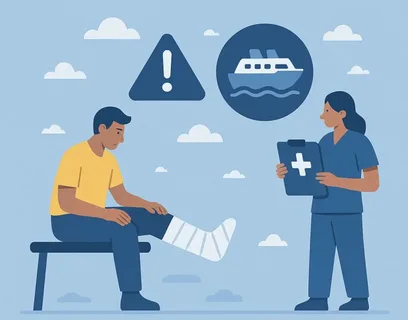
Cruise vacations are marketed as relaxing, luxurious, and worry-free experiences. Millions of passengers board cruise ships every year expecting beautiful ocean views, entertainment, and unforgettable memories. Unfortunately, accidents at sea happen more often than many travelers realize. From slip-and-fall injuries to severe accidents connected to cruise ship wrecks, victims are often left confused about their legal rights. What most people do not know is that cruise ship injury claims are very different from regular personal injury cases on land. Special laws, strict deadlines, and complex jurisdiction rules can make these claims difficult without experienced legal guidance.
Understanding the truth behind cruise ship injury cases can help passengers protect their rights and avoid costly mistakes after an accident.
Cruise Ship Injury Claims
One of the biggest surprises for injured passengers is that cruise ship companies operate under unique maritime laws. These laws differ significantly from the personal injury laws most people are familiar with.
When passengers purchase a cruise ticket, they also agree to the cruise line’s legal terms and conditions. Hidden within the fine print are important rules about where lawsuits can be filed, how long victims have to act, and what compensation may be limited.
Many cruise lines require injury claims to be filed in specific states, even if the passenger lives elsewhere. Some also shorten the legal deadline for filing a claim to as little as one year.
Because of these restrictions, waiting too long to speak with an attorney can seriously damage a victim’s case.
Not Every Cruise Accident Is Considered a “Freak Accident”
Cruise companies often try to portray injuries as unavoidable accidents caused by bad weather, passenger behavior, or unexpected circumstances. However, many accidents happen because of negligence.
Examples include:
- Wet and slippery decks without warning signs
- Poorly maintained stairways and railings
- Inadequate security onboard
- Unsafe excursion activities
- Delayed medical treatment
- Crew member negligence
In some cases involving cruise ship disasters, investigators later discover that cruise operators ignored safety protocols or failed to address known hazards.
Passengers should never assume the cruise company is automatically free from responsibility after an injury.

Evidence Disappears Quickly
Time is extremely important in cruise injury claims. Unlike accidents on land, evidence at sea can disappear quickly.
Security footage may be erased within days. Witnesses often return to different countries after the cruise ends. Hazardous conditions may be repaired immediately after the incident, making it harder to prove negligence later.
This becomes even more complicated in cases involving cruise ship wrecks or large-scale maritime emergencies where multiple victims are involved.
Victims should try to gather as much evidence as possible immediately after the accident, including:
- Photos and videos of the scene
- Names of witnesses
- Medical records from onboard treatment
- Incident reports filed with the cruise line
- Copies of ticket contracts and communications
The earlier an attorney begins investigating, the stronger the potential case may become.
Medical Care on Cruise Ships
Many passengers assume cruise ship medical facilities operate like modern hospitals. In reality, onboard medical centers are often limited in staff, equipment, and emergency capabilities.
While cruise ships usually have doctors or nurses available, serious injuries may require evacuation or treatment at the next port. Delays in care can make injuries worse and sometimes create additional legal issues.
In some situations, cruise lines may even attempt to deny responsibility for medical negligence committed by onboard healthcare providers.
This issue has become especially important following some of the worst cruise ship disasters in recent history, where delayed emergency response created devastating consequences for passengers.
Victims should seek independent medical evaluation as soon as possible after returning home. Proper documentation from outside healthcare providers can play a major role in proving damages.
Powerful Legal Teams
Most cruise companies are backed by large insurance carriers and experienced defense attorneys. Their goal is often to reduce payouts and protect corporate interests.
After an accident, injured passengers may receive quick settlement offers that appear helpful at first. However, accepting an early settlement can prevent victims from recovering additional compensation later if medical complications arise.
Insurance representatives may also ask passengers to provide recorded statements that can later be used against them.
This is why experienced legal representation matters. A knowledgeable maritime injury attorney understands how cruise companies defend these claims and can help victims avoid common traps.
Serious Cruise Ship Wrecks
Over the years, several cruise ship disasters have exposed serious safety failures within the cruise industry. These incidents led to public scrutiny and changes in maritime safety practices.
Some of the worst cruise ship disasters involved:
- Fires onboard vessels
- Mechanical failures
- Ship collisions
- Groundings near coastlines
- Severe weather navigation mistakes
These tragic events revealed how quickly vacations can turn into life-changing emergencies.
Although cruise lines continue improving safety measures, accidents and injuries still occur regularly. Many passengers are unaware that even smaller incidents can create significant physical, emotional, and financial harm.
Understanding the legal process before problems arise can help travelers make informed decisions if something goes wrong during their cruise.
Compensation Include More Than Medical Bills
Another common misconception is that cruise injury claims only cover immediate medical expenses. In reality, victims may be entitled to several forms of compensation depending on the circumstances.
Potential damages may include:
- Emergency medical treatment
- Future healthcare costs
- Lost wages and reduced earning ability
- Pain and suffering
- Emotional distress
- Rehabilitation expenses
- Disability-related costs
In severe cases connected to cruise ship wrecks or catastrophic injuries, compensation may also account for long-term lifestyle changes and permanent impairments.
Every case is different, which is why careful legal evaluation is essential.
Injured Cruise Passengers
Passengers injured on a cruise should take specific steps to protect both their health and their legal rights.
Important actions include:
- Report the incident immediately to ship personnel
- Request a written copy of the incident report
- Take photos and gather witness information
- Seek medical attention right away
- Avoid signing documents without legal review
- Contact an experienced cruise ship injury attorney quickly
Even seemingly minor injuries can become serious over time. Early action often makes a major difference in the outcome of a claim.
Final Thoughts
Cruise vacations may feel carefree, but injuries at sea involve complex legal challenges that many passengers never expect. From strict filing deadlines to hidden ticket contract terms, cruise ship injury claims are far more complicated than ordinary accident cases.
Whether the incident involves a simple slip-and-fall or a major event connected to cruise ship disasters, victims deserve to understand their rights and legal options.
The truth is that cruise lines are prepared to defend themselves immediately after accidents occur. Passengers should be equally prepared to protect their future.
Working with an experienced maritime injury attorney can help victims navigate the complicated legal process, preserve crucial evidence, and pursue the compensation they may deserve after serious cruise ship wrecks or onboard injuries.
Author



When investing in mutual funds or engaging in other financial transactions, it is crucial to understand certain provisions of the Indian Income Tax Act. One key regulation to be aware of is Section 269ST of Income Tax Act. This section was introduced to curb black money transactions by restricting cash payments over a specified limit. Alongside this, Section 56 of Income Tax Act plays a critical role in addressing unexplained receipts and gifts, further tightening the regulatory framework around asset transfers. Knowing how to navigate these laws correctly can save you from unnecessary penalties and legal complications.
Section 269ST of Income Tax Act
269st of income tax act prohibits any person from receiving an amount of two lakh rupees or more in cash from a single person on a single day or in respect of a single transaction or transactions relating to one event or occasion. The objective here is simple: discouraging the use of large cash payments to prevent money laundering and black money circulation.
If you, or a business you deal with, receive cash payments exceeding this limit, the income tax department may levy a penalty equal to the entire amount received in cash. This penalty can be quite severe, especially for high-value transactions. Consequently, it becomes vital for mutual fund investors and others to avoid cash transactions above this threshold.
Section 269ST matters to mutual fund investors
Mutual funds are typically purchased through non-cash modes like digital payments, cheque, or direct bank transfers. However, some investors may still be tempted to make large payments in cash, perhaps due to convenience or lack of awareness. This poses a risk.
For example, if you decide to invest ₹3 lakh in a mutual fund using cash, this goes against Section 269ST’s provisions. The mutual fund house receiving the cash could be liable for a penalty. The investor may also face scrutiny under related provisions, especially if the source of the cash is not transparent.
Mutual funds, being regulated financial products, urge investors to use authorized payment methods, which inherently align with compliance. When you pay via digital methods, banks and financial institutions automatically generate a paper trail, supporting tax compliance.
Cash transactions to avoid under Section 269ST
Under Section 269ST, these types of cash payments are restricted:
– Payments exceeding Rs. 2 lakh in cash for a single transaction
– Receiving aggregate cash exceeding Rs. 2 lakh in a single day from one person
– Cash related to one event or occasion that cumulatively passes the Rs. 2 lakh threshold
For instance, if you receive Rs. 1.5 lakh in cash on one day and then Rs. 1 lakh the next day for the same event, it may attract penalties because the law also focuses on events or occasions, not just strict daily limits.
In the context of mutual funds, avoid:
– Paying subscription amounts in cash that exceed Rs. 2 lakh
– Transferring large sums in cash to mutual fund agents or distributors
– Accepting cash redemption proceeds exceeding Rs. 2 lakh
Always use bank transfers, demand drafts, or cheques to make these payments.

Consequences of violating Section 269ST
If cash transactions violate Section 269ST, the income tax department can impose a penalty equal to the entire amount received in cash. This amount is non-negotiable and is imposed in addition to regular income tax procedures.
Following the penalty, the taxpayer’s bank accounts may also be subjected to scrutiny, and the transaction history could be audited. This can cause delays and complications in your financial dealings.
In contrast, legal payments via digital modes are traceable and pose no risk of Section 269ST penalties. Being mindful about payment modes can prevent such penalties altogether.
Section 56 of income tax act in mutual fund transactions
While Section 269ST restricts cash transactions, Section 56 of the Income Tax Act addresses unexplained receipts and gifts. Under this section, any sum of money received without consideration exceeding Rs. 50,000 or any property received without adequate consideration can be taxed as income from other sources.
Why is this important for mutual fund investors?
Suppose you receive mutual fund units or cash as a gift or from an unrelated party. If the value exceeds Rs. 50,000 and there is no clear source or consideration, Section 56 could apply. This section is a secondary compliance point often linked with checking for unaccounted money.
Therefore, if you avoid cash payments under Section 269ST but accept large gifts or unexplained receipts related to your mutual fund investments, the tax department could still examine you under Section 56.
Avoid penalties under Section 269ST
Choose digital or cheque payments
To avoid penalties, always make mutual fund investments through bank transfers, digital wallets approved by the regulator, or cheques. These methods create transparent transaction records and comply fully with Section 269ST.
Split large cash payments into smaller amounts with caution
Some believe breaking down payments into smaller sums below Rs. 2 lakh may help. However, this can attract suspicion if it appears to be a deliberate attempt to evade Section 269ST. It’s best to avoid cash payments altogether for high-value transactions.
Maintain proper documentation
Always maintain and submit evidence of your payments. Bank statements, receipts from mutual fund houses, or confirmations of online transactions act as proof, reducing chances of penalties.
Be aware of the source of funds
The income tax department may verify the origin of large sums. If your cash source is legitimate and documented, you are less likely to face trouble even if minor discrepancies occur.
Avoid accepting large cash gifts related to mutual funds
If you receive large sums as gifts linked with your mutual fund investments, ensure the sender declares them and files appropriate tax returns. This reduces risks under Section 56 of the Income Tax Act.
Conclusion
Section 269ST of Income Tax Act imposes strict limits on cash payments exceeding Rs. 2 lakh to prevent black money circulation. Mutual fund investors must avoid making or accepting such large cash payments to steer clear of penalties.
Section 56 of Income Tax Act complements this by taxing unexplained gifts or receipts exceeding Rs. 50,000, ensuring transparency and authenticity in financial flows.
By choosing non-cash payment methods, maintaining proper documentation, and being transparent in your mutual fund dealings, you can avoid penalties and maintain a clean financial record.
Author



Why Civil Engineering Is Critical in Modern Substation Design

Carsicko Streetwear Guide: Hoodies, Joggers & Tracksuits

Complete Guide to Sarasota Roof & Exterior Cleaning Services

Best Gazebo Tents for Sale for Camping and Outdoor Events

Why Sports Betting Scripts Are Dominating iGaming Growth

10 Questions to Ask Before Booking Seattle Black Car Service

How Tool Geometry Impacts Surface Finish in CNC Milling

Top Reasons to Hire Civil Litigation Lawyers in Toronto

Celebrity-Inspired Kaftan Sets for Women to Elevate Style

Private Limited Company Compliance Guide for India 2026

Cybersecurity Consulting Company SequelNet Provides Critical IT Support Services to Medical Billing Firm, Medical Optimum

Team Communication Software Transforms Operations at Finance Innovate

Project Management Tool Transforms Long Island Business

How Alleviate Poverty Utilized IPPBX’s All-in-One Solution to Transform Lives in New York City

Breast Cancer: The Imperative Role of Mammograms in Screening and Early Detection

Unstoppable Collaboration: D.C.’s Citi Open and Silicon Valley Classic Unite to Propel Women’s Tennis to New Heights

Embracing Renewal: Sizdabedar Celebrations Unite Iranians in New York’s Eisenhower Park

The Benefits of Starting a Side Hustle for Financial Freedom

New Blood Donation Screening Questions What You Need to Know

Stylishly Timeless: The 5 Types of Sandals You Need in Your Closet
-

 Business3 years ago
Cybersecurity Consulting Company SequelNet Provides Critical IT Support Services to Medical Billing Firm, Medical Optimum
-
Business3 years ago
Team Communication Software Transforms Operations at Finance Innovate
-
Business3 years ago
Project Management Tool Transforms Long Island Business
-
Business3 years ago
How Alleviate Poverty Utilized IPPBX’s All-in-One Solution to Transform Lives in New York City
-
health3 years ago
Breast Cancer: The Imperative Role of Mammograms in Screening and Early Detection
-
Sports3 years ago
Unstoppable Collaboration: D.C.’s Citi Open and Silicon Valley Classic Unite to Propel Women’s Tennis to New Heights
-
Art /Entertainment3 years ago
Embracing Renewal: Sizdabedar Celebrations Unite Iranians in New York’s Eisenhower Park
-
Finance3 years ago
The Benefits of Starting a Side Hustle for Financial Freedom







