

Connect with us

Business

Manufacturing Models: OEM, ODM, and Contract Manufacturing

Published

on

Manufacturing Models

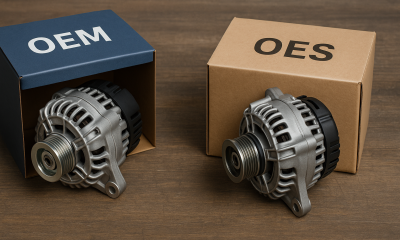
In the dynamic world of manufacturing, three production models frequently come up for discussion: Original Equipment Manufacturing (OEM), Original Design Manufacturing (ODM), and contract manufacturing.

While these terms may appear interchangeable, each represents a distinct approach to production, ownership, risk, and long-term brand value. Understanding the differences between these models is crucial for businesses as they navigate their growth, protect intellectual property, and manage complex supply chains.

Manufacturing Models

The Significance of Production Models Today

As market demands evolve rapidly, with shrinking product lifecycles and rising customer expectations for quality and consistency, the choice of production model takes on greater importance. The model you adopt influences everything from pricing strategies to the speed of innovation.

OEM: Mastering Design Ownership

Original Equipment Manufacturing comes into play when a brand has a clear vision of what it wants to produce. This includes detailed product concepts, technical drawings, material specifications, and performance standards—all laid out by the brand itself. The actual manufacturing is entrusted to a specialized partner, equipped with the resources and expertise to turn that vision into reality.

This model suits businesses that view design and engineering as core competencies. Industries such as automotive, industrial equipment, and high-end homeware typically operate under an OEM framework. In this scenario, the manufacturer’s role is primarily execution—tooling, fabrication, assembly, and quality control—without influencing the product’s identity.

Advertisement

Long-term relationships characterize OEM partnerships. Once a manufacturer is embedded within a brand’s production ecosystem, changing partners becomes a complex and costly endeavor. This commitment pays off with consistent quality control, especially critical for products requiring high precision or strict compliance.

However, with this control comes responsibility. If issues arise in the market, accountability primarily falls on the brand’s design decisions, not on manufacturing errors. OEM works best when internal teams are confident in their engineering capabilities and market insights.

ODM: Efficiency and Speed

Original Design Manufacturing shifts the paradigm by allowing manufacturers to offer ready-made or semi-custom designs. Brands can select and modify these products rather than starting from scratch. This approach is ideal for companies that prioritize speed to market, as it significantly reduces the time and resources required for product development.

Commonly used in consumer electronics, small appliances, and private-label products, the ODM model facilitates quicker market entry. The heavy lifting—industrial design, prototyping, and material selection—has already been handled by the manufacturer.

While ODM offers the advantage of speed, it can compromise exclusivity. The same core design might be available in various markets with only minor cosmetic differences. For brands looking for differentiation through storytelling or pricing rather than technical novelty, this trade-off is frequently manageable.

Advertisement

Control in ODM is shared but not fully relinquished. Reliable ODM partners provide avenues for modifications and customization, yet the primary intellectual property usually remains with the manufacturer. This reality can impact long-term strategies, particularly if a product line becomes a significant revenue source.

Contract Manufacturing: Flexibility Without Ownership

Contract manufacturing is another distinct model where the brand retains complete ownership of design and intellectual property. In this case, the manufacturer focuses solely on production tasks, which can also encompass procurement, assembly, and logistics.

This model is prevalent in sectors like pharmaceuticals, fast-moving consumer goods (FMCG), electronics assembly, and food processing. It serves well for companies looking for manufacturing flexibility without investing heavily in facilities, labor, or equipment.

Unlike OEM, contract manufacturing doesn’t involve collaborative design. Instead, manufacturers strictly follow the brand’s specifications, often under confidentiality agreements and compliance protocols. This relationship can be either short-term or seasonal, depending on demand.

The chief advantage here is scalability. Production can increase or decrease in response to market demands without incurring fixed overhead costs. However, coordination becomes essential; any changes in design require careful communication to avoid delays or inconsistencies.

Advertisement

Evaluating Control, Cost, and Complexity

At a strategic level, the critical differences between these models revolve around three main areas: control, cost structure, and operational complexity.

  • Control: OEM provides maximum control over product design but requires more substantial investments in internal design and validation processes. ODM lowers development efforts but may limit exclusivity. Contract manufacturing reduces capital risks while increasing reliance on thorough documentation and process adherence.
  • Cost Structure: Cost comparisons can be complex. While ODM might seem more affordable upfront, margins can dwindle without differentiation. OEM may yield greater long-term value if production volumes justify initial investments. Although contract manufacturing appears cost-effective for variable demand, it can result in higher per-unit expenses as scale increases.
  • Complexity: Each model brings its own complexities. OEM relationships necessitate extensive technical collaboration; ODM partnerships require trust regarding design ownership, while contract manufacturing relies on precise process management and quality assurance.

Choosing the Right Model for Your Business

Early-stage brands often lean towards ODM or contract manufacturing due to limited resources and the urgency for market entry. As products gain traction, many businesses reevaluate their approaches and shift towards OEM models to regain control.

Established organizations often utilize a mix of these models across their product lines. Flagship products may follow OEM pathways, whereas accessories or seasonal items might leverage ODM or contract partnerships. This hybrid approach balances the need for innovation with operational efficiency.

Industry context is also a crucial factor in model selection. Regulated sectors often favor OEM or tightly controlled contract manufacturing to adhere to compliance standards, while lifestyle and consumer goods brands may gravitate towards ODM for its flexibility and speed.

The Indian Manufacturing Landscape

In India, the significance of these models has increased as the push for domestic manufacturing gains momentum. Improving technical capabilities have bolstered Indian OEM partners across sectors like stainless steel, mobility components, and industrial equipment.

Indian manufacturers now frequently offer hybrid OEM-plus capabilities—combining engineering support and material innovation without fully entering the ODM territory. This middle-ground approach appeals to global brands seeking both reliability and cost efficiency while retaining design ownership.

Advertisement

Contract manufacturing has also matured in India, aided by improvements in compliance systems and export-oriented infrastructure. For international brands, this evolution presents opportunities for scalable production with reduced risks.

Long-Term Implications of Your Production Model Choice

The production model you choose today will influence your options in the future. It can affect supply chain resilience, negotiation power, and even how your brand is perceived in the market. While customers may never see the production facility, they will certainly feel the impact of your choices in product consistency and performance.

Shifts between these models are feasible, but rarely straightforward. Transitioning from ODM to OEM involves rebuilding design capabilities, while moving from contract manufacturing to OEM requires tighter technical integration. These shifts should be strategic, not merely reactive responses to market pressures.

Making the Choice with Clarity

No single production model is superior in every situation. The right choice aligns with your business’s maturity, market aspirations, and internal strengths. Successful companies view production models as strategic frameworks rather than mere procurement choices.

Clear understanding of ownership, accountability, and long-term objectives prevents costly misalignments. Whether you’re partnering for design execution, acceleration, or pure production capacity, the most fruitful relationships are grounded in transparency and shared expectations.

Advertisement

In manufacturing, the seemingly quiet decisions often yield the loudest consequences. OEM, ODM, and contract manufacturing are not just operational methods; they reflect how a business envisions its future. Understanding and carefully selecting among these models can empower companies to thrive in an increasingly competitive landscape.

Author

Continue Reading
Advertisement

Business

Fractional CMO: Strategic Marketing Leadership On-Demand

Published

on

Fractional CMO

As markets become more competitive and customer journeys more complex, marketing has evolved into a strategic growth function rather than a support role. Yet many businesses struggle to manage marketing effectively. Campaigns are launched, tools are purchased, agencies are hired—but results remain inconsistent. The problem is rarely effort. More often, it’s the absence of senior leadership.

This is where a Fractional CMO provides significant value. A Fractional Chief Marketing Officer delivers experienced, executive-level marketing leadership on a part-time or contract basis, helping businesses build clarity, alignment, and measurable growth—without the cost or commitment of a full-time CMO.

Fractional CMO

What Is a Fractional CMO?

A Fractional CMO is an experienced marketing executive who integrates into your leadership team and takes ownership of marketing strategy and performance. Unlike consultants who provide short-term advice or agencies that focus on execution, a Fractional CMO is accountable for outcomes.

They are responsible for aligning marketing with business objectives, prioritizing initiatives, managing resources, and ensuring every marketing effort contributes to growth.

This role is especially valuable for companies that are growing, restructuring, or scaling but are not yet ready—or do not need—a full-time CMO.

Advertisement

Why Marketing Without Leadership Breaks Down

Many organizations invest heavily in marketing but fail to see meaningful ROI. Common issues include:

  • Marketing activity without a clear strategy
  • Inconsistent brand messaging across channels
  • Poor lead quality and low conversion rates
  • Misalignment between sales and marketing teams
  • Lack of performance tracking and accountability

Without senior leadership, marketing becomes reactive rather than strategic. A Fractional CMO brings structure, focus, and long-term thinking to solve these challenges.

Core Responsibilities of a Fractional CMO

A Fractional CMO oversees the full marketing function, ensuring alignment from strategy to execution. Key responsibilities typically include:

  • Developing a comprehensive marketing strategy and roadmap
  • Defining ideal customer profiles and market positioning
  • Establishing brand voice, messaging, and value propositions
  • Building demand generation and lead nurturing systems
  • Aligning marketing efforts with sales goals and pipelines
  • Managing internal teams, agencies, and vendors
  • Setting KPIs, dashboards, and performance metrics
  • Optimizing marketing budgets for maximum ROI

By overseeing both strategy and execution, a Fractional CMO ensures marketing efforts are cohesive, measurable, and scalable.

Key Benefits of Hiring a Fractional CMO

1. Executive Expertise at a Fraction of the Cost

Hiring a full-time CMO is a major investment. A Fractional CMO provides the same strategic leadership without long-term salary, benefits, or equity commitments.

2. Faster Strategic Clarity

With experience across industries and growth stages, Fractional CMOs quickly identify gaps, opportunities, and priorities—eliminating trial and error.

3. Improved Marketing ROI

A Fractional CMO focuses on efficiency and performance, ensuring marketing spend is allocated to initiatives that drive revenue.

Advertisement

4. Stronger Team Direction and Accountability

Marketing teams perform better with clear leadership. A fractional CMO defines roles, sets expectations, and builds accountability.

5. Scalable, Repeatable Growth Systems

Rather than relying on one-off campaigns, Fractional CMOs build systems and processes that support long-term growth.

When Should a Business Hire a Fractional CMO?

A Fractional CMO is an ideal solution when:

  • Marketing feels busy but ineffective
  • Revenue growth has plateaued
  • You’re preparing to scale or enter new markets
  • You possess a marketing team, but lack senior leadership
  • You’re overspending without clear ROI
  • You need strategy before increasing marketing investment

If your business is asking “What should we focus on next?” a CMO can provide the answer.

Fractional CMO vs Full-Time CMO

While both roles provide executive leadership, the difference lies in flexibility and cost. A full-time CMO is best suited for large or enterprise organizations with complex, mature marketing operations.

A Fractional CMO, on the other hand, is ideal for small to mid-sized businesses that need leadership, strategy, and accountability—but not at a full-time scale. This model allows companies to access top-tier expertise while remaining agile and cost-efficient.

Advertisement

Long-Term Impact of a Fractional CMO

The true value of a Fractional CMO extends beyond immediate improvements and thus, They help businesses:

  • Build internal marketing capabilities
  • Create clarity around positioning and messaging
  • Establish performance-driven cultures
  • Align marketing with overall business strategy
  • Lay the foundation for sustainable growth

Over time, marketing becomes a predictable, scalable function rather than a series of disconnected tactics.

Partner With an Experienced Fractional CMO

At Bee Collaborative LLC, we provide Fractional CMO services designed to help businesses gain clarity, focus, and momentum. Our approach combines executive-level strategy with hands-on leadership, ensuring marketing supports revenue growth and long-term success.

Final Thoughts

A CMO is not a temporary fix—it’s a strategic advantage. For businesses that want senior marketing leadership without executive overhead, this model delivers clarity, accountability, and results.

By turning marketing into a disciplined growth engine, a Fractional CMO helps businesses scale smarter, spend wisely, and compete with confidence. By turning marketing into a disciplined growth engine, a Fractional CMO helps businesses scale smarter, spend wisely, and compete with confidence.

Author

Advertisement
Continue Reading

Business

Business Agility with Professional Odoo Development Services

Published

on

Odoo Development Services

Modern businesses operate in an environment where operational agility, system interoperability, and long-term scalability are no longer optional. As organizations grow, their processes evolve faster than off-the-shelf software can adapt. This is where Odoo Development Services play a critical role. Rather than forcing businesses to adjust their workflows to rigid ERP structures, professional development services allow Odoo to evolve alongside business needs, ensuring alignment between technology and strategy from the very beginning.

Unlike generic ERP adoption, professional Odoo implementation focuses on adaptability, architectural foresight, and system longevity. Businesses today are not merely purchasing software; they are investing in platforms that must sustain growth, complexity, and continuous change.
Odoo Development Services

Moving Beyond Standard ERP Adoption

Once the initial ERP setup is complete, many organizations realize that default configurations only solve surface-level problems. As operations mature, the demand for deeper customization, automation, and data intelligence increases. This is why businesses increasingly rely on Odoo Development Services after the first phase of implementation.

Professional development ensures that ERP systems are not treated as static tools but as dynamic ecosystems. It allows companies to refine workflows, extend module capabilities, and integrate Odoo seamlessly with external platforms. More importantly, it eliminates the inefficiencies that arise when teams rely on manual workarounds or disconnected systems.

At this stage, organizations begin to see Odoo not just as an ERP but as a backbone for operational decision-making.

Advertisement

Customization That Reflects Real Business Logic

After the second phase of ERP maturity, companies often encounter limitations with generic modules. This is where advanced customization becomes essential. Professional teams work closely with stakeholders to translate real-world business logic into scalable system functionality using custom Odoo modules, tailored workflows, and domain-specific automation.

Rather than altering internal processes to fit predefined software rules, businesses can align the platform with existing operational frameworks. This level of adaptability is particularly valuable for organizations with complex approval hierarchies, multi-department dependencies, or industry-specific compliance requirements.

Custom development also ensures that future changes do not require rebuilding the system from scratch. Instead, enhancements are layered logically, preserving architectural stability while enabling continuous evolution.

Scalability as a Strategic Advantage

One of the most underestimated reasons businesses choose professional Odoo development is scalability planning. Many ERP challenges emerge not during implementation but during growth. Increased transaction volume, multi-company expansion, and geographically distributed teams introduce system stress that poorly planned ERP structures cannot handle.

Professional development services address scalability at both technical and functional levels. This includes database optimization, modular architecture planning, and performance tuning to ensure consistent responsiveness as data volume grows. It also involves structuring user roles, permissions, and workflows to support organizational expansion without operational friction.

Advertisement

Scalability, when planned correctly, becomes a strategic advantage rather than a reactive challenge.

Seamless Integration Across the Digital Ecosystem

Modern enterprises rely on a diverse technology stack that includes CRM systems, payment gateways, logistics platforms, analytics tools, and third-party marketplaces. Without professional integration, ERP systems often become isolated data silos.

Expert Odoo development enables API-driven integration that allows real-time data synchronization across platforms. This ensures operational transparency, reduces data duplication, and improves decision accuracy. Businesses benefit from unified dashboards, automated data flows, and reduced dependency on manual reconciliation processes.

Integration-focused development also future-proofs the system, making it easier to adopt new tools without disrupting existing workflows.

Data Integrity, Security, and Compliance

As ERP systems become central repositories of sensitive business data, security and compliance gain paramount importance. Professional development teams prioritize data integrity through structured access controls, secure authentication mechanisms, and audit-ready system configurations.

Advertisement

Custom security layers ensure that users only access relevant data, reducing the risk of internal data exposure. Additionally, development best practices help organizations meet regulatory requirements by embedding compliance checks directly into workflows rather than relying on manual oversight.

This proactive approach to security transforms the ERP from a risk point into a compliance enabler.

Reduced Long-Term Operational Costs

While professional development may appear cost-intensive initially, businesses often realize significant long-term savings. Poorly structured ERP systems lead to hidden costs in the form of manual labor, system downtime, frequent rework, and delayed decision-making.

By investing in optimized workflows, automation, and performance efficiency, organizations reduce operational friction. Tasks that once required multiple touchpoints can be executed automatically, freeing teams to focus on strategic initiatives rather than administrative overhead.

Over time, the return on investment becomes evident through improved productivity, reduced errors, and faster operational cycles.

Advertisement

Future-Proofing Through Modular Architecture

One of the strongest arguments for professional Odoo development lies in future readiness. Business requirements rarely remain static. Market dynamics, customer expectations, and regulatory landscapes continuously evolve. Professional development ensures that ERP architecture is modular and extensible.

Additional features can be incorporated without interfering with current functionality. Legacy components can be upgraded incrementally rather than replaced entirely. This modularity protects businesses from technology obsolescence and allows them to adapt quickly to change.

Future-proof systems are not defined by the features they offer today but by their ability to evolve tomorrow.

Strategic Decision Support Through Advanced Reporting

Data alone does not drive decisions; insights do. Professional development services enable advanced reporting mechanisms that align analytics with business objectives. Customized dashboards, real-time performance indicators, and predictive reporting help leadership teams make informed decisions faster.

Rather than relying on generic reports, businesses gain access to contextual data views that reflect operational priorities. This enhances strategic planning, risk assessment, and performance optimization across departments.

Stability, Support, and Continuous Improvement

ERP systems are long-term investments that require ongoing refinement. Professional development partnerships ensure access to structured support, version upgrades, and continuous improvement cycles. Instead of reacting to system issues, businesses adopt a proactive approach to optimization.

Advertisement

This stability allows internal teams to focus on core operations while development experts handle technical evolution. Over time, this collaborative model strengthens system reliability and organizational confidence in the ERP platform.

Conclusion

Businesses choose professional Odoo development not simply to customize software but to build resilient operational foundations. From scalability and integration to security and strategic analytics, professional development transforms Odoo into a living system that grows with the organization.

In an era where adaptability defines competitiveness, investing in expert-led ERP development is not a technical decision—it is a strategic one. Organizations that recognize this early position themselves for sustainable growth, operational excellence, and long-term digital resilience.

Author

Continue Reading

Business

Elevating Real Estate Success with Modern Support Solutions

Published

on

Real Estate

The real estate industry has evolved rapidly over the past decade. Digital platforms, online listings, and instant communication have transformed how buyers and sellers interact with agents. While these changes have created more opportunities, they have also increased competition and workload. To stay ahead, real estate professionals need more than just market knowledge. They need modern support solutions that help them scale operations, manage leads efficiently, and focus on revenue-generating activities.

Growth in real estate is no longer driven solely by long hours and manual effort. It is built on systems, processes, and reliable support that keep businesses running smoothly every day.

Real Estate

The Growing Complexity of Real Estate Operations

Real estate professionals today manage far more than property showings and negotiations. Daily responsibilities include lead generation, follow-ups, appointment scheduling, CRM updates, marketing coordination, and client communication. As business grows, these tasks multiply quickly.

Without structured support, agents often find themselves overwhelmed. Important leads may fall through the cracks, follow-ups get delayed, and growth becomes inconsistent. Modern support solutions address these challenges by streamlining operations and reducing unnecessary pressure on agents.

Why Traditional Methods Are No Longer Enough

Many agents still rely on outdated workflows, manual tracking, and inconsistent outreach. While these methods may work initially, they become inefficient as lead volume increases. Growth demands repeatable systems that function reliably regardless of workload.

Advertisement

Modern support solutions introduce consistency into daily operations. They ensure that lead generation, follow-ups, and data management continue uninterrupted, even during peak business periods.

Building Scalable Lead Generation Systems

Lead generation is the foundation of real estate growth. Without a steady flow of new prospects, even the best agents struggle to maintain momentum. Modern support focuses on building scalable lead generation systems that operate continuously.

One effective approach is structured outbound outreach. A cold calling virtual assistant can manage consistent daily calling, qualify prospects, and book appointments without disrupting the agent’s schedule.

This ensures that new opportunities are entering the pipeline regularly, creating predictable growth.

The Importance of Consistent Follow-Ups

Most real estate leads do not convert immediately. Buyers and sellers often take weeks or months before making decisions. Consistent follow-ups keep agents top of mind and significantly increase conversion rates.

Advertisement

Modern support systems automate reminders, organize communication schedules, and ensure that no lead is forgotten. This consistency builds trust and strengthens long-term relationships.

Organizing Leads for Better Conversion

Disorganized lead data is one of the biggest obstacles to growth. When information is scattered across spreadsheets, emails, and notes, agents lose visibility into their pipeline.

Modern support solutions prioritize structured lead organization. Clean CRM systems, updated records, and clear status tracking allow agents to focus on high-intent prospects and allocate time efficiently.

Reducing Administrative Overload

Administrative work consumes a significant portion of an agent’s day. Tasks like data entry, appointment coordination, and report preparation take time away from client interactions.

A real estate virtual assistant handles these backend responsibilities, keeping operations smooth and organized. This support allows agents to focus on negotiations, client meetings, and closing deals.

Advertisement

Enhancing Appointment Management

Appointments are a critical stage in the sales process. Missed or poorly managed appointments disrupt momentum and waste valuable time.

Modern support solutions improve appointment management through confirmations, reminders, and scheduling coordination. This reduces no-shows and improves overall efficiency.

Improving Client Communication Standards

Professional communication builds credibility. Consistent messaging, timely responses, and clear follow-ups create a positive client experience.

Support systems ensure communication standards remain high even as business volume increases. This consistency strengthens brand reputation and encourages referrals.

Leveraging Technology With Human Support

Technology alone is not enough. While automation tools streamline tasks, human support adds judgment, personalization, and adaptability.

Advertisement

Modern support solutions combine technology with skilled professionals who understand real estate workflows. This balance creates flexible systems that adapt to changing market conditions.

Creating Predictable Revenue Streams

Inconsistent income is a common challenge in real estate. Predictable revenue comes from predictable processes.

By maintaining consistent lead generation, structured follow-ups, and organized pipelines, agents can forecast income more accurately and plan business growth strategically.

Supporting Team Expansion

As real estate teams grow, coordination becomes more complex. Without proper support, growth can lead to inefficiencies and communication gaps.

Modern support solutions scale alongside teams. Standardized processes and dedicated roles ensure consistency across multiple agents and markets.

Advertisement

Reducing Burnout and Improving Work-Life Balance

Long hours and constant pressure often lead to burnout in real estate. Support systems help distribute workload and reduce stress.

When agents focus on high-value activities instead of repetitive tasks, productivity increases without sacrificing personal well-being.

Strengthening Client Trust Through Reliability

Clients value reliability. When agents respond promptly, follow up consistently, and maintain professionalism, trust grows naturally.

Modern support solutions ensure that these standards are maintained even during busy periods, reinforcing client confidence.

Using Data to Optimize Performance

Tracking performance metrics provides insight into what works and what needs improvement. Data-driven decisions lead to smarter strategies and better results.

Advertisement

Support systems help collect and organize this data, enabling agents to refine their approach over time.

Adapting to Market Changes With Flexibility

Real estate markets shift frequently. Successful agents adapt quickly by adjusting messaging, targeting, and outreach strategies.

Modern support solutions provide the flexibility needed to respond to market changes without disrupting operations.

Long-Term Growth Through Structured Support

Growth isn’t about putting in more effort; it’s about finding smarter ways to work. Structured support creates a foundation for sustainable success.

Agents who invest in modern support solutions build resilient businesses that thrive even in competitive environments.

Conclusion

Modern support solutions are no longer optional for real estate growth. They are essential tools for managing complexity, scaling operations, and maintaining consistency. By combining structured systems, reliable assistance, and proactive strategies, real estate professionals can achieve predictable growth and long-term success. The future of real estate belongs to those who build smart, supported, and scalable businesses.

Advertisement

Author

Continue Reading

Readers like you help support Contrank. When you make a purchase using links on our site, we may earn an affiliate commission. Read More.

Advertisement

Trending

Disclaimer:
This blogging site is operated as part of PAEA Foundation Inc. (www.paeafoundation.org), a registered nonprofit organization. All content published here is contributed voluntarily by a global community of over 1,000 writers and content creators who support our mission to foster open knowledge, creativity, and community learning. The views expressed in each post are those of the respective authors and do not necessarily reflect the views of the PAEA Foundation. We do not accept payment for publishing articles and do not engage in commercial content promotion. Our platform is maintained for educational and nonprofit purposes in line with our mission. For inquiries about our nonprofit status or use of this platform under nonprofit licensing (e.g., WHM), please contact us.
Copyright ©2025. Contrank