
Cars
Luxury Car Seats: The Pinnacle of Comfort and Engineering

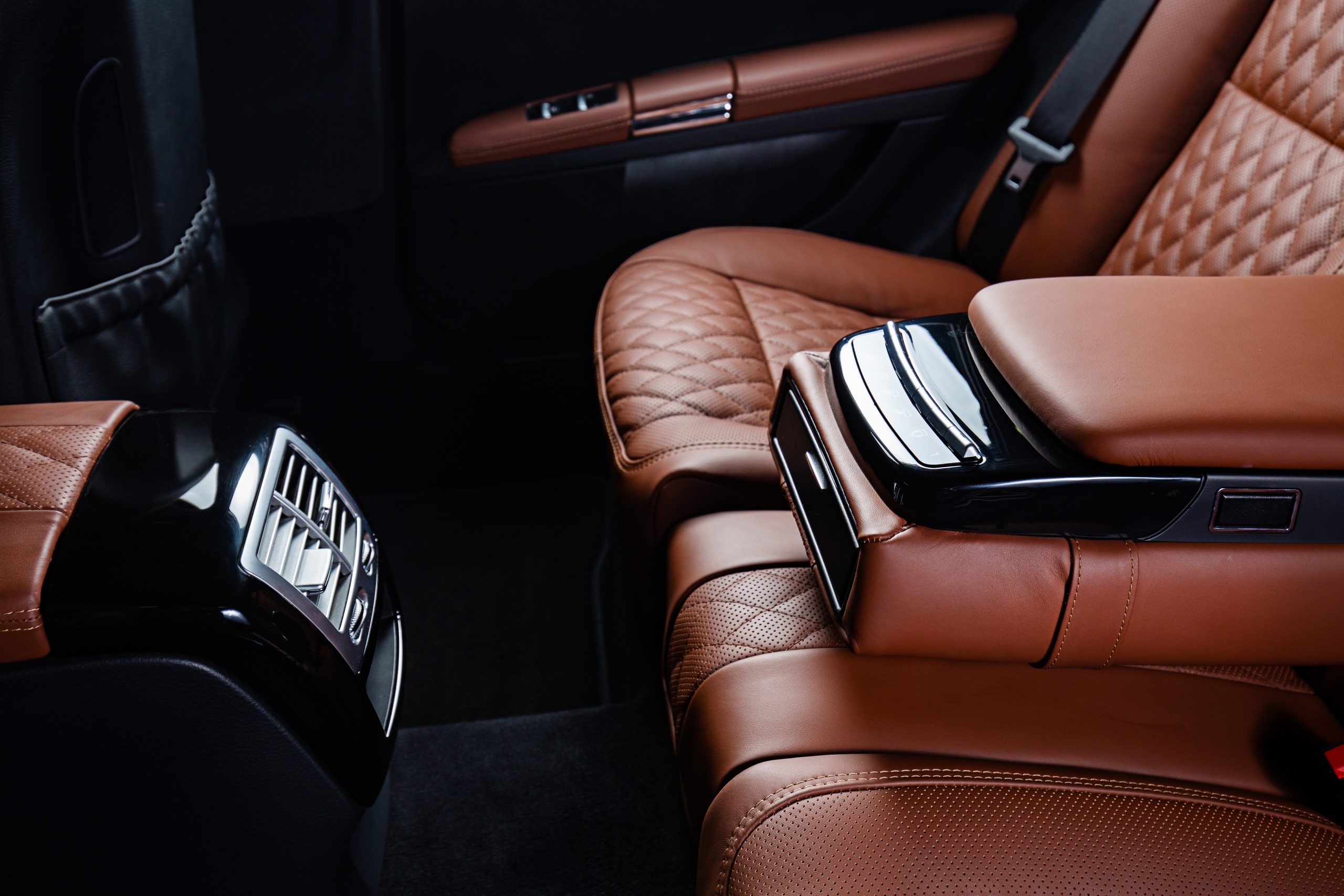
Seats play a defining role in every luxury car. They shape the driving experience, influence posture, and determine long-term comfort. While engines provide motion and materials define appearance, seats create the most direct connection between the vehicle and its occupants. For this reason, luxury car manufacturers treat seat design as a blend of science, craftsmanship, and advanced engineering.
Unlike standard automotive seating, luxury car seats focus on ergonomics, adaptability, and sensory comfort. Every curve, stitch, and mechanism serves a purpose. This article explores how luxury car seats are formed, how they work, and why they represent one of the most complex components in premium vehicles.
The Formation of Luxury Car Seats
The formation of a luxury car seat begins at the design stage. Engineers first analyze human anatomy, driving posture, and pressure distribution. They then translate these findings into seat geometry.
Manufacturers build seat frames using high-strength steel or lightweight aluminum. These materials provide rigidity while allowing controlled flexibility. Once the frame is complete, engineers add foam layers with varying densities. Firmer foam supports posture, while softer foam enhances comfort.
Brands such as Mercedes-Benz invest years in seat research. Their development process ensures that seats remain supportive during long journeys without causing fatigue.


Advanced Engineering Behind Seat Structure
Luxury car seat engineering goes far beyond cushioning. Engineers design multi-layered structures that adapt to body movement. These structures absorb road vibrations while maintaining stability.
Many luxury seats include reinforced side bolsters. These bolsters hold occupants securely during cornering. At the same time, they remain unobtrusive during relaxed driving.
In vehicles like the BMW 7 Series, seat engineering balances firmness and softness. This balance allows the seat to respond dynamically to both driver input and road conditions.
How Luxury Car Seats Work
Luxury car seats rely on mechanical, electrical, and software systems working together. Electric motors control adjustments such as height, tilt, lumbar support, and headrest position. Memory systems store personalized seating preferences.
Sensors embedded within the seat detect body position and movement. Based on this data, the seat adapts support levels automatically. This responsiveness improves comfort during extended drives.
Additionally, advanced suspension seats isolate occupants from road imperfections. As a result, passengers experience smoother rides, even on uneven surfaces.
Performance Contribution of Luxury Seats
Seat performance directly affects driving precision. Proper seating position improves steering control, braking response, and overall safety.
Luxury car seats keep the driver stable during acceleration and cornering. This stability reduces muscle strain and enhances focus. In high-end sedans and grand tourers, seats also contribute to passenger comfort at higher speeds.
For example, the Audi A8 integrates performance-oriented seat contours with comfort-focused padding. This approach supports both dynamic driving and relaxed travel.
Materials Used in Luxury Car Seats
Material selection defines the tactile experience of luxury seats. High-quality leather remains the most popular choice. However, manufacturers use different grades and treatments to achieve softness, durability, and breathability.
Some luxury brands also use premium fabrics and microfiber materials. These options offer excellent temperature regulation and wear resistance. Stitching patterns further enhance visual appeal while reinforcing structural integrity.
In ultra-premium vehicles from Rolls-Royce, artisans hand-stitch seats using carefully selected hides. This craftsmanship ensures uniform texture and long-lasting elegance.
Climate Control and Seat Comfort Technology
Modern luxury car seats actively manage temperature. Heating systems warm seats during cold conditions, while ventilation systems circulate air during warm weather.
Ventilated seats use perforated materials and internal fans. These components prevent heat buildup and moisture retention. Consequently, occupants remain comfortable in all climates.
Some models even include massage functions. These systems use air bladders or rollers to stimulate muscles. Over time, massage features reduce fatigue and improve circulation.
Ergonomics and Long-Distance Comfort
Ergonomics represent a core principle in luxury seat design. Engineers shape seats to support the spine’s natural curvature. Adjustable lumbar support ensures proper alignment.
Headrests also receive special attention. Active headrests adjust position during sudden stops to reduce neck strain. This feature enhances safety without compromising comfort.
Luxury car seats allow drivers to maintain a relaxed posture over long distances. This ergonomic advantage differentiates luxury vehicles from conventional cars.
Noise Reduction and Vibration Control
Luxury seats also contribute to cabin quietness. Specialized foam and padding absorb vibrations transmitted from the chassis. This absorption reduces road noise felt through the body.
Seat mounts include isolation elements that separate the seat from the vehicle floor. These elements dampen movement and vibration. As a result, the cabin feels calm even at highway speeds.
This refinement supports the overall luxury driving experience.
Customization and Personalization Options
Customization plays a major role in luxury seating. Buyers can choose seat colors, stitching patterns, and materials. Some brands even offer bespoke embroidery.
Seat configuration options include executive rear seating with extended leg rests and reclining functions. In vehicles like the Lexus LS, rear seats provide near-lounge comfort.
Personalization allows owners to align the interior with their preferences. This exclusivity strengthens emotional connection to the vehicle.
Safety Integration in Luxury Seats
Safety features integrate seamlessly into luxury car seats. Airbags deploy from seat sides to protect occupants during side impacts. Seatbelt pre-tensioners work in coordination with seat sensors.
Child seat anchoring systems blend into the design without affecting aesthetics. Meanwhile, structural reinforcement protects occupants during collisions.
Luxury seats combine safety and comfort without visible compromise.
Sustainability in Seat Design
Sustainability now influences luxury seat production. Manufacturers increasingly use eco-friendly leather processing and recycled materials.
Plant-based foams and vegan leather alternatives reduce environmental impact. These materials meet strict durability standards while supporting sustainability goals.
This shift reflects changing consumer expectations within the luxury car market.
The Future of Luxury Car Seating
Future luxury seats will become more intelligent and adaptive. Artificial intelligence may adjust seating posture in real time based on fatigue levels.
Biometric sensors could monitor heart rate and stress. Seats may then activate massage or climate features automatically.
Despite technological growth, craftsmanship will remain essential. Comfort, elegance, and human-centered design will continue to guide innovation.
Conclusion
Seats represent one of the most important components in a luxury car. From formation and engineering to performance and personalization, luxury seats reflect thoughtful design and advanced technology. They support the body, enhance safety, and elevate comfort across every journey.
As luxury cars evolve, seats will continue to define the driving experience. Through innovation and craftsmanship, they transform travel into a refined and effortless pleasure.
Author


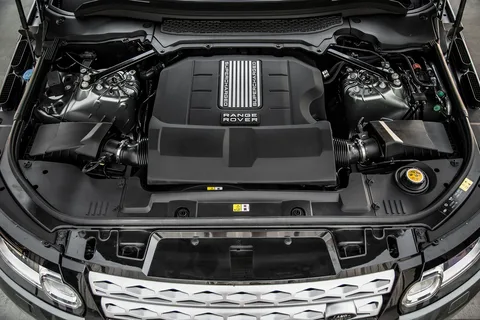
Luxury SUVs have evolved into highly sophisticated machines that combine power, refinement, and off-road capability. Few brands represent this blend better than Range Rover. Known for premium interiors, advanced technology, and exceptional off-road performance, these vehicles rely on complex engineering to deliver their signature driving experience. At the center of this engineering lies the engine, a system designed to balance strength and precision under demanding conditions.
Yet even the most refined luxury vehicles occasionally face mechanical challenges. Over the years, some owners have reported timing chain concerns in certain models. While these issues are not universal, they have sparked discussions among enthusiasts, mechanics, and prospective buyers who want to understand how engine design, maintenance habits, and driving conditions influence long-term reliability. Learning how a Range Rover Engine functions—and why timing chain wear can develop—helps owners protect their investment and maintain the performance expected from one of the world’s most iconic luxury SUVs.
The Role of Precision Engineering in a Range Rover Engine
A modern luxury SUV relies heavily on precise mechanical synchronization. The design of a Range Rover Engine reflects years of engineering refinement aimed at delivering both performance and durability. These engines must handle high torque, long highway journeys, and demanding off-road situations without compromising efficiency or comfort.
Luxury vehicle engineering focuses on balancing performance with reliability. High-performance SUV engines include advanced features such as variable valve timing, turbocharging systems, and electronic engine management systems. Each component must work together seamlessly.
Within this system, the timing chain ensures the camshaft and crankshaft rotate in perfect harmony. When synchronization is correct, the engine operates smoothly and efficiently. If the timing chain begins to stretch or tensioners lose their effectiveness, the engine’s internal timing can shift slightly. Even a minor misalignment can influence performance or trigger warning signals.
Because Range Rover Engines are designed to produce significant power for large vehicles, maintaining precise timing becomes especially important for long-term engine reliability.
Understanding Timing Chain Function in Luxury SUV Engines
Timing chains are often described as the backbone of engine synchronization. Unlike older timing belts that require periodic replacement, chains are usually designed to last much longer. Inside a Range Rover Engine, the timing chain connects rotating components and ensures valves open and close at the correct moment during combustion.
This synchronization directly affects fuel efficiency, engine power, and emissions performance. If the timing chain becomes loose or worn, the delicate balance between air intake, fuel injection, and exhaust release can be disrupted.
Modern luxury car technology makes engines more efficient but also more sensitive to small mechanical changes. A slight variation in timing can cause noticeable performance differences. Drivers may observe reduced power, rough idle behavior, or diagnostic warnings.
Because timing chains operate continuously while the engine runs, they are subject to constant mechanical stress. Over time, wear can develop, especially in engines that experience heavy loads or inconsistent maintenance.
Why Timing Chain Wear Appears in Some Range Rover Engine Designs
Timing chain concerns rarely result from a single cause. Instead, several factors may contribute to wear in a Range Rover Engine. One of the most common reasons involves the tensioning system that keeps the chain properly aligned. If tensioners weaken, the chain may loosen slightly and create irregular movement.
Another factor relates to lubrication quality. Engine oil must circulate efficiently to reduce friction between moving parts. When oil degrades or becomes contaminated, internal components—including the timing chain—experience increased stress.
Engine design also plays a role. Some high-output engines prioritize power and efficiency, which can place additional strain on mechanical parts. This is why discussions around Range Rover Evoque Engine Problems sometimes include references to timing chain noise or tensioner wear after extended mileage.
Despite these concerns, most engines operate reliably for many years. The key factor is how well the vehicle has been maintained and whether early symptoms are addressed quickly.
Warning Signs Owners Should Never Ignore
Timing chain wear typically develops gradually rather than suddenly. Owners may notice subtle changes in engine behavior before serious damage occurs. A common early symptom is a rattling sound during engine startup, especially after the vehicle has been parked overnight.
In a Range Rover Engine, that sound may indicate the chain tensioner is struggling to maintain proper alignment. Another warning sign can appear through dashboard alerts such as a Check Engine Range Rover notification. Diagnostic systems in modern vehicles monitor timing accuracy and may detect inconsistencies.
Drivers might also notice decreased fuel efficiency or hesitation during acceleration. While these symptoms can be linked to various mechanical issues, they sometimes point toward internal timing irregularities.
Ignoring these signals can allow wear to progress further, increasing the risk of internal engine damage.
How Driving Habits Influence Engine Longevity
Driving style plays a surprisingly important role in engine durability. A Range Rover Engine designed for premium off-road vehicles often experiences varied conditions, from highway cruising to steep terrain climbing.
Frequent short trips may prevent engine oil from reaching optimal temperature, reducing lubrication efficiency. On the other hand, aggressive acceleration or towing heavy loads places additional strain on engine components.
Luxury SUV performance engines operate best when driven consistently and serviced regularly. Owners who maintain stable driving patterns and avoid excessive engine stress often report fewer mechanical issues over time.
These real-world factors explain why two identical vehicles can show very different reliability histories depending on how they were used and maintained.
The Importance of Professional Diagnostics
When timing chain symptoms appear, professional inspection becomes essential. Many owners choose to consult a Range Rover Engine Specialist because these technicians understand the specific mechanical layouts used in different models.
Specialists typically perform detailed diagnostic checks, including electronic scans and mechanical inspections. They may evaluate chain tension, listen for abnormal sounds, and examine oil quality.
If internal damage has already occurred, some owners consider searching for a Range Rover Engine For Sale to replace the original unit. While full engine replacement is uncommon, it can sometimes be the most practical option for vehicles with extremely high mileage or severe mechanical wear.
Professional diagnosis helps determine whether a minor repair or a more significant solution is necessary.
Reliable Engines in the Range Rover Lineup
Not every engine generation has experienced the same level of scrutiny. In fact, several engines have developed strong reputations for durability. Among enthusiasts, the Range Rover I322 Best Engine is often praised for its reliability and robust performance.
Similarly, the Range Rover Velar Engine lineup showcases modern engineering designed to balance power with efficiency. These engines benefit from improved materials and refined lubrication systems that reduce long-term wear.
When discussing the Best Range Rover Engine, many mechanics emphasize that reliability often depends more on maintenance history than the engine model itself. Regular servicing, high-quality oil, and early problem detection can significantly extend the lifespan of any engine design.
How Discovery Models Share Engineering DNA
The broader Land Rover family provides useful comparisons when evaluating engine reliability. The Land Rover Land Rover Discovery range follows similar engineering principles, focusing on durability and off-road performance.
Vehicles like the Discovery 3 and later generations share components and mechanical concepts with certain Range Rover models. The Discovery Land Rover Car lineup demonstrates how the manufacturer applies consistent engineering philosophy across different vehicles.
In the used vehicle market, buyers frequently search listings such as Land Rover Discovery 3 For Sale or Used Land Rover Discovery 3 For Sale when evaluating alternatives to luxury SUVs. Options like Discovery 4 For Sale or a Used Land Rover Discovery also attract attention from drivers seeking capable off-road vehicles.
When browsing listings labeled Discovery For Sale, many buyers compare engine durability between Range Rover and Discovery models before making a purchase.
Why Timing Chain Issues Do Not Define Range Rover Reliability
Timing chain concerns have attracted attention in automotive discussions, but they represent only one aspect of overall engine reliability. A well-maintained Range Rover Engine often delivers exceptional performance and longevity.
Owners who follow proper SUV maintenance routines frequently report smooth engine operation even after many years of driving. High-quality oil, routine inspections, and professional diagnostics help prevent many mechanical issues before they escalate.
Because these vehicles are engineered for both luxury and capability, they remain among the most respected premium off-road vehicles in the world. Even when occasional mechanical challenges arise, the overall ownership experience continues to appeal to drivers seeking performance and refinement.
Timing chain problems in certain Range Rover models highlight the complexity of modern high-performance SUV engines. These systems operate under constant mechanical stress, and factors such as lubrication quality, driving conditions, and component wear can influence long-term reliability. In a Range Rover Engine, the timing chain plays a crucial role in maintaining perfect synchronization between internal parts, making early maintenance essential.
Fortunately, most timing chain concerns develop gradually and can be addressed through proactive servicing and professional diagnostics. Consulting an experienced specialist, monitoring dashboard alerts like a Check Engine Range Rover warning, and maintaining regular oil changes all contribute to preserving engine health.
Despite occasional challenges, Range Rover vehicles continue to represent the pinnacle of luxury SUV performance. Their advanced engineering, refined design, and exceptional capability ensure they remain highly respected in the global automotive market.
Author



The success of a cosmetic procedure does not end the moment you leave the clinic; in fact, the final 20% of your aesthetic outcome depends entirely on how you manage your recovery. In our clinical experience, jawline fillers in Dubai are incredibly resilient, but the first 72 hours are critical for ensuring the product settles without displacement. By following a structured aftercare protocol, you can maximize the longevity of your chiseled profile and ensure that your results remain as sharp as intended for the next 18 months.
What is Jawline Fillers in Dubai Aftercare
Aftercare for jawline fillers in Dubai refers to the specific medical and lifestyle guidelines provided to protect the newly injected dermal filler. Because jawline contouring requires high-density, structural gels, these products take a few days to fully “integrate” with your natural mandibular tissue. During this window, the filler is still somewhat malleable. Proper aftercare prevents the product from shifting, reduces the risk of prolonged swelling, and ensures the injection points heal without complication.
What patients typically report during recovery is a sense of “firmness” or “tightness” along the jaw. This is perfectly normal and is actually a sign that the filler is providing the necessary structural support to the skin. By adhering to professional advice regarding sleep positions, physical activity, and skincare, you allow the filler to lock into its intended position against the bone, resulting in a smooth, bone-like finish that feels like a natural part of your anatomy.

How Jawline Fillers in Dubai Results Evolve
The mechanism of healing after a jawline session is a multi-stage process. Immediately after the injection, the “projection” you see is a combination of the filler volume and localized tissue edema (swelling). In our clinical experience, the most accurate representation of your new jawline appears at the two-week mark. This is when the initial swelling has completely dissipated and the hyaluronic acid molecules have successfully bound to the water in your tissues.
During the first month, the jawline fillers in Dubai undergo a “settling” phase. The filler softens slightly to the touch while maintaining its visual sharpness. If we have used a biostimulator like Radiesse, you may even see a secondary improvement in skin quality between months three and six, as your body begins to produce its own collagen around the filler scaffold. This evolutionary process is why patients often feel they look better a few weeks after the treatment than they did on day one.
Why Proper Aftercare is Essential for Success
The purpose of a strict post-treatment routine is to protect the “architectural” integrity of the work performed.
- To Prevent Displacement: Ensuring the filler doesn’t move into the neck or cheek area due to pressure.
- To Minimize Bruising: Using specific cooling techniques to soothe the blood vessels.
- To Reduce Inflammation: Keeping the metabolic rate stable so the body doesn’t “over-react” to the filler.
- To Optimize Longevity: Protecting the product from early breakdown caused by heat or trauma.
Benefits of Following Professional Aftercare
Following the expert advice for jawline fillers in Dubai ensures that your transformation is both safe and aesthetically superior.
| Phase | Recommended Action | Aesthetic Benefit |
| First 24 Hours | Avoid strenuous exercise | Minimizes swelling and prevents bruising. |
| First 48 Hours | Sleep on your back (elevated) | Keeps the filler perfectly symmetrical. |
| First Week | Avoid dental work/heavy chewing | Prevents displacement during the “setting” phase. |
| Ongoing | High SPF and hydration | Protects filler and skin from UV degradation. |
Ideal Candidates for a Smooth Recovery
In our clinical experience, patients who experience the most effortless recovery from jawline fillers in Dubai are those who:
- Follow Pre-Care Advice: Avoiding blood thinners (like aspirin or green tea) for a week before the session.
- Are Non-Smokers: Nicotine restricts blood flow, which can slow down the healing of injection points.
- Stay Hydrated: Water is essential for Hyaluronic Acid to “plump” correctly.
- Have Realistic Expectations: Understanding that minor swelling is a normal part of the process.
Procedure: The Post-Treatment Protocol
- The 6-Hour Rule: Do not touch the treated area or apply makeup for at least 6 hours to allow injection points to close.
- Ice Application: Apply a cold compress for 10 minutes every hour on the first day to manage swelling.
- Sleeping Posture: Use an extra pillow to keep your head elevated above your heart for the first two nights.
- Dietary Adjustments: Stick to softer foods for the first 48 hours to avoid overworking the jaw muscles.
- Heat Avoidance: Stay away from saunas, steam rooms, and direct Dubai sun for at least 72 hours.
Common Target Zones for Aftercare Vigilance
To protect your results, pay extra attention to:
- The Chin Tip: This area is prone to displacement if you rest your head on your hands.
- The Gonial Angle (Back of Jaw): Avoid wearing tight helmets or chin straps for one week.
- The Mandibular Border: Be gentle when washing your face; use upward, light strokes.
Cost Factors and Long-Term Maintenance
While the initial investment in jawline fillers in Dubai covers the product and the expertise, the “long-term cost” is kept low through good maintenance. If you take care of your skin and follow aftercare, your filler will likely last the full 18 months. If the area is traumatized or exposed to excessive heat, you may require a “top-up” sooner. At Tajmeels Clinic, we find that patients who prioritize aftercare achieve the highest satisfaction and the best value for their investment.
Recovery Timeline: Day 1 to Month 18
- Day 1-3: The “Inflammatory Stage.” Expect minor swelling and tenderness.
- Day 7: The “Settling Stage.” The filler feels more integrated, and any bruising is gone.
- Day 14: The “Final Result.” The sharpness is locked in, and the profile is camera-ready.
- Month 12-18: The “Maintenance Stage.” The results are still visible, but you may start planning a minor refresh.
Safety and Expert Medical Advice
Safety is our foundation. In our clinical experience, the most important safety rule is to never massage the filler yourself unless specifically instructed by your doctor. If you notice excessive pain, skin blanching (whitening), or heat in the area, contact your clinic immediately. Our specialists at Tajmeels Clinic are always available for post-treatment check-ups to ensure your jawline fillers in Dubai are healing exactly as they should.
Maintaining Your Results for the Long Run
To ensure your chiseled look stands the test of time:
- Avoid Facial Massages: Skip the “Gua Sha” or deep-tissue facials for at least 3-4 weeks.
- Manage Stress: High levels of stress can lead to jaw clenching, which may impact how the filler settles.
- Skincare Synergy: Use professional-grade Vitamin C and Sunscreen to protect the dermal layer covering the filler.
- Hydrate: Drink at least 2–3 liters of water a daily.
Conclusion
The secret to a stunning jawline lies in the partnership between the doctor’s skill and the patient’s aftercare. At Tajmeels Clinic, we provide you with all the tools and knowledge needed to ensure your jawline fillers in Dubai deliver a lifetime of confidence. By treating your recovery with the same importance as the procedure itself, you ensure a sharp, symmetrical, and sophisticated profile. Ready to see the results for yourself? Book your consultation with our expert team today.
Author


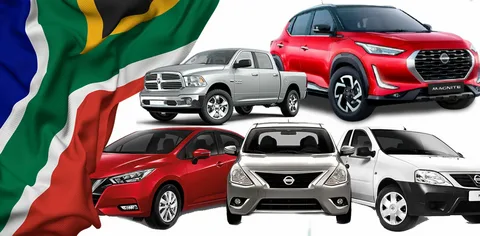
Buying a used car in South Africa can be both an exciting and overwhelming experience, thanks to the vast number of choices available. Whether you’re looking for a compact city sedan, a spacious SUV, or a rugged pickup, there’s a vehicle type for everyone, depending on your personal preferences and lifestyle. Among the most popular choices are Japanese brands, known for their exceptional reliability, low maintenance, and strong resale value. For international buyers, working with trusted exporters like UFS Auto ensures a seamless process in acquiring high-quality vehicles with peace of mind.
If you’re planning to buy a used car in South Africa, here’s a breakdown of the most popular vehicle types and some top models to consider.
Sedans: The Comfortable and Reliable Choice
Sedans are a top pick for those who prioritize comfort, fuel efficiency, and reliability. They’re especially ideal for daily commuting, city driving, and those who don’t need an excessive amount of space.
Some of the most popular sedan models in South Africa include:
- Toyota Corolla – Known for its unbeatable durability and low maintenance costs, the Corolla is a favorite among those seeking a reliable daily driver.
- Honda Civic – A stylish yet dependable option, the Civic combines performance and fuel efficiency.
- Hyundai Elantra – Practical and economical, the Elantra is a great choice for those who want an affordable vehicle without sacrificing quality.
Sedans are perfect for small families, commuters, or individuals looking for a vehicle that balances comfort, affordability, and reliability.

SUVs: The Versatile and Rugged Option
For those who need a little more space or plan on taking their vehicle off the beaten path, SUVs are an excellent choice. These vehicles offer both the comfort of a sedan and the rugged capabilities needed for more adventurous trips.
Here are some top SUV models that are popular in South Africa:
- Toyota Fortuner – A robust and durable vehicle, the Fortuner is ideal for tackling South Africa’s varied road conditions.
- Ford Everest – Known for its reliability and comfort, the Everest is a great option for family trips or weekend adventures.
- Nissan X-Trail – A practical and efficient SUV, the X-Trail offers plenty of versatility, making it a great choice for urban and rural driving alike.
SUVs are perfect for families, adventure lovers, or anyone looking for a vehicle that offers ample cargo space and can handle rough terrain with ease.
Pickups: Perfect for Business and Adventure
Pickups are highly regarded in South Africa for their ability to handle tough tasks and demanding conditions. Whether you need it for work or play, a pickup offers excellent towing capacity, rugged performance, and cargo versatility.
Popular pickup models include:
- Toyota Hilux – Known for its toughness and legendary resale value, the Hilux is an all-around workhorse, perfect for both business and off-road use.
- Ford Ranger – A highly reliable pickup, the Ranger is versatile enough for both work and leisure activities like camping or off-roading.
- Isuzu D-Max – Durable and efficient, the D-Max excels at heavy-duty tasks and is built to last.
Pickups are especially popular among small business owners, farmers, and adventurers who need a vehicle capable of transporting heavy loads or navigating through difficult terrain.
Hatchbacks: Compact and Practical
Hatchbacks are the go-to option for those seeking a compact, fuel-efficient vehicle that’s easy to maneuver in busy city traffic. They are an excellent choice for first-time buyers or anyone looking for a practical yet affordable vehicle.
Here are some top hatchback models to consider:
- Volkswagen Polo – A compact yet feature-rich vehicle, the Polo offers a great balance of performance, style, and economy.
- Honda Fit – Renowned for its reliability and low maintenance, the Fit is a practical and efficient choice for urban commuters.
- Suzuki Swift – Affordable and fun to drive, the Swift is another great hatchback for those on a budget who don’t want to compromise on quality.
Hatchbacks are perfect for city dwellers, first-time car buyers, or anyone seeking an economical and practical vehicle for everyday use.
Hybrids and Electric Vehicles: The Eco-Friendly Future
South Africa is slowly witnessing a rise in the popularity of hybrid and electric vehicles. These cars are especially appealing to environmentally conscious buyers or anyone looking to reduce fuel costs.
Popular hybrid models in South Africa include:
- Toyota Prius – One of the pioneers in hybrid technology, the Prius is efficient and reliable, offering impressive fuel savings.
- Honda Insight – Known for its blend of reliability and fuel efficiency, the Insight is an affordable hybrid option.
- Mitsubishi Outlander PHEV – A hybrid SUV that offers the best of both worlds – eco-friendliness and versatility.
Electric vehicles (EVs) are also beginning to make their mark in the market, providing eco-conscious buyers with an alternative to traditional fuel-powered cars. As the technology continues to improve, it’s expected that electric vehicles will become more accessible and prevalent.
Tips for Buying Used Cars in South Africa
When buying a used car in South Africa, there are a few important steps to follow to ensure you get a reliable vehicle at a fair price.
- Verify Dealer Reputation – Look for dealerships with positive reviews and certifications to ensure you’re working with a trustworthy seller.
- Check Vehicle History – Always ask for information about the car’s mileage, past accidents, and service records to avoid any unpleasant surprises down the road.
- Inspect the Vehicle Thoroughly – If possible, arrange for a physical inspection or ask for detailed videos to assess the vehicle’s condition.
- Compare Prices – Shop around and compare prices from different dealers to make sure you’re getting the best deal.
- Plan for Additional Costs – Don’t forget to account for insurance, registration fees, and any import duties if you’re buying a vehicle from abroad.
By working with reputable exporters like UFS Auto, international buyers can rest assured that they’ll have access to high-quality, well-inspected vehicles. UFS Auto’s team offers valuable guidance throughout the buying process, making it easier to navigate the complexities of international vehicle purchases.
Conclusion
Whether you’re searching for a reliable sedan, a versatile SUV, a rugged pickup, or even an eco-friendly hybrid, the South African used car market offers a wide range of options to suit your needs. By following a few simple tips and working with trusted dealers like UFS Auto, you can confidently purchase a vehicle that meets your lifestyle and budget requirements.
With the growing popularity of hybrids and electric vehicles, 2026 is a promising year for buyers who are ready to invest in a car that not only offers durability and performance but also supports a sustainable future.
Author



Peace in War: Examples of Humanity, Hope, and Compassion
Valabasas Clothing Guide 2026: Stacked Jeans & Streetwear Style

Best Web Development Agency to Hire in 2026: Top 10 Picks

Fear of God Essentials Tracksuit: Modern Streetwear Style

Essentials Tracksuit: Everyday Comfort & Simple Streetwear Style

Corteiz Tracksuit: Official Store, Styles & Buying Guide

Rhinoplasty in Dubai | AI-Powered Nose Surgery & 3D Simulation

Customer Experience Training Platform: AI-Driven CX Training

Embroidery Digitizing Services: Professional Custom Stitch Files

Divorce Appraisal: Accurate Home Valuations for Separation

Cybersecurity Consulting Company SequelNet Provides Critical IT Support Services to Medical Billing Firm, Medical Optimum

Team Communication Software Transforms Operations at Finance Innovate

Project Management Tool Transforms Long Island Business

How Alleviate Poverty Utilized IPPBX’s All-in-One Solution to Transform Lives in New York City

Breast Cancer: The Imperative Role of Mammograms in Screening and Early Detection

Unstoppable Collaboration: D.C.’s Citi Open and Silicon Valley Classic Unite to Propel Women’s Tennis to New Heights

Embracing Renewal: Sizdabedar Celebrations Unite Iranians in New York’s Eisenhower Park

The Benefits of Starting a Side Hustle for Financial Freedom

New Blood Donation Screening Questions What You Need to Know

Stylishly Timeless: The 5 Types of Sandals You Need in Your Closet
-

 Business3 years ago
Cybersecurity Consulting Company SequelNet Provides Critical IT Support Services to Medical Billing Firm, Medical Optimum
-
Business3 years ago
Team Communication Software Transforms Operations at Finance Innovate
-
Business3 years ago
Project Management Tool Transforms Long Island Business
-
Business3 years ago
How Alleviate Poverty Utilized IPPBX’s All-in-One Solution to Transform Lives in New York City
-
health3 years ago
Breast Cancer: The Imperative Role of Mammograms in Screening and Early Detection
-
Sports3 years ago
Unstoppable Collaboration: D.C.’s Citi Open and Silicon Valley Classic Unite to Propel Women’s Tennis to New Heights
-
Art /Entertainment3 years ago
Embracing Renewal: Sizdabedar Celebrations Unite Iranians in New York’s Eisenhower Park
-
Finance3 years ago
The Benefits of Starting a Side Hustle for Financial Freedom







